Lisbon Itinerary
4 Days in Lisbon: The Ideal Itinerary
Hour by hour, with real 2026 prices: the historic core, Belém, a Sintra day that actually works, and three good ways to spend the fourth day.
In this guide
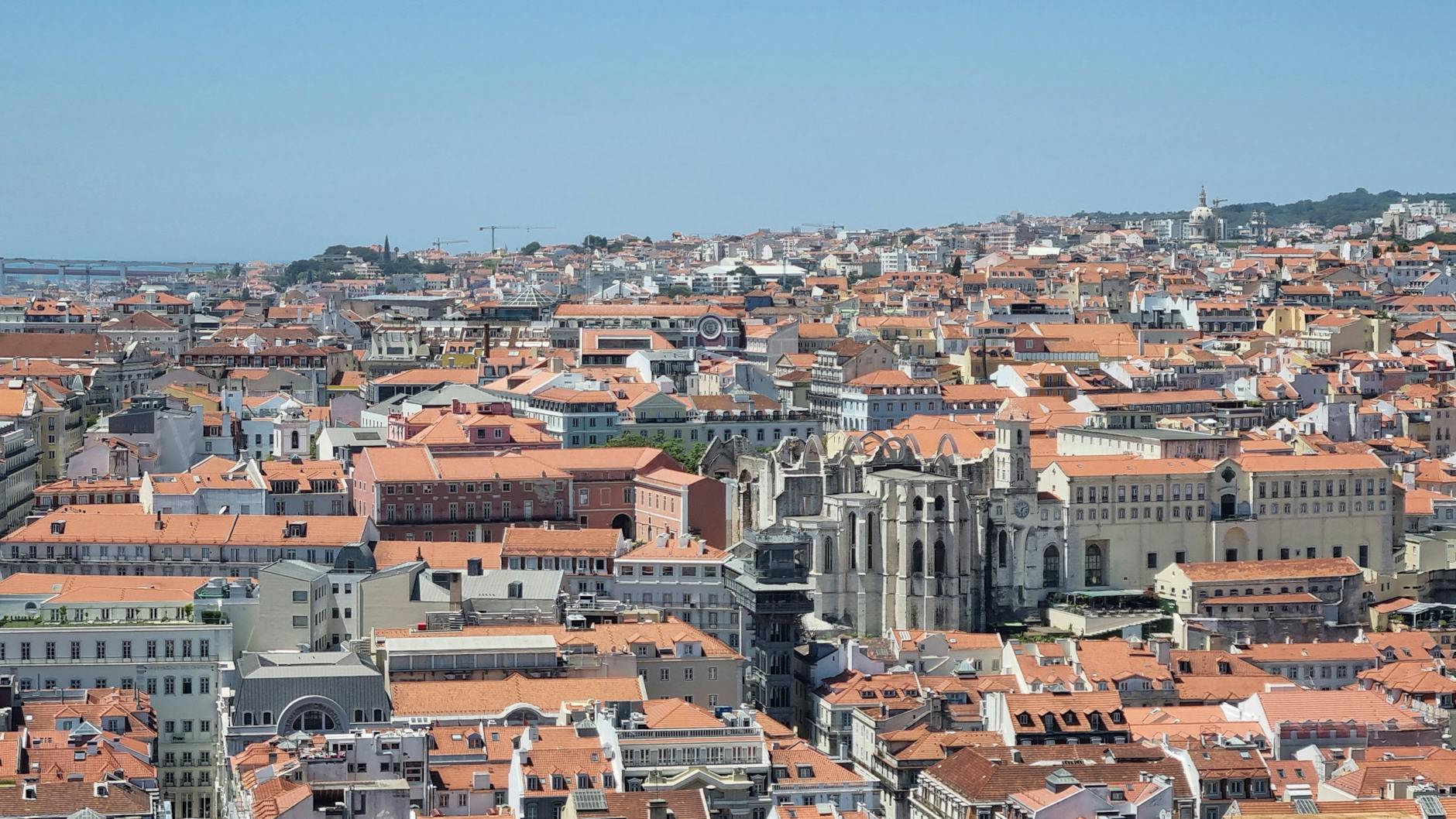
4 days in Lisbon is the length we would pick if someone gave us the choice. Three days forces you to trade Sintra against the city and something always gets cut; five starts to have slack in it. Four is the number where you can do the historic core properly, give Belém a real morning, spend a full day in Sintra without sprinting, and still have a fourth day that is yours — the beach, the river, the modern city or simply the neighbourhood you liked and want to see again. This is that itinerary, hour by hour, with real prices, real opening times and honest notes on what to drop when it rains or your legs give out.
The plan in one glance
- Day 1 — the historic core: castle, Alfama, Baixa, Chiado, sunset from a miradouro, fado.
- Day 2 — Belém: monastery, tower, custard tarts, an afternoon museum, a rooftop.
- Day 3 — Sintra: Pena, one other palace, the town, home for dinner.
- Day 4 — your choice: the coast, the modern city, or the neighbourhoods most visitors miss.
The single most important structural decision: do Sintra on day 3, not day 4. Trains and palaces get disrupted, and a spare day behind it means a wet Wednesday is recoverable. Putting your day trip last is how people end up in Sintra in the rain with no plan B.
Before you start: the practical set-up
Twenty minutes on the first morning saves you hours later.
- Buy a Navegante ocasional card at any metro machine — the card is €0.50 and lasts a year. A single journey loaded onto it is €1.90 and covers metro, trams, buses and the lifts for an hour. A 24-hour Carris + Metro ticket is €7.25. Buying from the driver on a bus costs €2.30, so load the card instead. Full detail in our metro guide.
- Decide on the Lisboa Card. It starts at €31 for 24 hours and includes unlimited transport, the trains to Sintra and Cascais, and free entry to around fifty museums and monuments. On this itinerary a 72-hour card can genuinely pay, but only if you are the kind of traveller who goes into things. Our Lisboa Card guide does the arithmetic.
- Budget the tourist tax: €4 per person per night, ages 13 and up, collected by your hotel at check-out and almost never in the rate you booked. Four nights for two people is €32. See the tourist tax guide.
- Book three things in advance: Pena Palace (timed entry on a fixed date), one fado house, and one good dinner. Everything else can be decided on the day.
- Wear proper shoes. Lisbon’s pavement is polished limestone laid in patterns, it is beautiful, and it is genuinely slippery. This is not a city for new leather soles.
Day 1 — the historic core

The shape of today is: start high, walk down, end high again for sunset.
08:30 — coffee and a pastel de nata
Start standing at a counter with a bica — an espresso, €0.80–€1.20 if you drink it standing, more if you sit on a square. Add a pastel de nata. This is breakfast in Portugal and it costs under €3.
09:00–11:00 — São Jorge Castle
Go up first, while it is cool and quiet. The castle opens at 09:00 and the wall-walk views over the whole city are the orientation the rest of the trip needs. Take tram 28 or a taxi up and walk down — that is the correct direction of travel for this hill and everybody who does it the other way regrets it.
11:00–12:30 — down through Alfama
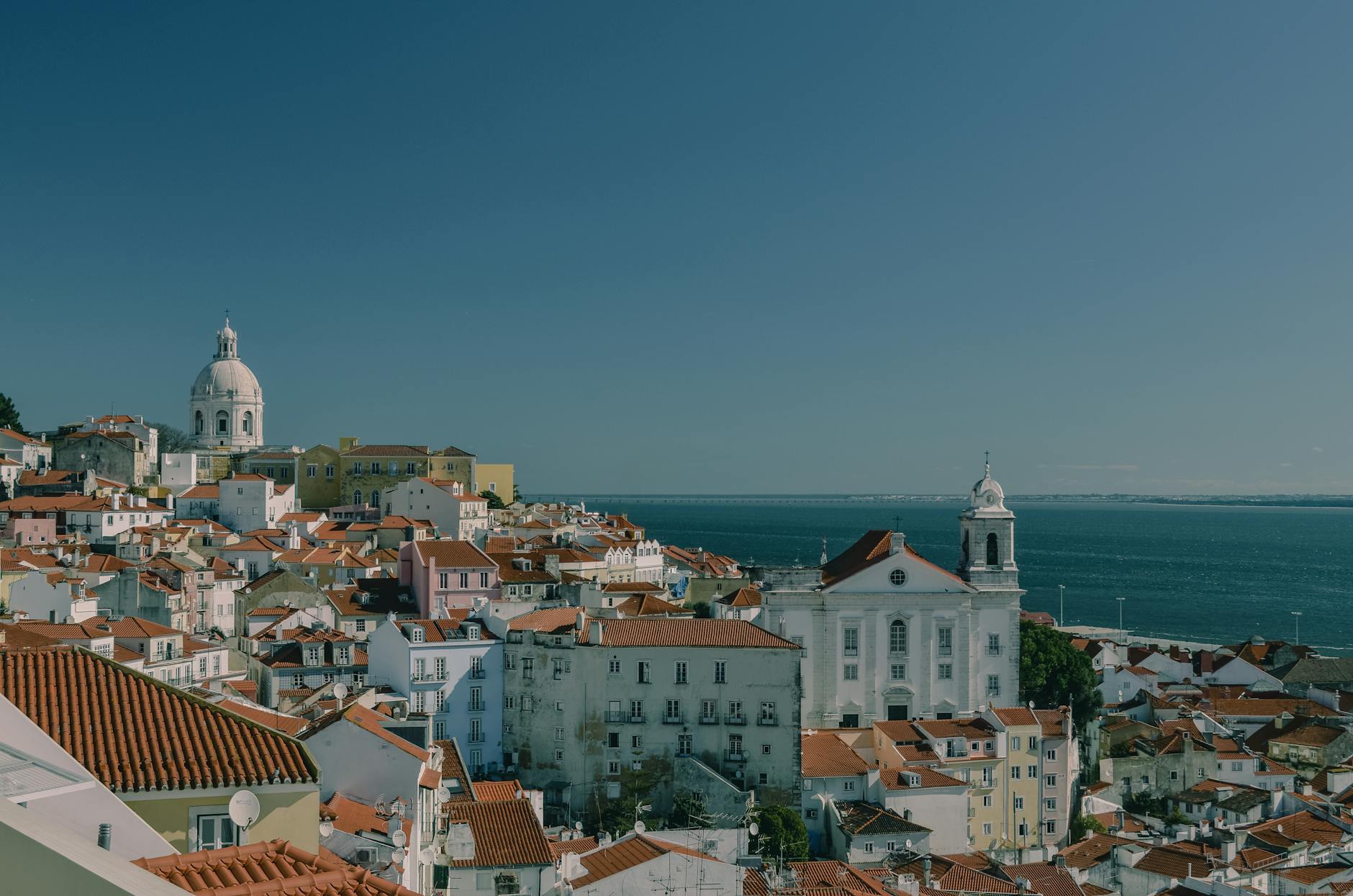
No route required. Point yourself downhill through Alfama and get lost on purpose: washing lines, tiled façades, the Sé on the way down, and the Miradouro das Portas do Sol, which has its best light in the morning.
12:30–14:00 — lunch in Baixa or Chiado
Find a prato do dia — the weekday set lunch, soup and a main and bread and a drink, €8–€12 in a proper tasca. It is the best-value meal in the city and it exists almost everywhere off the main squares.
14:00–17:00 — Baixa, Carmo and Chiado
Walk Praça do Comércio, note the straight streets and identical façades — that grid is the rebuilt city after the 1755 earthquake — then up to the Carmo Convent (€7), whose roof came off that morning and was never replaced. Standing in a roofless Gothic nave is the most eloquent five minutes in Lisbon. Then Chiado: bookshops, cafés.
18:30 — sunset
Miradouro de São Pedro de Alcântara or Santa Catarina. Buy a bottle at a shop on the way; everyone else has. Our miradouros guide ranks them, and the rooftop bars are the paid alternative at €12–€16 a cocktail.
20:30 — dinner, then fado
Eat at half eight, then a 22:00 fado set in Alfama. Budget €45–€70 a head with a meal at a proper casa de fado, and book it — the good rooms hold thirty people. Avoid anywhere with “FADO” on a chalkboard outside; our fado guide explains how to tell.
Day 2 — Belém and the west
09:00 — tram 15E or the train
Tram 15E from Praça da Figueira or Cais do Sodré, about twenty-five minutes. The train from Cais do Sodré is faster and less crowded, and both take the same Navegante fare.
09:30–11:30 — Jerónimos Monastery
Be there for opening. The queue at Jerónimos is the worst in Lisbon by eleven o’clock and non-existent at half nine. The cloister is the thing — the church itself is free and takes ten minutes.
11:30 — pastéis de Belém
Yes, the queue moves. Yes, they are better than the ones elsewhere. The takeaway line and the sit-down room are two different queues, and the sit-down one is usually faster.
12:00–14:00 — the waterfront and lunch
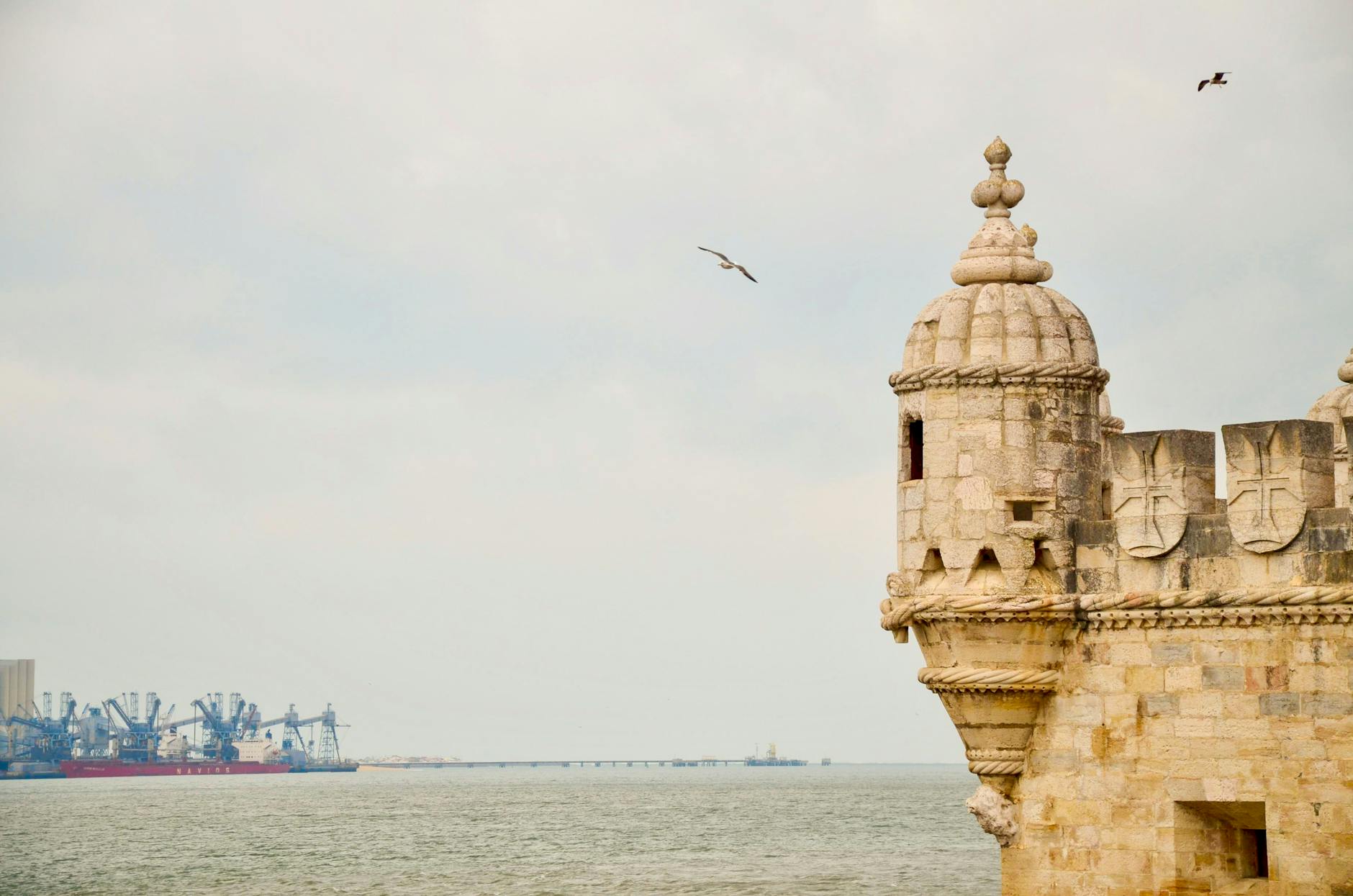
The Monument to the Discoveries and the Belém Tower, both of which we would look at from outside rather than queue for. Then lunch away from the monument strip, a couple of streets back.
14:00–16:30 — pick one
- The Coach Museum — genuinely world-class and consistently underrated.
- MAAT — contemporary art in a building you can walk over, right on the river.
- Quake — the 1755 earthquake as an immersive ninety-minute experience, around €27.50, timed sessions, book ahead.
17:00 onwards — back east
Tram or train back, then LX Factory under the bridge for a drink if you have energy, or Time Out Market, which runs to midnight Sunday to Wednesday and 02:00 Thursday to Saturday.
Day 3 — Sintra

Sintra is forty minutes by train from Rossio and it is the single most oversubscribed thing anyone does from Lisbon. The whole trick is being early and doing less.
The plan
- 07:30–08:00 train from Rossio. Not later. The 09:30 train arrives into a queue.
- Bus 434 up to Pena. The Scotturb day pass is €13.50, roughly 8% cheaper online, and covers the 434 and 435 for 24 hours from first validation.
- Pena Palace, 09:30. The Essential Visit ticket (park and palace) is €20; park only is €12. Palace hours are 09:30–18:30, park 09:00–19:00, last ticket sales 17:30. Entry is timed on a fixed date, so book it before you leave home and build everything else around it.
- Then one more thing, not three. Either the Castle of the Moors (€12, next door, walkable from Pena, and the better views) or Quinta da Regaleira (€20, down in the town, the initiation well, timed slots every thirty minutes). Regaleira is privately run and is not in any Parques de Sintra combined ticket.
- Late lunch in Sintra town, then the National Palace (€13) if you still have appetite, or simply the town.
- Train back around 18:00, dinner in Lisbon.
The mistake everyone makes is booking Pena, Regaleira, the Moorish Castle and Monserrate in one day. It cannot be done at a walking pace, the buses are slow and full, and you will spend the day queueing rather than looking. Two sites is a good Sintra day; three is a hard one. Our Sintra tickets and tips page has the full mechanics, and staying overnight in Sintra is the alternative if this sounds like too much.
Note also that Monserrate’s palace roof is under restoration into early 2027 — the gardens are unaffected, but do not build a day around the interior.
Day 4 — three good ways to spend it
By now you have done the obligatory Lisbon. The fourth day is where the trip becomes yours, and we would genuinely not tell you which of these to pick — they suit different people.
Option A: the coast
Take the Cascais line west from Cais do Sodré. It runs along the water the whole way, takes about forty minutes end to end, and costs a normal fare. Get off at Carcavelos for the easiest big beach near the city, or ride to the end for Cascais, which is a proper seaside town with a fort, a couple of museums, good fish and a promenade. The catch is the Atlantic: cold water in any month and real wind in the afternoon.
Best for: May to September, anyone who has been walking hills for three days, families.
Option B: the modern city and the river
Metro to Parque das Nações, the redeveloped Expo ’98 waterfront. The Oceanário is genuinely one of the best aquariums in Europe and takes about two hours; there is a cable car along the river, wide flat promenades and no cobbles anywhere. Come back into town and finish with Cristo Rei or a sunset boat on the Tagus.
Best for: families, anyone with mobility limitations, a hot day, rain.
Option C: the neighbourhoods most visitors skip
This is the one we would choose. Tram 28 or a walk up to Graça for the Senhora do Monte viewpoint, then the National Pantheon (€10) and, if it is a Tuesday or Saturday, the Feira da Ladra flea market in the square beside it. Finish in Príncipe Real with a drink under the big cypress.
Best for: second-time visitors, anyone who found the centre too busy, rainy afternoons.
If none of those appeals, a second day trip works too — Óbidos, Évora, Arrábida — though we would gently suggest that a fourth day spent in Lisbon beats a second day on a coach. The full menu is in day trips from Lisbon.
Arriving, and where to base yourself
From the airport
Humberto Delgado is about 7 km out and the metro station sits at Terminal 1 with no airport supplement — a normal €1.90 single on the Red Line, twenty minutes to the centre. A taxi is typically €15–€20 plus a €1.60 luggage surcharge, and about twenty per cent more between 21:00 and 06:00 and at weekends. If you are flying Ryanair, Wizz, Transavia, Eurowings or Vueling you depart from Terminal 2, which has no metro and is reached only by the free shuttle from T1 — allow for it on the way home. Everything else is in our airport to city centre guide.
Which neighbourhood
For four days you want to be central enough to walk home at midnight and flat enough that you are not climbing at the end of every day.
- Chiado and Baixa — the safest first-visit choice. Central, well connected, walkable to everything on days 1 and 2, and a five-minute walk from Rossio for the Sintra train on day 3.
- Príncipe Real — the nicest to live in for a few days: a flat plateau, real neighbourhood life, good small hotels. The catch is the climb home.
- Avenida da Liberdade — flat, grand, well served by metro, and slightly characterless. Good if you value ease over atmosphere.
- Alfama — lovely and hard work with luggage. We would not choose it for a first visit.
Our where to stay guide compares them properly, with hotels, boutique hotels and hostels broken out separately.
What we would skip
Four days is enough time to include things that are not worth including, so a short list of what this itinerary deliberately leaves out:
- The inside of Belém Tower. Long queue, small stone rooms, and the building’s beauty is entirely external. Look at it from the waterfront and spend the hour on the Coach Museum.
- Riding Tram 28 end to end in the afternoon. It is standing room only, it is where every pickpocket in Lisbon goes to work, and you see nothing. Ride a short segment at eight in the morning, or walk the route — our guide explains where to get on.
- Hop-on-hop-off buses. In a city this compact and this steep, they cannot reach the interesting streets. The money is better spent on a walking tour on the first morning.
- Four Sintra palaces. Covered above, and the most common way to ruin day 3.
- A car. Parking is hard, the old streets are hostile to it, and everything on this plan is reachable by train, tram or metro. Renting a car only makes sense if you are heading out to Arrábida or the Alentejo.
What four days costs
Per person, excluding flights, for a mid-range trip:
- Accommodation: €90–€180 a night for a good double in the centre, so €180–€360 each for four nights sharing. Plus €16 in tourist tax.
- Food: €40–€60 a day if you eat one set lunch and one proper dinner — call it €160–€240.
- Transport: around €25–€35 for the whole trip including the Sintra train and the Sintra bus pass.
- Attractions: €90–€130 depending on how much of Sintra you do and whether you add Quake or the Oceanarium.
- Fado night: €45–€70.
Roughly €500–€850 a head for four days, sharing a room, without being careful and without being extravagant. Lisbon is cheaper than most western European capitals but it is no longer the bargain it was five years ago — the fuller picture is in how much a Lisbon trip costs and is Lisbon expensive.
Adjusting the plan
- If it rains on day 3, swap Sintra with day 4. That is the whole reason Sintra sits at day 3 rather than day 4.
- If it rains generally, the tile museum, the Gulbenkian, the Coach Museum, the Oceanarium and Quake are all indoors and all good — see the rainy day guide.
- With children, cut one Sintra site, add the Oceanarium on day 4 and take trams and buses rather than walking the hills. Our Lisbon with kids itinerary reshapes the whole thing.
- With mobility limitations, reverse day 1 (taxi to the castle, taxi back down), swap Alfama for Baixa and choose option B on day 4. The accessibility guide is honest about how hard this city is.
- In July and August, move everything an hour earlier and take the middle of the day off. The heat between 14:00 and 17:00 is not something to power through.
- If you have five days, add a second day trip or a full day doing nothing — see the five-day itinerary.
Frequently asked questions
Is 4 days in Lisbon enough?
Yes — it is arguably the ideal length. It covers the historic centre, Belém, a full Sintra day and one free day, without the padding that creeps into a five-day plan.
Should I do Sintra as a day trip or stay overnight?
A day trip works on this itinerary if you take the 07:30 train and limit yourself to two sites. Staying a night is better if you want the palaces before the coaches arrive, and it is covered in our where-to-stay-in-Sintra guide.
Do I need the Lisboa Card for four days?
Only if you plan to enter a lot of museums. It starts at €31 for 24 hours, includes transport and the Sintra and Cascais trains, and covers around fifty sites — but it does not cover Pena Palace, Regaleira or the zoo, which are among the bigger tickets.
What is the best order for a 4-day Lisbon itinerary?
Historic centre, then Belém, then Sintra on day 3, then a flexible fourth day. Putting Sintra third leaves you a spare day if the weather or the trains fail you.
How much should I budget for 4 days in Lisbon?
Around €500–€850 per person sharing a room, excluding flights: €180–€360 accommodation, €160–€240 food, €90–€130 attractions, €25–€35 transport, plus €16 tourist tax and a fado night.
Is Lisbon walkable in four days?
Mostly, but it is steep. Expect 15,000–20,000 steps a day on this plan, much of it uphill on slippery limestone. Use the trams and buses going up and walk down.
When is the best time to visit for a four-day trip?
April to early June, or late September through October. Mild, long days, and none of the August heat or crowds. See the best time to visit.
What should I book in advance?
Pena Palace (timed entry, fixed date), one fado house, one good dinner, and your Sintra train seat is not bookable but your Sintra bus pass is cheaper online. Everything else can wait.
Can I do Lisbon and Porto in four days?
You can, but we would not. The train is under three hours each way and Porto deserves two nights of its own; squeezing it in costs you Sintra and gives you two rushed cities instead of one good one. See Lisbon vs Porto.
Bottom Line
Four days in Lisbon works because it lets you do the obligatory things properly and still have a day left over. Take the historic core first while your legs are fresh, give Belém a full morning and be at Jerónimos by half nine, put Sintra on day 3 with only two sites booked and Pena timed in advance, and keep day 4 loose — the coast if the sun is out, Parque das Nações if it is not, and Graça and the tile museum if you want the version of Lisbon that most four-day visitors never see. Buy a Navegante card on the first morning, budget €4 a night for the tourist tax, and wear shoes with grip.