Lisbon Travel Guide
Lisbon in the Rain: Best Indoor Activities & Rainy Day Guide 2026
Don't let rain ruin your Lisbon trip. Discover the best indoor activities, museums, markets, and cozy cafes for rainy days.

In this guide
- Quick Reference: Lisbon Rainy Day Activities
- Top Museums for Rainy Days in Lisbon
- Indoor Markets and Food Halls
- Cooking Classes & Food Tours
- Cozy Cafés for Reading/Working
- Fado & Music Performances
- Indoor Sports & Activities
- Shopping for Rainy Days
- Rainy Day Itinerary (Full Day)
- What’s Open When It’s Rainy?
- What to Pack for Rainy Lisbon
- Lisbon Weather Reality
- Free Entry Days to Plan Around
- Slippery Cobblestone Warning
- FAQ: Lisbon Rainy Day
- Bottom Line
Rain hits Lisbon around 80 days a year — almost entirely between November and March. If one of those days lands on your trip, you won’t be stuck. Lisbon has world-class museums, covered markets, cooking classes, fado houses, and historic cafés that turn a grey morning into a genuinely good day. The things to do in Lisbon when it rains are sometimes better than the sunny-day alternatives, partly because you’ll share them with a fraction of the usual crowd. Updated for 2026.
For a wet afternoon in Belém, Quake is indoors, timed and ninety minutes long — book a session rather than turning up.
November is the month this list earns its keep: 133.9 mm of rain, more than any other. Our Lisbon in November guide explains how to hold indoor options in reserve rather than schedule them.
October is when the rain returns properly — nearly three times September’s total. Our Lisbon in October guide covers what to pack and how to build a trip that absorbs a wet afternoon.
Rain in Lisbon is concentrated in a handful of months rather than spread across the year — our month-by-month weather data shows exactly how likely a wet day is when you are travelling.
This guide covers the best indoor activities, a sample rainy-day itinerary, and practical advice on staying safe on Lisbon’s notoriously slippery cobblestones.
Quick Reference: Lisbon Rainy Day Activities
| Activity | Cost | Time Needed | Best For |
|---|---|---|---|
| Calouste Gulbenkian Museum | €14 | 2–3 hours | Art lovers |
| Lisbon Oceanarium | €25 adult / €15 child | 2–3 hours | Families |
| National Tile Museum | €8 | 1.5–2 hours | Lisbon context |
| MAAT Museum | Check maat.pt | 1.5–2 hours | Contemporary art |
| Quake earthquake museum | €19 | 1.5 hours | Families, history |
| National Coach Museum | €8 | 1–1.5 hours | History buffs |
| Time Out Market | Free entry | 1–2 hours | Everyone |
| Cooking class | €95 | 4 hours | Food lovers |
| Fado dinner | €40–80 | 2–3 hours | Culture seekers |
| Historic café crawl | €20–30 | 2 hours | Relaxed wanderers |
| Escape room | €20–30 | 1 hour | Groups |
Top Museums for Rainy Days in Lisbon
Lisbon’s museum scene is strong enough that a full rainy day spent hopping between two or three of them is a genuinely good use of time. The big three are below. All are entirely indoor. None require advance booking for standard entry, though the Oceanarium is worth pre-buying online to avoid queues at peak times.
Lisbon Oceanarium (Best for Families)
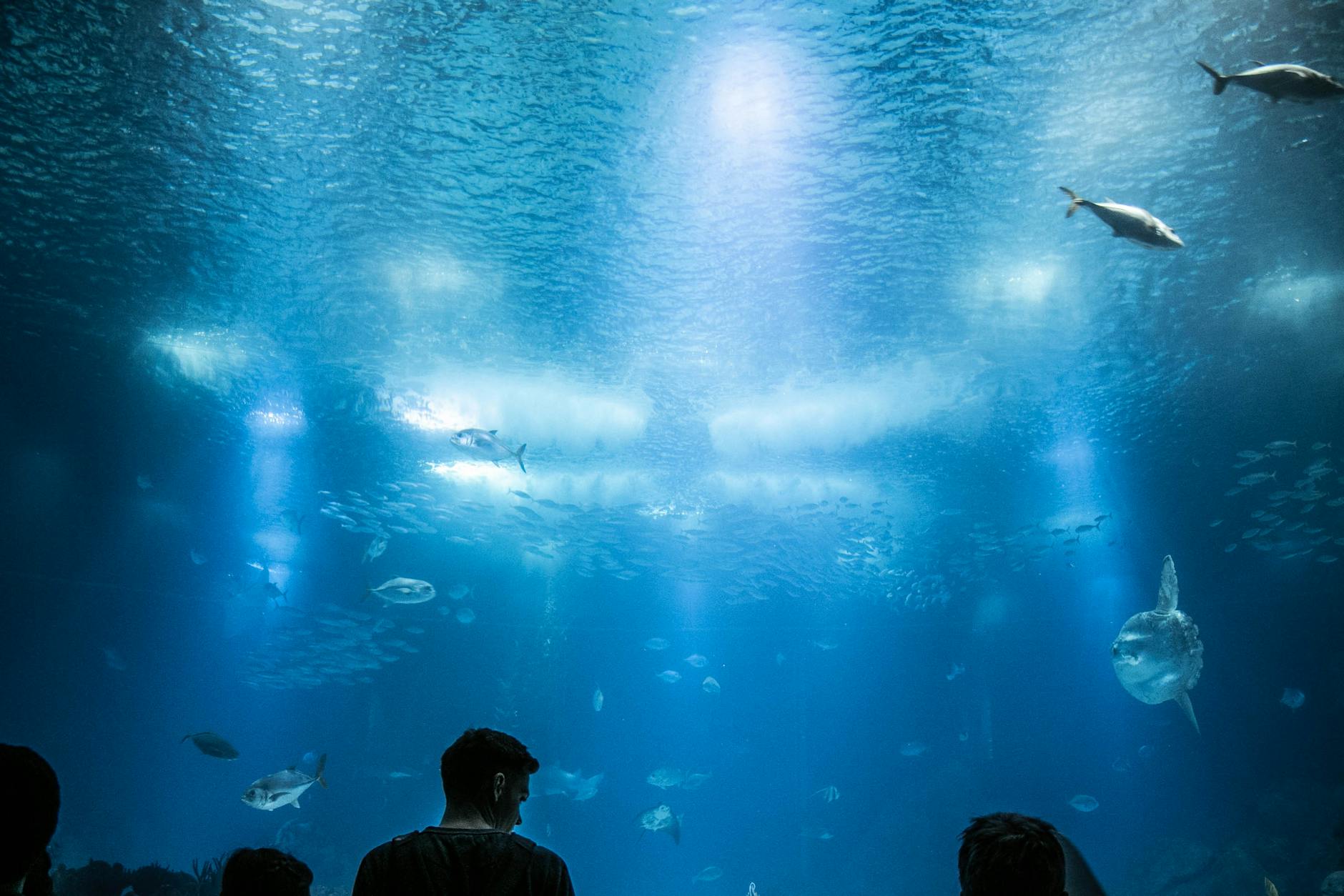
One of Europe’s best aquariums, and the most-visited indoor attraction in Lisbon. The central tank alone — a four-million-litre open ocean habitat with sharks, rays, sunfish, and tuna — is worth the entrance fee. Four additional habitat zones represent the Atlantic, Antarctic, Pacific, and Indian oceans, each with its own climate, ecosystem, and resident species. Count on 8,000+ marine animals in total.
- Cost: €25 adult, €15 child (ages 3–12), under 3 free. Prices verified June 2026 via oceanario.pt
- Hours: 10:00–20:00 daily (last entry 19:00)
- Where: Parque das Nações — take the metro to Oriente station (Red Line), 5 minutes’ walk
- Time needed: 2–3 hours
- Best for: Families, all ages, anyone who hasn’t been before
The downside: it’s in Parque das Nações, which is a 20-minute metro ride from the city centre. If you’re staying near Baixa or Chiado, factor in the travel time. The upside: you can combine it with lunch at the Vasco da Gama mall food court and a look at Calatrava’s Oriente station without going back out into the rain.
See our Lisbon Oceanarium guide for the full visit breakdown.
Calouste Gulbenkian Museum (Best for Art)
One of Europe’s finest private art collections, full stop. Founder Calouste Gulbenkian spent decades assembling it with the budget and taste of a very particular obsessive: Egyptian antiquities, Greek coins, Islamic glassware, Flemish masters, Impressionist paintings, and a jaw-dropping room of Lalique Art Nouveau jewellery. The collection spans 5,000 years and around 6,000 objects, but the display is curated rather than overwhelming — you won’t feel crushed.
- Cost: €14 adult — check gulbenkian.pt for current reduced rates and free-entry days
- Where: Avenida de Berna 45A, Praça de Espanha metro (Blue/Yellow Line)
- Time needed: 2–3 hours for the permanent collection; longer if there’s a temporary show
- Best for: Art lovers, older kids, serious museum-goers
- Bonus: The garden is beautiful if the rain stops mid-visit
The Modern Collection, in an adjacent building, is included in the ticket and covers Portuguese and international 20th-century art. Between the two wings, this is easily a half-day. Go mid-week in winter and you may practically have it to yourself.
See our walkthrough of the Gulbenkian collection.
National Tile Museum (Best for Lisbon Context)
If you want to understand what Lisbon looks like and why, the Museu Nacional do Azulejo delivers it in 500 years of ceramic storytelling. Housed in a former 16th-century convent with a stunning baroque church attached, the permanent collection traces Portuguese tile-making from its Moorish origins to contemporary art installations. The highlight: a 23-metre panoramic tile panel depicting Lisbon’s waterfront before the 1755 earthquake destroyed it. There is no better pre-visit to the city’s history anywhere in Lisbon.
- Cost: €8 adult; free on first Sundays until 14:00
- Where: Rua da Madre de Deus 4, Beato — bus 794 from Praça do Comércio
- Time needed: 1.5–2 hours
- Best for: Anyone who wants Lisbon context; photography fans; architecture lovers
It’s slightly off the tourist track in Beato, which means no queues even in high season. The café inside the convent cloister is a good spot for a coffee and pastry mid-visit.
See our National Tile Museum guide.
MAAT — Museum of Art, Architecture and Technology
The MAAT occupies two buildings on the Belém riverfront: the wave-shaped new gallery designed by Amanda Levete, and the restored Central Tejo power station next door. The programming skews contemporary and experimental — think large-scale installations, digital art, architecture photography. It won’t suit everyone, but if it connects, you’ll spend longer than planned. Open Wednesday to Monday, 10:00–19:00; closed Tuesdays.
- Where: Avenida Brasília, Belém — Tram 15E from Praça da Figueira, or bus 728
- Best for: Contemporary art fans, architecture enthusiasts
- Combined visit: Pair with the National Coach Museum (10 minutes’ walk) for a full indoor Belém day
Check current admission and exhibitions at maat.pt before visiting — the programming rotates and pricing varies by exhibition.
Quake — Lisbon Earthquake Museum
Interactive museum about the 1755 earthquake — the event that destroyed 85% of Lisbon and reshaped European Enlightenment thinking. The centrepiece is an “earthquake simulator” room that recreates the experience with floor movement, sound, and visual effects. Newer attraction, opened 2022. Better than it sounds; the historical and scientific content is solid, not gimmicky.
- Cost: €19 adult
- Where: Belém — walking distance from the National Coach Museum and MAAT
- Best for: Families with kids 8+, history buffs who want something immersive
See our 1755 earthquake guide for deeper historical context.
National Coach Museum
Europe’s finest collection of royal carriages, housed in a purpose-built modern building in Belém. 70+ coaches from the 16th to 19th centuries, including extraordinary gilded baroque ceremonial carriages that make modern state cars look understated. Less than 1.5 hours is enough unless you’re deeply interested.
- Cost: €8
- Where: Praça Afonso de Albuquerque, Belém
See our Coach Museum guide.
Pavilhão do Conhecimento (Knowledge Pavilion)
Interactive science museum at Parque das Nações. Hands-on experiments, optical illusions, robotics demonstrations, and a dedicated area for young children. If you’re combining a morning at the Oceanarium with an afternoon here, you have a complete kids-focused rainy day without stepping outside for more than a few minutes.
- Cost: €11 adult, €7.50 child
- Where: Parque das Nações, next to Oriente metro station
- Best for: Families with children 5–14
National Museum of Ancient Art (MNAA)
Portugal’s largest art museum. 16th–19th century European masterpieces including Dürer, Bosch (the Temptations of St. Anthony is here), and Nuno Gonçalves’ remarkable 15th-century polyptych of St. Vincent. Consistently less crowded than the Gulbenkian despite the quality of the collection.
- Cost: €10
- Where: Rua das Janelas Verdes, Santos
- Best for: Serious art enthusiasts; visitors who have already done the Gulbenkian
Lisbon Story Centre
Multimedia walk through Lisbon’s history from the Phoenicians to the present day. Earthquake, Age of Discovery, Salazar, the Carnation Revolution. Good for rapid context, particularly useful if you arrive with minimal background on the city.
- Cost: €7
- Where: Praça do Comércio, Terreiro do Paço entrance
- Time needed: About 1 hour
National Tile Museum
See above.
National Archaeology Museum
Inside the Jerónimos Monastery complex. The Iberian Peninsula’s largest archaeology collection: prehistoric artefacts, Iron Age gold jewellery, Roman mosaics, Egyptian artefacts. Combine it with a monastery visit when weather allows.
- Cost: €5
- Combine with: Jerónimos Monastery visit
Indoor Markets and Food Halls
Lisbon’s covered markets are genuinely good for a few hours in bad weather — not just as a fallback but as a destination. You can eat well, browse, and watch the city’s food culture in action.
Time Out Market
Lisbon’s most famous food hall — 26 curated chef stalls inside the Mercado da Ribeira at Cais do Sodré. Entry is free; you pay only for what you eat. The range is serious: António Amorim’s petiscos, Henrique Sá Pessoa’s egg dishes, fresh seafood, pastéis de nata, craft cocktails. Budget €15–35 per person for a proper meal. Go at 12:00 or 18:00 and it’s packed; aim for 13:30 or mid-afternoon and you’ll find seats.
- Cost: Free entry
- Where: Cais do Sodré (Mercado da Ribeira)
See our guide to the Time Out Market.
Mercado de Campo de Ourique
Smaller, significantly less touristy local food hall in the Campo de Ourique neighbourhood. Around 30 stalls. Neighbourhood residents actually eat here, which tells you something. Better for a slower lunch than a high-energy food-hall sprint.
Embaixada Concept Mall
A 19th-century neo-Moorish palace in Príncipe Real, converted into curated Portuguese designer boutiques. Jewellery, ceramics, fashion, leather goods — all Portuguese-made. The building alone is worth the visit, regardless of whether you buy anything. Free entry.
See our Príncipe Real guide for more nearby options.
Centro Colombo
Lisbon’s largest indoor mall, near Campo Grande metro. 100+ stores, a cinema, food court. Not glamorous, but it’s warm, dry, and enormous — a genuine rainy-day fallback if you’re travelling with children who need to burn energy.
El Corte Inglés (Department Store)
Spanish multi-floor department store on Avenida António Augusto de Aguiar. Multiple floors of fashion, electronics, and homewares. The basement gourmet food hall is worth a look even if you’re not buying — Portuguese wines, regional charcuterie, quality pastries.
Cooking Classes & Food Tours
A rainy day in Lisbon is the ideal time for a cooking class. You’ll spend 3–4 hours in a warm kitchen, learn something concrete, and eat a proper lunch at the end. Booking ahead is essential — most operators have small groups of 8–12.
Cooking Lisbon
Half-day class: market visit + cooking + lunch eating what you cooked. Mostly indoor (covered market). €95 per person.
Pastel de Nata Workshops
1–2 hour classes making Lisbon’s iconic pastry. €30–60. Good for families; kids are welcome at most operators.
See our cooking classes guide.
Indoor Food Tours
Eating Europe and Devour run food tours that include extensive indoor stops at tascas, markets, and bakeries. €85–110. A good guide turns the rain into part of the atmosphere.
Cozy Cafés for Reading/Working
Historic Cafés Worth Seeking Out
- Café A Brasileira (Chiado, 1905) — Fernando Pessoa’s regular haunt. The bronze statue outside gets rained on; the interior stays warm and gold-lit.
- Café Nicola (Rossio, 1796) — Large Belle Époque interior. Less touristy than A Brasileira. Order the hot chocolate.
- Martinho da Arcada (Praça do Comércio, 1782) — Lisbon’s oldest café. Sit inside and watch the square through the arched windows.
- Pastelaria Versailles (Avenida da República) — Gorgeous gilded interior. The millefeuille is good.
Specialty Coffee + Working
- Hello, Kristof (Cais do Sodré) — magazine selection, slow vibes
- Heim Café (Príncipe Real) — large communal tables
- Copenhagen Coffee Lab — Scandinavian-style
- Comoba (Cais do Sodré) — Australian-style brunch
See our coffee culture guide.
Fado & Music Performances
Fado is Lisbon’s defining art form — melancholy guitar, raw vocals, a beautiful resignation to whatever life brings. A rainy evening is about the best possible context for it. The intimate venues in Alfama and Bairro Alto hold 20–60 people; the performance is close enough that you’ll feel the emotion even without understanding the lyrics.
Indoor Fado Houses
- Mesa de Frades (Alfama) — A former chapel. 30 seats maximum. Book well in advance. The best fado experience in Lisbon.
- Tasca do Chico (Bairro Alto) — Casual, unpretentious. Where locals go. €40–50 including dinner.
- Sr. Vinho (Lapa) — Upscale, excellent fado
- Adega Machado (Bairro Alto) — Touristy but authentic; good for groups
Reservations strongly recommended. €40–80 per person dinner + show.
See our fado house guide.
Live Jazz
- Hot Clube de Portugal (Praça da Alegria) — One of Europe’s oldest jazz clubs, opened 1948
- Catacumbas Jazz Bar (Bairro Alto) — Underground vault, intimate
Concerts
- Coliseu dos Recreios for major concerts
- Centro Cultural de Belém for classical
- Casa da Música for varied programming
Indoor Sports & Activities
Escape Rooms
Multiple operators offer Lisbon-themed escape rooms with 1-hour mysteries. €20–30 per person.
- Escape Hunt
- Game Over Escape Rooms
- Mystery Rooms
Bowling
Bowling Vasco da Gama at Parque das Nações. Mid-range. Family-friendly.
Spa/Wellness
Multiple boutique hotels offer spa day passes. Four Seasons Spa, Lapa Palace Spa, Tivoli Spa. €60–200.
Indoor Climbing
Climbat Lisbon — modern climbing gym. ~€15 day pass.
Yoga Studios
Multiple Príncipe Real and Chiado studios offer drop-in classes for travellers.
Shopping for Rainy Days
- Embaixada concept mall (Príncipe Real)
- A Vida Portuguesa (Chiado, Anchieta) — curated Portuguese products: soaps, ceramics, canned goods
- Cork & Co — premium cork goods
- Sant’Anna factory shop (Chiado) — working tile factory since 1741; watch artisans, buy direct
- Conserveira de Lisboa (Baixa, Rua dos Bacalhoeiros) — historic canned fish shop; sardines in beautiful vintage tins
See our shopping streets guide.
Rainy Day Itinerary (Full Day)
A wet day with maximum indoor coverage:
9:00 — Coffee at Café A Brasileira; warm up, people-watch
10:00 — Calouste Gulbenkian Museum (3 hours — permanent + Modern Collection)
13:30 — Lunch at Time Out Market
15:30 — Pastel de nata workshop or cooking class (book ahead)
19:30 — Drinks at a Bairro Alto bar
21:00 — Fado dinner at Mesa de Frades or Tasca do Chico (book the night before)
Alternative family version: Metro to Oriente → Oceanarium (10:00–13:00) → lunch at Vasco da Gama food court → Knowledge Pavilion (14:00–17:00) → metro back. Zero time outside; two proper attractions.
What’s Open When It’s Rainy?
Most indoor venues operate normally during rain. Outdoor activities affected:
- Walking tours (some still run with umbrellas; some cancelled)
- Boat cruises (depends on conditions)
- Tram rides (still operate — platforms can be slippery)
- Hop-on hop-off buses (still operate; less pleasant)
- Outdoor markets (Feira da Ladra goes ahead unless severe weather)
What to Pack for Rainy Lisbon
- Waterproof rain jacket with hood (essential in winter months)
- Travel umbrella — compact; Lisbon wind can kill larger ones
- Waterproof shoes with rubber grip soles (not fashion trainers)
- Quick-dry layers
- Plastic bags for wet items
Lisbon Weather Reality
| Season | Rain probability |
|---|---|
| Summer (Jun-Aug) | Very low (1-2 days/month) |
| Spring (Apr-May) | Moderate (4-6 days/month) |
| Autumn (Sep-Oct) | Moderate (5-7 days/month) |
| Winter (Nov-Feb) | High (10-15 days/month) |
Lisbon gets 700–800mm of rain annually — almost all in November–March. Rain typically comes in multi-day stretches rather than single-afternoon showers.
Free Entry Days to Plan Around
The first Sunday of every month, most national and municipal museums offer free entry until 14:00. On a rainy first Sunday, the National Tile Museum, National Museum of Ancient Art, and National Archaeology Museum are all free. You can save €20–30 per person in a single morning. See our Lisbon on a budget guide for more on free-entry days.
Slippery Cobblestone Warning
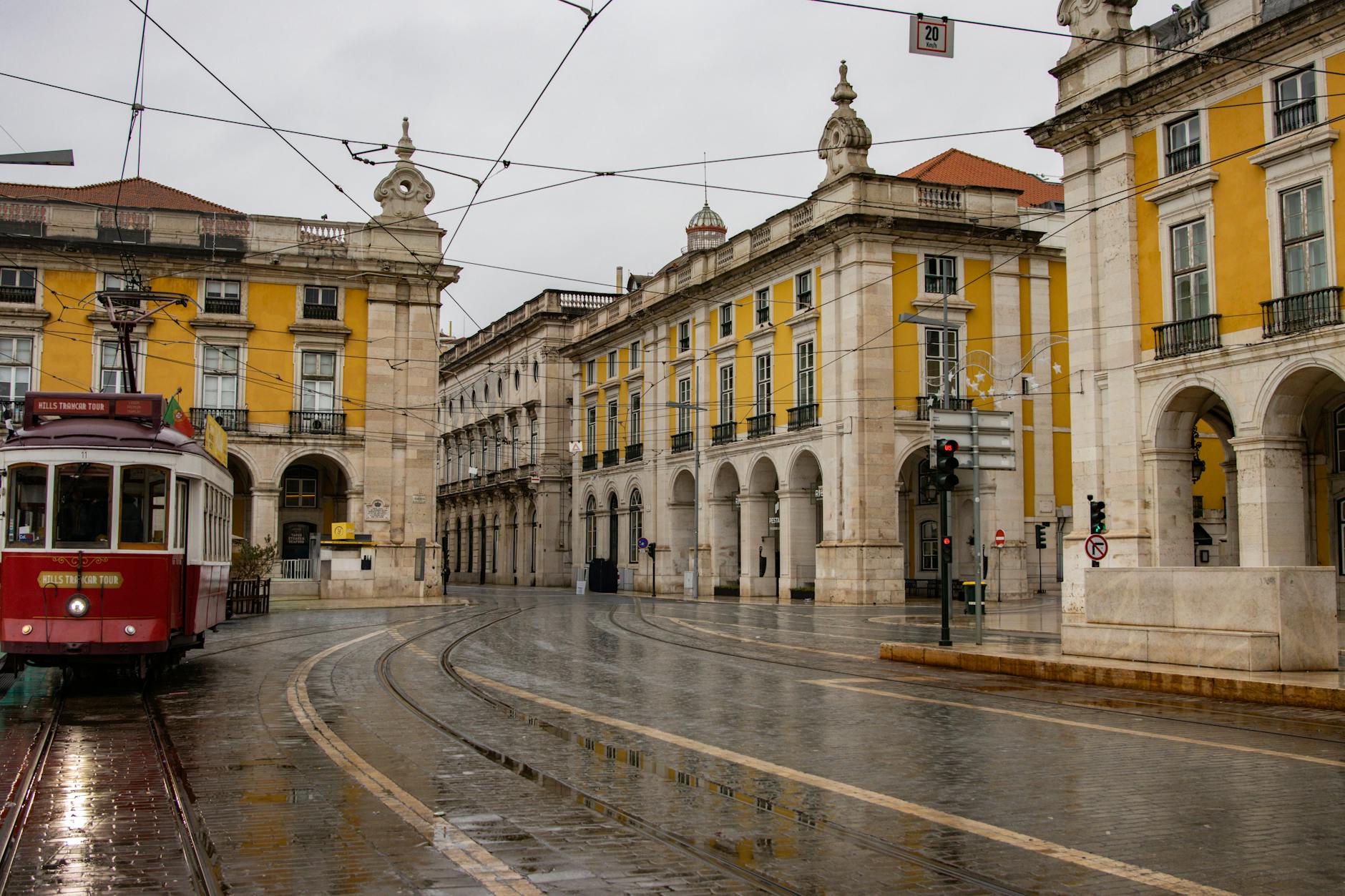
This is not a minor concern. Lisbon’s calçada portuguesa — polished limestone cobblestones — becomes actively dangerous when wet. Even gentle slopes turn into ice rinks. Falls are common, particularly in Alfama and Bairro Alto. Wear shoes with real rubber grip. Walk carefully on any incline. Consider avoiding the steeper streets in heavy rain and sticking to Baixa, Chiado, and the waterfront.
FAQ: Lisbon Rainy Day
What to do in Lisbon when it rains?
Visit major museums (Gulbenkian, Tile Museum, Oceanarium), browse Time Out Market, take a cooking class, attend fado, or hit historic cafés. A full rainy day at the Gulbenkian alone is a good day out.
How often does it rain in Lisbon?
Mostly November–March. Summer is virtually rain-free. Rain typically comes in 2–3 day stretches in winter rather than isolated afternoon showers.
Are Lisbon trams safe in the rain?
Yes — they operate normally. Cobblestoned platforms can be slippery; watch your step getting on and off.
What’s the best museum for a rainy day?
Calouste Gulbenkian for art lovers — the quality is exceptional and you can spend 3 hours without rushing. Lisbon Oceanarium for families. National Tile Museum for Lisbon-specific context.
Are there indoor things for kids on rainy days?
Yes — Oceanarium and Knowledge Pavilion at Parque das Nações can fill a full day. Escape rooms suit kids 10+. Quake earthquake museum is good for 8+. The Vasco da Gama mall has a bowling alley.
Does rain affect day trips like Sintra?
Sintra in rain is actually atmospheric — palaces in mist look like fairy tales. Bring serious rain gear. The Palácio Nacional de Sintra (town palace) and Quinta da Regaleira are partly sheltered.
Bottom Line
Lisbon in the rain is genuinely good — world-class museums, atmospheric cafés, fado dinners, cooking classes, and indoor markets give the city a different texture. The Calouste Gulbenkian alone justifies a rainy day. Bring real rain gear and slip-resistant shoes, and you’ll find Lisbon’s wet weather strangely satisfying. Plus: smaller crowds at every major attraction.
Rain is a timing question as much as a packing one. The best time to visit breaks down which months carry the risk, the travel guide covers the rest of the planning — and because wet days push you indoors and onto public transport, the budget guide and the safety guide both become more relevant than they would in July.