Lisbon Travel Guide
Lisbon vs Barcelona: Which City Should You Visit?
A real comparison with 2026 numbers: tourist tax, ticket prices, crowds, food, weather and day trips — and a straight recommendation for eight different kinds of trip.

In this guide
- The short answer
- Cost: the gap is bigger than it was, and it is widening
- Crowds and the mood towards tourists
- What each city is actually best at
- Food: a real difference, not a tie
- Weather and when to go
- Nightlife
- Getting around and getting there
- Where to stay: a structural difference worth knowing
- Two things people get wrong about this comparison
- How long you need
- So which should you actually book?
- Frequently asked questions
- Bottom Line
Lisbon vs Barcelona is one of the few travel comparisons where the two cities are genuinely close enough to make the choice hard. Both are coastal, both are warm, both have a great old quarter and a famous set of monuments, and both are three hours or less from most of northern Europe. We run a Lisbon site, so treat what follows with the appropriate scepticism — but the honest answer is that Barcelona is the better city for architecture, food variety and a beach at the end of the metro line, and Lisbon is the better city for cost, for atmosphere, for not feeling like a tourist in a place that resents you, and for day trips. This guide goes through it properly: prices in 2026, weather, crowds, food, nightlife, what each one actually feels like, and which one to pick for the trip you are planning.
The short answer
- Choose Barcelona if you care most about architecture, if you want a proper city beach, if you are travelling with people who want a big-city menu of things to do, or if it is your first trip to southern Europe and you want the greatest hits.
- Choose Lisbon if budget matters, if you would rather wander than queue, if you want day trips that are genuinely worth the day, or if you have been to Barcelona and found it overwhelming.
- Choose both only with ten days or more. They are a two-hour flight apart and there is no sensible train, so a combined trip costs you a day in the air.
Cost: the gap is bigger than it was, and it is widening
This used to be a close call. It is not any more, and the reason is policy rather than inflation.
The tourist tax
This is the single sharpest difference and it is worth understanding before you compare hotel rates.
- Lisbon: €4 per person per night, ages 13 and up, capped at seven nights per person per stay. Flat rate regardless of what you booked. That is the whole story — our tourist tax guide covers the detail.
- Barcelona: up to €12 per person per night from 1 April 2026, roughly double what it was. It is two layers — a Catalan regional rate plus a €5 city surcharge — so a five-star hotel is €7 + €5 = €12, and a tourist apartment is €4.50 + €5 = €9.50. The surcharge is legislated to rise again: €6 in 2027, €7 in 2028, €8 in 2029.
For two people on a five-night stay in a mid-range hotel, that is roughly €40 in Lisbon against something closer to €90–€100 in Barcelona — before you have booked anything.
Attractions
The headline sights in Barcelona cost multiples of the Lisbon equivalents:
- Sagrada Família: from €26 with audio, €36 with tower access — plus a centenary surcharge of €2–€5 expected from May to December 2026.
- Park Güell: €18 adult, €13.50 for children 7–12 and over-65s.
- Casa Batlló: from €29 online for the entry-level ticket, and considerably more for the timed and guided tiers.
Against that, in Lisbon the Carmo Convent is €7, the National Pantheon is €10, and the city’s genuinely world-class item — the Gulbenkian — is a fraction of a Gaudí ticket. Even Pena Palace, the most expensive thing most Lisbon visitors buy, is €20. Three Barcelona headline tickets for two people is around €150; the Lisbon equivalent is under €80.
Everyday spending
Lisbon is cheaper on the small things too, though the gap here is narrower than it was five years ago. An espresso standing at a counter is €0.80–€1.20, a draught beer €1.50–€2.50, and a weekday set lunch — soup, main, bread, drink — €8–€12. Barcelona’s equivalents run perhaps twenty to forty per cent higher in the centre. Dinner is closer: €18–€35 a head mid-range in Lisbon, a little more in Barcelona. The fuller Lisbon picture is in is Lisbon expensive and what a Lisbon trip costs.
Accommodation is the one place where the difference is shrinking. Lisbon hotel rates have risen sharply since 2019 and a central double in high season is no longer notably cheap. Barcelona’s are higher, but not by the margin the tax and ticket numbers would suggest.
Crowds and the mood towards tourists
This is the difference visitors feel most and the one nobody puts in a comparison table.
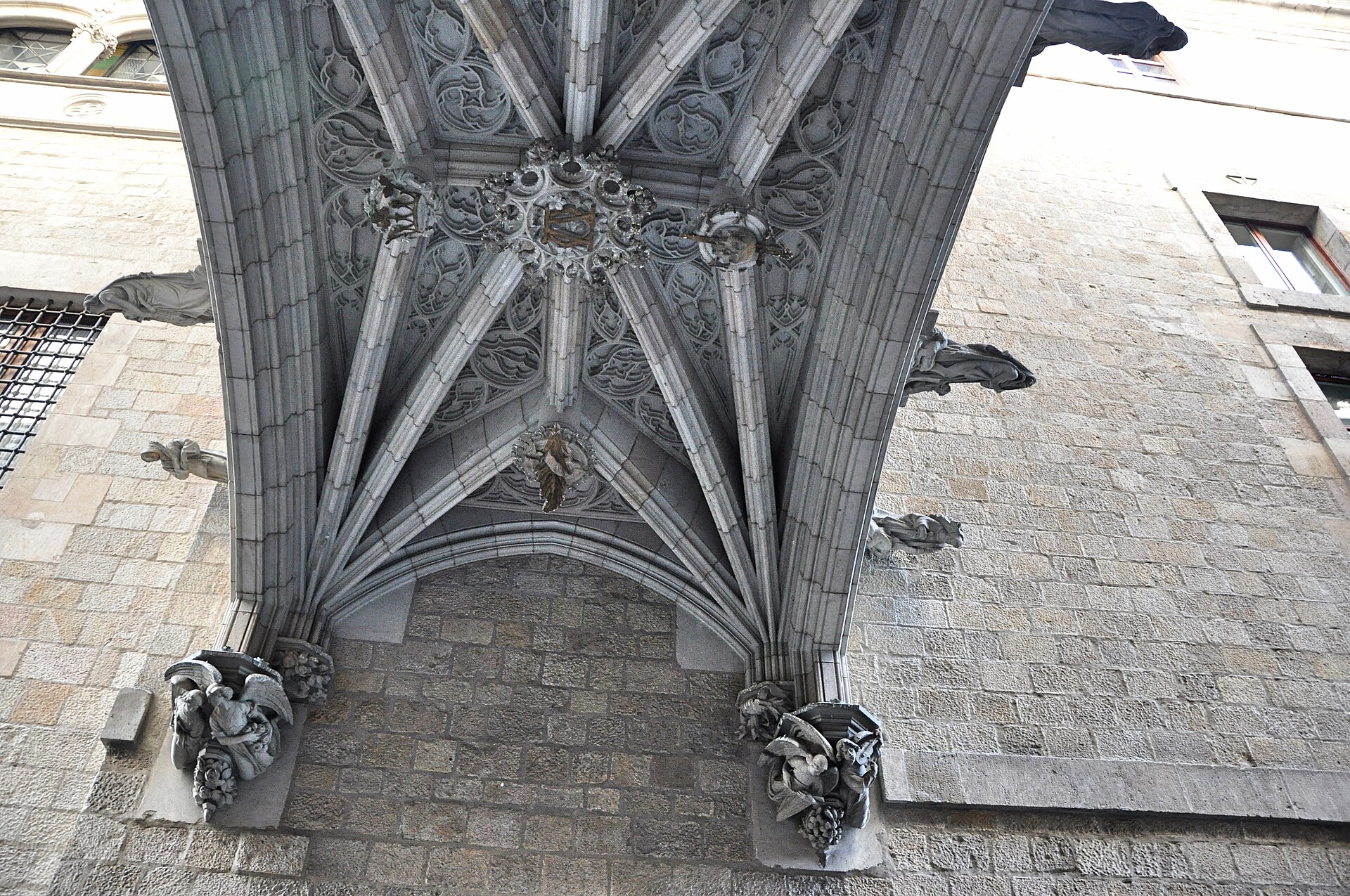
Barcelona has been at the centre of Europe’s overtourism argument for a decade and the city has responded with policy rather than rhetoric. Tourist-flat licences are not being renewed when they expire in November 2028 — around ten thousand of them — no new licences have been issued since 2026, and several thousand flats have already returned to residential use. The tax has doubled. Cruise capacity has been reined in. None of this makes Barcelona unwelcoming to an individual visitor, and you will be treated perfectly well; but the Gothic Quarter and the Rambla in July are as crowded as anywhere in Europe, and there is a real, audible local frustration underneath the visit that you do not encounter in Lisbon.
Lisbon has the same pressures at a smaller scale and about a decade behind. Alfama is busy, Tram 28 is a scrum, and the centre in August is hard work. But you can walk fifteen minutes from Rossio into Graça or Campo de Ourique and be somewhere entirely ordinary, which is much harder to do in central Barcelona. Rents and short-lets are a live political issue here too — it would be dishonest to present Lisbon as untouched — but the visitor’s experience of it is markedly gentler.
What each city is actually best at
Barcelona wins on…
- Architecture. Not close. Gaudí is a genuine one-off, and the Sagrada Família, Casa Batlló, La Pedrera and Park Güell together are a body of work no other European city can match for sheer strangeness. Lisbon has beautiful buildings; it has nothing like this.
- The city beach. Barceloneta is at the end of a metro line and you can be swimming twenty minutes after leaving your hotel. Lisbon’s beaches are good — better, arguably — but they are all at least half an hour away by train or ferry.
- Museums. The Picasso Museum, the MNAC, the Fundació Miró and the Fundació Tàpies are a stronger set than Lisbon’s, with the honourable exception of the Gulbenkian, which beats most of them individually.
- Sheer variety. It is a bigger, richer city with more of everything: restaurants, shops, concerts, football at a scale Lisbon cannot match.
- Flat ground. The Eixample is a grid on the level. Lisbon is seven hills of polished limestone and it is genuinely tiring.
Lisbon wins on…
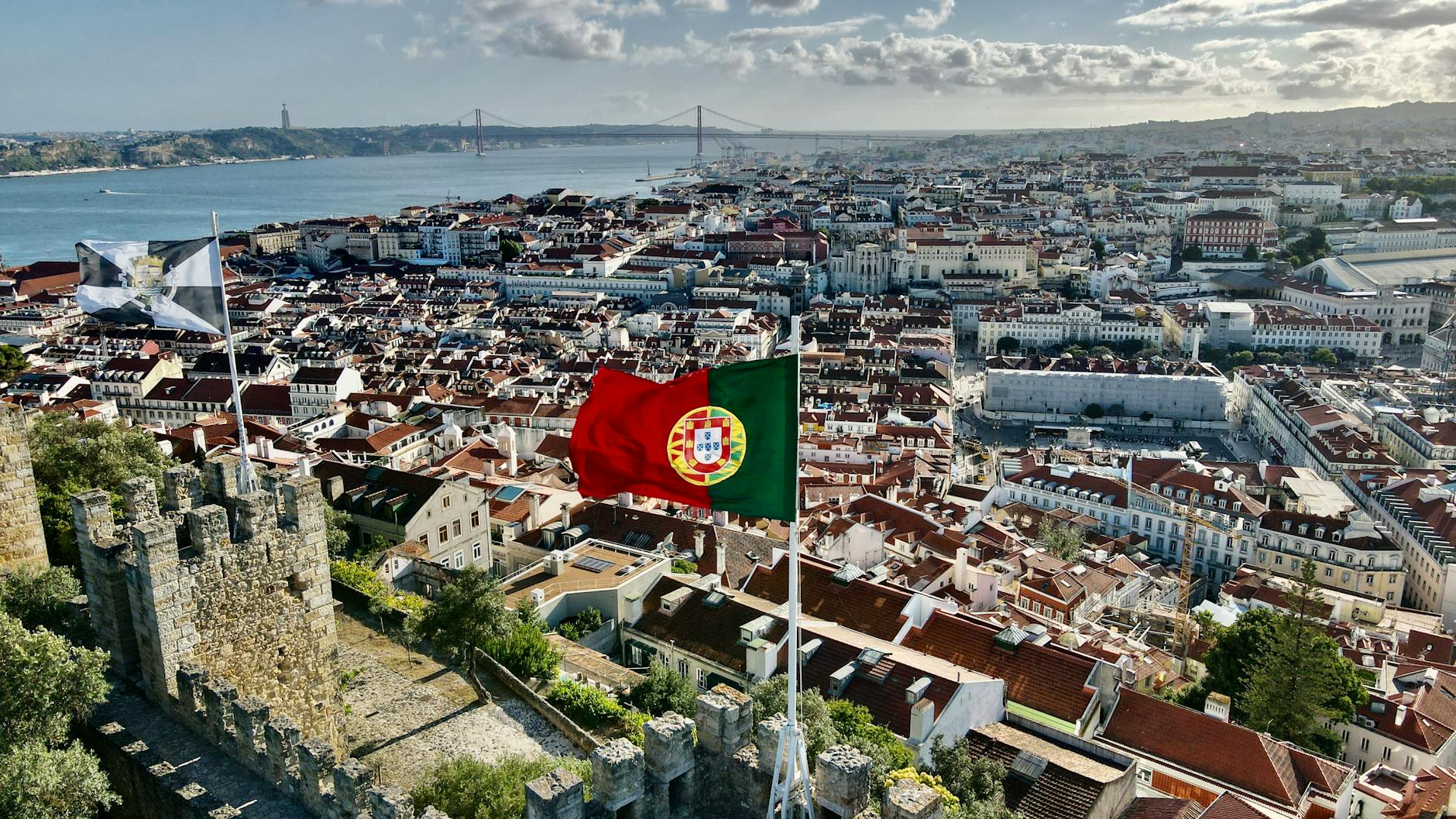
- Cost, on every line except hotels. Covered above, and it is not marginal.
- Atmosphere. This is subjective and we will own the bias, but Lisbon has a melancholy, lived-in quality — the tiles, the trams, the fado, the light on the river — that people come back for. Barcelona is more spectacular; Lisbon is more affecting.
- Day trips. This is a bigger advantage than most comparisons allow. Sintra is a UNESCO hillside of romantic palaces forty minutes away. Cascais, Óbidos, Évora, Nazaré and the Arrábida coast are all realistic days out. Barcelona’s equivalents — Montserrat, Girona, Sitges — are good, but Sintra alone is worth a trip.
- Scale. Lisbon is walkable end to end and comprehensible in two days. Barcelona takes four before you have a mental map.
- Seafood, and value in restaurants. Grilled fish in a tasca for €15 is a category Barcelona does not really have at that price.
- Viewpoints. Being built on hills has one great compensation: the miradouros, which are free, everywhere, and the best part of the city.
Food: a real difference, not a tie
People say both cities have great food and leave it there, which is not helpful.
Barcelona’s food is more varied and more modern. Catalan cooking is one of Europe’s great regional cuisines, the tapas culture gives you an enormous number of small decisions per meal, the market halls are exceptional, and the fine-dining scene is deeper. If eating is the main event of your holiday, Barcelona probably wins.
Lisbon’s food is simpler, cheaper and more consistent at the bottom end. The default meal is grilled fish or pork with potatoes, and it is very hard to eat badly for €15. There are far fewer bad-value tourist restaurants than in Barcelona, largely because there is less demand to exploit. The specialities — pastéis de nata, the seafood, tinned fish, bacalhau in a hundred forms — are narrower but done extremely well. The high end has grown a lot; our Michelin guide covers it, and the food guide the rest.
One clear Lisbon advantage: the wine. Portuguese wine is dramatically underpriced relative to quality, and a good bottle in a Lisbon restaurant costs what a mediocre one does in Barcelona. See our wine guide.
Weather and when to go
Both are mild, both are hot in August, and there is one meaningful difference: Lisbon’s winters are drier-feeling and milder, but wetter on paper. Lisbon gets Atlantic weather — rain arrives in fronts between November and March, and when it is not raining it is often fifteen or sixteen degrees and bright. Barcelona is Mediterranean: less total rainfall, more humidity in summer, and a colder-feeling January wind off the mountains.
- Best months for either: April–June and September–October.
- August: avoid both if you can. Barcelona is hotter and more humid; Lisbon is drier but the hills make it worse than the thermometer suggests.
- Winter: Lisbon is the better winter city break — mild, cheap, and the sights are not seasonal. Our best time to visit and weather by month pages have the numbers.
Nightlife
Barcelona’s is bigger, later and more international — beach clubs, big rooms, a scene built for volume. Lisbon’s is smaller and happens mostly in the street: Bairro Alto is a grid of tiny bars where everyone drinks outside, Pink Street is the tourist-facing strip, and the clubs do not fill until two in the morning. Both cities go late. Lisbon is cheaper and friendlier; Barcelona has better venues. Our nightlife guide and Lisbon after dark cover the Portuguese side.
Getting around and getting there
- Airports. Barcelona-El Prat is bigger and better connected long-haul. Lisbon’s Humberto Delgado is closer to the centre — 7 km, twenty minutes on the metro at a normal €1.90 fare with no airport supplement — and is the busiest single-runway airport in mainland Europe, which means delays. See our airport guide.
- Public transport. Barcelona’s metro is better: denser, newer, more of it. Lisbon’s is small — four lines — but the trams, funiculars and lifts fill the gaps, and a single is €1.90 on a €0.50 Navegante card. Our metro guide explains it.
- Walkability. Barcelona is flat and grid-planned. Lisbon is steep and medieval in half its centre. If anyone in your party has a mobility limitation, that is a serious point in Barcelona’s favour — see our accessibility guide, which does not pretend otherwise.
Where to stay: a structural difference worth knowing
One practical consequence of Barcelona’s housing policy affects how you book. With tourist-flat licences being phased out and none issued since 2026, the supply of legal short-term apartments in Barcelona is shrinking every year, and a listing that looks like a bargain may be operating without a licence — which is the guest’s problem as much as the host’s. In Lisbon, licensed alojamento local apartments remain plentiful and legal, and are often the better-value option past three or four nights. Our apartments guide covers what to check.
On hotels, the two cities are structurally different in a way that suits different travellers. Barcelona’s stock is largely purpose-built and modern — bigger rooms, lifts, air conditioning as standard, and a lot of it. Lisbon’s centre is full of converted eighteenth- and nineteenth-century townhouses, which is charming and means small rooms, awkward stairs and the occasional missing lift. If that trade appeals, our boutique hotels guide is the place to start; if it does not, the where to stay guide flags the flat, modern neighbourhoods.
Two things people get wrong about this comparison
“Lisbon is the new Barcelona.” It is not, and the framing does neither city a favour. Lisbon is roughly a third the size, has no equivalent of the Eixample or the Gaudí canon, and has a completely different relationship with its river than Barcelona has with its sea. What is true is that Lisbon is where a good number of people go having decided Barcelona had got too busy — which is a statement about crowds, not about the cities being interchangeable.
“Lisbon is dirt cheap.” It was, and it is not any more. Accommodation in particular has risen steeply, the tourist tax doubled in 2024, and the headline attractions in Sintra now cost €20 each. Lisbon remains meaningfully cheaper than Barcelona and considerably cheaper than Paris or Amsterdam, but anyone arriving with 2016 expectations will get a surprise at the first hotel bill. That is the honest version, and it is set out in is Lisbon expensive.
How long you need
Lisbon works properly in four days: two for the city, one for Sintra, one spare. Our four-day itinerary lays it out, and how many days in Lisbon covers the shorter and longer versions.
Barcelona needs four to five as a minimum and rewards more, simply because it is bigger and the headline sights are timed-entry and spread out. If you have three days and are choosing between them, that argues for Lisbon.
So which should you actually book?
Our verdict, stated plainly and with the bias declared:
- First trip to southern Europe, want the famous things: Barcelona.
- Long weekend, three or four nights: Lisbon. It fits, and Barcelona does not.
- Budget is the deciding factor: Lisbon, comfortably — the tax and ticket gap alone is €150–€200 for a couple on five nights.
- Architecture is the reason you travel: Barcelona. Nothing in Portugal answers Gaudí.
- You want a beach every afternoon: Barcelona, on convenience alone.
- Winter break: Lisbon.
- Travelling with someone who cannot manage hills: Barcelona.
- You have done Barcelona and want somewhere similar but calmer: Lisbon, which is exactly what a lot of people are looking for and rarely say out loud.
If Portugal is the direction you are leaning, the other comparison worth reading is Lisbon vs Porto, which is a much closer contest than this one.
Frequently asked questions
Is Lisbon or Barcelona cheaper?
Lisbon, clearly. The tourist tax is €4 a night against up to €12 in Barcelona from April 2026, headline attraction tickets are roughly half, and food and drink are twenty to forty per cent cheaper. Hotel rates are the one place the two are close.
Which is better for a first-time visitor?
Barcelona, if you want the famous sights and have four or five days. Lisbon, if you have three or four days, a tighter budget, or you would rather wander than queue.
Is Barcelona too crowded?
In the Gothic Quarter, along the Rambla and around the Sagrada Família in summer, genuinely yes. The city has responded with a doubled tourist tax and a phase-out of tourist-flat licences by November 2028. Visit in April, May, October or November and it is a different city.
Which has better food?
Barcelona has more variety and a deeper high end. Lisbon is cheaper, simpler and more consistent — it is very hard to eat badly for €15 — and Portuguese wine is far better value.
Which has better beaches?
Barcelona for convenience: Barceloneta is on the metro. Lisbon for quality: Guincho, Caparica and the Cascais-line beaches are better beaches, but all are thirty minutes or more away.
Can I visit both in one trip?
Only with ten days or more. It is a two-hour flight with no useful train, so combining them costs a day and a fare. Two shorter trips is the better plan.
Which is safer?
Both are safe by European standards for violent crime. Barcelona has a considerably worse pickpocketing problem, particularly on the Rambla and the metro. Lisbon’s equivalent hotspot is Tram 28 — see is Lisbon safe.
Which is better in winter?
Lisbon. It is milder, cheaper out of season, and none of the main sights close. Expect Atlantic rain in fronts rather than constant drizzle.
Which has better day trips?
Lisbon, and it is not close. Sintra alone justifies the answer, and Cascais, Óbidos, Évora, Nazaré and Arrábida are all realistic. Barcelona offers Montserrat, Girona and Sitges, which are good rather than exceptional.
Bottom Line
Barcelona is the bigger, grander, more architecturally extraordinary city, and if Gaudí or a beach on the metro is what you are after, book it and enjoy it. Lisbon is smaller, steeper, considerably cheaper — €4 a night in tourist tax against up to €12, and headline tickets at roughly half — much less crowded once you step off the two or three streets everyone walks, and blessed with the best set of day trips in western Europe. For a long weekend, a tight budget, a winter break, or a second bite at southern Europe after Barcelona left you feeling processed, Lisbon is the better booking. For everything else, it is genuinely a coin toss, and you will not regret either.