Day Trips from Lisbon
Setúbal & Arrábida: Pristine Beaches & Dolphins Day Trip from Lisbon
Discover Setúbal, Arrábida Natural Park, and its hidden beaches—how to get there, dolphin watching, wine tasting, and the best seafood in Portugal.
In this guide
- Why Arrábida Beats Cascais for a Day Trip
- Quick Reference
- Getting to Arrábida from Lisbon
- Top Beaches in Arrábida Natural Park
- Dolphin Watching in the Sado Estuary
- Setúbal Town
- Sesimbra
- Azeitão Wine Tasting
- Recommended Day Itinerary
- Best Time to Visit
- What to Pack
- Practical Tips: Navigating the Park
- How This Fits with Other Day Trips
- FAQ: Arrábida Day Trip from Lisbon
- Bottom Line
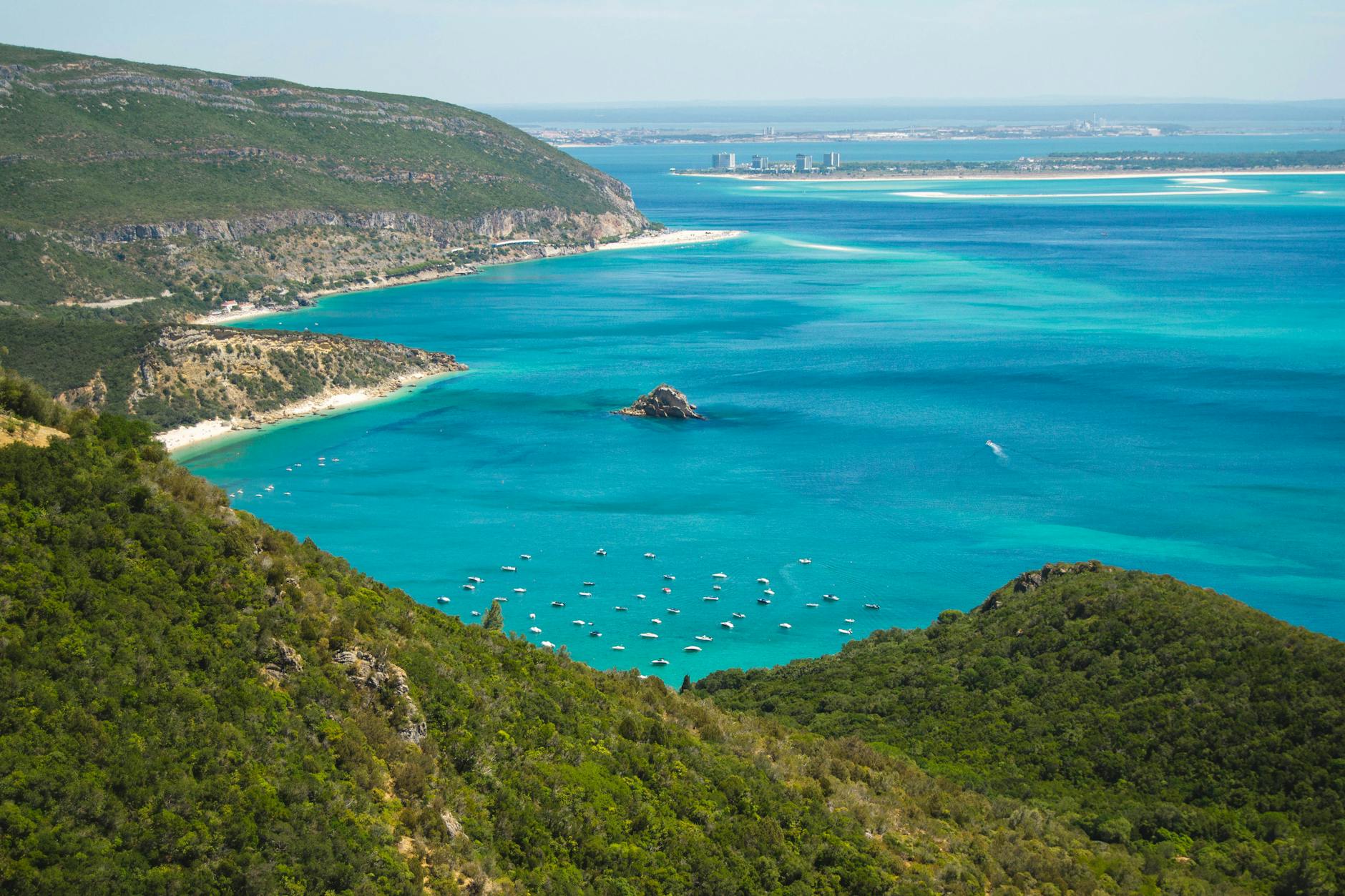
An Arrábida day trip from Lisbon takes you 45 minutes south to one of Portugal’s most beautiful coastlines — pristine Caribbean-blue beaches tucked under limestone cliffs, a resident dolphin pod in the Sado Estuary, the laid-back fishing port of Setúbal, the medieval village of Sesimbra, and some of Portugal’s best wine country, all within a single packed day. While Sintra gets the tourist headlines, Arrábida delivers more variety with significantly fewer crowds. Updated for 2026.
Cross the Sado from Setúbal and the coast changes character entirely — our Comporta and Melides guide covers the ferry, the beaches and what the day actually costs.
Arrábida has the best-looking water within reach of the capital, and our guide to the beaches near Lisbon puts it in context against the easier coasts.
This guide covers how to get there, the best beaches, dolphin watching, wine tasting, where to eat, and a day itinerary that actually works.
Why Arrábida Beats Cascais for a Day Trip
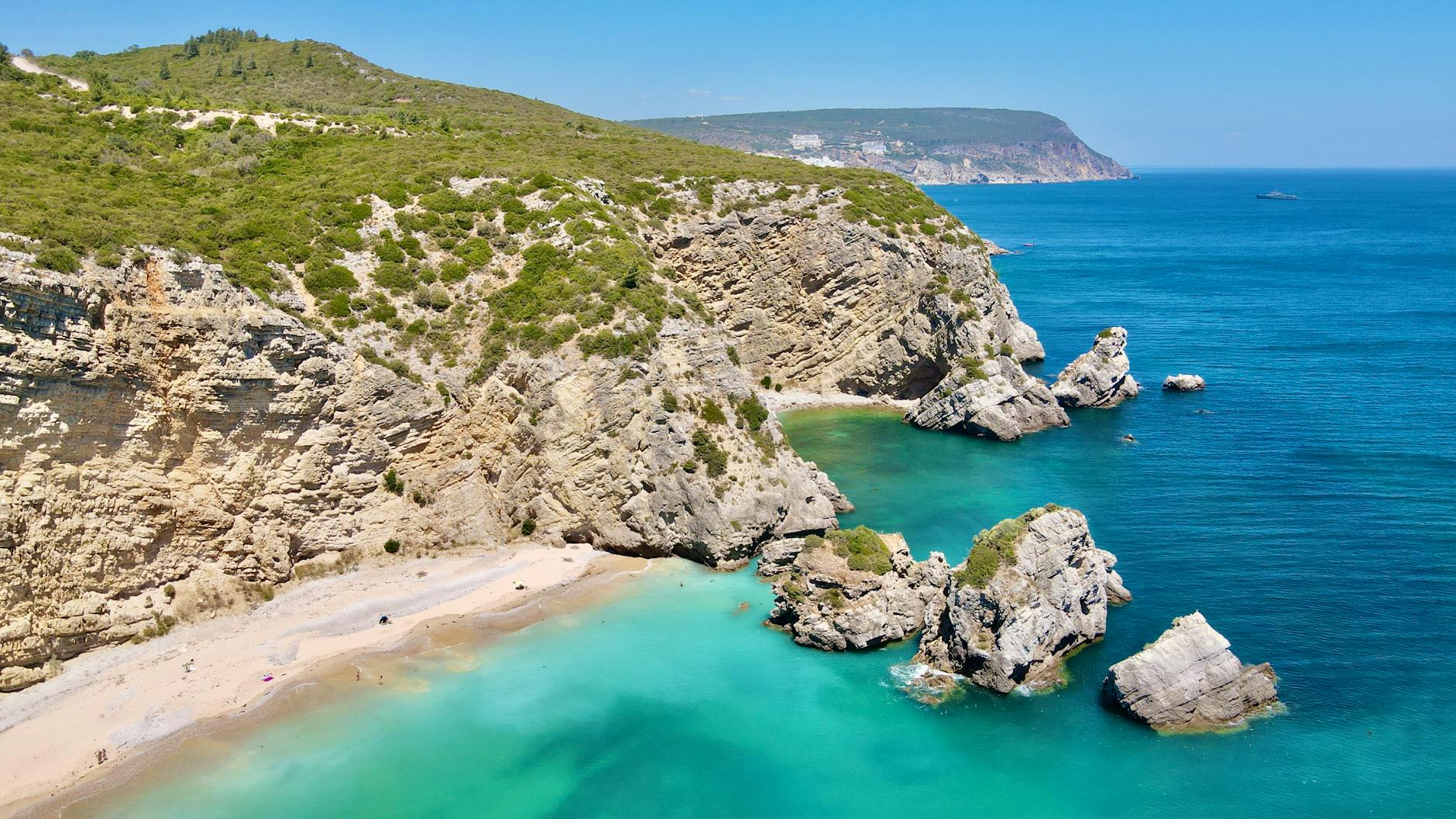
Cascais is pleasant. Arrábida is extraordinary. The difference: Arrábida Natural Park protects 10,800 hectares of Mediterranean scrubland and limestone coastline, producing water clarity that genuinely rivals the Caribbean. The park’s limestone seabed reflects light in a way you don’t see anywhere near Lisbon except here. Add a resident dolphin population, three serious wine estates, a fish market with oysters at €1–€2 each, and choco frito (fried cuttlefish) as the local street food, and the case for going south rather than west is clear.
The catch: Arrábida requires more planning than Cascais. A car or guided tour is strongly recommended. Public transit is possible but slow. And in summer, beach access is restricted to reduce traffic in the protected park.
Quick Reference
- Distance from Lisbon: ~45 km / 45–60 min by car
- Best for: Beach lovers, nature, seafood, wine, dolphin watching
- Best season: May–October for beaches; March–November for everything else
- Transit: Possible but slow — car or guided tour strongly preferred
- Cost: €60–€110 for guided tour; €40–€80 DIY by car
Getting to Arrábida from Lisbon
By Car (Best Option)
From Lisbon, take the A2 motorway south (toll approximately €3–€5 to the Setúbal exit), exit at Setúbal Norte. Total drive 45–60 minutes depending on traffic from central Lisbon. Once in Arrábida, the scenic N379 coastal road threads through the park — tight, hilly, occasionally single-lane. Take it slowly and enjoy it; this is one of Portugal’s best drives.
Summer beach access restriction (2026): During the bathing season, car traffic to Portinho da Arrábida and the central park beaches is restricted daily between 7:00 AM and 7:00 PM to protect the park and manage limited parking. A free shuttle bus (Line 4477) operates from Creiro, running every 30 minutes from 8:30 AM to 8:00 PM on weekends in June, and daily throughout July and August. Park at the designated zones outside the restricted area and take the shuttle in. Check visitportugal.com or the Setúbal municipality site before visiting for the most current schedule.
By Public Transit
Train from Lisbon’s Roma-Areeiro or Oriente station to Setúbal takes roughly 1 hour 10 minutes; the journey costs approximately €4–€5 each way (check current fares and book at cp.pt). From Setúbal station, bus 230 runs to Portinho da Arrábida, but service is infrequent. Realistic total travel time from central Lisbon to the beach: 2.5 hours each way with connections. Doable but tiring — this is where a guided tour earns its cost.
By Guided Tour
€60–€110 per person, full day from Lisbon, transport included. See our Arrábida tours guide for operators and options.
Top Beaches in Arrábida Natural Park
Praia dos Galapinhos
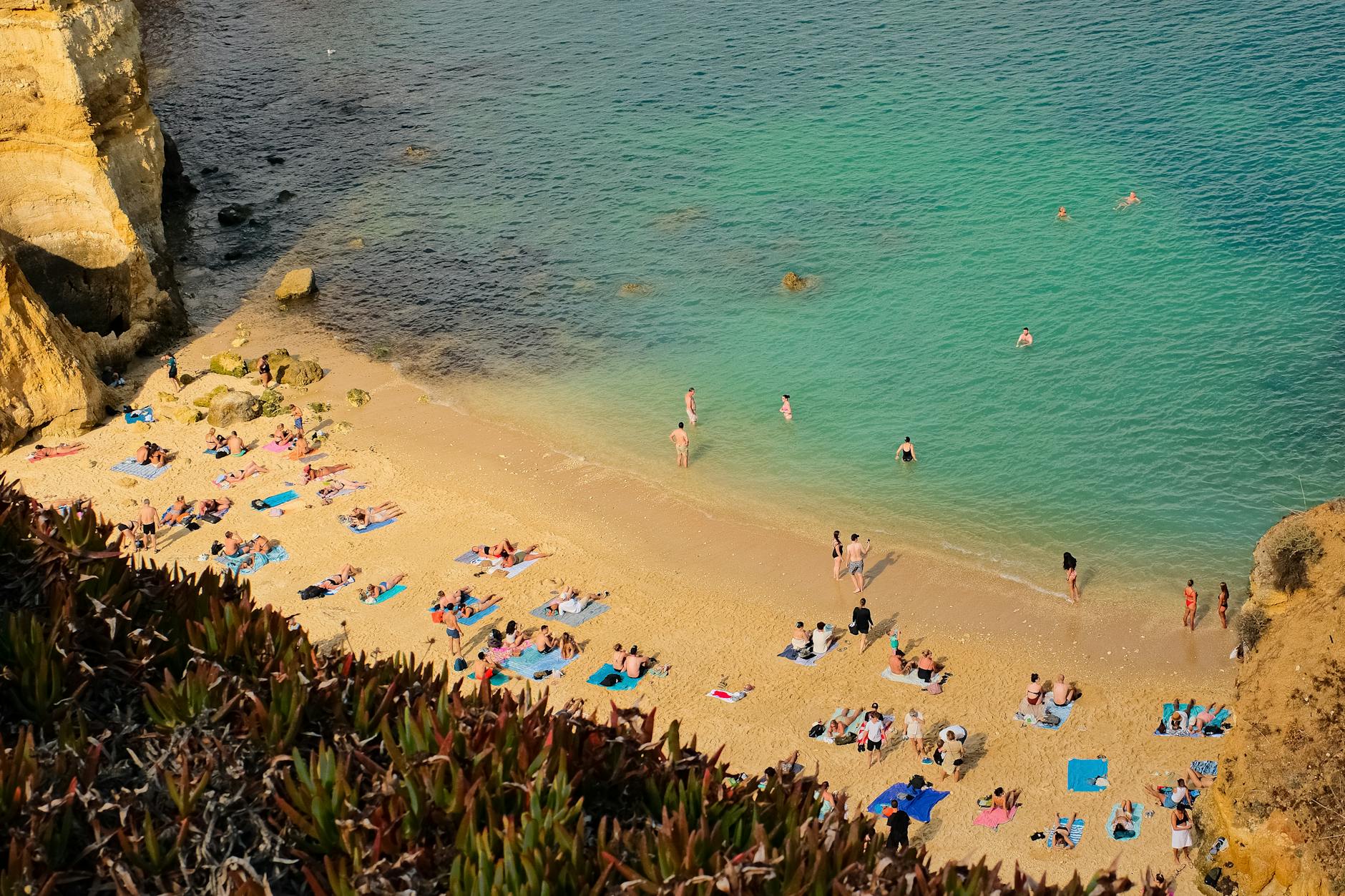
Once voted one of Europe’s most beautiful beaches — the recognition is earned. Crystal-clear turquoise water, white sand, flanked by limestone cliffs. Reached by a steep 10-minute walk down from the car park. Crowded by 11 AM in July and August; aim to arrive by 9:30 AM or go in September.
Praia da Galapos
Adjacent to Galapinhos, slightly larger, easier access. Equally beautiful water — same limestone shelf, same clarity. A better option if Galapinhos is full.
Praia do Portinho da Arrábida
The calmest water in the park — almost lake-like conditions when there’s no Atlantic swell. Family-friendly, restaurant on the beach (Casa Nostra). The centre of the park’s protected zone and the main shuttle bus terminus in summer.
Praia do Creiro
East of Portinho da Arrábida. Wider and longer than the central beaches, with wilder surroundings. Wild boar occasionally wander through the parking area in the early morning — don’t feed them.
Praia do Ribeiro do Cavalo
Hidden cove near Sesimbra, accessible only by a 30-minute hike down a rough trail or by boat from Sesimbra harbour. The water is extraordinarily clear — regularly compared to Caribbean beaches for its turquoise colour. Worth the effort in spring or early autumn when the hike isn’t brutal in the heat.
Praia da Figueirinha
The most accessible beach in the area — wider, flatter, closer to Setúbal. Less dramatic scenery than Galapinhos, but easier logistics and better suited to families with young children.
Dolphin Watching in the Sado Estuary
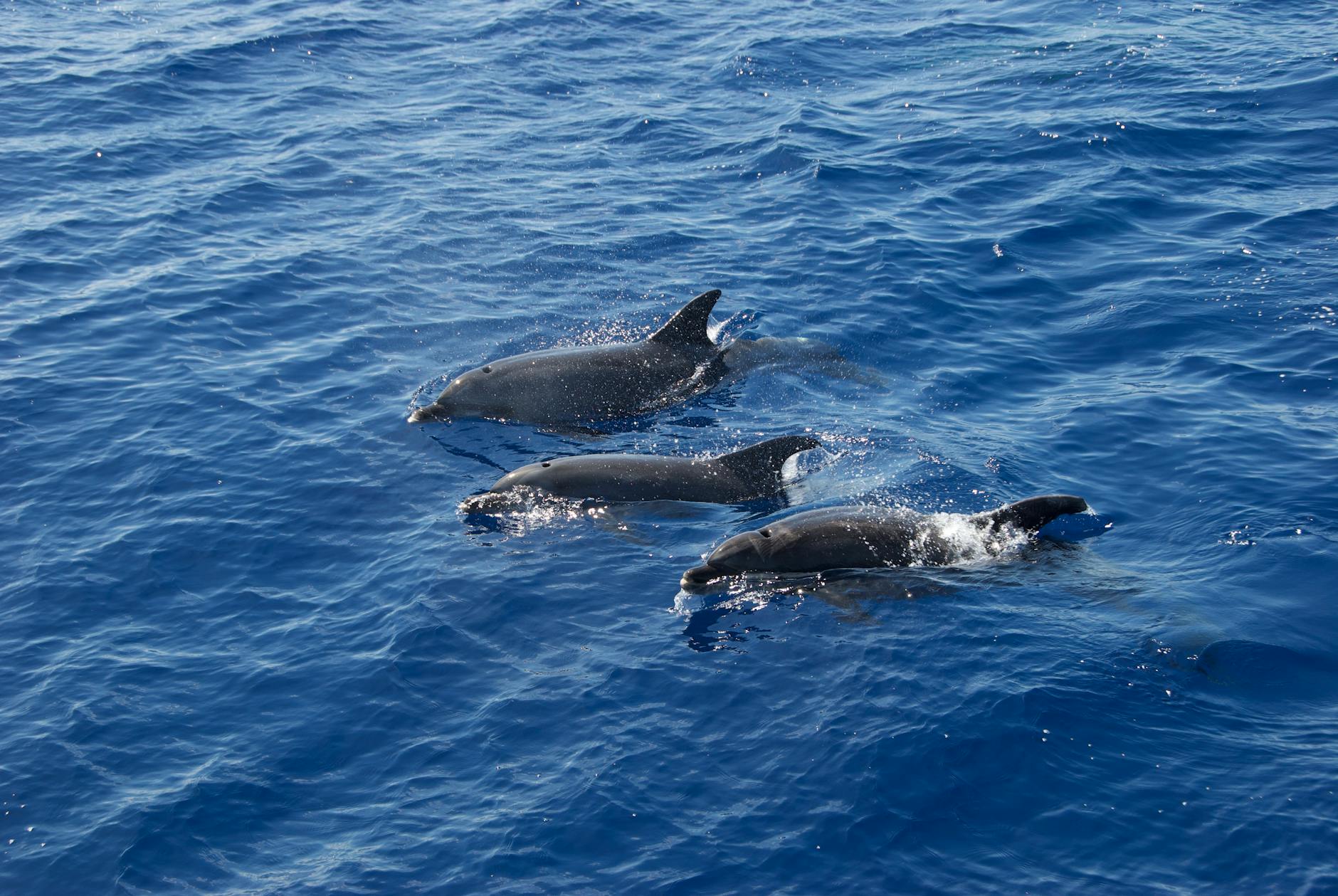
The Sado Estuary at Setúbal hosts a resident population of around 30 bottlenose dolphins — one of only two resident dolphin communities in Portugal (the other is off the Algarve). They’re present year-round and most active April–October.
Dolphin Watching Tour Operators
- Vertigem Azul — the leading eco-tour operator on the estuary. Tours run approximately 2.5–3 hours, priced from around €35 per adult. Sighting success rate is high — the estuary is small and the dolphins are residential. Catamaran departures from Setúbal’s commercial port.
- SADO Tours — smaller boats, similar pricing, good for groups under 8.
- Mar e Mais — combines dolphin watching with stand-up paddleboarding for a more active experience.
What to Expect
Boats maintain 50+ metres from dolphins as required by regulation. Typical sighting: 2–6 dolphins, often bow-riding or feeding. The estuary itself is worth the trip regardless — flamingos on the salt flats, traditional fishing boats, views back to the Arrábida hills.
Booking
Reserve 2–3 days ahead in July and August; same-day booking is usually fine in May, June, September, and October. Tours depart from Setúbal’s commercial port, a 10-minute walk from the train station.
Setúbal Town
The 120,000-person fishing port at the eastern edge of Arrábida. Most visitors drive straight through to the beaches, which is a mistake. Give Setúbal 2–3 hours.
What to Do in Setúbal
- Mercado do Livramento — one of Portugal’s best fish markets. The live fish section is impressive; the oyster bar inside serves Setúbal estuary oysters at €1–€2 each. Go in the morning when it’s at full activity.
- Igreja de Jesus — late 15th-century Manueline church, predating the Jerónimos Monastery in Belém. Twisted stone columns, remarkable interior. Often overlooked because it’s not in Lisbon.
- Castelo de São Filipe — hilltop fortress with panoramic views over the estuary and the Arrábida hills. Part of the castle has been converted to a pousada (state hotel); the views are worth the climb even if you’re not staying.
- Eat choco frito — Setúbal’s signature dish: deep-fried baby cuttlefish, served with lemon. Try at Tasca da Fatinha or Casa do Periquita, both near the market.
Sesimbra
Sesimbra sits on the south face of the Arrábida hills — a fortified medieval fishing village that’s been a summer resort since the mid-20th century. Worth half a day if you’re not prioritising the beaches.
What to Do
- Walk the seafront promenade and town beach (calm, sheltered water)
- Visit Sesimbra Castle on the hill above town — Moorish origins, restored medieval walls, good views
- Eat fresh fish at the seafront restaurants; Ribamar is the established institution
- Arrange a boat trip to Praia do Ribeiro do Cavalo — 15–20 minutes by water, operators at the harbour
Azeitão Wine Tasting
The Setúbal peninsula is a significant Portuguese wine region — known for Moscatel de Setúbal (a sweet fortified wine of genuine distinction) and the dry red Castelão grape grown on sandy soils that survived the phylloxera epidemic of the late 19th century.
Major Wineries
- José Maria da Fonseca — founded 1834, the oldest continuously operating wine company in Portugal still run by the founding family. Tour through the historic cellars (some Moscatel barrels are over a century old) plus tasting. The standard guided visit with tasting starts around €18–€28; check the visitportugal.com listing or the winery directly for current pricing and booking.
- Bacalhôa Vinhos de Portugal — largest and most touristic. Tour plus tasting €15–€25. Stunning art collection at the visitor centre includes 16th-century azulejo panels.
- Quinta de Alcube — smaller, more personal experience. Reservations required.
Azeitão Cheese
Queijo de Azeitão DOP — a soft, runny sheep’s milk cheese made in the Azeitão area. Distinctive, slightly pungent, excellent with the local Moscatel. Visit Queijaria Simões in Azeitão for a tasting (€5–€10).
Recommended Day Itinerary
Standard Day (Beach + Dolphins + Wine)
9:00 AM — Depart Lisbon by car
10:00 AM — Arrive Setúbal; coffee + oysters at Mercado do Livramento
11:00 AM — Dolphin watching tour from Setúbal port (2.5–3 hours)
2:00 PM — Lunch in Setúbal: choco frito at Casa do Periquita
3:30 PM — Drive west on N379 along the Arrábida coast
4:00 PM — Beach time at Galapinhos or Galapos (use shuttle bus in summer)
6:00 PM — Wine tasting at José Maria da Fonseca in Azeitão (book ahead)
7:30 PM — Return to Lisbon
Alternative: Sesimbra Focus
10:00 AM — Arrive Sesimbra
11:00 AM — Boat trip to Praia do Ribeiro do Cavalo
2:00 PM — Lunch at Ribamar on the seafront
4:00 PM — Drive the scenic N379 across the park
5:30 PM — Brief stop at Setúbal port
6:30 PM — Wine tasting in Azeitão
8:00 PM — Return Lisbon
Best Time to Visit
| Season | Notes |
|---|---|
| April–May | Best overall — wildflowers, mild weather, fewer crowds, no beach restrictions |
| June–August | Peak beach season — Caribbean-clear swimming, but shuttle restrictions in force |
| September–October | Excellent — warm water, smaller crowds, wine harvest at estates |
| November–March | Setúbal and wine still good; beaches cold but dramatic; dolphins year-round |
September is arguably the best single month: warm sea, no traffic restrictions, harvest season at the wineries, and wildflower season beginning on the hillsides. July and August mean guaranteed swimming weather but also queues at the beaches and the shuttle bus requirement. April and May offer something different — the park is at its greenest after winter rains, the beaches are nearly empty on weekdays, and you can walk the clifftop trails without heat exhaustion. If your Lisbon trip runs into late spring, Arrábida in May is a genuinely special experience.
What to Pack
- Swimwear and beach towel (beach rental is expensive and unreliable)
- Hiking shoes if you’re attempting Ribeiro do Cavalo on foot
- Sunscreen and a hat — limestone reflects UV intensely
- Reusable water bottle — no shops between beaches in the central park zone
- Cash for the park shuttle, small wineries, and market vendors
- Camera — Galapinhos and the aerial coastal views are extraordinary
Practical Tips: Navigating the Park
Arrábida Natural Park runs about 35 km along the coast from Setúbal in the east to Sesimbra in the west. A few things to know before you arrive.
The N379 coastal road is the main artery through the park. It’s single-lane in several sections with passing places. Drive slowly, use the viewpoint pull-offs, and don’t try to rush it — the road forces a leisurely pace anyway and the views reward it.
Beach capacity is limited. Galapinhos and Portinho da Arrábida both fill completely on weekend afternoons in July and August. Arriving before 10 AM or after 5 PM (when the heat softens) makes a real difference. Weekdays are significantly quieter than weekends throughout summer.
The water is cold by Atlantic standards but swimmable. Average sea temperature at Arrábida runs 18–22°C in summer — warmer than most of Portugal’s Atlantic coast because the south-facing beaches are sheltered from the prevailing northerly winds. Not Caribbean-warm, but comfortable for extended swimming.
No shade on most beaches. The limestone cliff setting means shade appears in the late afternoon as the cliffs catch the sun. Bring your own umbrella if you’re sensitive to direct sun exposure.
Facilities at the main beaches include a café or restaurant at Portinho da Arrábida and Figueirinha, limited toilet facilities, and no beach lounger rental at the wilder beaches. Galapinhos has almost nothing except the water — bring everything you need.
Mobile signal is patchy inside the park. Download offline maps before leaving Setúbal, and tell someone your rough itinerary if you’re hiking to Ribeiro do Cavalo.
How This Fits with Other Day Trips
Arrábida works well as one of three day trips if you’re spending a week in Lisbon. The others that compare favourably: Sintra (UNESCO palaces, 40 minutes north by train) and Cascais (Atlantic town, 40 minutes west by train). All three are covered in our Day Trips from Lisbon pillar. Sintra deserves its own full day; Cascais can be combined with a half-day in Estoril. Arrábida needs a full day to do properly — dolphin tour plus beaches plus wine is legitimately 10 hours.
For palace lovers, our guide to visiting Pena Palace covers the most photogenic of the Sintra monuments in detail.
FAQ: Arrábida Day Trip from Lisbon
Is Arrábida worth a day trip from Lisbon?
Yes — arguably Lisbon’s most underrated day trip. Beaches, dolphins, seafood, and wine in one day, less crowded than Sintra, and the water clarity is genuinely exceptional.
How long is the drive from Lisbon to Arrábida?
45–60 minutes via A2 to the Setúbal exit, then 15 more minutes on the N379 into the park.
Can I see dolphins in the Sado Estuary?
Yes — a resident pod of roughly 30 bottlenose dolphins. Sighting success rates are high (Vertigem Azul report around 95%), and the tours run year-round.
Is the water at Galapinhos really that blue?
Yes — the limestone seabed creates genuinely extraordinary clarity. Blue-green water, not the grey-green you get at most Atlantic beaches. It photographs the way it looks in person.
Can I do Arrábida by public transit?
Possible but slow — roughly 2.5 hours each way from central Lisbon with train and bus connections. A rental car or guided tour is strongly recommended for a comfortable day trip.
What’s the best Setúbal food specialty?
Choco frito (deep-fried baby cuttlefish), estuary oysters from Mercado do Livramento, and fresh sardines. Queijo de Azeitão (soft sheep cheese) from Azeitão is the take-home food item.
Bottom Line
Arrábida is Lisbon’s best day trip that nobody talks about enough. Drive south, watch dolphins in the Sado, swim at Galapinhos, eat choco frito in Setúbal, and finish with a Moscatel tasting in Azeitão. It’s a beach-and-wine day with less crowding than Sintra and arguably more variety. Rent a car or take a guided tour — public transit makes the logistics frustrating. Go in September if you can choose your timing — or May if you want it even quieter.
Setúbal is the day trip that most rewards having a car, which is exactly what makes it less popular than it should be. The day trips pillar covers the ones that do not need one: Sintra and Pena Palace by train and bus, and Cascais on a single line from Cais do Sodré.