Lisbon Nightlife
Lisbon Clubs: The Best Nightclubs & Electronic Music Venues (2026)
Discover Lisbon's best nightclubs—Lux Frágil, Ministerium, Music Box and more. Cover charges, music styles, and what to expect.
In this guide
- Quick Guide: Lisbon’s Best Nightclubs
- The Best Lisbon Nightclubs in Detail
- The Lisbon Club Schedule
- Lisbon Nightclub Areas
- Cover Charges and Drinks Prices
- Dress Code
- Getting Home Late
- Safety
- Lisbon Nightlife Beyond Clubs
- Planning Your Night Out: A Practical Timeline
- Lisbon Electronic Music: The Local Scene
- Lisbon vs. Other European Club Cities
- FAQ: Lisbon Nightclubs
- Bottom Line
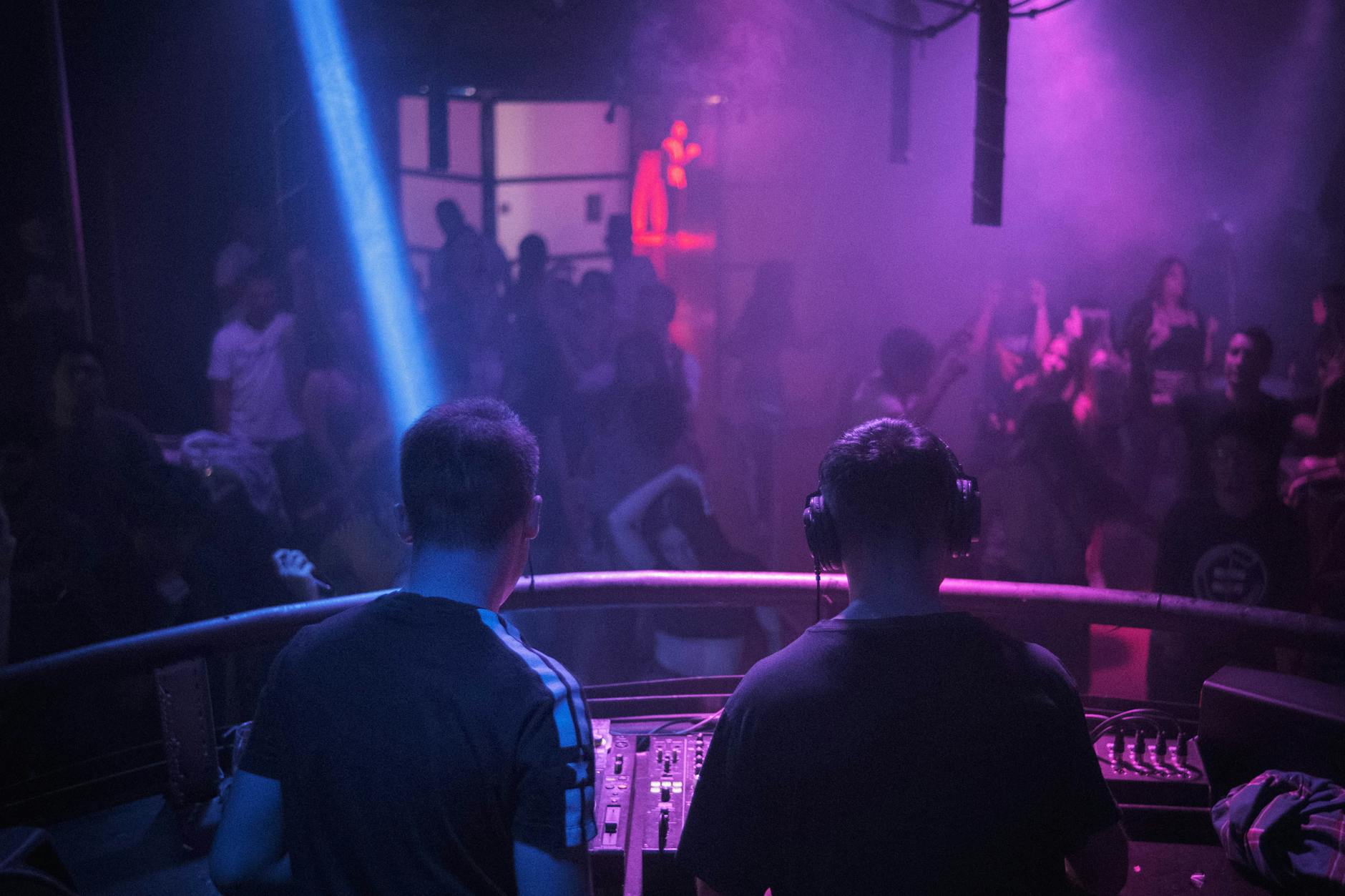
Lisbon nightclubs punch above their weight. Lux Frágil has been on DJ Mag’s top-100 clubs list for years. The broader Cais do Sodré and Alcântara strip pulls headliners that would fit comfortably into Berlin or Amsterdam. The crowd is a mix of locals, Portuguese from other cities, and Europeans who specifically came to Lisbon for the electronic music scene. And the city’s geography helps: Lisbon is compact enough that you can eat dinner in Alfama, have drinks in Bairro Alto, and be on a dance floor in Santa Apolónia without it feeling like a three-destination commute.
One thing to understand immediately: Lisbon runs late. Not “a bit late” — genuinely late. Clubs don’t fill until 1–2 AM. The peak of the dance floor is 3–5 AM. If you show up at midnight expecting a crowd, you will stand in an empty room. This guide covers Lisbon’s best nightclubs, the schedule, what things cost, and how not to make the common mistakes. Updated for 2026.
Quick Guide: Lisbon’s Best Nightclubs
| Club | Area | Music | Cover | Best Night |
|---|---|---|---|---|
| Lux Frágil | Santa Apolónia | Electronic, house, techno | €15–€25 | Sat |
| Ministerium | Praça do Comércio | House, techno | €15 | Fri/Sat |
| Construction Club | Alcântara | Techno, underground | €10–€15 | Fri/Sat |
| Music Box | Cais do Sodré | Live + DJ, eclectic | €10–€20 | Varies |
| Pensão Amor | Cais do Sodré | Mixed, bar-club | €5–€10 | Thurs–Sat |
| Village Underground | Alcântara | House, alternative | €10–€20 | Fri/Sat |
| B.Leza | Cais do Sodré | African, kizomba | Free–€10 | Thurs–Sat |
| Lust In Rio | Alcântara | House, pop | €15–€25 | Fri/Sat |
The Best Lisbon Nightclubs in Detail
Lux Frágil (Santa Apolónia)
The flagship club. Lux has been running since 1998 and shows no sign of decline — it’s still where the best DJs play when they come to Lisbon, and the programming is consistent in a way that most European clubs aren’t. The venue occupies a former refrigeration warehouse on the waterfront near Santa Apolónia station: three floors, a riverside rooftop terrace with direct Tagus views, and a sound system that justifies the cover charge on its own.
Part-owned by John Malkovich (yes, the actor), Lux has a carefully managed door. Dress code is smart-casual at minimum — no athletic wear, no beachwear, no flip-flops. The crowd skews older than most clubs, which keeps the energy focused. Cover runs €15–€25 depending on the night and the lineup; drinks are €5–€7 for beer, €10–€15 for cocktails. The music is predominantly electronic — house and techno — with the serious programming on Friday and Saturday nights. Peak: 2–4 AM.
Ministerium (Praça do Comércio)
The location is the most dramatic of any Lisbon club: inside the historic Ministry of Finance building on Praça do Comércio, the 18th-century square that opens directly onto the Tagus. The architecture — vaulted ceilings, original stonework — creates an atmosphere that converted warehouse venues can’t replicate. Music is house and techno with a slightly dressier crowd than Lux. Cover around €15. Good cocktail program. Particularly worth it on nights when the DJs are strong — check the program before deciding.
Construction Club (Alcântara)
Underground techno in a raw industrial space in the Alcântara industrial belt west of the centre. This is the alternative option to Lux for those who want harder music and fewer tourists. The crowd is younger and more local than Ministerium or Lux. Cover €10–€15, Friday and Saturday only. Worth checking if the lineup appeals — some of Lisbon’s most respected local DJs play here regularly.
Music Box (Cais do Sodré)
On the Pink Street strip (Rua Nova do Carvalho) — Lisbon’s most concentrated nightlife corridor. Music Box is more of a live music venue that shifts into DJ sets late in the night than a pure club. The programming is eclectic: live bands, international DJs, Portuguese electronic artists. Cover varies from €10 to €20 depending on the lineup. Good for a night when you want a mix of live performance and dancing rather than strictly one or the other.
Pensão Amor (Cais do Sodré)
A converted former brothel — the theatrical decor (velvet curtains, erotic paintings, red lighting) is intentional and part of the experience rather than a gimmick. More bar-club hybrid than pure nightclub: the main floor is a bar that stays open until 4 AM, with DJs later in the evening. Cover of €5–€10 after midnight. The crowd is mixed and the atmosphere is genuinely distinctive. Less about the music, more about the venue.
Village Underground Lisboa (Alcântara)
The Lisbon outpost of the London original, built from stacked shipping containers and double-decker buses near the 25 de Abril Bridge. Rooftop terrace with bridge views, underground club space below. Music skews house and alternative electronic. Cover €10–€20. A strong second option to Lux for a Friday night when Lux’s program doesn’t appeal.
Park Bar (Bairro Alto)
A rooftop bar on top of a car park in Bairro Alto that shifts into a late-night dance space after midnight. Free-to-low cover, spectacular view over Lisbon and the Tagus, and a more casual crowd than the full nightclub options. Works well as a bridge between bar-hopping and proper clubbing. See our pick of the rooftops for Park Bar and the other hilltop options.
B.Leza (Cais do Sodré)
African music and kizomba dancing in a warm, informal space. Free or low cover (typically €5–€10 on weekends). The vibe is different from anywhere else on this list — the music is Cape Verdean and Angolan influenced, the dancing is partnered, and the crowd tends to be genuinely mixed and enthusiastic rather than posing. Worth a look if you want something completely different from the electronic music circuit.
Lust In Rio (Alcântara)
A riverside club in the Alcântara warehouse district with summer terraces overlooking the Tagus. House and commercial electronic, slightly more pop-oriented than Lux or Construction. Cover €15–€25. The terrace is the draw in summer — the interior is more standard. Popular with a younger tourist crowd.
The Lisbon Club Schedule
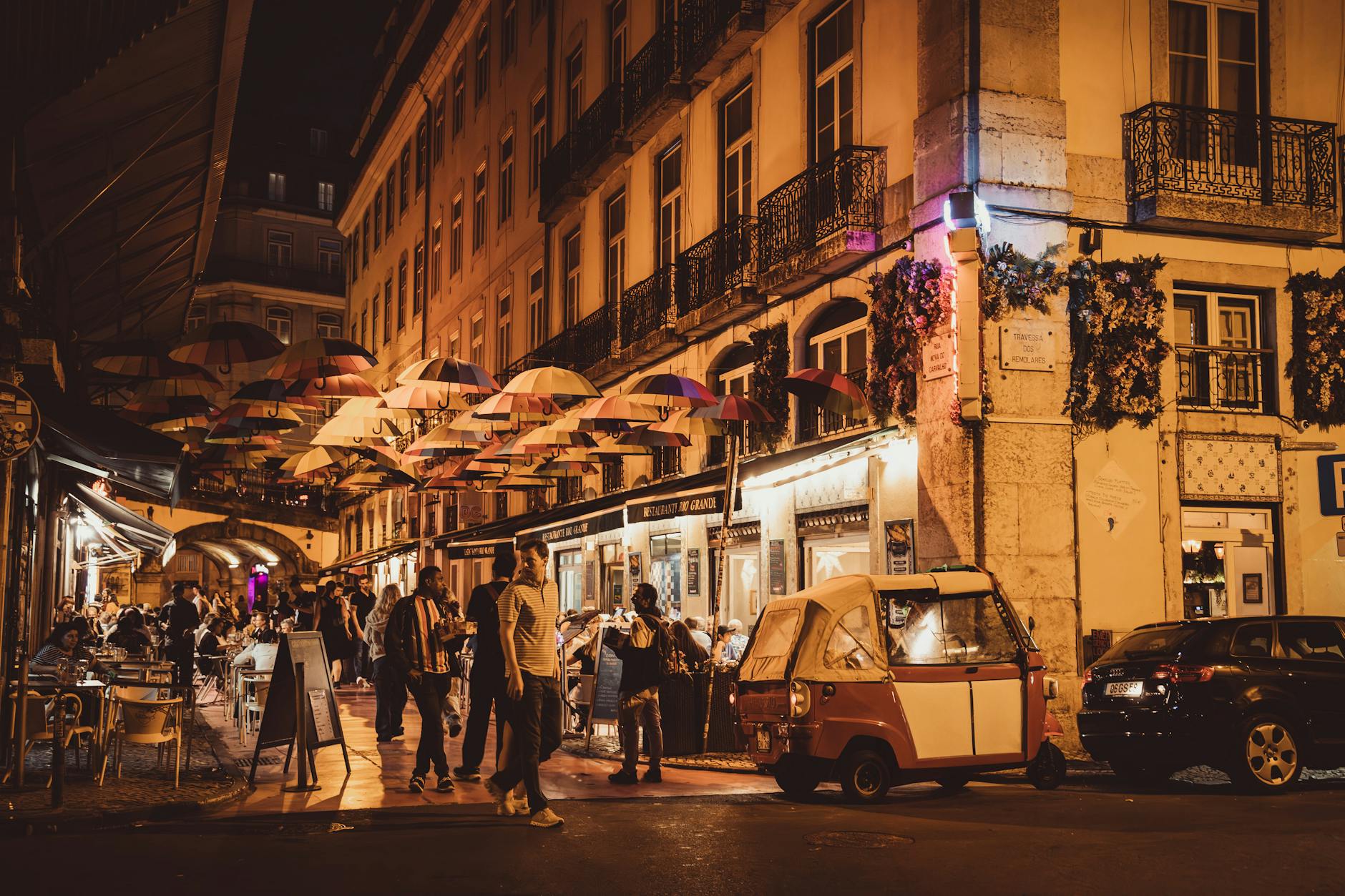
The timing matters more in Lisbon than almost anywhere else. Showing up at midnight is the classic tourist mistake.
- 10–11 PM: Dinner finishes; Cais do Sodré bars and Pink Street start filling
- 11 PM – 1 AM: Bairro Alto bar-hopping, rooftops, pre-club drinks
- 1 AM – 2 AM: Clubs open and slowly start filling
- 2 AM – 3 AM: Crowds build; dance floors starting to feel right
- 3 AM – 5 AM: Peak hours — this is when the clubs are actually good
- 5 AM – 7 AM: Wind-down or after-hours venues continue
On a Friday or Saturday you’re looking at not leaving your accommodation until 11 PM at the earliest. Have a good dinner, do Bairro Alto’s bar strip, and arrive at whichever club around 1:30–2 AM. That’s the local schedule.
Lisbon Nightclub Areas
Cais do Sodré and Pink Street
The most concentrated nightlife strip in the city. Pink Street (Rua Nova do Carvalho) runs for about 200 metres between two squares and packs in Music Box, Pensão Amor, B.Leza, and a dozen bars. The area is Lisbon’s most touristy nightlife zone, which means it’s accessible and lively but not where you’d go for the most serious electronic music. Good for earlier in the evening or a mixed group with different musical tastes. See our nightlife guide for the full district rundown.
Santa Apolónia
Lux Frágil’s home territory, a riverside strip near the Santa Apolónia train station east of Alfama. Less of a district and more of a single destination — but when the destination is Lux, that’s fine. Quiet neighborhood outside of club nights.
Alcântara
The industrial district west of the centre, under the 25 de Abril Bridge. This is where the warehouse clubs live: Construction, Village Underground, Lust In Rio. The area has a grittier feel than Cais do Sodré and a more local, serious-music crowd. Worth the extra distance for the right night.
Bairro Alto
The traditional Lisbon nightlife neighborhood — mostly bars rather than clubs, though Park Bar and a few others drift into club territory late. The area fills from 10 PM on weekends and stays lively until 2–3 AM, when people migrate to the proper clubs in other neighborhoods. See our Bairro Alto nightlife guide for the full bar rundown.
Cover Charges and Drinks Prices
| Venue | Cover | Beer | Cocktail |
|---|---|---|---|
| Lux Frágil | €15–€25 | €5–€7 | €10–€15 |
| Ministerium | €15 | €5–€7 | €10–€14 |
| Construction Club | €10–€15 | €4–€6 | €8–€12 |
| Music Box | €10–€20 | €4–€6 | €8–€12 |
| Pensão Amor | €5–€10 | €4–€6 | €8–€11 |
| Village Underground | €10–€20 | €4–€6 | €8–€12 |
A realistic night out budget: €15–€25 cover + 4–5 drinks = €55–€85 per person if you’re at Lux or Ministerium. Cheaper nights are possible at Music Box or the bar-club hybrid venues. Budget the transit home separately — Uber at 4 AM can run €12–€18 from Alcântara to a central hotel.
Dress Code
Lux Frágil: smart casual minimum. No athletic wear, no flip-flops, no beachwear. The door applies this. Ministerium: similar, slightly dressier crowd but not formal. Construction Club and Music Box: casual is fine, jeans and a clean shirt work everywhere. Village Underground: casual. No Lisbon nightclub has a formal dress code — no blazers required — but the smarter venues will turn away people dressed for the beach.

Getting Home Late
Metro closes at 1 AM. After that, the options:
- Uber/Bolt — fast and reliable until early morning, surge pricing can apply at 3–5 AM
- Taxis — available at most club exits, metered, slightly more expensive than Uber in our experience
- Night buses — limited network, runs 1 AM – 5:30 AM, useful for some routes but not all
- Walking — central Lisbon is generally safe at night, though distances from Alcântara or Santa Apolónia to most central hotels are 30–40 minutes on foot
See our Uber and Bolt guide for transport details, and our transport guide for the night bus network.
Safety
Lisbon clubs are generally safe. Standard precautions: don’t leave drinks unattended, watch for pickpockets in dense crowds (Cais do Sodré is the most targeted area), travel home with friends if possible after 4 AM, and keep your phone in a pocket rather than your hand on quiet streets. The city’s overall safety record is good — see our safety guide for the full picture.
Lisbon Nightlife Beyond Clubs
If clubs aren’t the goal, Lisbon’s nightlife options are broader than they appear. Fado in Alfama — the authentic, intimate kind — is a completely different night: dinner, wine, and live fado in a room of 30 people. The bars of Bairro Alto are genuinely enjoyable as pure bar nights with no dancing involved. Rooftop bars like Park Bar and the BAIRRO Alto Hotel terrace offer the city views with a more relaxed format. See our fado guide and bar-by-bar shortlist for those alternatives.
Planning Your Night Out: A Practical Timeline
The biggest mistake visitors make is applying the timeline of their home city to Lisbon. Here is a realistic schedule for a Friday or Saturday night that actually works.
7:00–9:00 PM: Dinner. Book a restaurant or go to a tasca. Don’t rush — a proper Portuguese dinner takes 90 minutes minimum if you’re doing it right. Alfama for atmosphere, Chiado for more options, Time Out Market if you want flexibility.
9:00–11:00 PM: Walk around. Bairro Alto is lively but not peak yet. Miradouro de Santa Catarina for a last daylight view if it’s summer. A glass of wine at a wine bar (Zé da Mouraria, by the Grape, or Solar dos Presuntos are all good options for a pre-night drink).
11:00 PM – 1:00 AM: Bairro Alto proper. The bars are open, the streets fill up, people move between wine shops and the outdoor tables. This is the most distinctly Lisbon part of the night — a slightly chaotic street party before the clubs take over.
1:00–2:00 AM: Move to the club of your choice. Arrive at Lux between 1:30 and 2:00 AM — the queue will be manageable and the floor is starting to fill. Going earlier means paying cover to stand in a half-empty room.
2:00–5:00 AM: Dance. Lux peaks at 3–4 AM. Ministerium peaks slightly earlier. Construction runs later into the morning.
5:00 AM+: After-hours if you want them, or Uber home. Several Cais do Sodré bars stay open past 6 AM on weekends. The dawn light over the Tagus from the Praça do Comércio waterfront is genuinely beautiful if you find yourself still awake.
Lisbon Electronic Music: The Local Scene
Lisbon’s electronic music scene is not just about international headliners at Lux. There’s a functioning local scene worth engaging with if you’re spending more than a night on the dance floor.
Key local promoters and nights to look for: Warm Up (focused on quality house and techno), Príncipe Discos (a Lisbon label specializing in experimental electronic music rooted in African-influenced sounds from Lisbon’s immigrant communities — their artists play occasionally at Music Box and smaller venues). Village Underground hosts more alternative and experimental bookings than Lux, which is worth checking when the program aligns.
For current listings, check: Resident Advisor Lisbon listings, the Lux Frágil Facebook page (still the most reliable source for their weekly program), and Time Out Lisboa’s nightlife section. The Lisbon NOS Alive and Super Bock Super Rock festivals (both in July) bring major electronic and alternative acts to the city — if your dates overlap, worth planning around.
Lisbon vs. Other European Club Cities
Useful context if you’re deciding where to fit a club night into a multi-city European trip.
- Lisbon vs. Berlin: Lisbon doesn’t match Berlin’s depth or the 24/7 no-photo-policy intensity. What it offers instead: a more accessible scene, a beautiful outdoor city to move through between venues, and genuinely late hours without Berlin’s extreme commitment required.
- Lisbon vs. Barcelona: Both run late, both have solid electronic scenes. Lisbon is smaller and cheaper. The venues are more intimate. Barcelona’s scene has more variety; Lisbon’s has better concentration.
- Lisbon vs. Amsterdam: Different music cultures. Amsterdam’s ADE (October) is world-class; Lisbon’s scene is more consistent across the year without a single festival peak. Lux is in the same conversation as Amsterdam’s best clubs.
The case for Lisbon as a clubbing destination: the combination of music quality (especially at Lux), low prices relative to most Western European capitals, the late schedule that feels genuinely different from the rest of Europe, and a city that actually rewards the hours before and after the club. You don’t arrive at Lux by pre-gaming in a hotel room — you eat dinner in Alfama and walk through Bairro Alto first, and that framing makes the night better.
FAQ: Lisbon Nightclubs
What’s the best nightclub in Lisbon?
Lux Frágil for electronic music and overall quality — it’s been internationally recognized for years and the programming remains strong. Ministerium for atmosphere and setting. Music Box for live music mixed with DJs.
How late do Lisbon clubs stay open?
Most run until 5–6 AM. After-hours venues and some clubs continue until 8 AM on weekends. There are no early-closing rules that force a midnight curfew — the city genuinely runs this late.
What time do Lisbon clubs fill up?
1–2 AM is when clubs start filling; peak dancing is 3–5 AM. Showing up at 11 PM or midnight means standing in an empty room. Plan dinner and Bairro Alto drinks first.
How much does a night out in Lisbon cost?
€40–€80 per person typical. Cover + 3–4 drinks + late-night transit = the basic budget. Cheaper nights are possible at Music Box or the bar-club venues; a Lux night with multiple rounds runs toward €80.
Is Lisbon a good clubbing destination?
Yes — it’s increasingly recognized internationally and the music quality at the top venues (Lux, Ministerium, Construction) is genuinely high. The late schedule takes adjustment but is part of what makes the scene distinctive.
Do Lisbon clubs have a dress code?
Smart casual at the top venues. Lux and Ministerium will turn away athletic wear or beachwear. No formal dress codes — you don’t need a blazer anywhere.
Bottom Line
Lisbon’s nightclub scene is electronic-music-heavy and late-starting. Lux Frágil for serious music, Ministerium for the spectacular setting, Construction Club for underground techno, Music Box for live-band nights, Pensão Amor for atmospheric late-night drinks. Don’t show up before 1 AM, dress smart casual, budget €55–€85 for a full night, and expect to dance until 5. The city rewards patience with the schedule.
Clubs are the last act of a night that starts much earlier and much more gently. Rooftop bars are the 7pm version, the bars guide covers the hours in between, a fado house is the entirely different evening you might prefer, and the nightlife pillar explains how the districts hand off as the night moves on.