Lisbon Food Guide
Lisbon Food Guide: Best Portuguese Dishes, Restaurants & Markets (2026)
In this guide
- Essential Portuguese Dishes to Try in Lisbon
- Best Restaurants in Lisbon by Category
- Food Markets in Lisbon
- Lisbon Food Experiences and Tours
- Lisbon’s Coffee Culture
- Eating in Lisbon for Vegetarians and Vegans
- Where to Eat in Lisbon by Neighborhood
- Portuguese Dining Customs and Etiquette
- Start Your Lisbon Food Adventure
- Photo Credits
Lisbon’s food scene has a logic to it. The city eats well because it always had to — Atlantic fish on the doorstep, olive oil and wine from the interior, spices routed through the port from half the world. That history is still on the plate. Century-old tascas serve bacalhau from the same recipes their grandmothers used. Seafood arrives fresh from the Atlantic every morning. Pastéis de nata come out of the oven around the clock. And a younger generation of chefs is now pulling all of it apart and putting it back together in ways that would surprise nobody and please everyone. This Lisbon food guide covers what to eat, where to eat it, and how to navigate the city like someone who lives here. All recommendations updated for 2026.
Mornings deserve their own guide: the best brunch in Lisbon covers the specialty coffee scene, the imported brunch cafés, and the two-euro counter breakfast that beats both.
At the top end, the city holds three two-star and a dozen one-star kitchens — our guide to Michelin star restaurants in Lisbon has the current list, the real prices and the lunch menus that halve them.
We’ve organized it by dish, experience, and neighborhood so you can build your meals around how your days are already shaping up — not the other way around.
Essential Portuguese Dishes to Try in Lisbon
Portuguese cuisine is built on honesty: good raw ingredients, minimal intervention, and a deep suspicion of anything fussy. Before you hit the restaurants, know what you’re ordering.
Bacalhau (Salt Cod)
The Portuguese claim 365 ways to cook bacalhau — one for every day of the year. This salt-preserved cod has been the backbone of Portuguese cooking since the Age of Discovery, when it sustained sailors on long Atlantic voyages. In Lisbon, the most common preparations are Bacalhau à Brás (shredded cod stir-fried with eggs, onions, and matchstick potatoes), Bacalhau com Natas (cod baked in a rich cream sauce), Bacalhau à Lagareiro (oven-roasted with olive oil and garlic), and Pastéis de Bacalhau (crispy fried cod cakes — excellent as a snack with a cold beer). Bacalhau appears on virtually every traditional Portuguese restaurant menu in the city.
Seafood and Shellfish
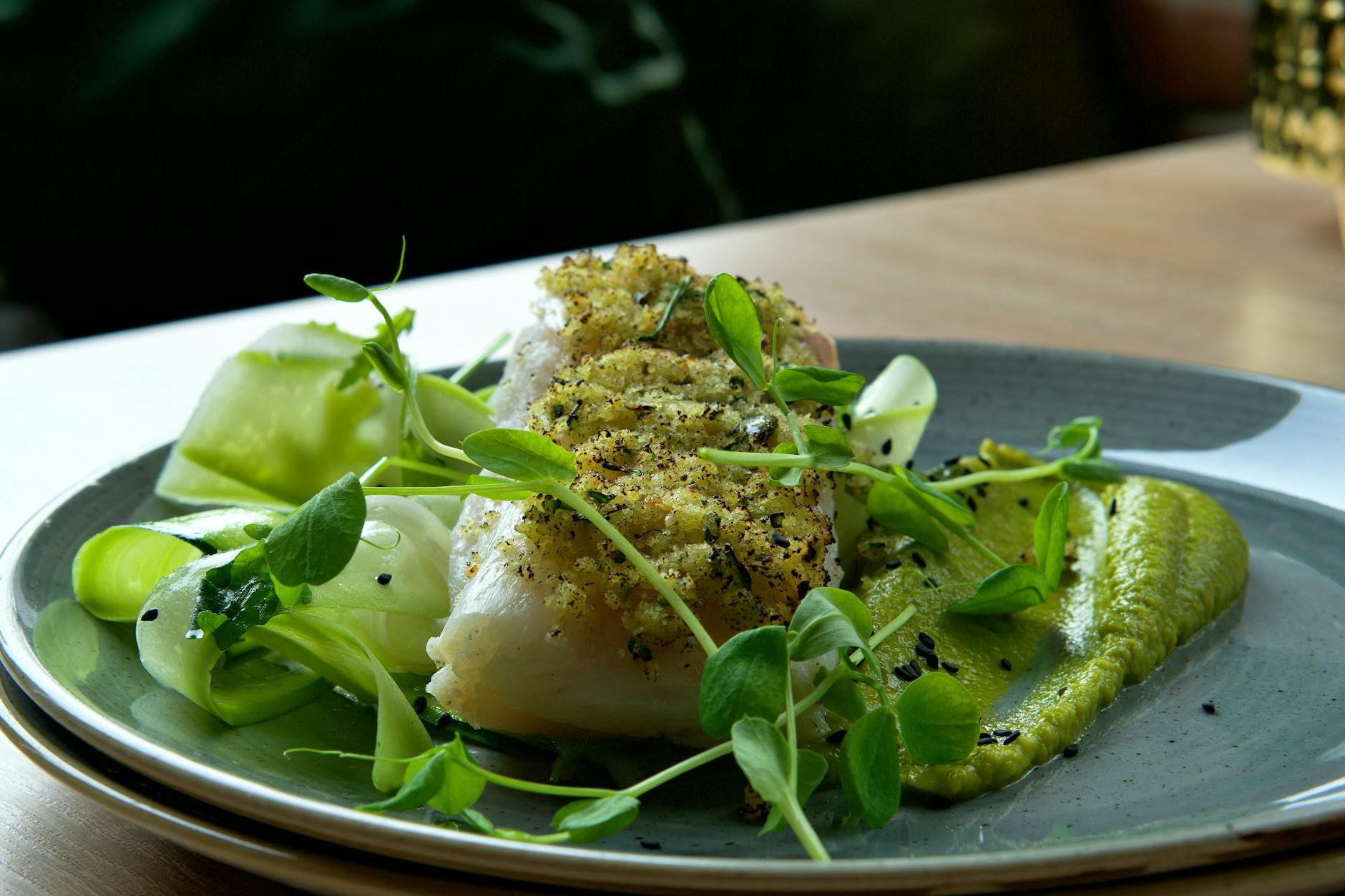
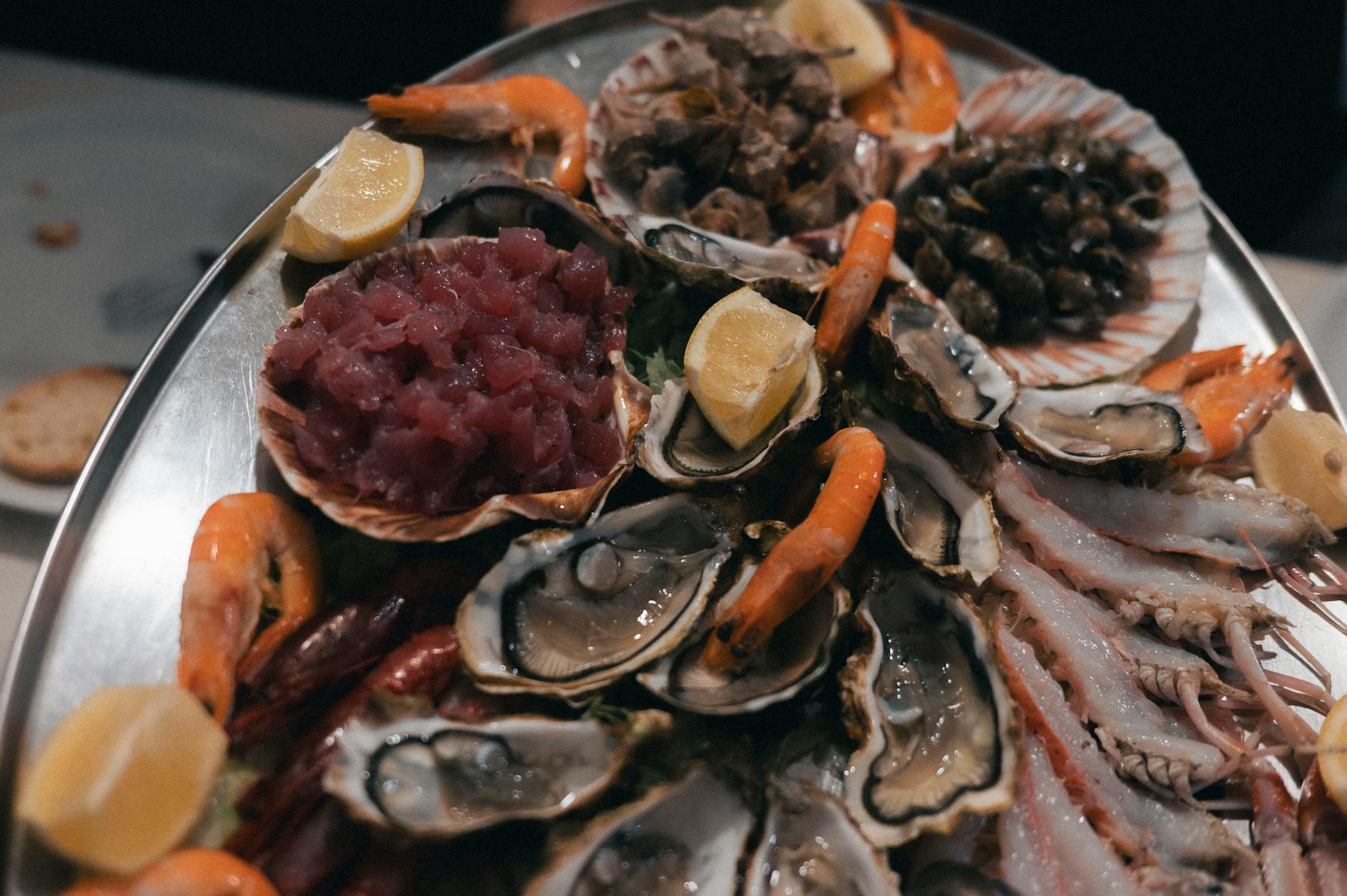
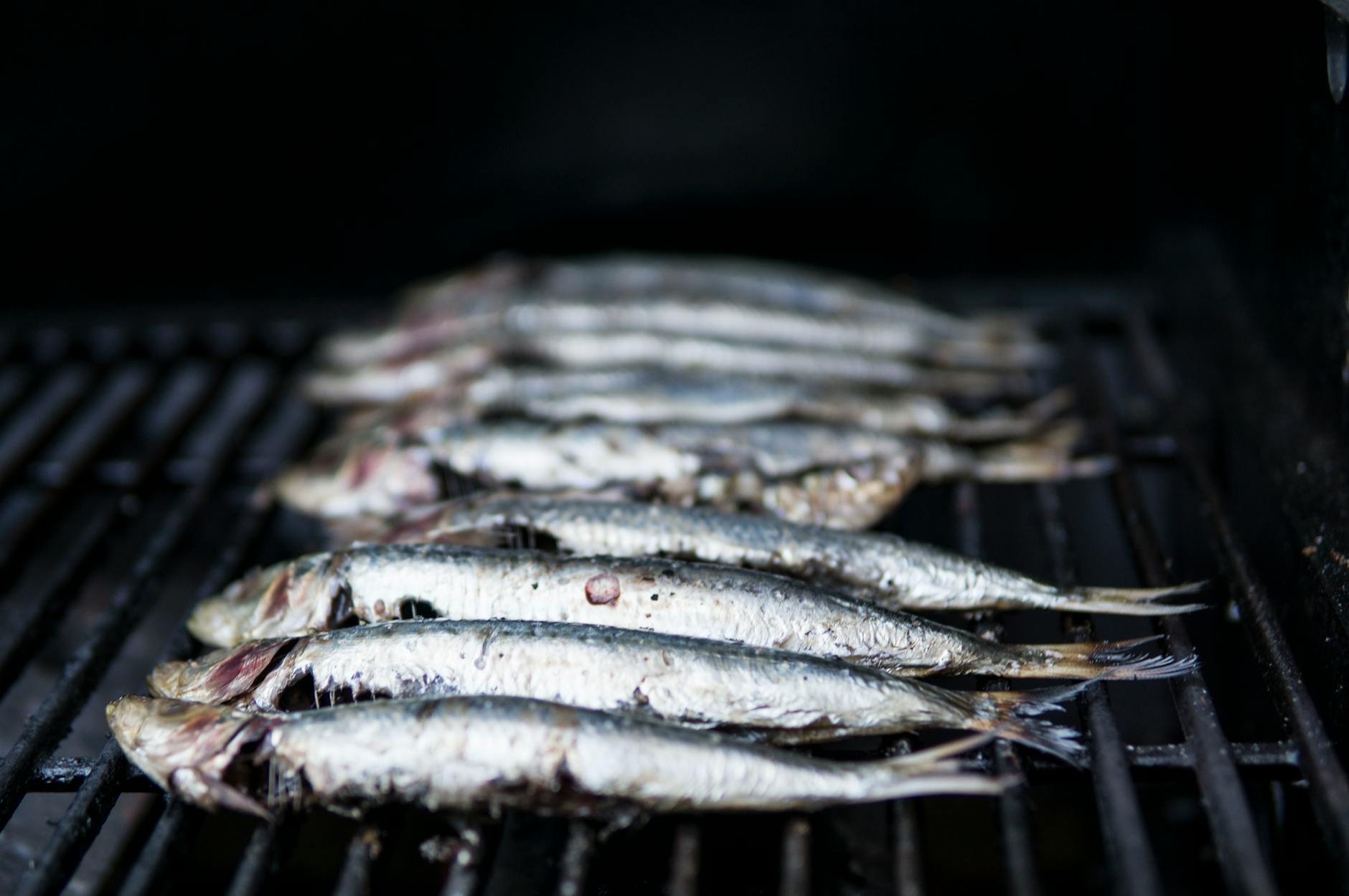
Lisbon’s proximity to the Atlantic means serious seafood on every menu. Grilled sardines are the taste of summer — particularly during the Santos Populares festivals in June, when chargrilling sardines scent every street in Alfama and Graça. Polvo à Lagareiro (tender roasted octopus drizzled with garlic olive oil) is a revelation when done well. Amêijoas à Bulhão Pato (clams in white wine, garlic, coriander, and lemon) is a classic petisco that pairs perfectly with crusty bread and cold vinho verde. For the full shellfish experience, Lisbon’s cervejarias (beer halls) serve platters of percebes (goose barnacles), tiger prawns, crab, and lobster — messy, expensive, and worth every cent.
Meat Dishes
Seafood gets the headlines, but Portuguese meat dishes hold their own. Carne de Porco à Alentejana (pork with clams — a surf-and-turf combination from the Alentejo region) is a Lisbon restaurant staple that sounds odd and tastes brilliant. Bitoque (a thin steak topped with a fried egg, served with fries and rice) is the standard working lunch for many Lisboetas. Arroz de Pato (duck rice baked until the top crisps) is rich, deep comfort food. And the Bifana — thin slices of marinated pork in a soft roll — is Portugal’s finest street food, best eaten standing at a counter with a cold Super Bock.
Soups and Starters
Caldo Verde is Portugal’s national soup — potato, finely shredded collard greens (couve), garlic, and olive oil, often with slices of chouriço floating on top. Simple, warming, served everywhere from roadside cafés to Michelin-starred dining rooms. Sopa de Peixe (fish soup) is another classic, rich and tomato-based. Portuguese meals traditionally begin with a couvert — bread, butter, olives, and sometimes cheese or pâté brought to your table before you order. This is not free; you’ll be charged a few euros for what you eat. Don’t want it? Just ask the waiter to take it back.
Pastéis de Nata and Portuguese Desserts
No lisbon food guide skips the pastel de nata — the crispy, caramelized custard tart that’s traveled far beyond Portugal. The most famous bakery is Pastéis de Belém, running on a secret recipe since 1837. But excellent natas are scattered across the city. Manteigaria in Chiado bakes them fresh in an open kitchen you can watch through glass. Other Portuguese desserts worth seeking: Travesseiro (almond and egg cream pastry from Sintra), Bola de Berlim (Portuguese doughnut filled with custard), and Serradura (a chilled dessert of cream and crushed biscuits, originally from Macau). Portugal’s convent sweets — born when nuns used leftover egg yolks from wine clarification — deserve a category of their own.

Best Restaurants in Lisbon by Category
Lisbon’s restaurant scene spans ancient tascas to two-Michelin-starred dining rooms. Here are the top picks for the best restaurants in Lisbon across different categories and budgets.
Best Traditional Tascas
Tascas are Lisbon’s small, family-run taverns — the real backbone of Portuguese dining. Simple, generous plates at honest prices, often from a handwritten daily menu. Tasquinha do Lagarto in Campolide is a locals’ favorite for home-style cooking. Zé da Mouraria 2 near Intendente does spectacular bacalhau. O Velho Eurico near the castle serves creative riffs on classics in a packed, lively room. Casa do Alentejo, tucked inside a Moorish-style palace near Rossio, serves Alentejano regional food in one of Lisbon’s most remarkable dining rooms. Expect €10 to €20 per person for a full meal with wine at a tasca — extraordinary value for a European capital.

Best Seafood Restaurants
Cervejaria Ramiro near Intendente is arguably the most famous seafood restaurant in Lisbon — a beer hall where locals and tourists queue for tiger prawns, percebes, and crab, traditionally finished with a steak sandwich (a prego). Ponto Final across the river in Almada offers grilled fish with jaw-dropping views of the Lisbon skyline at a fraction of central prices (take the ferry from Cais do Sodré). Último Porto in Santos serves simply grilled fish to a devoted local following. For upscale seafood, Sea Me in Chiado combines a sushi bar with a fresh-fish market counter.
Best Modern Portuguese Restaurants
A new generation of chefs is redefining what Portuguese cooking can be. Henrique Sá Pessoa, the restaurant that used to trade as Alma, is the chef’s Michelin-starred tasting-menu room, built around Portuguese ingredients. Canalha in Belém is a produce-driven bistro. Taberna Sal Grosso between Alfama and Santa Apolónia is one of Lisbon’s hardest reservations — a tiny room with chalkboard menus and inventive small plates. Taberna da Rua das Flores in Chiado, Pigmeu in Campo de Ourique (nose-to-tail pork specialists), and Pólémico (neo-tasca cuisine) are all outstanding.
Best Budget Eats
Eating well in Lisbon doesn’t require a big budget. The prato do dia (daily special) at most tascas costs €7 to €12 and includes a main course, side, and sometimes a drink. Bifana sandwiches at As Bifanas do Afonso near Praça da Figueira cost under €4. Caldo verde at most cafés runs €2 to €3. Bakery chain Padaria Portuguesa does excellent sandwiches, pastries, and coffee at accessible prices. And a pastel de nata costs about €1.20 — probably the best euro you’ll spend in Lisbon.
Food Markets in Lisbon
Lisbon’s food markets are woven into neighborhood life — and two of them are genuinely essential visits. Our full roundup covers the best markets in Lisbon, food halls and flea markets alike.
Time Out Market (Mercado da Ribeira)
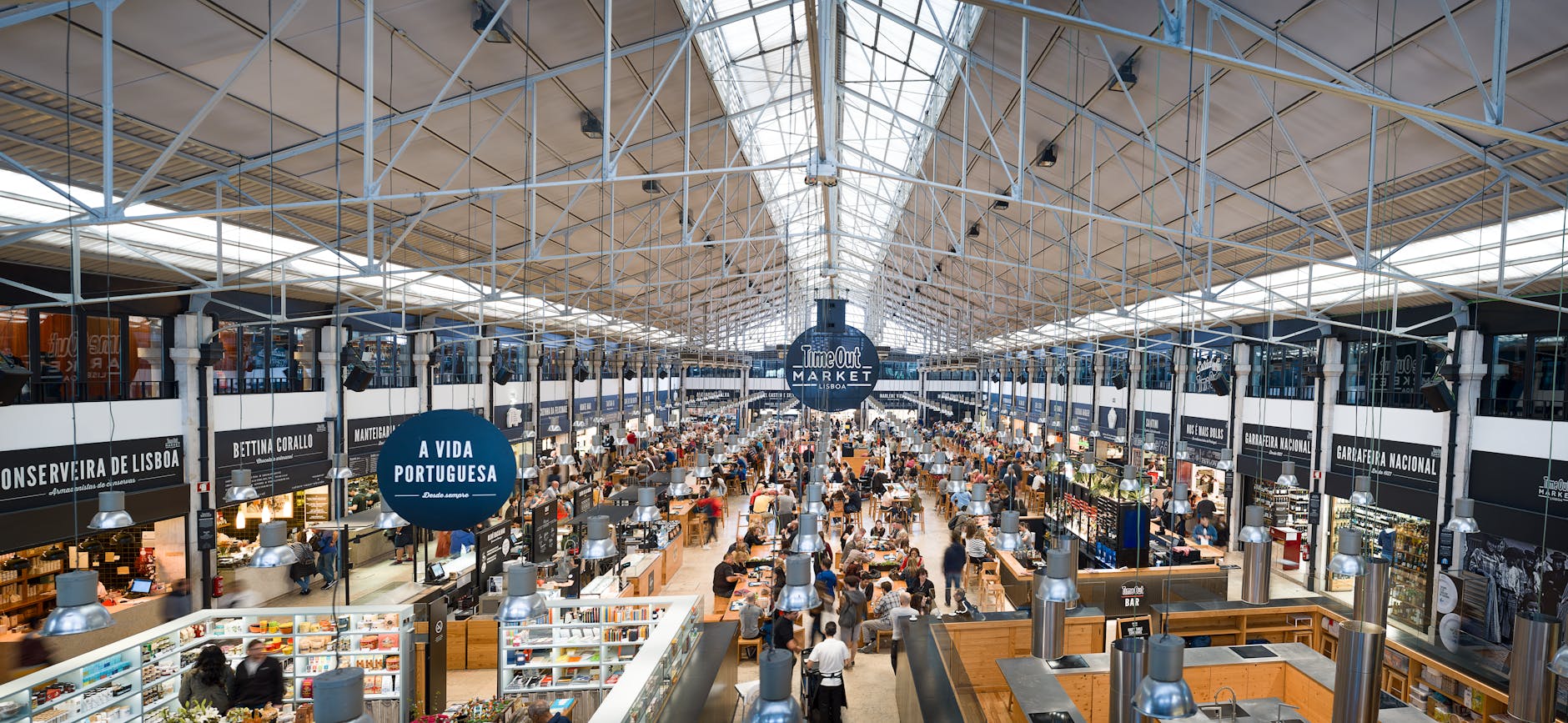
The Time Out Market at Cais do Sodré is Lisbon’s most famous food hall, occupying one wing of the 19th-century Ribeira market. Curated stalls feature some of the city’s top chefs and restaurants — Henrique Sá Pessoa, Alexandre Silva, Marlene Vieira — alongside gourmet burgers, Azorean beef, artisan gelato, and wine by the glass. The communal tables seat around 500 and stay busy. Go for a late lunch (after 2 p.m.) to avoid the worst queues. The traditional market side — fresh fruit, fish, flowers, and vegetables — runs in the mornings and is worth exploring for atmosphere. See the official Time Out Market site for current stalls and hours.
Mercado de Campo de Ourique
Tourists flock to Time Out Market; locals eat here. This neighborhood market in residential Campo de Ourique has been running since the 1930s. The renovated space mixes traditional produce vendors (butchers, fishmongers, cheese sellers) with modern food counters serving everything from Japanese ramen to Portuguese petiscos and craft cocktails. Lower prices than Time Out Market, more authentically local atmosphere, and the surrounding neighborhood rewards a pre- or post-meal walk. Reachable via Tram 28.
Mercado da Baixa and Other Markets
The Mercado da Baixa near Praça da Figueira mixes gourmet stalls with traditional vendors in the heart of downtown. For a truly local experience, Mercado 31 de Janeiro near Saldanha is where neighborhood residents do their daily shopping. The Feira da Ladra flea market in Alfama (Tuesdays and Saturdays) isn’t a food market, but the surrounding streets fill with vendors selling roasted chestnuts, grilled sardines, and ginjinha.
Lisbon Food Experiences and Tours
Beyond restaurant meals, a handful of culinary experiences add real context to the food.
Food Walking Tours
Guided food tours are one of the smartest things to do early in a Lisbon trip. Operators like Eating Europe and Devour Tours lead small groups through Mouraria, Alfama, and Campo de Ourique, stopping at family-run tascas, bakeries, and wine bars for 10 or more tastings over three to four hours. Expect to sample bacalhau, presunto, bifanas, pastéis de nata, ginjinha, and local wines while learning the history behind each bite. Tours typically cost €80 to €100 per person, all tastings included.
Wine Tasting and Wine Bars
Portugal produces extraordinary wines that remain underrated internationally. Beyond Port wine (which comes from the Douro Valley, not Lisbon), explore the crisp vinho verde from the Minho region, the robust reds of the Alentejo, and the increasingly fashionable wines of the Setúbal Peninsula just south of Lisbon. Wine bars like By the Wine in Chiado (run by José Maria da Fonseca) and Wines of Portugal Tasting Room on Praça do Comércio offer structured tastings. For a casual glass, try Tasca do Chico in Bairro Alto or the wine counters at Time Out Market.
Cooking Classes
Several Lisbon cooking schools run hands-on classes where you learn to prepare classic Portuguese dishes — from bacalhau to pastéis de nata — with a local chef. Cooking Lisbon and Lisbon Cooking Academy are popular, running half-day sessions that include a market visit, cooking, and a shared meal with wine. Classes typically cost €60 to €90 per person.
Lisbon’s Coffee Culture
Portugal has one of the highest per-capita coffee consumption rates in Europe, and the coffee order is very specific. The standard is a bica — a small, strong espresso. You’ll also encounter meia de leite (half coffee, half milk, essentially a latte), galão (a tall glass of milk with a shot of coffee), and abatanado (a longer Americano-style black coffee).
Traditional cafés like A Brasileira in Chiado and Café Nicola on Rossio Square serve classic bicas for under €1. Meanwhile, a strong third-wave scene has taken hold, with specialty roasters like Copenhagen Coffee Lab, Fabrica Coffee Roasters in Mouraria, and Hello Kristof in Príncipe Real pushing things forward. You can start your morning with a €0.80 bica at a neighborhood café and switch to a single-origin pour-over later — both are legitimate, and neither is wrong.
Eating in Lisbon for Vegetarians and Vegans
Traditional Portuguese cuisine is heavily meat- and fish-based, but Lisbon’s vegetarian and vegan scene has grown substantially in recent years. Dedicated plant-based restaurants include The Food Temple in Mouraria, Ao 26 Vegan Food Project in Chiado, and Jardim dos Sentidos in Príncipe Real. Most contemporary restaurants now offer vegetarian mains, and the city’s markets carry excellent fresh produce, cheeses, and breads. The Portuguese custard tart is vegetarian (not vegan), so that particular indulgence is safe. For vegan pastéis de nata, check out Nata Vegan in Chiado.
Where to Eat in Lisbon by Neighborhood
Each of Lisbon’s neighborhoods has its own culinary character. Alfama is where you find the most traditional tascas and fado dinner houses. Chiado has the highest concentration of fine dining and Michelin-starred restaurants. If eating is the whole point of the trip, our Lisbon foodie itinerary builds the days around it. Mouraria is Lisbon’s most multicultural dining district — Chinese, Indian, Bangladeshi, and Mozambican restaurants alongside Portuguese tascas. Campo de Ourique is a locals’ foodie neighborhood with its own market and excellent family restaurants. Santos and Cais do Sodré are where the contemporary scene thrives: modern bistros, cocktail bars, and Time Out Market. Belém is quieter but has Pastéis de Belém and the creative Portuguese cooking at Canalha and Ponto Final (across the river).
Portuguese Dining Customs and Etiquette
A few customs worth knowing before you sit down.
Meal times: The Portuguese eat late. Lunch runs 12:30 to 2:30 p.m.; dinner rarely starts before 8 p.m. Most restaurants don’t open for dinner until 7:30 p.m., and peak dining hour is around 9 p.m. Arriving early has one real advantage: shorter waits and first pick of daily specials.
The couvert: Bread, butter, olives, and sometimes cheese, pâté, or sardine paste will appear on your table before you order. This is not complimentary — it’s a paid appetizer (usually €1 to €4 per person). Don’t want it? Tell the waiter “não, obrigado” and they’ll remove it without charge.
Portion sizes: Portuguese portions are genuinely generous. Most restaurants offer a meia dose (half portion) that costs roughly 60 to 70 percent of the full price and is still more than enough for one person. Sharing plates is normal and encouraged.
Tipping: Service is generally included, but 5 to 10 percent for good service is customary. Rounding up is the norm at casual spots. Credit cards are widely accepted, but smaller tascas may still be cash-only — carry some euros.
Reservations: For popular restaurants (especially Cervejaria Ramiro, Taberna Sal Grosso, Henrique Sá Pessoa, and anything mentioned in international media), book a few days to a week ahead for dinner. For tascas, you can usually walk in at lunch, but dinner may need a short wait.
Start Your Lisbon Food Adventure
From a €1 pastel de nata at a neighborhood bakery to a multi-course tasting menu at a Michelin-starred restaurant, every meal in this city tells a story about Portugal’s history, geography, and priorities. Use this Lisbon food guide as a starting point, then follow your instincts. Some of the best meals in Lisbon happen when you follow the locals through an unmarked door, sit at a counter with no menu, and simply say “o que recomenda?” — what do you recommend?
For more help planning your trip, explore the comprehensive Lisbon travel guide, find out where to stay in Lisbon, discover the best things to do in Lisbon, and master the city’s transport with the getting around guide.
Photo Credits
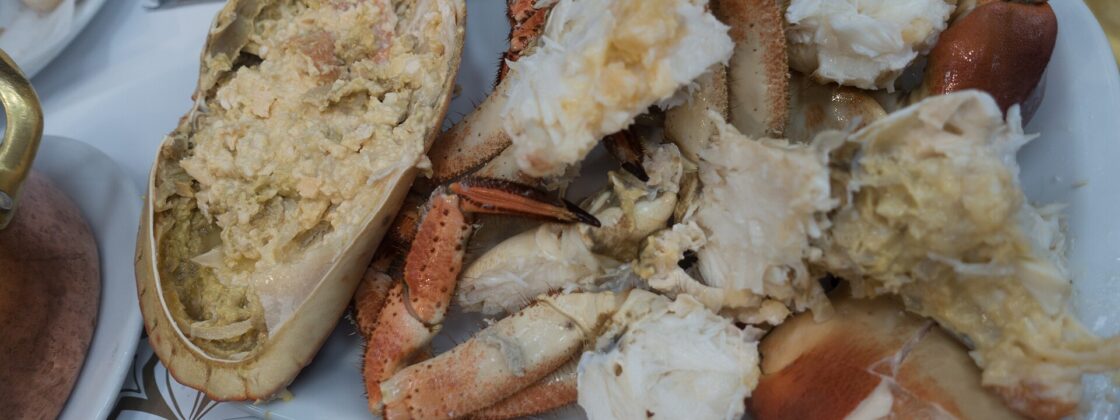
Crab at Cervejaria Ramiro: Cervejaria Ramiro (29109062898) by Kent Wang from London, United Kingdom, CC BY-SA 2.0, via Wikimedia Commons.