Lisbon Food Guide
Lisbon Food Tours: The Best Culinary Experiences (2026)
Compare the best food tours in Lisbon—tastings, wine experiences, cooking classes, and market tours reviewed with honest recommendations.
In this guide
- The Best Lisbon Food Tours at a Glance
- Top Lisbon Food Tour Operators Reviewed
- What’s Typically Included
- Specialty Food Tours
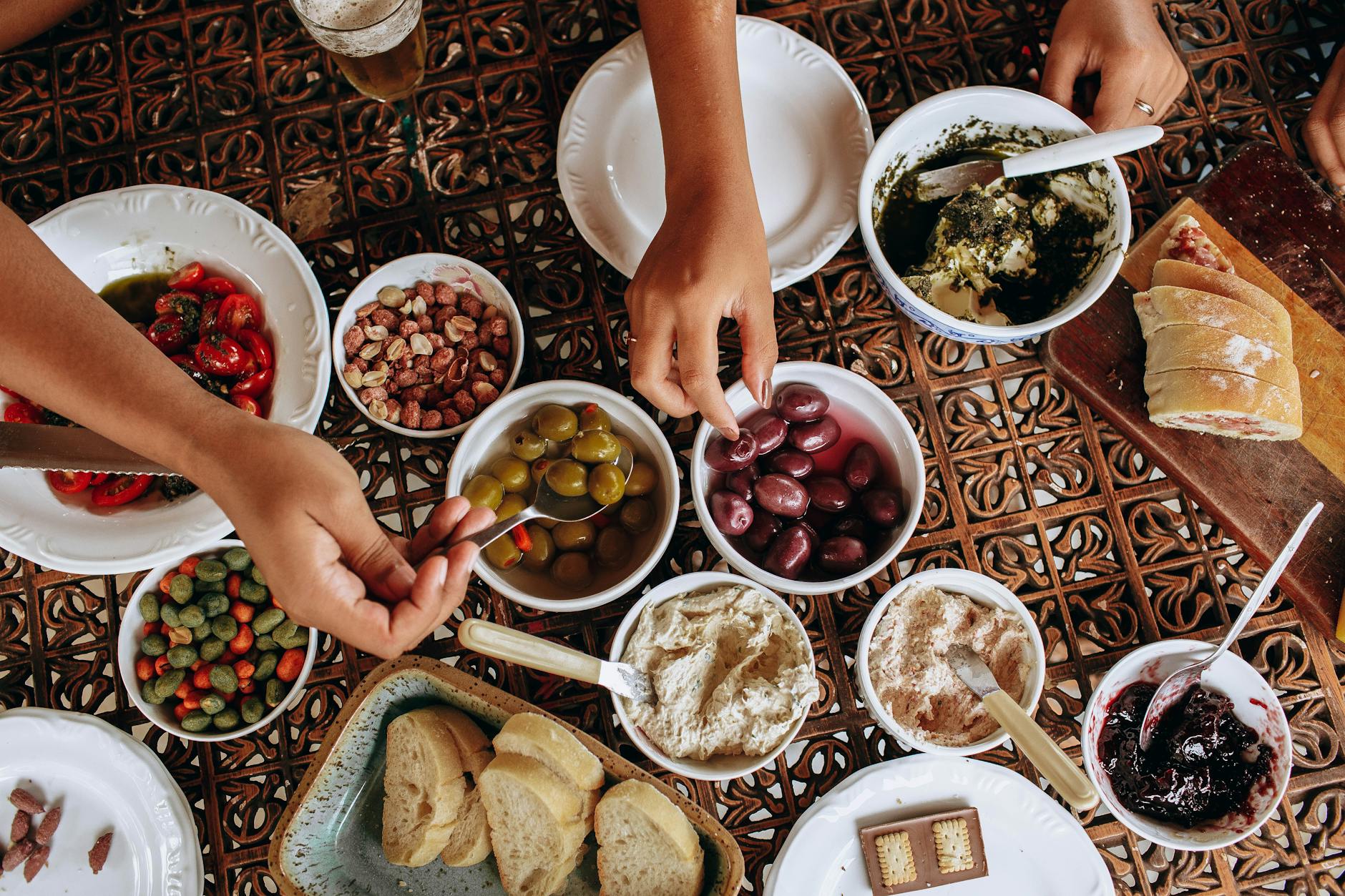
- What You’ll Eat on a Typical Tour
- Booking Tips
- Tour Pricing and Discounts
- What to Expect on a Lisbon Food Tour
- Best Tours by Traveler Type
- Time Out Market: Worth Visiting Separately
- FAQ: Lisbon Food Tours
- Bottom Line
- The Portuguese Food You’ll Encounter: A Brief Primer
- Lisbon’s Best Food Neighborhoods for Self-Guided Eating
- Food Tour vs Self-Directed Eating: The Honest Comparison
Lisbon food tours are one of the most efficient ways to crash-course Portuguese cuisine — multi-stop walking tours with 7–12 tastings at tascas, bakeries, wine bars, and market stalls, led by guides who actually know the city. The catch: there are dozens of operators, the marketing makes them all look the same, and quality varies more than the prices suggest.
This guide reviews the best Lisbon food tours for 2026 — what each operator offers, real costs, how to pick the right one, and what you’ll actually eat. Updated for 2026.
The Best Lisbon Food Tours at a Glance
| Operator | Cost | Duration | Tastings | Group max | Best for |
|---|---|---|---|---|---|
| Eating Europe | €85–€110 | 3.5–4 hrs | 9–12 | 12 | Best overall; most reviews |
| Devour Tours | €95–€135 | 3.5–4 hrs | 7–10 | 10 | Cultural storytelling |
| Culinary Backstreets | €140–€210 | 5–7 hrs | 10–14 | 7 | Deep-dive, full-day |
| Treasures of Lisboa | €75–€95 | 3 hrs | 7–9 | 8 | Alfama focus |
| Inside Lisbon | €70–€95 | 3 hrs | 6–8 | 8 | Boutique, locally owned |
| The Tipsy Tours | €85 | 3 hrs | 5 + drinks | 12 | Drinks-focused groups |
| Cooking Lisbon | €95 | 4 hrs | Cooking class + market | 10 | Hands-on |
Top Lisbon Food Tour Operators Reviewed
Eating Europe (Best Overall)
Cost: €85–€110 | Duration: 3.5–4 hours | Group size: Max 12
Eating Europe is the most-reviewed food tour operator in Lisbon on both TripAdvisor and GetYourGuide — consistently in the top three for the city for several years running. They run multiple tours:
- Tastes & Traditions Food Tour — 7 stops, 9 tastings; Mouraria and Alfama. The classic intro to Portuguese food culture.
- Undiscovered Lisbon Food & Wine — Anjos neighborhood, off the tourist track, more wine-focused and more adventurous in the stops it picks.
- Boats, Bites, & Bairros — combines a food walking tour with a short boat ride on the Tagus.
Reviews consistently praise guide depth of knowledge on both food history and Lisbon’s neighborhoods. Guide quality is the differentiator at Eating Europe — when you get a senior guide, it’s excellent. Read recent reviews and request a specific guide if one gets mentioned repeatedly.
Devour Tours (Best for Storytelling)
Cost: €95–€135 | Duration: 3.5–4 hours | Group size: Max 10
Devour focuses on cultural context alongside the food — the history of a dish, the family that’s been running the shop for three generations, how colonial history shaped what’s on the plate. Visits to genuinely family-run businesses rather than the bigger operators that have started to optimize for tour groups.
Tours include:
- Tastes and Traditions — Mouraria and Baixa; their most popular. 9 tastings plus 4 drinks.
- Sintra Food Tour — combines Sintra sightseeing with travesseiros, queijadas, and Alentejo wine
- Lisbon Wine and Sunset — evening wine-focused tour
Guides like Eva and others get praised as “genuinely funny and deeply knowledgeable.” At the €95–€135 price point, Devour competes directly with Eating Europe — the main difference is Devour’s stronger emphasis on the stories behind the food.
Culinary Backstreets (Best Deep Dive)
Cost: €140–€210 | Duration: 5–7 hours | Group size: Max 7
For serious food travelers who want more than a tasting tour. Culinary Backstreets runs whole-day experiences with local guides who are obsessed with food, not just knowledgeable about it. Tours include:
- Lisbon Awakens — full Portuguese breakfast and morning food culture; a deep look at what Lisboners actually eat before noon
- Maritime Marvels — seafood and port culture; the Atlantic coast’s influence on the Lisbon table
- Tropicalismo Lisboeta — colonial-era cuisines: Mozambique, Goa, Brazil, and how they shaped modern Lisbon
Smaller groups, longer time, deeper context. The cost is significant — €140–€210 per person — but it’s a genuinely different experience from a standard three-hour tour. Best for travelers on at least a five-day trip who want one exceptional food day rather than multiple adequate ones.
Treasures of Lisboa (Best for Alfama Focus)
Cost: €75–€95 | Duration: 3 hours | Group size: Max 8
Smaller-group, Alfama-focused tour through Lisbon’s oldest neighborhood. Visits 5–6 traditional eateries including tascas that have been serving the same neighborhood for generations. Good for travelers who want intimate group size, traditional food, and neighborhood depth over breadth. The lower price reflects shorter duration rather than lower quality.
Inside Lisbon (Best for Boutique Feel)
Cost: €70–€95 | Duration: 3 hours | Group size: Max 8
Locally owned, with Portuguese guides who know the city as residents rather than as tour professionals. Less polished than Eating Europe or Devour in terms of operation, but that’s partly the point — more personal, more likely to take a detour if something interesting is happening. Good value.
The Tipsy Tours (Drinks-Focused)
Cost: €85 | Duration: 3 hours
Five food stops and five drink stops: wine, port, ginjinha, beer, and Portuguese craft drinks. Less about food depth and more about experiencing the full Portuguese drinking culture alongside the food. Works well for groups where some people are more interested in the wine than the bifana.
Cooking Lisbon (Hands-On)
Cost: €95 | Duration: 4 hours
A fundamentally different experience: market tour followed by cooking class. You shop the Ribeira market, return to the kitchen, cook a 3-course Portuguese meal with the chef, and then eat it. The comparison with standard tours isn’t quite fair because it’s a different product — but if you prefer making food to eating food prepared by others, this wins. See our guide to booking a cooking class for more hands-on options.

What’s Typically Included
- 7–12 tastings at 5–8 different establishments
- Drinks (3–5 — wine, beer, port, ginjinha)
- Walking tour with historical commentary
- Local guide
- One sit-down larger portion (typically mid-tour)
What’s NOT Typically Included
- Full meals beyond the tastings (some portions are generous, some are bites)
- Tip for the guide (€5–€15 per person, customary)
- Personal additional drinks beyond what’s served
Specialty Food Tours
Pastel de Nata Workshops
Most cooking schools — Cooking Lisbon, Sabores e Sensações, and others — offer 1–2 hour pastéis de nata classes. Typically €30–€60. You make them from scratch, take some home, receive a recipe. Good for anyone staying more than three days who wants a hands-on afternoon rather than another walking tour.
Wine Tours
Vinho Verde walking tours, port-focused tastings in the Ribeira area, and Setúbal wine country day trips. Prices range €50–€150 depending on length and whether transport is included. Several operators run combined food and wine experiences that lean more toward the glass than the plate.
Vegetarian and Vegan Food Tours
Lisbon has developed a strong plant-based food scene over the last decade — partly driven by tourism, partly by a generation of Lisboners who cook differently than their parents. Several smaller operators run vegan-focused tours for €70–€90. Mention dietary preferences at booking regardless of operator — most of the mainstream tours accommodate vegetarian and vegan participants on request.
Coffee and Pastry Tours
Morning-only tours hitting Lisbon’s best pastelarias for coffee, pastéis de nata, bifanas, and fresh bread. Typically €40–€60 and done by noon. A good option for travelers who don’t want a full meal-sized food tour but want to find the places worth returning to independently.
Sintra Food Tour
Devour and several other operators run combined Sintra sightseeing plus food tasting — travesseiros (puff-pastry almond rolls), queijadas (cheese tarts), Alentejo wine. Typically €120–€160. A day trip from Lisbon that covers both the palaces and the pastries.
What You’ll Eat on a Typical Tour
- Pastel de nata — at a famous bakery; the tour almost always includes a direct comparison between a standard version and a high-end one
- Bifana — pork sandwich in a soft roll at a traditional tasca
- Bacalhau à brás or another salt cod preparation
- Pastel de bacalhau — the crisp cod fritter, often at a market stall
- Cheese tasting — Azeitão (sheep’s milk), Serra da Estrela, regional varieties
- Cured meats — chouriço, presunto, paio
- Petiscos at a tasca — small Portuguese plates, the equivalent of tapas
- Vinho verde or Alentejo red wine
- Ginjinha shot — the sour cherry liqueur that Lisboners have been drinking since the 1840s
- Pastéis de Belém if the tour includes a Belém component
Booking Tips
- Book 1–2 weeks ahead in summer — good guides on popular tours sell out. Same-day fine in shoulder season (November–March).
- Read recent reviews specifically — guide quality varies even within the same company. A review from three years ago doesn’t tell you who’s running the tour today.
- Mention dietary restrictions at booking — most operators accommodate vegetarian, vegan, and gluten-free, but they need advance notice to arrange substitutions at each stop.
- Book direct from the operator if you want to request a specific guide. GetYourGuide and Viator charge the same prices but give you less control over guide selection.
- Don’t eat a full meal beforehand — these tours typically amount to a substantial lunch’s worth of food, sometimes more. A light breakfast is the right preparation.
- Wear comfortable shoes — Lisbon’s cobblestones and hills apply even on the slower-paced food tours.
Tour Pricing and Discounts
- Group rates — 4+ travelers usually get 10–15% off; worth asking directly
- Shoulder season pricing — October–March is cheaper and less crowded; some operators drop prices 15–20%
- Book direct vs platform — platforms (GetYourGuide, Viator) match direct pricing but occasionally have discount codes; check both before booking
- Skip the large aggregator groups — when a tour is listed at €25–€40 with 30+ people, quality control breaks down at that scale. The sweet spot is 8–12 people maximum.
What to Expect on a Lisbon Food Tour
The Pace
Walking tours move slowly between stops — you’ll cover 1–2 km total over 3–4 hours. Many stops, a lot of standing around and eating. Not demanding physically except for Lisbon’s inevitable cobblestones.
The Group
Mostly couples and small groups, typically 30–60 age range. Solo travelers are common and welcome. Groups of 8–12 is the norm on quality tours. If you’re booking with a partner or small group, the intimate size means you’ll actually have a conversation with the guide rather than hanging off the back of a crowd.
The Food
More substantial than most people expect. You won’t be hungry afterward. Expect to sit down for a larger portion at one stop during the tour — usually mid-tour, and usually something that functions as lunch. Budget your meals accordingly.
The Drinks
Typically 3–5 alcoholic drinks served across the tour (wine, port, ginjinha, sometimes beer or a craft spirit). If you don’t drink, mention it at booking — most operators substitute with non-alcoholic versions at each stop.
Best Tours by Traveler Type
| You’re looking for… | Best choice |
|---|---|
| Best first-timer introduction to Portuguese food | Eating Europe Tastes & Traditions |
| Cultural depth and storytelling alongside the tastings | Devour Tastes & Traditions |
| Full-day deep dive, serious food travelers | Culinary Backstreets |
| Alfama atmosphere, small group | Treasures of Lisboa |
| Drinks and Portuguese wine culture | The Tipsy Tours |
| Hands-on cooking rather than eating | Cooking Lisbon |
| Sintra food and sightseeing combined | Devour Sintra Food Tour |
| Budget first-timer without committing to €85+ | Inside Lisbon (€70) |
Time Out Market: Worth Visiting Separately
The Time Out Market Lisboa in Cais do Sodré is not a food tour, but it deserves a mention as a complementary experience — or an alternative for travelers who want to self-direct. Around 40 restaurants and food stalls from some of Lisbon’s best chefs under one roof, including José Avillez and Henrique Sá Pessoa. A good place to taste widely, compare, and decide where you want to eat properly during the rest of your trip. Lunch is good; evenings are very crowded.
FAQ: Lisbon Food Tours
What’s the best food tour in Lisbon?
Eating Europe for best overall (most reviews, consistent quality, multiple tour options). Devour Tours for best cultural storytelling. Culinary Backstreets if you have the budget and want a serious full-day food experience.
How much do Lisbon food tours cost?
€70–€135 for standard 3–4 hour tours. €140–€210 for full-day premium tours. The cooking-class-plus-market format (Cooking Lisbon) runs around €95 for 4 hours.
How long are Lisbon food tours?
Most tours are 3–4 hours. Premium and deep-dive tours run 5–7 hours.
Are Lisbon food tours worth it?
Yes — especially for first-time visitors wanting a structured crash course in Portuguese food culture, and for anyone who doesn’t have time to find tascas independently. Less valuable for seasoned travelers who are comfortable navigating Lisbon’s food scene on their own.
Can dietary restrictions be accommodated?
Yes — most operators accommodate vegetarian, vegan, gluten-free, and common allergies. Mention at booking. Not all stops will have alternatives, but the guide will arrange substitutions at most.
Should I do a food tour or cooking class?
Food tour for breadth — 8+ tastings, 4–5 different stops, historical context. Cooking class for depth — one full meal you make yourself, technique-focused. Both valuable; different experiences. The cooking class wins if you cook at home and want to take something back; the food tour wins if you want to understand Lisbon’s food scene before picking where to eat for the rest of the trip.
Bottom Line
A 3-hour food tour with Eating Europe or Devour is the best single Lisbon foodie experience for €85–€110. You’ll taste 9–12 things, learn the cultural context, and visit places you’d never find solo. Add a Cooking Lisbon class for depth if you’re staying more than four days. Skip the budget aggregators with 30+ person groups — quality control doesn’t survive that scale.
A food tour is a shortcut to knowledge you can also acquire slowly and more cheaply. The traditional food guide is that slower route, the pastel de nata primer covers the one item every tour stops for, the restaurant picks are where to apply what you learn, and the food guide pillar is the wider map.
The Portuguese Food You’ll Encounter: A Brief Primer
Going into a food tour cold means missing half the context. A quick primer on what you’re eating and why it matters:
Bacalhau (Salt Cod)
Portugal has supposedly 365 ways to prepare bacalhau — one for every day of the year. The fish itself is almost always dried and salt-preserved Atlantic cod, rehydrated before cooking. It sounds unappealing until you taste Bacalhau à Brás (shredded cod with egg, potato, and onion), or Bacalhau com Natas (baked with cream), or a simple Bacalhau à Lagareiro roasted with olive oil. Any good food tour will include at least one bacalhau preparation. This is not a tourist concession — it’s the backbone of Portuguese home cooking.
Pastel de Nata
The custard tart with the caramelized top. Created by monks at Jerónimos Monastery in Belém in the early 19th century; the original recipe is still used by Pastéis de Belém, which has a queue almost every hour it’s open. The key quality markers: the pastry should shatter when you bite it, the custard should be slightly wobbly, and the top should be unevenly caramelized. A good food tour will teach you to distinguish a good one from a mediocre one — useful for the rest of your trip.
Petiscos
Portuguese small plates, broadly equivalent to Spanish tapas but with a different selection. Pataniscas (cod fritters), caracóis (snails, a summer tradition), pica-pau (marinated pork cubes), and ameijoas à Bulhão Pato (clams with olive oil, garlic, and coriander) are standard petisco bar offerings. Most food tours include at least one petisco stop at a traditional tasca.
Ginjinha
A sour cherry liqueur that has been served from tiny dedicated bars in Rossio and Alfama since the 1840s. Typically €1.50–€2 per shot, served in a small glass or — in the traditional version — in a chocolate cup. Every food tour includes a ginjinha stop. It’s a 30-second drink that tells you something real about how Lisboners socialize.
Vinho Verde and Alentejo Wine
Two dominant categories you’ll encounter on food tours. Vinho Verde (“green wine”) from the Minho region in northern Portugal — not actually green in color, but light, slightly effervescent, low-alcohol, and acidic. Perfect with seafood. Alentejo reds are the opposite: full-bodied, sun-baked, concentrated. Tours tend to pour both so you can compare. Portuguese wine at this level is significantly underpriced relative to equivalent French or Italian wines.
Lisbon’s Best Food Neighborhoods for Self-Guided Eating
After a food tour, you’ll know what to look for. Here’s where to apply that knowledge:
Alfama
The oldest neighborhood, steepest streets, most traditional tascas. The tourist density has increased but authentic spots persist on the side streets. Look for handwritten menus, plastic tablecloths, and TV in the corner — those are working tascas. The uphill streets off Rua dos Remédios and around the Feira da Ladra flea market have several. See our walk through Alfama for the neighborhood deep-dive.
Mouraria
Directly below the castle, Lisbon’s historic Moorish quarter and the birthplace of fado. The food scene here is largely immigrant-influenced — Cape Verdean, Indian, Chinese, alongside traditional Portuguese. One of the more interesting eating neighborhoods in the city for range. Many food tours pass through Mouraria precisely because it reflects Lisbon’s multicultural history on the plate.
Intendente
The neighborhood that’s gentrified most visibly in recent years. A cluster of excellent restaurants and cafés around Largo do Intendente, a formerly neglected square that’s now one of the city’s better places for an unhurried dinner. Eating Europe’s “Undiscovered Lisbon” tour comes through here.
Cais do Sodré and Mercado da Ribeira
The waterfront market area. The Time Out Market is here — a useful reference point, though the neighborhood also has excellent standalone restaurants (The Decadente, Taberna da Rua das Flores just uphill, several good wine bars along Rua Nova do Carvalho). The covered Mercado da Ribeira runs mornings for fresh produce. See our best restaurants guide for specific picks.
Food Tour vs Self-Directed Eating: The Honest Comparison
A food tour at €85–€110 is roughly the cost of one mid-range restaurant dinner for two in Lisbon. For that price, you get:
- 8–12 tastings at 5–8 different places you wouldn’t have found independently
- A guide’s explanation of what you’re eating and why it matters
- No time spent on research, navigation, or figuring out if a place is good
- Introduction to neighborhoods you can return to on your own
What you don’t get: the freedom to linger, the ability to order seconds, or the experience of discovering a place yourself. For most first-time visitors spending 3–5 days in Lisbon, a single food tour on day one or two is the most efficient way to calibrate the rest of the trip’s eating. After the tour, you know which neighborhoods have good tascas, what a properly made pastel de nata looks like, and why ginjinha comes in a chocolate cup.
For repeat visitors or seasoned food travelers who already know the Portuguese food landscape, the calculation changes — you might get more value from a Culinary Backstreets deep-dive into a specific theme (colonial cuisine, maritime food culture) than from a general intro tour. See our Portuguese food primer and our pastéis de nata guide for more depth on specific dishes.