Lisbon Itinerary
Lisbon Itinerary for Foodies: A Culinary-Focused Travel Plan 2026
A food-focused Lisbon itinerary—market visits, tastings, cooking classes, the best tascas, and how to eat like a local for 3-5 days.
In this guide
- Why Lisbon Is a Foodie Destination
- Quick Reference: Lisbon Food at a Glance
- Day 1: Markets, Petiscos, and Pink Street
- Day 2: Cooking Class & Marisqueira
- Day 3: Belém + Modern Lisbon
- Extending to 4–5 Days: What to Add
- Lisbon Foodie Cheat Sheet
- Best Food Tours and Classes
- Where to Eat: Quick Reference
- Tascas: How to Eat Like You Live Here
- Foodie Day-Trip Add-Ons
- Foodie Tips
- Foodie Itinerary Budget
- Bacalhau: Portugal’s National Obsession
- Seafood in Lisbon: What to Order and When
- Wine with Food: A Quick Pairing Guide
- The Pastel de Nata: A Closer Look
- FAQ: Lisbon Foodie Itinerary
- Bottom Line
A Lisbon foodie itinerary turns a regular trip into a culinary expedition — Lisbon is one of Europe’s best eating cities, with centuries-old tascas, exceptional Atlantic seafood, modern Michelin chefs, and a custard-tart obsession that’s become a global icon. Build your trip around food, and you’ll see Lisbon at its most authentic.
This is a 3-day Lisbon foodie itinerary — market visits, food tours, cooking classes, the best tascas, and how to eat like a local at every meal. Updated for 2026.
Why Lisbon Is a Foodie Destination
Portuguese cuisine is one of Europe’s least-known but most distinctive — built on Atlantic seafood, Iberian pork (some of the world’s best ham), 365 different bacalhau preparations, fortified wines (port, Madeira, Moscatel), and traditions stretching back to the Age of Discovery. Lisbon concentrates the best of all this in one walkable city.
It’s also significantly cheaper than London/Paris/Rome — a top-tier tasting menu costs €120–€180 vs €250–€400 elsewhere, and a casual lunch with wine is €15–€20.
Quick Reference: Lisbon Food at a Glance
| Category | Best option | When / Cost |
|---|---|---|
| Custard tart | Pastéis de Belém (original recipe) or Manteigaria (Chiado) | Morning, €1.50 each |
| Food tour | Eating Europe “Tastes & Traditions” | Morning/afternoon, ~€85–€110 |
| Cooking class | Cooking Lisbon (half-day with market) | Morning, ~€95 |
| Marisqueira night | Cervejaria Ramiro | Dinner, €60–€90pp |
| Michelin splurge | Belcanto (2★) or Alma (2★) | Dinner, €220–€280pp |
| Food hall | Time Out Market Lisboa (Mercado da Ribeira) | Any time, 10:00–00:00 |
| Local lunch | Tasca prato do dia | Lunch, €8–€14 with wine |
| Cherry liqueur shot | A Ginjinha (Rossio) | Any time, €1.50 |
Day 1: Markets, Petiscos, and Pink Street
Morning
9:00 AM — Coffee + pastel de nata at Manteigaria (Chiado branch). Sit at the marble counter and watch them make 200 pastéis at once.
10:00 AM — Walk to Mercado da Ribeira / Time Out Market. Visit the morning produce market in the eastern half (operating since 1892). The Time Out Market Lisboa opens at 10:00 daily — 26 restaurants, 8 bars, and one of the only places in Lisbon where you can eat a proper meal at almost any hour.
11:00 AM — Continue along the river to Cais do Sodré.
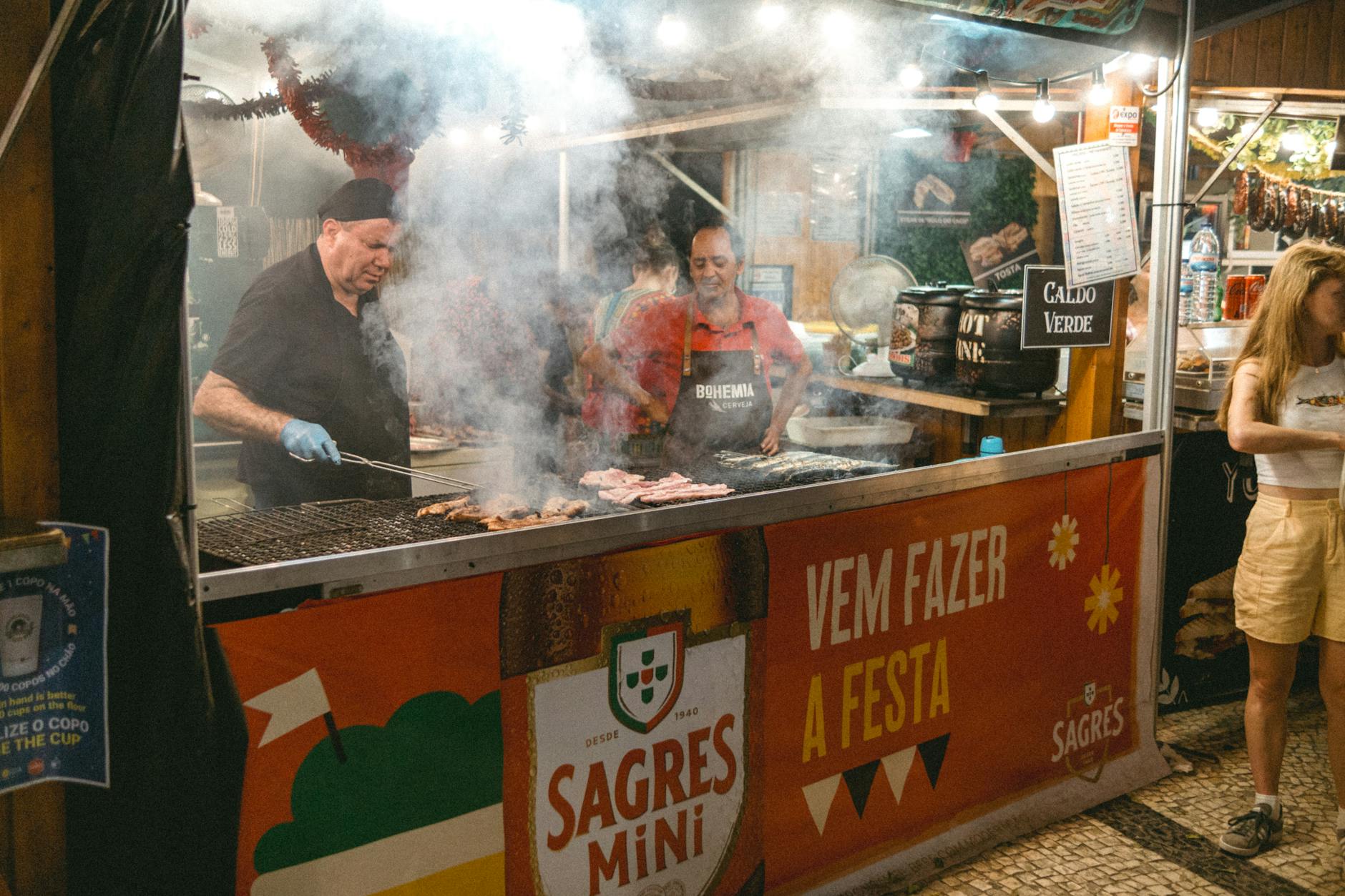
11:30 AM — Joined food tour: book Eating Europe’s “Tastes & Traditions” or Treasures of Lisboa for a 3.5-hour walking food tour. ~€85 per person, 7–9 tastings. See our cooking classes guide for booking options.
Afternoon
3:00 PM — Coffee at Café A Brasileira (Chiado) — historic 1905 café famous for the Pessoa statue out front.
4:00 PM — Free time; explore Bairro Alto.
5:30 PM — Sunset drink at Park Bar rooftop or Quiosque Ribeira das Naus on the water.
Evening
7:30 PM — Petiscos crawl in Bairro Alto. Sample 3 spots:
- Tasca da Esquina — modern petiscos
- Tasca do Chico — fado with snacks
- Páteo 13 — tiles, traditional
10:30 PM — Late drink at A Ginjinha (off Rossio) — €1.50 cherry liqueur shot, Lisbon’s most iconic drink.
Day 2: Cooking Class & Marisqueira
Morning
9:30 AM — Cooking class with market tour. Cooking Lisbon (cookinglisbon.com) offers half-day classes starting at the market. ~€95 per person, 4 hours, includes lunch you cook. You’ll prepare bacalhau, a meat dish, and dessert.
Afternoon
1:30 PM — Lunch (you cook it!)
3:00 PM — Free afternoon; siesta or browse Avenida da Liberdade
4:30 PM — Wine tasting at Garrafeira Nacional (oldest wine shop in Lisbon, 1927). Or Vinhos do Mundo for Portuguese-only wines.
5:30 PM — Coffee + travesseiro at Sintra-style pastelaria for a pastry break
Evening
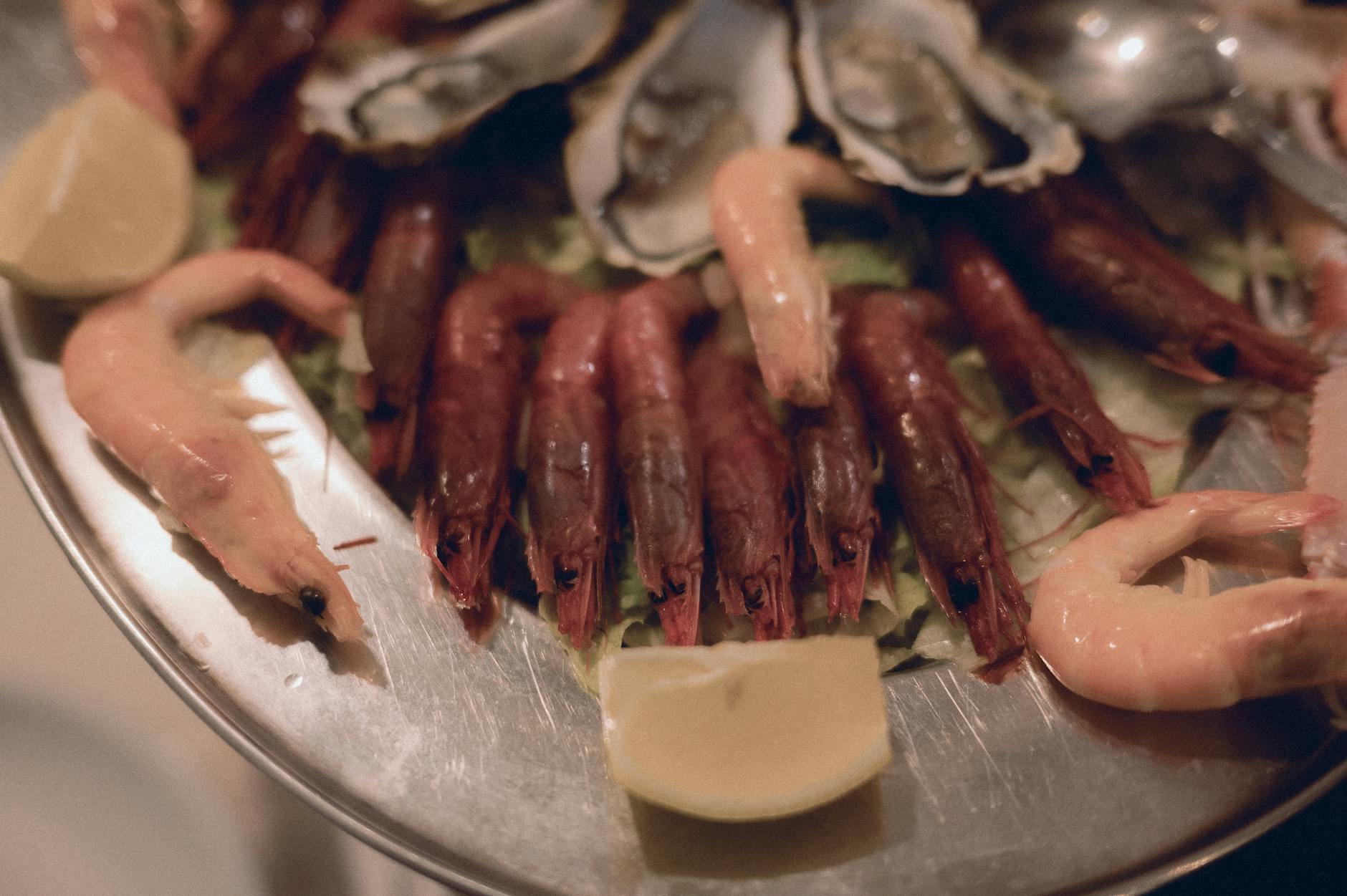
8:00 PM — Marisqueira night. Cervejaria Ramiro (book ahead or arrive 7:45 PM). Order: tiger prawns, percebes (in season), gambas à guilho, prego steak sandwich for the finale.
10:30 PM — Port flight at Taylor’s Port Bar (Time Out Market) — try a 20-year tawny.
Day 3: Belém + Modern Lisbon
Morning
9:00 AM — Tram 15E to Belém
9:30 AM — Pastéis de Belém — original 1837 recipe. Eat 2 warm.
10:30 AM — Jerónimos Monastery (foodie connection: tomb of monks who created the pastel)
12:00 PM — Walk to LX Factory
1:00 PM — Lunch at 1300 Taberna or Cantina LX
Afternoon
3:00 PM — Petiscos and wine: catch metro to Príncipe Real, visit Embaixada concept mall, then taste at Embaixada de Vinhos
4:30 PM — Coffee at Bettina & Niccolò Corallo (best coffee in Lisbon, single-origin)
5:30 PM — Sunset drinks at Lost In Esplanada (Príncipe Real garden bar)
Evening
8:00 PM — Splurge dinner. Choose one:
- Belcanto (2 Michelin stars, Chef José Avillez) — ~€280 tasting menu. Reserve 1–3 months ahead
- Alma (2 Michelin stars, Chef Henrique Sá Pessoa) — ~€220 tasting menu
- Eleven (1 Michelin star, hilltop) — ~€180 tasting menu, panoramic views
- Cantinho do Avillez — Avillez’s casual spot, €40–60
- 100 Maneiras — modern Portuguese, ~€80–€120
Extending to 4–5 Days: What to Add
Three days covers the headline experiences. With more time:
Day 4: Neighbourhood Tascas
Dedicate a full day to eating in the neighbourhoods tourists miss. Lunch at a tasca in Madragoa or Estrela — the prato do dia will be €8–€12 including a glass of vinho verde. Afternoon in Mouraria for the African-influenced food scene (the area around Intendente square has some of the most honest, non-touristy eating in Lisbon). Evening back in Alfama for grilled sardines if it’s summer.
Day 5: Market + Day Trip
Mercado de Campo de Ourique on a Tuesday, Thursday, or Saturday morning — this is a neighbourhood market, not a tourist destination. Locals actually shop here. Then catch an afternoon train to Setúbal for oysters at Mercado do Livramento and choco frito (fried cuttlefish) — under 1 hour each way. See our Setúbal and Arrábida guide.
Lisbon Foodie Cheat Sheet
Must-Eat in Lisbon
- Pastel de nata — try 3+ versions and pick your favourite
- Bifana — pork sandwich at O Trevo or Casa do Bairro
- Bacalhau à brás — salt cod, eggs, potatoes, olives
- Sardinhas grelhadas — grilled sardines (May–September peak)
- Polvo à lagareiro — roasted octopus with potatoes and olive oil
- Tiger prawns at a marisqueira — at Ramiro or O Pinóquio
- Percebes — gooseneck barnacles (May–November)
- Travesseiro — Sintra puff pastry with almond cream
- Ginjinha — cherry liqueur shot at A Ginjinha
- Port — at Taylor’s Port Bar in Time Out Market
Best Drinks
- Vinho verde — light Portuguese white, pairs with seafood
- Alentejo red — bold, full-bodied
- Port — try a 20-year tawny
- Moscatel de Setúbal — sweet fortified, dessert pairing
- Ginjinha — €1.50 shot
- Sagres or Super Bock — Portuguese beers, ~€3

Best Food Tours and Classes
Food Tours
| Operator | Cost | Duration |
|---|---|---|
| Eating Europe | €85–€110 | 3.5 hrs |
| Treasures of Lisboa | €75–€95 | 3 hrs |
| Culinary Backstreets | €120–€180 | 5–6 hrs |
| The Tipsy Tours | €85 | 3 hrs (drinks-focused) |
| Devour Tours | €95–€135 | 3.5–4 hrs |
Cooking Classes
- Cooking Lisbon — half-day with market visit, ~€95
- Faz Figura Cooking School — pastel de nata classes, €60
- Sabores e Sensações — full-day immersive, €130
See our guide to Lisbon cooking classes.
Where to Eat: Quick Reference
Best Tascas (Traditional)
- Tasca da Esquina (modern), Solar dos Presuntos (formal), Bonjardim (chicken)
Best Marisqueiras
- Cervejaria Ramiro, Sea Me, Marisqueira do Lis
Best Modern Portuguese
- Belcanto (★★), Alma (★★), Eleven (★), 100 Maneiras, A Cevicheria
Best Pastel de Nata
- Manteigaria (Chiado), Pastéis de Belém, Confeitaria Nacional
Tascas: How to Eat Like You Live Here
The word “tasca” means a small, unpretentious restaurant. Not all tascas are equal, and most tourists go to the wrong ones (the ones with photos on the menu on Rua Augusta are tascas in name only). The real ones have handwritten menus on a chalkboard, serve the prato do dia (dish of the day) at lunch, and often don’t open at all for dinner.
Rules for eating at a proper tasca:
- Arrive at noon or 12:30 PM — the kitchen peaks early and runs out of the best dishes
- Ask “Qual é o prato do dia?” — what’s the dish of the day?
- The prato do dia includes soup, main, and often a drink for €8–€14
- Don’t touch the bread until you’ve confirmed the couvert price — or ask them to take it away
- Pay cash if possible; many small tascas technically take cards but prefer not to
The best tasca neighbourhoods: Madragoa, Estrela, Intendente, Campo de Ourique. Alfama has some good ones but increasingly caters to tourists. See our best tascas guide for specific recommendations. For the broader context, see our Lisbon itinerary pillar.
Foodie Day-Trip Add-Ons
Setúbal
Mercado do Livramento for live oysters; choco frito (fried baby cuttlefish). About 1 hour from Lisbon. See our Setúbal/Arrábida guide.
Sintra
Travesseiros at Piriquita; Queijadas (cheese pastries). 40 min by train from Rossio station.
Évora
Alentejo cuisine — açorda, migas, carne de porco à alentejana. About 90 min by train. See our Évora guide.
Comporta
Beach restaurants, fresh fish, vinho verde under thatched umbrellas. About 1.5 hours from Lisbon by car.
Foodie Tips
- Lunch is cheaper — prato do dia €8–€14 vs €18–€30 dinner
- Reserve Michelin restaurants 1–3 months ahead
- Cervejaria Ramiro — arrive at noon opening or after 10 PM to skip lines
- Avoid restaurants on Rua Augusta — tourist traps
- “Couvert” trick — bread/olives placed on table aren’t free; decline if you don’t want them
- Petiscos = Portuguese tapas. Order multiple to share.
- June = sardine season — the São João festival (June 12–13) turns the whole city into a sardine party
- Supermarkets for wine — Pingo Doce and Continente stock excellent Portuguese wines for €5–€12
Foodie Itinerary Budget
| Item | 3-day cost (per person) |
|---|---|
| 1 food tour | €85 |
| 1 cooking class | €95 |
| 2 lunches | €40 |
| 1 marisqueira dinner | €60 |
| 1 Michelin dinner | €220 |
| Pastel/coffee/drinks | €60 |
| Wine + tastings | €80 |
| Food only | €640 |
Plus accommodation, transit, attractions. See our trip cost guide.
Bacalhau: Portugal’s National Obsession
No food guide to Lisbon is complete without spending time on bacalhau. Salt cod is genuinely woven into the culture here — the Portuguese claim 365 different bacalhau recipes, one for every day of the year, though the real number is closer to a few hundred. You will encounter it in every type of Lisbon restaurant, from street food stalls to Michelin-starred menus.
The most important versions to try:
- Bacalhau a bras — shredded salt cod with scrambled eggs, thin potato sticks, olives, and parsley. The everyday favourite. Order it at a tasca.
- Bacalhau com natas — salt cod baked with cream and potatoes. Richer, more oven-dish feel. Good in winter.
- Bacalhau a lagareiro — roasted cod with olive oil and roasted potatoes. Simple but requires great ingredients to work.
- Bacalhau espiritual — a lighter, souffle-style version with bechamel. Slightly more refined.
One critical note: bacalhau is salt-preserved, not fresh. It needs soaking for 24 to 48 hours before cooking to remove the salt. Good tascas do this properly; tourist-trap versions often use insufficient soaking and taste aggressively salty. The real thing should taste of sea and fish, not brine.
Seafood in Lisbon: What to Order and When
Lisbon’s position at the mouth of the Tagus and close proximity to the Atlantic means exceptional seafood at every price point. Knowing what to order and when is half the battle:
Year-Round Staples
- Tiger prawns (camarao tigre) — order at a marisqueira; simply grilled or in garlic-butter
- Octopus (polvo) — roasted or grilled with potatoes; tender and consistent everywhere
- Clams (ameijoas) — ameijoas a bulhao pato (with garlic, coriander, olive oil, lemon) is the definitive Lisbon preparation
- Spider crab (sapateira) — often stuffed and served cold at marisqueiras; order this if it’s on the menu
Seasonal Highlights
- Grilled sardines (sardinhas grelhadas) — peak June to September; the Sao Joao festival in mid-June is sardine central
- Percebes (gooseneck barnacles) — May to November; expensive, alien-looking, and genuinely delicious. Eat by twisting the rubbery end and pulling
- Oysters (ostras) — best in winter (September to April); try at Mercado do Livramento in Setubal or at specialist spots in Lisbon
Wine with Food: A Quick Pairing Guide
You don’t need to know Portuguese wine deeply to drink well here. A few practical rules cover most situations:
| Food | Wine to order | Why it works |
|---|---|---|
| Seafood, petiscos, clams | Vinho verde (white) | Light, slightly sparkling, high acidity — made for seafood |
| Bacalhau, grilled fish | Alentejo white or Dao white | Fuller body handles the salt cod well |
| Roasted meat, black pork | Alentejo red | Bold, fruit-forward, tannic; the textbook match |
| Tasca lunch, petiscos | House wine (vinho da casa) | Cheap, local, usually good; ask for tinto or branco |
| Cheese board | Moscatel de Setubal | Sweet, fortified; pairs beautifully with sheep’s milk cheese |
| After dinner | Port (10-year tawny or LBV) | The obvious but correct choice |
In any tasca, ordering a jug of house wine is completely normal. A half-litre costs roughly 4 to 8 euros and is usually better than you’d expect — the Portuguese drink their own wine constantly and the house offerings reflect that.
The Pastel de Nata: A Closer Look
The custard tart deserves its own section because the variation in quality is enormous — and because eating a bad one first will permanently skew your impression of what it’s supposed to be.
The original is Pasteis de Belem, not to be confused with generic “pasteis de nata.” Since 1837, they’ve used a recipe passed down from the monks of Jeronimos Monastery — still secret, still apparently unchanged. The pastry should shatter when you bite it. The custard inside should wobble slightly when warm and be set but not stiff. Dust with cinnamon and powdered sugar from the dispensers on the counter; that’s not optional decoration, it’s part of the flavour.
The Chiado branch of Manteigaria is the other serious contender — made fresh in visible batches throughout the day. The Manteigaria version tends to be slightly more custardy; Pasteis de Belem slightly crispier. Both are correct. Everything else in a tourist cafe is an approximation.
Temperature matters most: eat them warm, within minutes of coming out of the oven. A cold pastel de nata from a touristy Rua Augusta stall is a completely different — and much worse — experience. Don’t let that be your benchmark.
See our one-day Lisbon itinerary for how to sequence a Belem morning including Pasteis de Belem, or our two-day Lisbon guide for a slower food-focused pace. The full three-day version is in our 3-day Lisbon itinerary.
FAQ: Lisbon Foodie Itinerary
How many days do I need for a Lisbon food trip?
3 days minimum to taste broadly. 5 days for depth (food tours + cooking class + Michelin + day trip).
Should I do a food tour or cooking class?
Both. Food tour for breadth (7–9 tastings, 4 hours). Cooking class for depth (one full traditional meal). Different experiences.
What’s the best Michelin restaurant in Lisbon?
Belcanto (2★, Chef Avillez) is the most acclaimed. Alma (2★) is excellent. Eleven (1★) has the best views.
What should I eat at a tasca?
Petiscos (small plates), bacalhau, sardines if in season, vinho verde. Avoid the tourist menu. Always ask for the prato do dia.
Where do locals eat in Lisbon?
Tascas in Madragoa, Estrela, Anjos. Avoid Rua Augusta. Mercado de Campo de Ourique for a local food hall.
What time do Portuguese people eat dinner?
Later than you expect. Most restaurants fill up between 8 and 9:30 PM. Arriving at 7 PM you’ll often have the place to yourself. Some smaller tascas don’t open for dinner at all — they’re lunch-only.
Is Lisbon good for vegetarians?
Better than its reputation. Traditional Portuguese food is meat- and fish-heavy, but Lisbon’s restaurant scene has evolved significantly. Most Michelin and modern Portuguese restaurants have strong vegetarian options; traditional tascas are harder. The words to know: “vegetariano/a” (vegetarian) and “tem opções vegetarianas?” (do you have vegetarian options?).
Bottom Line
A Lisbon foodie itinerary should mix: 1 food tour for breadth, 1 cooking class for depth, 1 marisqueira night for shellfish, 1 Michelin dinner if budget allows, and 5+ casual tasca/café visits. Build your day around 4 PM coffee + pastel de nata, and you’ll naturally pace yourself for 8 PM dinners. Lisbon is one of the Mediterranean’s most underrated food cities — eat your way through it.
Eating well in Lisbon is mostly a scheduling problem. The itinerary pillar explains how the days are structured, and the one-day, two-day and three-day plans already build in the long lunch and the late dinner, so you can drop the meals above straight into them.