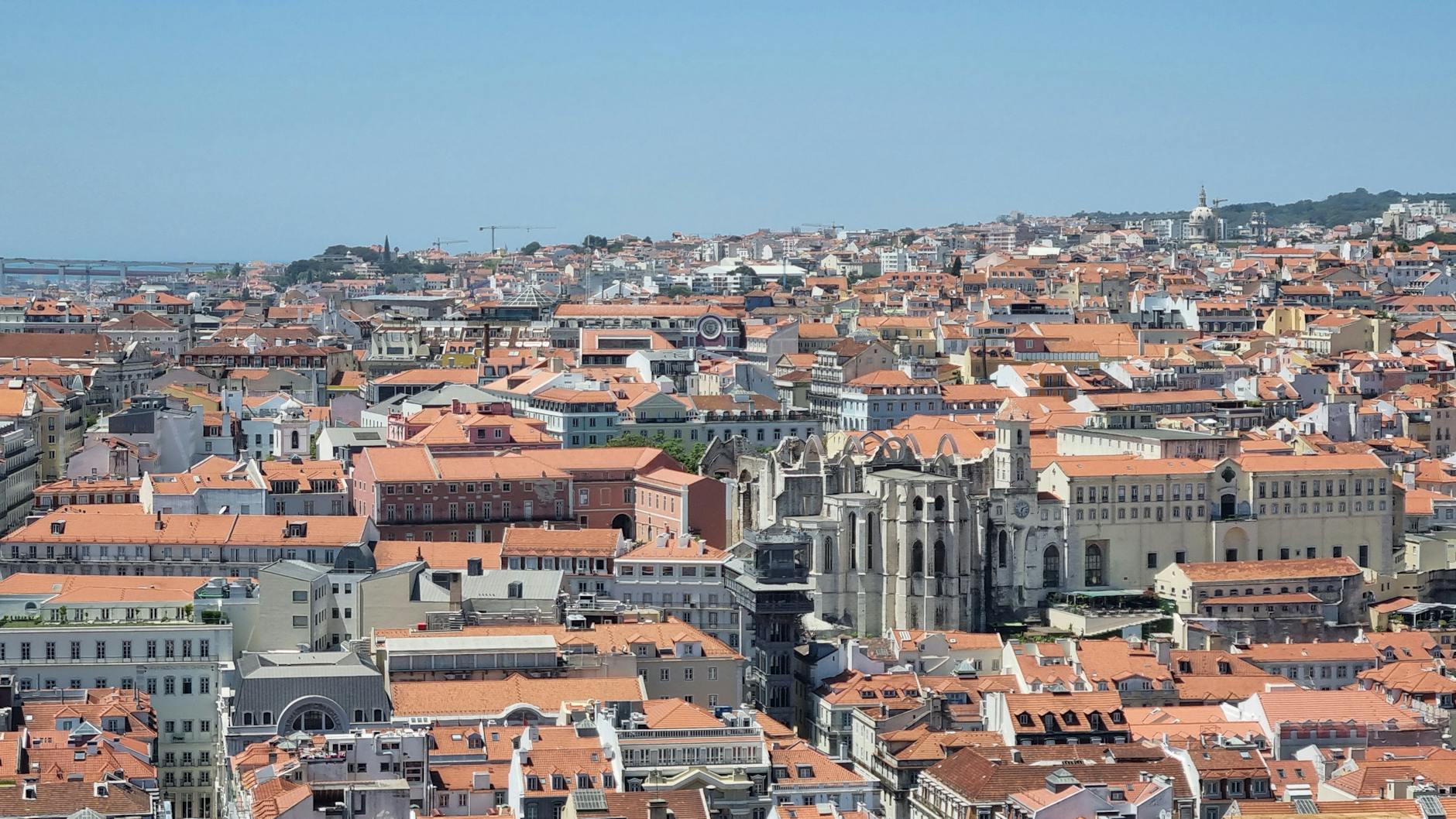
Lisbon Itinerary
Lisbon Itinerary: Perfect Plans for 1, 2, 3, 5, and 7 Days (2026)
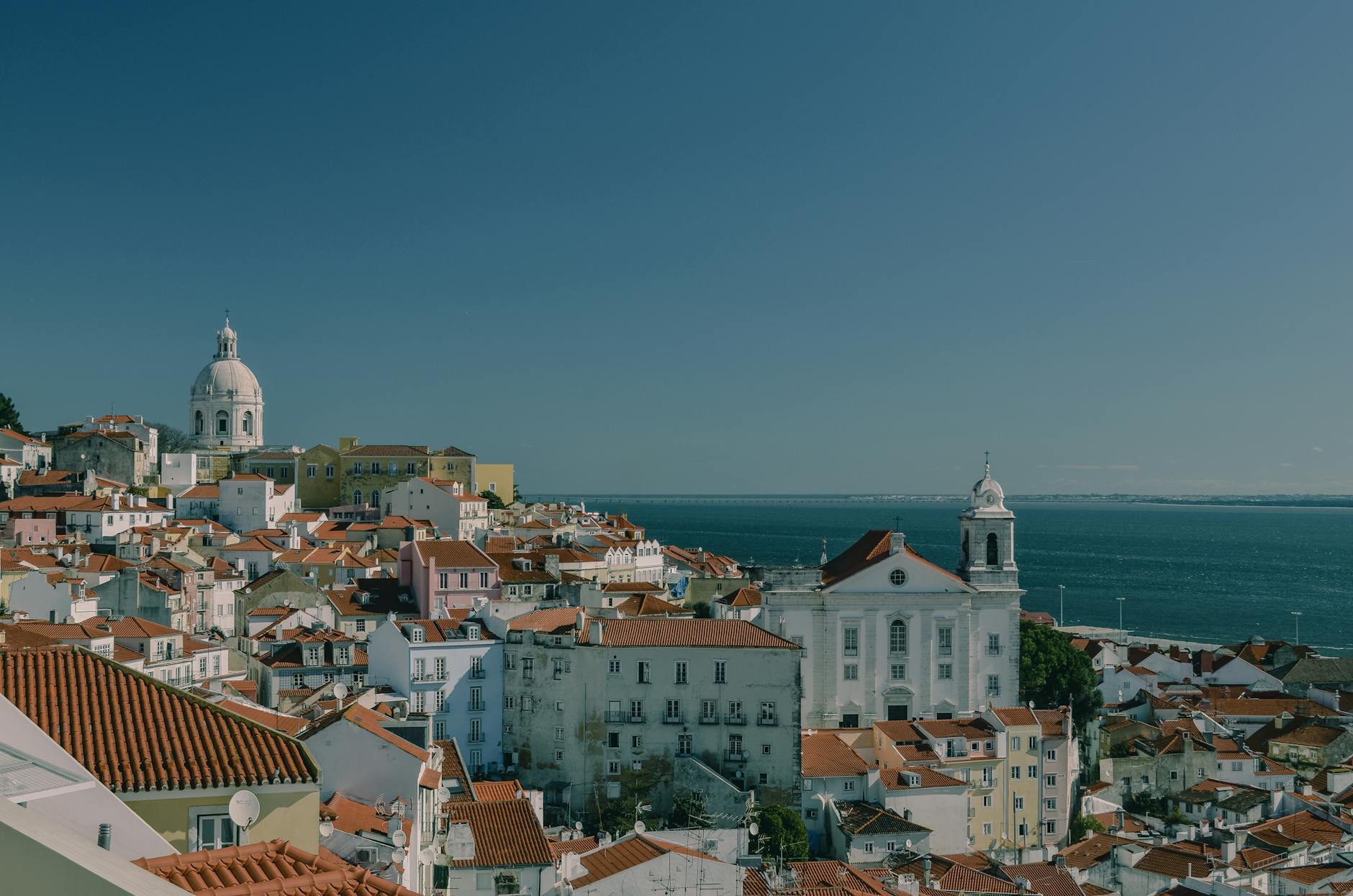
In this guide
- How Many Days Do You Need in Lisbon?
- One Day in Lisbon — The Essential Highlights
- Two Days in Lisbon — A Comfortable Introduction
- Three Days in Lisbon — The Sweet Spot
- Five Days in Lisbon — Going Deeper
- Seven Days in Lisbon — The Complete Experience
- Practical Tips for Planning Your Lisbon Itinerary
- Lisbon Itinerary for Food Lovers
- Lisbon Itinerary with Kids
- Lisbon Itinerary on a Budget
- Lisbon Itinerary Summary: At a Glance
- Photo Credits
A Lisbon itinerary is really a series of choices: how many hills to climb, whether Sintra fits your schedule, which neighbourhood to eat in. This guide cuts through that by offering ready-built day-by-day plans — from a tight single day to a full week — each routed to flow logically across the city rather than ping-pong between it.
Four nights is the length we would pick if the choice were ours — enough for the city, Belém and a full Sintra day with a spare day behind it. The hour-by-hour version is our 4 days in Lisbon itinerary.
Not sure which of these to pick? Start with how many days you need in Lisbon — it lays out what two, three, four and five days each realistically cover, and why Sintra is the decision that shapes the rest.
If your plan stretches beyond the capital, the northern main line is the spine of it. Our Lisbon to Porto train guide covers fares, stations and the stops worth breaking the journey for.
All itineraries are updated for 2026, with current prices, opening hours, and transport information built around the rechargeable Navegante card. Where days overlap, the logic is deliberate: start at the castle, work downhill through Alfama, cluster Belém into one block, save the western viewpoints for golden hour. That sequence minimises backtracking and keeps energy levels sensible.
The best Lisbon moments tend to happen between the major landmarks: a miradouro tucked between apartment buildings, a tasca with no English menu serving the best bacalhau you’ll eat all week, a fado bar with only a handful of tables. These itineraries build in room for those detours — because the city reveals itself to people who slow down.
How Many Days Do You Need in Lisbon?
The honest answer depends on pace. One day is a sprint through the historic core and Belém — fine for a stopover, but you’ll leave wanting more. Two to three days covers the main neighbourhoods properly, with time for a slow meal and a fado evening. Four to five days lets you add day trips to Sintra and Cascais without cutting anything in the city. Six to seven days means multiple day trips from Lisbon, the neighbourhoods most visitors skip, and enough time for the city to stop feeling like a checklist.
Three to four days is the practical sweet spot for a first visit — enough to see the highlights, eat well across different neighbourhoods, and fit in at least one day trip. Two days still delivers an exceptional time if you follow the focused plan below.
One Day in Lisbon — The Essential Highlights
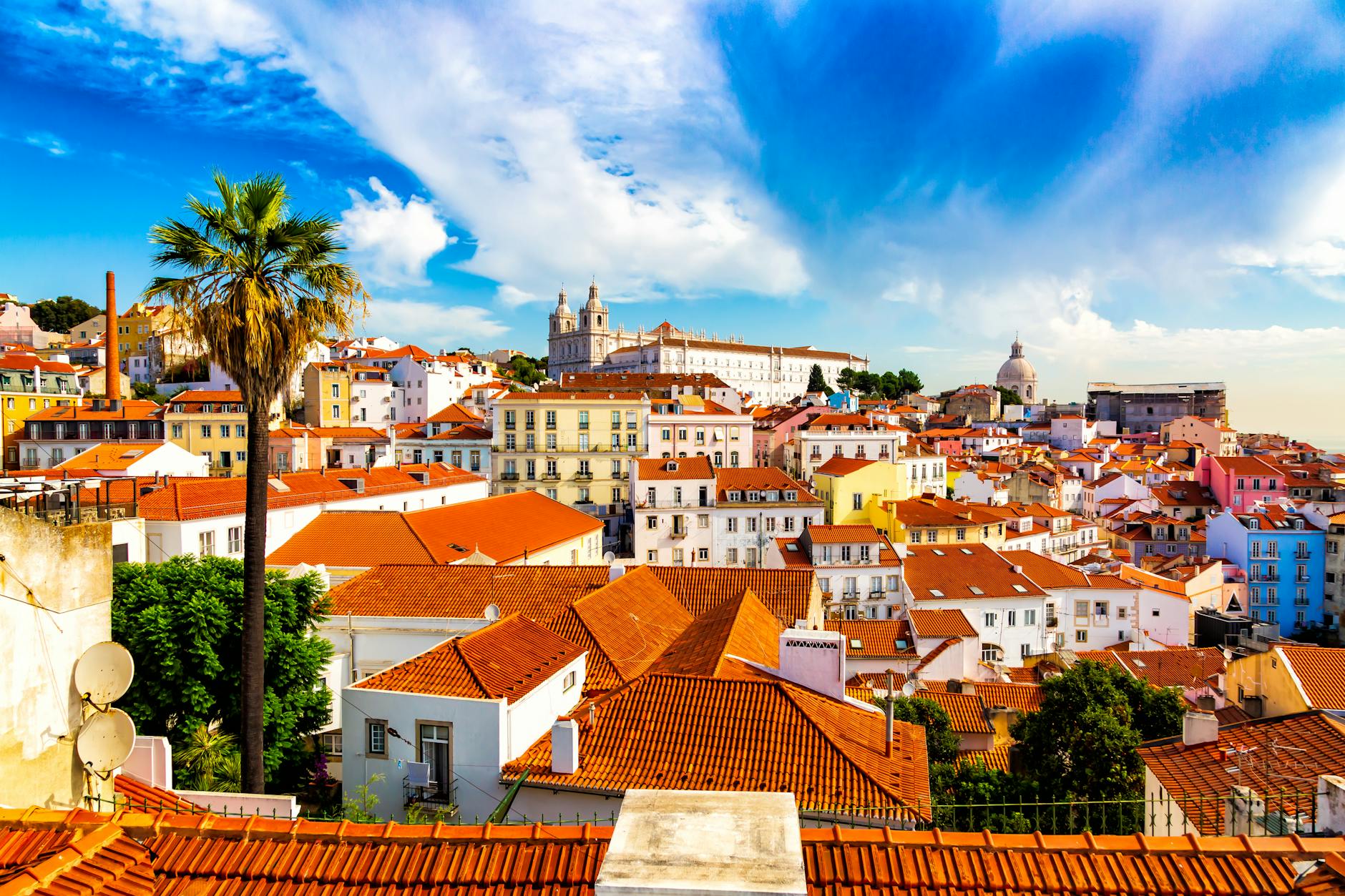
One day in Lisbon requires ruthless prioritisation. This plan covers three essential areas — Baixa, Alfama, and Belém — with time for viewpoints, history, and the city’s most iconic food stops. It starts at 9am and runs to around 10pm. Wear proper walking shoes.
Morning: Baixa and Alfama (9am–1pm)
Open at Praça do Comércio, the grand riverside square — the old gateway for arriving ships, anchored by the equestrian statue of King José I. Walk through the Arco da Rua Augusta into Baixa’s orderly grid, rebuilt methodically after the 1755 earthquake, then north through pedestrianised Rua Augusta to Rossio Square.
Head east and uphill toward the Lisbon Cathedral (Sé de Lisboa; the €7 tourist visit takes in the high choir and treasury museum, and the prayer space is free). The fortress-like Romanesque facade fronts Lisbon’s oldest church, begun after the reconquest of 1147 and built into the early 13th century. Keep climbing into Alfama’s narrow lanes — this is the neighbourhood that survived the earthquake largely intact, and its medieval street pattern, laundry-draped balconies, and hidden courtyards reward slow wandering.
Castelo de São Jorge (€17 for adults) — arrive by 10am. An hour on the walls, the archaeological site revealing Moorish-era remains, and the peacock-roaming gardens is the right allocation. The panoramic views from the battlements — across the red rooftops to the Tagus — are the best in Lisbon. Descending, stop at Miradouro das Portas do Sol for one of the city’s most recognisable viewpoints and a coffee at the terrace café. If time allows, the Fado Museum (€5) near the waterfront provides useful context on Portugal’s musical tradition.
Lunch: Alfama (1pm–2pm)
Eat at a traditional tasca in Alfama. Small, busy places with handwritten menus and locals eating serve the most honest food. Try bacalhau à brás (shredded salt cod with eggs and crispy potatoes) or sardinhas assadas (grilled sardines, in season June to October). A full meal with wine runs €10–15 at a neighbourhood restaurant.
Afternoon: Belém (2:30pm–6pm)
Tram 15E or bus 728 from Praça do Comércio runs west along the river to Belém. The Jerónimos Monastery (€18, closed Mondays) is the unmissable stop — the Manueline cloister’s carved limestone, dense with maritime motifs of ropes, shells, and sea creatures, represents Portugal’s golden age at its most ambitious. The monastery church (free entry) holds the tombs of Vasco da Gama and the poet Luís de Camões.
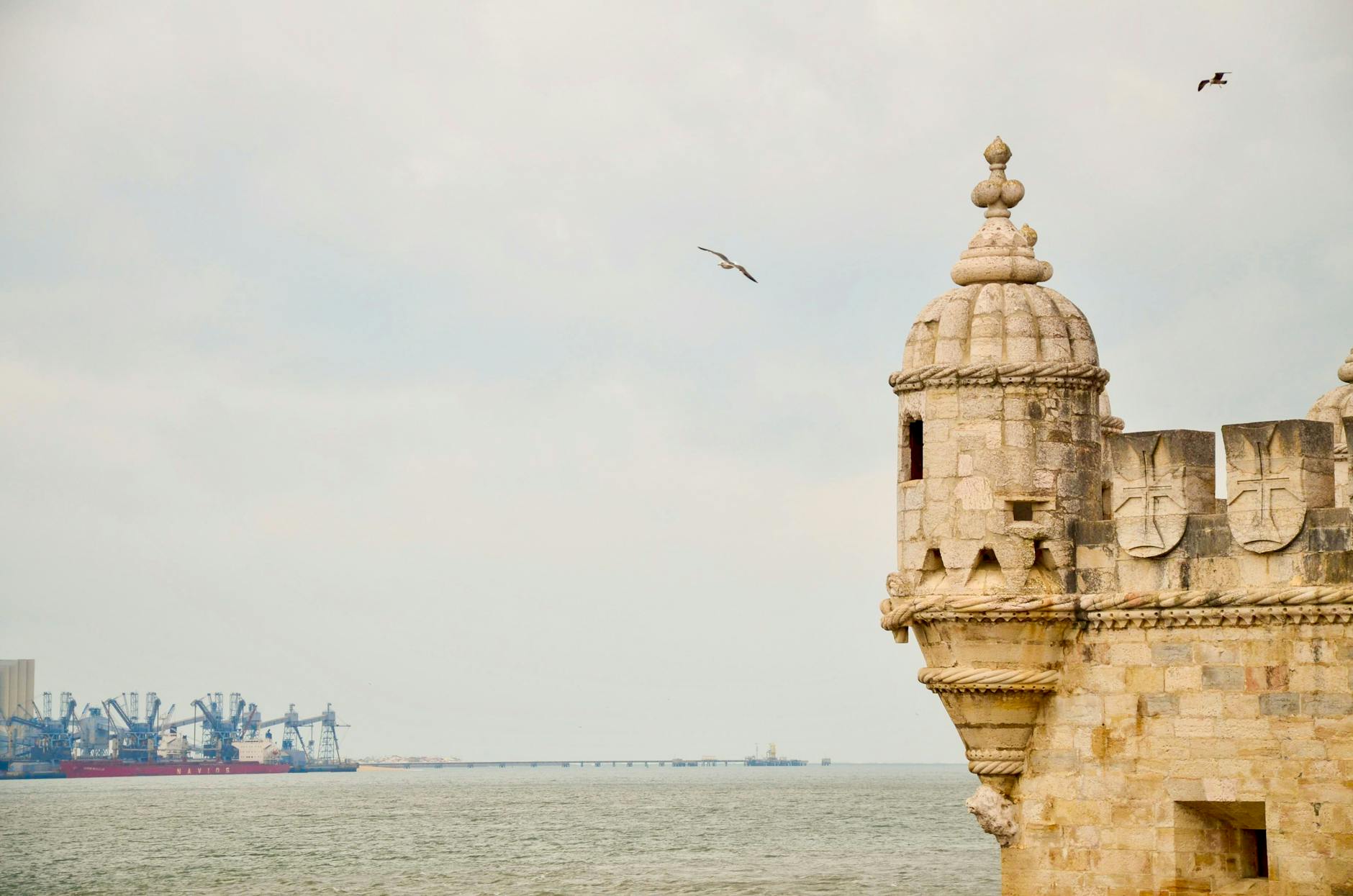
Walk along the waterfront to the Tower of Belém (€15, a separate ticket from Jerónimos) — the Manueline watchtower marking the departure point for Portugal’s navigators. Then the Padrão dos Descobrimentos (Monument to the Discoveries, €10) for views from the top and the compass rose map below. Between sites, stop at Pastéis de Belém for our favourite pastéis de nata in the city, made to the bakery’s secret recipe since 1837. Use the takeaway counter, eat warm with cinnamon and powdered sugar, and aim to arrive before 3pm or after 4:30pm to avoid the worst of the queue.
Evening: Bairro Alto and Dinner (7pm onward)
Back to the centre and up to Bairro Alto. The Glória and Bica funiculars have both been closed since the fatal Glória derailment of September 2025 (Carris expects Glória back in the first half of 2029), so walk up or take the Carris buses that stand in for them: 51E on the Glória route, 22B on the Bica route. Dinner at a traditional Portuguese restaurant — carne de porco à alentejana (pork with clams) or arroz de pato (duck rice) are the right orders. End the evening with a fado performance in nearby Chiado or Alfama if the energy holds — hearing fado live in Lisbon is one of those travel experiences that sticks.
For more detail, see our complete one day in Lisbon itinerary with interactive map.
Two Days in Lisbon — A Comfortable Introduction
Two days give you breathing room — no rushing between sights, actual time to eat well. Run the one-day itinerary above for Day 1, then dedicate Day 2 to western and modern Lisbon: the neighbourhoods that give the city its contemporary creative energy.
Day 2 Morning: Chiado and Príncipe Real (9am–1pm)
Chiado is where Lisbon’s literary history runs into its present. Browse Livraria Bertrand, the world’s oldest operating bookshop (since 1732), and pass through Praça Luís de Camões to Café A Brasileira, where a bronze statue of the poet Fernando Pessoa sits outside. Walk uphill to Príncipe Real — a leafy neighbourhood with independent boutiques, the Jardim do Príncipe Real (its cedar, thought to have been planted when the garden was completed in 1869, spreads into a natural umbrella canopy), and genuinely good brunch spots.
The Jardim Botânico is a peaceful detour into a subtropical collection that feels improbably wild given its city-centre location. The boutiques along Rua da Escola Politécnica and Rua Dom Pedro V carry Portuguese design, ceramics, and fashion — less tourist-facing than the Baixa shops.
Day 2 Afternoon: LX Factory and Waterfront (2pm–6pm)
LX Factory, a converted industrial complex under the 25 de Abril bridge, packs independent shops, design studios, and restaurants into a creative cluster worth an unhurried two hours. Don’t miss Ler Devagar, the much-photographed bookshop inside. Check the events calendar for markets (typically Sundays) and pop-up exhibitions.
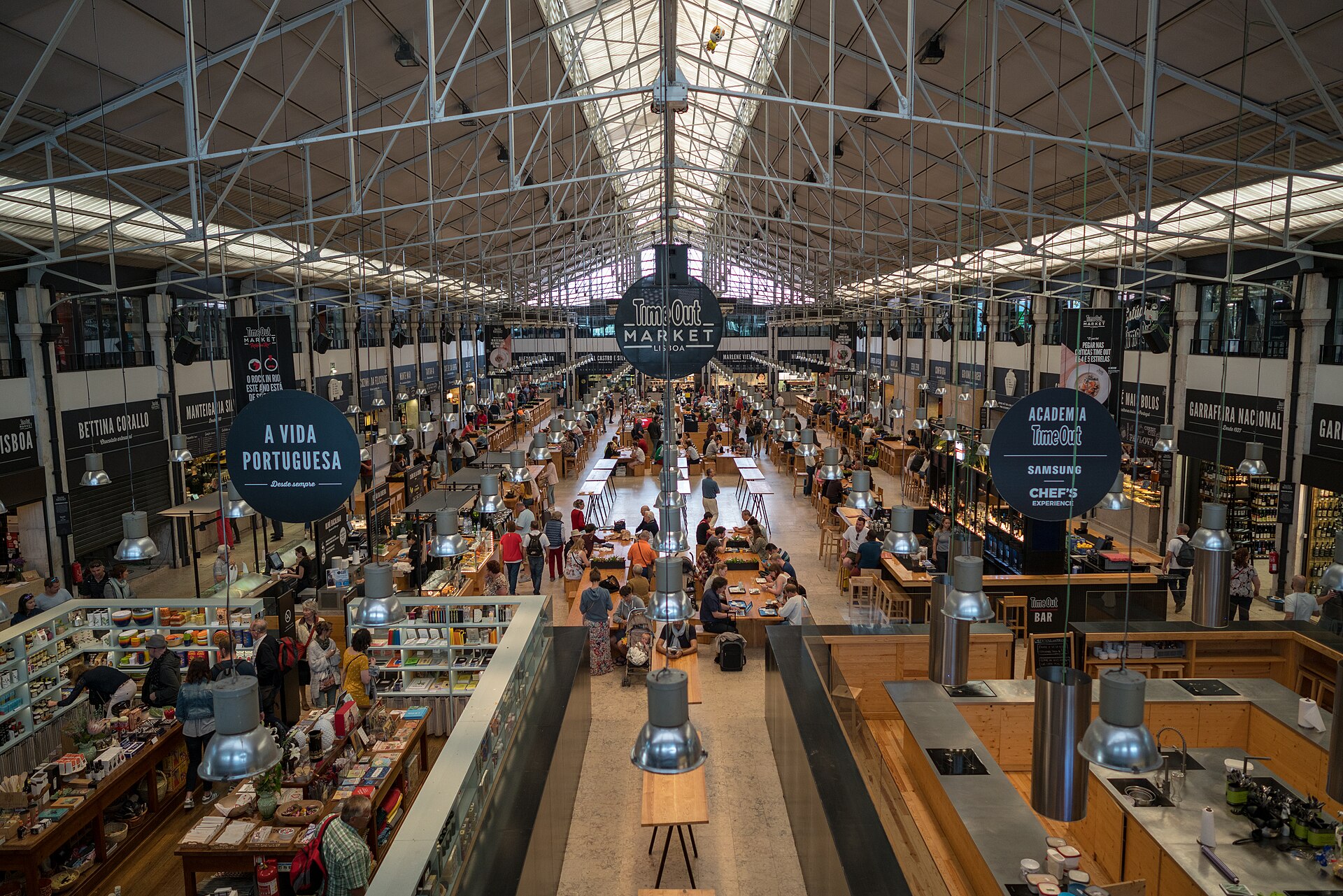
Continue along the waterfront to MAAT (Museum of Art, Architecture and Technology) — Amanda Levete’s undulating riverside building is worth seeing even if you skip the exhibitions, and ticket prices are on maat.pt. Then Time Out Market at Mercado da Ribeira: one savoury plate and one dessert, shared at the communal tables, make a good 45-minute sampler of the city’s food.
Day 2 Evening: Sunset and Fado
Catch sunset from the terrace of Miradouro da Graça or from Miradouro da Senhora do Monte, a calmer spot with panoramic views over the castle and the Tagus. Watching the city turn golden and then pink is one of those free experiences that no museum ticket buys; our Lisbon sunset experiences guide covers the paid versions too. End the evening with fado dinner in Alfama at a venue like Tasca do Chico or Mesa de Frades. Book ahead — the best houses fill weeks in advance.
Our 2 days in Lisbon guide includes a printable map and restaurant picks for every budget. If you’re planning a short European city trip, the Lisbon weekend break guide covers how to get the most out of 48 hours including flight timing, what to cut, and where to stay.
Three Days in Lisbon — The Sweet Spot
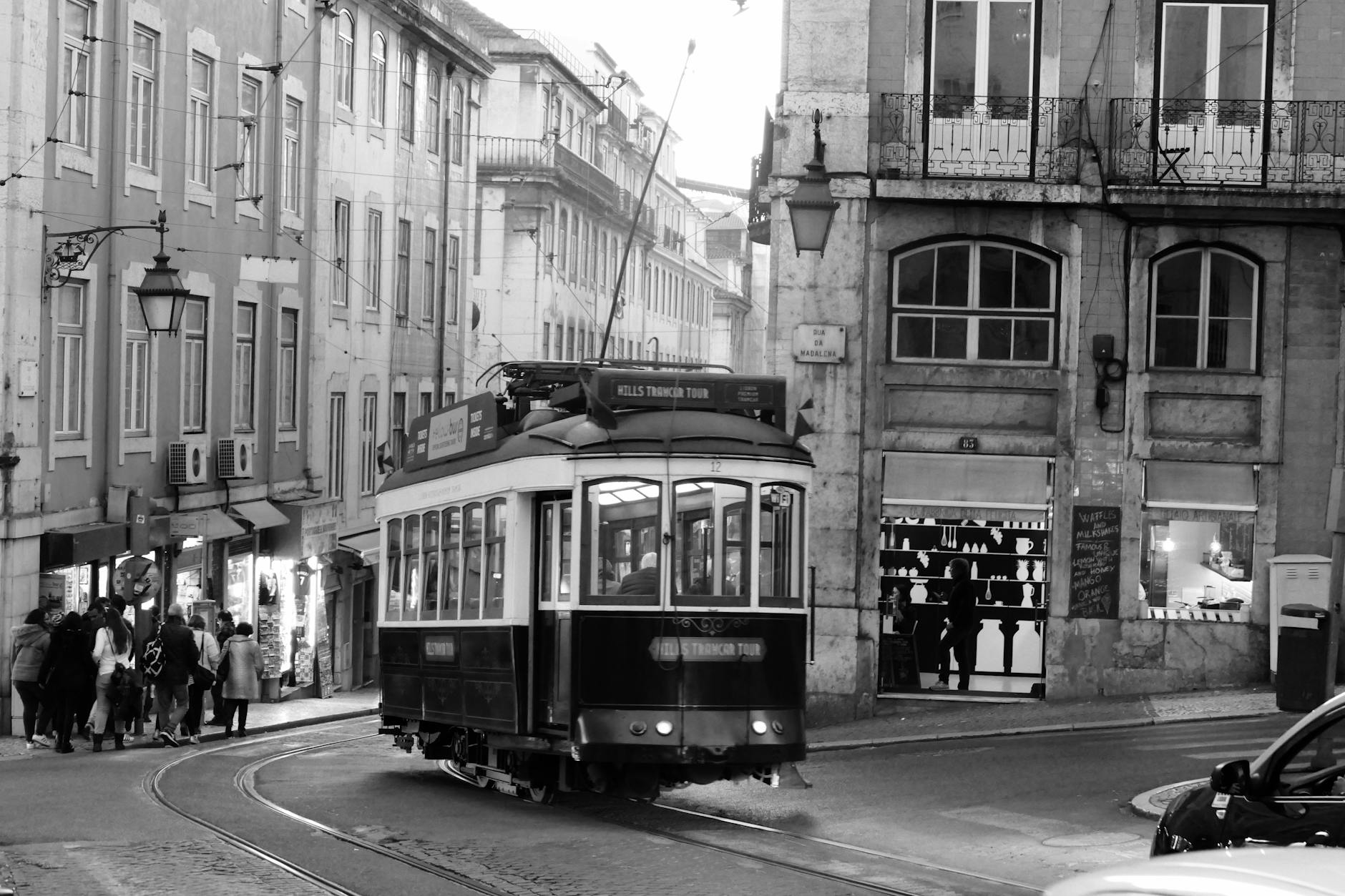
Three days is a good length for Lisbon — all the major sights, excellent food across different neighbourhoods, and still time for a day trip or deeper exploration. Run the two-day plan above, then choose between two solid options for Day 3.
Day 3 Option A: Parque das Nações and Eastern Lisbon
Metro (red line) to Oriente station, the Santiago Calatrava-designed transport hub whose steel-and-glass canopy has impressed since Expo ’98. The Lisbon Oceanarium (€25.50–29.90 for ages 13–64 and €15.50–17.70 for ages 3–12, depending on the time slot; under-3s free) is built around a central tank where sharks and rays are among the residents. Allow 90 minutes to two hours.
Walk the Parque das Nações waterfront, then take the Teleférico cable car (€7.50 one-way, €9.50 return) for aerial views over the Tagus and the Vasco da Gama Bridge, a crossing of just over 17km with about 12.3km of bridge and viaduct. The National Tile Museum (Museu Nacional do Azulejo), in a convent founded in 1509, has been closed for works since November 2025, so leave it out of the afternoon and watch museusemonumentos.pt for news of its reopening.
Day 3 Option B: Sintra Day Trip
Alternatively, give Day 3 entirely to a day trip to Sintra. Take the early train from Rossio station (depart by 8:30am), reach Pena Palace when it opens at 9:30am, then Quinta da Regaleira after lunch, and back to Lisbon by early evening. For a smarter approach that covers both cities without backtracking, the Lisbon and Sintra combined itinerary sequences the full two-day route so every hour counts. This works especially well if you’ve covered the main Lisbon neighbourhoods thoroughly on Days 1 and 2.
See our full 3 days in Lisbon itinerary for a detailed hour-by-hour plan with restaurant recommendations for each day.
Five Days in Lisbon — Going Deeper
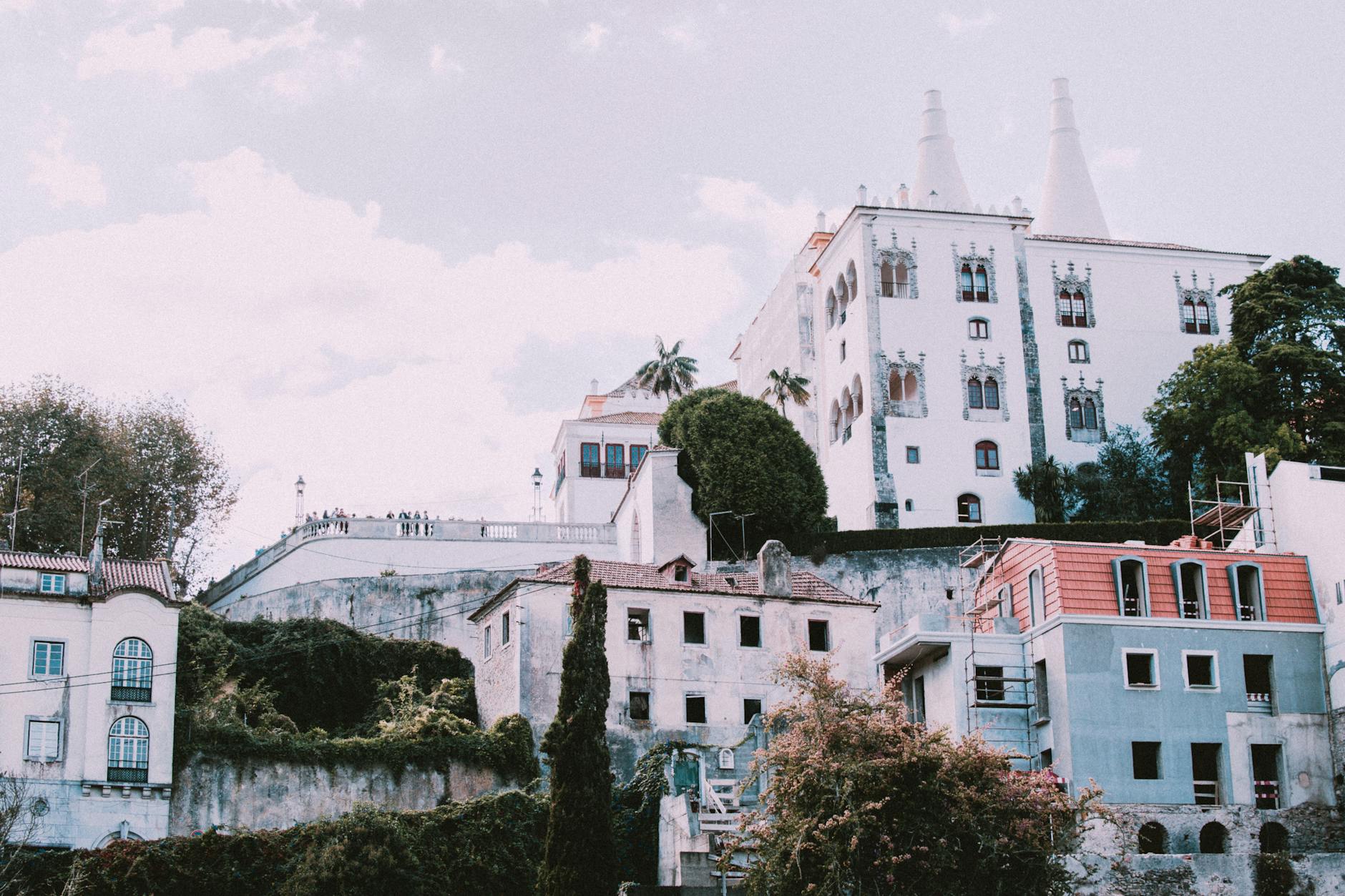
Five days lets you combine thorough city exploration with excursions beyond Lisbon. Run the three-day plan above, then add two more days for the neighbourhoods most tourists never find and essential day trips.
Day 4: Sintra or Hidden Lisbon
If you chose Option A (Parque das Nações) on Day 3, use Day 4 for Sintra — with a full day you can cover Pena Palace, Quinta da Regaleira, and the Moorish Castle, eat lunch in the old town, and possibly add a sunset stop at Cabo da Roca. If you already visited Sintra, spend Day 4 in the neighbourhoods most visitors miss:
Mouraria is multicultural and old, and some scholars count it as the possible cradle of fado. Estrela has the beautiful Basilica da Estrela (free entry, small fee for the dome views) and the adjacent Jardim da Estrela, where locals read under exotic trees. Madragoa and Santos are residential neighbourhoods with honest local restaurants, the Museu Nacional de Arte Antiga (Portugal’s national gallery, closed for works until 21 November 2026; entry is free from then until 1 December, €15 after that), and virtually no tourist crowds.
Day 5: Cascais and the Coast
Train from Cais do Sodré to Cascais for a coastal day. Walk the seafront promenade, see the waves at Boca do Inferno, visit the Paula Rego museum, and take a long seafood lunch overlooking the marina — grilled sea bass (robalo grelhado) or shellfish rice (arroz de marisco). Afternoon options: rent bikes and ride to Praia do Guincho, or simply sit on one of Cascais’ sheltered town beaches. Catch sunset from Guincho before the train back to Lisbon for a farewell dinner.
Our 5 days in Lisbon guide includes alternative itineraries tailored for families, while our romantic Lisbon itinerary for couples and Lisbon foodie itinerary rebuild the same days around a single theme.
Seven Days in Lisbon — The Complete Experience
A full week lets you experience Lisbon at something close to a local pace while adding multiple day trips. Run the five-day plan, then add two more days for excursions that show completely different sides of Portugal.
Day 6: Setúbal, Arrábida, or Évora
Choose between the beaches and dolphins of Setúbal and Arrábida or the ancient history of Évora. Arrábida is the right call in warmer months (May–September) for turquoise-water beaches that look improbably un-Atlantic, plus wild dolphins in the Sado Estuary. Évora works year-round — the Roman temple, the haunting Chapel of Bones, and exceptional Alentejo cuisine offer a complete change of pace from Lisbon.
Day 7: Hidden Lisbon and Farewell
Save your final day for what most visitors miss. A morning walk through Mouraria with international street food and the Martim Moniz market. The Feira da Ladra flea market (Tuesdays and Saturdays) in Campo de Santa Clara — vintage tiles, antique azulejos, old postcards, and Portuguese crafts. Then the ferry from Cais do Sodré to Cacilhas (€2 single, €1.60 with Zapping, or covered by the €10.35 Carris/Metro/Transtejo 24-hour ticket) for lunch at a waterfront restaurant with the best panoramic view of Lisbon’s skyline from across the river.
Walk up to the Cristo Rei statue (€10; a lift, then 74 steps, to the viewing platform) for 360-degree views. End the week at one of Lisbon’s contemporary Portuguese restaurants — Prado (farm-to-table), Belcanto (two Michelin stars, José Avillez), or A Cevicheria (Portuguese-Peruvian fusion). Our one week in Lisbon guide includes detailed daily maps and budget breakdowns.
Practical Tips for Planning Your Lisbon Itinerary
Getting Around Lisbon
The rechargeable Navegante card is essential for public transport. Load it with zapping credit for pay-as-you-go travel (€1.72 per trip on Carris buses and trams and on the metro; other operators charge their own fares, such as €2.05 on CP trains) or buy a 24-hour ticket (€7.25 for Carris and the metro, €11.40 including CP trains on the Sintra and Cascais lines). Cards cost €0.50 from metro station machines and ticket offices. Metro, trams, buses, and ferries all use the same card.
Comfortable walking shoes matter more than any transit card — Lisbon’s seven hills are real climbs over cobblestone streets, and the best exploring is done on foot. The famous Tram 28 route is photogenic but crowded, slow, and a pickpocket hotspot; walking the same streets is faster and better. The metro is clean and efficient. Uber and Bolt both operate in Lisbon; check the fare in the app before you confirm.
Lisboa Card — Worth It?
The Lisboa Card (€31 for 24 hours, €51 for 48 hours, €62 for 72 hours) includes unlimited public transport plus free or discounted entry to attractions including Jerónimos Monastery, the Tower of Belém, and the Sintra train. It pays for itself if you plan three or more paid attractions per day alongside regular transit use — we show the arithmetic in is the Lisboa Card worth it? For a one-day itinerary hitting Belém’s sites plus the castle, the 24-hour card breaks even easily. Buy online in advance for a small discount; pick up at the airport or designated locations.
Best Neighborhoods to Base Yourself
For a first visit, Baixa and Chiado offer the most central positions with easy metro and tram access to all neighbourhoods. Alfama is atmospheric but hilly with narrow streets that punish luggage — if you stay here, pick accommodation at the bottom near the waterfront. Príncipe Real works well for a more local, upscale stay with boutique hotels and a village-like feel. Bairro Alto suits nightlife lovers but gets noisy late. See our detailed where to stay in Lisbon guide for neighbourhood comparisons and hotel recommendations.
When to Visit Lisbon
The best months for a Lisbon itinerary are April to June and September to October — average daytime highs of about 20–27°C, moderate crowds, reasonable prices. July and August are hotter, with a couple of days a month reaching 35°C on average, though the long summer evenings are hard to beat. Winter (November–February) is mild and rainy, with daytime highs of about 15–18°C, lows of about 9–12°C, and a more local atmosphere. The Santo António festival (June 12–13) fills the city with neighbourhood street parties, sardine grills, and the Marchas Populares parade on the night of the 12th. Book accommodation months in advance if visiting then.
Money-Saving Tips for Lisbon
Eat lunch at local tascas where the prato do dia (daily special) costs €7–10 with soup, main course, drink, and coffee. Many churches and viewpoints are free. Free days at the national museums are for residents of Portugal only, so check each museum’s own rules before you plan around one. Buy wine from local shops (excellent bottles from €4–8) and take sunset drinks at miradouros instead of expensive bars. The Lisbon nightlife scene is remarkably cheap, with beers from €2 in Bairro Alto.
Lisbon Itinerary for Food Lovers
Lisbon’s food ranges from tascas serving generational recipes to Michelin-starred restaurants rewriting what Portuguese cuisine can be. Here’s how to build a food-focused Lisbon itinerary that covers both ends and the middle.
Every morning starts with a pastel de nata and a galão at a neighbourhood bakery. Not just Pastéis de Belém — try Manteigaria in Chiado (open kitchen, watch the tarts being made), Aloma on Praça de Londres (voted best pastel de nata multiple times), or Pastelaria Versailles on Avenida da República (Belle Époque interior worth the detour). Each bakery has its own character — crispier, creamier, more caramelised.
For lunch, the prato do dia at a traditional tasca (€7–10 for soup, main, drink, and coffee) is the budget traveller’s sharpest move. Dishes worth seeking: bacalhau à brás (shredded salt cod with eggs and crispy potato), polvo à lagareiro (roasted octopus with crushed potatoes and olive oil), carne de porco à alentejana (pork with clams — Portugal’s most famous surf-and-turf), and arroz de marisco (shellfish rice, typically for two). Cervejaria Ramiro in Intendente is the legendary seafood address — the gambas al ajillo and the prego steak sandwich that traditionally ends the meal are non-negotiable.
For dinner, three addresses for modern Portuguese cooking: Prado in Baixa (small Portuguese farms, simple ingredients made extraordinary), A Cevicheria in Príncipe Real (Peruvian-Portuguese fusion, giant octopus installation from the ceiling), and Taberna da Rua das Flores (petiscos in a tiny buzzing room).
Markets deserve dedicated time. Time Out Market (Mercado da Ribeira) is the well-known option — stalls from Lisbon’s best chefs under one roof. Mercado de Campo de Ourique is smaller, more local, better quality, fewer tourists. The Mercado da Fusão at Martim Moniz (weekends) showcases Lisbon’s multicultural food scene with cuisines from Portugal’s former colonies and immigrant communities.
Lisbon Itinerary with Kids
Lisbon works well for families. The key is alternating adult-focused sightseeing with things that actually hold children’s attention — and the city’s trams, funiculars, and ferries are entertainment in themselves. Kids love riding Tram 28 (sit at the back for the most alarming hill descent). The Elevador da Bica, once another favourite, has been closed since September 2025, and Carris runs bus 22B on its route instead.
The Lisbon Oceanarium in Parque das Nações is the undeniable highlight — one of the best aquariums in Europe, the central tank of sharks, rays, and sunfish keeps children occupied for two to three hours. Combine it with the Teleférico cable car and the Parque das Nações waterfront playground for a full family day. Castelo de São Jorge is more kid-friendly than it looks: battlements to climb, peacocks to chase, and periscopes in the Torre de Ulisses showing live views of the city.
Beaches at Sesimbra or the family sections of Costa da Caparica give excellent beach days. The train to Cascais is itself an adventure for children, and the rock pools near Boca do Inferno fascinate young marine biologists. Parks: Jardim da Estrela has a large playground and duck pond; Parque das Nações has waterfront play areas; the Jardim Zoológico de Lisboa includes a cable car, dolphin shows, and animal encounters. Practical note: Lisbon’s hills and cobblestones make strollers difficult — a baby carrier works better for younger children. Restaurants welcome kids warmly, and Portuguese dinner times (8:30pm+) suit families who let children nap in the afternoon.
Lisbon Itinerary on a Budget
Many of Lisbon’s best experiences — viewpoints, walking through Alfama, watching sunset from a miradouro, street art — are entirely free. Here’s how to build a budget Lisbon itinerary without missing the highlights.
Accommodation: Hostels run €20–35 per night for a dorm; budget hotels and guesthouses €50–80 for a double. Staying slightly outside the historic centre (Intendente, Graça, or Alcântara) saves money without sacrificing much — the metro connects everything. Transport: Navegante card with zapping credit (€1.72 per Carris or metro trip) or the 24-hour Carris/Metro ticket (€7.25). Walking is free and often faster. Food: The prato do dia at local tascas (€7–10 for a full meal) is the single most useful budget tool. Supermarkets like Pingo Doce sell excellent Portuguese wine from €3 and ready-made meals for viewpoint picnics.
Free attractions: The national museums’ free days (52 a year) are for residents of Portugal, and two of the big ones are shut in any case: the National Tile Museum is closed for works, and the National Museum of Ancient Art reopens on 21 November 2026. The Jerónimos Monastery church costs nothing to enter, nor does the prayer space at Lisbon Cathedral (its tourist circuit is €7). All miradouros are free, and the Bairro Alto nightlife scene has no cover charges. Sample budget day: morning viewpoint walk (free), Alfama and the Cathedral’s prayer space (free), prato do dia lunch (€8), afternoon in the Jerónimos church (free), sunset from Miradouro da Graça with supermarket wine (€4), tasca dinner (€10), Bairro Alto beers (€6) — total around €28.
Lisbon Itinerary Summary: At a Glance
1 day: Praça do Comércio → Alfama → Castle → Belém (Jerónimos, Tower, Pastéis de Belém) → Bairro Alto dinner. 2 days: Add Chiado, Príncipe Real, LX Factory, MAAT, Time Out Market, sunset miradouro, and fado. 3 days: Add Sintra day trip or Parque das Nações with the Oceanarium. 5 days: Add Cascais coast day, plus hidden neighbourhoods (Mouraria, Estrela, Santos). 7 days: Add Setúbal/Arrábida or Évora day trip, plus Feira da Ladra, Cacilhas ferry, Cristo Rei, and a farewell dinner. Each additional day shifts the experience from sightseeing toward something closer to actually living in the city — and that’s when Lisbon gets interesting.
For printable versions of each itinerary with interactive maps and real-time updates, visit our individual guides: 1 day, 2 days, 3 days, 5 days, and 7 days in Lisbon.
Photo Credits
Time Out Market from above: Time Out Market Lisbon (42772428012) by Nan Palmero from San Antonio, TX, USA, CC BY 2.0, via Wikimedia Commons.