Where to Stay in Lisbon
Parque das Nações: Lisbon’s Modern Waterfront District 2026
Guide to Parque das Nações—Lisbon's modern district with the Oceanarium, cable car, riverside walks, family activities, and contemporary architecture.

In this guide
- Quick Reference: Parque das Nações
- The History in Three Minutes
- Top Attractions
- The Architecture Walk
- Public Art and Tile Murals
- Family Activities
- Where to Eat in Parque das Nações
- Where to Stay in Parque das Nações
- Recommended Half-Day Itinerary
- Getting There
- Practical Tips
- FAQ: Parque das Nações
- Bottom Line
- Getting Around Within Parque das Nações
- Parque das Nações in Different Seasons
Parque das Nações is Lisbon’s most complete contrast to the old city. While Alfama climbs cobblestoned hills, this former industrial wasteland on the northeastern Tagus was razed and rebuilt from scratch for the 1998 World Exposition — then converted into a permanent residential and cultural district that remains Lisbon’s most family-friendly and architecturally ambitious neighbourhood. The Oceanarium alone earns the trip. The cable car, the Calatrava station, and the flat riverside promenade are bonuses most visitors discover slowly.
Parque das Nações hosts Web Summit at the MEO Arena and FIL every November, and the whole city reprices around it. Our Lisbon in November guide has the 2026 dates and what they mean for hotel rates.
This guide covers everything: what to see and skip, how long to allow, the best itinerary, where to eat, and whether to stay here. Updated for 2026.
Quick Reference: Parque das Nações
| Detail | Info |
|---|---|
| Where | Northeastern Lisbon, along the Tagus River |
| Built for | Expo ’98 World Exposition |
| Best for | Families, modern architecture, Oceanarium, day trips |
| Time needed | Half day minimum; full day with Oceanarium |
| Metro | Oriente (red line) — direct from airport |
| Admission | Free to enter the district; pay per attraction |
| Wheelchair accessible | Completely flat, fully accessible |
| Vibe | Modern, spacious, family-friendly, slightly suburban |
The History in Three Minutes
Before 1998, this stretch of Lisbon’s northeastern waterfront was the city’s industrial backyard — oil refineries, slaughterhouses, a derelict shipyard. Not pretty. Then Portugal won the bid to host the 1998 World Exposition, chose this site, and spent four years cleaning a century of contamination out of the soil before any building started.
The theme was “The Oceans, A Heritage for the Future” — which is why the Oceanarium became the Expo’s centrepiece rather than a technology pavilion. The Expo ran May through September 1998, attracted 11 million visitors, and then — unlike most World Fairs, which leave ghost towns of rusting pavilions — was converted wholesale into a functioning urban district.
Oriente Station, the Oceanarium, the Pavilhão de Portugal, the Atlantic Pavilion (now MEO Arena), the Vasco da Gama Tower, the cable car: all of it stayed. The area is now one of Lisbon’s most expensive residential postcodes, a major conference hub, and home to tens of thousands of residents. The Expo ’98 conversion is studied in urban-planning schools as a rare success story.
Top Attractions
Lisbon Oceanarium (Oceanário de Lisboa)
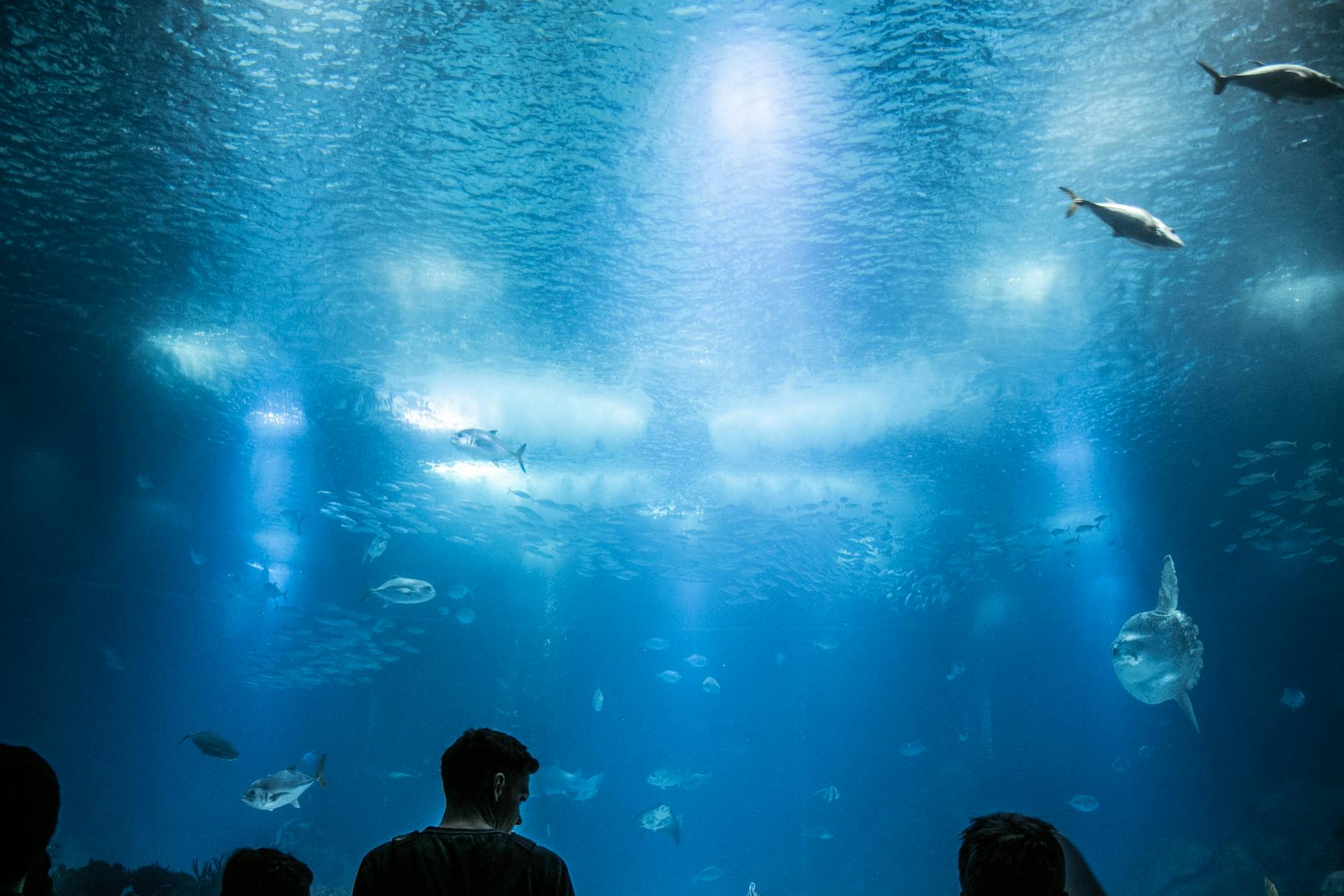
The main reason most people make the trip. Over 8,000 marine animals across four ocean habitat zones representing the Pacific, Atlantic, Indian, and Antarctic oceans. The central tank — a 5-million-litre cylinder you can walk around at two levels — is genuinely spectacular. Otters, sunfish, sea dragons, sharks: the range is unusual for a European aquarium.
- Cost: €25 adult, €15.50 child (3–12)
- Hours: 10:00–20:00 daily
- Time needed: 2–3 hours minimum
- Book online: recommended in summer to avoid queues
See our guide to the Oceanarium for ticket strategy and what not to miss inside. For current entry prices and timed-entry slots, check oceanario.pt directly.
Oriente Station (Estação do Oriente)
Arrive by train and you get the architecture for free. Santiago Calatrava designed this in 1998, and the roof — a forest of white steel ribs holding glass panels above the platforms — is the most beautiful transport infrastructure in Portugal. Come down from the platforms slowly. Most visitors rush through without looking up. That’s a mistake.
The station connects inter-city trains (Alfa Pendular to Porto, international to Madrid), suburban rail, metro (red line), and buses. It’s the transport hub for the entire district.
Telecabine Lisboa (Cable Car)
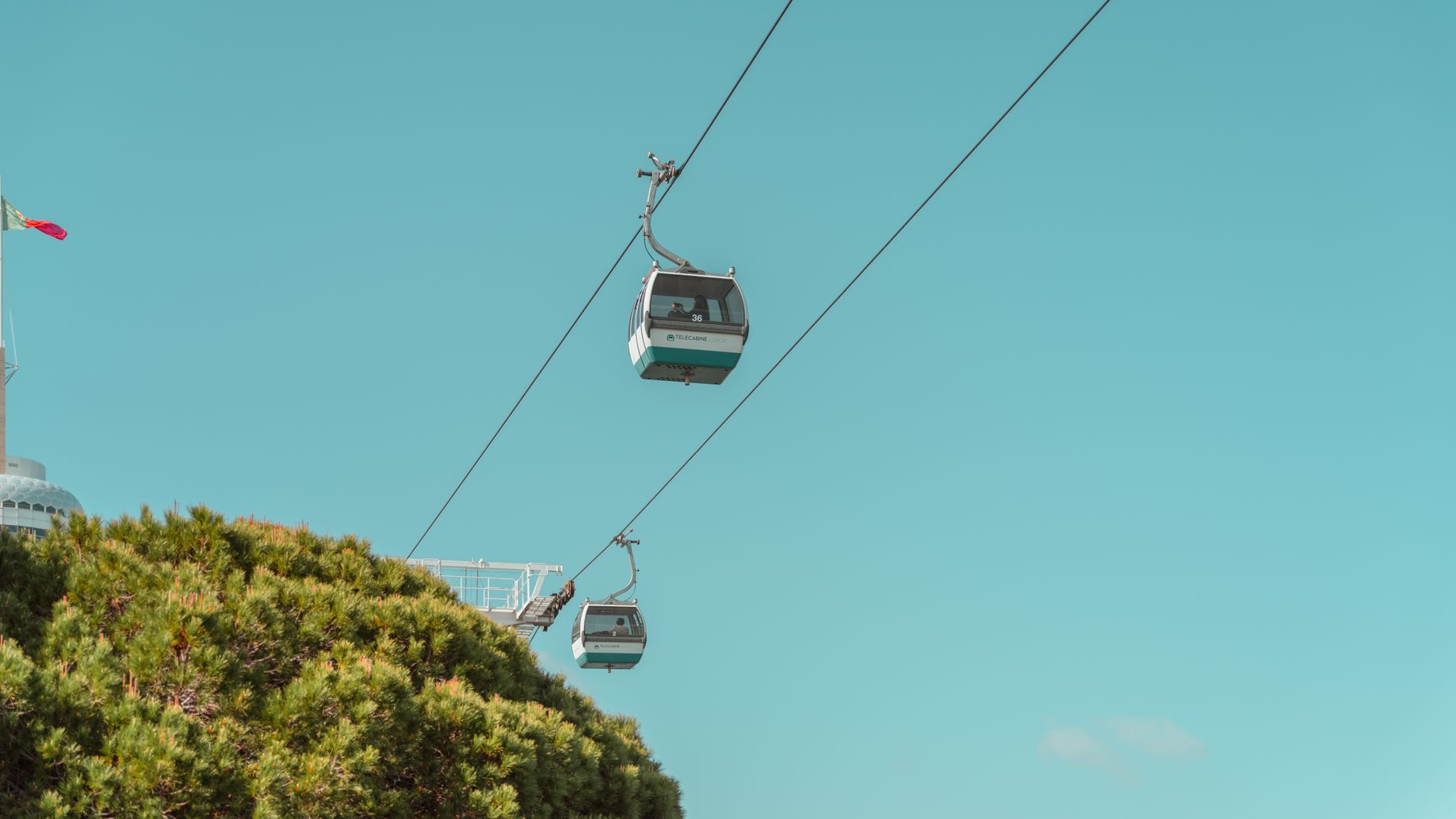
A 1.2 km gondola running along the Tagus waterfront from the Oceanarium end to the Vasco da Gama Tower. Twelve-minute ride each way. Glass cabins seat six. The views — Tagus, Vasco da Gama Bridge, the south bank, the whole of Parque das Nações laid out below — justify the ticket. It’s not a thrill ride; it’s a slow elevated walk with good light.
- Cost: €7 one-way, €9.50 round trip
- Hours: 11:00–19:00 (varies seasonally — longer in summer)
- Tip: Do it late afternoon when the light on the Tagus is best
Vasco da Gama Tower (Torre Vasco da Gama)
Lisbon’s tallest structure at 145 metres. Designed to evoke a ship’s mast — you can see that clearly from the cable car. It’s now a Myriad by Sana Hotels; the panoramic restaurant at the top is open to non-guests for meals and drinks. The view at sunset, with the Vasco da Gama Bridge to the south and the Tagus estuary spreading toward the Atlantic, is hard to beat anywhere in Lisbon.
Pavilhão de Portugal
Álvaro Siza Vieira won the Pritzker Prize; this is one of his most inventive buildings. The entrance canopy — a thin concrete slab suspended between two porticoes like a sheet of fabric — is an engineering trick that still looks impossible decades later. The building now hosts official state functions. You can’t go inside, but the exterior is worth ten minutes.
Pavilhão do Conhecimento (Knowledge Pavilion)
Interactive science museum, genuinely hands-on, well-suited for children 6+. Adults find it more engaging than expected. €11 adult, €7.50 child. Budget 90 minutes.
Casino Lisboa
Modern casino with restaurants, live entertainment and a theatre that hosts concerts and comedy. Free entry to the building; gambling tables and slots obviously cost money. The Pragma restaurant inside is a serious dinner option.
MEO Arena (Atlantic Pavilion)
Lisbon’s biggest concert venue — 20,000 capacity. If there’s a major international act coming to Portugal, this is where they play. Check the schedule; an evening show here pairs naturally with a day in Parque das Nações.
Vasco da Gama Bridge
You don’t cross it on foot, but it’s a constant backdrop. Europe’s longest bridge at 17.2 km, crossing the Tagus at its widest point. Visible from the cable car, from the waterfront promenade, from anywhere you look south. Built specifically for Expo ’98 traffic. The scale of it against the flat estuary is impressive in a way that’s hard to photograph well.
The Architecture Walk
Parque das Nações was designed as a coherent urban plan — not the usual patchwork. Walking from Oriente Station to the Oceanarium to the cable car terminus at the Vasco da Gama Tower takes about 25 minutes at a stroll. Do it slowly. The notable buildings along the way:
- Oriente Station — Calatrava, 1998. Start here.
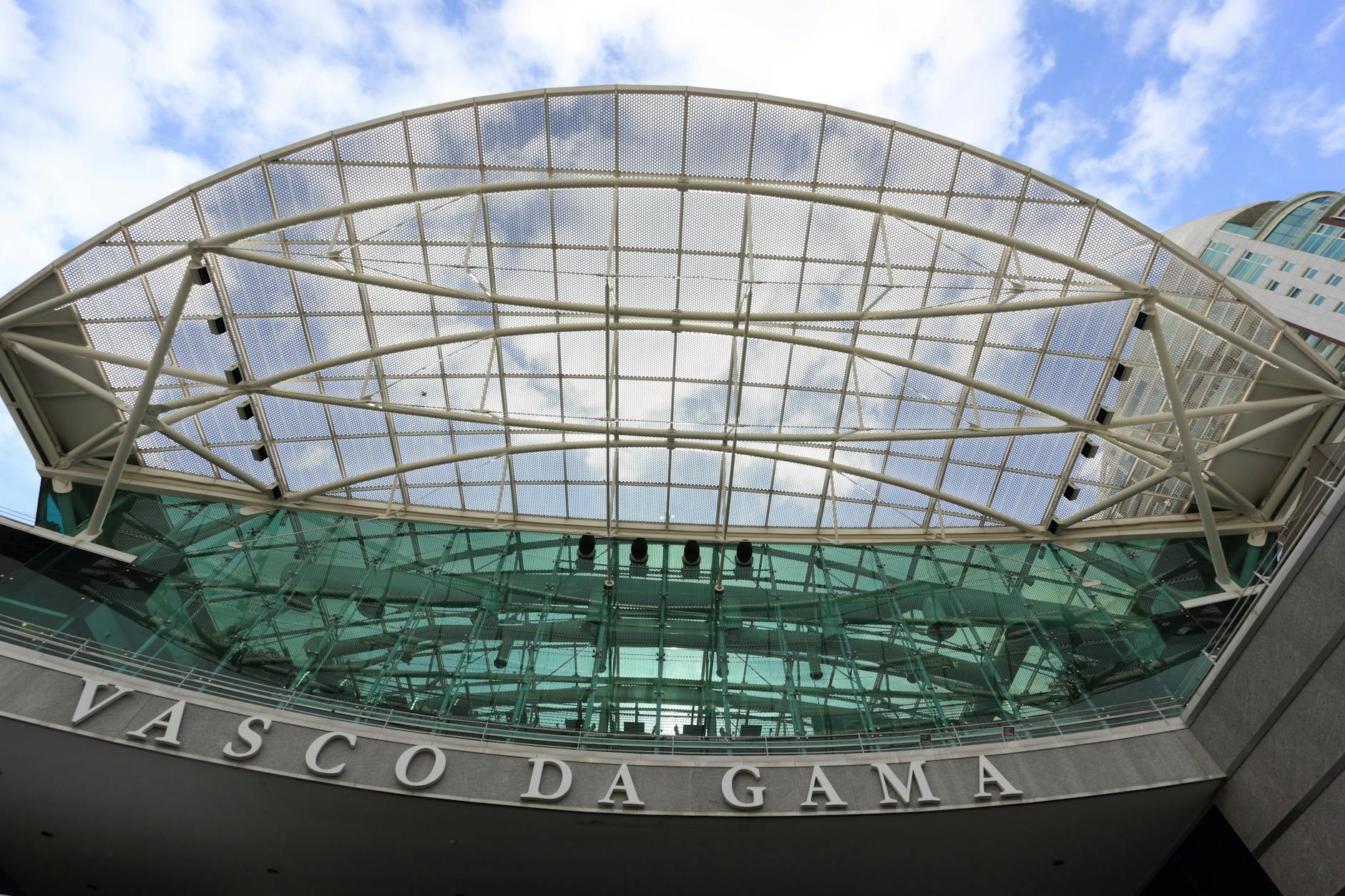
- Vasco da Gama Mall — glass roof, water features, the main shopping centre
- Pavilhão de Portugal — Siza Vieira, suspended concrete canopy
- Camões Theatre — contemporary opera and dance venue
- Oceanarium — built on a pier over the Tagus, surrounded by water on three sides
- Telecabine station / Vasco da Gama Tower — southern terminus of the walk
The whole area also has tile mural panels (several by prominent Portuguese artists), rotating outdoor sculpture installations in the Marina area, and mosaics at the metro stations worth pausing for.
Public Art and Tile Murals
The area features extensive public art integrated into the urban fabric:
- Tile murals at metro Oriente — commissioned from international artists for Expo ’98
- Permanent sculptures along the riverside walk between Oceanarium and tower
- Rotating installations in the Marina area — updated periodically
- Mosaic panels throughout the pedestrian zones referencing ocean themes (the Expo’s subject)
The public art is dense enough that a slow walk with attention to detail reveals something new each visit.
Family Activities
This is the most genuinely family-friendly district in Lisbon — largely because it’s flat, which matters enormously with strollers and tired children. Central Lisbon’s steep hills and uneven cobblestones are beautiful but tiring. Parque das Nações has none of that.
- Oceanarium — the obvious anchor; full 2–3 hours
- Cable car — children love it; painless for parents
- Pavilhão do Conhecimento — interactive science museum; best for ages 6–14
- Riverfront playgrounds — several along the promenade; well-maintained
- Cycling paths — 7 km of flat riverside paths; bike rentals available at the Marina
- Vasco da Gama Mall — food court, shops, cinema — useful for a hot afternoon
- Marina-side cafés — outdoor seating with river views; easy lunch stop
A full-day family itinerary works easily: Oceanarium in the morning (book first), lunch at the Marina, cable car in the afternoon, Knowledge Pavilion if energy remains, sunset drinks at the Vasco da Gama Tower. That’s a complete day without feeling rushed.
Where to Eat in Parque das Nações
Sit-Down Restaurants
- Ibo Marina — Mozambican-Portuguese fusion with riverside terrace views; one of the best meals in the district
- D’Bacalhau — Traditional Portuguese, strong on bacalhau preparations
- Restaurante Tasca Kome — Japanese; a good change of pace mid-trip
- Sushic — Modern sushi; reliable
- Pragma at Casino Lisboa — More formal dining; go for dinner not lunch
Casual and Quick
- Marina kiosks — outdoor waterfront kiosks serving sandwiches, bifanas, and drinks; €8–12 for a solid lunch
- Vasco da Gama Mall food court — every option; €10–15; useful for families with picky eaters
- Rooftop at Vasco da Gama Tower — drinks with a view; food is secondary to the panorama
One honest note: the restaurant options here are generally fine but not exceptional compared to Lisbon’s food neighbourhoods like Mouraria or Santos. Come for the architecture and Oceanarium; don’t come specifically for the restaurants.
Where to Stay in Parque das Nações
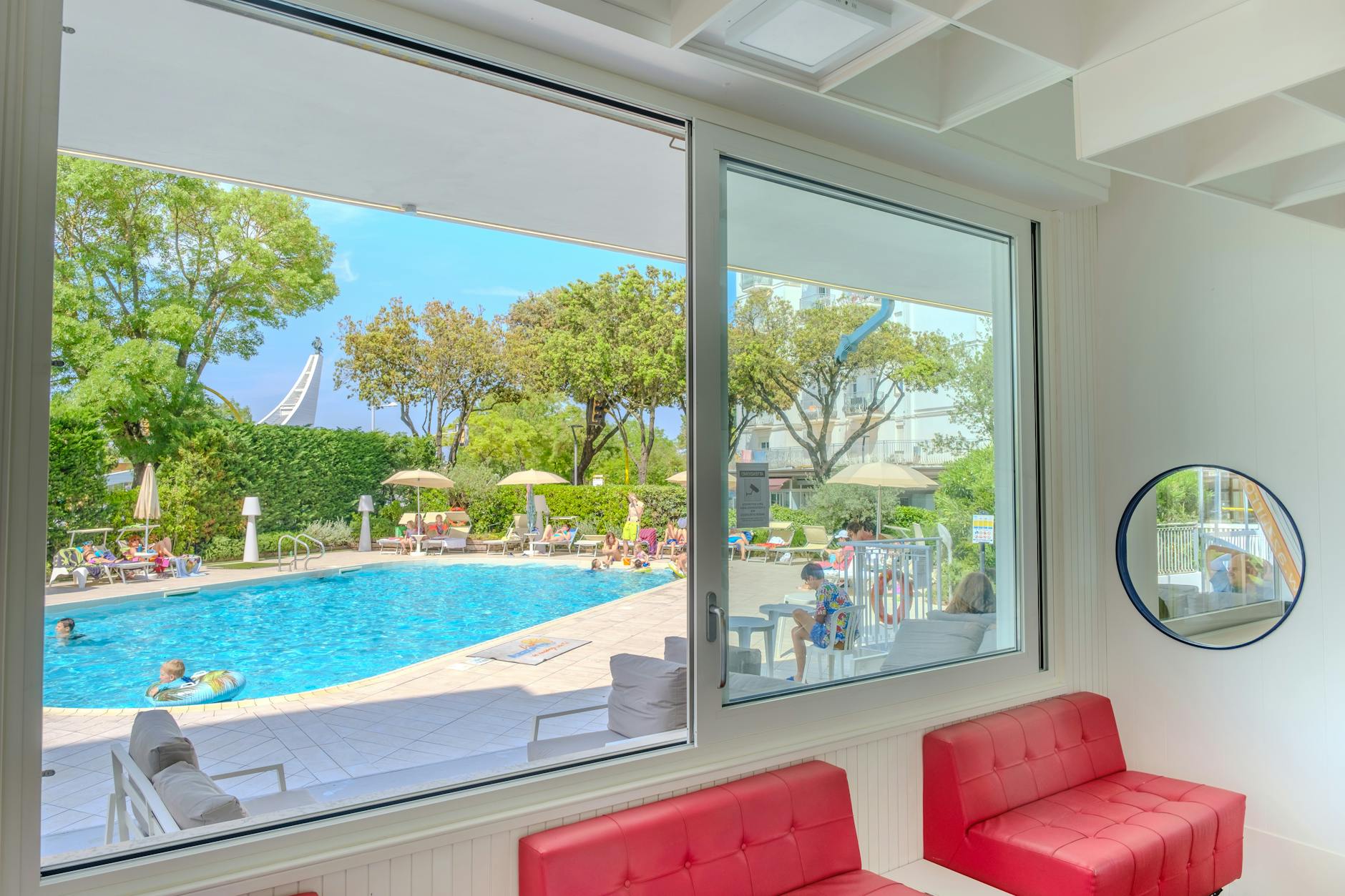
Quieter than central Lisbon. Well-connected — 15 minutes to Baixa by metro, same line serves the airport. The tradeoff is that you’re removed from the old-town atmosphere that makes Lisbon feel like Lisbon. Second-visit or conference-traveller territory, mostly.
- Myriad by Sana Hotels — the Vasco da Gama Tower; 5-star, panoramic views, rooftop bar
- Tivoli Oriente — 4-star, walking distance to Oriente Station, practical for business or families
- Olissippo Oriente — Mid-range, family-friendly, good metro access
- Hotel SANA Reno — Budget, metro access, decent option for the price
Parque das Nações vs Old Lisbon: Staying Here?
| Parque das Nações | Old Lisbon (Baixa/Chiado/Alfama) |
|---|---|
| Modern architecture | Historic neighbourhoods |
| Flat, fully accessible | Hills and cobblestones |
| Family-friendly, quiet | More atmosphere, more tourists |
| Near airport (same metro line) | 15–20 min from airport |
| 15 min to Baixa by metro | Walking distance to everything old |
| Less authentic Lisbon character | Full old-city experience |
See our Where to Stay pillar and our best hotels guide for the full picture. If you’re on a budget, our best hostels guide covers that side of town too.
Recommended Half-Day Itinerary
9:45 — Metro red line to Oriente. Take your time leaving the station — walk slowly through the Calatrava platforms and look up.
10:00 — Oceanarium (pre-booked ticket). Allow 2.5 hours minimum.
12:30 — Lunch at the Marina kiosks or Ibo Marina for something more substantial.
14:00 — Walk south along the promenade to the cable car station.
14:30 — Telecabine (round trip or one-way to Vasco da Gama Tower).
15:00 — Pavilhão do Conhecimento if you have children; or walk to Pavilhão de Portugal and Casino exterior for the architecture.
17:00 — Coffee at the Marina. Walk along the river in the late light.
18:30 — Sunset drinks at the Vasco da Gama Tower rooftop.
20:00 — Metro back to central Lisbon for dinner.
Getting There
- Metro: Red line to Oriente — 15–20 minutes from Marquês de Pombal, direct from airport
- Train: Suburban trains serve Oriente from Santa Apolónia and Rossio
- Bus: Multiple routes from central Lisbon
- Taxi/Uber: €10–15 from Baixa depending on traffic
- Metro fare: €1.90 single; the Lisboa Card covers this
Practical Tips
- Book the Oceanarium online — summer queues without a ticket are long
- Avoid weekend afternoons at Vasco da Gama Mall — Lisbon families descend and it gets crowded
- Best light for photos: morning at Oriente Station (west-facing glass), late afternoon anywhere on the waterfront
- Free to enter the whole district — you only pay per attraction
- No hills anywhere — the only flat Lisbon neighbourhood of this size
- Airport connection: same metro line (red) as the airport; Parque das Nações works well for an early-morning departure day
FAQ: Parque das Nações
Is Parque das Nações worth visiting?
Yes, for the Oceanarium (genuinely one of Europe’s best aquariums), the Calatrava station, and the riverside cable car. Half day minimum; full day if you have children. Don’t skip it on a first Lisbon trip.
How do I get to Parque das Nações?
Metro red line to Oriente. €1.90 single fare. About 15–20 minutes from central Lisbon. Trains from Santa Apolónia and Rossio also stop at Oriente.
Is the Lisbon Oceanarium worth the €25?
Among Europe’s top five aquariums — yes. The 5-million-litre central tank alone justifies the entry. Book online; timed entry reduces queues. Allow 2–3 hours.
Should I take the cable car?
Yes. It’s €9.50 round trip for 12 minutes of elevated river views. Not a must-do if budget is tight, but it’s a genuinely good experience and you see the district differently from above.
Is Parque das Nações good for kids?
It’s the best Lisbon district for families. Completely flat, accessible, with the Oceanarium, cable car, Knowledge Pavilion, playgrounds, and cycling paths. A full day works easily.
Can I combine Parque das Nações with Alfama in one day?
Possible but rushed. Parque das Nações deserves a half day; Alfama deserves a half day. Do them on different mornings — or choose Parque das Nações for its own day and combine it with a late dinner somewhere else. See our Alfama neighbourhood guide for that neighbourhood.
When is Parque das Nações least crowded?
Weekday mornings, October through March. August weekends are the worst — school holidays mean the Oceanarium and cable car have queues. Summer evenings (7–9 PM) are actually pleasant on the waterfront as the day cools.
Bottom Line
Parque das Nações is Lisbon’s most successful urban transformation — a toxic industrial site turned into a district that genuinely works for residents and visitors alike. The Oceanarium is not optional if you’re travelling with children; it’s one of Europe’s best aquariums and the ticket is worth it. The Calatrava station, Siza Vieira pavilion, and riverside cable car turn an aquarium visit into an architecture afternoon. Flat, accessible, 15 minutes from Baixa: there’s no good reason to skip it on a Lisbon trip of three or more days.
Parque das Nações also works as a base, and it is the one district where that decision divides people sharply — modern, flat and quiet against historic, hilly and loud. The where to stay pillar sets out the trade-off, the hotel shortlist and hostel shortlist cover both ends, and Alfama is the exact opposite choice if you want to see what you would be trading away.
Getting Around Within Parque das Nações
The district is large but flat. The main tourist strip — from Oriente Station to the Vasco da Gama Tower — is about 2.5 km end to end. Options for getting around:
- Walking: The most common choice. The riverside promenade is entirely pedestrianised and well-maintained. Allow about 30–35 minutes for the full end-to-end walk at a relaxed pace.
- Cycling: 7 km of dedicated cycling paths along the river. Bike rentals are available at several points near the Marina — typically €5–8 per hour. Good for families or anyone who wants to cover the full stretch without fatigue.
- Cable car: The Telecabine covers the southern 1.2 km of the district in 12 minutes. If your legs are tired or you want the view, it solves the transit problem and adds the experience simultaneously.
- Tuk-tuk / electric buggies: Available near the Marina for short hops. Generally overpriced compared to just walking the flat terrain — only useful if mobility is genuinely limited.
Parque das Nações in Different Seasons
The district changes character significantly across the year:
Summer (June–September): Busiest period — the Oceanarium queues are longest, the Marina fills with families, and the outdoor concert programme at MEO Arena runs frequently. Evenings along the waterfront are lively until 22:00 or later. Book the Oceanarium in advance.
Autumn (October–November): Quieter, still warm enough for outdoor walking. The light on the Tagus in October is some of the best of the year — golden afternoon light on the water with the bridge in the background. Fewer queues everywhere.
Winter (December–February): The Oceanarium and Knowledge Pavilion are the draws — both fully indoor. The promenade is pleasant on mild days. MEO Arena hosts large winter concerts. The Christmas market near the Marina runs December weekends.
Spring (March–May): Best overall timing — warm enough for the cable car and outdoor walking, cool enough to avoid summer crowds. Jasmine starts appearing on the residential streets from April.