Lisbon Nightlife
Lisbon Nightlife Guide: Fado, Bars, Rooftop Drinks and Live Music (2026)
In this guide
- Fado — The Soul of Lisbon After Dark
- Rooftop Bars — Sunset Drinks With a View
- Bairro Alto — The Street-Party District
- Cais do Sodré and Pink Street — Late-Night Lisbon
- Craft Cocktail Bars and Speakeasies
- Nightclubs — Dancing Until Sunrise
- Live Music Beyond Fado
- Ginjinha — Lisbon’s Signature Drink
- Lisbon Nightlife by Neighborhood — Quick Guide
- Practical Tips for Lisbon Nightlife
- Wine Bars — Discovering Portuguese Wine
- LGBTQ+ Nightlife in Lisbon
- Seasonal Nightlife — Summer Events and Beach Bars
- Late-Night Food — Where to Eat After Midnight
- A Perfect Night Out in Lisbon — Sample Evening
- Photo Credits
Lisbon nightlife runs on its own clock. Dinner at 9pm, bars from 11pm, clubs from 2am — and the whole thing unfolds within a 15-minute walk. This Lisbon nightlife guide covers fado houses, rooftop bars, Bairro Alto’s street scene, Cais do Sodré, craft cocktail rooms, and waterfront clubs, with neighborhood guides, practical tips, and venue recommendations updated for 2026.
Príncipe Real is the centre of the city’s LGBTQ+ scene and Bairro Alto is where its nights start — our gay Lisbon guide covers the venues, the timings and the beaches.
If you want the whole evening rather than just the drinking — sunset, dinner timings, fado and the last metro — see our guide to Lisbon at night.
A Lisbon derby empties the city into its cafés, and the reaction to a goal travels down the street. Our football in Lisbon guide covers watching a match with or without a ticket.
A typical Lisbon night looks like this: sunset drinks at a rooftop bar around 7pm, dinner at 9pm (arriving at 7pm announces you as a tourist — locals rarely sit down before 9:30pm), bar-hopping in Bairro Alto from 10:30pm to midnight or 1am, then drifting downhill to Cais do Sodré or the waterfront clubs where the music runs until sunrise. One of the great practical facts about Lisbon nightlife is geography: Bairro Alto, Cais do Sodré, Chiado, and Príncipe Real are all walkable from each other. No taxis between bars. No dead time.
In a single evening you can hear fado in a centuries-old Alfama chapel, order a craft cocktail in a hidden speakeasy, buy a beer for under €3 on a Bairro Alto street, and catch a Berlin-quality DJ set in a riverside warehouse — on foot, without a plan. That flexibility is what separates Lisbon from most European nightlife cities.
Fado — The Soul of Lisbon After Dark
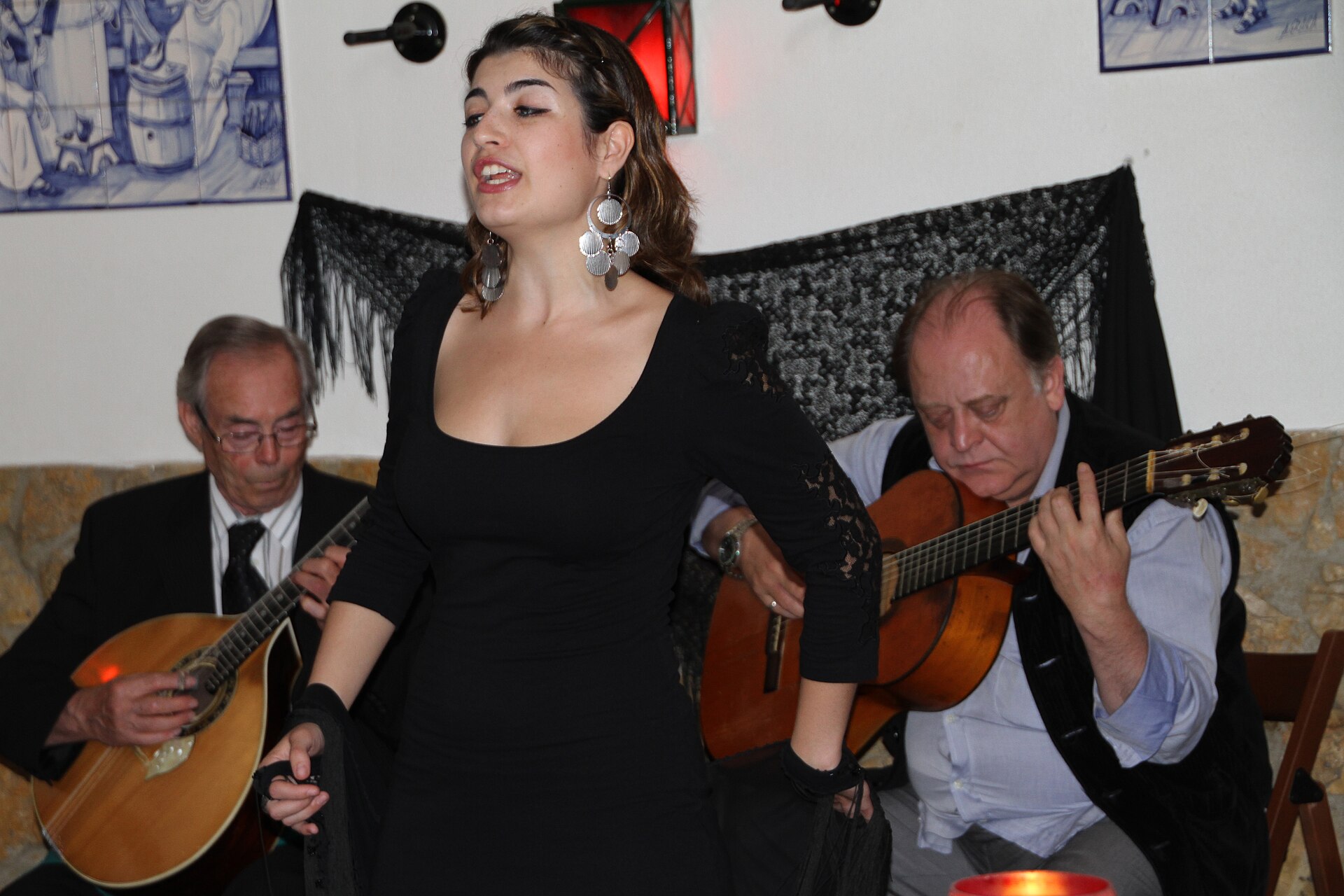
No Lisbon nightlife guide skips fado, and rightly so. Portugal’s deeply emotional musical tradition was inscribed by UNESCO as Intangible Cultural Heritage in 2011, and it is still performed nightly in the same Alfama and Mouraria streets where it was born two hundred years ago. A fado performance features a solo vocalist (fadista) backed by a Portuguese guitarra (guitarra portuguesa — a pear-shaped 12-string instrument with a piercing, silvery tone) and a classical guitar (viola), singing about saudade — the untranslatable Portuguese mood of longing, nostalgia, and bittersweet memory.
Hearing fado live is visceral. When the lights dim and the singer begins, the room goes silent — waiters stop moving. The best fadistas pour such raw emotion into their performances that you don’t need Portuguese to feel it. Many first-time visitors call fado night the most memorable hour of their entire trip.
Best Fado Houses in Lisbon
Tasca do Chico (locations in both Alfama and Bairro Alto) is one of the most authentic fado experiences in Lisbon. The room is tiny and packed, there is no cover charge, and there is a minimum food and drink order (around €15–20 per person). The Alfama location has more established performers, while the Bairro Alto branch often features younger, more experimental fadistas. Reservations are absolutely essential at both — try to book several days in advance or arrive at opening time (8pm Alfama, 9pm Bairro Alto) and hope for a cancellation.
Mesa de Frades occupies a tiny 18th-century chapel in Alfama, where the original baroque tile walls create extraordinary acoustics. This is fado at its most intimate and powerful, with top-tier performers singing just meters away from you. There is a dinner requirement (around €45–60 per person), but the food is excellent and the experience is worth every cent. Parreirinha de Alfama, operating for over 50 years, offers a more traditional dinner-show format with reliable quality and a warm, family-run atmosphere. This was a favorite venue of the legendary Amália Rodrigues. Clube de Fado is a polished but genuine venue in Alfama with nightly performances by some of fado’s finest current voices — the vaulted cellar setting is atmospheric and the food quality is high.
Budget tip: Many bars in Alfama and Mouraria host informal, free fado vadio (amateur fado) sessions where locals take turns singing. These unpolished, passionate performances can be more moving than the professional shows — the emotion is raw and the atmosphere turns on a knife’s edge when a great voice emerges from the crowd. Ask your hotel for current recommendations, as venues change frequently. Tasca Bela in Mouraria and some bars on Rua dos Remédios are good starting points.
For a complete guide including booking tips and what to expect, see our Lisbon fado guide.
Rooftop Bars — Sunset Drinks With a View

Lisbon’s seven hills were made for this. With over 300 days of sunshine per year and mild evenings from April through October, rooftop drinking is a local habit, not a tourist attraction. Most rooftop bars open in the late afternoon — arrive early enough to watch the sky turn orange over the Tagus.
Top Rooftop Bars in Lisbon
Park Bar sits on top of a parking garage in Bairro Alto — the entrance is deliberately underwhelming (take the elevator to the top floor of the car park on Calçada do Combro), but step outside and you get tree-lined terrace views sweeping across the rooftops to the river and the Cristo Rei statue. Arrive before 6pm on weekends for a wall seat. Cocktails from €10, beer from €5. The crowd is mixed, relaxed, and local enough to feel genuine.
TOPO Martim Moniz has views over Mouraria and the Castle from above the Martim Moniz square, with affordable drinks and a younger crowd. The rooftop cinema nights in summer are worth seeking out. Sky Bar at Tivoli Avenida Liberdade is the upscale option: pool-deck atmosphere, white-canopied loungers, views along the grand avenue — dress smart and expect cocktails from €14. Memmo Alfama terrace, attached to the boutique hotel, offers a more intimate rooftop experience directly above Alfama’s rooftops to the river. Small scale; no pretension.
Free alternative: Miradouro da Graça and Miradouro da Senhora do Monte are the two highest viewpoints in Lisbon — not bars, but bring a bottle of Portuguese wine (€3–6) and join the locals watching the sunset. The kiosk bar at Miradouro da Graça serves drinks if you would rather not haul your own. Our miradouros guide maps the rest of them.
Our best rooftop bars in Lisbon guide covers 12 venues with hours, prices, and directions.
Bairro Alto — The Street-Party District
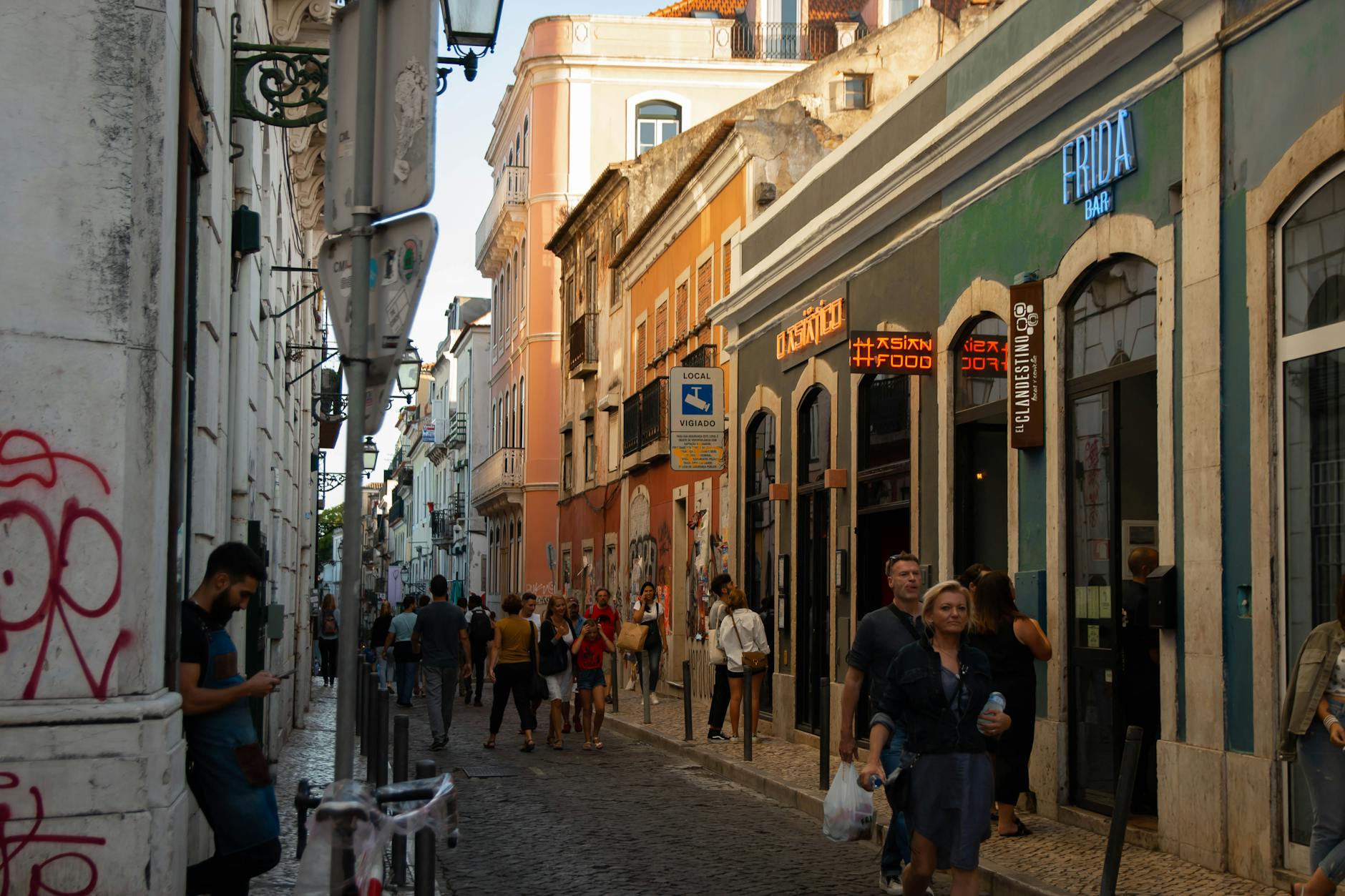
Bairro Alto is the engine of Lisbon’s mainstream nightlife — a dense grid of narrow 16th-century streets packed with over 100 small bars, most barely larger than a living room. The magic is structural: the bars overflow and the streets fill with people carrying drinks, moving freely from bar to bar. It is essentially an open-air party that happens every single night of the week, and it costs nothing to be part of it.
When to go: Energy builds from around 10:30pm and peaks between midnight and 2am. Before 10pm, the neighborhood feels sleepy — arrive too early and you will wonder what the fuss is. After 2am, most Bairro Alto bars close (noise regulations) and the crowd migrates downhill to Cais do Sodré, where the night continues until sunrise. What to expect: Cheap drinks (beer from €2, cocktails from €5–7, shots from €1.50), a young and mixed crowd (students, locals, tourists, expats), live music spilling from doorways, and an atmosphere where talking to strangers is standard.
Standout Bars in Bairro Alto
Pensão Amor is a former brothel converted into a wildly decorated bar with burlesque shows, a bookshop specializing in erotica, and multiple themed rooms draped in provocative art and red velvet. It straddles the border between Bairro Alto and Cais do Sodré and is worth visiting for atmosphere alone. Pavilhão Chinês is a museum-like bar filled floor to ceiling with antiques, curiosities, model planes, toy soldiers, and vintage collectibles — you drink pool-side (billiards) surrounded by thousands of objects. It feels like stumbling into a collector’s fever dream. Portas Largas is the unofficial heart of Bairro Alto’s street scene — a small bar with a disproportionate exterior presence, where the crowd outside always outnumbers the one inside.
Maria Caxuxa is a newer addition with creative cocktails and a vinyl-and-vintage aesthetic. Bairro Alto Hotel’s terrace offers a more upscale option if you want the location without the street chaos. Artis Bar (formerly Artis Wine Bar) pours excellent Portuguese wines by the glass with actual knowledge behind the recommendations — a more considered way to start before the streets get rowdy.
For the complete neighborhood guide, see our Bairro Alto nightlife guide.
Cais do Sodré and Pink Street — Late-Night Lisbon
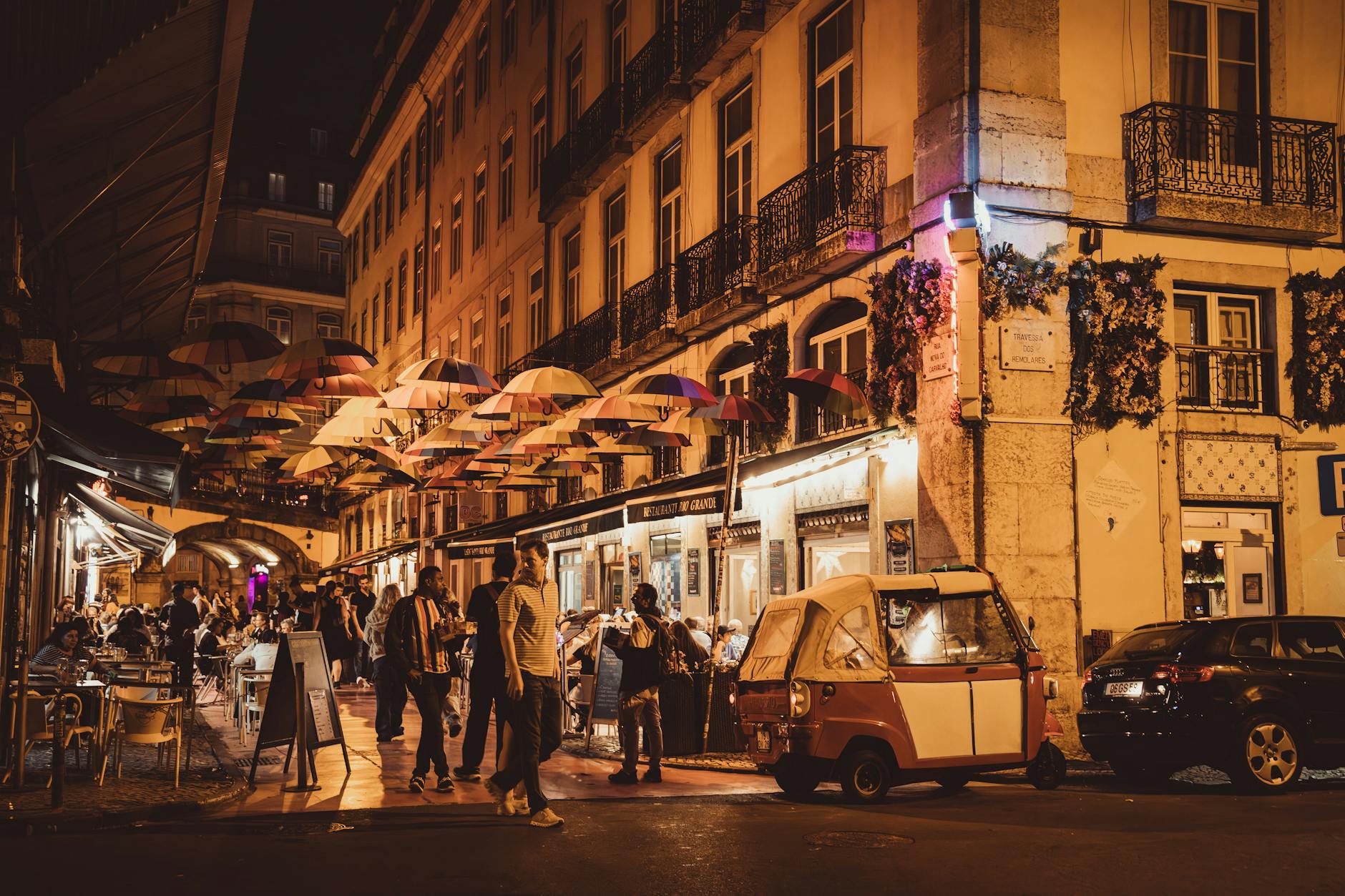
Cais do Sodré spent decades as a rough sailors’ district before reinventing itself as Lisbon’s sharpest late-night zone. The anchor is Rua Nova do Carvalho — universally known as Pink Street for the road surface painted pink in 2013 during the neighborhood’s pedestrianization. It is now one of the most photographed streets in Lisbon, and the spot where the city shifts into high gear after Bairro Alto winds down around 2am.
Pensão Amor (also accessible from Bairro Alto) is the star of Pink Street — a maze of rooms across multiple floors in a former brothel, with mirrored ceilings, risqué art, a ground-floor bookshop, and burlesque and cabaret performances on weekends. Sol e Pesca, a former fishing tackle shop that still has the original rod racks on the walls, is now a cozy bar serving gourmet tinned fish (conservas) with wine — a genuinely Portuguese experience. Musicbox, under the train station arches, is part live-music venue, part club — one of the best spots in Lisbon for catching emerging Portuguese bands and DJs, with programming spanning indie rock to afrobeats to techno.
O Velho Eurico is a chaotic, fun dive bar that predates the gentrification and still acts like it. The energy on Pink Street peaks between 1am and 4am on Friday and Saturday nights.
Visit our Pink Street and Cais do Sodré guide for the full nightlife map.
Craft Cocktail Bars and Speakeasies
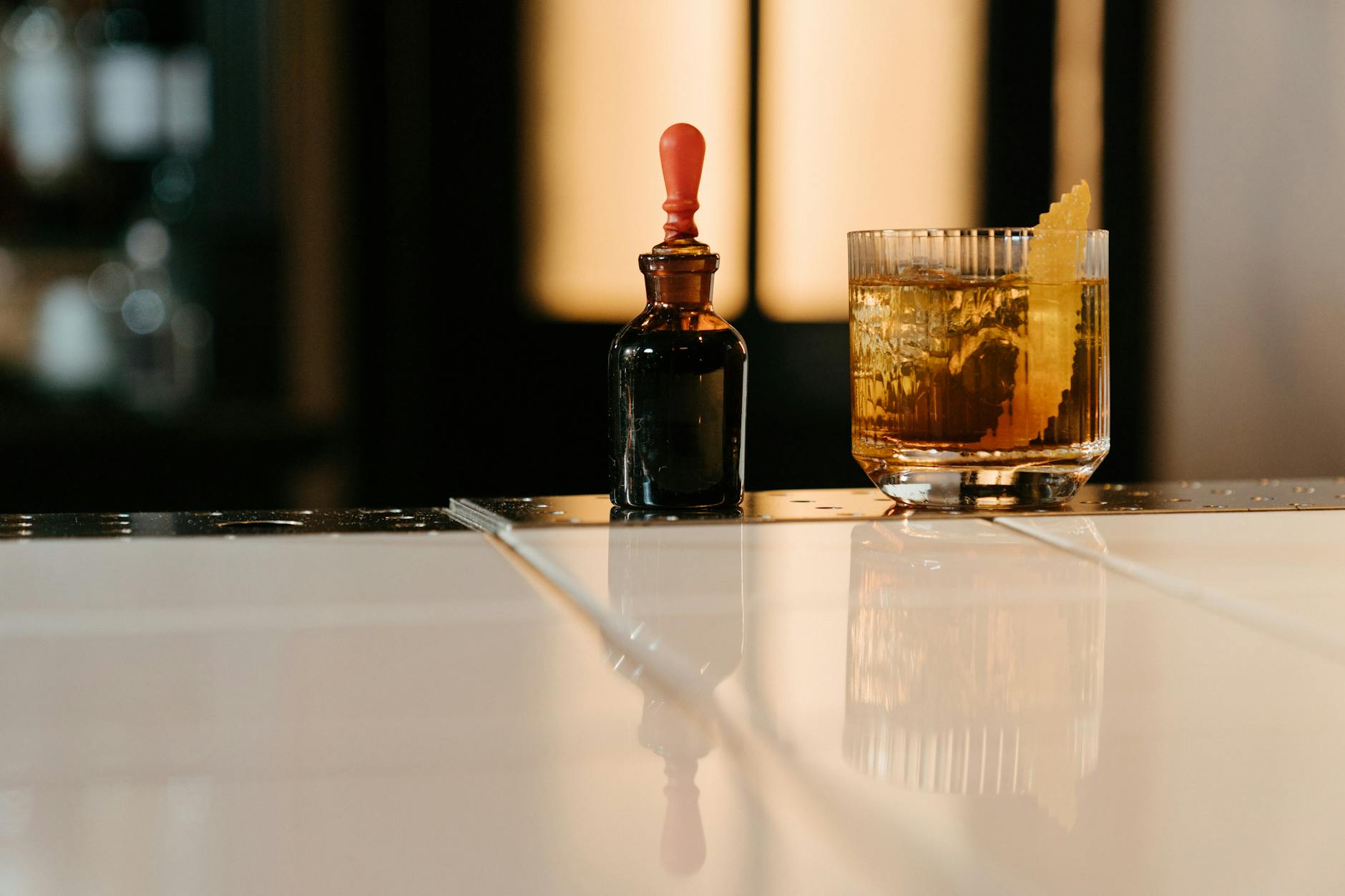
Lisbon’s craft cocktail scene has matured fast, with several bars landing on international best-of lists and the city now taken seriously as a cocktail destination. These bars offer a quieter, more considered alternative to Bairro Alto’s street chaos — good for a sophisticated start to the evening or a late nightcap.
Best Cocktail Bars in Lisbon
Red Frog is a 1920s prohibition-era speakeasy that has been named among the world’s top 100 bars for five consecutive years. Ring the buzzer on an unmarked door on Rua do Salitre, enter through a hidden passage, and settle into leather armchairs for meticulously crafted cocktails (€14–18). The bartenders are genuine artists — describe your flavor preferences and they will make something bespoke. Reservations strongly recommended, especially Thursday through Saturday.
Cinco Lounge in Príncipe Real was a pioneer of Lisbon’s cocktail shift and remains excellent, with knowledgeable bartenders, a calm atmosphere, and a menu balancing classic technique with Portuguese ingredients. Monkey Mash in Santos brings creative energy and inventive drinks alongside a Thai-influenced food menu — a solid dinner-and-drinks option. Foxtrot in Príncipe Real has an outdoor terrace that works well on warm evenings, well-executed classics, and a crowd that skews toward creative professionals. Toca da Raposa (Fox’s Den) is a newer arrival focused on Portuguese spirits and botanicals — try their gin featuring herbs from the Alentejo region.
For our comprehensive list with maps and booking links, see best bars in Lisbon.
Nightclubs — Dancing Until Sunrise
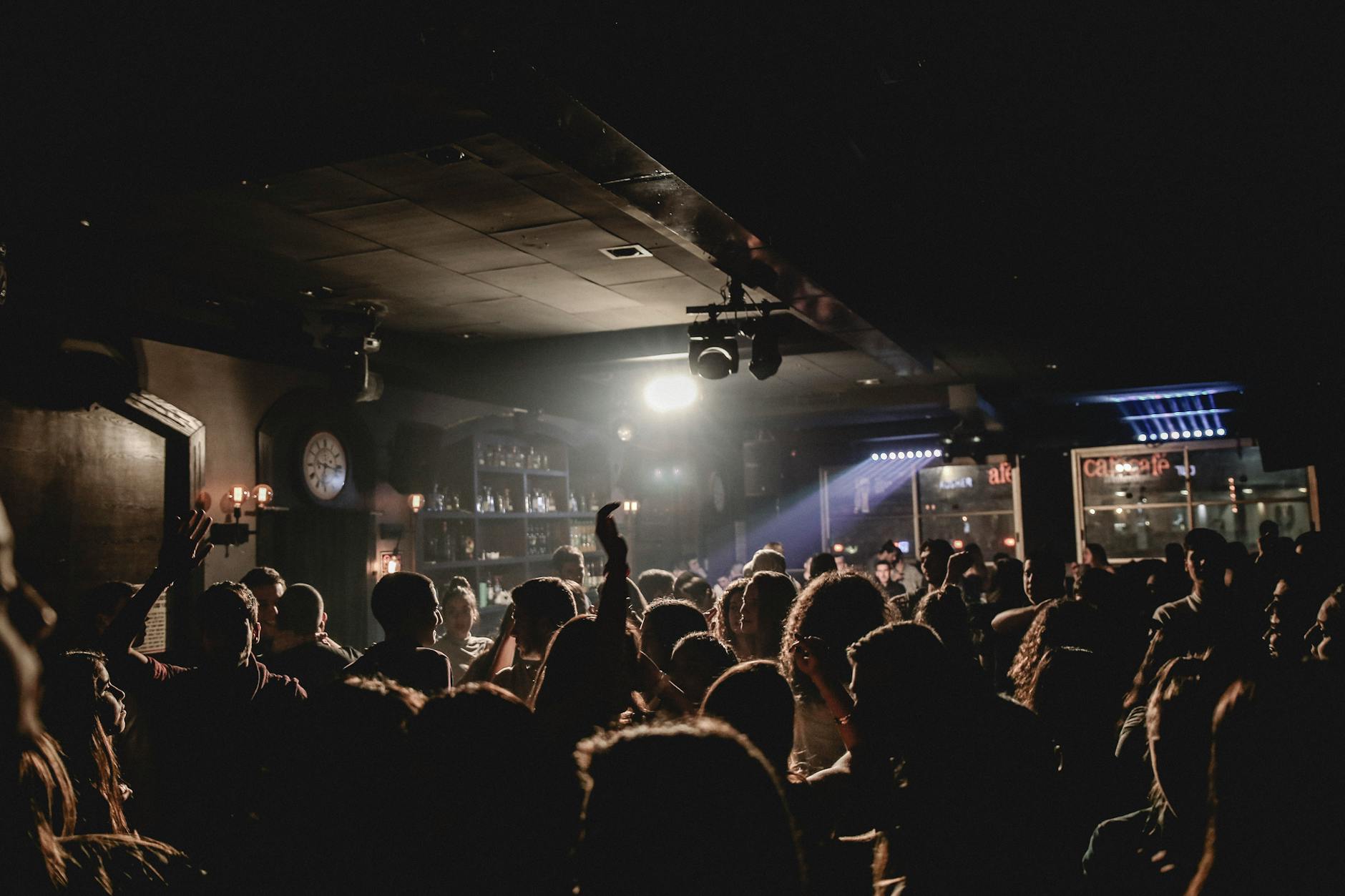
Lisbon’s club scene runs from underground techno to mainstream pop, with most of the serious venues occupying dramatic waterfront or industrial spaces. The city has become a real stop on the European DJ circuit — international headliners alongside a strong local electronic scene. Clubs open at midnight or 1am and do not close until 6am or later. Pace accordingly.
Top Nightclubs in Lisbon
Lux Frágil is Lisbon’s most famous club, co-owned by actor John Malkovich and regularly listed among Europe’s best. Perched on the waterfront near Santa Apolónia station, it has a rooftop terrace with river views (good for cooling off between sets), two dance floors spanning different genres, and a rotating roster of international and Portuguese DJs. Cover is usually €10–20, often including a drink. Get there before 1:30am or face a long queue — dress well, the door policy can be selective. Watching sunrise from the rooftop terrace is a genuine Lisbon moment.
Ministerium, in a raw basement space near Terreiro do Paço, focuses on serious techno and house. Lisbon’s electronic music purists come here — excellent sound system, immersive industrial atmosphere, a crowd that is there for the music. Cover €10–15. Village Underground Lisboa in Alcântara runs eclectic programming across club nights, live acts, and art events, housed in a converted warehouse topped with shipping containers and double-decker buses. Kremlin has been a Lisbon institution since the 1990s, reliable on Saturday nights, mixed crowd.
Musicbox (mentioned above in Cais do Sodré) bridges live music and club culture well, with genre-spanning nights from indie rock to Afro-Portuguese sounds to electronic sets. Dock’s Club on the Alcântara waterfront draws a slightly older crowd for mainstream and R&B nights riverside. For LGBTQ+ nightlife, Trumps in Príncipe Real is the longest-running club, while Finalmente is legendary for its nightly drag shows.
See our Lisbon nightclubs guide for the complete list with music policies and practical details.
Live Music Beyond Fado
Lisbon has a live music scene that extends well beyond fado, shaped by the city’s geography as a crossroads between Europe, Africa, and South America. Hot Clube de Portugal, founded in 1948, is one of Europe’s oldest jazz clubs — intimate basement performances several nights a week, seats close enough to see the guitarist’s fingers. Incognito in Bairro Alto has been a reliable room for indie and alternative music for over 30 years, with a dance floor that packs on weekends. Crew Hassan in Mouraria features world music, kuduro, and African-influenced sounds, reflecting Lisbon’s deep connections to Portuguese-speaking Africa and Brazil.
For major acts, MEO Arena in Parque das Nações (capacity 20,000) and Campo Pequeno (a converted bullring with excellent acoustics) handle the big-name tours. Coliseu dos Recreios, a beautiful 19th-century theater on Rua das Portas de Santo Antão, runs an eclectic mix from Portuguese artists to international performers. Check NOS Alive (July) — one of Europe’s strongest summer festivals, on the Algés waterfront with major international headliners across rock, pop, and electronic.
See our live music in Lisbon guide for current listings and ticket information.
Ginjinha — Lisbon’s Signature Drink
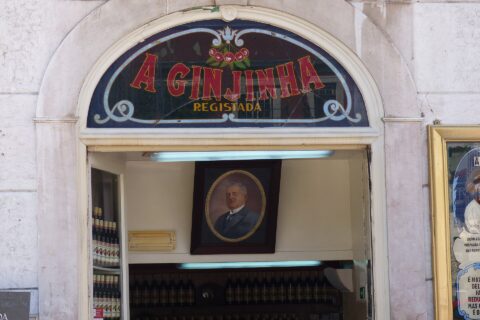
No Lisbon night starts properly without a shot of ginjinha (or ginja), a sweet sour-cherry liqueur that has been the city’s signature drink for over 180 years. The most famous spot is A Ginjinha, a tiny shopfront on Largo de São Domingos that has been serving ginjinha since 1840 — the counter is barely a meter wide, and patrons overflow onto the square. Order it com elas (with cherries at the bottom of the cup — eat them, they are delicious and potent) or sem elas (without) for around €1.50 a shot. The liqueur is sweet, slightly tart, and deceptively strong.
Directly across the street, Ginjinha Sem Rival (literally “Ginjinha Without Rival”) offers a near-identical experience with slightly fewer crowds and a long-running friendly rivalry with the original. Try both. Many restaurants also serve ginjinha as a digestif after dinner, and you will find bottles in any supermarket to take home (€8–12 for a quality bottle).
Learn more about this unique Portuguese tradition in our ginjinha in Lisbon guide.
Lisbon Nightlife by Neighborhood — Quick Guide
Bairro Alto: The main event for most visitors. Over 100 small bars, street-party atmosphere, cheap drinks, social and fun. Best from 10:30pm to 2am. Cais do Sodré / Pink Street: Late-night continuation after Bairro Alto closes. Edgier, with clubs and live music. Best from midnight to 5am. Alfama: Fado territory. Intimate, emotional, traditional. Best experienced during dinner (8:30–11pm). Príncipe Real: Craft cocktail bars and LGBTQ+ venues. More refined, less chaotic. Best from 9pm to 1am. Santos / Alcântara: Waterfront clubs and creative spaces. International DJ sets and alternative culture. Best from 1am to 6am. Mouraria: World music and multicultural nightlife. Emerging scene with authentic character. Best from 10pm to 2am.
Practical Tips for Lisbon Nightlife
When to Go Out in Lisbon
Portuguese nightlife starts late. Dinner rarely begins before 8:30–9pm (arriving at a restaurant at 7pm marks you immediately as a tourist). Bars fill from 10:30–11pm. Clubs do not really get going until 1:30–2am and stay open until 6am or even 7am. Friday and Saturday are busiest, but Lisbon has decent nightlife every night of the week — Thursday is particularly active in the university-influenced Bairro Alto crowd. Sunday nights are surprisingly lively in the electronic music scene, with several clubs running respected weekly parties.
What to Wear
Lisbon’s dress code is generally relaxed compared to other European capitals — smart casual works almost everywhere. For Bairro Alto and most bars, jeans and a decent top are fine. For upscale rooftop bars like Sky Bar and hotel terraces, step it up: chic summer attire. For clubs like Lux Frágil and Ministerium, avoid flip-flops, shorts, sports jerseys, and overtly casual beachwear. Slightly overdressed beats underdressed — Lisbon residents take some pride in dressing up for a night out.
Safety Tips for Nightlife
Lisbon is one of Europe’s safer capitals for nightlife, but standard precautions apply. Keep your phone and wallet in front pockets or zipped bags in crowded bars — pickpocketing exists, particularly in Bairro Alto and around Pink Street at peak hours. Use licensed taxis (cream-colored with a green roof light) or ride-share apps (Uber and Bolt both operate in Lisbon and are affordable) to get home late at night. Stick to well-populated areas and you will have a safe time — our guide to safety in Lisbon covers the daytime equivalents.
Nightlife Budget
A night out in Lisbon is cheap by London, Paris, or Amsterdam standards. A beer in Bairro Alto costs €2–3 (domestic lager: Sagres or Super Bock), cocktails are €8–14 depending on venue, club entry is typically €10–20 (often includes one drink), and a full fado dinner show runs €35–60 per person including food and drinks. Budget around €30–50 for a fun bar-hopping night through Bairro Alto and Cais do Sodré, or €60–100 if you include a fado show and club entry. Tipping is not expected at bars but rounding up is appreciated. At restaurants, 5–10 percent is customary for good service.
Wine Bars — Discovering Portuguese Wine
Portugal is one of the world’s great wine countries, and Lisbon’s wine bar scene has expanded to match. From the rich reds of the Douro Valley to the crisp Vinho Verde of the Minho, from the fortified Moscatel de Setúbal to the volcanic wines of the Azores, a night at a Lisbon wine bar is a crash course in one of Europe’s most underrated wine cultures — and considerably cheaper than equivalent experiences in France or Italy.
By the Wine (Chiado) is the creation of José Maria da Fonseca, one of Portugal’s oldest wine families. This sleek bar offers an enormous selection of Portuguese wines by the glass, with a digital wine-dispensing system for premium bottles in small pours. Staff are knowledgeable and happy to guide newcomers. Wine Bar do Castelo, near São Jorge Castle in Alfama, is a tiny place with a curated selection and passionate owners who treat each bottle as a story. Lux Wine in Chiado specializes in natural and biodynamic Portuguese wines with rotating selections.
What to try: Ask for a Douro red to experience Portugal’s most celebrated wine region, a Vinho Verde (young, slightly sparkling white or rosé — perfect for warm evenings), or a glass of Moscatel de Setúbal as a dessert wine. Expect to pay €4–8 per glass for wines that would cost double in other European capitals. A bottle of excellent Portuguese wine in a restaurant runs €15–30.
LGBTQ+ Nightlife in Lisbon
Lisbon has become one of Europe’s most welcoming cities for LGBTQ+ travelers. Portugal legalized same-sex marriage in 2010, and the city’s atmosphere is open and straightforwardly accepting. The annual Lisbon Pride (Marcha do Orgulho LGBTI+) in June draws large crowds through the city center.
Trumps in Príncipe Real is Lisbon’s largest and longest-running LGBTQ+ club, with multiple rooms spanning pop, dance, and electronic music across two floors. The outdoor terrace functions as a social hub. Finalmente is legendary for its nightly drag shows starting around 2am — the performances are spectacular and the crowd is a mix of LGBTQ+ locals and curious first-timers. Construction Lisbon is a fetish and cruise bar for men. Purex on Pink Street runs popular queer party nights with a more alternative, inclusive vibe.
Beyond dedicated venues, most of Lisbon’s nightlife is naturally inclusive. Bairro Alto’s street scene is one of the most mixed in Europe, and the cocktail bars and clubs listed in this guide are open to everyone. The Príncipe Real neighborhood, with its garden square and surrounding café terraces, functions as an informal LGBTQ+ meeting point during the day as well.
Seasonal Nightlife — Summer Events and Beach Bars
Summer (June–September) unlocks a different dimension of Lisbon nightlife. Warm evenings, light until 9pm, and a calendar full of outdoor events make it the peak season.
Beach bars: Costa da Caparica, across the river, has a string of beach bars (bares de praia) running from May through September, with DJs, cocktails, and dancing on the sand until late. Bar do Peixe and Waikiki are among the most popular. In Cascais, Praia do Guincho has seasonal bars with sunset views and a surfer vibe.
Summer festivals and events: NOS Alive (July) is Lisbon’s premier music festival, on the Algés waterfront with international headliners across rock, pop, and electronic genres. Super Bock Super Rock brings a more alternative lineup. The Santos Populares (June, particularly the night of June 12–13 for Santo António) is Lisbon’s biggest party — the entire city becomes an open-air celebration with street concerts, sardine grills on every corner, dancing, and crowds carrying manjerico basil pots. It is the one night of the year when all of Lisbon goes out. Out Jazz is a free open-air concert series held in different Lisbon parks every Sunday afternoon from May through September — bring a blanket and a bottle of wine.
Late-Night Food — Where to Eat After Midnight
One of the underrated facts about Lisbon nightlife is the late-night food scene. Unlike most European cities where your post-midnight options are kebab or nothing, Lisbon offers genuine quality eating well into the small hours — a product of the Portuguese love of both food and staying up late.
Cervejaria Ramiro in Intendente stays open until 12:30am and is legendary for seafood — garlic prawns and tiger prawns after a night in Bairro Alto. O Velho Eurico on Pink Street serves simple, honest food until late alongside its chaotic bar atmosphere. Café de São Bento, near the parliament building, has been serving some of Lisbon’s best steaks until 2am for decades — order the prego (steak sandwich) or the bife à café (steak with coffee sauce). Tasca do Chico in Bairro Alto serves food until close alongside the fado.
For something fast, Lisbon’s bifanas (pork sandwiches marinated in garlic and white wine) are the late-night street food of choice. Look for kiosks in Praça da Figueira, near Cais do Sodré station, or outside major nightlife areas. A bifana with a cold beer at 3am is one of Lisbon’s most authentic nightlife rituals. Fast-food joints in Baixa stay open until 4–5am on weekends, and there are 24-hour bakeries in Praça da Figueira and Rossio for a pre-dawn pastel de nata.
A Perfect Night Out in Lisbon — Sample Evening
Here is how to string together a full Lisbon night. This works best on Friday or Saturday, but most elements are available throughout the week.
6:30pm: Start at Park Bar rooftop for sunset cocktails. Watch the sky turn pink and orange over the rooftops. 8pm: Walk down to Chiado for dinner at a traditional tasca or contemporary restaurant. 9:30pm: Head to Alfama for a fado performance at Tasca do Chico or Mesa de Frades — book ahead. 11:30pm: Walk back up to Bairro Alto as the streets are filling up. Have a drink at Pavilhão Chinês for the extraordinary decor, then join the street party. 1am: Move downhill to Pink Street and Cais do Sodré. Stop at Pensão Amor for the atmosphere, then catch a live set at Musicbox. 3am: Head to Lux Frágil for dancing and sunrise river views. 5am: Walk along the waterfront as the city wakes up, and grab a bifana and a coffee. Total cost: approximately €60–80 for a complete evening covering rooftop drinks, dinner, fado, bars, and a club.
Photo Credits
Joana Veiga performing fado: Lissabon-Fado mit Joana Veiga-02-2011-gje by Gerd Eichmann, CC BY-SA 4.0, via Wikimedia Commons.