Lisbon Nightlife
Cais do Sodré & Pink Street: Lisbon’s Trendiest Night Out 2026
Guide to Cais do Sodré and the famous Pink Street—the transformation from red-light district to Lisbon's coolest nightlife strip.

In this guide
- Quick Reference
- The History: From Red Light to Pink Street
- Best Bars on Pink Street
- Pink Street Clubs
- The Wider Cais do Sodré: Beyond Pink Street
- The Pink Street Night-Out Itinerary
- Pink Street vs Bairro Alto
- What to Wear on Pink Street
- Pink Street Photography
- Safety on Pink Street
- Where to Stay Near Pink Street
- Cais do Sodré in Daytime
- FAQ: Pink Street Lisbon
- Bottom Line
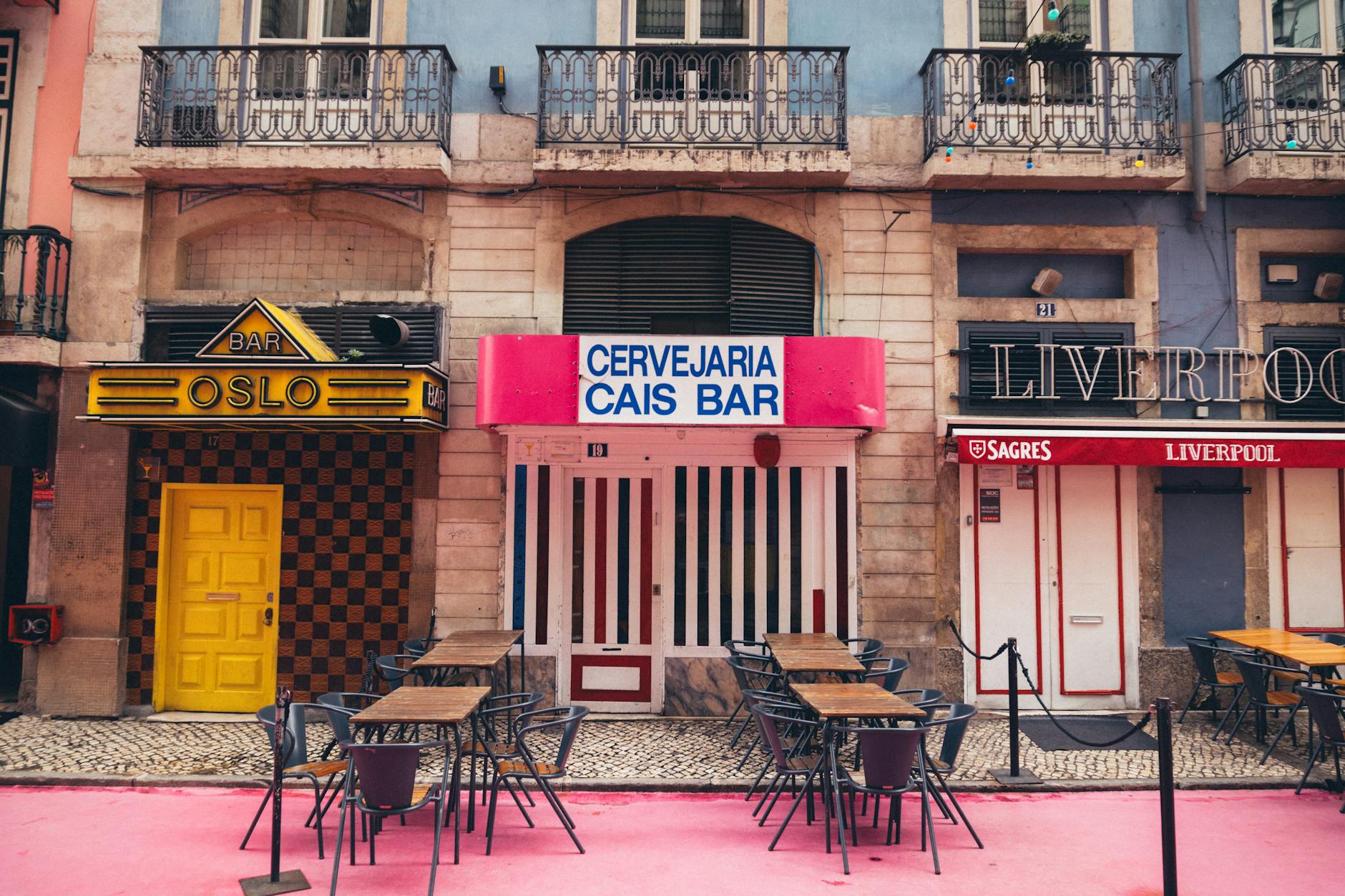
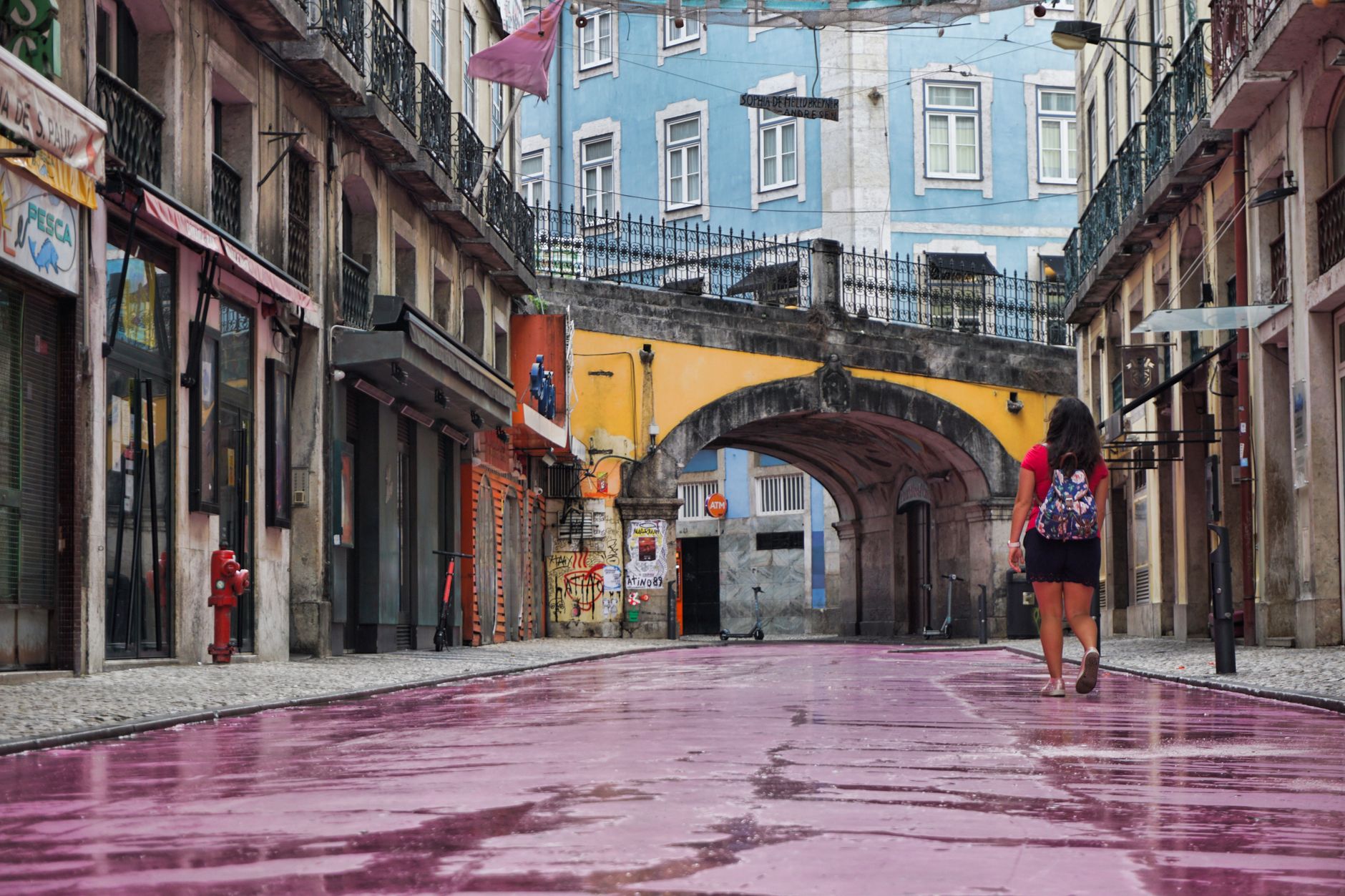
Pink Street Lisbon — officially Rua Nova do Carvalho — is the city’s trendiest nightlife strip and one of Europe’s most photographed urban transformations. Until 2011, this was Lisbon’s century-old red-light district: brothels, sailor bars, gambling dens, and a seediness that even the most adventurous visitor was advised to walk past quickly. Today the cobblestones are painted pink, the brothels have become craft cocktail bars, and the street packs every weekend from 11 PM until the light changes from black to grey and people start looking for food.
This guide covers everything: the history, the best bars and clubs on Pink Street and the wider Cais do Sodré, when to go, how to dress, what the neighbourhood is like in daylight, and how to structure a night that doesn’t end badly. Updated for 2026.
Quick Reference
- Where: Rua Nova do Carvalho, Cais do Sodré (2-minute walk from Cais do Sodré metro/train station)
- Length: ~150 metres of pink-painted cobblestones
- Best for: Late-night clubs, craft cocktail bars, the most photogenic street in Lisbon after dark
- When it’s busy: Thursday–Saturday, 11 PM – 4 AM; Friday and Saturday are peak
- Vibe: Trendy, mixed ages (25–40), slightly more dressed-up than Bairro Alto
- Cover charges: €5–€15 at clubs; most bars free entry
- Getting there: Metro green line to “Cais do Sodré”; or 10-min walk from Praça do Comércio
The History: From Red Light to Pink Street
The story of Pink Street is the story of what happens to a port district when the ships stop coming. Cais do Sodré — the name means something like “Wharf of Sodré,” after the 16th-century nobleman who owned the land — was for centuries the arrival point for goods and people coming into Lisbon from the sea. Sailors disembarked here. The businesses that followed sailors everywhere followed them to Cais do Sodré.
By the mid-20th century, Rua Nova do Carvalho was the concentrated heart of the red-light district: licensed brothels with proper names, gambling dens, bars named after far-off port cities where the sailors had come from. The Texas Bar — still operating today, barely changed since the 1960s — is the last authentic relic of that era. It has country music, cheap beer, and no pretension whatsoever about what it is.
By the 2000s the district had declined further. The port trade had evaporated, containerisation had moved everything further downstream, and the buildings on Rua Nova do Carvalho were dilapidated. The street had a reputation for drugs and petty crime that kept even the more adventurous tourists away. Lisbon was gentrifying in other neighbourhoods — Bairro Alto had been a nightlife hub since the 1980s — but Cais do Sodré was stuck.
In 2011 the Lisbon municipality launched a deliberate regeneration project. The brothels were shuttered. The streets were repaved. The cobblestones of Rua Nova do Carvalho were painted pink as a rebranding gesture so explicit it became the name of the street. Pink Street. You can’t miss it. That was the point.
The makeover completed around 2013. Pensão Amor — a former brothel — became the street’s signature cocktail bar, keeping the erotic artwork from the building’s previous occupation as a deliberate aesthetic statement. New bars followed fast: Powder Room, Sol e Pesca, Tabacaria. Music Box, already established under the railway arches nearby, became the de facto nightclub. Within three years, Pink Street had become Lisbon’s trendiest nightlife address.
The transformation isn’t without irony. The street that became famous partly by acknowledging its past now occasionally sanitises that past into decor — the velvet chairs at Pensão Amor are aesthetically continuous with the brothel that preceded it, but they’re priced accordingly. The drug dealers have been replaced by craft cocktail menus. The sailors have been replaced by Erasmus students and Instagram tourists. Whether that’s progress depends on your perspective. But the energy is genuine, the bars are good, and the pink cobblestones at 1 AM with a crowd moving between bars remain one of the city’s more memorable sights.
Best Bars on Pink Street
Pensão Amor
The anchor of the street and the bar everyone mentions. Literally a former brothel — the velvet chairs, the vintage erotic artwork on the walls, the multiple rooms across three floors are all original or in the spirit of the original. The name means “Boarding House of Love,” which tells you everything. Cocktails run €8–€14. Live burlesque shows on weekend nights. Always busy from 10 PM; genuinely packed after midnight. Book a table if you want to sit — walk-ins usually have to stand at the bar, which is fine.
The crowds can feel slightly staged for Instagram in a way that the Texas Bar doesn’t, but the space is genuinely beautiful and the cocktails are good. Worth an hour of any night here.
Texas Bar
One of the few original survivors from the red-light era. Sailor bar from the 1960s, barely updated: country music, cheap drinks, taxidermy, neon signs, and an unironic kitsch aesthetic that works better than it should. The staff have been here for decades. The prices are pre-gentrification. Go early when it’s less crowded and have a beer before the cocktail bars get started. A good orientation point for what the street used to be.
Sol e Pesca
Themed around Portuguese conservas — canned fish, a product the Portuguese take more seriously than any other nation. The interior mimics a fishing supply shop: nets, rods, tackle on the walls, conserva tins as decor. Cheap drinks, conserva snack plates (sardines, mackerel, octopus in oil), relaxed atmosphere. Good for 9–10 PM before the street gets serious. It’s also one of the better places to eat something substantial without paying restaurant prices.
Powder Room
Speakeasy-style craft cocktail bar, hidden behind a pink-tiled hallway that extends the street’s dominant aesthetic inward. The cocktails are genuinely good and the crowd slightly more sophisticated than the general Pink Street median. Mixed crowd, 25–35. Worth a visit if you want good drinks over volume. One of the quieter options on the street if you want a conversation while you drink.
Tabacaria
Former tobacco shop turned cocktail bar. Tiny and intimate, with an old-shop interior that hasn’t been overly styled. Premium pricing for the neighbourhood. The kind of place you discover rather than plan. If there’s room when you pass, go in.
Bar Cinco Lounge
Cocktail-focused and less party-oriented than most Pink Street options. Good first stop of the night if you want to ease in with a proper drink before the clubs open. Less crowded than Pensão Amor.
Fragmentos
Tapas and drinks. Reliable for an early evening stint — the food quality is a cut above most Pink Street options if you want to eat on the street rather than at Time Out Market. Gets busy around 9–10 PM then empties as people move to the clubs.
Pink Street Clubs
Music Box
Just off Pink Street proper, under the old railway arches near the Cais do Sodré tracks. Lisbon’s most respected nightclub for electronic music and live indie acts. Multiple rooms with different sounds on big nights, world-class DJ bookings when they come through Lisbon, and genuinely excellent sound system. Cover varies but typically €10–€15 depending on the booking. Stays open until 6 AM on weekends.
If you’re going clubbing in Lisbon and you care about the music, this is the reference point. It’s consistently listed among Europe’s better small clubs and the room itself — vaulted stone arches, good sight lines — is better than most. Queue can be long after 1 AM; arriving before midnight makes the door easier.
Lust in Rio
Dance club on the street itself with international DJ rotations. Thursday–Saturday until 4–5 AM. Cover around €10. More mainstream than Music Box — international pop and dance hits rather than house or techno — but reliably busy, good for dancing, and the crowd is mixed and friendly. A better option if you want to dance without caring much about the music.
Europa
Popular club with rotating formats — hip-hop, reggaeton, and house depending on the night. Cover €5–€10. Mixed crowd, slightly younger than the cocktail bar regulars. Check what’s on before going; the better nights can be very good.
Sabotage
Rock and indie club with live music regularly. Grungier and less polished than the cocktail bars — different clientele, different energy, cheaper drinks. Worth knowing if electronic music isn’t your thing and you’d rather be in a room where the band is 3 metres away.
The Wider Cais do Sodré: Beyond Pink Street
The neighbourhood around Pink Street has its own distinct nightlife worth knowing. Pink Street is 150 metres; Cais do Sodré is a whole riverside district.
Time Out Market (5-min walk)
The curated food hall in the old Mercado da Ribeira building. Open until 2 AM Friday and Saturday. Manteigaria pastéis de nata, Taylor’s Bar for port, Henrique Sá Pessoa’s octopus stall, and two dozen other quality food stations. Better for dinner before Pink Street than for late-night snacking — the hot food stops around midnight. See our Time Out Market visitor guide for the full list of what’s inside.
Lux Frágil (Riverfront, 10-min walk east)
Lisbon’s most acclaimed nightclub and one of the best in Iberia. Part-owned by John Malkovich — not the most important fact about it, but reliably the first thing people mention. Three floors: a ground-floor bar, a main dance floor, and a river-view roof terrace that justifies the cover on its own. Cover €15–€20. Stays open until 6 AM.
The serious clubber’s destination in Lisbon. Lux on a big night — international DJ, good crowd, roof open — is in a different category to anything on Pink Street itself. The door can be selective when it’s very busy; dressing well helps. Walk east along the riverfront from Cais do Sodré, cross under the Alfama hill. It’s at the end of the warehouse-lined riverside stretch.
B.Leza (Riverfront)
Riverfront club specialising in African music — Cape Verdean, Angolan, and Guinean rhythms. Live music early (9–11 PM), dancing late. The crowd is genuinely diverse in a way that most Pink Street bars aren’t, and the music is excellent if you know the genre. A completely different experience from the rest of Cais do Sodré — worth knowing about and going to at least once.
Bar do Cais / Quiosques on Ribeira das Naus
Outdoor kiosk-bars strung along the riverfront between Cais do Sodré and Praça do Comércio. Cheap drinks, outdoor seating on timber decking over the Tagus, the 25 de Abril Bridge in the distance. Perfect for starting the night at 8 PM — beer in hand, river in front, the sun just dropped and the city still warm. Free, no reservation, no pretension. One of the genuinely great free pleasures of Lisbon.
The Pink Street Night-Out Itinerary
Early Evening (7:30–9:00 PM)
Drinks at a quiosque on Ribeira das Naus while the sun sets. Or walk up to Park Bar in Bairro Alto (10 minutes uphill from the river on Rua do Alecrim) for sunset cocktails with a panoramic view, then walk back down toward Cais do Sodré.
Dinner (9:00–10:30 PM)
Time Out Market for efficiency and quality — you can eat well at several stations without committing to a single restaurant. Or Sol e Pesca for petiscos on Pink Street itself. Most locals who go out in Cais do Sodré eat before they arrive, so if you’re meeting locals, they’ll already have eaten.
Early Cocktails (10:30 PM–12:30 AM)
Start at Pensão Amor — get there before midnight if you want a table rather than standing room. Move to Powder Room or Tabacaria for a second round. Texas Bar for a cheap beer and a moment of red-light-district nostalgia.
Dancing (12:30 AM–3 AM)
Music Box for electronic and indie. Lust in Rio for international charts and dancing with a mixed crowd. Lux Frágil for the serious club experience — walk east along the river, 10 minutes, worth every step.
Late Night (3 AM–Sunrise)
Music Box and Lux both run until 6 AM on their biggest nights. Or at 5 AM, walk out to the Tagus waterfront when the clubs thin out and watch the light come back over the river and the Arrábida hills. Lisbon sunrises from the riverside are one of the city’s underrated pleasures — particularly after a long night, when the scale of what you’ve just been through feels briefly appropriate to the grandeur of the setting.
Pink Street vs Bairro Alto
| Pink Street | Bairro Alto |
|---|---|
| Late-night clubs | Early-night bar crawl |
| 11 PM – 5 AM | 10 PM – 2 AM |
| Trendy, dressed up | Casual, college-vibe |
| Cocktail bars + clubs | Tiny bars, drinks on streets |
| Mixed crowd, 25–40 | Younger, 18–30 |
| Cover charges common | Free entry to most |
| Cocktails €8–14; club covers €10–20 | Beer €2–4; no covers |
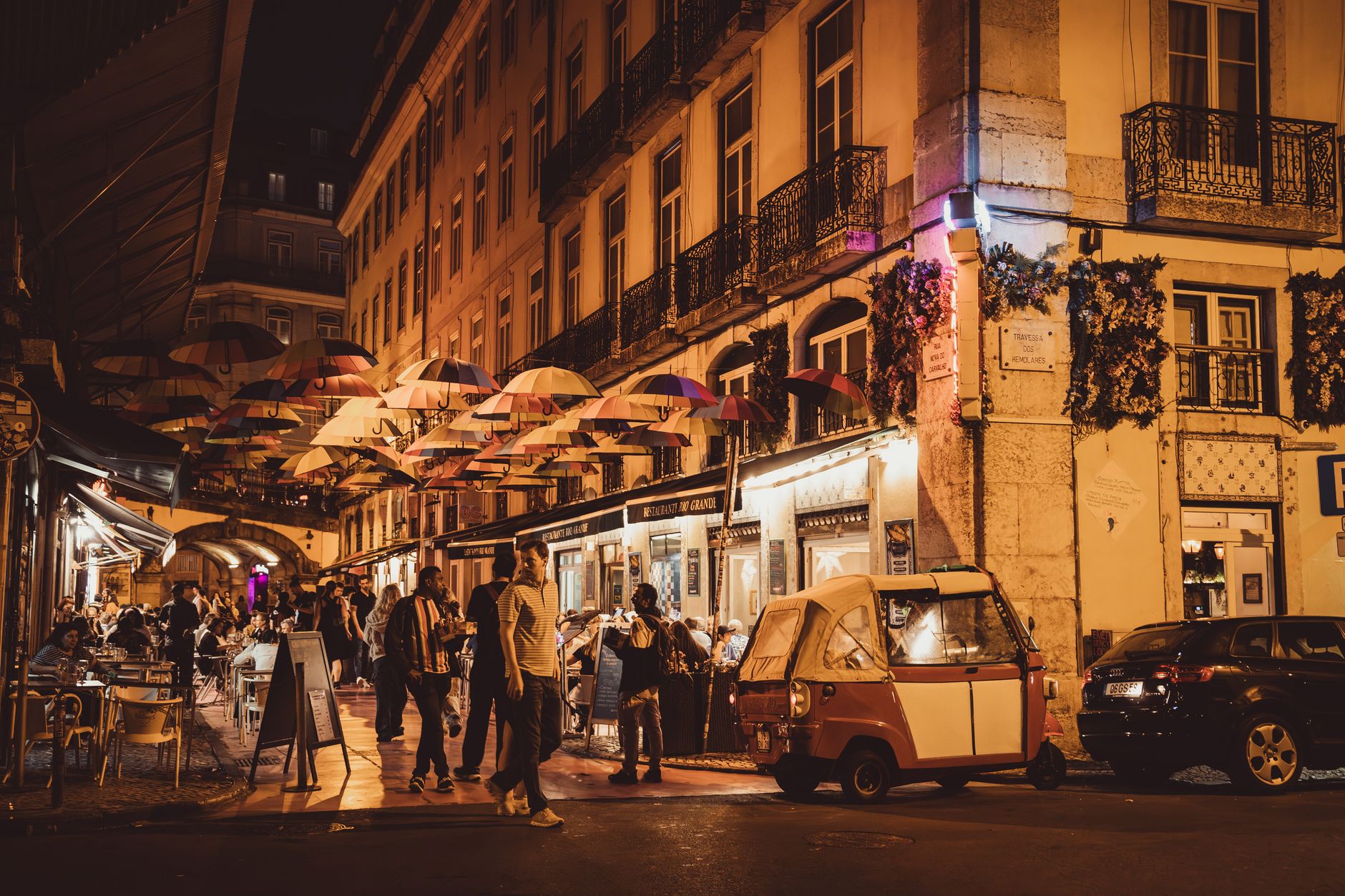
The classic Lisbon night does both: start in Bairro Alto at 10 PM for cheap drinks and a street bar-crawl, then walk downhill to Pink Street at 1 AM for clubs. The two neighbourhoods are 10 minutes apart on foot and the transition works perfectly — the energy of Bairro Alto winds down as Pink Street picks up.
What to Wear on Pink Street
Pink Street is more dressed-up than Bairro Alto. Not formal, but a clear step above the casual bar-crawl register. The distinction matters at the doors of Music Box and Lux Frágil, which both maintain standards.
- Clubs (Music Box, Lust in Rio, Lux Frágil): Smart casual minimum. Clean, contemporary trainers are generally fine. Athletic wear, beach clothes, flip-flops, or football shirts will get you turned away — the door staff are consistent about this on busy nights.
- Cocktail bars (Pensão Amor, Powder Room): Same general standard. Jeans and a nice shirt or top work for most people. Pensão Amor in particular sees a dressed-up Friday crowd.
- Cobblestones: Pink Street’s famous cobblestones are uneven. Heels are manageable but require attention. Comfortable smart shoes or flat boots are the practical call, especially if you’re planning a longer night.
Pink Street Photography
The pink cobblestones photograph well at multiple times of day, for different results:
- Daytime (10 AM–1 PM): Empty street, the full pink expanse visible without crowds. Best for architecture shots and the kind of travel photo that shows the street rather than the people in it. Sunday mornings are best.
- Sunset (7–8 PM): Golden light on the cobblestones, bars just opening, the street gradually filling. Most flattering photographically — the warm light and the pink complement each other well.
- Late night: Neon signs, motion blur from the crowd, the compressed energy of a busy night out. Requires a steady hand or higher ISO. More atmospheric than architecturally clear, which is fine.
Tripods and selfie sticks are fine outside peak hours. Inside the bars, ask before photographing other people — Pensão Amor in particular has a policy about photographs during the burlesque shows.
Safety on Pink Street
Pink Street is well-lit, busy, and has security at all the main clubs. The regeneration project significantly changed the neighbourhood’s safety profile — serious crime is rare. Standard city nightlife precautions apply:
- Pickpockets target crowded areas Thursday–Saturday. Keep your phone in a front pocket and don’t wave it around unnecessarily in large crowds.
- Drug dealers occasionally approach outside the busiest bars, typically offering hash. A firm “não, obrigado” (no, thank you) is usually enough. Don’t buy drugs from street dealers — the risks are obvious.
- Drink spiking is rare but has been reported, particularly in the clubs. The standard advice: don’t leave your drink unattended; if your drink tastes strange, stop drinking it immediately; tell a staff member.
- Lone women sometimes receive unwanted attention late at night near the clubs. The clubs’ security teams take complaints seriously — tell them directly if you feel unsafe inside a venue.
- Late-night transport: Uber and Bolt both work well from Cais do Sodré. Move to a main road rather than the street itself for pickup. A ride to most central areas costs €5–€10.
Where to Stay Near Pink Street
Cais do Sodré has a range of options at various price points. The most important note: streets near Pink Street are genuinely loud Thursday–Saturday until 4 AM. Front-facing rooms on Rua Nova do Carvalho or the immediate side streets are for heavy sleepers only.
- The Independente Suites & Terrace — midrange, sunset terrace, well-located for the neighbourhood
- The 7 Hotel — modern, central, good value for the location
- Sweet Dreams Cais do Sodré — small, design-forward, intimate
- Lisbon Destination Hostel (Rossio Station, 10-min walk) — social, party-friendly, strong common areas for meeting other travellers
Cais do Sodré in Daytime
Most visitors arrive after dark, but the neighbourhood has a distinct and underrated daytime character. If you’re staying nearby or passing through earlier in the day, here’s what’s worth knowing.
The Mercado da Ribeira — the traditional market in the historic 1930 building attached to the Time Out Market — operates mornings (roughly 7 AM–1 PM) with flower sellers, produce, and a proper fish counter that supplies many of Lisbon’s restaurants. The smells, the pace, and the vendors are a complete contrast to what the building becomes in the evening. Worth a 20-minute walk-through if you’re up early.
The Ribeira das Naus riverfront promenade extends east from Cais do Sodré to Praça do Comércio and west toward Alcântara — it’s one of the best walking or cycling stretches in Lisbon, wide, flat, and directly on the water. The quiosques don’t open until late afternoon but the walk itself is available from early morning. Sunrise on the Tagus from this stretch is excellent.
The side streets around the train station have good independent coffee shops and small boutiques that cater to the neighbourhood’s increasingly mixed population of locals, students, and young professionals who moved in after the regeneration. Comoba, just off the main square, is a reliably good spot for coffee and pastries in the morning.
The pink cobblestones in daylight, without the crowds, are also much more manageable to photograph than they are at midnight. Go at 10 AM on a Sunday morning and you’ll have the street nearly to yourself. The colour reads better in daylight anyway — at night the neon competes with it.
FAQ: Pink Street Lisbon
Why is it called Pink Street?
The cobblestones were painted pink in 2011–2013 as part of an urban regeneration project that transformed the former red-light district into Lisbon’s trendiest nightlife strip. The colour was a deliberate rebranding — defiant, obvious, and memorable enough that the street’s official name (Rua Nova do Carvalho) is now largely unused.
What’s the best bar on Pink Street?
Pensão Amor for atmosphere and history — it’s a former brothel that kept its decor. Music Box for the best club experience. Powder Room for craft cocktails in a quieter setting. Texas Bar for a cheap beer and authentic 1960s kitsch.
Is Pink Street safe?
Yes — well-trafficked, well-lit, active security at the clubs. Standard city nightlife precautions apply: keep your phone close, don’t leave drinks unattended, ignore the occasional hash dealer. Serious crime is rare.
What time does Pink Street get busy?
11 PM – 4 AM Thursday–Saturday. Friday and Saturday are peak. Sunday through Wednesday it’s much quieter — some bars are open but there’s no real atmosphere until Thursday.
Is there a cover charge at Pink Street bars?
Most bars are free entry. The clubs charge: Music Box €10–€15; Lust in Rio ~€10; Europa €5–€10. Lux Frágil (10 min away on the riverfront) is €15–€20 depending on the booking.
How do I get to Pink Street?
Metro green line to “Cais do Sodré” — Pink Street is 2 minutes on foot. Or walk 10 minutes from Praça do Comércio along the riverfront. Or 10 minutes downhill from Bairro Alto on Rua do Alecrim.
What’s the difference between Pink Street and Lux Frágil?
Pink Street is a street with multiple bars and smaller clubs — a bar-crawl night. Lux Frágil is a single world-class nightclub 10 minutes east on the riverfront, a destination in itself for serious clubbers, with bigger international bookings and a significantly better sound system. Most full Lisbon nights include both.
Is Pink Street more touristy or local?
Honestly, both — but skewed toward tourists on busy weekend nights, and toward locals earlier in the week and at Music Box/Lux Frágil. The bars closest to the metro exit (Pensão Amor, Texas Bar) see the most tourist traffic. B.Leza and the riverfront quiosques have more local regulars.
Bottom Line
Pink Street is Lisbon at its trendiest — a former red-light district turned one of Europe’s most photographed nightlife strips, with the bars and clubs to back up the aesthetic. Start at Pensão Amor for cocktails and atmosphere, move to Music Box or Lux Frágil for dancing, and stay until the light comes back. Photograph the cobblestones in daylight; experience them at midnight. The two versions of the street are completely different and both worth having.
Cais do Sodré is one district of a much bigger night. The nightlife pillar covers where else the city goes after dark, the bars guide gets specific about what to order and where, rooftops are the early-evening version of the same evening, and a fado house is the one thing on this list you should book before you arrive.