Lisbon Itinerary
5 Days in Lisbon: Extended Itinerary with Day Trips (2026)
The complete 5-day Lisbon itinerary including Sintra, Cascais, and full city exploration. Day-by-day plan with restaurants and tickets.

In this guide
- 5-Day Lisbon Itinerary at a Glance
- Day 1: The Historic Core
- Day 2: Belém
- Day 3: Sintra
- Day 4: Cascais and the Coast
- Day 5: Cultural Lisbon and Free Time
- Variations for Different Travelers
- Where to Stay for 5 Days
- Tickets and Transport Passes
- 5-Day Lisbon Budget
- Practical Notes
- FAQ: 5 Days in Lisbon
- The Best Neighborhoods to Explore Across 5 Days
- Where to Eat Across 5 Days
- Miradouros: The Best Viewpoints
- Bottom Line
5 days in Lisbon is the sweet spot. Less than three feels rushed — you spend most of your time zig-zagging rather than settling into the rhythm of a neighborhood. More than seven and you start wondering whether you should have gone to Porto for a few days. Five days lets you do the historic core properly, tick off Belém, take the train to Sintra and Cascais, eat at the restaurants you actually want to eat at, and still have a quiet final day to go back to the places that stuck.
Tighter on time? The four-night version drops the slack rather than the highlights — see our 4 days in Lisbon itinerary.
Five days is where the city and the hills stop competing. See our combined Lisbon and Sintra itinerary for how to sequence them so the Sintra day lands between two easier ones.
This is the 5-day Lisbon itinerary we share with friends visiting for the first time. Day-by-day, with honest timing, transport details, and enough practical information that you don’t have to open six other tabs. Updated for 2026.
5-Day Lisbon Itinerary at a Glance
| Day | Focus | Highlights |
|---|---|---|
| Day 1 | Historic Core | São Jorge Castle, Alfama, Chiado, Bairro Alto, fado |
| Day 2 | Belém | Jerónimos Monastery, pastéis, MAAT, Belém Tower |
| Day 3 | Sintra Day Trip | Pena Palace, Quinta da Regaleira, Sintra town |
| Day 4 | Cascais Day Trip | Old town, Boca do Inferno, seafood, coastal walk |
| Day 5 | Cultural Lisbon | Gulbenkian Museum, Príncipe Real, Tagus sunset |
Day 1: The Historic Core
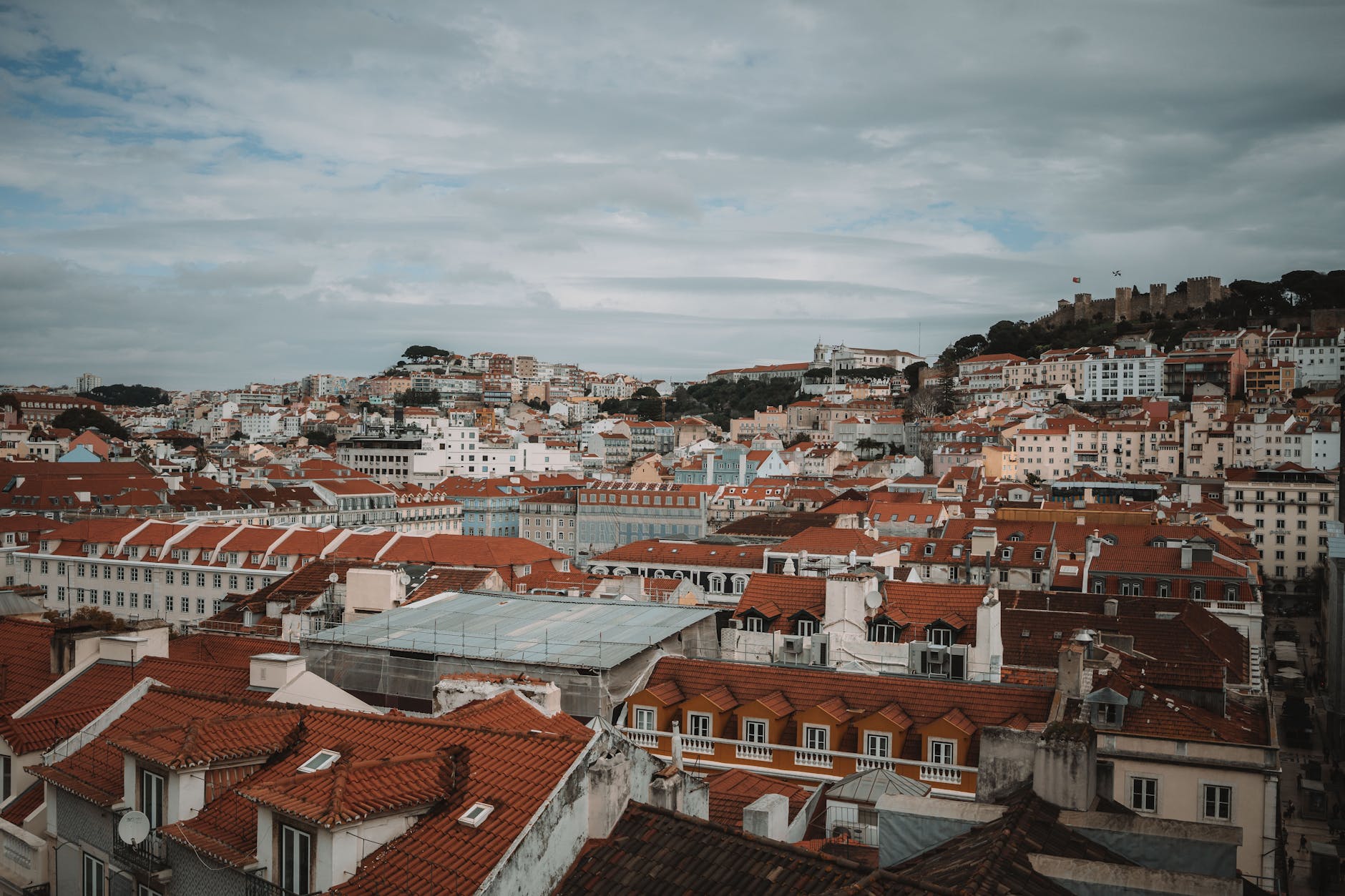
Start at São Jorge Castle at 9 AM. That’s not a recommendation so much as a rule: by 11 AM the coaches arrive and the experience changes. The castle itself is worth an hour — the views over the city and Tagus are the real payoff, not the medieval rooms. Pre-book tickets online to save queuing time.
Then walk down through Alfama rather than catching the 28 tram back up. Alfama on foot, working downhill from the castle past Portas do Sol and São Vicente de Fora, is one of the better urban walks in Europe. Cross into Mouraria district for a cheap lunch — the area around Intendente is good value and less touristed than Chiado.
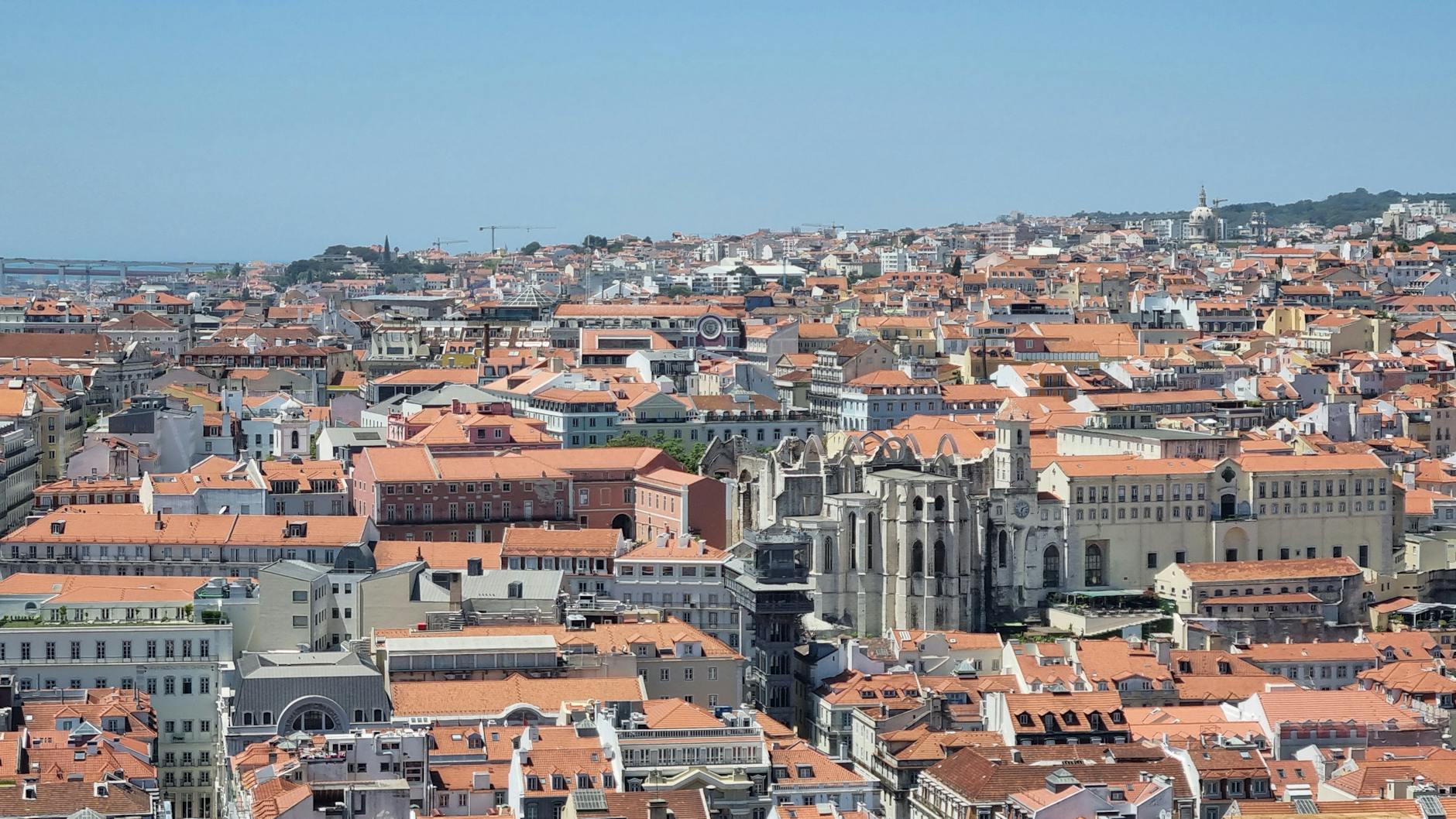
Afternoon in Chiado: Carmo Convent (the roofless Gothic nave with its natural history collection is stranger and more affecting than it sounds), A Brasileira café, and Livraria Bertrand — the world’s oldest operating bookshop, open since 1732. Late afternoon: walk up to Miradouro de Santa Catarina for sunset views over the river. Bairro Alto fills from 10 PM — essentially one large outdoor bar, wine shops spilling onto cobblestones.
For dinner, book a fado restaurant in Alfama if this is a priority. Mesa de Frades and Tasca do Chico are both excellent and genuinely small, so reservations are essential weeks ahead. See our São Jorge Castle, Alfama, and Bairro Alto & Chiado guides for deeper coverage.
Day 2: Belém
Belém is 15 minutes west of Cais do Sodré by tram 15E or Uber. It rewards an early start because both Jerónimos Monastery and Belém Tower queue significantly by midday in peak season.
Jerónimos Monastery needs 60–90 minutes. The Manueline stonework — carved into rope, coral, and armillary spheres — is the densest example of that style anywhere. Pre-book online. Immediately adjacent, Pastéis de Belém has been making the original pastel de nata since 1837. The pastry must be eaten warm, dusted with cinnamon, with a bica. The queue moves fast — 15 minutes maximum — and they’re better than every imitation in the city centre.
After lunch, choose: MAAT (contemporary art, strong program, good riverside café) or Belém Tower (15 minutes of interior, mostly worth it for the exterior and the river views). You can do both — they’re 10 minutes apart on foot. Return to Lisbon by early evening and eat at Time Out Market in Cais do Sodré. See our Jerónimos guide, Belém Tower guide, and MAAT guide for full details.
Day 3: Sintra
Train from Rossio at 8 AM (roughly 40 minutes to Sintra, trains every 20–30 minutes). From Sintra station, bus 434 loops to the main palaces. Pre-book Pena Palace tickets at parquesdesintra.pt — summer queues at the gate are substantial.
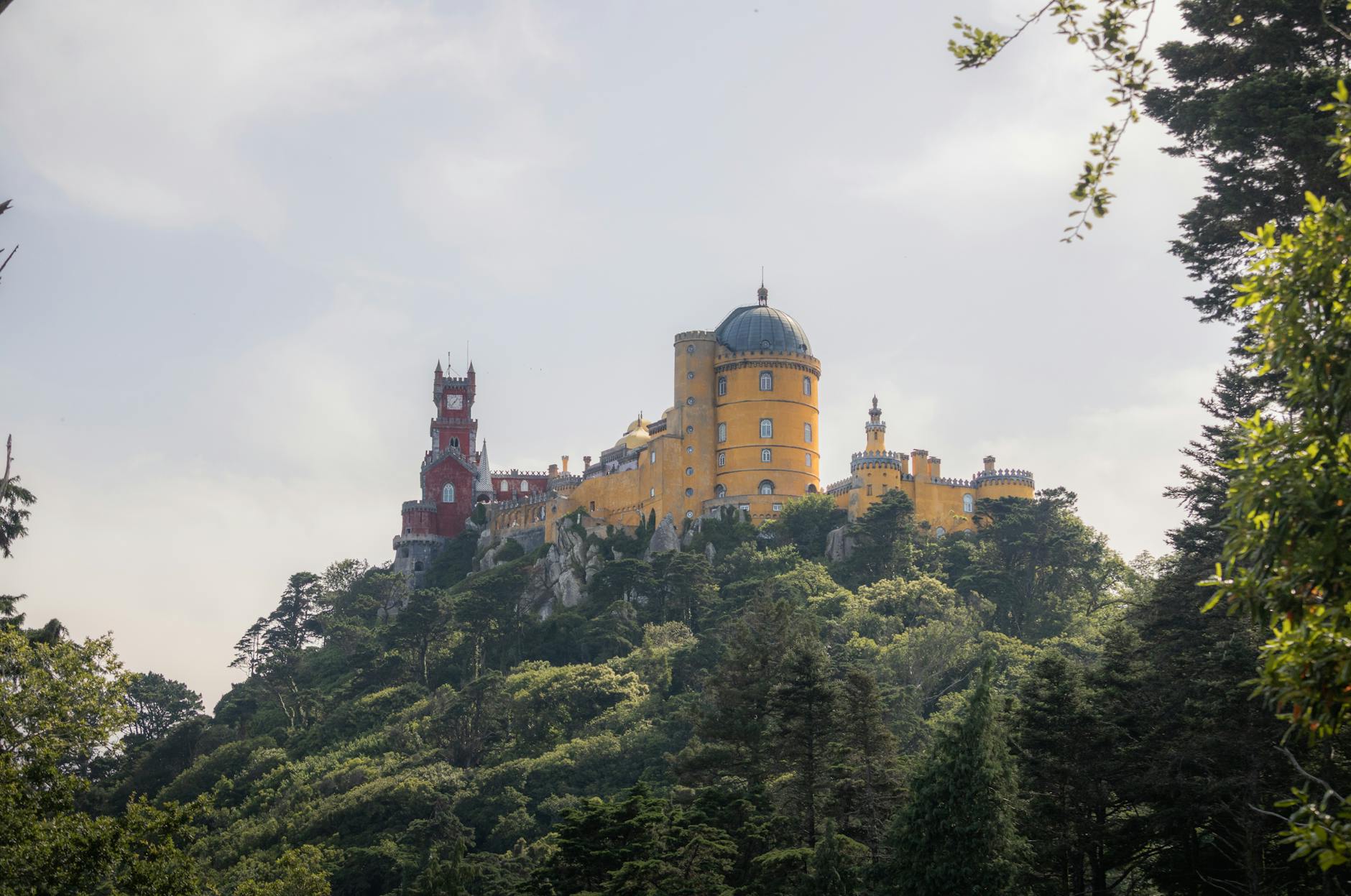
Pena Palace needs 60–90 minutes: the colourful 19th-century royal palace on the hilltop, part Romantic fantasy, part Portuguese nationalism. After Pena, walk down to Quinta da Regaleira (15-minute walk into town from the 434 route). The underground initiation well and labyrinthine gardens are genuinely strange — one of Portugal’s more unusual sites.
Lunch in Sintra town. Return to Lisbon by 6–7 PM. If you want a serious dinner tonight, this is the evening for Belcanto (two Michelin stars, book weeks ahead) or Cervejaria Ramiro (no bookings, queue managed from the door, the city’s best seafood restaurant). See our Sintra guide for the full breakdown.
Day 4: Cascais and the Coast
Cascais is 40 minutes by train from Cais do Sodré (trains run frequently, around €2–3 each way on a Navegante card). The line hugs the Tagus estuary then opens onto the Atlantic after Estoril — one of the better coastal train journeys in Portugal. Take the 9 AM train and you have a full day.
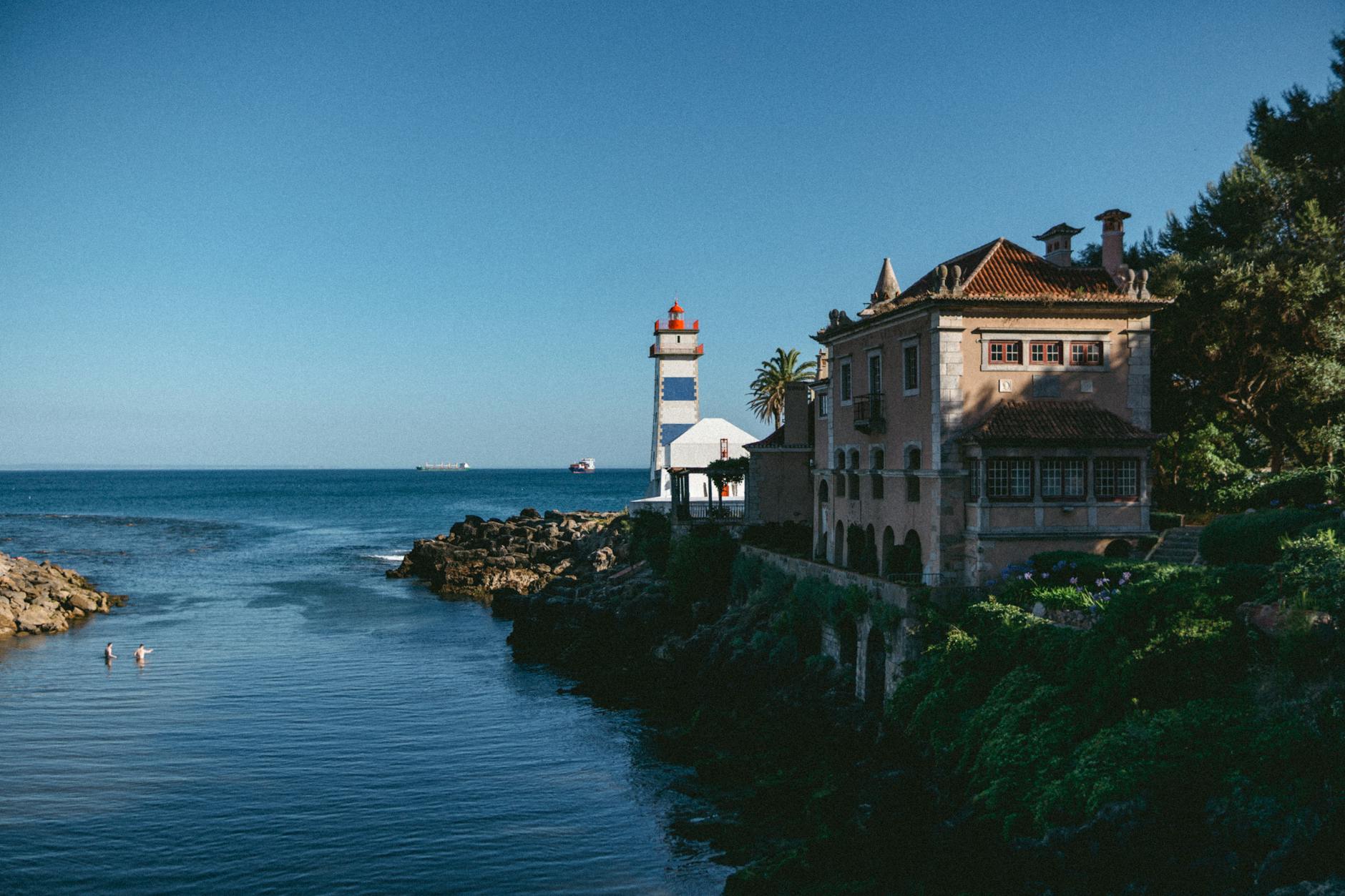
Walk from the station through the old town and down to the harbor. Boca do Inferno — a natural sea arch carved into the cliffs — is a 20-minute coastal walk west of town and the required detour. Dramatic when the Atlantic is running, merely scenic when it isn’t. Seafood lunch on the harbor, then: Praia da Rainha (the town beach), the Estoril boardwalk back toward Lisbon, or a taxi to Praia de Guincho (6 km north, wide Atlantic beach, considerably less crowded than the town beaches).
Return by 6 PM. Optional: Cabo da Roca side trip — the westernmost point of continental Europe, accessible from Cascais by bus 403. See our Cascais guide for transport, beach, and restaurant details.
Day 5: Cultural Lisbon and Free Time
The Calouste Gulbenkian Museum opens at 10 AM. Allow three hours. The permanent collection covers Egyptian antiquities through to Monet, Rembrandt, Lalique jewellery, and Islamic manuscripts — the personal acquisition of an Armenian oil magnate over 50 years. It’s consistently ranked one of Europe’s finest private collections, and the leafy garden and modernist building complex are part of the experience. See our full Gulbenkian Museum guide.
After Gulbenkian, walk south into Príncipe Real: independent shops, the Sunday antiques market, and some of Lisbon’s better coffee. Afternoon: riverside walk from Cais do Sodré toward Alcântara, or return to whatever neighborhood stuck with you earlier in the trip.
Evening options: a Tagus sunset cruise (roughly 90 minutes, multiple operators from Cais do Sodré — see our boat tours guide), or a rooftop bar in Bairro Alto or Chiado for the last sunset. Final dinner back in whatever neighborhood felt most right.
Variations for Different Travelers
For Foodies
Replace the cultural morning on Day 5 with a food market tour and cooking class. Add one Michelin-starred dinner across the five days. Time Out Market on Day 2 evening is good regardless. See our guide to Lisbon cooking classes and best restaurants guide.
For Beach Lovers
Swap Day 5 for a beach day at Costa da Caparica (south bank, 30 minutes by bus, wider beaches than anything near Cascais). Or extend Day 4 to include Praia de Guincho. The Atlantic beaches are better than the Tagus estuary beaches — plan accordingly if swimming is the priority.
For History Enthusiasts
Add the National Tile Museum and the Panteão Nacional to Day 5 — both in eastern Lisbon, combinable in a half day. Alternatively, replace Cascais with Évora: a UNESCO walled Roman city 1.5 hours by train.
For Couples
Mesa de Frades fado dinner on Day 1 (book weeks ahead — holds about 30 people). Tivoli Palácio de Seteais lunch in Sintra on Day 3. Sunset cruise on the Tagus on Day 4 or 5. Belcanto for the special dinner.
For Families with Kids
Replace Gulbenkian on Day 5 with the Lisbon Oceanarium in Parque das Nações — Europe’s best-reviewed aquarium, easily two to three hours with children. Add the Telecabine cable car and Pavilhão do Conhecimento science museum nearby. Cabo da Roca on Day 4 works well with older kids.
Where to Stay for 5 Days
One central base for all five days is the right call. Best areas: Baixa/Chiado (central, walkable to most of the itinerary); Avenida da Liberdade (smarter hotels, quieter than Chiado); Príncipe Real (boutique options, excellent restaurants within walking distance).
See our best hotels guide and where to stay pillar for neighbourhood-by-neighbourhood recommendations at every price point.
Tickets and Transport Passes
The Lisboa Card is worth it for the first three days. The 72-hour card (€54 adult) covers unlimited metro, trams, buses, and trains to Sintra and Cascais, plus free or discounted entry to most major attractions. Activate it on Day 1 morning and use through Day 3. For Days 4–5, individual Viva Viagem top-ups are cheaper. See our transport guide.
5-Day Lisbon Budget
| Item | Per person |
|---|---|
| 5 nights mid-range hotel | €600–€1,200 |
| Lisboa Card 72hr + day passes | €80 |
| Sintra + Cascais train | €20 |
| Sintra palaces | €40 |
| 5 dinners (mid-range) | €175–€275 |
| 5 lunches | €75–€125 |
| Coffee/snacks/drinks | €100–€150 |
| Misc transit/tips | €50 |
| Total per person | €1,140–€1,940 |
Budget travelers can compress this significantly with hostel accommodation, lunch menus (€12–€15 for two courses and wine), and the Lisboa Card covering most attractions. See our Lisbon on a budget guide and Lisbon trip cost guide.
Practical Notes
Getting Around
The metro covers most of the city efficiently. Trams are useful for Belém (15E from Cais do Sodré) and atmospheric in Alfama (28), though the 28 is a pickpocket hotspot — keep bags front-facing. Uber and Bolt are fast and cheap for longer cross-city trips. See our metro guide and trams guide.
Weather and Crowd Timing
June–August is peak season: warm (25–30°C), some sites crowded. April, May, September, October are better months — warm, fewer visitors, Sintra more atmospheric. Winter is fine for the city but day trips are weather-dependent. See our best time to visit guide.
Packing and Money
Good walking shoes — the hills are real and the cobblestones are unforgiving on flat soles. Cards accepted almost everywhere. See our packing list and money guide.
FAQ: 5 Days in Lisbon
Are 5 days in Lisbon enough?
Yes — 5 days is the sweet spot for a first visit. You get the historic core, both major day trips, the main cultural institution, and time to revisit what you liked most. Less than 3 days feels rushed; more than 7 starts requiring a second city.
Can I do Lisbon, Sintra, and Cascais in 5 days?
Easily. The standard 5-day plan dedicates Days 3 and 4 to each day trip, with Day 5 free for cultural visits and favourite-neighbourhood revisiting.
What’s the best order for the 5-day itinerary?
City first, then day trips, then the cultural free day. Starting with the historic core gives you geographic orientation before you head out of town. Saving Gulbenkian for Day 5 means you end at one of Europe’s best museums rather than a major palace — which is the right direction emotionally.
Is Lisbon worth 5 days?
Yes for first-time visitors. The pace allows for proper meals, slower walking, and the kind of accidental discoveries that make Lisbon memorable — a miradouro you stumbled on, a tasca that wasn’t in any guide.
How much does 5 days in Lisbon cost?
Mid-range budget: €1,140–€1,940 per person including accommodation. The big variable is hotels. Food, transport, and attractions are relatively affordable by Western European capital standards.
The Best Neighborhoods to Explore Across 5 Days
One of the pleasures of five days is that you can actually get to know individual neighborhoods rather than just passing through. Here’s how they stack up for a first visit.
Alfama
The oldest district in Lisbon, built by the Moors before the Christian reconquest in 1147. Its grid was designed for donkeys, not cars, which is why the streets are as narrow as they are and as steep as they are. The best approach is downhill from the castle in the morning, before the tourist flow reverses and starts pushing uphill. The miradouros — Santa Luzia, Portas do Sol — are worth five minutes each. The fado clubs that actually matter are here: this is where the music is native, not a performance put on for visitors. See our walk through Alfama for the walking route.
Chiado and Bairro Alto
Chiado is Lisbon’s most elegant shopping and café district, rebuilt after the 1988 fire by architect Álvaro Siza Vieira. The streets are wider, the buildings more uniform, the pastry shops slightly better. Bairro Alto, directly above it, is the opposite: narrow, slightly scruffy, and almost entirely occupied by bars and restaurants after dark. The two are five minutes apart on foot and function as a single evening itinerary. See our Bairro Alto & Chiado guide.
Baixa and Rossio
The Pombaline downtown, rebuilt on a grid after the 1755 earthquake and tsunami. Rossio Square is the centre of public life — coffee, pigeons, shoe-shiners, and the 24-hour rhythm that makes it worth sitting at one of the café terraces for twenty minutes even if you have somewhere to be. Baixa Pombalina, the pedestrianized streets between Rossio and the Tagus, is touristy by day and emptier at night, but the architecture is coherent and the proximity to Cais do Sodré makes it a good transit hub for evenings. See our Baixa & Rossio guide.
Belém
A separate district 6 km west of the centre, built around Portugal’s Age of Discovery monuments. The concentration of UNESCO heritage in a relatively small area — Jerónimos, Belém Tower, the Discoveries Monument — makes it feel slightly like an open-air museum, which it essentially is. Pastéis de Belém and MAAT add the food and contemporary culture counterweights. The river esplanade is one of the better Tagus waterfront walks. See our Belém guide.
LX Factory and Alcântara
If you have a free afternoon, LX Factory — a converted 19th-century industrial complex under the 25 de Abril Bridge — is worth 90 minutes. The Sunday market is the best version, but the restaurants and independent shops are open daily. The Sunday flea market (Feira da Ladra) in Santa Apolónia is the other option. See our LX Factory guide and Feira da Ladra guide.
Where to Eat Across 5 Days
You don’t need a restaurant strategy for five days in Lisbon. The city has enough good food at every price point that accidental lunches tend to be fine. That said, a few anchors are worth booking.
- Time Out Market (Cais do Sodré): High-quality versions of every Portuguese classic. No reservations. Great for Day 2 return from Belém.
- Cervejaria Ramiro (Intendente): The best seafood restaurant in the city. No bookings — queue managed from the door, typically 30–60 minutes at peak times. Order percebes, amêijoas, and a bica imperial.
- A Cevicheria (Príncipe Real): Chef Kiko Martins’ ceviche bar. Portuguese ingredients, Peruvian technique. Book ahead. See our best restaurants guide for the full list.
- Tasca lunch menus: The best-value meal in Lisbon is still a two-course tasca lunch with wine for €12–15. Look for chalkboard menus in Alfama, Mouraria, and Intendente. See our best tascas guide.
- Pastel de nata: Pastéis de Belém for the original. For a central option, Manteigaria on Rua do Loreto in Chiado is the best in the centre.
For the complete food picture, see our Lisbon food guide and traditional Portuguese food guide.
Miradouros: The Best Viewpoints
Lisbon’s miradouros are one of its defining features — hilltop terraces with sweeping city-and-river views, most of them equipped with a kiosco selling cheap beer and espresso. They’re free, they’re usually uncrowded in the morning, and they reward lingering. The five worth finding across your stay:
- Miradouro da Graça — best overall city and castle view, less crowded than Santa Luzia
- Miradouro de Santa Catarina — Bairro Alto, good river views, lively in the evening
- Miradouro da Senhora do Monte — highest in the city, best panorama
- Portas do Sol — Alfama, morning light is excellent
- Miradouro de São Pedro de Alcântara — Bairro Alto, castle view, kiosco always busy
See our miradouros guide for details on each and how to reach them without getting lost in the hills.
Bottom Line
5 days in Lisbon: Day 1 historic core. Day 2 Belém. Day 3 Sintra. Day 4 Cascais. Day 5 Gulbenkian and favourites. Use a 72-hour Lisboa Card for Days 1–3, individual Viva Viagem cards for Days 4–5. Pre-book Pena Palace, Jerónimos, and any Michelin-starred dinners. You’ll leave understanding why so many visitors return.
Five days is the point where day trips stop competing with the city and start complementing it. The itinerary pillar explains that threshold, and the one-day, two-day and three-day plans show what has to be sacrificed below it.