Lisbon Travel Guide
Best Time to Visit Lisbon: When to Go and Why (2026)
Discover the best time to visit Lisbon with our month-by-month breakdown of weather, events, crowds, and prices to help you plan the perfect trip.
In this guide
- The Short Answer: When Is the Best Time to Visit Lisbon?
- Lisbon’s Climate at a Glance
- Lisbon Month by Month
- Best Time to Visit Lisbon for Specific Travellers
- What Each Season Costs
- Worst Time to Visit Lisbon (For Most People)
- Practical Tips for Picking Your Window
- Is Lisbon Safe Year-Round?
- FAQ: Best Time to Visit Lisbon
- Bottom Line
The best time to visit Lisbon isn’t a single answer — it depends entirely on what kind of trip you want. The city has a genuine season for every traveller: scorching beach summers, festival-packed Junes, shoulder months with near-perfect weather and emptier streets, and mild winters when the locals reclaim their own city. The calendar matters. Pick the wrong window and you’ll queue 90 minutes for a pastel de nata in 34°C heat; pick the right one and Lisbon will feel like it belongs to you.
If your dates are fixed by school holidays, read our Lisbon in July guide before you plan a single walking day.
For atmosphere rather than calm, our Lisbon in June guide makes the case for the festival month.
If one month had to be chosen, it would be this one — our Lisbon in May guide sets out the weather, the crowds and the single caveat.
The beach season runs June to September, but May and October are the sweet spot — the water is no colder and the crowds are gone. Our guide to the beaches near Lisbon has the month-by-month picture.
For the best balance of weather, daylight and crowd levels, Lisbon in April is close to the top of the calendar — warmer than March, cheaper than May, and home to the most interesting single day in the Portuguese year.
If you want close to spring weather at close to winter prices, Lisbon in March — particularly the second half of the month — is the strongest value in the calendar.
For value hunters the sweet spot is Lisbon in February: roughly half the summer room rate, no queues at Jerónimos, and the best walking light of the year — in exchange for two or three genuinely wet days a week.
If you would rather plan around an event than around the weather, our Lisbon festivals and events calendar runs month by month — Santos Populares in June is the one that changes prices as well as plans.
January is the floor of the calendar in every sense — cheapest, quietest, coldest. Our Lisbon in January guide makes the case for it and is equally clear about who should book a different month.
October is the month that trades guaranteed sunshine for low prices and thin crowds. Our Lisbon in October guide has the real rainfall figures and says plainly who the month suits.
If you want the raw numbers rather than a recommendation, our Lisbon weather month by month page sets out the official temperature, rainfall, sunshine and sea-temperature normals for all twelve months.
This guide covers every month of the year — weather averages, what’s happening in the city, what you’ll pay, crowd levels, and who each window suits best.
The Short Answer: When Is the Best Time to Visit Lisbon?
For most travellers, late March to mid-May and mid-September to late October are the sweet spots. These shoulder windows pair warm, sunny weather (highs typically 18–26°C / 64–79°F) with manageable crowds and hotel rates well below the July–August peak. You’ll still get terrace weather, Lisbon’s signature golden light, and enough warmth for day trips to Sintra and Cascais — without the summer circus.
That said, the “best” month genuinely depends on what you want. Beach lovers will prefer June or September. Festival fans should aim for June (Santo António). Budget travellers should target January, February, or November. Christmas market lovers will want early-to-mid December. The details follow.
Lisbon’s Climate at a Glance
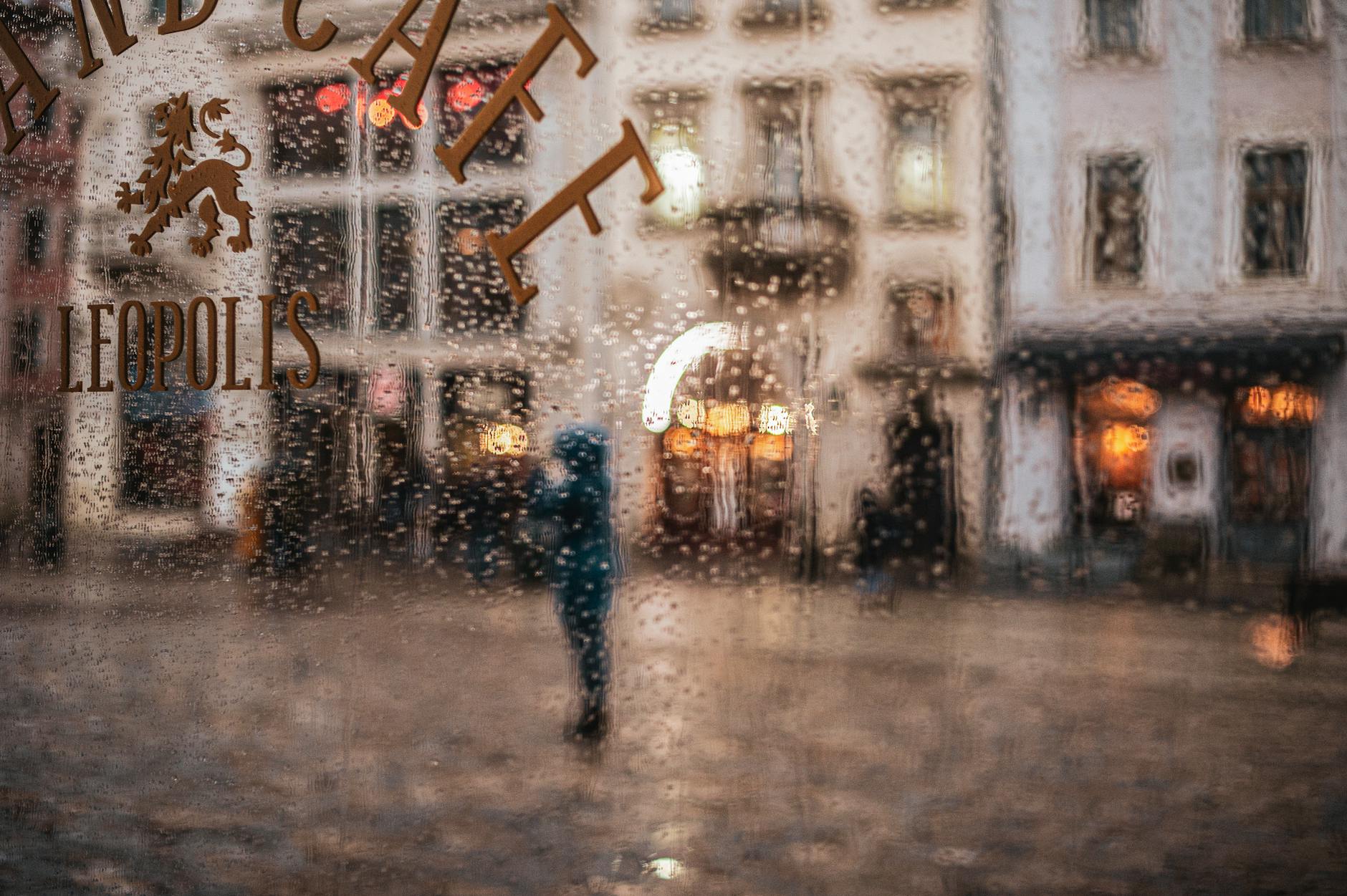
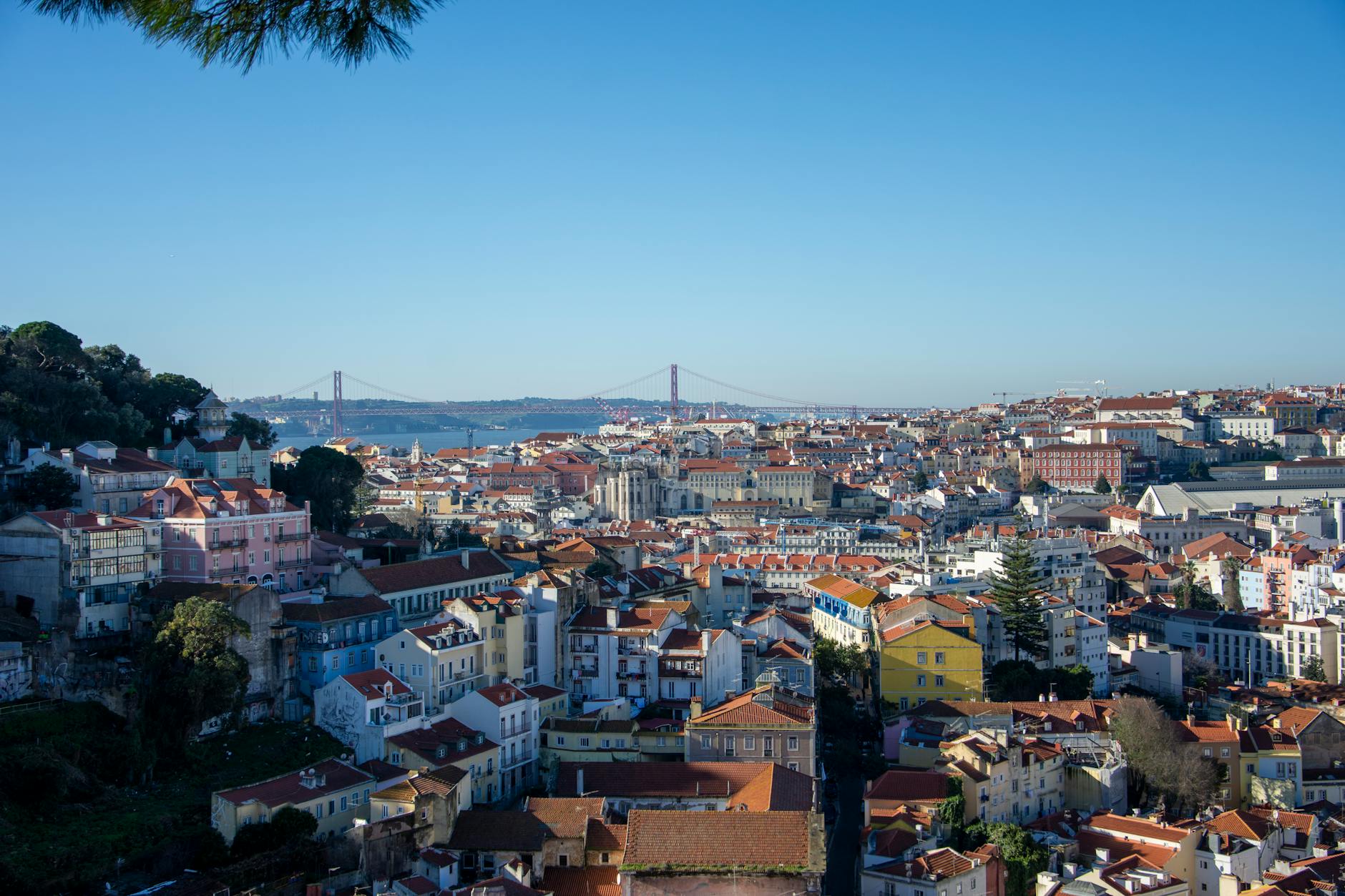
Lisbon has a Mediterranean climate softened by Atlantic breezes — mild winters, warm-to-hot summers, and roughly 300 sunny days per year. The city gets about 810 mm (32 inches) of rain annually, almost all of it falling between October and April. From late June through early September it’s not unusual to see weeks of unbroken blue sky, while November and December deliver most of the year’s rainfall in concentrated bursts.
Three things make Lisbon’s weather distinctive among European capitals. First, even in the depths of winter, daytime highs rarely drop below 13°C (55°F) — sightseeing in a sweater is completely comfortable. Second, the Atlantic keeps summer evenings cooler than Madrid or Seville; a light jacket is welcome after sunset even in August. Third, Lisbon’s hills create micro-climates: Bairro Alto and Graça can run 2–3°C cooler and breezier than Baixa or Cais do Sodré.
Quick Climate Reference Table
| Month | Avg High | Avg Low | Rainy Days | Sea Temp | Crowd Level |
|---|---|---|---|---|---|
| January | 15°C / 59°F | 8°C / 46°F | 11 | 15°C / 59°F | Low |
| February | 16°C / 61°F | 9°C / 48°F | 9 | 15°C / 59°F | Low |
| March | 18°C / 64°F | 10°C / 50°F | 7 | 15°C / 59°F | Medium |
| April | 20°C / 68°F | 12°C / 54°F | 7 | 16°C / 61°F | Medium |
| May | 22°C / 72°F | 14°C / 57°F | 4 | 17°C / 63°F | Medium-High |
| June | 26°C / 79°F | 17°C / 63°F | 2 | 18°C / 64°F | High |
| July | 28°C / 82°F | 18°C / 64°F | 1 | 19°C / 66°F | Very High |
| August | 29°C / 84°F | 19°C / 66°F | 1 | 20°C / 68°F | Very High |
| September | 27°C / 81°F | 17°C / 63°F | 3 | 20°C / 68°F | High |
| October | 22°C / 72°F | 14°C / 57°F | 8 | 19°C / 66°F | Medium |
| November | 17°C / 63°F | 11°C / 52°F | 10 | 17°C / 63°F | Low-Medium |
| December | 15°C / 59°F | 9°C / 48°F | 11 | 16°C / 61°F | Medium (holidays) |
Lisbon Month by Month
January in Lisbon: Quiet, Cheap, Surprisingly Pleasant
January is Lisbon’s quietest month — and that’s precisely its appeal. Tourist numbers drop to roughly a third of August’s volumes, hotel rates fall 50–70% compared with peak summer, and you can walk into Alfama or book a table at a famous tasca without planning two weeks out. Daytime highs of 15°C (59°F) and crisp, often sunny afternoons make sightseeing very comfortable. Lisbon averages around 5 hours of daily sunshine even in January.
The trade-off is rain: about 11 wet days in the month, average precipitation of 95 mm. Pack a packable rain jacket and waterproof shoes. Evenings are chilly (8°C / 46°F); a proper jacket and a layer underneath are both worthwhile. The Tagus winds bite on the waterfront after sunset.
Best for: Budget travellers, museum lovers (no queues at MAAT or the Gulbenkian), digital nomads on long stays, anyone who hates crowds.
Don’t miss: The post-Christmas Wonderland Lisboa winter market (running until January 5), seasonal Bolo-Rei (king cake) at Confeitaria Nacional, and the rare chance to photograph empty stretches of Alfama at golden hour.
February in Lisbon: The Underrated Month
February is arguably Lisbon’s most underrated month. Temperatures begin to climb (highs of 16°C / 61°F), almond and mimosa trees bloom across the city, and you’ll often catch stretches of perfectly clear, jacket-weather days. Rainfall eases compared to January, and by late February the first café terraces reopen along Príncipe Real and Cais do Sodré.
Carnival (Carnaval) usually falls in February or early March — parades in Lisbon and a much bigger celebration in nearby Torres Vedras and Sesimbra, both easy day trips. Hotel rates stay low except during Lisbon’s annual fashion week, which can briefly tighten availability.
Best for: Budget travellers who want better weather than January, photographers chasing soft winter light, and anyone planning a long trip that includes day trips to Sintra — at its quietest all year.
March in Lisbon: Spring Awakens
March is when the city visibly shifts gears. Jacarandas haven’t bloomed yet, but cherry blossoms appear in parks, daytime highs climb into the high teens (18°C / 64°F), and daylight stretches past 7 PM by month’s end. Rainfall drops to about 7 days and long runs of T-shirt afternoons become common, interrupted by the occasional Atlantic shower.
Late March is when tourism restarts in earnest — boat trips on the Tagus resume, rooftop bars open their terraces, and Sintra’s gardens begin to look properly lush. Daylight Saving Time begins on the last Sunday of March, gifting you long golden evenings overnight.
Best for: Travellers who want spring weather without spring prices, cyclists and runners, anyone planning a Lisbon-and-Sintra combo. Watch for: Easter (Páscoa) can fall in late March or April; if it does, expect higher hotel rates and busier attractions for that week.
April in Lisbon: Postcard Perfect
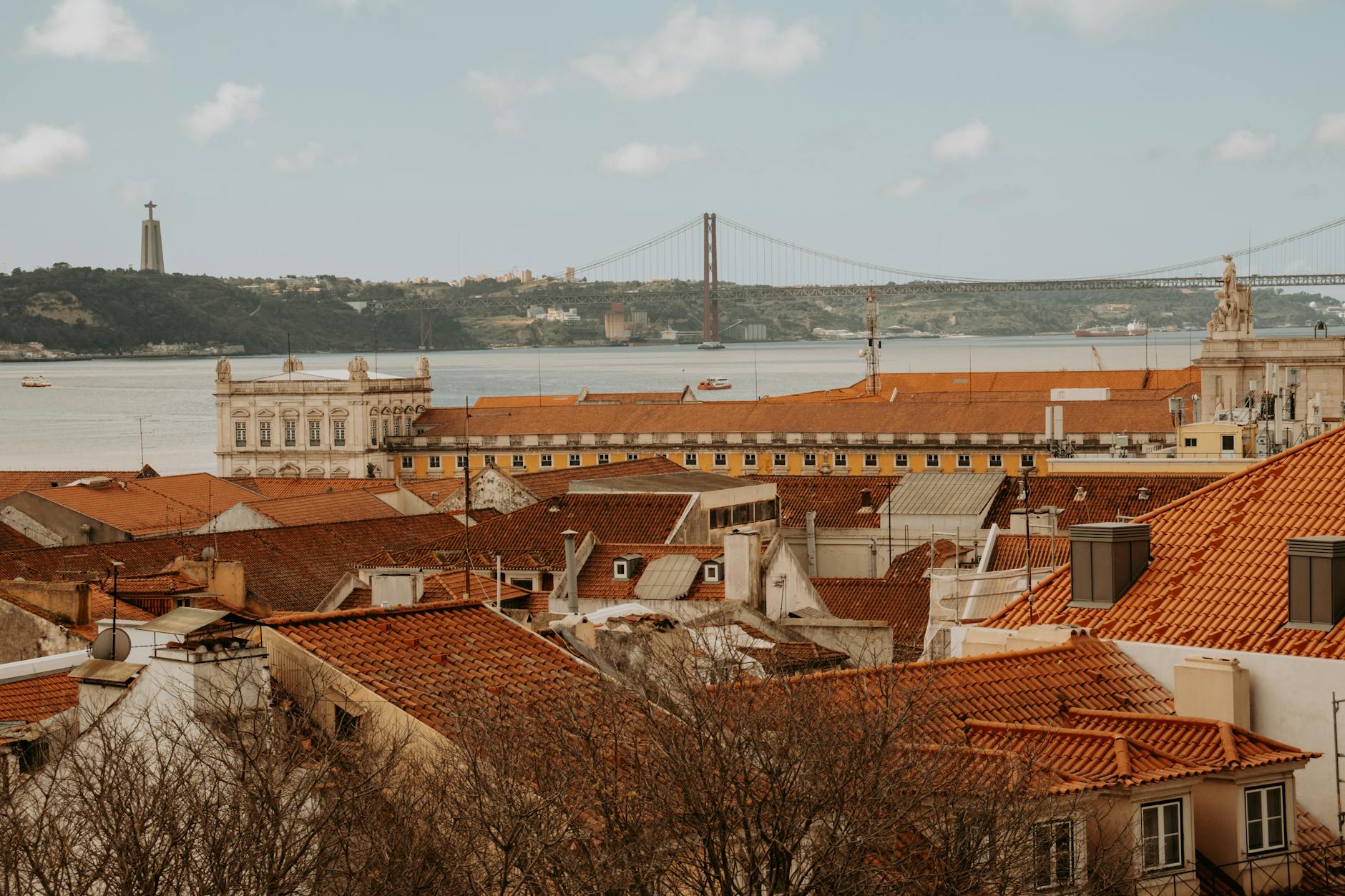
April is when Lisbon shows off. Average highs of 20°C (68°F), comfortable lows of 12°C (54°F), and one of the lowest rainfall counts of the year (about 7 wet days) make this a near-ideal time to visit. Outdoor restaurants are fully open, the miradouros are sun-soaked but not yet packed, and the Tagus glints under clear skies.
April 25 is Freedom Day (Dia da Liberdade), commemorating the 1974 Carnation Revolution that ended the dictatorship. Public holiday, free entry to many monuments, and a celebratory atmosphere along Avenida da Liberdade. Easter can also concentrate Portuguese family travel into Lisbon.
Best for: First-time visitors, couples, photographers, and anyone combining Lisbon with the Algarve.
May in Lisbon: The Sweet Spot
If forced to pick one month, May wins. Highs of 22°C (72°F), only about 4 rainy days, and an average of 10 daily sunshine hours — what locals call “the kindest weather of the year.” The jacarandas — Lisbon’s lavender-purple trees — typically bloom from mid-May into early June, painting Avenida Dom Carlos I and Largo do Carmo in violet.
Hotel rates rise meaningfully compared to April, and cruise ships start docking in greater numbers, but the city is still genuinely walkable and queues at major attractions remain reasonable. May 1 is Workers’ Day (a public holiday with most non-tourist shops closed).
Best for: Travellers who want peak weather without peak prices, garden lovers, and beach-combo trips — the Atlantic runs cool at 17°C / 63°F but air temperatures are ideal for Cascais and Costa da Caparica.
June in Lisbon: Festival Season Hits
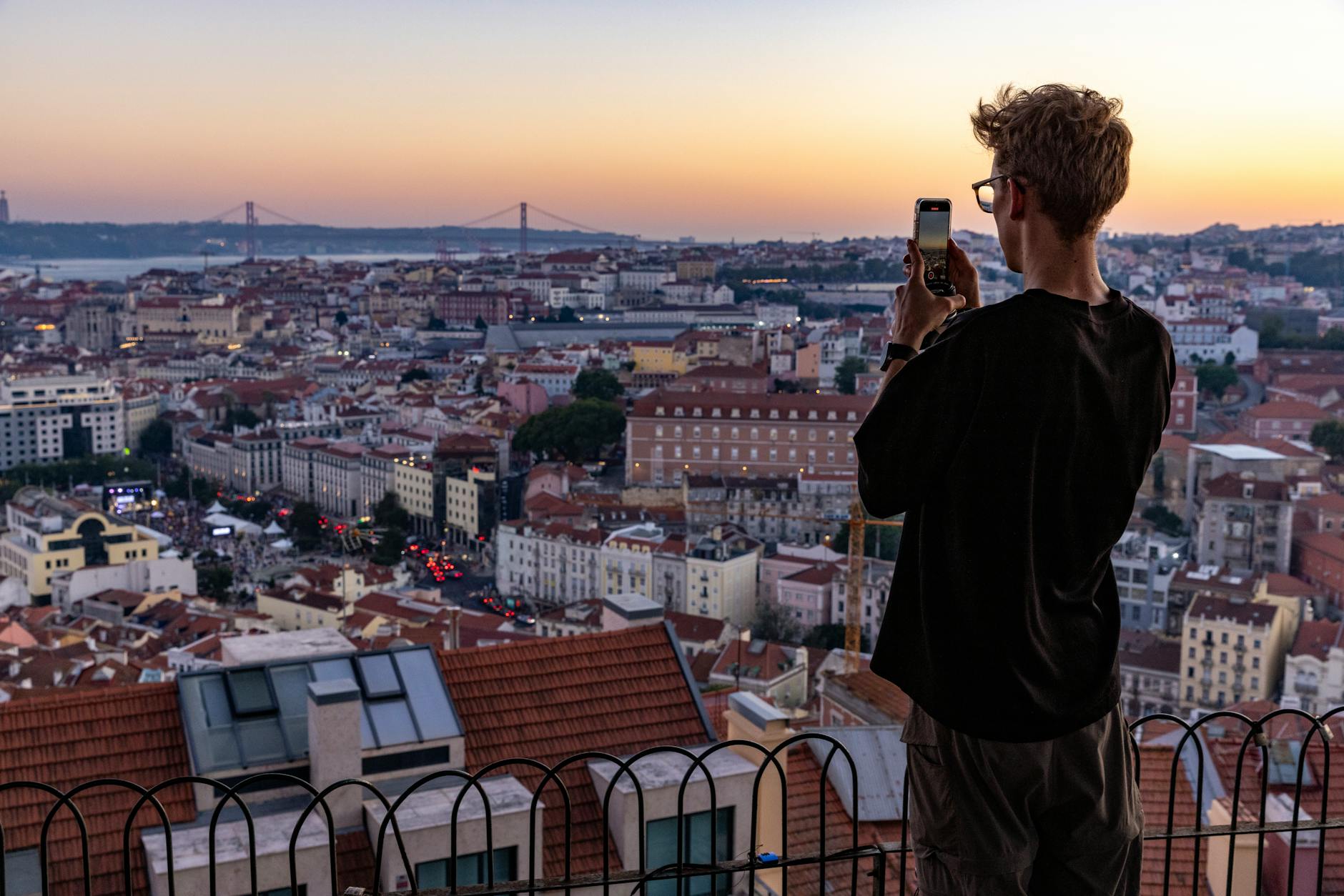
June is when Lisbon stops being a city and starts being a party. The Festas de Lisboa run from late May through the end of June, but the heart of the celebrations is the Santo António Festival from June 3 to 15, 2026, peaking on the night of June 12 and the day of June 13 (Lisbon’s municipal holiday). Alfama, Mouraria, Graça, Bica, and Bairro Alto fill with grilled-sardine smoke, paper streamers, beer kiosks, and Pimba pop from every corner.
The Marchas Populares parade — vast choreographed processions of neighbourhood groups in costume — takes over Avenida da Liberdade from around 9 PM on June 12. Lisbon City Hall hosts the famous Casamentos de Santo António mass weddings on the same date. Hotels around the festival peak (June 12–13) book out months ahead and charge premium rates — expect 100–200% markups on those nights versus a regular June weekend. If you’re only coming for a few nights, our Lisbon weekend break guide covers which months suit a short trip best.
Best for: Festival-chasers, food lovers (sardines are cheaper and better than ever), and travellers willing to pay for one of Europe’s most authentic urban celebrations.
July in Lisbon: Hot, Crowded, Long
July is high season. Highs of 28°C (82°F), warm nights at 18°C (64°F), essentially no rain (1 day average). The trade-offs are real: hotel rates run 60–100% above April, the Tram 28 boarding line stretches around the block at Martim Moniz, and the most-visited viewpoints at sunset can be uncomfortably packed.
NOS Alive at Passeio Marítimo de Algés (early July) and Super Bock Super Rock (mid-July) bring international acts and tens of thousands of festival-goers — spectacular events but they tighten hotel availability for those weekends. Beaches at Cascais, Estoril, and Costa da Caparica fill up; arrive before 11 AM or go late afternoon when crowds thin and the light turns golden.
Best for: Beach travellers, families tied to school holidays, anyone who wants full “summer Lisbon” and doesn’t mind paying for it.
August in Lisbon: The Hot Paradox
August is Lisbon’s hottest month (29°C / 84°F average highs, with 35°C+ heatwaves now common), but it’s also when many locals leave for the Algarve or the Azores. The result is a strange dual rhythm: tourist zones (Baixa, Belém, Alfama) are jam-packed while local neighbourhoods like Campo de Ourique or Penha de França feel almost sleepy. Some beloved smaller restaurants close for two-to-three-week summer holidays — always check before you go.
Plan sightseeing for early morning (before 11 AM) and late afternoon. Reserve middays for shaded gardens (Estufa Fria, Gulbenkian Park), air-conditioned museums (Berardo, Gulbenkian), or the beach.
Best for: Beach lovers, families on fixed school holidays. Avoid if: you hate heat or crowds.
September in Lisbon: The Insider’s Choice
September is the month locals quietly recommend over July or August. Highs cool to a comfortable 27°C (81°F), rain is still rare (about 3 wet days), and the sea reaches its warmest of the year (20°C / 68°F). Crowds thin noticeably from the second week as European school holidays end, and hotel prices start dropping 20–30% below August.
The food experiences in September are among the year’s best: vindima (grape harvest) season means restaurants feature seasonal wine menus, and rooftop bars are still in full swing without the August crush. Sardinhas season runs through early September — late sardines, but still excellent.
Best for: Couples, food and wine travellers, beach lovers who want warm sea without summer crowds, anyone planning a Lisbon-Sintra-Algarve loop.
October in Lisbon: Golden Light, Empty Streets
October is when Lisbon’s famous golden afternoon light becomes truly spectacular — every photo looks unreasonably good. Temperatures cool further (highs of 22°C / 72°F), the first proper rainfall returns (about 8 wet days), and crowds drop dramatically after the first week. By mid-October, you can walk into top restaurants on a Saturday night without a reservation.
Lisbon’s cultural season restarts in earnest: new exhibitions open at MAAT, the Berardo, and the Gulbenkian; theatres launch their autumn programmes. Web Summit (early-to-mid November, but logistics planning peaks in October) can impact hotel rates if you’re travelling around the conference.
Best for: Photographers, couples, culture travellers, and anyone who wants the sweet spot of warm-but-not-hot weather and shoulder-season prices.
November in Lisbon: Rainy, Quiet, Cheap
November is Lisbon’s wettest month — about 84 mm of rainfall over 10–12 wet days — which is why it’s also one of the cheapest. Highs of 17°C (63°F) keep things mild, and you’ll get many bright, crystal-clear days between the rainy stretches. The city feels lived-in rather than visited. Fado houses fill with locals as well as tourists. Chestnut roasters appear on every corner from St. Martin’s Day (November 11) onward.
Web Summit, one of Europe’s largest tech conferences, takes over the Parque das Nações in early-to-mid November and tightens hotel availability citywide — book early or travel after it ends.
Best for: Cosy-trip travellers, fado lovers, foodies, and budget-conscious visitors who don’t mind carrying an umbrella.
December in Lisbon: Lights, Markets, Reflections
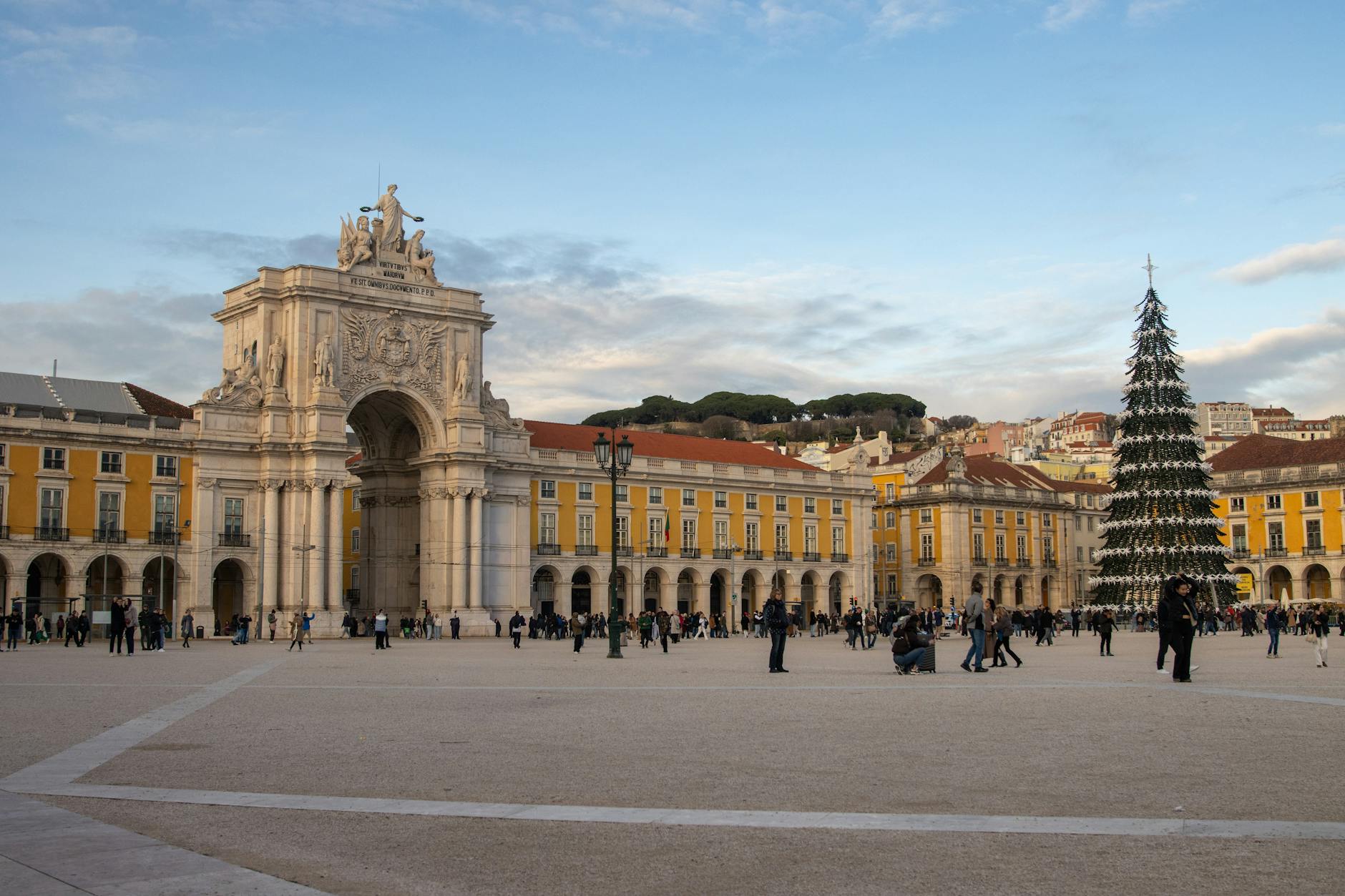
December has two distinct halves. The first three weeks are festive but uncrowded: Wonderland Lisboa opens at Eduardo VII Park (ice rink and Ferris wheel running until early January), the Rossio Christmas Market fills the central square with chalets, and Avenida da Liberdade and Chiado are strung with lights from late November.
Christmas through New Year’s Eve is its own thing entirely. Hotels charge 30–80% premiums for the New Year’s window, the Praça do Comércio fireworks show draws hundreds of thousands of spectators, and waterfront view rooms sell out months ahead. Christmas Day itself is quiet — most restaurants close, but hotel restaurants offer Christmas brunches typically priced around €70–€110 per person.
Weather is mild by European standards (15°C / 59°F daytime), but evenings get chilly (9°C / 48°F) and December is one of Lisbon’s wettest months with around 11 rainy days. Pack layers and an umbrella.
Best for: Christmas-market lovers, New Year’s travellers (book early), and anyone escaping a colder northern European winter.
Best Time to Visit Lisbon for Specific Travellers
For First-Time Visitors
Aim for late April through May or mid-September through mid-October. Warm sunny days, cool nights perfect for outdoor dining, queues at major attractions that are actually manageable, and prices well below summer peaks. Both windows work well for day trips to Sintra and Cascais without battling beach crowds.
For Beach Lovers
Mid-June through mid-September is your window. Sea temperatures climb from 18°C in June to 20°C in September. The Atlantic at Costa da Caparica is genuinely refreshing rather than bone-cold. June and September are the smartest picks — warm enough to swim, cool enough to walk the city without overheating.
For Budget Travellers
Target January, February, or November. Hotel rates can be 50–70% below summer peaks, flights from major European hubs drop to as little as €40–€80 round-trip on budget carriers, and smaller guesthouses often offer free upgrades. See the companion article on Lisbon on a budget for more strategies.
For Festival and Music Fans
June for Santo António and the Festas de Lisboa, early July for NOS Alive, and mid-November for Web Summit and the Lisbon Jazz festival. Book hotels months ahead for any of these.
For Food and Wine Travellers
September and October are unbeatable. The harvest is in, restaurants feature autumn menus, sardines are at their best in early September, and crowds are low enough to actually get tables at famous spots like Cervejaria Ramiro or Taberna da Rua das Flores.
For Photography
Late April, May, October, and early November deliver Lisbon’s famous golden light with mostly clear skies. Sunsets in October over the Tagus from Miradouro de Santa Catarina are arguably the best 15 minutes of light anywhere in Europe.
For Avoiding Crowds
Mid-January through mid-March and mid-October through November (excluding Web Summit week). Tram 28 has empty seats, you can walk into Pastéis de Belém without queuing, and Sintra’s palaces feel almost private.
What Each Season Costs
Here’s how timing affects your wallet — average mid-range hotel rates and round-trip flights from major hubs:
| Season | Mid-range hotel (per night) | Flight London→Lisbon (RT) | Pastel de nata at Manteigaria |
|---|---|---|---|
| January–February | €80–€140 | €60–€120 | €1.30 |
| March–April | €120–€200 | €90–€160 | €1.30 |
| May | €160–€260 | €130–€220 | €1.30 |
| June (festivals) | €220–€380 | €160–€280 | €1.30 |
| July–August | €240–€420 | €180–€320 | €1.30 |
| September | €180–€280 | €140–€240 | €1.30 |
| October–November | €110–€190 | €80–€160 | €1.30 |
| December (NYE week) | €220–€450 | €180–€320 | €1.30 |
(Pastéis de nata, blessedly, are priced the same in every season.)
Worst Time to Visit Lisbon (For Most People)
If we had to identify the trickiest windows:
Mid-July through mid-August: Heatwaves now regularly push temperatures into the mid-30s°C / 95°F+, hotel rates peak, and queues at major sights reach their longest. The same weather is more pleasant in June or September.
December 28 through January 2: Hotel rates spike, restaurants book out weeks ahead, and the Praça do Comércio New Year’s Eve crowd can be uncomfortable for anyone with mobility concerns or a low tolerance for very dense crowds.
The week before Easter (if it falls late): Portuguese family travel concentrates in Lisbon and Sintra, hotel availability tightens, and major monuments hit their shoulder-season highs in queue length.
Practical Tips for Picking Your Window
If you have full flexibility, book October or April first — that’s where most travellers say they wish they’d gone. If you must travel in summer, choose June or September over July–August. If budget is the main constraint, February beats January for weather and November for rain. If you’re chasing specific events (Santo António, Web Summit, NYE), book hotels at least 4–6 months ahead.
For packing guidance season by season, the Lisbon packing list covers what to bring month by month. Lisbon’s hills, cobblestones, and microclimates surprise people every year.
Is Lisbon Safe Year-Round?
Lisbon is consistently rated one of Europe’s safest capital cities across every season. Two seasonal safety notes worth knowing: Atlantic surf is significantly stronger from October through April (don’t swim outside lifeguarded zones), and pickpocketing on Tram 28 and at the Belém tourist sites peaks in July and August when crowds are densest. The details are in our Lisbon safety guide.
FAQ: Best Time to Visit Lisbon
What is the rainiest month in Lisbon?
November is the wettest month, with about 84 mm of average rainfall over 10–12 wet days. December is a close second.
What is the hottest month in Lisbon?
August, with average highs of 29°C (84°F) and increasingly common heatwaves pushing temperatures past 35°C (95°F).
When is the cheapest time to visit Lisbon?
Late January through February and the first three weeks of November are typically the cheapest windows for both flights and hotels, with mid-range rooms commonly under €100/night.
Is one week enough for Lisbon?
One week is comfortably enough for central Lisbon plus day trips to Sintra, Cascais, and either Évora or Setúbal. Five days is the minimum we recommend for first-time visitors. See our 7-day Lisbon itinerary for a full plan.
When can you swim in Lisbon’s beaches?
Sea temperatures are warm enough for swimming from June through early October, peaking at 20°C (68°F) in August and September. The Atlantic stays brisk year-round — even in August you’ll feel the cold for the first 30 seconds.
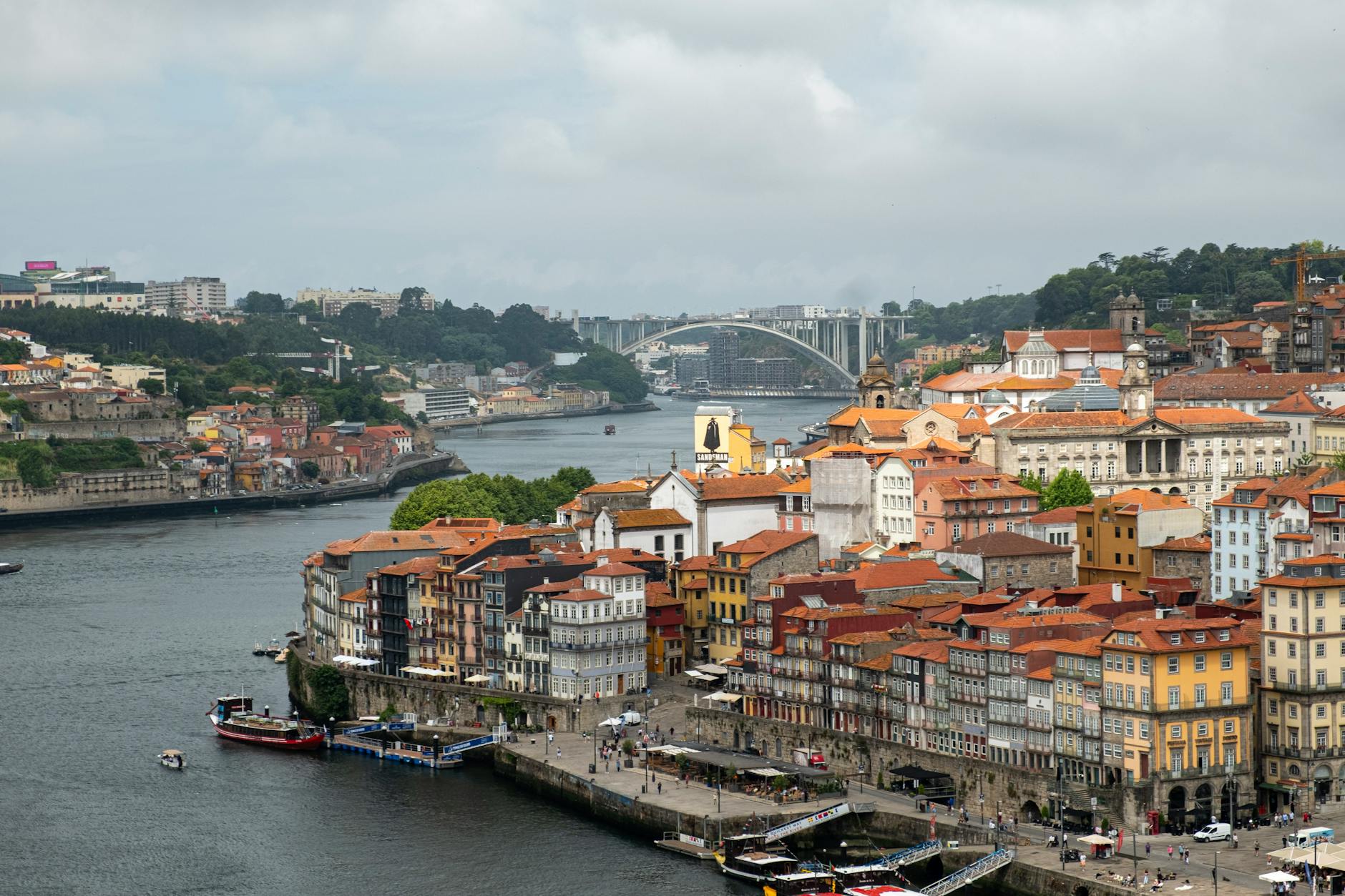
What is the best month to visit Lisbon and Porto together?
Late May or late September. Both cities are at their best, beaches are warm enough for both regions, and crowds are manageable in both directions on the Lisbon–Porto train.
Is December a good time to visit Lisbon?
Yes — especially the first three weeks. Christmas markets, festive lights, mild weather, and (apart from NYE week) reasonable prices make it a charming, photogenic, and far less crowded alternative to other European capitals during the holidays.
Bottom Line
If you can travel any time, target late April–May or mid-September–October. If you’re chasing festivals, June. If you’re chasing prices, February or November. And if you’re visiting in summer, choose June or September over July–August whenever possible. Whatever you pick, Lisbon rewards every season — just match the month to the trip you actually want to have.
Ready to keep planning? Our Ultimate Lisbon Travel Guide covers everything from neighbourhoods to transport, while guides on budget travel, what to pack, and safety go deeper on specific concerns. For official tourism information, visitlisboa.com publishes up-to-date event calendars and festival dates.