Practical Information
The Lisbon Tourist Tax: What You Pay and When
€4 per person per night, capped at seven nights, from age 13 — who pays, who is exempt, when it is collected, and the separate charge that lands on cruise passengers.

In this guide
The Lisbon tourist tax is €4 per person per night, capped at seven nights, charged to everyone aged 13 and over staying anywhere in the Lisbon municipality — and it is almost never included in the price you saw when you booked. This page explains exactly what you owe, who is exempt, when you pay it, why the figure on your hotel bill may differ from the figure your friend paid in Cascais, and the separate €2 charge that lands on cruise passengers.
The €4 nightly charge lands on every room rate in the city, including the top end — our guide to Lisbon’s luxury hotels works it into the real cost of a stay.
The short version
- Amount: €4 per guest, per night.
- Cap: seven nights per person per stay. Night eight onwards is free.
- Who pays: guests aged 13 and over. Children under 13 pay nothing.
- Where: hotels, guesthouses, hostels and licensed short-term rentals inside the Lisbon municipality.
- When: normally at check-in or check-out, as a separate charge.
- Maximum any one adult can pay: €28 for a single stay.
That last figure is worth holding on to. The tax sounds worse than it is because it is quoted per night; in practice it is capped, and a long stay dilutes it to almost nothing.
What the tax actually is
Its formal name is the Taxa Municipal Turística de Dormida — the municipal overnight-stay tourism tax. It is levied by Lisbon City Council, not by the Portuguese state, and the revenue goes to the city rather than to the national tax authority. Officially it funds upkeep in the areas that carry the heaviest visitor load: public space, cleaning, heritage conservation, mobility.
Lisbon introduced it in 2016 at €1 a night, raised it to €2 in 2019, and doubled it again to the current €4 during 2024. Each increase followed the same argument — that visitor numbers had grown faster than the city’s ability to absorb them — and each one arrived with very little notice for travellers who had already booked.
It is a real, legal charge
Worth saying plainly, because it catches people out: this is not a scam, not an optional service charge and not something the front desk has invented. Properties are legally obliged to collect it and remit it to the council. You should get a receipt or an invoice line showing it. If a property refuses to give you one, that is a reason to push back — not the charge itself.
Who pays, and who does not
Exempt
- Children under 13. A family of two adults and two under-13s pays for two people, not four.
- Nights eight and beyond of a single continuous stay at the same property.
- Guests staying outside the Lisbon municipality — see below, because this catches more people than anything else.
Certain categories tied to medical treatment or official business can also be exempt, but those are documented cases handled by the property, not something a leisure traveller needs to argue about.
The municipality trap
This is the single most common source of confusion. The tax applies to the municipality of Lisbon, which is much smaller than what visitors think of as Lisbon. Stay in Cascais, Sintra, Oeiras, Almada, Amadora or Loures and you are in a different council with its own rules and, generally, a lower rate or none at all.
So a room in Belém is taxed at €4 a night and a room a few train stops further west may not be. If you are choosing between areas — our where to stay guide covers the trade-offs — do not assume the tax carries over, and do not assume a neighbouring town’s rate either. Check with the property. Quoting a figure for another council without checking is how bad advice spreads.
How and when you pay
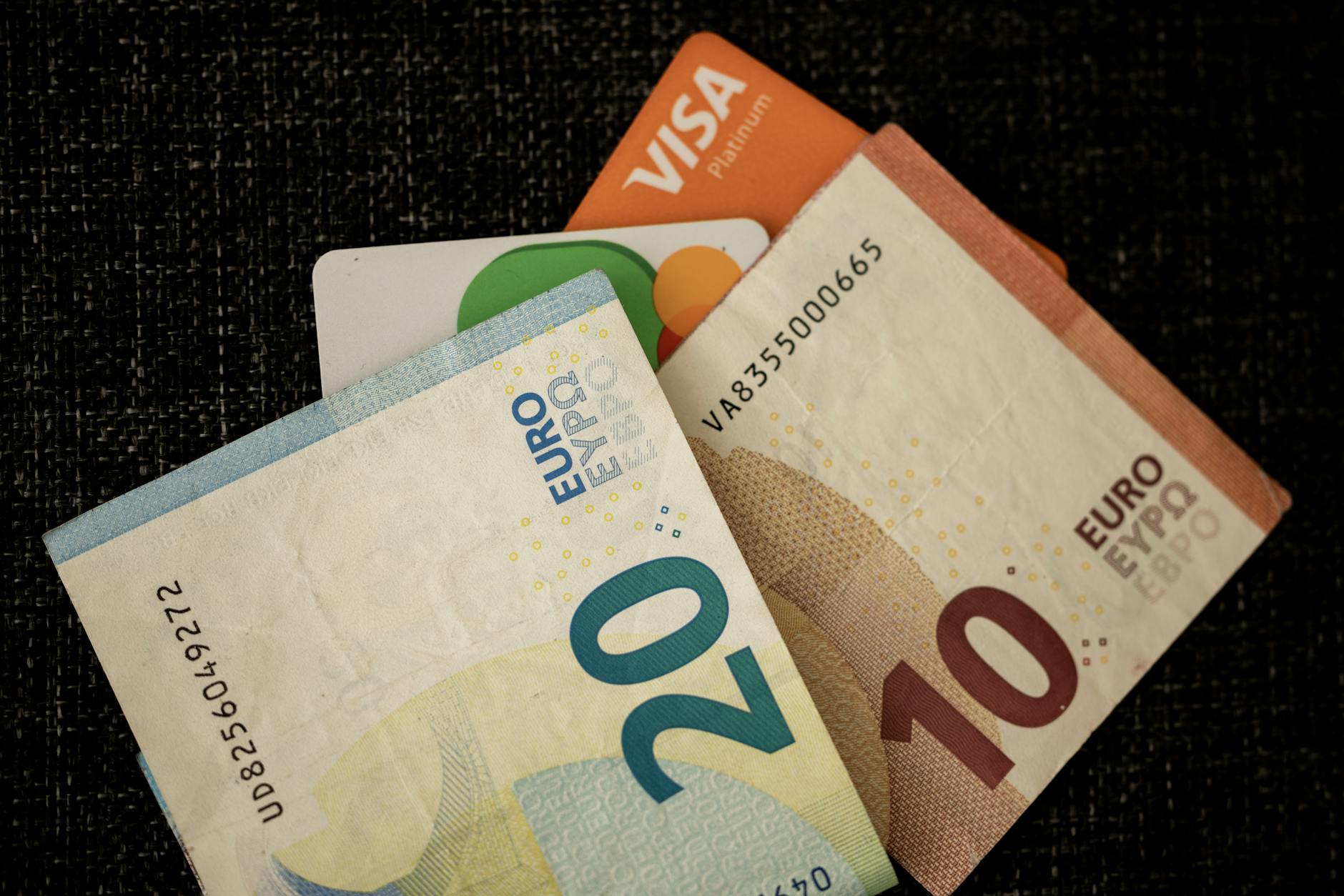
Almost always at the property, in person, separately from the room rate. Some hotels take it at check-in, more take it at check-out, and nearly all will accept card as well as cash.
The variations that matter:
- Hotels. Added at the desk, itemised on the final bill. If you prepaid the room online, this is the bit you still owe.
- Hostels. Same, usually at check-in. On a €25 dorm bed, €4 a night is a sixteen per cent uplift, which is the one context where this tax genuinely stings — see our hostels guide for how to budget for it.
- Airbnb and other short-term rentals. The most inconsistent case. Some platforms collect it at booking and show it in the total; others leave the host to collect it in cash on arrival. Read the listing carefully, and if it is silent, message the host before you travel so nobody is surprised at the door. Our short-term rental guide has more.
- Aparthotels and serviced flats. Same rules as hotels.
The tax is charged per person, not per room, which is the detail that trips up couples. Two people in one double room pay €8 a night between them, not €4.
What it costs in practice
Worked examples, all at €4 per person per night:
- Solo traveller, 3 nights: €12.
- Couple, 4 nights: €32.
- Couple, 10 nights: €56 — the cap bites at seven nights each, so nights eight, nine and ten are free.
- Family of four (two adults, children aged 10 and 15), 5 nights: three payers × 5 × €4 = €60. The ten-year-old is exempt.
- Group of six adults, 7 nights: €168, and that is the maximum the group can be charged however long they then stay.
Against a typical Lisbon trip budget this is small — our trip cost breakdown puts it well below what most people spend on a single dinner. But it is real money on a tight budget, and it is the kind of charge that feels worse for being unexpected. Put it in the spreadsheet at the start. Our budget guide treats it as a fixed cost rather than a surprise.
The cruise arrival tax
Separate charge, different rules. Since 1 April 2024, Lisbon has levied a Taxa de Chegada por Via Marítima of €2 per passenger aged 13 and over who disembarks from a cruise ship in transit at the city’s terminals. It came out of a protocol between the city council and the Port of Lisbon and is expected to raise around €1.2 million a year.
You will not normally pay this at a booth. Cruise lines collect it and pass it on, so for most passengers it appears as a port fee or a line item in the fare rather than as something you hand over on the quayside. If you are on a turnaround call — starting or ending your cruise in Lisbon and staying a night ashore — the €4 overnight tax applies to the hotel night as well.
More on arriving by ship in our Lisbon cruise port guide.
What the tourist tax is not
Three things it regularly gets confused with:
- VAT. Portuguese accommodation carries reduced-rate VAT, which is already inside the room price you were quoted. The tourist tax sits on top of it and is a separate municipal charge.
- The Lisboa Card. A sightseeing pass you choose to buy. It has nothing to do with the tax and does not cover it.
- ETIAS and border formalities. Entry authorisation is a European scheme with its own fee, paid before you travel and unrelated to where you sleep.
The border side is covered in our Portugal entry requirements guide.
Can you avoid it?
Only in ways that are either legal and slightly inconvenient, or not worth it.
Legitimately: stay outside the municipality — Cascais on the coastal line, or Sintra — and commute in. That genuinely removes the Lisbon charge, though the other council may levy its own, and you will spend the saving on train fares and time. It only makes sense if you wanted to stay out there anyway, which our Cascais and Sintra guides can help you decide. Or stay longer: the seven-night cap means a two-week trip costs the same in tax as a one-week trip.
Not legitimately: the unlicensed rentals that do not charge it are unlicensed for a reason, and you lose every protection that comes with a registered property. €4 a night is a poor price for that trade.
Honest verdict: this is not a tax worth restructuring a trip around. At a capped €28 per adult it is one of the cheaper city taxes in western Europe, and reshaping your accommodation plans to dodge it will almost always cost you more in transport and lost time than you save.
Why Lisbon charges it
The city’s case is straightforward. Lisbon takes in far more visitors than its resident population, concentrated into a historic core of narrow streets that were never built for the load, and the cost of cleaning, policing, maintaining and repairing that core falls on a council whose tax base is much smaller than its footfall. The overnight tax makes visitors contribute directly to the upkeep of the thing they came to see.
The counter-argument, heard locally as much as from travellers, is that the money’s destination is not always visible on the ground, and that a doubling to €4 arrived with little warning for people who had already booked. Both things can be true. What is not in dispute is that the charge is lawful, standard across most of urban Europe, and here at least it is capped — which is more than many cities offer.
If you need an invoice
Business travellers and anyone claiming expenses should ask for a full fatura with a tax number rather than a card slip. Portuguese properties issue these routinely, and the tourist tax appears as its own line rather than being folded into the room rate. Ask at check-in rather than as you are leaving, when the desk is busiest.
Practical tips
- Assume it is not in your booking total unless the confirmation says so explicitly.
- Carry a little cash. Most places take card, but a small guesthouse collecting €16 may prefer notes. Our money guide covers the payment landscape.
- Ask for the receipt — it should show the tax as its own line.
- Split stays reset the count. The seven-night cap applies per stay at a property. Move hotels mid-trip and the counter starts again, so a single base is marginally cheaper on a long visit.
- Travelling with teenagers? Thirteen is the threshold, not eighteen. A 13-year-old pays the full adult rate.
- Do not tip it. It is a tax, not a service charge — unrelated to tipping.
Frequently asked questions
How much is the tourist tax in Lisbon?
€4 per person per night for guests aged 13 and over, capped at seven nights per person per stay. The maximum any one adult pays for a single stay is €28.
Is the Lisbon tourist tax included in the hotel price?
Usually not. Most booking platforms quote the room rate without it, and the property collects it separately at check-in or check-out. Check your confirmation before assuming it is covered.
Do children pay the Lisbon tourist tax?
Not under 13. From their thirteenth birthday they pay the full €4 a night, the same as an adult.
Does the tourist tax apply to Airbnb in Lisbon?
Yes — licensed short-term rentals in the municipality are covered. Collection varies: some platforms take it at booking, some hosts collect it in cash on arrival. Ask before you travel.
Do I pay the tourist tax in Cascais or Sintra?
Not the Lisbon one — those are separate municipalities with their own rules and rates. Confirm with the property what, if anything, it charges rather than assuming either way.
Is there a tourist tax for cruise passengers in Lisbon?
Yes. A €2 arrival tax applies to cruise passengers aged 13 and over disembarking in transit, in force since April 2024 and normally collected by the cruise line rather than at the terminal.
Can I get a refund on the Lisbon tourist tax?
No. It is a municipal charge, not a deposit, and there is no refund mechanism for visitors. If you were charged for a child under 13 or for more than seven nights, raise it with the property — that is a billing error rather than a refund claim.
How does Lisbon’s tourist tax compare with other cities?
It is mid-range and, crucially, capped. Plenty of European cities charge a percentage of the room rate with no ceiling, which costs considerably more on an expensive room or a long stay.
Bottom Line
The Lisbon tourist tax is €4 per person per night, from age 13, capped at seven nights, payable at your accommodation and almost never included in the rate you booked. For a couple on a four-night trip that is €32 — annoying to discover at the desk, trivial once you have planned for it. The two things to get right are budgeting for it up front and knowing which municipality you are actually sleeping in, because a room a few stops down the line plays by entirely different rules. More of this kind of detail is in our Lisbon practical information guide.