Getting Around Lisbon
Lisbon Cruise Port Guide: Terminals and One Day Ashore
Both terminals, every route into the city, plans for six, eight and ten hours ashore, and an honest answer on whether Sintra is possible on a port day.
In this guide
The Lisbon cruise port is one of the best in Europe for doing it yourself. Most ships tie up at a quay that is a twelve-minute walk from the main square, at the foot of the oldest neighbourhood in the city, next to a metro station and a tram line. You do not need a ship excursion to have an excellent day here — but you do need to know which berth you are on, because the second option is three kilometres further west and changes everything. This guide covers both terminals, every way into the city, honest one-day plans for six, eight and ten hours ashore, and the one excursion that is genuinely worth buying.
Where ships dock
Jardim do Tabaco and Santa Apolónia — the main quay
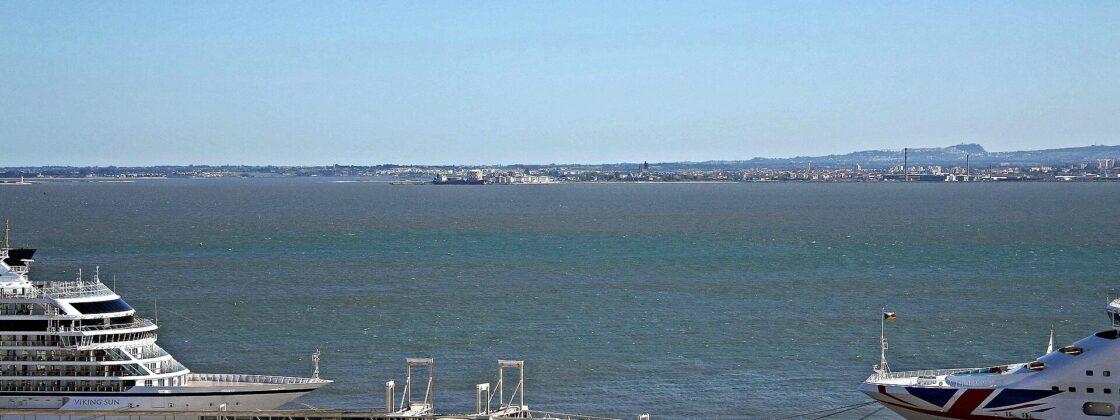
Almost everything happens on one continuous stretch of quay about 1,500 metres long, running north-east from the edge of Alfama along the Jardim do Tabaco and Santa Apolónia berths. The modern white Lisbon Cruise Terminal building sits in the middle of it.
This is a superb location:
- Praça do Comércio: roughly 1 km, a ten to twelve minute walk along the river.
- The edge of Alfama: about 500 metres — you are already there.
- Santa Apolónia metro (Blue Line) and Santa Apolónia train station: a few minutes on foot from the north end of the quay.
- Hop-on-hop-off buses stop outside the terminal.
The one caveat is that the quay is long. If your ship is berthed at the far north-east end, the walk into town is closer to twenty minutes than ten, and it is a plain industrial stretch rather than a scenic one. Check where your gangway actually is before deciding to walk.
Alcântara — the other one
Some mid-sized and luxury ships use Alcântara, about 3 km further west, towards the 25 de Abril Bridge. It is a working dock rather than a passenger terminal district, and the honest position is that you cannot usefully walk into the centre from here. You will need transport.
The upside is that Alcântara is closer to Belém, which is genuinely useful if the monuments are your priority. From Alcântara you have tram 15E and 18E along the riverside, a suburban train from Alcântara-Mar into Cais do Sodré, and taxis for around €10 into the centre.
Which one are you on?
Your berth is usually confirmed in the daily programme the night before, and often earlier in your cruise documents. Do not assume — the difference between the two is the difference between walking off the ship into Alfama and needing a plan.
The cruise arrival tax
Lisbon charges a Taxa de Chegada por Via Marítima of €2 per passenger aged 13 and over disembarking in transit at the city’s terminals. It has been in force since April 2024 and is collected through the cruise line rather than at the quayside, so for most people it appears as a port fee inside the fare rather than as something to pay on the day.
If you are on a turnaround call and staying a night ashore, the separate €4-per-night overnight tourist tax applies to your hotel as well. Our Lisbon tourist tax guide covers both.
Getting into the city
On foot
From Jardim do Tabaco, walking is the best option and the one most people underuse. Turn right out of the terminal and follow the river to Praça do Comércio in about twelve minutes on flat ground. Turn left and uphill and you are in Alfama almost immediately.
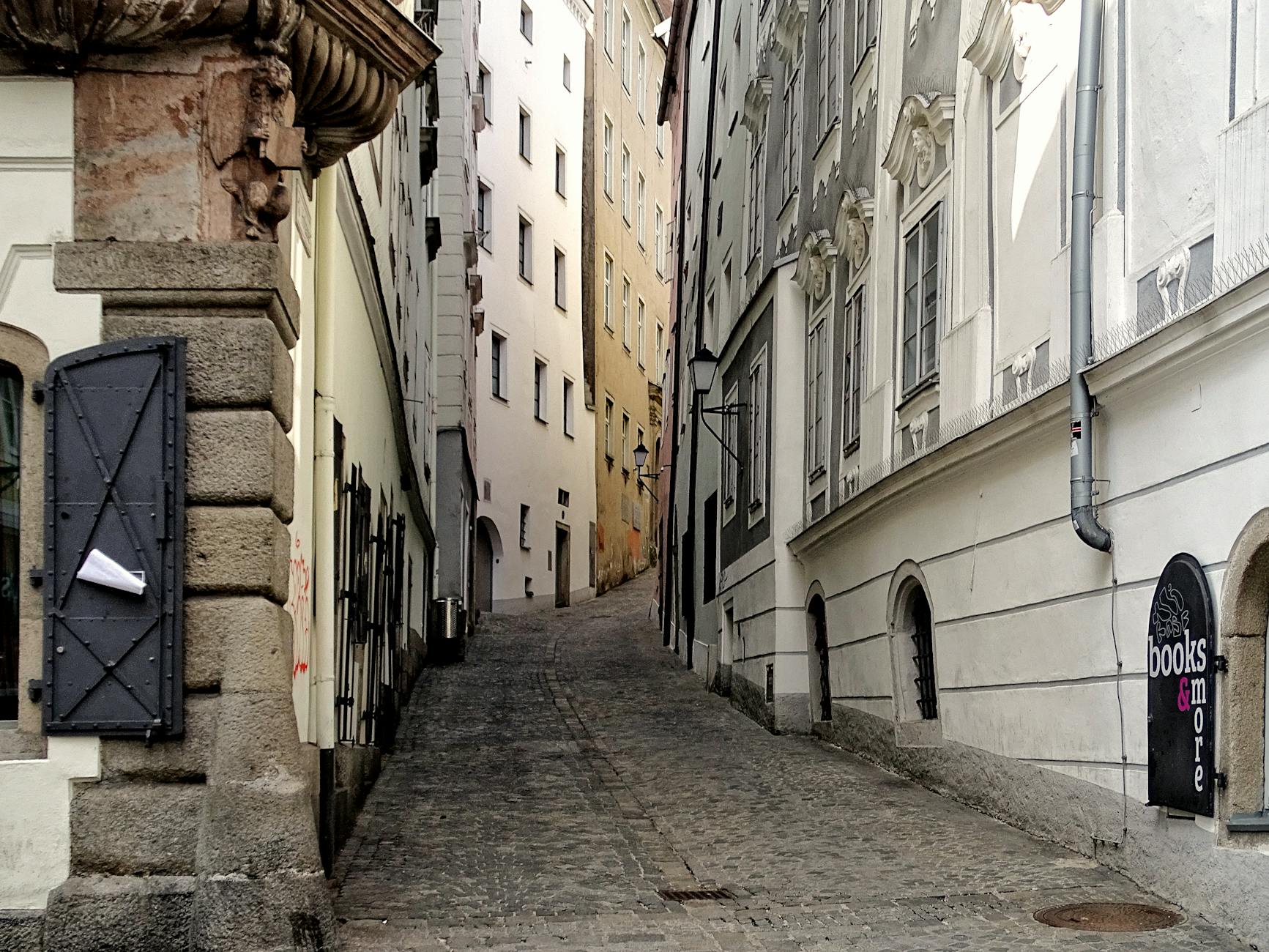
The warning that matters: Lisbon is built on hills and paved in calçada portuguesa, polished limestone cobbles that are slippery when wet and unforgiving on the ankles at any time. The riverside walk is flat; everything inland from it is not.
Metro
Santa Apolónia is the eastern terminus of the Blue Line, three stops from Baixa-Chiado. Buy a Navegante ocasional card for €0.50 from the machines, then load a single at €1.90 or a 24-hour ticket at €7.25. On a port day the 24-hour ticket usually pays for itself by the third journey. Our metro guide covers the network.
Tram 28
The famous one, and the source of the most common port-day disappointment. Tram 28 runs through Graça, Alfama, Baixa and Estrela and it is genuinely lovely — but it is small, permanently full, and boarding at a mid-route stop near the port on a day when four ships are in means standing pressed against strangers, if you get on at all.
If you want to ride it properly, go to the Martim Moniz terminus and start from the beginning, where you can get a seat. If that sounds like too much effort, skip it: the number 12 covers similar ground with a fraction of the crowd. Our Tram 28 guide is blunt about when it is worth it.
Hop-on-hop-off buses
They stop outside the terminal, which makes them tempting. The honest verdict: reasonable value on a long call if you want Belém without working out the tram, poor value on a short one, because Lisbon’s traffic is bad and you will spend a chunk of your limited day sitting in it. Our hop-on-hop-off guide weighs it up.
Taxis and ride-hail
Taxis wait outside the terminal on ship days. Metered fares into the centre are a few euros; Belém is roughly €10 to €15. Uber and Bolt both work and are usually slightly cheaper, though pickup at the quay can be awkward with barriers and crowds — walking a hundred metres from the terminal gate normally solves it.
One day in port: three plans
Six hours ashore
Stay central. Do not attempt Belém and definitely do not attempt Sintra.
- Walk up into Alfama from the terminal, aiming for the Miradouro de Santa Luzia and the Portas do Sol.
- Continue up to São Jorge Castle — it is directly above your ship and the view is the best in the city.
- Down through the lanes into Baixa, along Rua Augusta to Praça do Comércio.
- Lunch at a tasca or at Time Out Market, then the walk back along the river.
That is a full, satisfying day that never takes you more than a mile and a half from the gangway, which is the whole point on a short call.
Eight hours ashore
Add Belém, and do it first while you are fresh and the queues are shortest.
- Straight out to Belém by taxi (fastest, about twenty minutes) or tram 15E from Praça da Figueira.
- Jerónimos Monastery, the Monument to the Discoveries and Belém Tower from the outside.
- A pastel de nata at the famous bakery — the queue for takeaway moves much faster than it looks.
- Back to Baixa, then up to the castle or the miradouros for the afternoon.
Ten hours or more
Now you have choices. Either do the eight-hour plan at a civilised pace with a long lunch, or make a serious attempt at something further out. This is also the only length of call at which the Sintra question becomes reasonable.
Should you go to Sintra on a port day?
The honest answer: usually not, and here is why.
Sintra is forty minutes by train from Rossio, plus a walk to the station, plus a shuttle bus up the hill, plus timed entry at Pena Palace, plus the same journey back. Done independently it eats six to seven hours and leaves no margin at all. If the 434 bus queue is long — and in season it is — you are watching the clock instead of the palace, and the ship will not wait for you.
Two situations change the maths. If your call is genuinely long, ten hours or more, and you book Pena’s timed slot in advance, a self-guided Sintra trip is doable. And if you want the certainty, a ship excursion or a private driver is the one thing on the excursion list that is worth the premium here — not because Sintra is hard to reach, but because on a port day you are buying the guarantee of being back on time.
For everything else in Lisbon, independent is better and cheaper. This is one of the easiest DIY ports in Europe.
Alternatives to the standard day
If this is not your first call at Lisbon, or the headline sights do not appeal, three things work well inside a port day:
- Cascais by train. Forty minutes along the coast from Cais do Sodré, trains every twenty minutes, a pretty seaside town at the far end with a beach and good seafood. It is an easier and more reliable outing than Sintra and about half the time commitment — see our Cascais guide.
- A guided food walk. Two to three hours, tightly timed, and it solves lunch. Lisbon does these well and they suit a fixed window better than an open-ended wander — our food tours guide covers the reputable ones.
- The miradouro circuit. A slow loop of the viewpoints — Santa Luzia, Portas do Sol, Graça, Senhora do Monte — with a coffee at each. Almost free, almost entirely uphill, and the best way to understand the shape of the city. Our miradouros guide maps them.
How busy will it be?
Lisbon regularly handles several ships at once, and the difference between a one-ship day and a four-ship day is dramatic in a few specific places: Tram 28, the castle ticket line, the Belém bakery and the lifts. Everywhere else absorbs the numbers easily, because the city receives far more visitors by air than by sea and the historic centre is bigger than it looks.
The practical response is simple: front-load the pinch points. Anything with a queue should be done in the first two hours ashore, and anything that is just walking and looking can wait until the afternoon, when the excursion coaches have gone back out and the streets loosen up again.
Eating on a port day
You are docked next to one of the best food cities in southern Europe, so eating on board is a waste.
- Alfama tascas are minutes from the ship: grilled fish, a salad, bread and a glass of wine for roughly €12 to €18. Walk two streets away from the viewpoints and the prices halve.
- Time Out Market at Cais do Sodré is the easy option — dozens of counters under one roof, good quality, busy at peak. Ideal when your group cannot agree.
- Pastéis de nata: about €2 to €2.50 each in the city. Worth queueing for the Belém originals if you are out there anyway; not worth a special trip.
- Ginjinha — sour cherry liqueur, a euro and a half a shot at the stand-up bars near Rossio — is the two-minute local experience if your time is short.
The season your call falls in
Lisbon’s cruise season is heaviest in spring and autumn, when transatlantic repositioning voyages and Mediterranean itineraries both pass through, and the weather in those months is close to ideal for a walking day ashore — mild, bright and long enough in the evening that a late all-aboard still leaves you daylight.
A summer call is hotter than most passengers expect. Lisbon averages highs near 29°C in August, the hills are unshaded and the calçada radiates heat, so a midday castle climb is genuinely hard work. Start early, take the shaded riverside route, and plan an indoor hour in the middle of the day rather than pushing through it.
A winter call is the opposite problem: mild at around 15°C but with short daylight and a real chance of rain, and sunset before 18:00 from November to January. On a winter port day the walking is more pleasant and the queues barely exist, but you have fewer usable hours than the clock suggests — build the plan around light rather than around your all-aboard time.
Whatever the month, the wind off the Tagus is a constant. The quay, Praça do Comércio and the Belém waterfront are all exposed and several degrees colder than a sheltered Alfama lane, which catches out anyone who dressed by looking at the forecast rather than at the river.
Practical notes
- Know your all-aboard time and work backwards. Lisbon traffic is unpredictable and the port road can back up on a heavy ship day. Be at the gangway thirty minutes earlier than you think you need to be.
- Wear proper shoes. Cobbles and hills. This is the single most-ignored piece of advice about Lisbon and the most likely to spoil your day.
- Cash and cards. Cards are accepted almost everywhere, but small tascas and the ginjinha bars may want coins. Our money guide has the detail.
- Safety: Lisbon is a safe city with a real pickpocketing problem on Tram 28 and in crowded tourist spots. Bags in front, phones away.
- Toilets and wi-fi are available in the terminal building; in the city, buy a coffee and use the café’s.
- The Lisboa Card rarely pays off on a port day unless you are doing three or more paid sights — run the numbers with our Lisboa Card guide before you buy.
If you have mobility limitations
Be realistic. Alfama and the castle are steep, stepped and cobbled, and no amount of determination changes that. The good news is that a great deal of Lisbon is flat: the riverside walk, Praça do Comércio, Rua Augusta and the whole of Baixa are level, Belém is level, and the Santa Justa lift and the funiculars exist precisely because the hills are hard. Our accessibility guide covers what genuinely works.
Turnaround calls: starting or ending here
If Lisbon is your embarkation or disembarkation port, you have a slightly different set of problems. Give yourself at least one night either side rather than flying in on the morning of the cruise — the airport is twenty minutes from the port by taxi, but a delayed flight with no buffer is a ruined holiday.
Disembarking in the morning with an evening flight is the classic awkward day. Store your bags rather than dragging them around: our luggage storage guide lists the options, and the six-hour port plan above works perfectly as a last day. Arrival and departure logistics are in our Lisbon Airport guide.
Frequently asked questions
Where do cruise ships dock in Lisbon?
Most use the continuous quay at Jardim do Tabaco and Santa Apolónia, just north-east of the historic centre, where the Lisbon Cruise Terminal building stands. Some mid-sized and luxury ships use Alcântara, about 3 km further west towards the 25 de Abril Bridge.
Can you walk from the Lisbon cruise terminal to the city centre?
From Jardim do Tabaco and Santa Apolónia, yes — Praça do Comércio is about 1 km along a flat riverside path, roughly ten to twelve minutes, and Alfama starts about 500 metres away. From Alcântara, no: you will need a tram, train or taxi.
Is there a shuttle bus at Lisbon cruise port?
Some lines run their own shuttle into the centre and some do not, so check your daily programme. Given how short the walk is from the main quay, the shuttle is more useful for those with mobility limitations than as a time-saver.
Do cruise passengers pay a tourist tax in Lisbon?
Yes — €2 per passenger aged 13 and over disembarking in transit, in force since April 2024. It is normally collected by the cruise line inside your fare rather than at the terminal.
Can I visit Sintra on a Lisbon port day?
Only with a long call. Independently it takes six to seven hours door to door with no margin for the shuttle-bus queues, so it needs ten hours or more ashore and a pre-booked Pena Palace slot. Otherwise take a ship excursion or a private driver, which is the one Lisbon excursion genuinely worth the premium.
Are ship excursions worth it in Lisbon?
Mostly not. The port is close to the centre, the sights are walkable or a short tram ride away, and public transport is cheap and simple. Sintra is the exception, for the timing guarantee rather than the guiding.
How much time do you need in Lisbon on a cruise?
Six hours is enough for Alfama, the castle and Baixa. Eight lets you add Belém. Ten or more opens up Sintra or a properly unhurried version of everything else.
Is Tram 28 worth doing on a port day?
Only if you board at the Martim Moniz terminus, where you can get a seat. Joining mid-route on a busy ship day means a crowded stand and a prime pickpocketing environment. The number 12 is a decent low-stress alternative.
Bottom Line
Lisbon is close to the ideal cruise port: most ships dock a twelve-minute flat walk from the main square, with the oldest quarter of the city rising directly behind the terminal and the castle on the hill above your funnel. Check which berth you are on, wear shoes with grip, and do it yourself — the sights are walkable, the metro costs €1.90 and the food two streets from the quay is better than anything an excursion will feed you. Save the organised trip for Sintra, and only then if your call runs ten hours or more. Everything else, you can do on your own two feet, and you should. If you would rather see the city from the water instead, our Tagus boat tours guide covers that side.