Practical Information
Lisbon Practical Information: Money, Transport, SIM Cards, and Tips

In this guide
- Money, Currency, and Payments in Lisbon
- Getting Around Lisbon — Transport Guide
- Language in Lisbon
- SIM Cards, WiFi, and Staying Connected
- Safety in Lisbon
- Health, Pharmacies, and Emergencies
- Electricity, Plugs, and Practical Essentials
- Local Etiquette and Cultural Tips
- Best Time to Visit Lisbon
- Where to Stay in Lisbon — Neighborhood Guide
- What to Pack for Lisbon
- Accessibility in Lisbon
- Useful Apps and Resources
- Photo Credits
The practical details — which ATM to use, what to tip, whether your phone will work, when kitchens close — are the kind of thing Lisbon doesn’t advertise. This guide covers every piece of Lisbon practical information you’ll actually need: money, transport, language, SIM cards, safety, health, electricity, etiquette, and the best time to visit. Read it before you pack; bookmark it for the trip.
One charge catches almost every first-timer at the front desk. Our Lisbon tourist tax guide explains the €4 per person per night, the seven-night cap and the age-13 threshold.
Lisbon is one of the easier European capitals to navigate. It’s safe, the metro works, most people under 50 speak serviceable English, and costs are lower than Paris, Amsterdam, or London. That said, a few things will catch you off guard if you don’t know them in advance — restaurants stop serving between 3pm and 7pm, traditional cafés charge more to sit than to stand, and the wrong ATM will skim 5–10 percent before you’ve had a coffee.
Money, Currency, and Payments in Lisbon
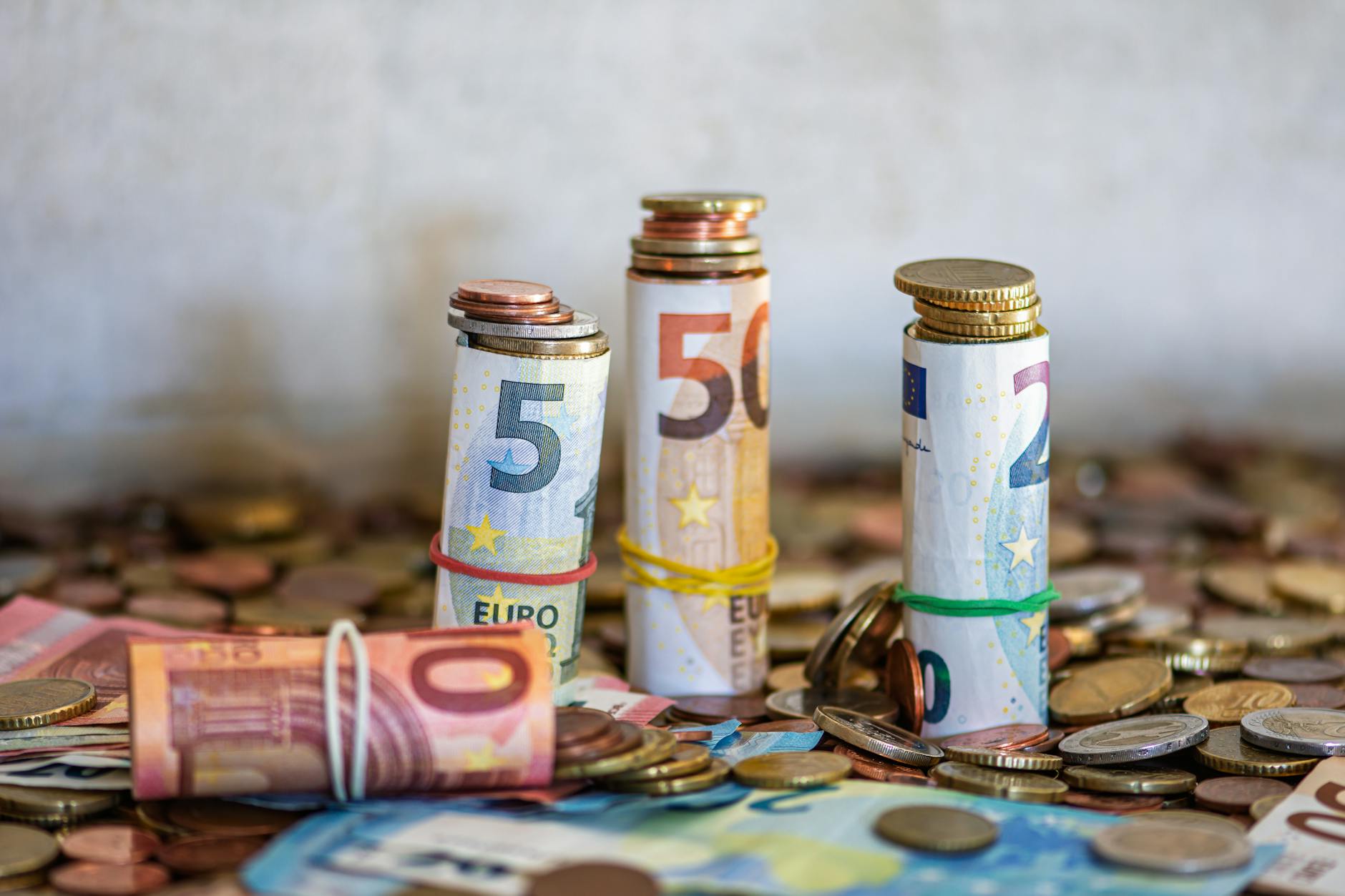
Portugal uses the Euro (€). Common denominations are coins (€0.10, €0.20, €0.50, €1, €2) and notes (€5, €10, €20, €50). Larger notes (€100, €200, €500) exist but cause friction at small shops — anything above €50 may be refused. Full detail on cards, exchange rates, and hidden fees in our Lisbon money and currency guide.
Cards vs. Cash
Card payments are the default in Lisbon. Restaurants, cafés, supermarkets, shops, and taxis all take Visa and Mastercard. Contactless tap-to-pay is universal and the fastest way to pay. American Express works at about 60 percent of places — budget for rejections if it’s your only card. A handful of traditional tascas and market stalls remain cash-only.
Cash is still worth carrying for counter espressos and pasteis de nata, street food at Feira da Ladra, tipping (card terminals don’t have tip prompts), and taxis that claim their machine is broken. Keep €30–50 on you daily.
ATMs (Multibanco): Portugal’s Multibanco network covers every metro station, shopping area, and most street corners. Use bank-branded Multibanco ATMs — Millennium BCP, Caixa Geral de Depósitos, Novo Banco, Santander. These charge no withdrawal fee to foreign cards (your home bank may charge its own fee). Avoid the bright yellow Euronet and TravelEx machines: they charge €5–8 per transaction and push Dynamic Currency Conversion on top. When any ATM or card terminal asks whether to charge in your home currency or Euros, always choose Euros. The machine’s conversion rate is 3–7 percent worse than your bank’s.
Foreign cards: US magnetic-stripe-only cards occasionally get rejected. EMV chip cards work reliably. If one ATM refuses your card, try another bank’s machine. Banco de Portugal ATMs at the airport and major squares are the most internationally compatible.
Tipping in Lisbon
Tipping is appreciated, not obligatory. There’s no 18–20 percent expectation here. Restaurants: 5–10 percent for a sit-down meal — for a €50 dinner, €3–5 on the table is generous by local standards. Cafés: Nothing for counter service; rounding up to the nearest euro for table service. Taxis: Round up to the nearest euro, or add €1–2 for longer rides. Hotel housekeeping: €1–2 per day. Tour guides: €5–10 for a standard guided tour; €10–15 per person for free walking tours where tips are the guide’s primary income. Our Lisbon tipping guide works through the awkward cases situation by situation.
Getting Around Lisbon — Transport Guide
From the Airport
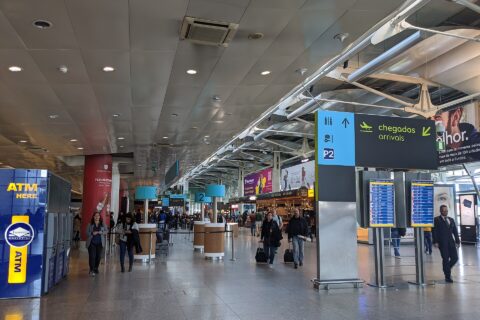
Humberto Delgado Airport is 7 kilometers from the center. The Metro (Red line) gets you there in 20–25 minutes, with a change at Alameda or São Sebastião for other lines. A metro trip costs €1.90 on a Navegante card (plus a one-time €0.50 card fee). Taxis to the center run €15–20 and take 15–30 minutes depending on traffic. Uber and Bolt are legal, widely used, and typically cost €8–15 — cheaper than metered taxis, and you can be picked up at arrivals.
Metro, Trams, Buses, and Funiculars
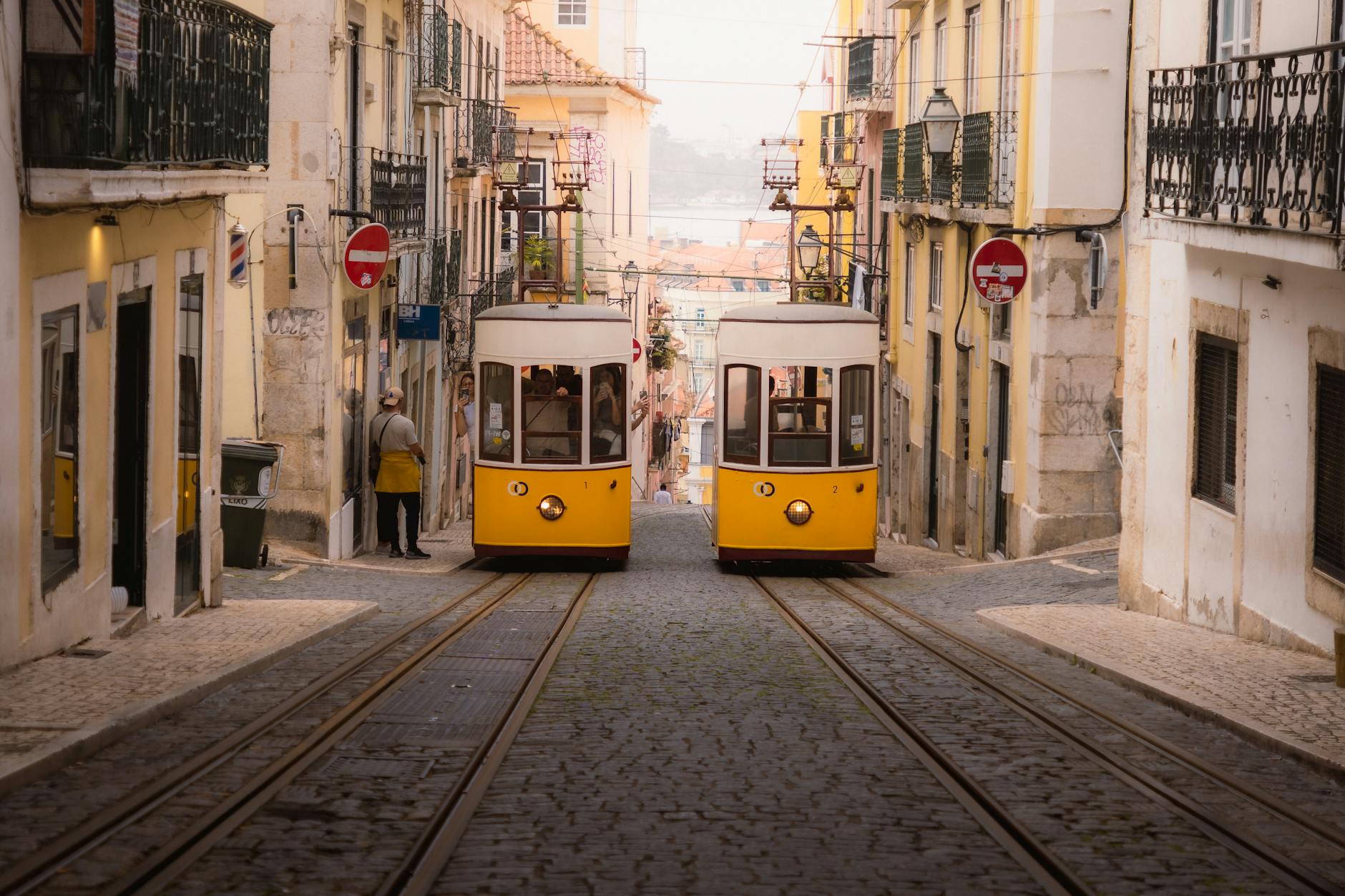
Public transport is run by Carris (buses, trams, funiculars) and Metropolitano (metro). Four metro lines cover the main neighborhoods; service runs 6:30am to 1am. Tram 28 winds through Alfama, Graça, Baixa, and Estrela — useful transit line, tourist attraction, and pickpocket hotspot in equal measure. Ride early morning or late evening for the best experience.
Navegante card: Load the reusable card with a €1.90 single, valid for an hour on metro, bus, and tram, or with zapping credit at €1.72 per Carris trip. A 24-hour Carris/Metro pass costs €7.25 for unlimited rides. The Lisboa Card (€31/24h, €51/48h, €62/72h) adds free museum entry — see the museums guide for the full breakdown. For stays of more than a few days, zapping is usually the cheapest option.
The three funiculars (Elevador da Bica, Elevador da Glória, Elevador do Lavra) were built for Lisbon’s steepest hills, but all three have been out of service since the Glória’s fatal derailment on 3 September 2025. The Glória is expected back in the first half of 2029, with Carris bus 51E covering its route meanwhile; for the Bica and the Lavra, Carris runs buses 22B and 19B. The Elevador de Santa Justa in Baixa and its viewpoint are closed too, with no reopening date, so walk up to Chiado and the Carmo Convent instead.
Taxis and Ride-Sharing
Lisbon taxis are cream or black-and-green, metered, and fair. The national taxi tariff is being reformed in 2026, so ask the driver to run the meter. Cross-city rides typically cost €6–12. Uber and Bolt are legal, reliable, and usually 20–30 percent cheaper than metered taxis, with cashless payment and GPS tracking. Both apps work well throughout the city.
Language in Lisbon
Portuguese is the official language. Despite sharing roots with Spanish, the pronunciation is a different beast — closer to a Slavic language to untrained ears. English is widely spoken in tourist areas, hotels, and restaurants, and among younger Portuguese. Lisbon is among the most English-friendly cities in Southern Europe; you’ll rarely hit a language barrier in the main tourist zones. Even so, a handful of Portuguese phrases worth learning visibly changes how you’re treated in neighbourhood cafés.
A few phrases go further than you’d expect. Essential phrases: Bom dia (good morning), Boa tarde (good afternoon), Boa noite (good evening), Obrigado/Obrigada (thank you — men use obrigado, women use obrigada), Por favor (please), Desculpe (excuse me), A conta, por favor (the bill), Fala inglês? (do you speak English?). Imperfect pronunciation is fine; the effort registers.
Don’t speak Spanish to Portuguese people expecting to be understood. The written languages share similarities, but spoken comprehension between Portuguese and Spanish speakers is limited. Starting in Spanish can read as dismissive of Portuguese identity. Try Portuguese first, then English. Portuguese people are far more comfortable with English than with Spanish.
SIM Cards, WiFi, and Staying Connected
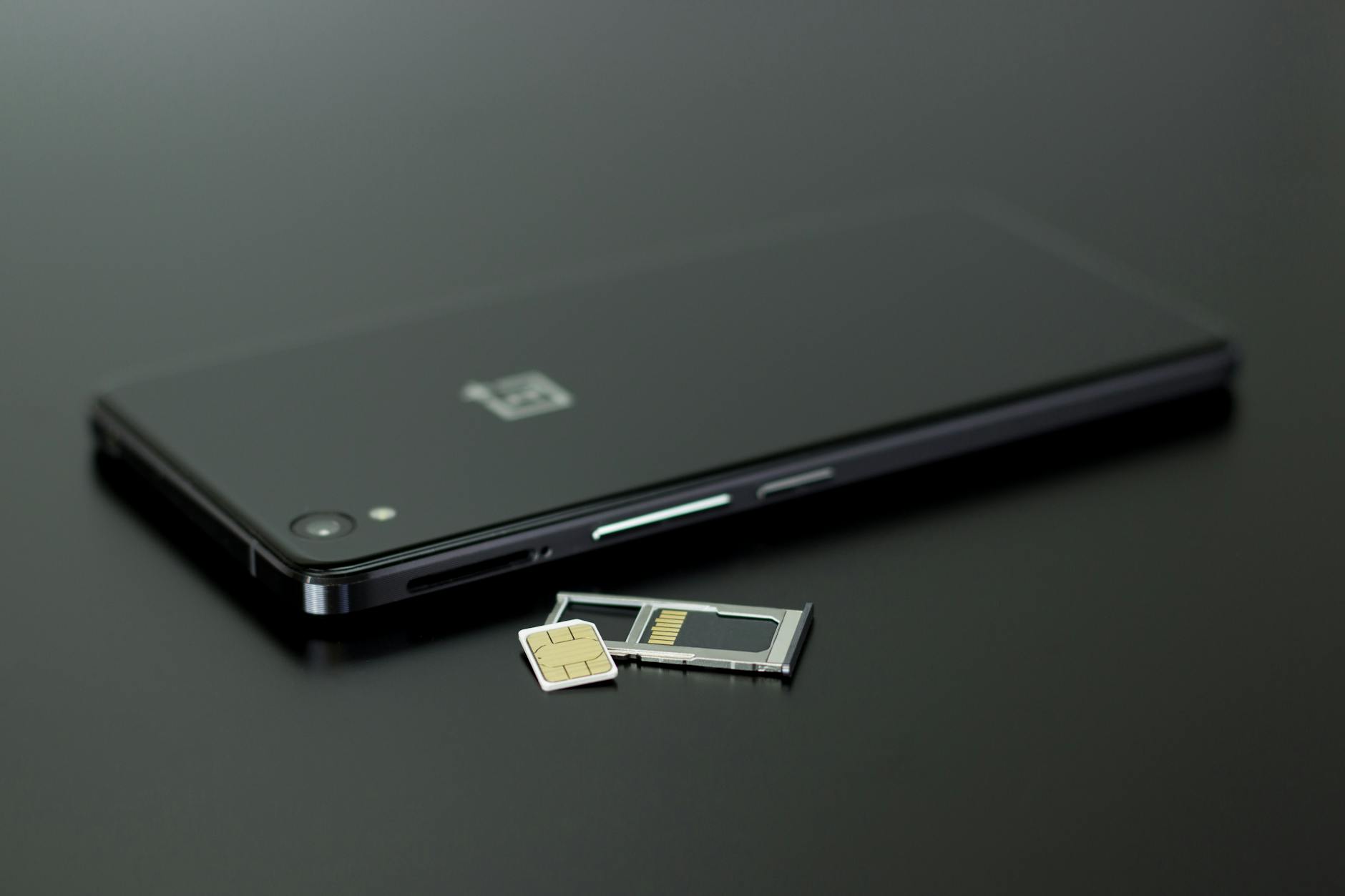
EU travelers: EU roaming regulations mean your home SIM works in Portugal at domestic rates. Check your provider’s fair-use data cap. Non-EU travelers (US, UK, Canadian, Australian) should get a local SIM or eSIM to avoid bill shock from international roaming.
Portuguese SIM cards: The three main networks are MEO, Vodafone, and NOS. Vodafone generally has the best overall coverage; MEO often has the best tourist value. Both have counters in the airport arrivals hall. Prepaid tourist SIM cards are also sold at branded stores and some tabacarias. MEO offers 30GB for 30 days for around €20–25; Vodafone has comparable plans from €20. You’ll need your passport for registration — it’s a legal requirement. Compare operators, eSIMs, and public WiFi in our Lisbon SIM card and WiFi guide.
eSIMs: If your phone supports eSIM (most 2020+ models do), services like Airalo, Holafly, and Nomad let you buy data before you land. Prices start around €5 for 1GB or €15–20 for unlimited data. Setup is a QR-code scan. Note: eSIMs are data-only — no Portuguese number for calls, but WhatsApp and internet-based calling work fine.
WiFi: Hotels, hostels, and most cafés have it. Quality varies — adequate for messaging and browsing, unreliable for video calls. Lisbon’s public Lisboa WiFi network covers some central areas but is patchy. For reliable connectivity, a local SIM or eSIM is worth the €20.
Safety in Lisbon
Lisbon is generally considered safe for visitors, and normal precautions go a long way. Violent crime against tourists is extremely rare. The main risk is pickpocketing — concentrated and predictable.
Pickpocket hotspots: Tram 28 (the most targeted spot in the city — crowded, slow, and packed with distracted tourists), Baixa/Rossio, Praça do Comércio, the Feira da Ladra flea market, and tourist queues at Belém. Front pockets, secure cross-body bags, and not leaving your phone on restaurant tables cover the basics.
Scams: Lisbon has fewer than Paris, Barcelona, or Rome. Watch for: unlicensed tuk-tuks with no agreed price, restaurants right on Praça do Comércio with aggressive touts (one street back has better food at lower prices), and people selling drugs near Bairro Alto or Rossio (personal use is decriminalised in Portugal; buying from street dealers is not, and the substances are frequently not what they claim). Bairro Alto and Cais do Sodré are busy, functioning nightlife zones — normal city awareness after midnight is all that’s needed.
Health, Pharmacies, and Emergencies
Emergency number: 112 — police, ambulance, fire. English-speaking operators. Healthcare: EU citizens should carry an EHIC or GHIC card for access to Portuguese state healthcare at the same terms as local residents. Non-EU visitors need travel insurance with medical coverage — private hospital treatment is not cheap without it. Central public hospitals: Hospital de Santa Maria and Hospital de São José. Private hospitals with English-speaking staff: Hospital da Luz and Hospital CUF Descobertas.
Pharmacies (farmácias): Identified by a green cross. Portuguese pharmacists can recommend treatments for minor ailments that would require a prescription elsewhere — worth asking before hunting down a clinic. Hours: Monday–Friday 9am–7pm, Saturday 9am–1pm. A rotating 24-hour duty pharmacy (farmácia de serviço) operates in each neighborhood — listed in pharmacy windows and at farmaciasdeservico.net. Tap water is safe to drink in Lisbon. Bottled water costs €0.50–1 if you prefer it.
Electricity, Plugs, and Practical Essentials
Electricity: Portugal uses 230V, 50Hz with Type F (Schuko) two-round-pin plugs — the same as most of continental Europe. UK, US, and other visitors need a plug adapter. US and Japanese 110V devices also need a voltage converter for non-dual-voltage appliances. Most modern phone chargers, laptop chargers, and camera chargers are dual-voltage (110–240V) and only need the adapter — check the label.
Opening hours: Shops typically run 10am–7pm Monday–Saturday (shopping centres until midnight). Restaurants serve lunch 12pm–3pm and dinner 7pm–11pm — kitchens close between these windows. If you need food at 4pm, your options are cafés, fast food, and the Time Out Market. Banks: 8:30am–3pm weekdays only. Post offices (CTT): 9am–6pm weekdays, some Saturday mornings.
Smoking: Banned in all enclosed public spaces — restaurants, bars, public transport. Some bars have outdoor terraces or smoking areas. No smoking in hotel rooms except at properties with designated smoking rooms.
Local Etiquette and Cultural Tips
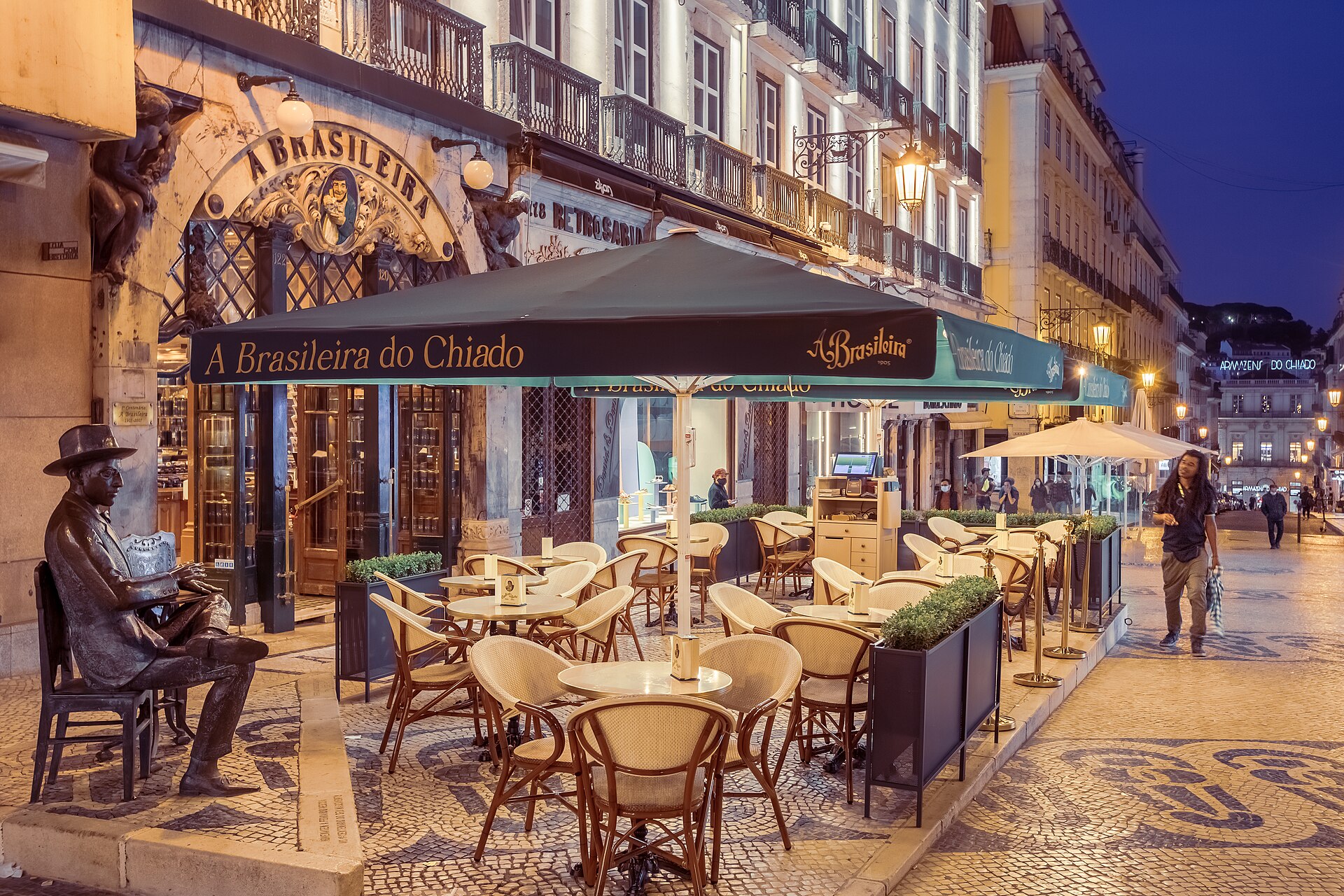
Café culture: The Portuguese café is central to daily life. A quick bica (espresso, €0.70–1) at the counter in the morning, another after lunch. Standing at the counter costs less than sitting at a table — often €0.50–1 less per drink. When you sit, the waiter may bring bread, olives, or cheese (couvert) without being asked. These aren’t free — they run €1–5 per item and you’re not obliged to accept them. A simple não, obrigado (no, thank you) when they arrive is all you need.
Dining hours: Lunch runs around 1pm; dinner after 8pm (often 8:30–9pm). Arriving at a restaurant at 6pm marks you immediately. The bill won’t come until you ask for it — lingering is expected. Rushing a guest with the bill is considered poor form here.
Greetings: Between women and between men and women, two cheek-kisses (starting from the right) is standard among friends. Men shake hands. In a first meeting or formal context, a handshake covers everyone. Social punctuality: Gatherings run 15–30 minutes late. Tourist activities, transport, and business meetings run on time. Dress: The Portuguese take personal appearance seriously — smart casual at restaurants, no beachwear in the city.
Service style: Portuguese waiters are professional but won’t check on you every five minutes. This is not indifference — it’s a service culture that trusts you to enjoy your meal without interruption. Make eye contact or raise your hand when you need something. Ask locals for directions or recommendations and you’ll typically get a long, enthusiastic answer.
For more on planning your visit, see our guides on day-by-day itineraries, tours and experiences, museums and culture, shopping, and nightlife. The official Visit Lisboa site has current event listings and bookable experiences.
Best Time to Visit Lisbon
Lisbon gets over 300 days of sunshine per year. Winters rarely drop below 10°C (50°F). It’s a genuine year-round destination, but the experience shifts considerably by season.
Spring (March–May) is the strongest pick. Temperatures sit at 15–22°C (59–72°F), the jacaranda trees go purple along the avenues in late April and May, queues are manageable, and accommodation prices are moderate. Summer (June–September) is peak season: 28–35°C (82–95°F), long days, the Santos Populares street festivals in June, beach weather — but the highest prices, biggest crowds, and genuine heat on the hills. Autumn (October–November) brings mild 16–22°C (61–72°F) temperatures, thinner crowds, lower prices, and excellent light. Rain picks up in November. Winter (December–February) has the lowest prices, pleasant days (10–16°C / 50–61°F), more frequent rain, and good Christmas and New Year atmosphere.
Summary: April–June or September–October for the best balance of weather, crowds, and cost. July–August for beach weather and nightlife but expect heat and crowds. November–March for budget travel with mild conditions — bring layers and a waterproof jacket.
Where to Stay in Lisbon — Neighborhood Guide
The city is compact enough that location matters less than in, say, Paris — you can reach most things from any central base. That said, each neighborhood has a distinct character worth matching to your style of trip.
Baixa/Chiado: Maximum convenience for first-timers. Walking distance to everything, excellent transport, higher prices. Alfama: The medieval quarter — narrow streets, fado houses, the castle. Beautiful, hilly, and logistically awkward for heavy luggage. Bairro Alto/Príncipe Real: Nightlife-central on weekends (read: noisy), good restaurants and shops. Príncipe Real is quieter and slightly more upscale.
Cais do Sodré/Santos: Waterfront, excellent restaurants, the Time Out Market, good metro and tram connections. The choice for food-focused visitors who want nightlife without Bairro Alto chaos. Graça/Mouraria: Authentic, less touristy than Alfama, more affordable. The better pick for repeat visitors who want a neighbourhood feel. Parque das Nações: Modern, clean, family-friendly, somewhat soulless — but well-connected and good value. Belém: Museums and monuments, quiet at night, 20 minutes by tram to the center. Best for culture-heavy itineraries. Travelling with a dog? Lisbon is one of Europe’s more dog-tolerant cities — the guide to visiting Lisbon with pets covers pet-friendly accommodation, parks, beaches, and restaurant terraces.
What to Pack for Lisbon
Footwear: The single most important packing decision. Lisbon’s calçada portuguesa cobblestones are beautiful and uneven, and they get slippery in the rain. Heels, flip-flops, and smooth-soled shoes mean falls. Pack supportive walking shoes with grip — you’ll do 15,000–20,000 steps a day on hills and cobblestones. Trail runners or sturdy sneakers are the standard recommendation.
Clothing: Smart casual covers everything. Even in summer, river breezes (the nortada) make a light jacket worth packing year-round. Summer visitors need sun protection: hat, sunglasses, SPF 50. Winter visitors need a waterproof jacket and an umbrella — Lisbon rain arrives in short, intense bursts. Covered shoulders and knees for churches (Jerónimos Monastery, Lisbon Cathedral, São Roque).
Other essentials: A reusable water bottle (tap water is safe; some viewpoints have refill stations), a crossbody bag or money belt for Tram 28 and crowded areas, a portable battery pack (GPS and photography drain batteries fast), and a Type F plug adapter if your country uses a different standard. Beach visits on day trips warrant a swimsuit and quick-dry towel.
Accessibility in Lisbon
Lisbon’s hills and cobblestones are genuinely challenging for wheelchair users, mobility-impaired visitors, and stroller pushers. Progress has been made, but planning realistically is important.
Transport: All metro stations have elevators and are wheelchair accessible. Modern buses are low-floor and accessible. Historic trams (including Tram 28) and funiculars are not accessible. Taxis and ride-share are the most flexible option. Attractions: MAAT, the Coach Museum, Gulbenkian, and Berardo are fully accessible. Medieval sites — the Castle, Lisbon Cathedral cloister, Belém Tower interior — have limited or no access. Jerónimos Monastery church is accessible; the upper cloister is not. Streets: Baixa’s grid is relatively flat. The waterfront path from Cais do Sodré to Belém is flat and paved. Alfama and the castle area are steep, cobbled, and best approached by tuk-tuk or taxi rather than on foot. For a full breakdown of accessible attractions, transport options, and practical tips for visitors with reduced mobility, see the dedicated Lisbon accessibility guide.
Useful Apps and Resources
Navigation: Google Maps handles Lisbon well for walking, transit, and restaurant research. Citymapper is particularly good for transit planning. Transport: The official Carris and Metropolitano de Lisboa apps show real-time arrivals. Uber and Bolt for rides. Food: Google Maps reviews, Zomato (popular in Portugal), and The Fork for reservations (often with discounts). Tours: GetYourGuide and Viator. Language: Google Translate’s camera mode handles menus and signs in real time. Offline maps: Download Lisbon’s Google Maps area before you arrive — Alfama’s labyrinthine streets will make you grateful for it when data is patchy. Travelling alone or planning a longer stay? See our Lisbon solo travel guide and the guide for digital nomads in Lisbon.
Tourist offices: The main office is at Foz Palace on Praça dos Restauradores; smaller office on Praça do Comércio. Both sell Lisboa Cards, hand out free maps, and have English-speaking staff. Ask Me Lisboa kiosks near major attractions handle directions and basic information.
Photo Credits
A Brasileira terrace in Chiado: 58 A Brasileira – Esplanada by Luísa Paulos, CC BY-SA 4.0, via Wikimedia Commons.