Practical Information
Is Lisbon Expensive? Real Prices for 2027
What Lisbon actually costs in euros — coffee, lunch, transport, tickets and beds — with three honest daily budgets and the specific places the city has stopped being cheap.
In this guide
Is Lisbon expensive? Less than London, Paris or Amsterdam — but a good deal more than the bargain-basement reputation it earned a decade ago, and the gap between the two Lisbons has never been wider. This page gives you the actual numbers: what a coffee costs, what a bed costs, what three honest daily budgets look like, and the specific places where the city has quietly stopped being cheap. It is for anyone trying to work out whether their budget stretches, and by how much.
For a like-for-like against the obvious rival, our Lisbon vs Barcelona comparison puts the €4 nightly tourist tax next to Barcelona’s €12 and does the same for headline attraction tickets.
The short answer
Lisbon is a mid-priced European capital that still contains genuinely cheap corners. A careful traveller can have a very good day here for €60–€75 including a bed. A comfortable mid-range day — private room, two proper meals, a couple of paid sights — lands somewhere around €130–€170. Neither figure would be remotely possible in Copenhagen or Zurich.
But the framing most guides use is out of date. Lisbon was cheap in 2013 because Portugal was in the middle of a bailout and half the city centre was boarded up. That city no longer exists. Accommodation in particular has re-priced hard, and a handful of headline attractions have moved into the €20 bracket that would have been unthinkable here five years ago. What has not re-priced is the everyday texture of the place: the coffee, the bread, the bus, the wine, the lunch. That is the split you need to understand.
Put crudely: sleeping and sightseeing in Lisbon now cost roughly what they cost in Seville or Valencia. Living in Lisbon — eating, drinking, moving around — still costs noticeably less.
What things actually cost in Lisbon
Everything below was checked in September 2026 and is what you should budget for trips into 2027. Portuguese fares and monument tickets almost always change in January, and they change by a euro or two rather than by a jump, so treat these as accurate and re-check the two or three that matter most to you in the week you book. Where a price is a range, that is because it genuinely is a range and anyone quoting you a single figure is guessing.
Coffee, drinks and small things
- Bica (espresso), drunk standing at the counter: €0.80–€1.20. Sit down at a table on a tourist square and the same cup becomes €1.50–€2.50. The counter price is the real Lisbon price.
- Imperial (a 20–30cl draught beer): €1.50–€2.50 in an ordinary bar. Rooftops and the Bairro Alto strip charge €4–€6 for the same beer with a view attached.
- Pastel de nata: €1.30–€1.60 at a normal pastelaria. Pastéis de Belém charges a little more and the queue is the price you actually pay.
- Glass of house wine: €2–€4. A drinkable bottle in a supermarket starts around €4.
- Ginjinha, the sour-cherry liqueur, from a hole-in-the-wall: €1.50, chocolate cup included.
The small-purchase economy is where Lisbon still feels like a bargain, and it is not a trick or a hack — it is just what things cost when you buy them where residents buy them. See our guide to Lisbon coffee culture for how to order without paying the tourist mark-up by accident.
Eating
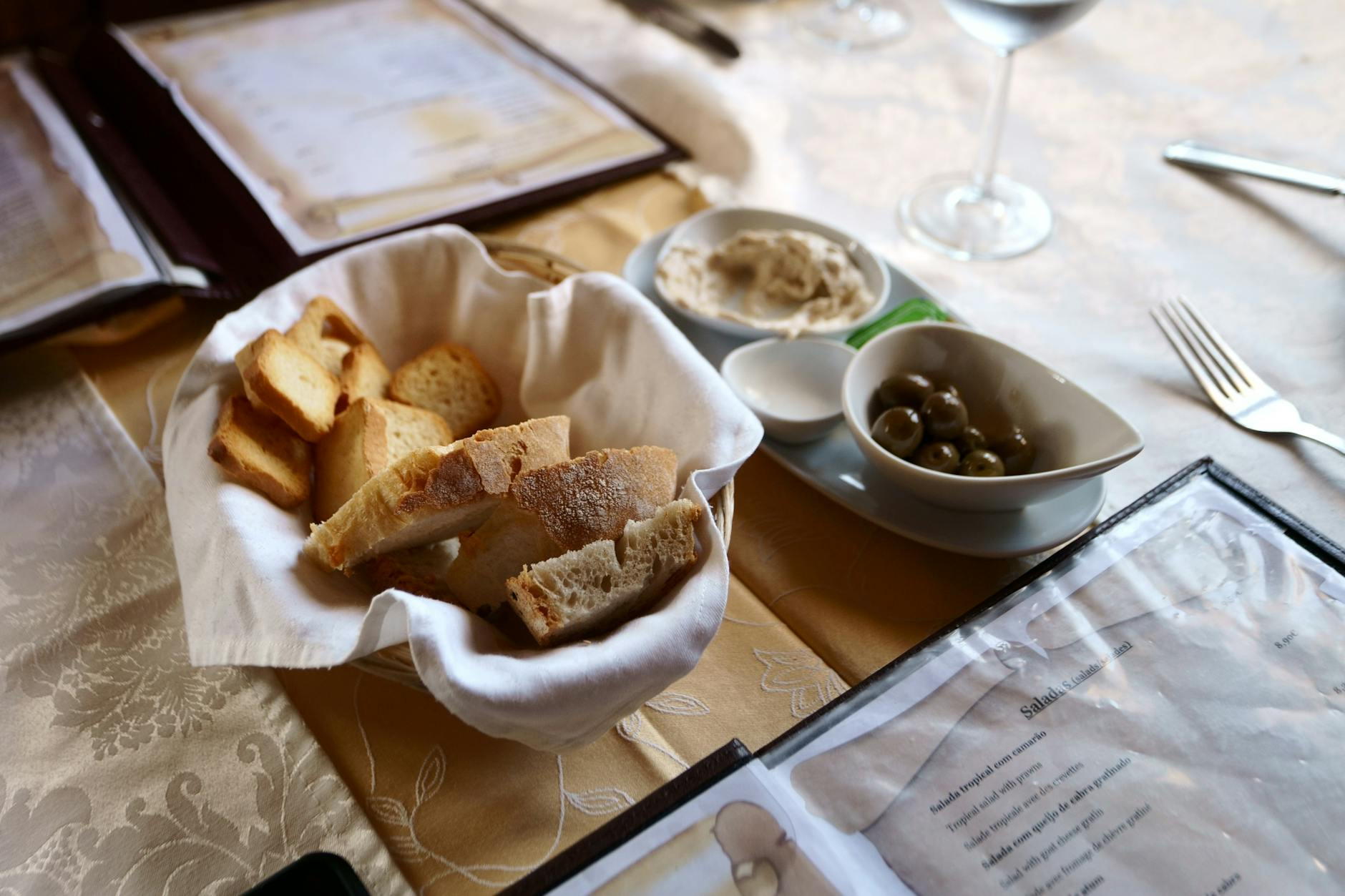
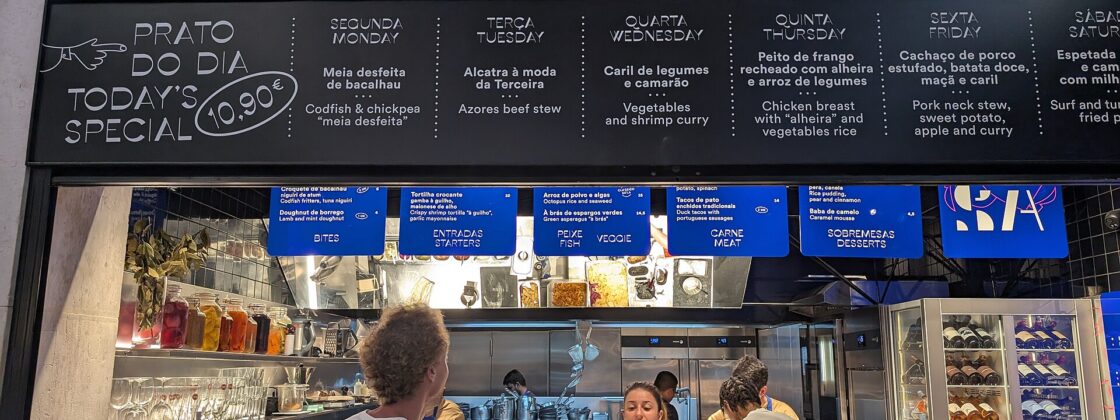
- Prato do dia — the weekday lunch plate, usually soup, a main, bread and a drink: €8–€12. This is the single most important number on this page.
- Mid-range dinner, per person, two courses and a drink: €18–€35.
- Three courses with wine on a tourist strip: €25–€30, and often worse value than the €12 lunch.
- Upscale or chef-led dinner: €40–€50 and upwards, before wine.
- Time Out Market: mains mostly €12–€18. Good food, tourist prices, and you queue.
One thing to budget for that catches everyone: the couvert. The bread, olives, cheese and paste that appear before you order are not free and not a scam — they are an optional charge, usually €2–€5 per person. Wave them away if you do not want them. Nobody minds. Our tascas guide covers the places where the lunch plate is still the point.
Getting around
Lisbon transport is cheap and the fare structure is simpler than it looks, so long as you buy the right piece of plastic on arrival.
- Navegante ocasional card: €0.50, valid a year. Buy one at any metro machine. This is a one-off, not a per-journey cost.
- Single ticket loaded onto that card: €1.90, valid one hour across Carris buses, trams and the Metro.
- Paying the driver on board: €2.30 on a bus, €3.30 on a tram. Avoid.
- 24-hour Carris + Metro ticket: €7.25. Worth it from about four journeys a day, which in practice means the days you are riding trams for fun.
- Airport to the centre by Metro: €1.90. There is no airport supplement, which quietly makes Lisbon one of the cheapest airport transfers in Europe.
- Airport taxi to central Lisbon: €15–€20, plus a €1.60 luggage surcharge. Night and weekend tariffs add roughly 20%.
Full detail in our Lisbon transport guide and the Metro guide.
Attractions and tickets
This is where the bill grows, and where the increases of the last three years have been sharpest.
- Jerónimos Monastery (€18) and Belém Tower (€15): both worth booking a slot for.
- São Jorge Castle: the view is the product; the ruins are thin.
- Panteão Nacional: €10, and one of the better-value roof terraces in the city.
- Carmo Convent: €7 for the roofless nave and its small museum. Excellent value.
- Pena Palace, Sintra: €20 for the essential visit, €12 for the park alone.
- Quinta da Regaleira: €20 after a January 2026 rise, timed entry every 30 minutes.
- Lisboa Card: from €31, covering transport including the Sintra and Cascais trains plus free entry to around 52 sites.
Whether the card pays for itself depends entirely on how hard you sightsee; we ran the arithmetic properly in is the Lisboa Card worth it. The honest summary is that it wins on a dense two-day museum blitz and loses on a slow four-day wander.
Beds

Accommodation is the line item that has moved most, and it is the reason the “Lisbon is cheap” line now feels wrong to returning visitors. Broadly: a well-run hostel dorm sits in the high teens to high twenties, a decent private room or small guesthouse in the €70–€110 band, and a solid three-star or good apartment in the €110–€180 band, all rising steeply for June to September and for the Santos Populares fortnight in June.
Add the tourist tax of €4 per person per night, charged to everyone aged 13 and over, capped at seven nights per stay and applying only inside the Lisbon municipality. For a couple on a five-night trip that is €40 — not ruinous, but it is real money and it is usually collected in cash at check-in, which surprises people. Our tourist tax page has the detail, and where to stay in Lisbon covers which neighbourhoods give you the most room for the money.
Three realistic daily budgets
These are per person, per day, including a bed, and they assume you are not trying to break any records in either direction.
Careful: €60–€75
Hostel dorm or a shared room outside the centre. Pastelaria breakfast, prato do dia lunch, supermarket or petisco dinner. A 24-hour transport ticket on the days you need it and walking on the days you do not. One paid sight, or a free-entry Sunday morning at a municipal museum. A beer or two at counter prices. This is a perfectly pleasant Lisbon, not a punishing one — the city rewards low budgets better than almost any capital in Western Europe, largely because its best asset, the streetscape, is free.
Comfortable: €130–€170
A private room or good apartment, lunch out, dinner out, two or three paid attractions across the week, the odd taxi at night, a glass of wine with a view. This is the budget most first-time visitors actually spend, and it buys a genuinely unhurried trip.
Loose: €250+
Four-star or a design hotel, tasting menus, private transfers, a full-day guided Sintra tour rather than the train. You can spend this in Lisbon very easily. Whether you should is a different question — some of the city’s best hours cost nothing at all, and the €250 day is not reliably better than the €150 one.
Where Lisbon is genuinely cheap
- Public transport. €1.90 for an hour across bus, tram and metro is a European outlier, and the airport link at the same price even more so.
- Wine. Portugal’s domestic wine is very good and very cheap, and restaurant mark-ups are modest by regional standards.
- Weekday lunch. The prato do dia is a structural feature of Portuguese working life, not a tourist promotion, and it has resisted inflation better than almost anything else on this list.
- Coffee and pastry. Two euros buys breakfast.
- The city itself. The miradouros, the river walk from Cais do Sodré to Belém, Alfama’s staircases, the Sunday-morning silence in Graça — all free, and all among the best things Lisbon has.
Where Lisbon is not cheap any more
This is the section most guides leave out, so here it is plainly.
- Central accommodation in high season. Baixa, Chiado and Príncipe Real in July can cost what Barcelona costs. The “cheap city break” premise breaks down entirely here.
- Sintra’s headline palaces. Pena at €20 and Regaleira at €20 means a couple doing both, with the train and the 434 bus, spends over €100 before lunch. Sintra is worth it, but it is no longer a cheap day out and pretending otherwise sets people up for a bad afternoon.
- Rooftop bars. €6 for a beer to stand somewhere you could stand for free one street away. Some are worth it for the specific view; most are selling you the miradouro you already have.
- Tuk-tuks. Frequently €40–€60 for a loop you could do on tram 28 for €1.90. There are decent operators, but the median offer on Praça do Comércio is poor value.
- Airport-adjacent everything. Not the transfer, which is cheap — the coffee, the SIM card, the last-minute bag. Buy in town.
- Restaurants with a photo menu and a man outside. Universal advice, but Lisbon has an unusually high density of them in Baixa and around the Sé.
The costs people forget to budget
- The couvert, at €2–€5 a head, across ten meals.
- The tourist tax, €4 per person per night, usually cash, usually a surprise.
- Sintra transport — the train is cheap, but the 434 bus day pass is €13.50 on top, and it is not optional unless you intend to walk up a very steep hill.
- Luggage storage on the last day: €1.50–€6 per bag at a booking-network host, €1–€5 in a station locker, and station lockers take coins only.
- Hills. Not a cost until they are — most people end up taking more taxis or funiculars in Lisbon than they planned, because the topography is genuinely brutal. Budget an extra €5–€10 a day for the days you give up.
How to spend less without eating worse
Almost all the good advice here is the same single instruction: eat on Portuguese time, in Portuguese places.
- Make lunch the big meal. The same kitchen that charges €26 at 20:00 charges €11 at 13:00 for a plate of the same fish. This is the highest-leverage decision on the entire trip.
- Drink standing up. Counter price versus table price is a real and legal difference, and it is often half.
- Walk one street back. Rent, and therefore the menu, drops sharply the moment you leave a square.
- Buy the Navegante card immediately and stop paying €2.30 to drivers.
- Check free-entry days at municipal museums before you book anything — several are free on Sunday mornings for residents and visitors alike.
- Do not pre-book the tourist card reflexively. Work out your actual list first. Our Lisbon on a budget and free things to do pages between them cover a surprising number of days that cost nothing.
How Lisbon compares
Against other European city breaks, Lisbon sits in the comfortable middle. It is clearly cheaper than London, Paris, Amsterdam, Copenhagen and Dublin — usually by a wide margin on food and transport, and by a narrowing one on hotels. It is broadly level with Madrid, Seville and Athens. It is more expensive than Porto, Kraków, Budapest or Bucharest, and the Porto comparison is the one that stings, because Portugal’s second city offers a lot of the same pleasures for perhaps 20% less. We set the two against each other honestly in Lisbon vs Porto.
The direction of travel matters too. Lisbon’s prices have risen faster than Portuguese wages for a decade, which is why you will meet residents who find the question “is Lisbon expensive” faintly absurd. For them it is. For a visitor earning in northern European or American money, it still is not.
Frequently asked questions
How much money do I need for three days in Lisbon?
Roughly €200–€230 per person on a careful budget, €400–€500 comfortably, excluding flights. Add the €4 per night tourist tax and any Sintra day, which is easily €50–€60 on its own once tickets and the 434 bus are counted.
Is Lisbon cheaper than Barcelona or Madrid?
Cheaper than Barcelona on almost everything, and roughly level with Madrid. Barcelona’s accommodation and headline attractions are meaningfully dearer; Madrid’s food scene is comparable in price and arguably deeper.
Do I need cash in Lisbon?
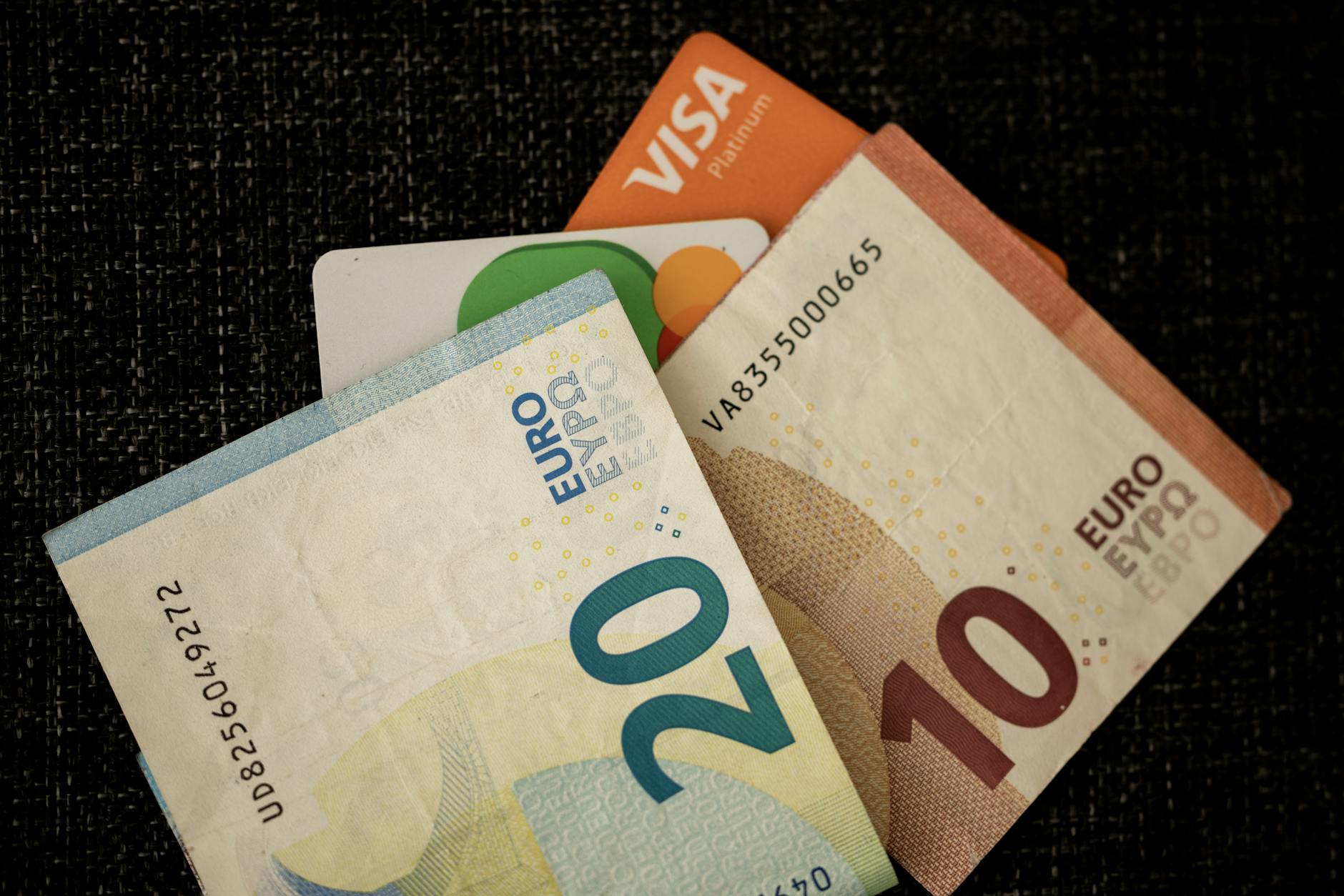
Cards work nearly everywhere, and contactless is universal on transport and in shops. Keep €30–€50 in cash for tascas that still prefer it, ginjinha counters, station lockers, and the tourist tax at check-in. See our money and currency guide.
Is tipping expected, and does it change the budget?
No, and barely. Rounding up or leaving 5–10% for good service is normal and appreciated; there is no 15–20% convention. Budget for it, but do not build a trip around it. Detail in our tipping guide.
When is Lisbon cheapest to visit?
Mid-January to early March, and again in November, when accommodation falls sharply and the weather is milder than most northern visitors expect. Avoid the second week of June: Santos Populares fills the city and prices follow. Our best time to visit page has the month-by-month picture.
Are museums free at any point?
Several municipal museums offer free or reduced entry on Sunday mornings, and the rule changes often enough that it is worth checking the specific museum’s own site the week you travel rather than trusting a list. The nationally run monuments — Jerónimos, Belém Tower — are not part of that scheme.
Bottom Line
Is Lisbon expensive? No — but it is no longer cheap, and the two statements are not the same. Food, drink and transport remain outstanding value and will make your trip feel affordable day to day. Accommodation and the marquee Sintra tickets have re-priced to something close to the Western European average, and they are what will actually determine whether your budget holds.
Plan around that split. Spend where Lisbon is generous — the long lunch, the counter coffee, the €1.90 tram — and be deliberate about the two lines that have moved. Do that and Lisbon is one of the best-value capitals in Europe. Ignore it, book a July apartment in Chiado and eat dinner on Rua Augusta every night, and you will go home wondering what everyone was talking about.
Photo Credits
Prato do dia prices at Lisbon’s Time Out Market: Menu for Joao Sa shop inside the Time Out Market Lisbon, Portugal (55121808450) by Philip Mallis from Melbourne, CC BY-SA 4.0, via Wikimedia Commons.