Lisbon Travel Guide
Lisbon for First-Time Visitors: Everything You Need to Know 2026
First time in Lisbon? Our beginner's guide covers the essentials—what to see, where to stay, how to get around, and mistakes to avoid.
In this guide
- Quick Reference: Lisbon for First Timers
- How Many Days Do I Need?
- Where to Stay (First-Timer Edition)
- Top 10 Must-See Sights for First-Timers
- Day Trip You Cannot Skip: Sintra
- Other Essential Day Trips
- Common First-Timer Mistakes
- How to Get Around Lisbon
- Money Tips
- Best Time to Visit
- Lisbon Budget Realities (2026)
- Sample 4-Day First-Timer Itinerary
- Packing Essentials
- Safety
- Language Tips
- Getting to and Around Lisbon: Key Logistics
- Lisbon’s Neighbourhoods: A First-Timer’s Map
- Eating & Drinking: First-Timer Essentials
- FAQ: Lisbon for First-Time Visitors
- Bottom Line
Going to Lisbon for the first time? You’ll find one of Europe’s friendliest, most photogenic capitals — affordable, welcoming, walkable, and packed with history. But it’s also a city of seven hills with cobblestones that punish bad shoes, where lunch is cheaper than dinner, where bread on the table isn’t free, and where the famous Tram 28 can be a pickpocket’s playground if you’re not paying attention.
Still deciding where to go at all? Our Lisbon vs Barcelona comparison lays out which city suits which kind of trip, with the 2026 costs attached.
For a first trip, four nights is the sweet spot, and the running order matters more than the list — our 4 days in Lisbon itinerary puts Sintra on day three for a reason.
Check what is on before you fix dates. The festivals and events calendar covers the fortnight in June when the whole city eats sardines in the street, and the quieter months either side.
The first thing to settle is length. Our guide to how many days in Lisbon makes the case for four on a first visit, and explains what gets sacrificed at three.
Check-in at 15:00 and a flight that landed at 08:00 is the classic first-timer’s gap. Our Lisbon luggage storage guide explains how to bridge it for a few euros — or for free.
This is the complete first-time visitor’s guide — what to see, where to stay, how long to spend, what to pack, and what mistakes to avoid — paired with our wider set of Lisbon travel tips. Updated for 2026.
Quick Reference: Lisbon for First Timers
| Topic | Answer |
|---|---|
| Currency | Euro (€) |
| Language | Portuguese; English widely spoken |
| Best time | April–June or September–October |
| Time needed | 3–4 days minimum, 5–7 days ideal |
| Daily budget (mid-range) | €100–€150 per person |
| Where to stay (first-timers) | Baixa-Chiado |
| Don’t miss | Jerónimos, Alfama walk, Belém pastéis, Sintra day trip |
| Biggest mistake | Wrong shoes |
| Free money trap | The couvert (bread and olives) isn’t free |
| Transport card | Viva Viagem / Navegante loaded card |
How Many Days Do I Need?
| Days | What you’ll see |
|---|---|
| 1 day | Highlights only — feels rushed |
| 2 days | Central Lisbon + Belém |
| 3 days | Lisbon thoroughly + 1 day trip |
| 4–5 days | Comfortable pace + 2 day trips (Sintra, Cascais) |
| 1 week | Lisbon depth + 3 day trips |
For a first-time visit: 4–5 days minimum. See our itinerary guide.
Where to Stay (First-Timer Edition)
Best Neighbourhood: Baixa or Chiado
Most central, best transit, walkable to everything. The Pombaline grid means flat streets and luggage-manageable pavements. Plenty of mid-range hotels and apartments, and you’re within 20 minutes on foot of most major sights.
See our Baixa guide and best hotels.
Avoid on a First Trip: Alfama or Bairro Alto
Lovely neighbourhoods, but Alfama’s hills are brutal with luggage and Bairro Alto is a bar district that goes until 2–3 AM. Save both for a second visit when you know the city and know what you’re getting into.
Accommodation Pricing (2026)
| Type | Per night |
|---|---|
| Hostel dorm | €30–€45 |
| Budget private room | €70–€100 |
| Mid-range hotel | €140–€280 |
| 4-star boutique | €220–€400 |
| 5-star luxury | €450–€1,200+ |
Top 10 Must-See Sights for First-Timers
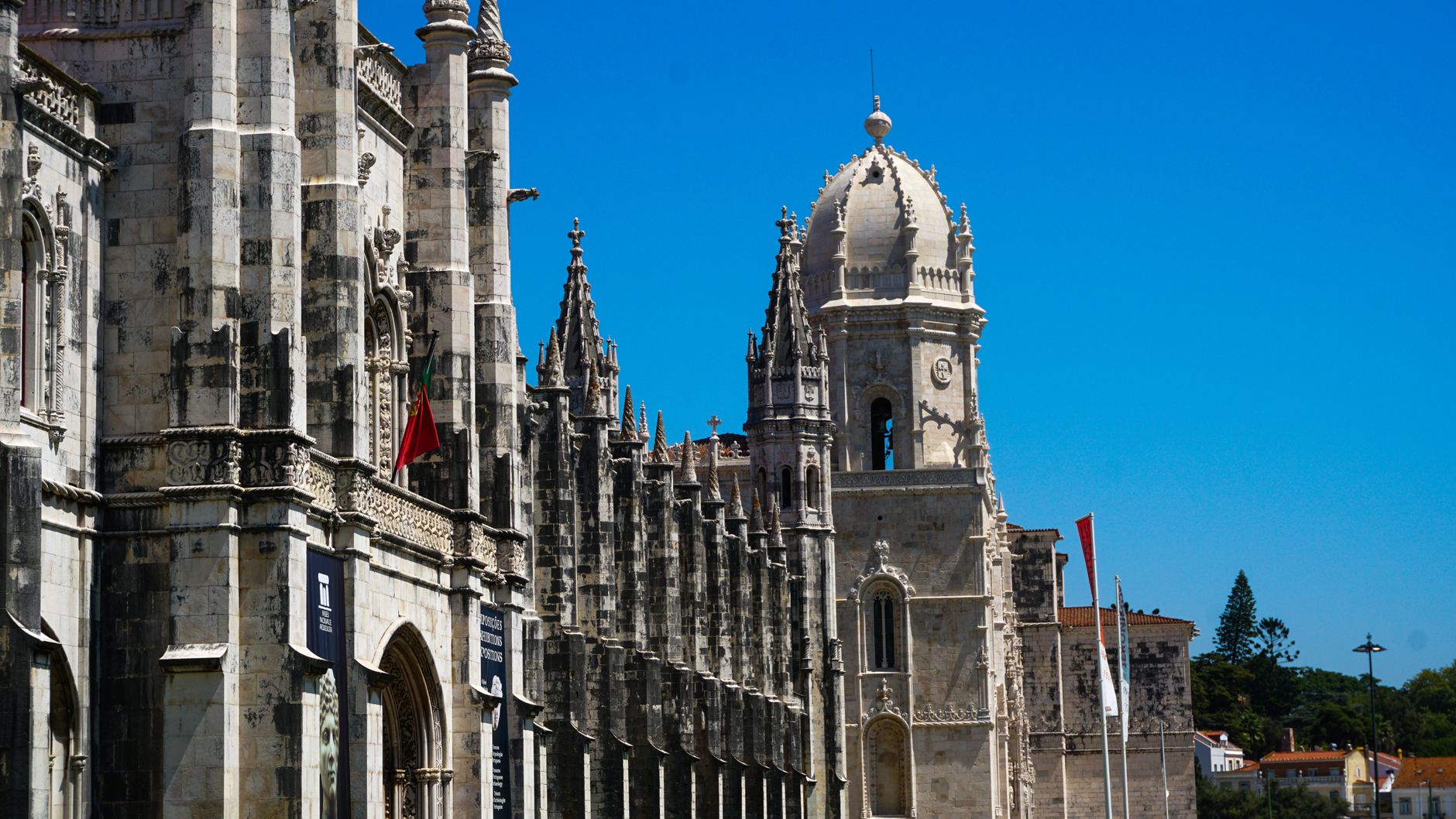
- Jerónimos Monastery — UNESCO Manueline masterpiece in Belém; one of Europe’s finest Gothic buildings
- Praça do Comércio & Rua Augusta Arch — Lisbon’s grandest square, opening to the Tagus
- São Jorge Castle — Hilltop Moorish castle with sweeping views over the city and river
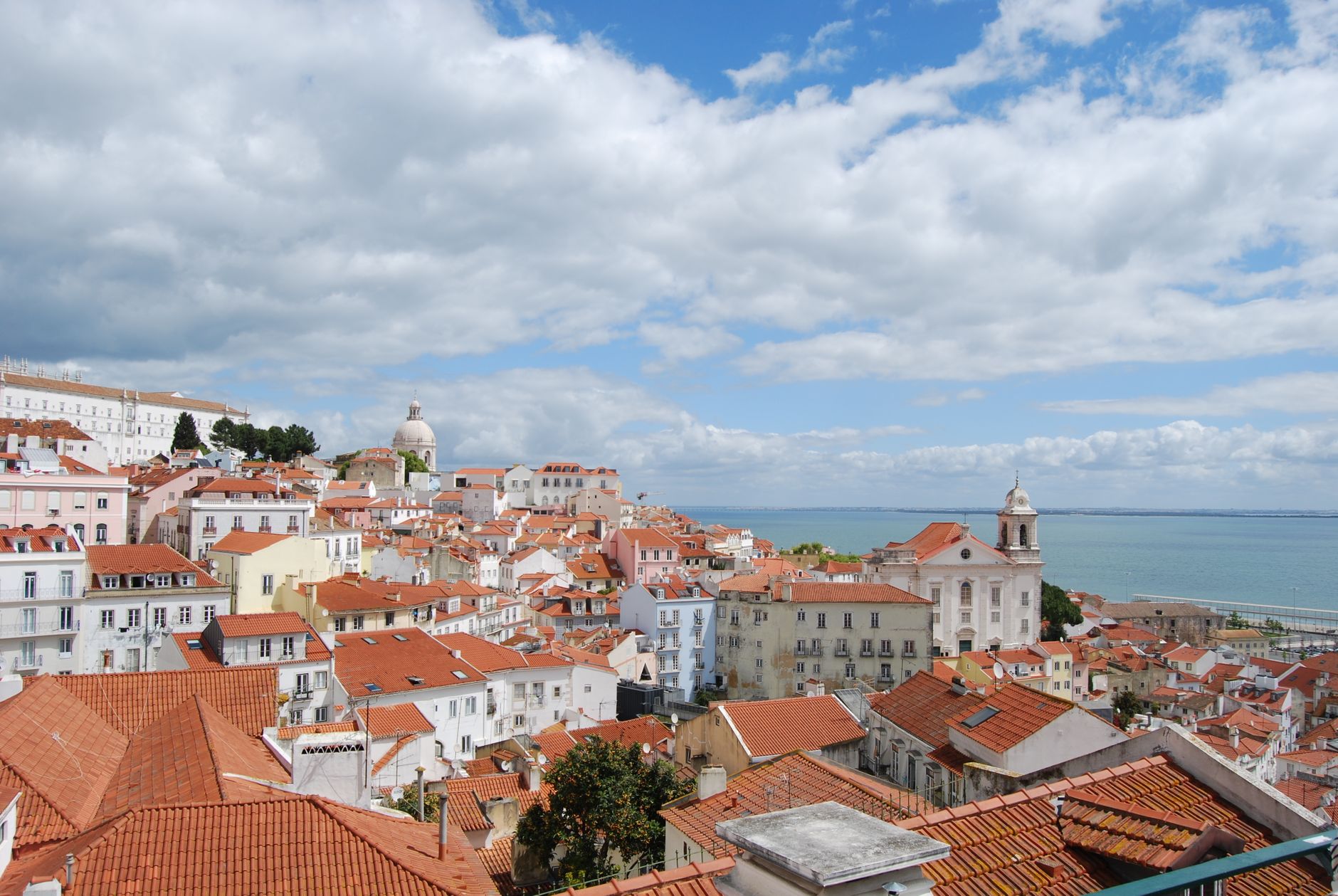
- Alfama walk — Lisbon’s oldest neighbourhood; no plan required, just walk and get lost
- Belém Tower exterior — Closed for restoration in 2026, but worth photographing from the riverside path
- Pastéis de Belém — The original 1837 pastel de nata bakery; the pastry must shatter
- Tram 28 — Iconic heritage tram, most rewarding at 7–9 AM before the crowds arrive
- National Tile Museum — Azulejo art from 500 years; genuinely among Europe’s best collections
- Time Out Market — Curated food hall with 30+ stalls from the city’s best chefs
- A miradouro at sunset — Santa Catarina, Senhora do Monte, or Portas do Sol all deliver
Day Trip You Cannot Skip: Sintra
Forty minutes by train from Rossio station. Pena Palace’s luridly colourful Romanticist palace sits on a forested peak above the town, and Quinta da Regaleira adds mystical underground tunnels and initiatic wells. Book palace tickets online at least a day ahead — the queues without a reservation are punishing. See our Sintra guide.
Other Essential Day Trips
- Cascais — Beach and seaside town, 40 min by train from Cais do Sodré
- Setúbal/Arrábida — Caribbean-blue sea, 1 hour south; rent a car for this one
- Évora — UNESCO Roman/medieval city with a bone chapel, 90 min east by bus or train
- Óbidos — Medieval walled town, 1 hour north; combine with Fátima if you want a longer day
Check visitlisboa.com for current event listings and day-trip options from the official tourism board.
Common First-Timer Mistakes
Wearing the Wrong Shoes
This comes first because it ruins trips. Cobblestones and seven hills destroy flip-flops, ballet flats, and unsupportive sandals within a morning. Bring real walking shoes — proper sneakers, hiking shoes, or sturdy leather boots. Your feet will be fine; everything else won’t.
The Couvert Trick (Bread & Olives)
Bread, butter, olives, and small appetizers placed on your table after sitting are NOT free. They appear on your bill at €2–5 per person. It’s not a scam — it’s the system — but first-timers are frequently surprised. Politely decline (“não, obrigado/a”) if you don’t want them.
Eating on Rua Augusta
Restaurants with hosts standing outside and photo menus are tourist traps. The food is average and the prices are above-average. Side streets and the back end of Bairro Alto have authentic Portuguese tascas where locals actually eat.
Riding Tram 28 at Midday
Standing-room-only and a pickpocket’s dream by 10 AM in summer. Ride 7–9 AM or after 7 PM for a genuinely enjoyable experience. A Navegante-loaded card costs €1.72 versus €3.10 on board.
Ignoring the Prato do Dia
The lunch special at most tascas is €8–14 — soup, main, dessert or wine included. That’s often half the price of an evening main course for similar or better food. Eat your big meal at lunch.
Driving in Lisbon
Hills, narrow streets, no-right-turn signs every 100 metres, and parking that costs as much as a hotel room. Skip the rental car inside the city. See our car rental guide.
Taking the ATM’s Currency Conversion Offer
When an ATM offers to convert to your home currency, always decline. The bank rate is far better than the ATM markup — sometimes 5–8% worse.
Paying Full Price on Transport
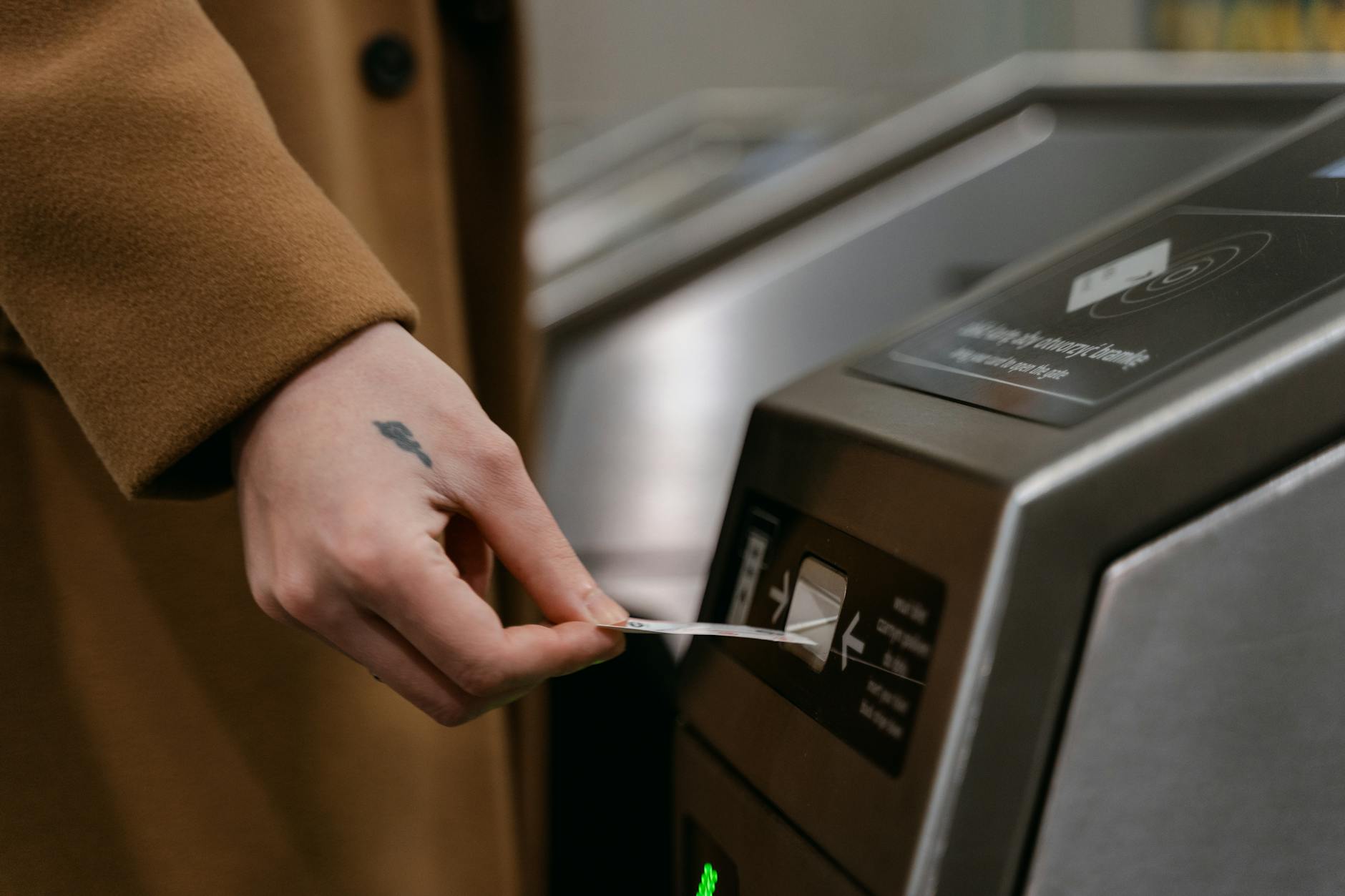
Buy a Viva Viagem or Navegante card and load it with credit. Single tickets on board cost €3.10; pre-loaded cost €1.72. The 24-hour transport pass is €7.25 and covers metro, tram, and bus.
How to Get Around Lisbon
Metro
4 lines covering most of central Lisbon. €1.72 with a Navegante loaded card, €1.90 with a single-journey paper ticket. Fastest for crossing town. See our metro guide.
Trams
Tram 28 (heritage, scenic, crowded); Tram 15E (modern, goes to Belém, not crowded). Both €3.10 single on board, €1.72 with a Navegante card.
Buses
Comprehensive network covering everywhere the metro and trams don’t reach. Slower than metro in traffic, but same fares. Good for the National Tile Museum and northern neighbourhoods.
Funiculars
Three of them (Glória, Bica, Lavra) connect Baixa to upper neighbourhoods. Currently all suspended — check current status before relying on them.
Uber / Bolt
€5–12 for most central trips. Reliable and cheap by Western European standards. Keep both apps; Bolt tends to run slightly cheaper. Useful for tired legs on the way home or carrying luggage to hilly accommodation.
Walking
Central Lisbon is surprisingly compact — Praça do Comércio to Rossio is 8 minutes on foot. The hills are real, but most tourist sights are within a 25-minute walk of each other. Pace yourself; build in rest-stop café breaks.
Money Tips
- Carry €40–60 in small cash — some smaller shops and tascas are cash-only
- Use bank ATMs (Multibanco) — lower fees than airport machines or Euronet standalone kiosks
- Tipping: 5–10% at sit-down restaurants, round up at cafés, not expected at takeaway counters
- VAT refund available for non-EU residents on purchases of €50+
See our full money and currency guide and tipping guide.
Best Time to Visit
| Season | Verdict |
|---|---|
| April–May | Best — wildflowers, mild 18–22°C, pre-peak crowds |
| June | Excellent until late June when prices and crowds climb |
| July–August | Hot (35°C+), expensive, crowded at every sight |
| September–October | Excellent — warm sea, harvest season, shoulder prices |
| November–February | Cool and rainy, but cheap and atmospheric; fewer queues at everything |
See our best time to visit guide.
Lisbon Budget Realities (2026)
Lisbon is mid-priced for Western Europe — cheaper than London, Paris, or Amsterdam, more expensive than Warsaw or Bucharest. A useful rough guide:
- Budget traveller (hostel, supermarkets, free sights): €50–€70/day
- Mid-range traveller (hotel, tasca lunches, paid museums): €100–€150/day
- Comfortable (4-star hotel, restaurants, day trips): €200–€300/day
Eating at lunchtime pratos do dia, using public transport, and skipping the tourist-strip restaurants will keep costs firmly in the lower ranges.
Sample 4-Day First-Timer Itinerary
Day 1: Central Lisbon Highlights
Praça do Comércio → Rua Augusta → Rossio → Chiado → coffee at Café A Brasileira (the oldest, on Rua Garrett) → Bairro Alto for sunset at Miradouro de Santa Catarina → dinner at a tasca well off the tourist strip.
Day 2: Alfama & Castle
Tram 28 to Graça (8 AM, before the crowds) → walk down through Alfama → São Jorge Castle → lunch in Alfama → Sé Cathedral → fado dinner at Mesa de Frades or a similar small house in the neighbourhood.
Day 3: Belém
Tram 15E to Belém → Jerónimos Monastery → Pastéis de Belém (the queue moves fast) → walk the riverfront past Belém Tower exterior → Monument to the Discoveries + rooftop → MAAT → Tram 15E back → Time Out Market dinner.
Day 4: Sintra Day Trip
Train from Rossio → Pena Palace (book tickets online night before) → Quinta da Regaleira → lunch in Sintra village → return to Lisbon → cocktails at Park Bar rooftop, which is better at sunset than any miradouro.
Packing Essentials
- Comfortable walking shoes — the single most important item
- Layers — mornings are cool, afternoons warm, even in summer
- Light raincoat (October–April; spring showers are frequent)
- Sunscreen and a hat for summer
- Reusable water bottle — tap water is fine throughout
- EU plug adapter (Type F)
- Crossbody bag that closes — pickpocket deterrent
See our packing list.
Safety
Lisbon is among Europe’s safest cities for violent crime. Pickpocketing is the real concern — concentrated on Tram 28, crowded streets in Alfama, and restaurant terraces in summer. A crossbody bag, front-pocket wallet, or money belt handles 95% of the risk. See our is Lisbon safe guide.
Language Tips
Learn these five phrases — they earn genuine goodwill:
- Olá — hello
- Obrigado/a — thank you (obrigado if you’re male, obrigada if female)
- Por favor — please
- Bom dia — good morning
- Desculpe — excuse me
One firm rule: don’t speak Spanish. Portuguese people strongly prefer English. Attempting Spanish comes across as dismissive of the language. See our Portuguese phrases guide for a fuller list.
Getting to and Around Lisbon: Key Logistics
Arriving at Lisbon Airport
Lisbon Airport (LIS) is 7 km from the city centre. The metro red line runs directly from the airport to downtown in about 20 minutes for €1.72 on a Navegante card. Uber and taxis take 15–25 minutes depending on traffic. See our airport transfer guide.
The Lisboa Card
The Lisboa Card gives free entry to 25+ attractions and unlimited public transport for 24, 48, or 72 hours. Worth calculating if you’re planning to visit multiple paid sights in a short time — the maths works in your favour if you’re hitting 3+ museums and moving around a lot. See our budget guide for the breakdown.
Lisbon’s Neighbourhoods: A First-Timer’s Map
Lisbon doesn’t have one centre — it has several distinct zones that feel completely different from each other. Knowing which is which before you arrive saves a lot of confused map-squinting.
Baixa & Rossio
The flat Pombaline grid rebuilt after the 1755 earthquake. Department stores, pedestrianised streets, the Rossio train station. Good base for first-timers; the streets are wide and navigable. Praça do Comércio anchors the south end at the Tagus.
Chiado & Bairro Alto
Chiado is the literary neighbourhood — bookshops, good cafés, the Brasileira, slightly uphill from Baixa. Bairro Alto sits above it and is quiet by day, loud by night. Miradouro de São Pedro de Alcântara is worth climbing to even if you’re not staying there.
Alfama
The oldest part of Lisbon, running up the hill below São Jorge Castle. Narrow alleys, azulejo-tiled facades, fado houses, the Sé Cathedral. Tourist-dense but authentic. Brutal with luggage; wonderful to walk through lightly packed. The viewpoints (Portas do Sol, Santa Luzia) give the best river views in the city.
Belém
4 km west of Baixa along the Tagus. A purpose-built monumental district with Jerónimos, the Tower, the Monument to the Discoveries, MAAT, and the Coach Museum all within a 15-minute walk of each other. Not really a place to stay — visit for a morning or full day, then return to central Lisbon.
Parque das Nações
The 1998 Expo site in the north-east. Modern, flat, family-friendly, with the Oceanarium and the Vasco da Gama shopping mall. A deliberate contrast to the historic centre. More interesting than it sounds; the river views from here include the longest bridge in Europe (Vasco da Gama Bridge at 17 km).
Intendente, Mouraria & Martim Moniz
Lisbon’s most genuinely multicultural quarter — Chinese, South Asian, and African communities overlapping with the historic Moorish neighbourhood. Rough around the edges, increasingly interesting to eat in, and completely un-touristy. Worth a lunchtime wander on a second or third day.
Eating & Drinking: First-Timer Essentials
The food in Lisbon is good, cheap by Western European standards, and occasionally extraordinary. A few things to know before you sit down anywhere:
- Bacalhau (salt cod) — Portugal’s national obsession. Allegedly 365 recipes, one for every day. Bacalhau à Brás (shredded with eggs and fries) is the most accessible introduction.
- Bifanas — Pork steak in a crusty roll, seasoned with garlic and piri-piri. The fast food of Lisbon; €3–5 from a tasca counter.
- Pastéis de nata — Custard tarts. Served warm, dusted with cinnamon. The pastry must shatter. Pastéis de Belém is the most famous; António Manuel on Rua do Loreto is the locals’ runner-up.
- Galão — A tall glass of espresso topped with foamed milk; the Portuguese equivalent of a latte. Order one at any pastelaria and sit with it for 20 minutes.
- House wine — House wine at Lisbon tascas is often excellent and costs €1.50–€3 per glass. Don’t default to imported beer.
Avoid: anything with a photo menu displayed outside, restaurants on Rua Augusta proper, and places that seat you before you’ve asked to sit down.
FAQ: Lisbon for First-Time Visitors
How many days do I need for a first Lisbon trip?
4–5 days for a comfortable pace including 1–2 day trips. 3 days is the minimum for city highlights only. 1 week is ideal if you want Lisbon plus Sintra, Cascais, and one other destination.
Where should first-time visitors stay in Lisbon?
Baixa or Chiado — central, walkable, good transit access in every direction, manageable streets for luggage. Avoid Alfama (exhausting hills) and Bairro Alto (noisy until 3 AM) on a first trip.
Is Lisbon expensive for first-time visitors?
Mid-priced for Western Europe. Cheaper than London, Paris, or Amsterdam. Budget €100–€150/day mid-range, less if you eat lunch specials and use public transport. See our Lisbon on a budget guide.
Should I learn Portuguese before visiting?
A handful of phrases earns goodwill. English works fine in tourist areas and most restaurants. Don’t attempt Spanish — locals prefer English by a wide margin.
Is Lisbon safe for first-time visitors?
Yes — among Europe’s safest cities for violent crime. Pickpocketing is the main concern, especially on Tram 28 and in crowded areas. A crossbody bag and situational awareness handle it. See our safety guide.
What’s the biggest first-timer mistake?
Wearing the wrong shoes. The hills and cobblestones demand real support. Second biggest: not eating the prato do dia at lunch.
Bottom Line
Lisbon is one of Europe’s friendliest cities for first-time visitors — affordable, welcoming, photogenic, and genuinely easy to navigate once you know the basics. Stay in Baixa or Chiado, allow 4–5 days, eat the prato do dia at lunch, ride Tram 28 early morning, take a Sintra day trip, and watch sunset from a miradouro. Avoid the bread trap, tourist-menu restaurants, and fancy shoes — and you’ll have a great first Lisbon trip.
First trips turn on three decisions: when you come, what you spend, and where you sleep. The best time to visit and the budget guide handle the first two, the travel guide pillar is the wider planning map, and the safety guide settles the question most first-timers ask before booking.