Lisbon Travel Guide
Lisbon Packing List: What to Wear & Bring for Every Season (2026)
Pack perfectly for Lisbon with our season-by-season packing list including clothing, shoes for cobblestones, and essential items.
In this guide
- Quick Answer: Lisbon Packing Essentials
- The Essentials (Year-Round)
- Season-by-Season Packing
- What NOT to Pack
- The Right Shoes for Lisbon
- What to Wear by Activity
- Tech and Gadgets
- Documents and Money
- Health and Toiletries
- The Crossbody Bag Strategy
- Carry-On vs Checked Luggage
- Packing Cubes and Organization
- Special Items by Trip Type
- What to Buy in Lisbon vs Bring
- Lisbon Packing Checklist
- FAQ: Lisbon Packing List
- Bottom Line
- Photo Credits
Packing for Lisbon means accounting for three things travelers consistently underestimate: the city’s punishing cobblestones, its surprisingly cool evenings (even in summer), and its hilly geography that turns short walks into real elevation gain. Get the Lisbon packing list right and your trip changes meaningfully.
Check your passport’s issue date, not just its expiry — a document issued more than ten years ago will be refused. Our Portugal entry requirements guide has the full list of what to carry.
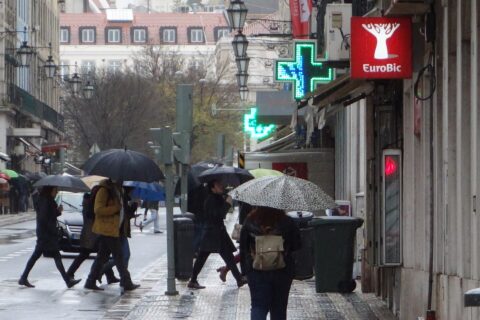
Autumn packing is a different problem from summer packing. Our Lisbon in October guide explains why a waterproof beats an umbrella here and why grippy shoes matter on wet calcada.
What you pack depends entirely on when you come. Check the temperature, rain and wind figures for your month in our Lisbon weather by month guide before you decide how many layers to bring.
This guide covers what to pack season by season, the essentials no traveler should leave home without, and the small items that turn awkward situations into easy ones. Updated for 2026.
Quick Answer: Lisbon Packing Essentials
| Item | Why It Matters | Priority |
|---|---|---|
| Grip-sole walking shoes | Calçada cobblestones are genuinely slippery | Non-negotiable |
| Light jacket | Evenings run 8–15°C cooler than afternoons year-round | Non-negotiable |
| Crossbody bag | Keeps valuables secure in crowded trams and miradouros | Non-negotiable |
| Refillable water bottle | Tap water is safe; hills are hot in summer | High |
| European plug adapter (Type F/C) | Standard EU 230V — adapter only, no converter needed | High |
| Sunscreen SPF 30+ | Atlantic light is intense even in winter | High |
| €30–€60 cash daily | Kiosks, tips, small markets often cash-only | Medium |
| Compact umbrella | Oct–Apr rain; autumn showers arrive fast | Seasonal |
The Essentials (Year-Round)
- Comfortable walking shoes with grip — non-negotiable. Lisbon’s calçada portuguesa cobblestones are slippery, especially when wet. Closed-toe sneakers, hiking sandals, or sturdy walking shoes only.
- A light jacket or shell — useful 11 months a year, essential evenings
- Layers — temperatures swing 8–15°C between day and night
- Refillable water bottle — Lisbon’s tap water is safe
- Sunscreen and sunglasses — Atlantic light is intense even in winter
- Phone with offline maps downloaded
- Universal European plug adapter
- Crossbody bag for daily use (worn front of body)
- €30–€60 in cash for kiosks, tips, small markets
- Travel insurance documentation
Season-by-Season Packing
Lisbon’s climate is Mediterranean, which sounds warm until you notice the Atlantic sitting right there. Fog rolls in on summer mornings, the wind picks up in the afternoon, and the evening temperature can drop 12°C from the day’s high. Packing for this is simple once you stop treating it like a pure beach holiday.
Spring (March–May)
- Light layers — t-shirts + light sweater + jacket
- Light rain shell (April brings showers)
- Comfortable walking shoes
- Sunglasses and sunscreen
- One slightly nicer outfit for dinner out
- Light scarf (evenings cool quickly)
Spring is many locals’ favourite season for walking the city. Temperatures hover 14–20°C by day. The jacaranda trees on Avenida da Liberdade bloom purple in May and the miradouros are magical at sunset with a jacket on. Pack for cool mornings, warm afternoons, and always-cool evenings.
Summer (June–September)
- T-shirts and breathable tops
- Shorts or light pants
- Light dress or jumpsuit for evenings
- Light cardigan or shawl (evenings still cool)
- Hat with brim
- Strong sunscreen (SPF 30+)
- Walking sandals (closed-toe, with strap support)
- Swimwear (Cascais beach trips)
- Light scarf
July and August are peak heat — regularly 28–35°C by midday. Afternoons on exposed miradouros or in Belém can feel brutal. The Atlantic northerly breeze (nortada) kicks in by 3 PM and drops the coastal temperature fast. That cardigan or shawl isn’t optional; it’s for the exact moment you sit down for dinner outside and the breeze comes up.
Autumn (October–November)
- Long-sleeve shirts + light sweater
- Light jacket or trench
- Pants over shorts
- Closed-toe walking shoes
- Compact umbrella (October–November are wet)
- Scarf for evening warmth
Autumn is underrated: crowds thin, prices drop, and the light turns golden. October can be warm (18–22°C) but November brings proper rain. A compact umbrella that fits in a day bag is the single most-useful autumn addition — not a full golf umbrella, a collapsible one you don’t resent carrying.
Winter (December–February)
- Heavier sweater + warm jacket
- Wool or thermal layers if cold-sensitive
- Pants (skip shorts)
- Closed walking shoes (waterproof preferred)
- Compact rain umbrella + waterproof shell
- Warm hat and gloves (evenings down to 8°C)
- Festive layers if traveling Christmas/NYE
Lisbon winters are mild by northern European standards but genuinely wet. It won’t snow. It might hit 8°C at night and 15°C by day. The cobblestones get very slippery when wet — waterproof shoes with grip matter most in winter. Museums and indoor experiences come into their own this season and the city is far less crowded.

What NOT to Pack
- High heels — disastrous on Lisbon’s cobbles. Even dressy events accept comfortable flats.
- Flip-flops as primary shoes — fine at the beach, miserable on hills
- Oversized luggage — Alfama, Bairro Alto, and many central streets aren’t suitcase-friendly
- Heavy winter coats (unless visiting December–January) — overkill
- Excessive cash — ATMs are everywhere
- Power converters — Lisbon uses standard EU 230V; only need an adapter, not a converter
- Fancy jewelry — pickpocket bait
The Right Shoes for Lisbon
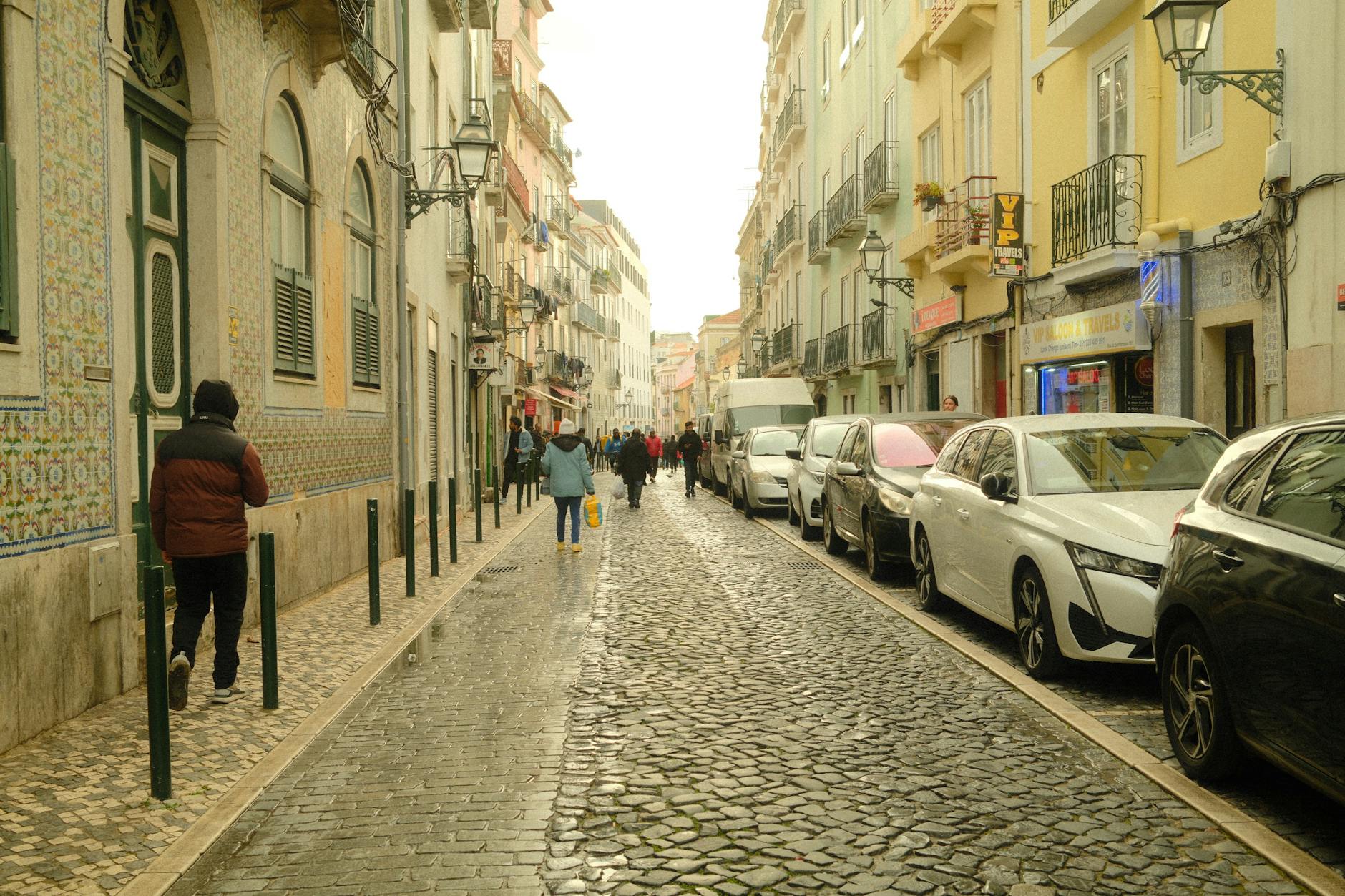
This is the single most important Lisbon packing decision. Lisbon’s calçada portuguesa — the famous wave-pattern cobblestones — is genuinely slippery, especially after rain. Many travelers slip and fall in the first 24 hours.
The cobblestones are also uneven. After a full day of walking 10–15 km over them, any shoe without proper cushioning starts punishing your knees and ankles. Lisbon’s hills add another 5–10% gradient to many streets. This is not the city to test new shoes or optimistic fashion choices.
What works:
- Sneakers with rubber soles and grip — your default daily shoe
- Hiking sandals (Tevas, Keen) for summer — closed-toe with solid traction
- Waterproof leather/Gore-Tex shoes for winter
- One slightly dressier closed-toe option for nice dinners
What doesn’t:
- Heels of any height
- Smooth-soled dress shoes
- Flip-flops (saved for beach days)
- New shoes you haven’t broken in
Budget-conscious: if you arrive and your shoes aren’t working, Lisbon has good sporting-goods shops (Sport Zone, Decathlon) where you can pick up solid grip sneakers for around €30–€60. Worth sorting on day one rather than suffering through a week of cobblestone walking.
What to Wear by Activity
Daily Sightseeing
Comfortable walking shoes, breathable layers, light jacket, crossbody bag, sunglasses, hat in summer. Plan to walk 8–15 km daily across uneven terrain. Your feet will thank you for breaking in shoes before arrival.
Restaurant Dinners
Smart casual is the universal Lisbon norm. No formal dress codes at most restaurants. Jeans + shirt or simple dress is fine almost anywhere. Michelin-starred venues prefer slightly dressier (no shorts, no athletic wear). Even Belcanto, Lisbon’s top table, doesn’t require a jacket and tie — but you’ll feel underdressed in shorts.
Fado Houses
Smart casual. No swimwear or athletic shorts. The atmosphere is reverent — even Tasca do Chico’s informal fado vadio nights benefit from looking slightly put-together. See our fado guide for what to expect.
Rooftop Bars
Most are smart-casual. Sky Bar Tivoli and BAHR prefer dressier; Park and Topo are fully relaxed. The classic test: if you’re in a swimsuit, change before heading out — even beach-adjacent Lisbon keeps clothes on past the sand.
Sintra Day Trips
Sturdy closed-toe walking shoes (Sintra is steep and cobbled), light jacket (5°C cooler than Lisbon at altitude), water bottle, snacks. No heels. The Pena Palace grounds involve long, uphill walks.
Beach Days (Cascais, Costa da Caparica)
Swimwear, towel, sunscreen, hat, water-friendly shoes. Atlantic surf is colder than Mediterranean — wetsuit or thicker swim layer for swimming October–April.
Tech and Gadgets
- Phone with offline Lisbon map downloaded (Google Maps, Citymapper, Maps.me)
- European plug adapter (Type F or Type C; 2-prong round)
- USB cables and charger
- Portable battery pack for long sightseeing days
- Optional: travel router/VPN if you need privacy on hotel Wi-Fi
- Camera or quality phone camera — Lisbon is exceptionally photogenic
On connectivity: Lisbon’s city centre has solid 4G/5G coverage. If you’re coming from outside the EU and relying on roaming, check your provider’s Europe rates — a local SIM or eSIM often works out cheaper for anything longer than a few days.
Documents and Money
- Passport (and a photo of it stored in cloud)
- Travel insurance documents
- Backup credit/debit card stored separately from primary
- €30–€60 cash daily working amount
- Driver’s license (for car rental or backup ID)
- Vaccination/health records if required
Card payments are accepted almost everywhere in central Lisbon — including smaller restaurants, the metro, and most cafés. The exceptions are market vendors, miradouro kiosks, and some old-school tascas. Having €30–€60 in your pocket each day covers these comfortably. ATMs are plentiful — use bank ATMs rather than standalone currency-exchange machines, which often apply poor rates. See our money and currency guide for full details.
Health and Toiletries
- Standard toiletries (most pharmacies stock everything)
- Prescription medications (in original packaging with prescription copy)
- Pain relievers, antacids, motion-sickness tablets
- Bandages and small first-aid kit
- Sunscreen (SPF 30+)
- Insect repellent (summer evenings near rivers)
- Hand sanitizer and tissues
Portuguese pharmacies (green cross) are well-stocked and pharmacists helpful with minor ailments. Don’t overpack toiletries — you can buy virtually anything in Lisbon, including good-quality sunscreen and European pharmacy brands.
The Crossbody Bag Strategy
Pickpockets target back pockets and unsecured bags. The optimal Lisbon daily setup:
- Crossbody bag worn diagonally across the body, kept in front rather than at hip
- Phone in interior zip pocket, never visible while walking
- Wallet in front pocket of pants, or in inside zip pocket of bag
- Cash split between bag and pocket
- Passport in hotel safe (carry photo backup on phone)
Tram 28, miradouros at sunset, and Alfama’s narrow streets are the most pickpocket-active spots. For broader safety context, see our is Lisbon safe guide.
Carry-On vs Checked Luggage
For trips under 7 days: Carry-on works for most travelers. Lisbon’s hills and cobbles make heavy checked luggage genuinely difficult. Most hotels accept early bag drop-off if you arrive before check-in.
For longer trips or families: Checked luggage with hard-shell wheels for protection on rough cobbles.
Practical tip: if you’re staying in Alfama, Bairro Alto, or other hillside neighborhoods, these streets are narrow, often stepped, and not rolling-suitcase friendly. Soft-shell bags or backpacks navigate them much more easily.
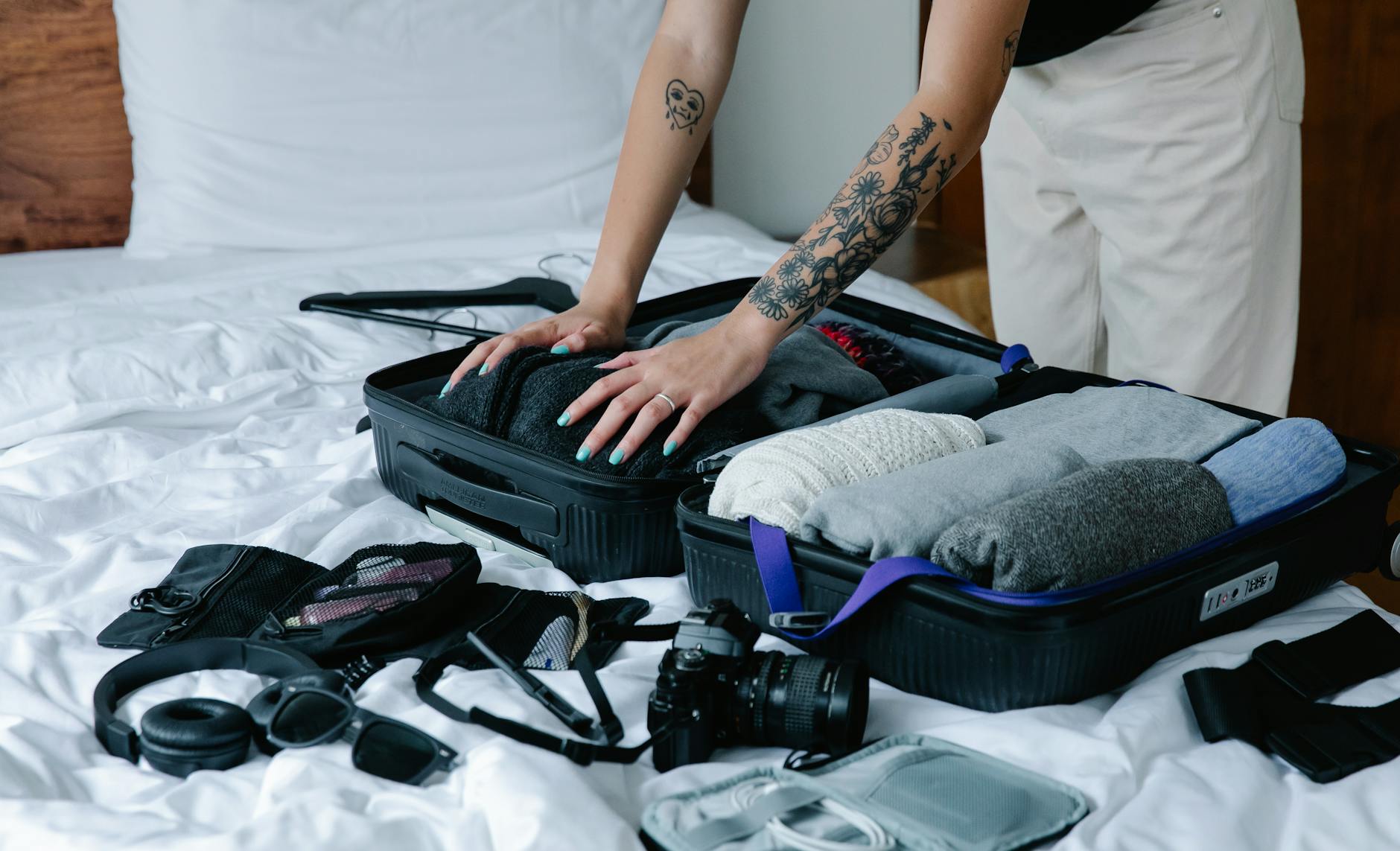
Packing Cubes and Organization
Lisbon’s hotel rooms can be small. Packing cubes help with:
- Compressing clothing
- Quickly finding items in cluttered rooms
- Separating clean/dirty laundry
- Re-packing for day trips
Compression cubes are especially useful if you’re mixing city days with beach trips — keeping swimwear, towels, and sandy gear quarantined from clean clothes is worth the extra weight.
Special Items by Trip Type
Beach Lover
Add: extra swimwear, beach towel, water shoes, sunshade hat, beach bag. The Cascais and Estoril coast is a 40-minute train from central Lisbon. See our Cascais day trip guide.
Foodie
Add: small notebook for restaurant notes, slightly dressier outfit for fine dining, wine carrier for taking bottles home. Lisbon’s food scene spans €10 tasca lunches to Michelin tasting menus. You won’t need a dinner jacket, but having one non-denim outfit for the fancier end helps.
Photographer
Add: camera + lenses, extra batteries, microfiber cloth, camera bag with rain cover, tripod (allowed in most outdoor spaces but not most museums). The golden-hour light on Lisbon’s tiles is extraordinary September through November.
Cultural Traveler
Add: museum membership cards, audio guide app downloads, comfortable shoes for hours of standing. The Gulbenkian and MAAT are the big two; the Museu Nacional do Azulejo is closed for works with no reopening date.
Family with Kids
Add: kid-friendly snacks, entertainment for transit, change of clothes per day, sun protection for kids, identifiable cards (in case of separation). A baby carrier is infinitely better than a stroller for cobblestone neighborhoods.
What to Buy in Lisbon vs Bring
| Bring From Home | Buy in Lisbon |
|---|---|
| Prescription medications | Sunscreen (well-stocked pharmacies) |
| Walking shoes (broken in) | Casual clothes (good high-street options) |
| Electronics and chargers | Snacks and food items |
| Travel insurance docs | Wine, port, ginjinha to bring home |
| Plug adapter | Azulejo tiles as souvenirs |
| Offline maps downloaded | Pastries (obviously, daily) |
Lisbon’s shopping is strong on souvenirs worth buying — hand-painted azulejo tiles, cork products, wine, and Portuguese textiles. Leave room in your bag for the return journey. See our best souvenirs guide for what’s actually worth taking home.
Lisbon Packing Checklist
Clothing
- Walking shoes with grip (primary daily shoe)
- One dressier closed-toe option
- Light jacket (year-round essential)
- Layers: t-shirts + sweater or cardigan
- Breathable pants and/or shorts (seasonal)
- One smart-casual dinner outfit
- Swimwear (if planning beach days)
- Light scarf
- Hat or cap (summer essential)
Gear
- Crossbody bag (daily-use security)
- Compact umbrella (Oct–Apr)
- Refillable water bottle
- Packing cubes (optional but helpful)
- European plug adapter (Type F or C)
- Portable battery pack
Documents
- Passport + cloud backup photo
- Travel insurance
- Credit/debit cards (primary + backup)
- €100–€200 cash (starting float)
- Driver’s license (if renting)
FAQ: Lisbon Packing List
What should I pack for Lisbon?
Comfortable walking shoes with grip, light layers + jacket, crossbody bag, sunglasses, light rain shell, water bottle, refillable cash, and phone with offline maps.
What shoes should I wear in Lisbon?
Sneakers or hiking sandals with grip — closed-toe and rubber-soled. Lisbon’s cobbles are slippery and the hills are demanding.
Do I need a coat in Lisbon?
Yes, year-round. A light jacket suffices April–October; a heavier warm jacket December–February. Evenings always run 8–15°C cooler than days.
Should I bring a power converter?
No — Lisbon uses standard EU 230V power. You only need a Type F or Type C plug adapter (2-round-prong).
How much cash should I bring?
€100–€200 emergency cash. ATMs are everywhere and will give you better rates than home-country exchange. Keep €30–€60 accessible daily for kiosks, tips, and cash-only vendors.
What’s the dress code for Lisbon restaurants?
Smart casual at most restaurants. Michelin venues prefer slightly dressier. No formal dress codes anywhere.
Can I wear sandals in Lisbon?
Hiking sandals (Tevas, Keen) yes. Flip-flops save for the beach. Avoid heels entirely.
Is a crossbody bag really necessary?
It’s the single most practical daily bag for Lisbon. Tram 28, Alfama alleyways, crowded miradouros — these are all pickpocket-active environments. A bag you can keep in front of your body at all times is worth it.
Bottom Line
The 5 most important Lisbon packing items: 1) walking shoes with grip, 2) light jacket, 3) crossbody bag, 4) refillable water bottle, 5) European plug adapter. Skip heels, oversized luggage, and excessive cash. Pack layers, expect the cobbles, and remember the cool evenings.
What you pack follows directly from when you come. The best time to visit sets out what each season actually demands, the travel guide covers the rest of the preparation, the budget guide is worth reading before you decide how much cash to bring, and the safety guide explains why the zipped pocket on that list matters.
Photo Credits
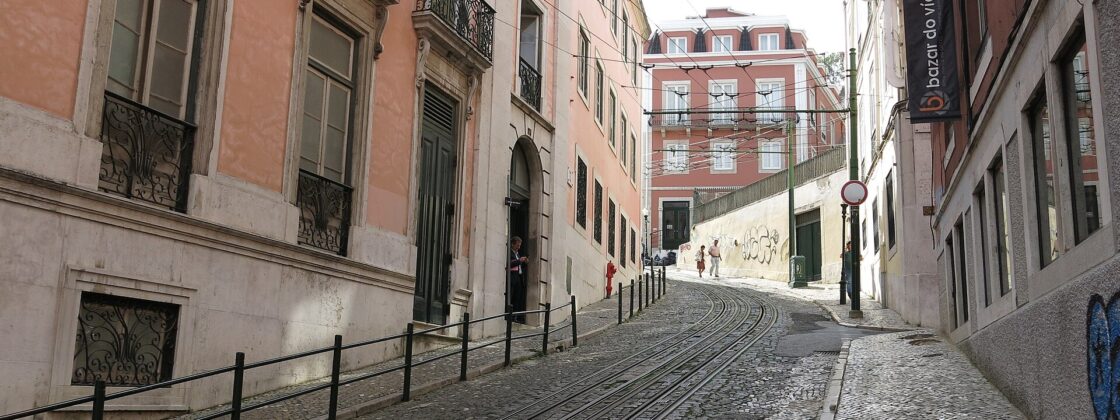
Calçada paving on Lisbon’s Calçada da Glória: 2016-10-20 Lissabon 6170 (30638887870) by swissbert from Switzerland, CC0, via Wikimedia Commons.