Shopping
Best Souvenirs from Lisbon: 20 Authentic Gifts Worth Buying (2026)
Skip the tourist junk—20 authentic Lisbon souvenirs worth buying including tiles, cork products, sardines, and where to find them.
In this guide
- The Quick List: 20 Best Souvenirs from Lisbon
- Hand-Painted Azulejo Tiles
- Cork Products
- Ginjinha (Sour Cherry Liqueur)
- Tinned Portuguese Sardines
- A Vida Portuguesa: One-Stop Authentic Shop
- Burel Wool Products
- Galo de Barcelos (Portuguese Rooster)
- Bordallo Pinheiro Ceramics
- Filigree Jewelry
- Port Wine and Other Wines
- Pastéis de Nata Recipe Kits and Cooking Souvenirs
- Portuguese Soaps (Confiança, Claus Porto, Ach. Brito)
- Almond, Fig, and Egg-Yolk Sweets
- Books
- Where to Shop: Lisbon’s Best Souvenir Districts
- Shopping Tips and Common Mistakes
- What to Skip
- Budgeting Your Lisbon Souvenirs
- FAQ: Best Souvenirs from Lisbon
- Bottom Line
- Photo Credits
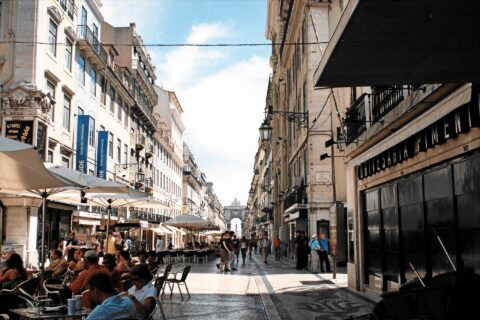
The best souvenirs from Lisbon aren’t in the Rua Augusta tourist shops with cork-covered fridge magnets and “I Heart Lisboa” T-shirts. They’re in family-run ceramics ateliers, century-old grocery shops, traditional sardine canners, and small Príncipe Real boutiques selling Portuguese goods you won’t find anywhere else. Match the right souvenir to the right shop and you’ll bring home something authentic — and avoid spending money on junk.
This is the curated, opinionated list we share with friends visiting Lisbon: 20 souvenirs worth buying, what to expect to pay, and the specific stores to find them in. Updated for 2026.
The Quick List: 20 Best Souvenirs from Lisbon
- Hand-painted azulejo tiles
- Cork products (wallets, bags, notebooks, umbrellas)
- Bottle of ginjinha (sour-cherry liqueur)
- Tinned Portuguese sardines (in decorated retro tins)
- Pastel de nata baking kit and azulejo recipe cards
- A Vida Portuguesa branded soaps (Confiança, Ach. Brito, Claus Porto)
- Burel wool blankets and bags
- Hand-embroidered Portuguese textiles
- Galo de Barcelos rooster (the national folk symbol)
- Portuguese guitarra-shaped jewelry or art
- Bottle of Port wine, vintage or aged tawny
- Madeira wine or moscatel de Setúbal
- Portuguese olive oil (small-producer, single-estate)
- Portuguese coffee beans (Delta, Nicola, Camelo)
- Conserveira de Lisboa tinned fish multipacks
- Filigree jewelry (Viana hearts, traditional gold filigree)
- Caldas da Rainha or Bordallo Pinheiro ceramics (cabbage-leaf plates, swallows)
- Almond and fig sweets (queijinhos do céu, ovos moles)
- Vintage azulejo tiles (from established antique dealers, never market vendors)
- Books on fado, Portuguese history, or Pessoa
Hand-Painted Azulejo Tiles
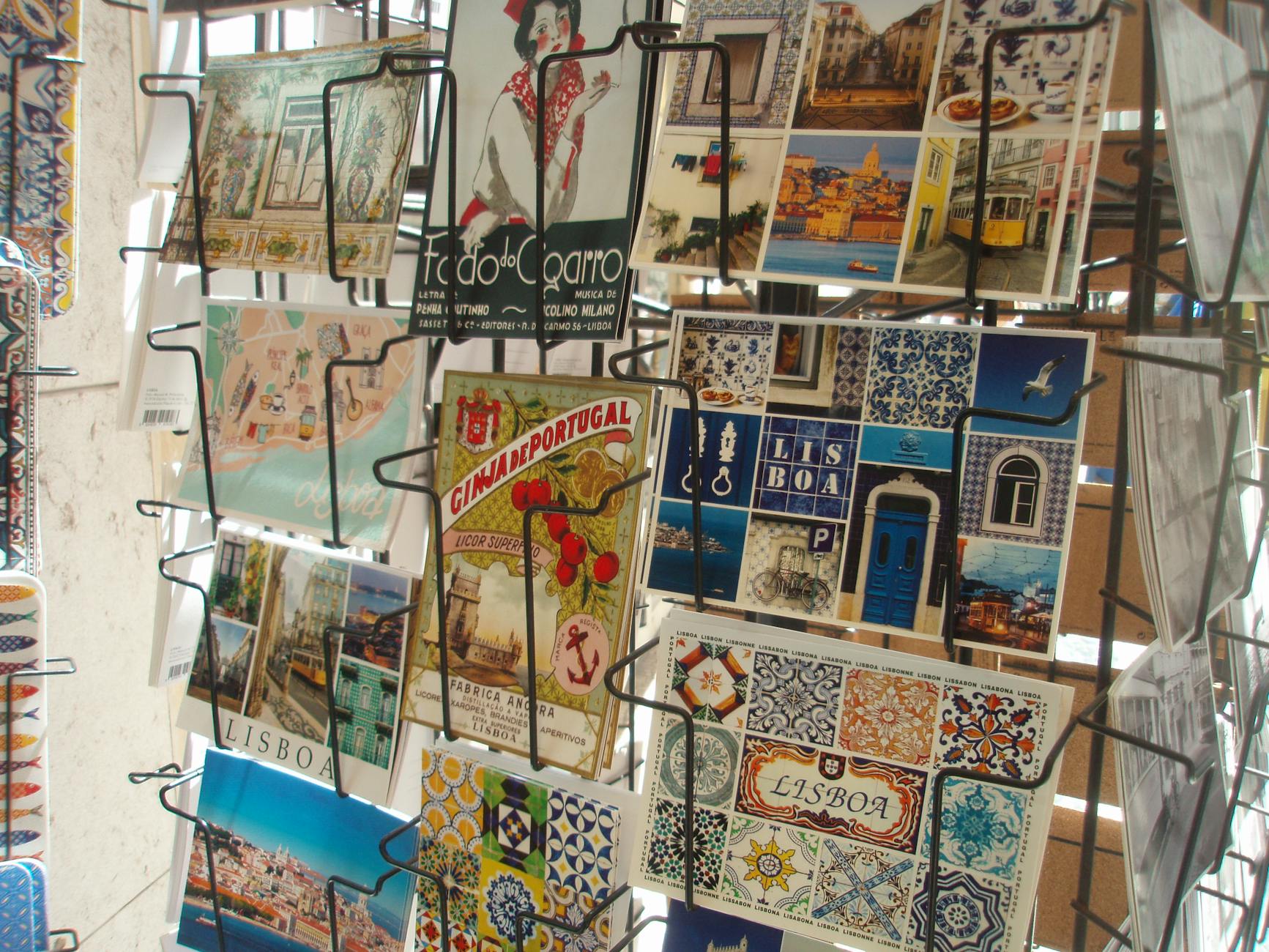
Why: Azulejos are the most distinctive Portuguese visual tradition. Hand-painted tiles make beautiful wall art, coasters, or framed gifts.
What to look for: Tin-glazed tiles painted by hand — look for slight irregularities in the brushwork, and ask the seller if a tile looks too uniform to be hand-painted. Traditional designs include blue-and-white narrative panels, geometric patterns, and polychrome rooster motifs.
Where to buy:
- Sant’Anna — operating since 1741; the oldest handmade-tile factory in Lisbon. Visit the showroom and the workshop. Single tiles from €15, custom panels in the hundreds.
- Cortiço & Netos (Rua Maria Andrade, Anjos) — specializes in vintage industrial tiles from defunct Portuguese factories. Eclectic collection with strong stories behind each tile. Singles €5–€40.
- Surrealejos (Príncipe Real) — contemporary artist Sandra Boto creates witty, modern reinterpretations of azulejo iconography. Singles €18–€40.
- D’Orey Tiles — family-owned dealer in antique tiles.
Avoid: Tiles from Feira da Ladra and unlicensed street vendors — many are stolen from buildings, which is illegal to buy and ethically unconscionable.
Budget: €15–€40 for a single hand-painted tile; €60–€200 for a small panel.
Cork Products
Why: Portugal grows much of the world’s cork: about 46 percent of world production in the FAO and Agro.Ges figures published by APCOR, the Portuguese cork association. Cork has had a design renaissance in recent years — wallets, shoes, umbrellas, fashion bags, even jackets are now made from this lightweight, water-resistant, eco-friendly material.
Where to buy:
- Cork & Co (Rua das Salgadeiras, Bairro Alto) — the best high-end cork goods in Lisbon. Wallets €30–€60, bags €70–€220, accessories from €15.
- Pelcor — slightly more affordable, with strong design.
Skip the airport cork shops — they tend to charge more than downtown stores. If you’re tight on time, remember the airport sits close to the centre (see our airport-to-city transfer guide), so a downtown detour is usually still worth it.
Budget: €15 for small accessories, €30–€80 for wallets, €70–€200+ for bags.
Ginjinha (Sour Cherry Liqueur)
Why: Lisbon’s signature spirit — sour Morello cherries soaked in aguardiente with sugar and spices, served in tiny shot glasses, traditionally drunk standing up at small bars. Sweet, fragrant and deeply Portuguese: about 90 percent of it is drunk at home, and most of the rest is exported to the United States.
Where to buy bottles:
- A Ginjinha (Largo de São Domingos 8) — a bar pouring ginjinha since 1840. Sells takeaway bottles of their house recipe at the counter. €15–€18 per 700ml.
- Ginjinha Sem Rival — slightly larger Lisbon ginjinha bar with takeaway bottles.
- Garrafeira Nacional — a historic Lisbon wine and spirits shop. Multiple ginjinha brands (Espinheira, Sem Rival, Frutuoso) plus aged premium versions.
- Ginja de Óbidos — a slightly different version from the medieval town of Óbidos, served in small chocolate cups. Available at Ginjinha de Óbidos shops in Lisbon.
Tip: Try ginjinha “com elas” (with cherries) before buying a bottle — spice profiles vary meaningfully between brands.
Budget: €15–€25 per 700ml bottle. €30–€60 for premium aged versions.
Tinned Portuguese Sardines
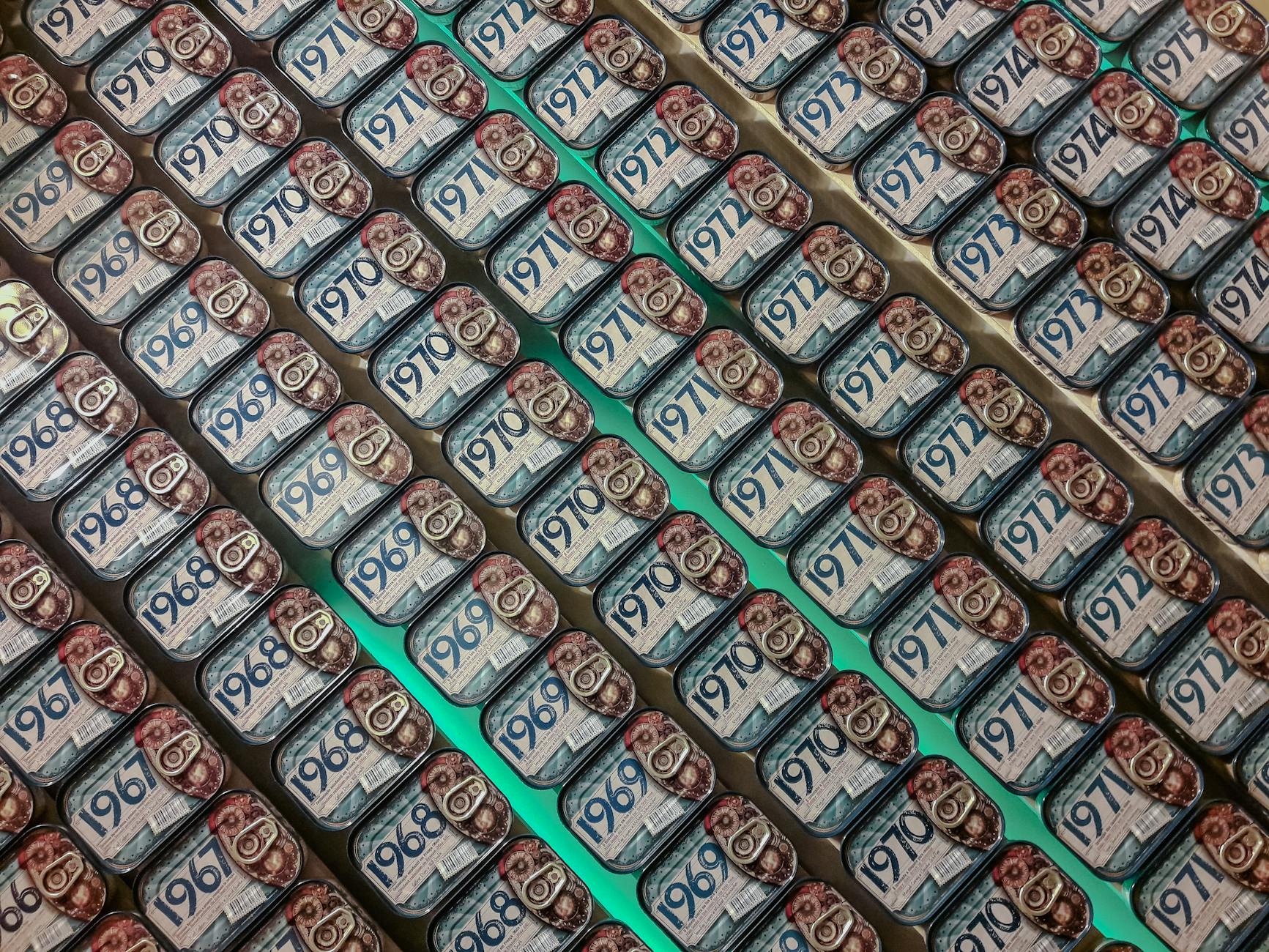
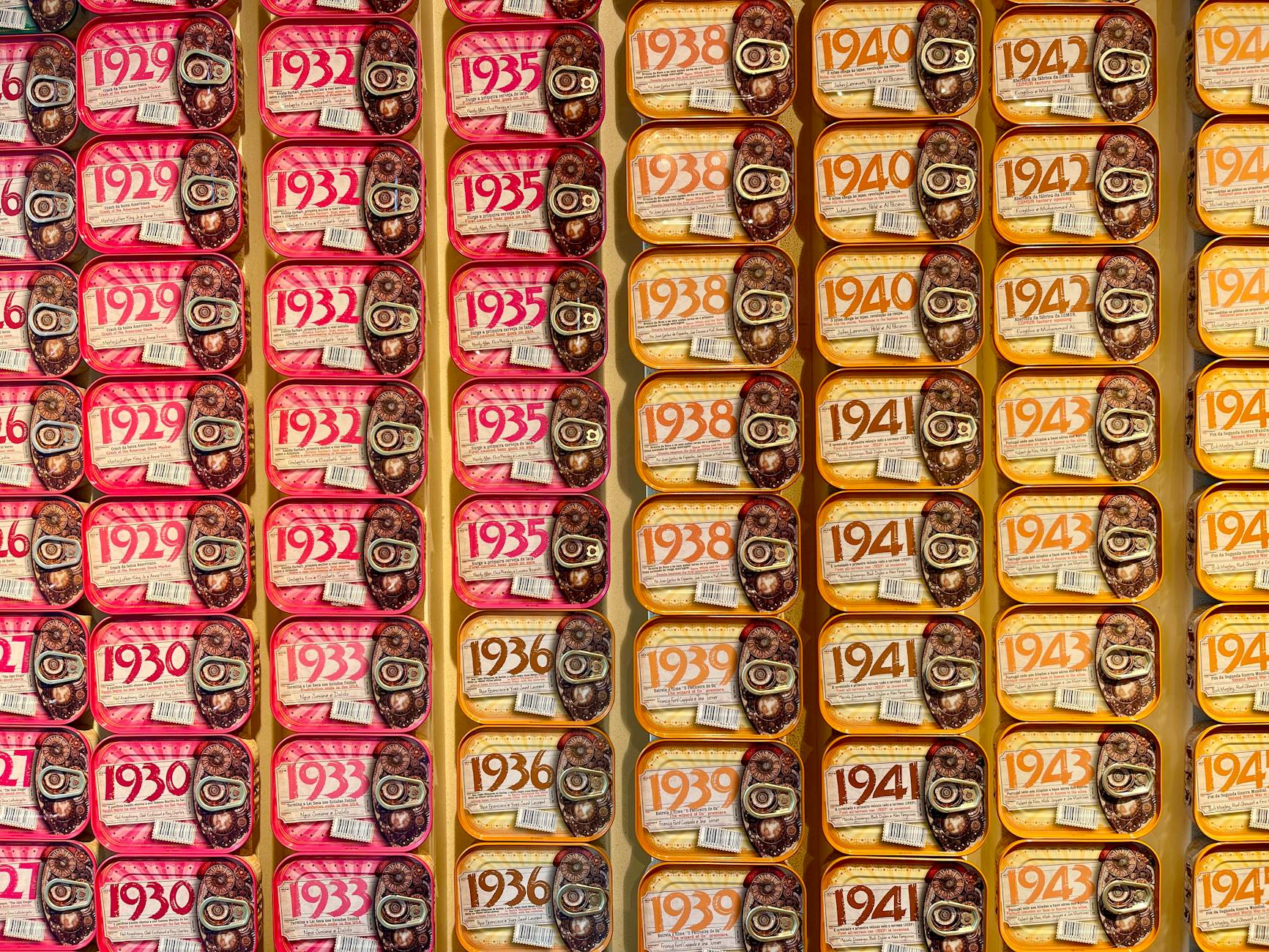
Why: Portuguese tinned sardines (and other small fish — mackerel, tuna belly, octopus) are genuinely excellent — quality oil-packed fish from family-run conserveiras dating to the early 1900s. The tins themselves have become collectible: brightly colored retro designs depicting saints, fishermen, and traditional patterns. Shelf-stable for years and pack flat in luggage.
Where to buy:
- Conserveira de Lisboa (Rua dos Bacalhoeiros 34, Baixa) — a historic tinned-fish shop, open since 1930. Beautifully wrapped multipacks, original 1930s decor. Tins €4–€12 each, gift sets from €20.
- Loja das Conservas (Rua do Arsenal, Baixa) — bright, modern showcase of Portuguese conserveira brands. Wider selection of producers.
- Comida Independente — small specialty grocer with a curated tinned-fish selection plus other Portuguese goods.
Brands to look for: Conservas Cuca (the original), Tricana, Pinhais, José Gourmet, Nuri, Briosa.
Budget: €4–€12 per tin; €25–€60 for gift sets of 3–6 tins.
A Vida Portuguesa: One-Stop Authentic Shop
To buy multiple Portuguese goods in one place, go to A Vida Portuguesa — a retail concept selling exclusively traditional Portuguese products: Confiança soaps from Braga, Claus Porto fragrances, Ach. Brito grooming products, traditional textiles, ceramics, stationery, foods, and curated branded items. Two main locations:
- A Vida Portuguesa Chiado (Rua Nova do Almada 72) — in the former Livraria Férin bookshop; the original shop on Rua Anchieta closed in July 2024.
- A Vida Portuguesa Intendente (Largo do Intendente Pina Manique) — larger second location with more space and a small café.
Single soap bars €4–€10, gift packs €25–€80, fragrances €30–€60. Worth visiting even just for the experience.
Burel Wool Products
Why: Burel is a traditional Portuguese mountain wool fabric, historically used for shepherd’s coats and blankets in the Serra da Estrela region. The contemporary brand Burel Factory has revived the tradition with modern designs — blankets, bags, tote bags, scarves, and home goods in clean, strong colorways.
Where to buy:
- Burel Mountain Originals (Rua Serpa Pinto 15B, Chiado) — the brand’s flagship Lisbon store.
Budget: €25–€50 for small bags, €80–€200 for blankets.
Galo de Barcelos (Portuguese Rooster)
Why: The brightly painted ceramic rooster of Barcelos is Portugal’s unofficial national symbol. The legend involves a wrongly accused pilgrim, a roasted rooster that came back to life to prove his innocence, and centuries of folk-art elaboration. Available in every size — key-fob miniatures to meter-tall sculptures.
Where to buy:
- Casa Pereira da Conceição — traditional Portuguese ceramics shop.
- A Vida Portuguesa (multiple locations) — curated selection of high-quality Galos.
Budget: €5–€15 for small roosters, €30–€80 for medium, €100+ for large hand-painted pieces.
Bordallo Pinheiro Ceramics
Why: Rafael Bordallo Pinheiro (1846–1905) was a satirist, illustrator, and ceramicist whose whimsical animal- and plant-shaped tableware became iconic Portuguese design. Cabbage-leaf serving plates, swallow wall sculptures, sardine bowls, and lobster trays remain factory-produced and widely available.
Where to buy:
- Bordallo Pinheiro Lisbon flagship (Loja Bordallo Pinheiro) — full collection.
- A Vida Portuguesa — strong selection.
- El Corte Inglés (Avenida António Augusto de Aguiar) — Portuguese designer brands floor.
Budget: Small swallow €15–€25, dinner plates €40–€80, large cabbage-leaf serving pieces €60–€200.
Filigree Jewelry
Why: Portuguese gold and silver filigree is a centuries-old craft, and the northern town of Gondomar is known for it. The Viana heart (Coração de Viana), a stylized heart pendant, is the iconic piece.
Where to buy:
- Filigrana Portuguesa shops scattered through Chiado.
Budget: Silver Viana hearts €40–€150; gold filigree from €200; museum-grade pieces €1,000+.
Port Wine and Other Wines
Why: Portuguese wines are excellent and dramatically undervalued internationally. Port (from the Douro Valley), Madeira, moscatel de Setúbal, and the country’s wide range of unfortified wines (Douro, Alentejo, Bairrada, Vinho Verde) all travel well.
Where to buy:
- Garrafeira Nacional — Lisbon’s most authoritative wine shop. Aged ports, vintage selections, small-producer rarities. Knowledgeable English-speaking staff.
- Napoleão (Rua dos Fanqueiros, Baixa) — large historic shop with deep selection.
- Lisbon Winery (Príncipe Real) — wine bar that also sells bottles.
Tip: Aged tawny ports (10-, 20-, 30-year) are excellent value compared to the vintage tier and travel better in suitcases.
Budget: Solid bottles from €10, premium aged ports from €30, vintage ports from €60.
Pastéis de Nata Recipe Kits and Cooking Souvenirs
Why: Take Lisbon back to your kitchen.
Where to buy:
- Pastelaria Versailles and other historic pastelarias sell pastel de nata recipe books and small kits.
- A Vida Portuguesa — curated cookbooks, pastel de nata pans, and Portuguese pantry goods.
- Manteigaria (multiple locations) sells branded merchandise alongside its tarts.
Budget: Recipe kits €10–€20; cookbooks €15–€35; pastel de nata pans €10–€18. Bake them properly once you’re home with the technique in our guide to Lisbon’s best pastéis de nata.
Portuguese Soaps (Confiança, Claus Porto, Ach. Brito)
Why: Portugal has a solid craft soap-making tradition. Confiança (founded 1894 in Braga) makes traditional soaps. Claus Porto (founded 1887 in Porto) produces beautifully packaged luxury bath products. Ach. Brito (founded 1918) makes affordable everyday soaps in colorful wrappers.
Where to buy:
- A Vida Portuguesa (best all-in-one selection)
- Claus Porto flagship
- Most pharmacies stock Confiança and Ach. Brito at lower prices than tourist shops.
Budget: Confiança soap €4–€10, Claus Porto €18–€40, large gift boxes €30–€80.
Almond, Fig, and Egg-Yolk Sweets
Why: Portuguese conventual sweets — desserts traditionally said to have been developed in convents and monasteries from surplus egg yolks (the whites went to clarify wine and starch clothing) — are unique and shelf-stable.
What to buy:
- Queijinhos do céu — small almond-and-egg-yolk balls in fancy paper wrappers
- Ovos moles — the famous egg-yolk sweets from Aveiro, often in shell-shaped wafers
- Pasteis de Tentúgal — flaky pastry filled with egg cream
- Travesseiros from Sintra (the rectangular almond-cream pastries)
- Bolo-Rei in December (king cake with crystallized fruit)
Where to buy: Confeitaria Nacional (Praça da Figueira), Pastelaria Versailles, Pastéis de Belém.
Budget: €8–€20 per box; specialty conventual gift boxes €15–€40.
Books
Why: The most photogenic bookstore in Portugal — and arguably in Europe — is in Lisbon.
Where to buy:
- Ler Devagar — the iconic bookshop in a converted printing factory, bookshelves climbing two stories. English titles available.
- Bertrand Chiado (Rua Garrett 73) — the world’s oldest continuously operating bookshop (since 1732). Strong fiction and Portuguese-language sections.
- Livraria Sá da Costa (Chiado) — antiquarian books, prints, and rare finds.
Books to consider: Anything by Fernando Pessoa (Portugal’s most celebrated 20th-century poet), José Saramago (Nobel laureate, “Blindness,” “The Year of the Death of Ricardo Reis”), António Lobo Antunes, or essay collections on fado, azulejo art, or Portuguese exploration.
Where to Shop: Lisbon’s Best Souvenir Districts
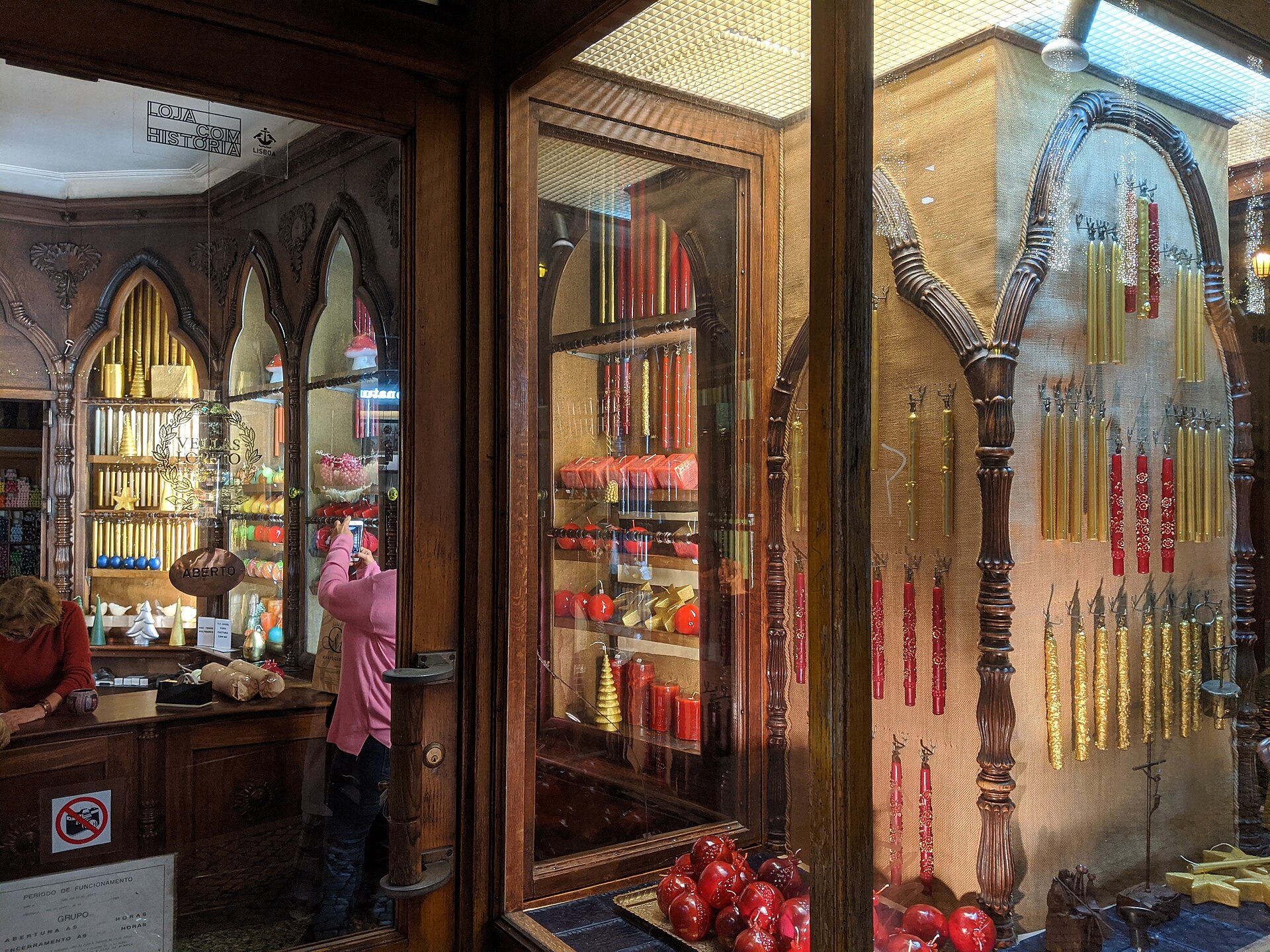
Chiado
The most curated shopping district. A Vida Portuguesa, Cork & Co, and many Portuguese designer brands cluster here. Mid- to upper-price range. Quiet at lunch, busy on weekend afternoons.
Príncipe Real
Lisbon’s most fashionable neighborhood, with independent boutiques selling Portuguese contemporary design. The Embaixada concept store (a 19th-century palace converted into multiple shop pavilions) is itself an attraction.
Baixa
Pedestrianized Rua Augusta and surrounding grid streets — many tourist shops with mass-produced goods, but also key destinations like Conserveira de Lisboa, Confeitaria Nacional, and Garrafeira Nacional.
LX Factory (Alcântara)
Repurposed industrial space with a creative mix of independent boutiques, design shops, and the famous Ler Devagar bookstore. Best on Sunday afternoons when the LX Market sets up.
Bairro Alto
Smaller boutiques mixed with art galleries; check daytime hours since many shops close early.
Avenida da Liberdade
Luxury international brands plus a few Portuguese names. Worth a stroll, less essential for Portuguese-specific souvenirs.
Shopping Tips and Common Mistakes
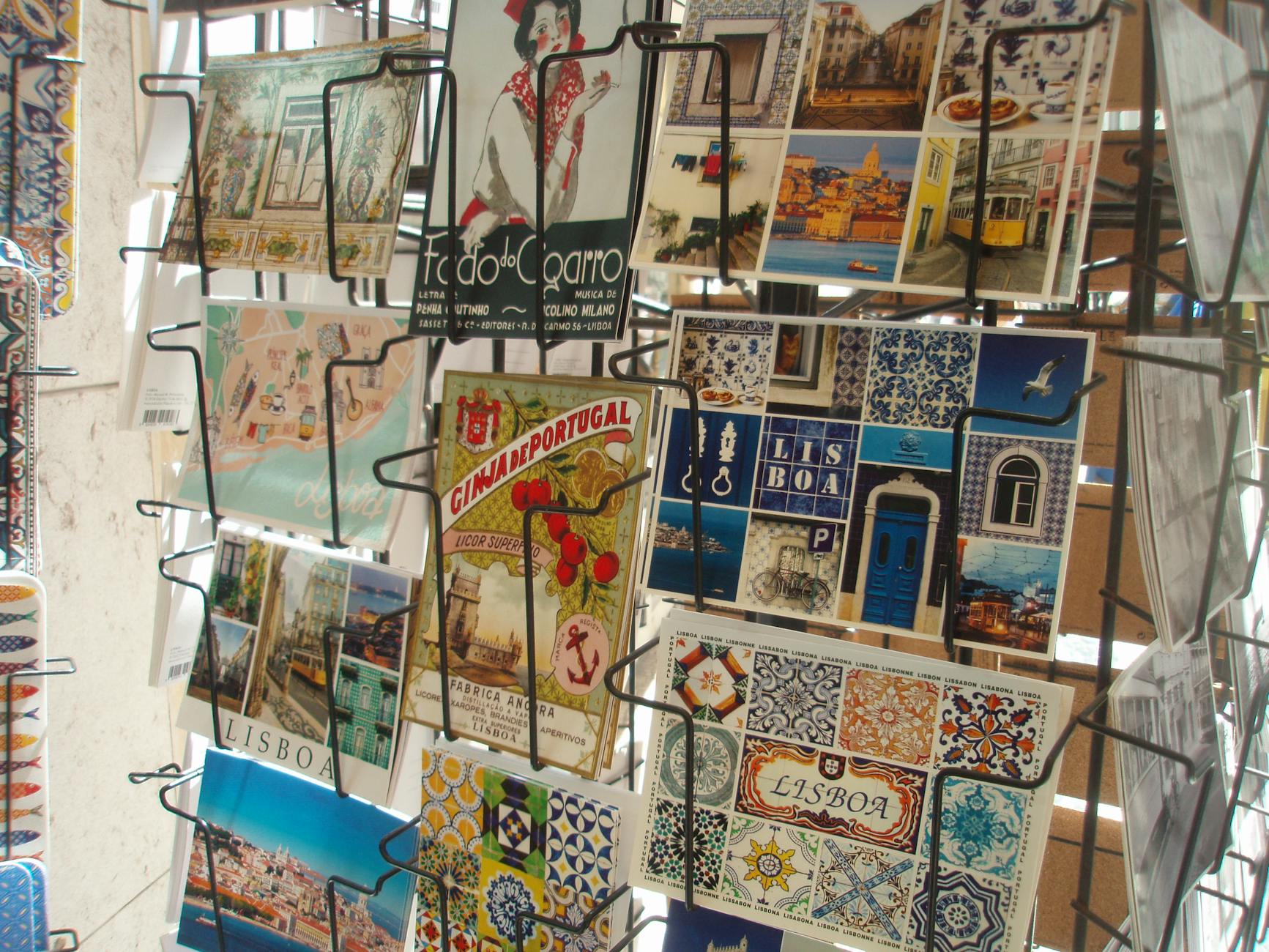
Avoid Rua Augusta tourist shops for major purchases. Specialty stores are the better bet, and there you can ask how a piece was made.
Don’t buy “antique” tiles from Feira da Ladra. Many are stolen from buildings — illegal to purchase and ethically problematic. Buy vintage tiles only from established antique dealers like D’Orey or Cortiço & Netos, never from market vendors.
Some smaller traditional shops close for lunch. Check a shop’s hours before crossing town for it.
VAT refund — non-EU residents can claim back VAT on eligible goods they take home in their luggage, once their purchases in Portugal exceed €50 before VAT; administrative fees come off the refund (Portal das Finanças explains the scheme). Get the form from the cashier and stamp it at airport customs.
Customs and food restrictions — most countries allow tinned fish, sealed wines, and dried foods in checked luggage. Fresh cheeses and perishable items can have restrictions for certain destinations.
Pack carefully — tiles, ceramics, and wine bottles benefit from bubble wrap (ask at point of purchase) or a hard-shell suitcase.
What to Skip
Some “Lisbon souvenirs” are genuinely not worth your money:
- Generic fridge magnets — typically made in China, available everywhere
- “I Love Lisbon” T-shirts — same
- Cheap “azulejo coasters” from Rua Augusta tourist shops — ask whether they are hand-painted or printed before you pay
- Cheap mass-produced cork wallets from beach-promenade vendors
- Tile vendors at Feira da Ladra (legality issues, see above)
- Most “fado CDs” sold to tourists — buy at the Museu do Fado shop instead, which sells the museum’s own record releases
Budgeting Your Lisbon Souvenirs
Under €30: Single hand-painted tile, tinned sardines gift pack, Confiança soap set, ginjinha bottle, small Galo de Barcelos, pastel de nata kit.
€30–€80: Cork wallet or small bag, Bordallo Pinheiro mid-size piece, aged tawny port, Burel scarf, A Vida Portuguesa gift hamper.
€80–€200: Cork bag, Bordallo Pinheiro large piece, vintage port, hand-painted azulejo panel, silver filigree, Burel blanket.
€200+: Custom azulejo panel, gold filigree, museum-quality ceramics, vintage Port collection.
FAQ: Best Souvenirs from Lisbon
What is Portugal famous for?
Cork, wine (Port, Madeira, Vinho Verde, Douro), tiles (azulejos), tinned fish, ceramics (Bordallo Pinheiro, Vista Alegre), Pastéis de Nata, fado music, and pre-modern global exploration. All translate well into souvenirs.
What is the most authentic Portuguese souvenir?
Hand-painted azulejo tiles from a tile maker such as Sant’Anna or Surrealejos are the single most distinctly Portuguese souvenir. Cork products and tinned sardines are close runners-up.
Where should I shop in Lisbon?
Chiado for curated quality; Príncipe Real for boutiques; Baixa for traditional specialty shops (Conserveira de Lisboa, Confeitaria Nacional); LX Factory for design and books; A Vida Portuguesa anywhere it has a location for the most efficient one-stop shop.
Can I buy ginja outside Portugal?
Sometimes. Most ginjinha is drunk in Portugal, and most of the rest is exported to the United States, so a bottle bought in Lisbon is often hard to match at home.
Are tile souvenirs from Lisbon real?
Depends where you buy them. Sant’Anna makes traditional hand-painted tiles, and Surrealejos sells hand-painted editions of its designs; anywhere else, ask whether a tile was painted by hand. Cheap “azulejo” coasters in tourist shops are often printed, so ask there too. Vintage tiles from Feira da Ladra are often stolen from buildings — avoid.
Can I bring tinned sardines home in my luggage?
Yes — sealed tinned fish is allowed in checked baggage to most countries. Pack them upright, well-padded, and inside ziplock bags as backup against rare leaks.
What’s a good unique gift from Lisbon?
A Confiança soap and tinned-fish gift pack from A Vida Portuguesa, a Cork & Co wallet, a single hand-painted Sant’Anna tile, or a bottle of aged tawny port from Garrafeira Nacional all make excellent gifts at €30–€60.
Are there any Lisbon souvenirs I should avoid?
Generic fridge magnets, “I Heart Lisbon” T-shirts, cheap printed-tile coasters, and any antique tiles bought from market vendors at Feira da Ladra (likely stolen). Stick to specialty shops and authentic ateliers.
Bottom Line
The best Lisbon souvenirs are hand-painted tiles, cork products, ginjinha, tinned sardines, Bordallo Pinheiro ceramics, Confiança or Claus Porto soaps, Burel wool, and aged Port wine — bought from specialty shops in Chiado, Baixa, or Príncipe Real, or in one efficient stop at A Vida Portuguesa. Skip the Rua Augusta tourist junk, avoid Feira da Ladra tiles, and budget €30–€80 per friend for genuinely meaningful gifts that say “Lisbon” rather than “I went on vacation somewhere.”
Continue planning shopping with our Shopping in Lisbon pillar guide, our Feira da Ladra flea market guide, our deep dive on where to buy authentic azulejo tiles, and our specialty cork products in Lisbon guide.
Photo Credits
Caza das Vellas Loreto in Chiado: Lisbon (49219739728) by Jeremy Thompson from Los Angeles, California, CC BY 2.0, via Wikimedia Commons.