Getting Around Lisbon
Renting a Car in Lisbon: Is It Worth It? Tips & Alternatives 2026
Should you rent a car in Lisbon? Our honest guide covers when it makes sense, parking, driving tips, toll roads, and cheaper alternatives.

In this guide
- Quick Verdict: Rent or Skip?
- Why Renting in Lisbon Is Painful
- Rental Costs in Lisbon (2026)
- Via Verde: Portugal’s Toll System Explained
- Driving in Portugal: Rules and Tips
- Best Rental Companies
- Pickup Locations in Lisbon
- Cheaper Alternatives to Renting
- Insurance: What You Actually Need
- Road Trip Planning: Where to Go from Lisbon by Car
- When to Pick Up the Car
- Getting Around Lisbon Without a Car
- FAQ: Renting a Car in Lisbon
- Bottom Line
Should you rent a car in Lisbon? The honest answer for most visitors: no — not for a city-only trip. Lisbon is steep, parking is brutal, trams own half the streets, and public transit plus Uber/Bolt covers everything you need at a fraction of the cost. But if you’re road-tripping the Algarve, the Douro Valley, or Portugal’s interior, a rental is genuinely essential. This guide covers when renting makes sense, what it really costs, how Via Verde works, where to park, and the cheaper alternatives. Updated for 2026.
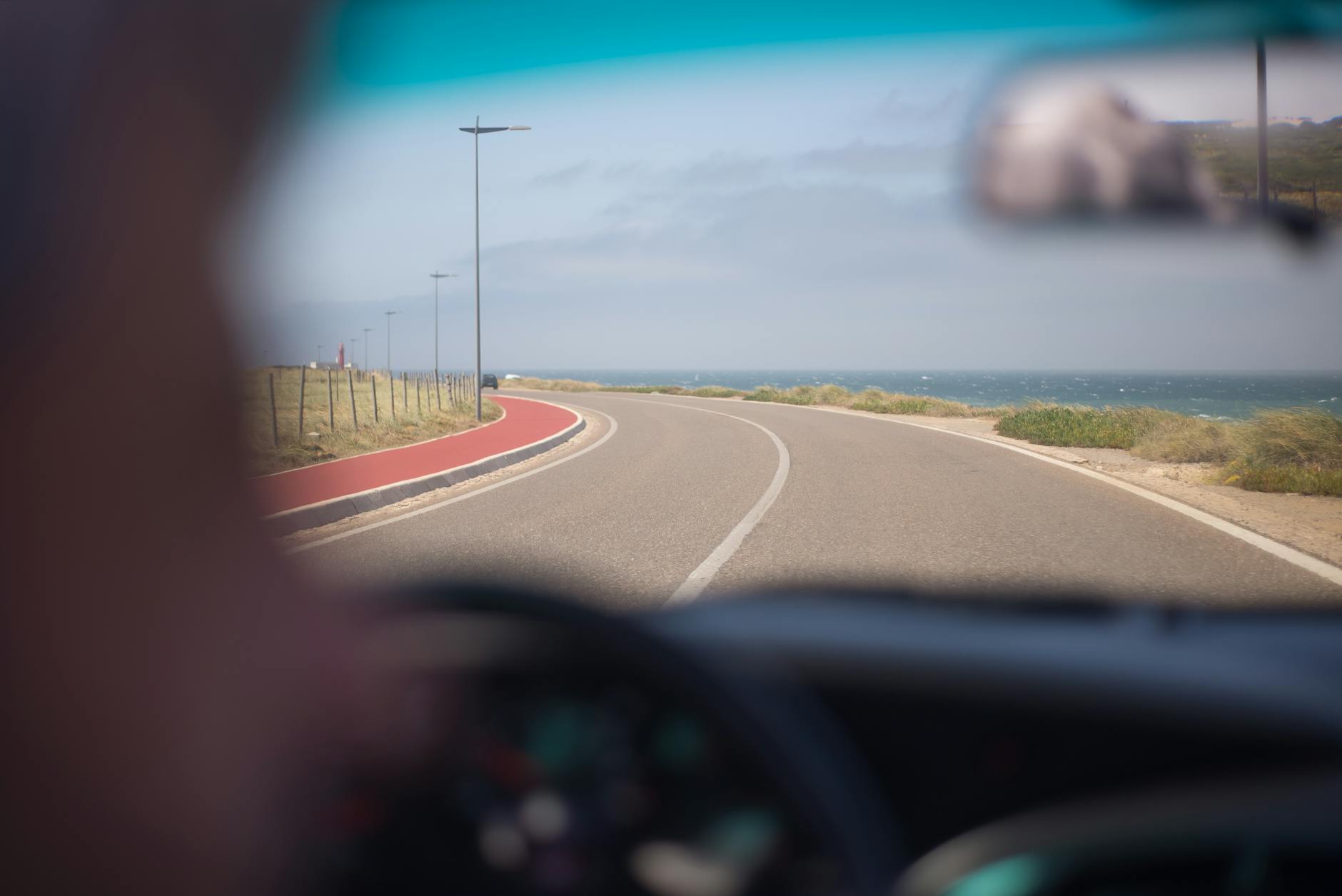
The coast road from Cascais to Guincho is one of the few genuinely good reasons to hire a car here — our Praia do Guincho guide explains why, and what the parking costs.
The hire desks are in Terminal 1 arrivals, but picking a car up on day one is usually the wrong call for a city trip. Our Lisbon Airport guide explains the alternatives into town.
Quick Verdict: Rent or Skip?
| Trip Type | Rent or skip? | Why |
|---|---|---|
| Lisbon city only (3–5 days) | SKIP | Metro + Uber covers everything; parking costs more than the transit |
| Lisbon + Sintra or Cascais day trip | SKIP | CP trains run every 20–40 min, €4.60 return — simpler and cheaper |
| Lisbon + multiple day trips | SKIP | Individual transit or tours still beat rental + parking overhead |
| Lisbon + Algarve road trip | RENT | Train south is slow; car gives freedom and reaches beaches trains don’t |
| Portugal interior (Évora, Douro, Alentejo) | RENT | Public transit to these regions is limited or infrequent |
| Multi-region Portugal (1–2 weeks) | RENT | Flexibility makes the cost worthwhile; pick up on departure day |
Why Renting in Lisbon Is Painful
Lisbon Hills Are Brutal
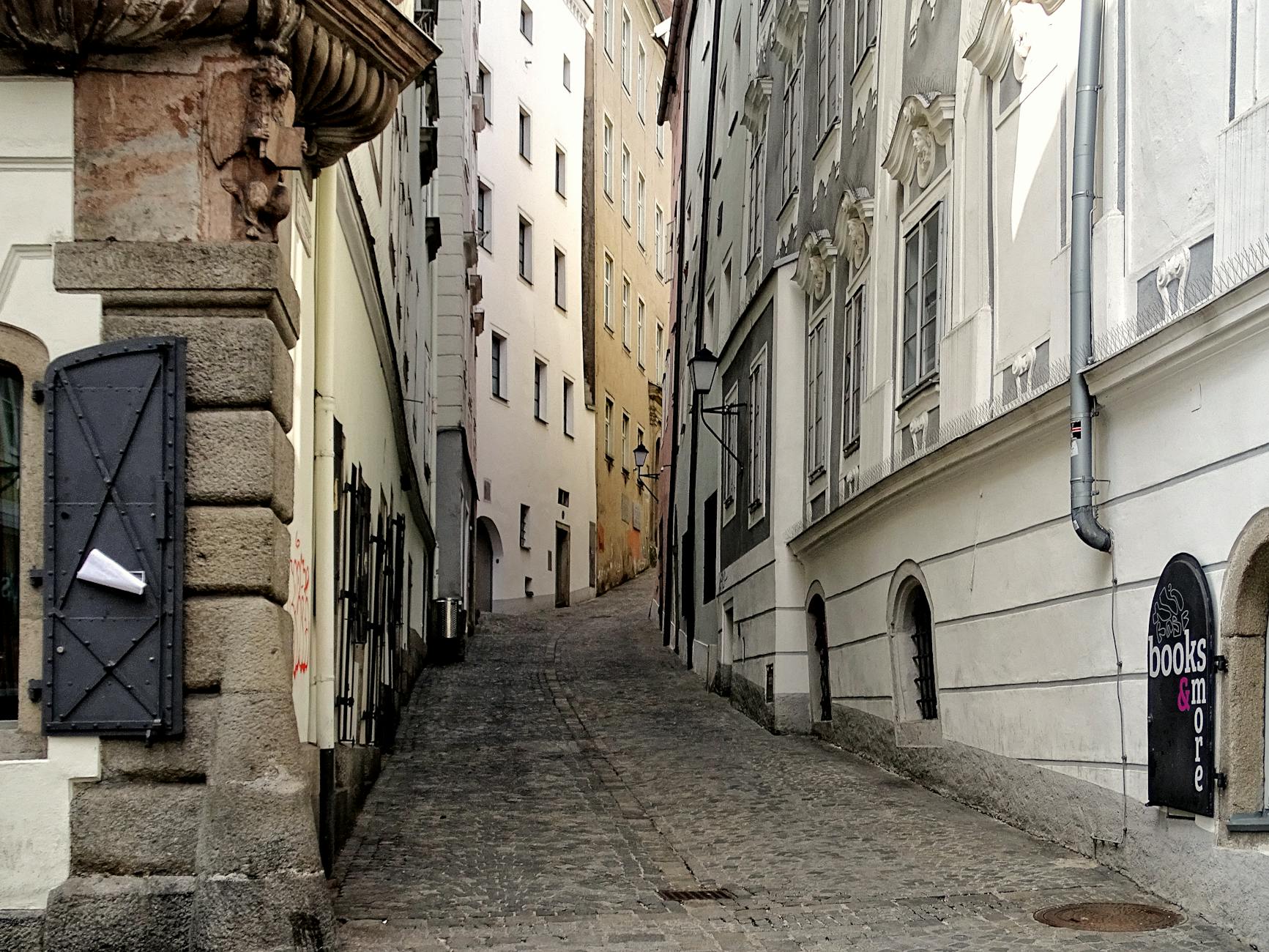
Lisbon is built across seven hills, with many streets at 15–20% gradients. Manual transmission is standard on most budget rentals — automatics cost 30–50% more and can still book out in high season. Hill-starts on Bairro Alto’s narrow lanes are genuinely stressful, especially on cobblestones. If you need automatic, book well in advance and expect to pay the premium.
Streets Are Narrow and Confusing
Alfama, Bairro Alto, and Mouraria were laid out in the 12th century for donkeys and pedestrians. Cobblestones, tight corners, scooters, pedestrians, and trams crossing your path. GPS systems regularly confuse one-way streets and dead-ends in the old city. First-time Lisbon drivers routinely find themselves reversed on a 15-degree slope with a tram approaching.
Parking Is Expensive and Difficult
Street parking in central Lisbon: €1.20–€2 per hour, paid by app (EMEL Parquímetro) or kiosk. Often time-limited to 2 hours in tourist zones. Reliable free parking exists only in residential periphery, requiring 30–60 minute walks back to the centre.
Garage parking: €15–€25 per day at central garages (Pátio do Saldanha, Saldanha Residence, Camões Avenida). Hotel parking runs €18–€35 per night. Add this to your rental cost when comparing with transit options.
Theft Risk
Break-ins target rental cars — particularly at beach parking areas and Sintra’s car parks. Never leave valuables visible in a parked car. Use garages where possible rather than street parking.
Tram and Bus Routes Block Streets
Tram tracks run through Bairro Alto, Alfama, and central Baixa. You’ll get stuck behind trams regularly, or have to detour. Parts of the historic centre are pedestrianised. Plan more time for any in-city driving than you’d expect.

Rental Costs in Lisbon (2026)
Base Rental
| Type | Per day (off-peak) | Per day (high season) |
|---|---|---|
| Economy (Fiat Panda, manual) | €20–€35 | €40–€70 |
| Compact (Ford Focus class) | €30–€45 | €55–€85 |
| Automatic compact | €45–€70 | €80–€130 |
| SUV / 7-seater | €60–€110 | €100–€200 |
Mandatory Add-Ons
- Via Verde transponder: €1.50–€2 per day (mandatory for highway use)
- CDW insurance: €10–€20 per day (or use credit card coverage — check your card’s terms before travelling)
- Young driver fee (under 25): €10–€20 per day
- Additional driver: €5–€10 per day
- Airport pickup fee: €15–€30 (some companies waive it)
Variable Costs
- Fuel: ~€1.75/L (a fill on a compact runs €80–€100)
- Tolls (Via Verde): €5–€25 per long-distance trip
- Parking: €15–€25/day if staying in central Lisbon
Real-World Total
A 7-day economy rental from Lisbon airport, including insurance, Via Verde, and one tank of fuel: €350–€550 minimum. That doesn’t include daily parking if you’re based in central Lisbon — add another €105–€175 for a week’s garage parking. The numbers add up fast.
Via Verde: Portugal’s Toll System Explained
Via Verde is Portugal’s electronic toll system. All rental cars are equipped with a Via Verde transponder — you don’t need to bring your own or sign up separately.
How It Works
- Drive through the “Via Verde” lane (green signage) at any toll plaza
- Camera reads the transponder, charges automatically
- The rental company invoices you 4–8 weeks later with an admin fee, typically €1–€3 per toll transaction
Major Toll Roads from Lisbon
- A1 to Porto: approximately €21–€24 (315 km)
- A2 to Algarve (Faro/Albufeira): approximately €22–€23 (245+ km)
- A6 to Spain (Elvas/Badajoz border): approximately €15
- A8 to Óbidos / Nazaré: approximately €7–€10
Toll-Free Alternatives
National N-roads are toll-free, slower, and often more scenic. Lisbon to Porto via N1: roughly 5 hours and free, versus A1’s 3 hours and ~€22. For a road trip without time pressure, N-roads are a genuine alternative. Check cp.pt for train alternatives on any route — CP covers the main corridors.
Driving in Portugal: Rules and Tips
The Basics
- Drive on the right (UK and Australian visitors: this catches people out)
- Speed limits: 50 km/h in towns, 90 km/h on N-roads, 120 km/h on motorways
- Seatbelts mandatory for all passengers
- Headlights required outside built-up areas (increasingly enforced at all times)
- Blood alcohol limit: 0.05% (stricter for new drivers at 0.02%)
- Mobile phone use while driving is illegal; hands-free only
Lisbon-Specific
- Trams always have right of way — they cannot stop quickly
- Roundabouts: vehicles already in the roundabout have priority over those entering
- One-way streets dominate the old town; follow GPS carefully and don’t trust it blindly
- Many pedestrian crossings are informal — people expect cars to yield
Practical Notes
- Tight cobblestone alleys: fold mirrors in if needed — cobblestone scrapes on rental car doors are the most common extra charge
- Street parking “no parking 7 PM–7 AM” zones exist for street cleaning — check signs carefully
- Fuel pump labels: Gasóleo = diesel; Gasolina 95 / 98 = petrol. Most rentals are diesel — confirm before fuelling
- Diesel and petrol nozzles are different sizes in Portugal, so misfuelling is rare but worth knowing

Best Rental Companies
Major International
- Hertz, Sixt, Europcar, Avis — full-service, higher rates, more locations, better at handling disputes
- Enterprise / Alamo / National — competitive rates at airport, generally reliable
Budget
- Goldcar — cheapest base rates but known for aggressive insurance upselling at pickup
- Centauro — similar pricing model to Goldcar; read the insurance terms before arrival
- Drivalia — newer operator, often competitive prices, mixed reviews on customer service
Local / Mid-Range
- Guerin — Portuguese operator; better customer service reputation than the budget international brands
- OK Mobility — Spanish company, competitive prices, solid track record
Comparison Sites
DiscoverCars and AutoEurope consistently undercut direct booking by 15–25%. Always compare before booking direct. Read recent reviews on Tripadvisor or Google before choosing — service quality at budget operators changes year to year.
Pickup Locations in Lisbon
- Lisbon Airport (LIS) — most rental companies operate here, 5 minutes from the terminal by shuttle. The most convenient pickup for arrivals.
- Sete Rios / Marquês de Pombal area — central city offices with no airport surcharge
- Saldanha — multiple offices, convenient for travellers staying in northern Lisbon
City Office vs Airport: The Maths
City offices save the €15–€30 airport surcharge but require taking Metro or Uber to reach them. For rentals of 5+ days, the savings cover the transit cost. For 1–3 day rentals, airport pickup is usually the simpler call.
Cheaper Alternatives to Renting
Public Transit + CP Trains for Day Trips
- Sintra: €4.60 return from Rossio Station (CP train, roughly 40 minutes)
- Cascais: €4.60 return from Cais do Sodré Station (roughly 40 minutes)
- Setúbal / Arrábida: train to Setúbal from Lisbon (roughly 1 hour 10 minutes), then local bus or taxi to the beaches
Check current timetables and book tickets at cp.pt.
Organised Day Tours
€60–€110 per person, includes transport from central Lisbon, no driving stress, no parking hassle. See our Sintra tours guide for options.
Uber / Bolt for Longer Trips
Lisbon to Sintra: €25–€35 each way. For a group of 3–4, often cheaper than train return tickets plus a day’s car hire. Bolt tends to be slightly cheaper than Uber in Lisbon. See our Uber and Bolt guide for current rates and tips.
Rent for 1–2 Days Mid-Trip Instead
If you’re doing a multi-day Lisbon stay plus one road trip, rent for just the road trip days rather than the whole stay. €40–€80 for a single day versus hundreds in parking and hassle for a full week rental while you’re in the city.
Insurance: What You Actually Need
The insurance conversation at rental pickup is where budget operators make their money. Here is what the options mean in plain terms.
CDW (Collision Damage Waiver) — covers damage to the rental car body, minus a deductible (typically €500–€1,500 at budget companies). Without CDW you’re liable for the full repair cost. Always take CDW or have confirmed credit card coverage.
Super CDW / Full Protection — reduces or eliminates the deductible. Worth considering on a long trip or if you’re uncomfortable with the standard excess.
Third-party liability — legally required in Portugal and included in the base rental price. This covers damage to other vehicles and property.
Credit card coverage — many Visa and Mastercard Signature/World cards include CDW for rentals charged to the card, but the terms vary. Check before travelling: some cards exclude certain vehicle categories, require you to decline the rental company’s CDW, and have claim procedures that are slow. If your card covers it, this is the cheapest option. If you’re unsure, buy the rental company’s CDW.
What Goldcar and Centauro will push at the counter: a “full protection” package for €20–€35/day on top of the base rate. This is often more expensive than booking a mid-tier company in the first place. Book with a company whose base rate includes a reasonable excess limit, or pre-pay full protection via a comparison site before arrival — the counter price is always higher.
Fuel policy: always choose the “full-to-full” option — collect the car with a full tank, return it full. “Full-to-empty” pre-purchase deals (where you prepay a tank and return empty) sound simple but are usually more expensive per litre.
Road Trip Planning: Where to Go from Lisbon by Car
If you are committing to a rental, these are the routes that justify it most.
Algarve (2.5–3 hours south)
The A2 takes you from Lisbon to the Algarve in under 3 hours. Tolls for the full run to Albufeira or Faro are approximately €22–€23. The beaches from Sagres to Tavira are not reachable by public transit in any practical sense — a car is the only way to explore the western Algarve’s hidden coves. High-season parking at popular Algarve beaches costs €5–€10 per day.
Alentejo and Évora (1.5 hours east)
Évora is doable by train from Lisbon Oriente (roughly 1.5 hours, express service), but the broader Alentejo — wine estates, cork forests, prehistoric megaliths, fortified villages near the Spanish border — needs a car. A 2–3 day Alentejo loop from Lisbon covers Évora, Monsaraz, and the border region on one of Europe’s most underrated road trips. The A6 east to Elvas runs around €15 in tolls.
Douro Valley (3.5 hours north)
The Douro wine country and dramatic river gorge can be partly reached by train from Porto (the Douro Line is excellent), but the smaller quintas and village roads above the river need a car. The most efficient approach: take the train Lisbon–Porto and rent a car in Porto for the Douro leg.
Centro de Portugal: Fátima, Batalha, Nazaré (1.5–2 hours north)
The A8 toll road runs north from Lisbon toward Nazaré and Alcobaça in about 2 hours, tolls approximately €7–€10. These sites are reachable by bus from Lisbon’s Campo Grande terminal, but a car lets you combine multiple stops in a single day without waiting for connections between towns.
When to Pick Up the Car
The smartest approach: stay in Lisbon first, take trains for Sintra and Cascais, then pick up the rental on the day you’re actually leaving the city for a road trip. You save days of parking charges, avoid the in-city driving stress entirely, and your first drive is on the open A2 motorway rather than the cobbled streets of Alfama.
If you’re flying in and heading straight to the Algarve, airport pickup makes complete sense. But if you’re doing 3–4 days in Lisbon before driving south, don’t pick up the car until day four.
Getting Around Lisbon Without a Car
For everything the city offers, you don’t need a car. The Lisbon transportation guide covers the full picture. The Metro reaches all the main areas. The historic trams are slower but worth riding at least once. The airport transfer guide covers your options from landing to first hotel.
FAQ: Renting a Car in Lisbon
Should I rent a car in Lisbon?
For Lisbon city only: no. For Sintra and Cascais day trips: not necessary, trains are easier. For multi-region Portugal trips (Algarve, Douro, Évora): yes, essential — pick up the car at the airport on the day you leave Lisbon.
How much does a Lisbon car rental cost?
€20–€35/day off-peak economy; €80–€130/day high-season automatic compact. Add insurance (€10–€20/day), Via Verde transponder (€1.50–€2/day), and fuel. Budget €350–€550 for a week all-in before parking.
Do I need Via Verde?
It’s included in all Portuguese rentals. It handles highway tolls electronically — the charges are added to your final bill, usually 4–8 weeks after return with small admin fees per transaction.
Where do I park in central Lisbon?
Garage parking at €15–€25/day or hotel parking at €18–€35/night. Street parking via EMEL app, time-limited and unreliable for longer stays. The best strategy is to park the car and leave it until you drive out of the city.
Is driving in Lisbon difficult?
Yes — narrow streets, steep hills, trams, pedestrians, and GPS confusion in the old town. If you must drive in the city, park outside the historic centre and walk in. Most central hotels have garage deals with nearby car parks.
Can I drive in Portugal with a US licence?
Yes, for stays under 6 months. An International Driving Permit is recommended but rarely checked. Bring the original licence — it’s what rental companies require at pickup.
Bottom Line
For a Lisbon city visit, skip the rental. Use trains for Sintra and Cascais; use Uber/Bolt for everything else. If you’re road-tripping the Algarve, Évora, or the Douro, rent — but pick up at the airport on the day you actually leave the city. The hills, parking charges, and tram traffic make keeping a car in central Lisbon more pain than it’s worth. Pre-book via a comparison site, confirm your insurance position before arrival, and choose the full-to-full fuel option. Then get on the A2 and enjoy the actual point of having a car in Portugal.
A car is for leaving Lisbon, not for being in it. The transportation pillar covers what replaces it inside the city, the metro and trams between them reach most of what you would drive to, and the airport guide is worth reading before you decide whether to collect the car on arrival or on the day you actually leave town.