The Gulbenkian Museum Lisbon houses one of Europe’s finest private art collections — 6,500 pieces spanning 5,000 years from ancient Egypt to early-20th-century European masters, all gathered by a single Armenian oil tycoon and bequeathed to Portugal. While the museum is currently undergoing major renovation through mid-2026, its highlight pieces are on display nearby and the broader Gulbenkian Foundation campus remains open and worth visiting.
This guide covers everything you need to plan a great visit: tickets, current closure status, what to see (in the temporary Great Works exhibition and at the Modern Art Centre), the Founder’s Collection highlights, the gardens, and how to combine the visit with the rest of central Lisbon. Updated for 2026.
Important: 2026 Closure Status
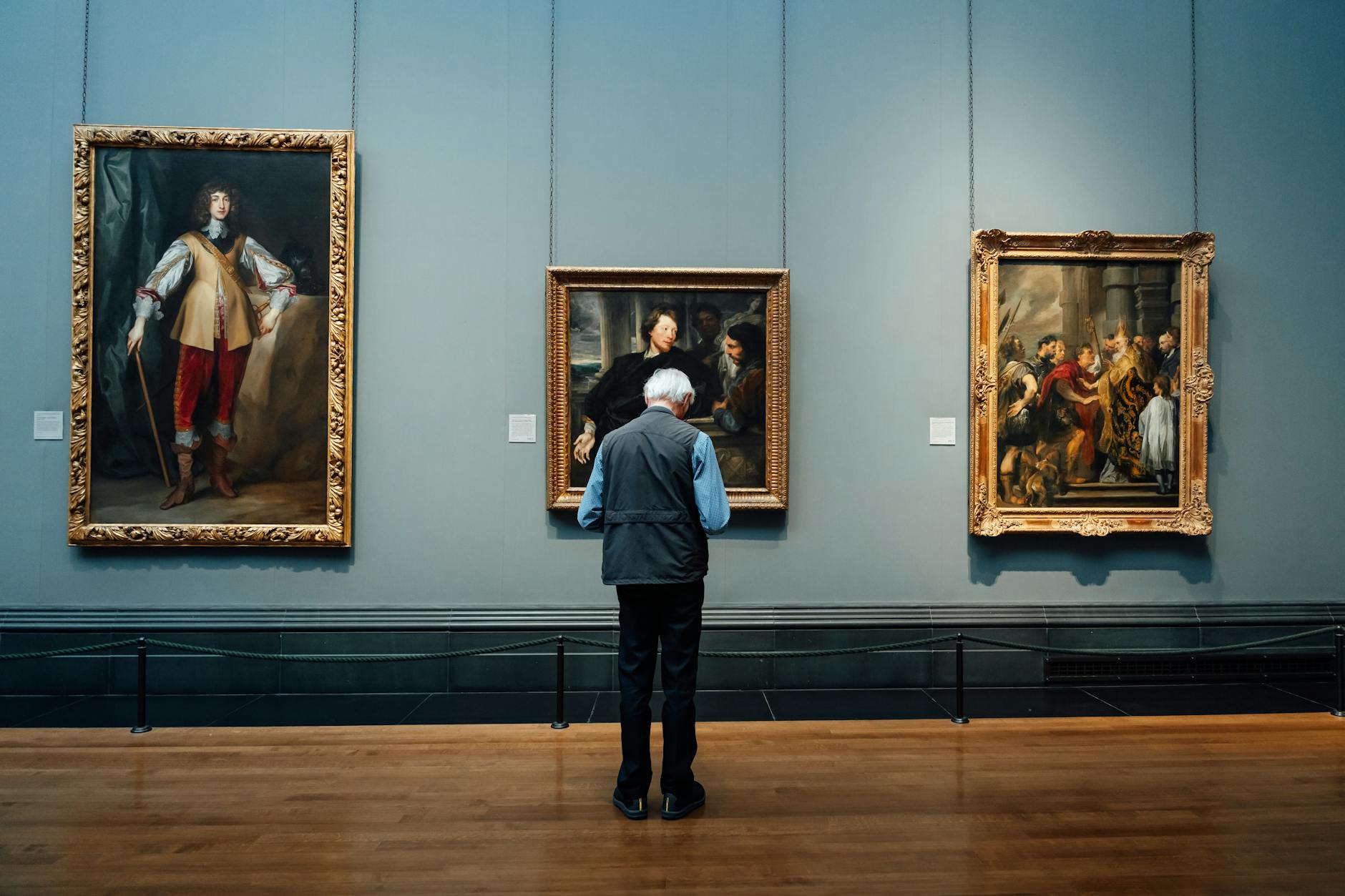
The main Gulbenkian Museum building is undergoing major renovation work and is closed to visitors through July 2026. During the closure:
- A curated selection of the museum’s masterpieces is on display in the Great Works exhibition at the nearby Centro de Arte Moderna (CAM) — Tickets €8 adult.
- The Modern Art Centre (CAM) reopened in late 2024 after its own renovation by architect Kengo Kuma; the entire collection of 20th-century Portuguese art is open.
- The Gulbenkian Park and Gardens remain open year-round and are free.
Confirm the renovation schedule on the official Fundação Calouste Gulbenkian website before traveling specifically for the museum.
The Story Behind the Collection
Calouste Sarkis Gulbenkian (1869–1955) was an Armenian-British oil magnate, financier, and art collector — the man whose 5 percent share of Iraqi oil concessions earned him the nickname Mr. Five Percent. During the 1920s and 1930s, he assembled one of the largest and most discerning private art collections in Europe.
Forced to relocate from London during World War II, Gulbenkian moved to neutral Portugal in 1942 and lived in Lisbon until his death in 1955. In his will, he established the Calouste Gulbenkian Foundation — Portugal’s largest philanthropic organization — and left his entire art collection to the Portuguese state, on the condition that a purpose-built museum be created to display it. The result: a quietly modernist museum (architect Pedro Cid, opened 1969) set in a peaceful 17-acre park in central Lisbon, housing 6,500 objects organized chronologically across two distinct collections.
The Founder’s Collection: What to See
The main museum collection is divided into two roughly equal sections:
Eastern Art Section
- Ancient Egypt — extraordinary holdings including a 4,000-year-old wooden statue of a noble, beautifully preserved sarcophagi, and hieroglyphic stelae
- Greco-Roman — fine Roman portrait busts and Greek pottery
- Mesopotamian — cylinder seals, cuneiform tablets, and bas-reliefs from Assyria and Babylon
- Islamic Art — one of Europe’s strongest collections of Islamic ceramics, glasswork, and metalwork from Persia, Egypt, Syria, and Anatolia, 9th–16th centuries
- Armenian Manuscripts — Gulbenkian was Armenian and assembled an exceptional collection of medieval Armenian illuminated Gospels
- Far Eastern Art — Chinese ceramics, jades, and lacquerware spanning multiple dynasties; Japanese netsuke and prints
European Art Section
- Medieval ivories and manuscripts — exquisite small-scale Romanesque and Gothic objects
- Early Renaissance to Baroque — paintings by Rogier van der Weyden, Hans Memling, Jan Bruegel, Domenico Ghirlandaio
- Dutch Golden Age — Rembrandt’s Portrait of an Old Man, Frans Hals, Albert Cuyp, multiple Rubens
- 17th-century French — Hyacinthe Rigaud, masters of the Versailles court
- 18th-century French and English — Fragonard, Boucher, Gainsborough, Romney
- Impressionists and Post-Impressionists — Manet, Monet, Renoir, Degas, Mary Cassatt
- British Romantic — Turner, Constable
- The René Lalique Collection — 169 Art Nouveau jewelry pieces, the world’s most important Lalique private collection. The Dragonfly brooch alone justifies a visit.
The Modern Art Centre (CAM)
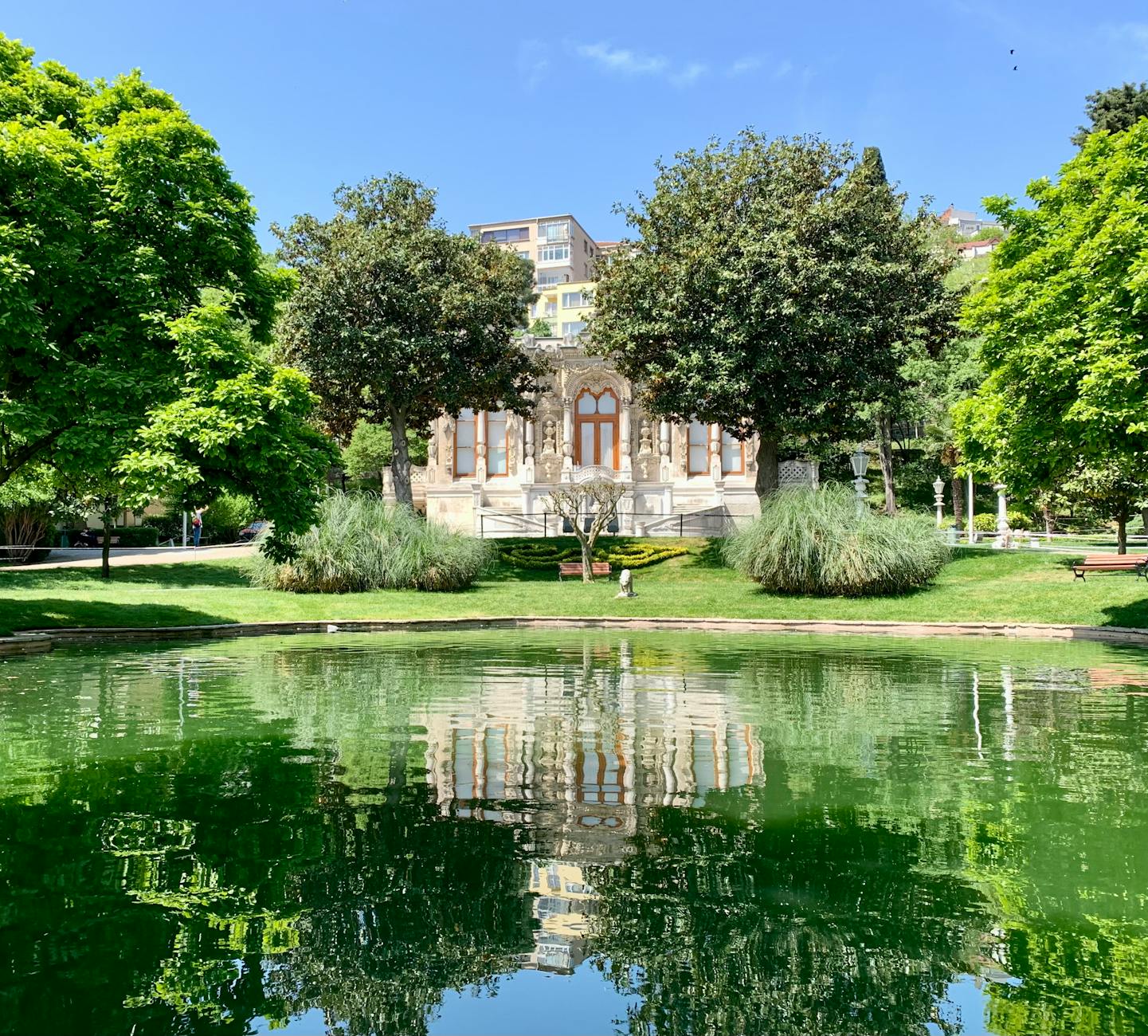
A separate building on the same campus, recently reopened in late 2024 after a major renovation by Japanese architect Kengo Kuma. The CAM’s collection focuses on 20th- and 21st-century Portuguese and international art: Maria Helena Vieira da Silva (Portugal’s most internationally recognized 20th-century painter), Amadeo de Souza-Cardoso (early Portuguese modernist), Paula Rego (Anglo-Portuguese figurative painter), Almada Negreiros (the Portuguese futurist), and international contemporary works including David Hockney, Lucian Freud, and Anish Kapoor. The Kengo Kuma redesign itself is architecturally significant — soft wood-and-light spaces that contrast well with the modernist concrete of the main museum.
Tickets, Hours and Practical Info
During the Closure (Through July 2026)
- Great Works exhibition at CAM: €8 adult, €4 youth/senior, free under 12
- Modern Art Centre full collection: Included in CAM admission
- Park and gardens: Free, open daily 10 AM – sunset
After Reopening (Expected July 2026)
- Founder’s Collection + Modern Collection: €10
- Founder’s + Modern + Temporary Exhibitions: €14
- Lisboa Card: 20 percent discount
- Children under 12: Free
- Sundays free for residents (and sometimes free for all visitors — check current policy)
Opening Hours
Wednesday through Monday, 10 AM – 6 PM. Closed Tuesdays, January 1, Easter Sunday, May 1, December 24 and 25.
Audio Guide
Free via the official Gulbenkian Museum app. Available in English, Portuguese, French, Italian, German, and Spanish. Bring earbuds.
How to Get to the Gulbenkian
The museum sits on Avenida de Berna in central-northern Lisbon, about 2.5 km north of Praça do Comércio.
By Metro (Recommended)
São Sebastião station (Blue Line + Red Line interchange) is 8 minutes walk south of the museum. Praça de Espanha station (Blue Line) is also 8 minutes walk, on the western side. €1.90 with a Navegante card — our Lisbon metro guide explains the fare system.
By Bus
Multiple bus lines (713, 716, 726, 742, 746, 756) stop near the museum entrance. €2.10 cash or €1.80 with a Navegante card.
By Foot
From central Avenida da Liberdade or Marquês de Pombal, the museum is a 15–25 minute walk uphill through the Eduardo VII Park.
By Uber/Bolt/Taxi
€8–€12 from central Lisbon, 10–15 minutes.
The Park and Gardens
One of Lisbon’s underrated free attractions. The 7-hectare Gulbenkian Park surrounding the museum is among the city’s most appealing green spaces — designed by landscape architects Gonçalo Ribeiro Telles and António Viana Barreto in the 1960s as a deliberately naturalistic counterpoint to the surrounding urban grid. The artificial lake supports ducks, herons, and a rare visible turtle population. The outdoor amphitheater hosts summer concerts, and the Carlos do Carmo summer jazz programme runs June–August evenings. Open daily until sunset, free.
Cafés and Restaurants
- Café da Música — adjacent to the auditorium, light Mediterranean café fare €8–€18
- Restaurante CAM — at the Modern Art Centre, cleaner contemporary menu, €15–€25 mains
- Foundation cafeteria — main museum cafeteria with terrace overlooking the gardens, casual fare €6–€14
All three are open to non-museum visitors.
Concerts and Programming
- Gulbenkian Orchestra — symphony orchestra, season runs October–May at the Grand Auditorium. Tickets €15–€55.
- Free outdoor concerts — summer jazz and classical evenings in the park (June–August)
- Modern dance and theater — international touring productions
- Lectures and conferences — many in English, free or low-cost
Check the official site’s calendar before your visit.
Best Time to Visit
Weekday mornings (10–11 AM) are the quietest. The museum and CAM are much busier on weekend afternoons. For the gardens specifically, late spring (April–May) is when the trees and flowers peak.
Combining the Gulbenkian with Other Lisbon Plans
The Gulbenkian is in central-northern Lisbon, away from the historic core. Smart pairings:
- Half-day at Gulbenkian + lunch in the gardens + afternoon at Eduardo VII Park (10-minute walk south)
- Gulbenkian morning + Avenida da Liberdade shopping afternoon (8-minute walk south to Marquês de Pombal)
- Gulbenkian + Lisbon Oceanarium if you have a full day for indoor cultural activities — the oceanarium is in eastern Parque das Nações, a useful pairing for a rainy day
For broader museum context, see our Lisbon Museums and Culture pillar guide.
Practical Tips
Photography: Permitted throughout without flash. No tripods or selfie sticks.
Bag policy: Free cloakroom service. Large backpacks must be checked.
Accessibility: Both buildings (main museum and CAM) are wheelchair accessible. Wheelchairs available free of charge at the entrance.
Bathrooms: Plentiful and clean throughout both buildings.
Children: The museum has a children’s discovery activities programme on weekends. Older kids (10+) generally engage well with the collection. Younger children may struggle with the quiet pace.
Time required: 2.5–3 hours for a thorough visit of the Founder’s Collection alone. Add 60–90 minutes for the CAM. Add another hour for the gardens.
Gulbenkian Highlights: 10 Pieces Not to Miss
When the museum reopens (or in the Great Works temporary exhibition), these are the pieces most worth your attention:
- Rembrandt’s Portrait of an Old Man — late masterpiece, ca. 1645
- Lalique Dragonfly Brooch — ca. 1898, the singular high point of Art Nouveau jewelry
- Mary Cassatt’s Breakfast in Bed — 1897, intimate motherhood scene
- Egyptian Wooden Statue of Idy — Old Kingdom, 4,000+ years old
- Iznik ceramic dish with tulips — 16th-century Ottoman, the high point of Islamic ceramic art
- Turner’s Wreck of a Transport Ship — early 19th-century romantic landscape
- Manet’s Boy with Cherries — pre-Impressionist work
- Armenian Gospel of Trebizond — illuminated manuscript, 11th century
- Coptic textile fragments — early Christian, fragments of a sophisticated lost art
- Ghirlandaio’s Portrait of a Young Woman — Italian Renaissance
FAQ: Gulbenkian Museum Lisbon
Is the Gulbenkian Museum worth visiting?
Absolutely — most travelers and art critics consider it one of Europe’s best private collections. Even during the current renovation, the Great Works exhibition and the CAM make for a meaningful 3–4 hour visit.
Is the Gulbenkian Museum open in 2026?
The main museum is closed for renovation through July 2026. The Great Works exhibition at the Modern Art Centre and the CAM permanent collection remain open.
How much does the Gulbenkian Museum cost?
Currently €8 for the Great Works exhibition. After reopening: €10 for the full Founder’s + Modern collections, €14 with temporary exhibitions. Lisboa Card holders get 20 percent off — we work through whether the card is worth buying for your trip.
How long do you need at the Gulbenkian?
Plan 2.5–3 hours for the Founder’s Collection plus 60–90 minutes for the CAM. Add another hour for the gardens. A full Gulbenkian afternoon runs 4–5 hours.
Where is the Gulbenkian Museum?
Avenida de Berna 45A, in central-northern Lisbon. 8 minutes walk from São Sebastião metro station (Blue/Red Lines).
Is the Gulbenkian on the Lisboa Card?
Lisboa Card holders get 20 percent off (not free). After reopening, this is genuinely worthwhile if you’re already buying the card.
What’s special about the Gulbenkian Museum?
The combination of breadth (5,000 years of art, multiple cultures) and depth (the strongest single Lalique collection in the world, exceptional Islamic and Egyptian holdings) within an architecturally significant 1960s modernist building set in beautiful gardens. Few European museums match this combination.
How do I get to the Gulbenkian Museum?
Metro: São Sebastião (Blue/Red) is the closest. Bus 716, 726 and others. Walking: 15–25 minutes from central Avenida da Liberdade.
Are kids welcome at the Gulbenkian?
Yes. Children under 12 enter free, and there’s a weekend kids’ discovery program. Older kids (10+) typically engage well; younger children may struggle with the quiet pace.
Bottom Line
The Gulbenkian Museum is one of Lisbon’s deepest cultural experiences, and even during the current renovation the temporary Great Works exhibition + the Modern Art Centre + the gardens combine to make a meaningful 3–4 hour visit. Take metro to São Sebastião, allow at least half a day, eat lunch in the campus café, and spend time in the gardens regardless of weather. When the main museum reopens in mid-2026, allocate a full half-day for the Founder’s Collection alone.
Continue planning museum visits with our Lisbon Museums and Culture pillar, our National Tile Museum guide, our MAAT museum guide, and our Lisbon Oceanarium guide.