Where to Stay in Lisbon
The Best Luxury Hotels in Lisbon
Converted palaces, belle époque grand hotels and design-led boutiques — which neighbourhood suits which trip, what it really costs, and the four things stars do not guarantee.
In this guide
- What luxury means in Lisbon
- The palace hotels
- The grand hotels and the international end
- The design-led and boutique end
- Which neighbourhood?
- What it costs
- What to check before you book — the Lisbon-specific list
- Splitting the stay: Lisbon and Sintra
- What you actually get for the money
- When to book
- Is a luxury hotel in Lisbon worth it?
- Frequently asked questions
- Bottom Line
- Photo Credits
The best luxury hotels Lisbon has are, by the standards of Western European capitals, remarkably good value — and remarkably specific. This is not a city of glass towers and international five-star boxes. Its luxury sector is built largely out of eighteenth- and nineteenth-century palaces, aristocratic townhouses and convent buildings that survived the 1755 earthquake or were built in its aftermath, converted with a great deal of money and, mostly, a great deal of taste.

This guide covers what luxury actually means here, the properties worth knowing by name, which neighbourhood suits which kind of trip, what it costs including the tourist tax that catches people out, and — importantly — the Lisbon-specific things to check before booking that no amount of stars protects you from. A five-star hotel at the top of a hill in a listed building has particular problems that a five-star hotel in Frankfurt does not.
What luxury means in Lisbon
Three things distinguish the top end of this market from its equivalents elsewhere.
It is cheaper. A genuine five-star night in Lisbon typically costs meaningfully less than the same standard in Paris, London, Rome or Copenhagen. Suites that would be four figures elsewhere are not here. If you have wanted to try a hotel of this class and never justified it, Portugal is a rational place to do it — the same argument applies to the city’s Michelin restaurants.
It is mostly historic. The signature Lisbon luxury property is a converted palace or palacete: high ceilings, painted stucco, original azulejo panels, a walled garden that should not exist in the middle of a city, and thirty rooms rather than three hundred. There are modern international hotels here too, and some are excellent, but the palaces are the reason to come.
It is small. A lot of the best places have fewer than fifty rooms and some have fewer than twenty. That means genuinely personal service, and it also means they sell out early and have no flexibility when they do.
The palace hotels
If you want the thing Lisbon does that nowhere else does, this is the category.
- Olissippo Lapa Palace — a nineteenth-century count’s palace in Lapa, the old diplomatic quarter, with terraced gardens dropping towards the river and an outdoor pool. Formal, quiet, and the most classically grand option in the city.
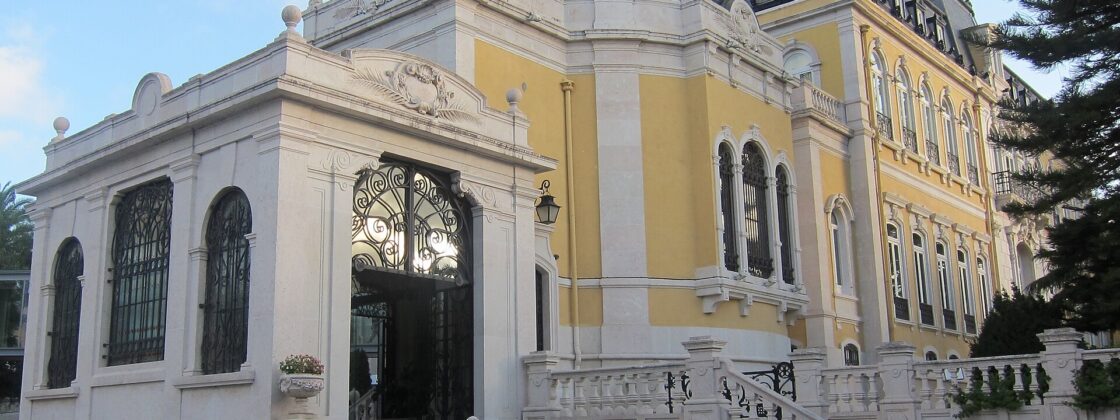
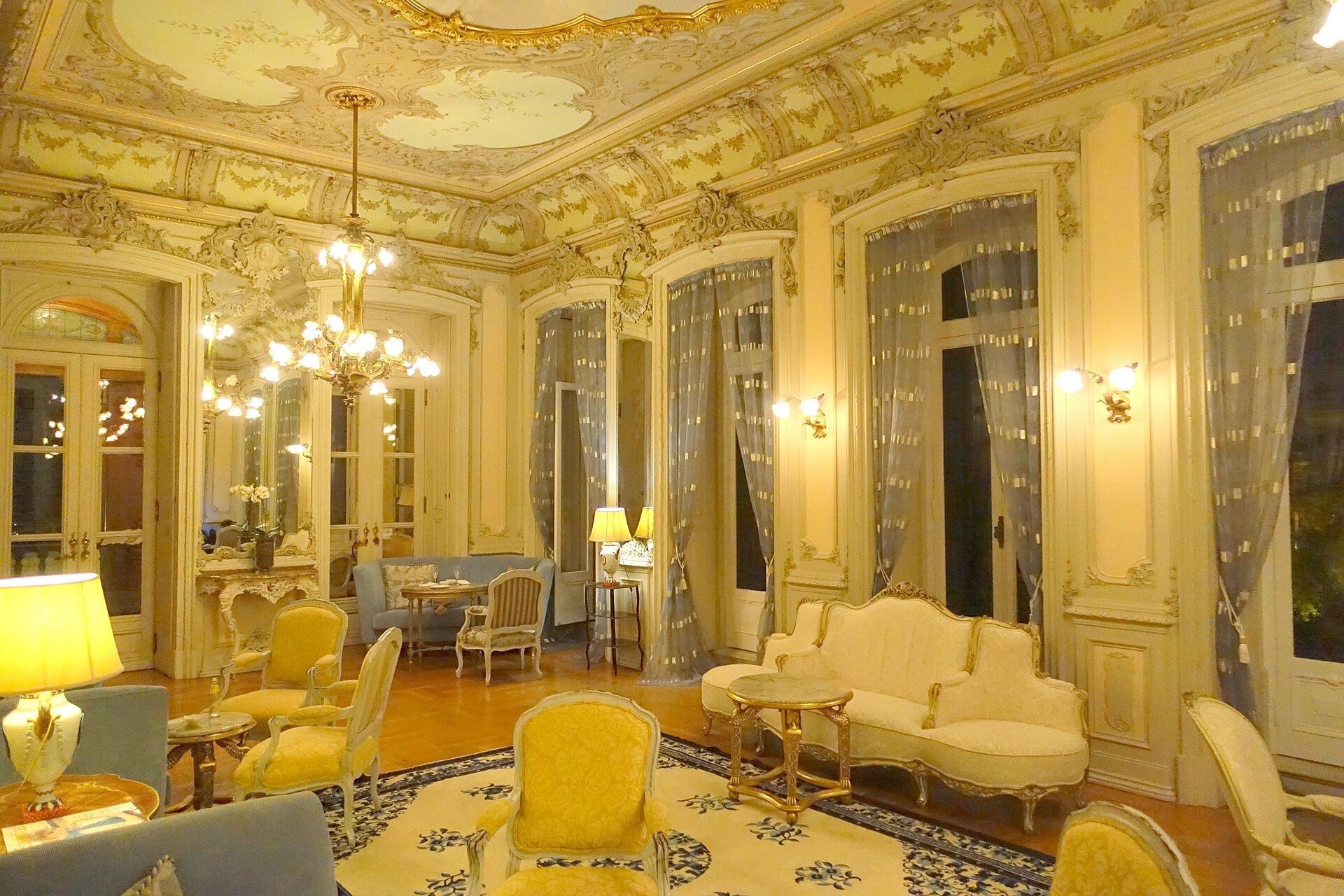
- Pestana Palace Lisboa — a listed national monument in Alcântara: a nineteenth-century palace with ballrooms, gardens with peacocks and a pool. Larger than the Lapa Palace and further out, but architecturally extraordinary.
- Palácio Belmonte — beside São Jorge Castle in Alfama, built into Roman and Moorish walls, with a handful of suites, thousands of original azulejos and a black marble pool. Tiny, singular and not cheap. The most romantic address in the city.
- Verride Palácio Santa Catarina — a restored palace above the Bica funicular with a rooftop that has one of the best views in Lisbon. Small, design-forward, and much photographed for good reason.
- Torel Palace Lisbon — a pair of belle époque villas by the Torel garden above Avenida da Liberdade, with a garden and pool and a quieter, more residential feel than anything central.
- Palácio Ludovice Wine Experience Hotel — the former home of the architect of the Mafra palace, in Bairro Alto, restored with a serious wine programme attached.
- One Palácio da Anunciada — a sixteenth-century palace off Restauradores with a walled garden and a pool, and one of the more surprising green spaces in central Lisbon.

The grand hotels and the international end
If you want scale, a spa, a gym that is not an afterthought and the reliability of a known operator:
- Four Seasons Hotel Ritz Lisbon — the flagship, overlooking Parque Eduardo VII. A 1950s modernist building stuffed with commissioned Portuguese art, a very large spa, and a rooftop running track. It is the city’s benchmark five-star and prices accordingly.
- Hotel Avenida Palace — opened in 1892 beside Restauradores, and the most purely belle époque interior in Lisbon: gilt, chandeliers, a marble staircase and a lounge that has not changed in a century. Central to the point of being loud.
- Corinthia Lisbon and EPIC SANA Marquês — larger modern hotels near the Marquês de Pombal end of town, with proper spas and pools. Less charming, more functional, often better value and a sensible choice with family or for a longer stay.
- Tivoli Avenida Liberdade — a well-known address on the avenue with a rooftop bar that is a destination in its own right.
The design-led and boutique end
Lisbon does small, stylish and expensive very well, and this is where most of the interesting new openings are.
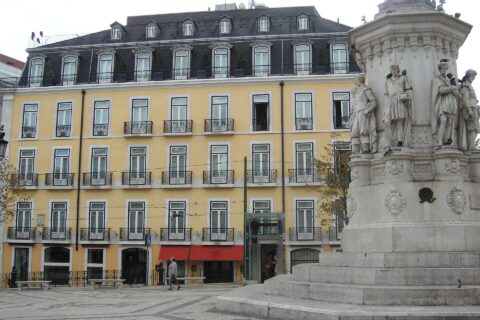
- Bairro Alto Hotel — on Praça Luís de Camões, at the hinge between Chiado and Bairro Alto. Fully rebuilt behind a historic façade, with a rooftop that is one of the best in the centre.
- The Ivens — in Chiado, heavily themed around Portuguese exploration, and one of the more distinctive interiors in the city.
- Valverde Hotel — a townhouse on Avenida da Liberdade with a courtyard, done as a private house rather than a hotel. Discreet in a way very little on that avenue is.
- Memmo Alfama and Memmo Príncipe Real — two small design hotels, both with red-tiled plunge pools and terraces with serious views. The Alfama one is the harder to find and the better view.
- Santiago de Alfama — a fifteenth-century building converted into a small hotel on the way up to the castle, in the middle of the old quarter rather than beside it.
For the tier below this — excellent, characterful and considerably cheaper — see our best hotels in Lisbon guide, and best Airbnbs in Lisbon if you would rather have an apartment.
Which neighbourhood?
This matters more in Lisbon than in most cities, because the hills mean two hotels 400 metres apart can involve completely different days.
Avenida da Liberdade and Marquês de Pombal
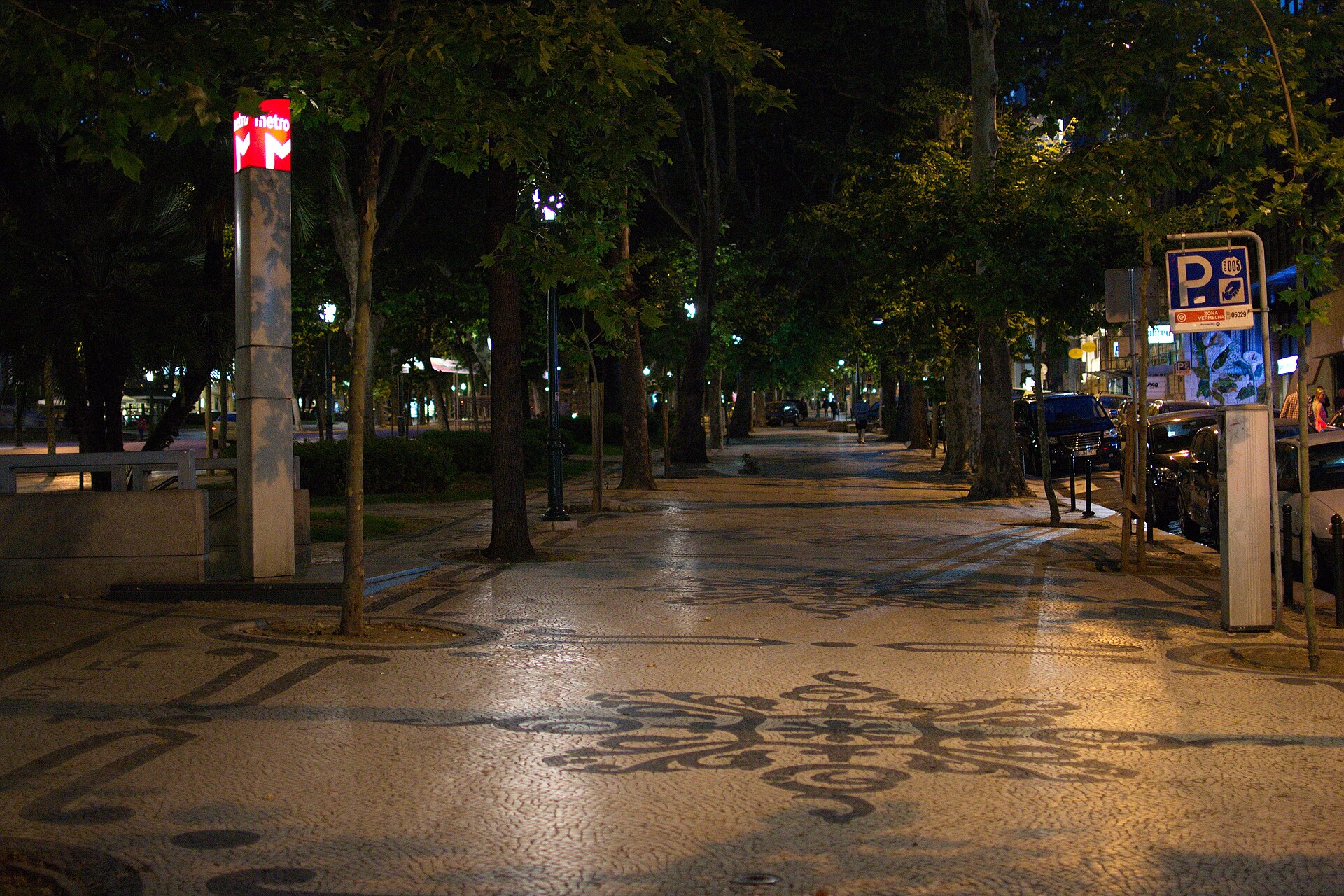
The luxury spine: a wide nineteenth-century boulevard of designer shops, embassies and the largest concentration of five-star rooms in the city. Flat, central and well connected, with the Metro under it. Pick this if you want convenience, a spa and shopping, and you do not mind that it feels like an upmarket district in any European capital rather than specifically like Lisbon.
Chiado and Príncipe Real
The best all-round choice for most people. Chiado puts you in walking distance of everything, with the good shops and restaurants; Príncipe Real is a few streets uphill, greener, quieter and more residential. Both are genuinely Lisbon in a way the Avenida is not.
Alfama and the castle
The most atmospheric and the most demanding. Medieval lanes, tiled façades, fado in the evening, and views from everywhere. Also: steep cobbled streets, no vehicle access to many addresses, luggage that has to be carried, and taxis that cannot reach your door. Wonderful for a romantic two nights, punishing with a suitcase or a mobility issue — see our accessibility guide before you commit.
Lapa and Estrela
Old money, embassies, wide quiet streets and gardens. The two grandest palace hotels are here. It is a genuine neighbourhood rather than a tourist zone, which is the appeal, and it is a tram ride or a long walk from the centre, which is the cost.
Belém and Alcântara
Further west, along the river, near Jerónimos and the bridge. Good for space, gardens and pools; less good if you want to walk home from dinner in Chiado.
Parque das Nações
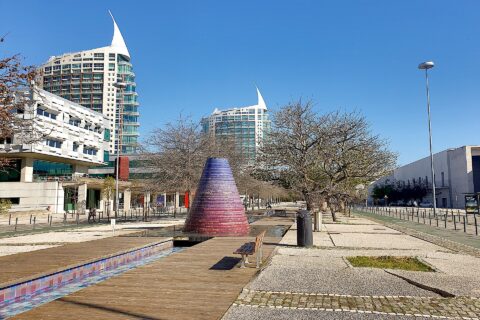
The modern east, built for Expo 98. Big rooms, river views, the Oceanarium, and a twenty-minute Metro ride from the old city. Excellent value and genuinely convenient for the airport; not where you come to feel you are in Lisbon.
What it costs
Rates move constantly and any figure printed in a guide is out of date within the year, so treat these as bands rather than quotes and check the property directly.
- Upper four-star and entry-level luxury: roughly €200–€300 a night in shoulder season, more in summer.
- Established five-star and the palace hotels: roughly €350–€700 a night depending on season and room.
- The very top — the Four Seasons, Belmonte suites, corner rooms with the river: well above that, and into four figures at peak.
- Low season (January, February, late November) can cut those numbers by 40% or more. See Lisbon in February for what a winter trip is actually like.
The tourist tax
Budget for it, because it is charged separately and surprises people at check-out. Lisbon’s Taxa Municipal Turística de Dormida is €4 per guest per night, capped at seven nights per person per stay, and applies to guests aged 13 and over. It is collected by the property rather than by the city, and it applies within the Lisbon municipality only — Sintra and the neighbouring councils set their own separate rates. For two adults on a five-night stay that is €40 on top of the room rate. Checked September 2026; full detail in our Lisbon tourist tax guide.
What to check before you book — the Lisbon-specific list
This is the section that earns its place. Stars do not protect you from any of the following.
- Noise. Bairro Alto drinks on the street until 03:00, every night, all year. So does Pink Street. A beautiful room with a window over either is not a place you will sleep. Ask specifically about a courtyard-facing or back room, and read recent reviews for the word “noise”.
- The hill. Look at your hotel on a map with terrain enabled. “Five minutes from Chiado” can mean five minutes downhill and twenty-five minutes back up a cobbled stair. This is the single most common complaint about otherwise excellent Lisbon hotels.
- Lifts. Listed buildings are not always allowed to install them, or can only fit very small ones. If stairs are a problem, confirm — do not assume a five-star has a lift to every floor.
- Air conditioning and heating. Both, not either. Lisbon hits the mid-thirties in August and Portuguese buildings hold cold badly in January. Historic conversions vary enormously.
- Parking. If you have rented a car, check that parking exists and what it costs — €25–€35 a night is normal, and some central addresses have none at all.
- What “river view” means. In Lisbon it can mean a full panorama of the Tagus or a slice of water between two buildings if you lean out. Ask for a photograph from the actual room category you are booking.
- Pool season. Many outdoor pools close from roughly October to April. If the pool is why you booked, confirm the dates.
- Breakfast. Often not included at the top end, and often €30 or more per person. Given what is on the counter of the pastelaria down the street — see our brunch guide — declining it is frequently the right call.
Splitting the stay: Lisbon and Sintra
One structure worth considering, particularly for a longer or a special-occasion trip: three or four nights in the city, then two out of it.
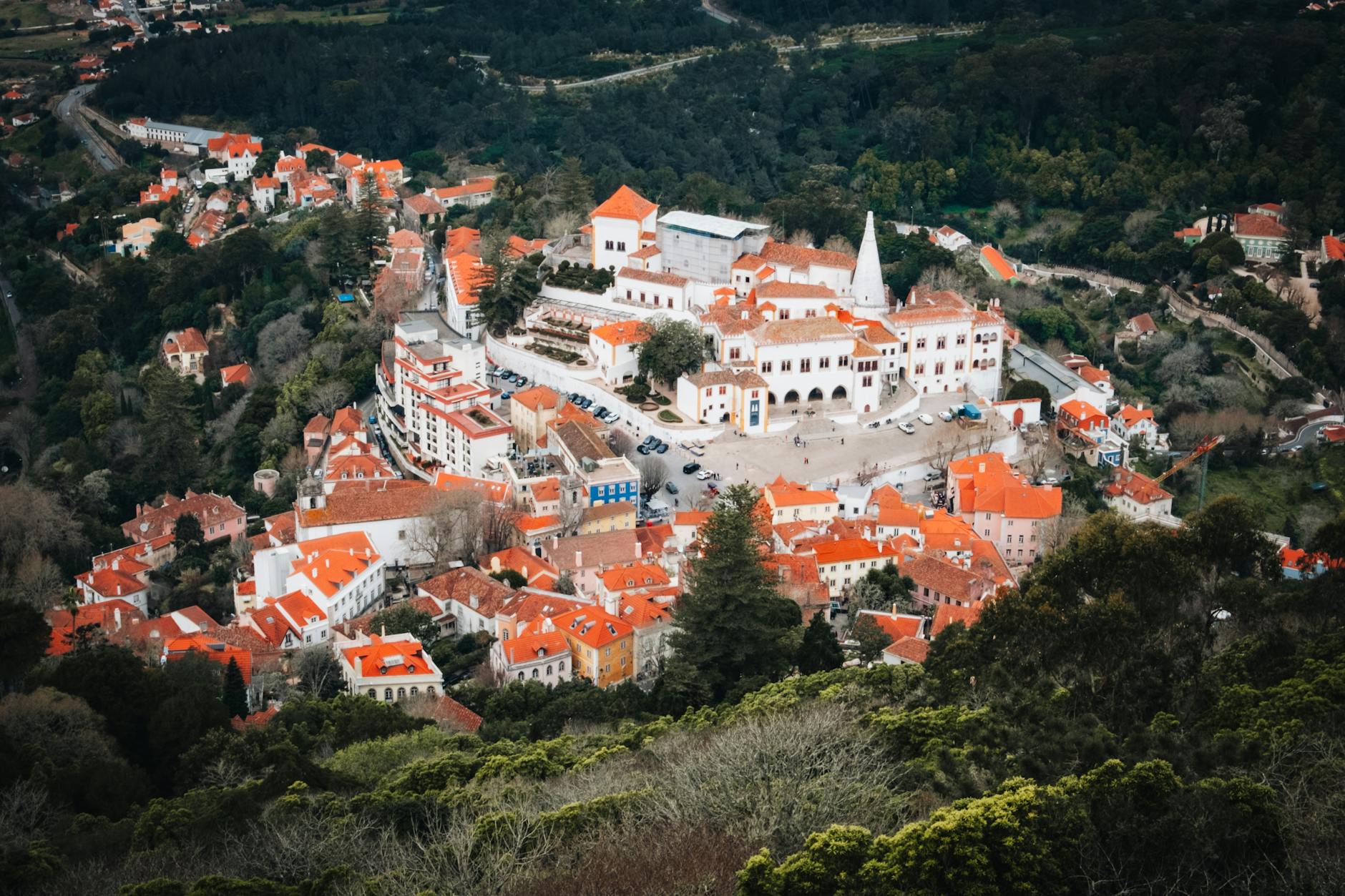
Sintra, forty minutes away by train, has a small luxury sector of its own built on exactly the same logic as Lisbon’s — royal and aristocratic properties in a UNESCO cultural landscape, set among gardens and cloud forest. Staying there converts the Sintra day trip, which is a rushed and crowded thing between two trains, into a place you get to have to yourself in the evening after the coaches have gone. That transformation is the strongest argument for splitting a stay anywhere near Lisbon.
The Estoril and Cascais coast is the other option: sea air, golf, and a short train ride back into the city along the water. It suits a longer trip where you want a base rather than a sightseeing platform, and it is covered in our Cascais guide.
Note that Sintra sets its own tourist tax — €2 per guest per night capped at three consecutive nights, against Lisbon’s €4 capped at seven — so a split stay is marginally cheaper on that line as well.
What you actually get for the money
Worth setting expectations, because Portuguese luxury service has its own character.
It is warm rather than formal. Staff at this level in Lisbon are generally attentive, genuinely friendly and entirely unstuffy, and the experience is closer to being a guest in a large private house than to the choreographed precision of a Swiss or Japanese hotel. Most people prefer it. If you are expecting silent, invisible service, you may find it chattier than you are used to.
Concierges are excellent and underused. This is the single most valuable amenity at a Lisbon five-star, because a good concierge can get you a table at a booked-out restaurant, a Pena Palace slot on a day it looks sold out, and a car to an Alfama address a taxi driver will refuse. Email them before you arrive with what you want; that is what they are for.
Spas vary hugely. The larger modern hotels have proper facilities; several beautiful palace conversions have a treatment room and a small sauna and call it a spa. If a spa day is part of the plan, check the actual square footage rather than the word.
When to book
The luxury market here is small and it sells out. Practical guidance:
- Three to six months ahead for May, June, September and October, which are the peak months for this segment.
- Avoid Web Summit week — early November — when the city fills with roughly 70,000 delegates and rates across every category spike, five-star included.
- Easter and the days around 25 April also run hot; both are covered in our April guide.
- Book direct for the extras. At this level, booking on the hotel’s own site routinely gets you a room upgrade, breakfast or a late check-out that an aggregator will not. It is worth a phone call or an email for a stay of this cost.
- Ask about the room, not the category. In converted palaces, two rooms in the same category can be radically different — one with the original painted ceiling and one in the converted attic. Say what you want.
Is a luxury hotel in Lisbon worth it?
More so than in most cities, for one specific reason: what you are buying is not a better bed, it is a building. Staying in a converted eighteenth-century palace with a walled garden in the middle of a dense city is an experience in its own right, and it is not available at any other price point. If the hotel is part of why you are travelling, Lisbon delivers unusually well for the money.
It is less worth it if you are here for four days and intend to leave at eight every morning and return at midnight. A hotel you never see is an expensive place to store a suitcase, and the €200-a-night tier in this city is genuinely good — our best hotels guide covers it, and the gap in quality is smaller than the gap in price.
It is also less worth it in high summer for the wrong property. A historic building with small windows, thick walls and a courtyard is delightful in April and can be stifling in August if the air conditioning is an afterthought. In July and August, weight your choice towards a pool and a terrace over period features.
Who should definitely consider it: couples on a short trip where the room is part of the point — see our couples itinerary — anyone visiting in winter, when rates fall sharply and a good hotel matters more, and anyone who would otherwise spend the same money over more nights in a worse room. Lisbon rewards fewer, better nights.
Frequently asked questions
How much is a five-star hotel in Lisbon?
Broadly €350–€700 a night in season for an established five-star or palace hotel, with the very top properties going considerably higher and low season cutting 40% or more. Add €4 per person per night in tourist tax.
Which is the best luxury hotel in Lisbon?
There is no single answer, because they are not competing at the same thing. The Four Seasons Ritz is the benchmark full-service five-star; Palácio Belmonte is the most singular and romantic; Olissippo Lapa Palace is the most classically grand. Pick by what you want the stay to feel like.
Where should I stay in Lisbon for a luxury trip?
Chiado or Príncipe Real for the best balance of atmosphere and convenience; Avenida da Liberdade for flat, central and full-service; Lapa for quiet grandeur; Alfama for romance, if you can manage the hills.
Does Lisbon charge a tourist tax?
Yes — €4 per guest per night for guests aged 13 and over, capped at seven nights per person per stay, within the Lisbon municipality. It is collected by the hotel and charged on top of the room rate.
Do Lisbon luxury hotels have pools?
Many do, but a good number are outdoor and close for the winter, roughly October to April. Confirm before booking if it matters.
Is breakfast included at Lisbon five-star hotels?
Frequently not, and it commonly costs €30 or more per person when added. Given the quality of Lisbon’s cafés, skipping it is often the better choice.
Are Lisbon luxury hotels good for families?
Some are, particularly the larger modern properties with pools and connecting rooms. Small palace conversions often are not. See where to stay in Lisbon with families.
When is the cheapest time to book a luxury hotel in Lisbon?
January and February, and the second half of November outside Web Summit week. Rates in those windows can be close to half of the May-to-October level.
Bottom Line
Lisbon’s luxury hotels are one of the better deals in European travel, because the product is unusual and the price is not. A converted palace with painted ceilings and a garden, thirty rooms and staff who know your name, costs less here than a competent business hotel does in several capitals to the north.
Choose the neighbourhood before the property, then check the four things that stars do not guarantee: noise, hill, lift and air conditioning. Book direct, book three to six months ahead for the shoulder seasons, avoid Web Summit week, and budget €4 per person per night for the tourist tax. Do that and you will get something out of a Lisbon hotel that you cannot get out of a hotel almost anywhere else.
For smaller, cheaper and no less characterful, see our guide to the best boutique hotels in Lisbon.
Photo Credits
Pestana Palace Hotel: Pestana Palace Hotel IMG 2004 (cropped) by sohrabah, CC BY 2.0, via Wikimedia Commons.
The Pestana Palace salon: Interior view – Hotel Pestana Palace – Lisbon, Portugal – DSC07071 by Daderot, CC0, via Wikimedia Commons.
Avenida da Liberdade’s promenade at night: Av. da Liberdade, Lisbon (18650643908) by Fermion, CC BY 2.0, via Wikimedia Commons.