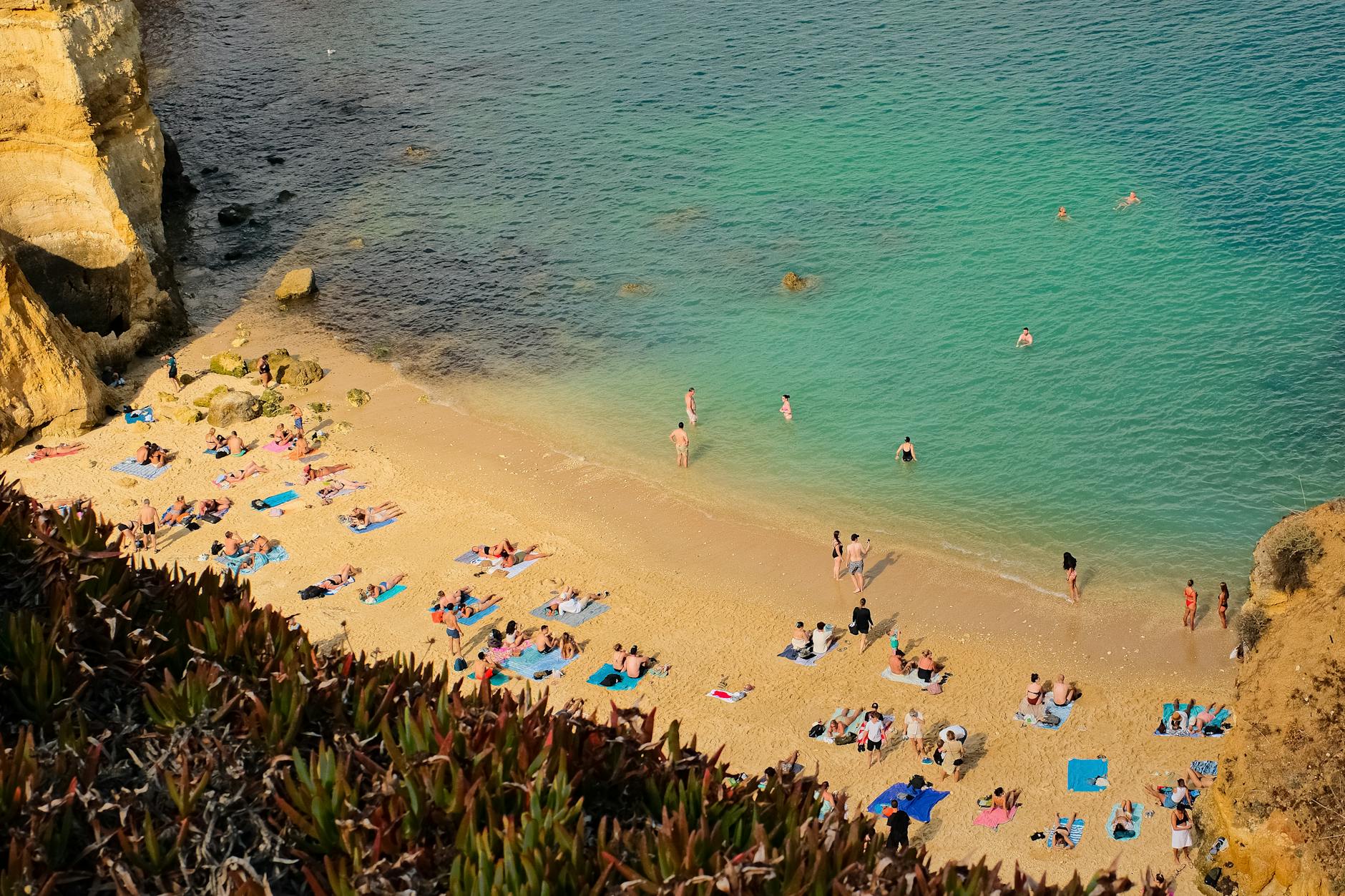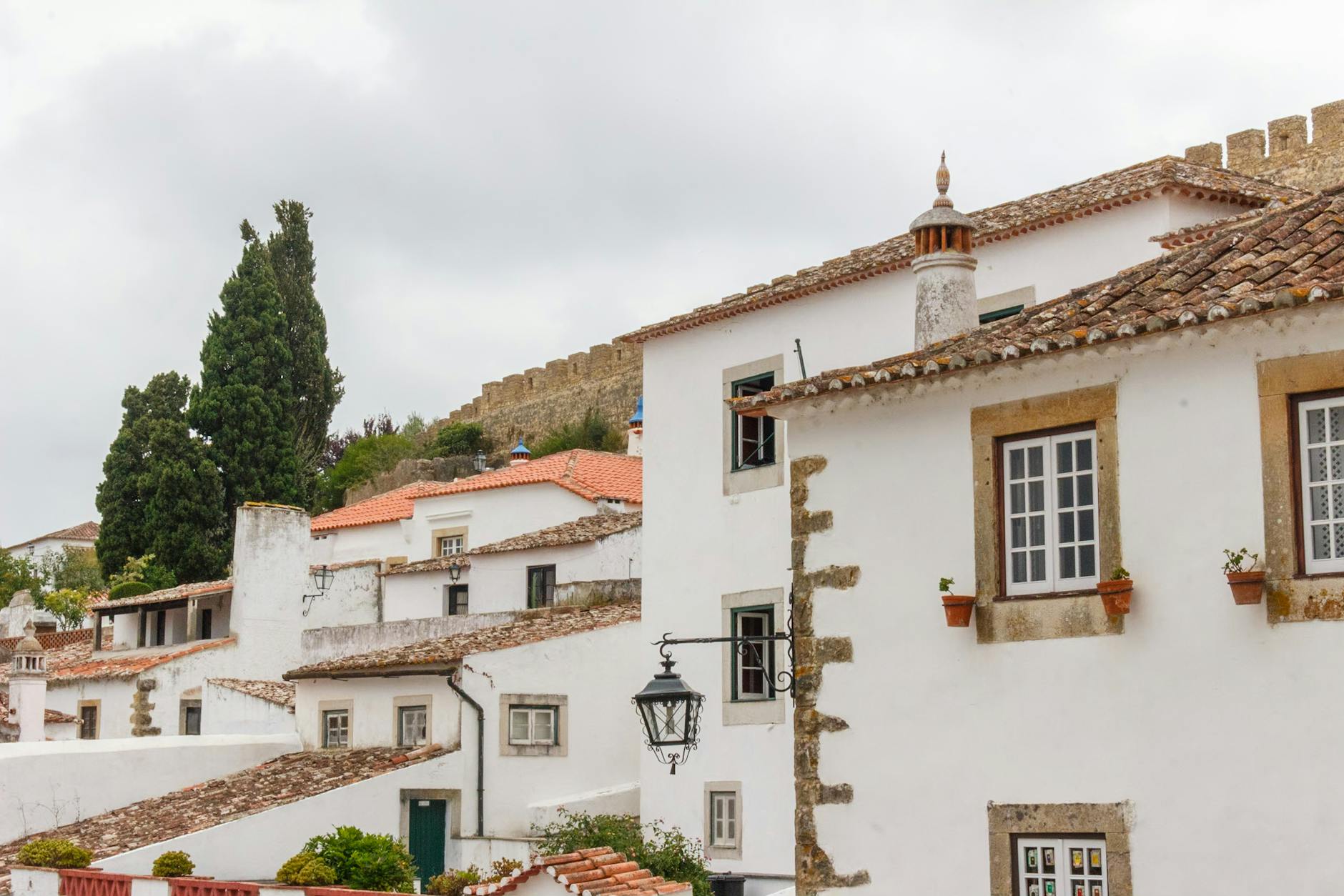
A Cascais day trip from Lisbon is the city’s underrated alternative to Sintra — a Portuguese coastal town with sandy beaches, fresh seafood, dramatic Atlantic cliffs, and one of the coast’s best short walks. The 35-minute train from Cais do Sodré makes it the easiest day trip from central Lisbon.
This guide covers everything you need: how to get there, the best beaches, the seafood restaurants worth sitting down at, the coastal walk to Guincho and Cabo da Roca, the Boca do Inferno cliffs, and how to combine Cascais with nearby Estoril or Sintra. Updated for 2026.
The Quick Plan
9:00 AM — Train from Cais do Sodré (Lisbon) to Cascais. €2.30, 35 minutes.
9:45 AM — Walk through Cascais old town and harbor.
10:30 AM — Coastal walk west to Boca do Inferno (45-minute round trip from town).
12:30 PM — Lunch at a seafood restaurant in Cascais center.
2:00 PM — Beach time at Praia da Rainha or Praia da Conceição.
4:00 PM — Optional: continue west to Guincho beach (bus 405) or back to town.
5:30 PM — Coffee + pastel de nata at Confeitaria Cidade Cascais.
6:30 PM — Train back to Lisbon.
Cascais at a Glance
- Where: 30 km west of central Lisbon, on the Atlantic coast
- Population: 35,000 (much higher in summer)
- History: Fishing village turned royal summer resort in the 1870s
- Best for: Beach day, seafood, coastal walks
- Time required: Half-day minimum, full day comfortable
- Compared to Sintra: Cascais is flatter, easier to navigate, beach-focused; Sintra is hilly, palace-focused
How to Get to Cascais
By Train (Best Option)
The CP Cascais line runs from Cais do Sodré in central Lisbon directly to Cascais. Trains every 20 minutes; 35–40 minute ride. €2.30 each way (€4.60 round trip) with a Viva Viagem card.
The route hugs the coast — you’ll see the 25 de Abril Bridge, Belém, the Atlantic, and Estoril en route. Sit on the left side traveling out for the best views.
First train: ~5:30 AM
Last train back: ~1:30 AM
By Car
30-minute drive on the A5 motorway. Parking in Cascais is difficult in summer — most lots €2/hour and fill by 11 AM. The train is dramatically easier.
By Tour Bus
Hop-on hop-off buses to Cascais leave from Praça do Comércio. €25 round-trip. Less efficient than the train but combines Cascais with multiple coastal stops.
By Uber/Bolt
€35–€55 from central Lisbon. Useful with mobility issues or large groups; otherwise the train wins.
Things to Do in Cascais
Walk the Old Town
Cascais’s historic center is built around Largo Luís de Camões, the Câmara Municipal (town hall), and the cobbled lanes radiating out. Worth seeing:
- The fish market (Mercado da Vila) — freshest catch in the morning
- The pedestrian shopping streets — Rua Frederico Arouca, Rua da Misericórdia
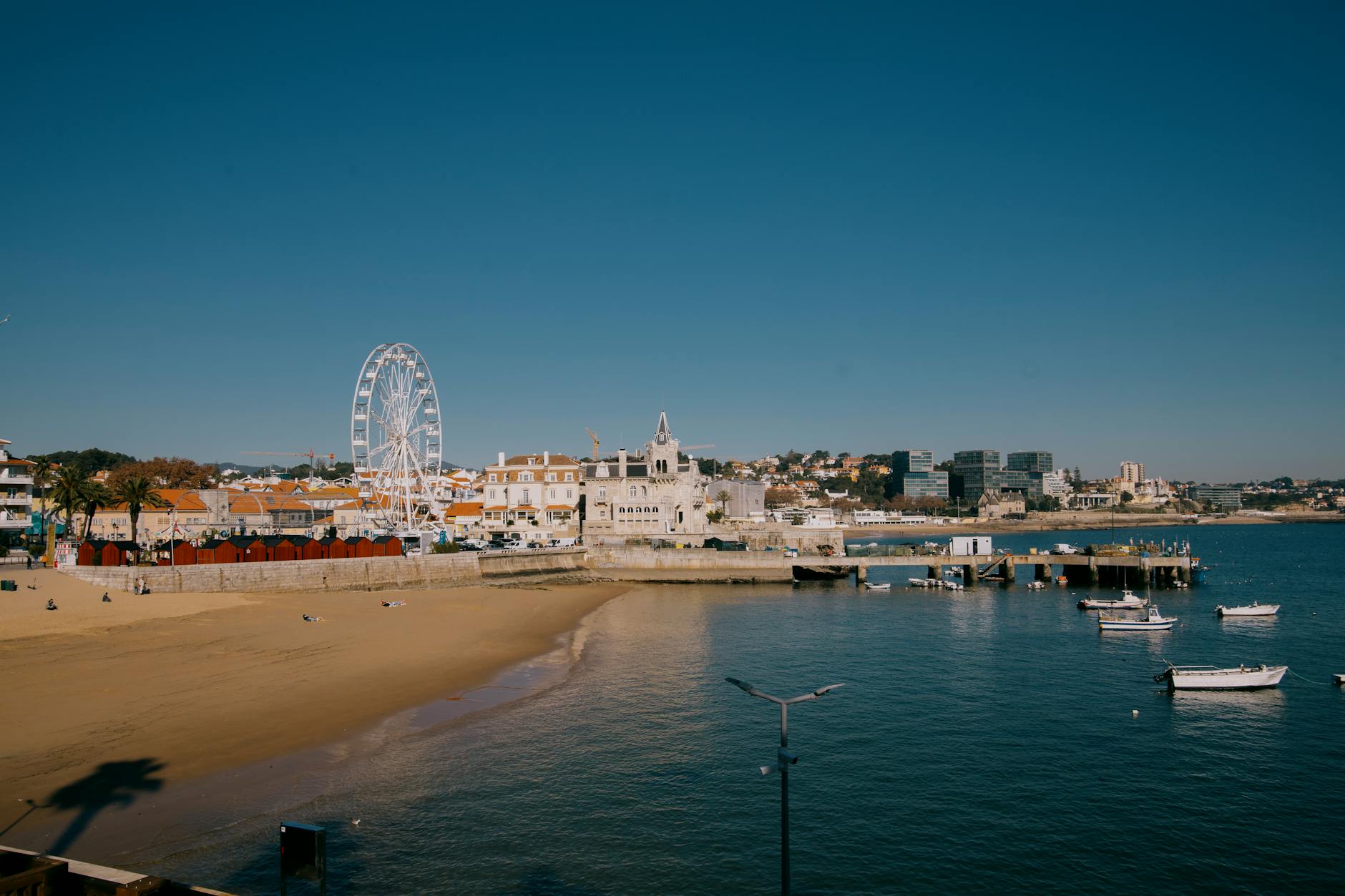
- Boats in the harbor — colorful traditional Portuguese fishing boats
- Cidadela de Cascais — 16th–17th century citadel, now a luxury hotel and art space
- Casa das Histórias Paula Rego — museum dedicated to the Anglo-Portuguese painter Paula Rego (€5, allow 60 minutes)
Allow 60–90 minutes for a thorough old town walk.
Boca do Inferno (Hell’s Mouth)
A dramatic Atlantic cliff formation 1.5 km west of Cascais center, where waves crash through a natural sea arch. The name “Hell’s Mouth” comes from the violent storm-day spectacle. Free to visit; reachable by 25-minute coastal walk or short bus ride. Sunset is dramatic here on rough-sea days.
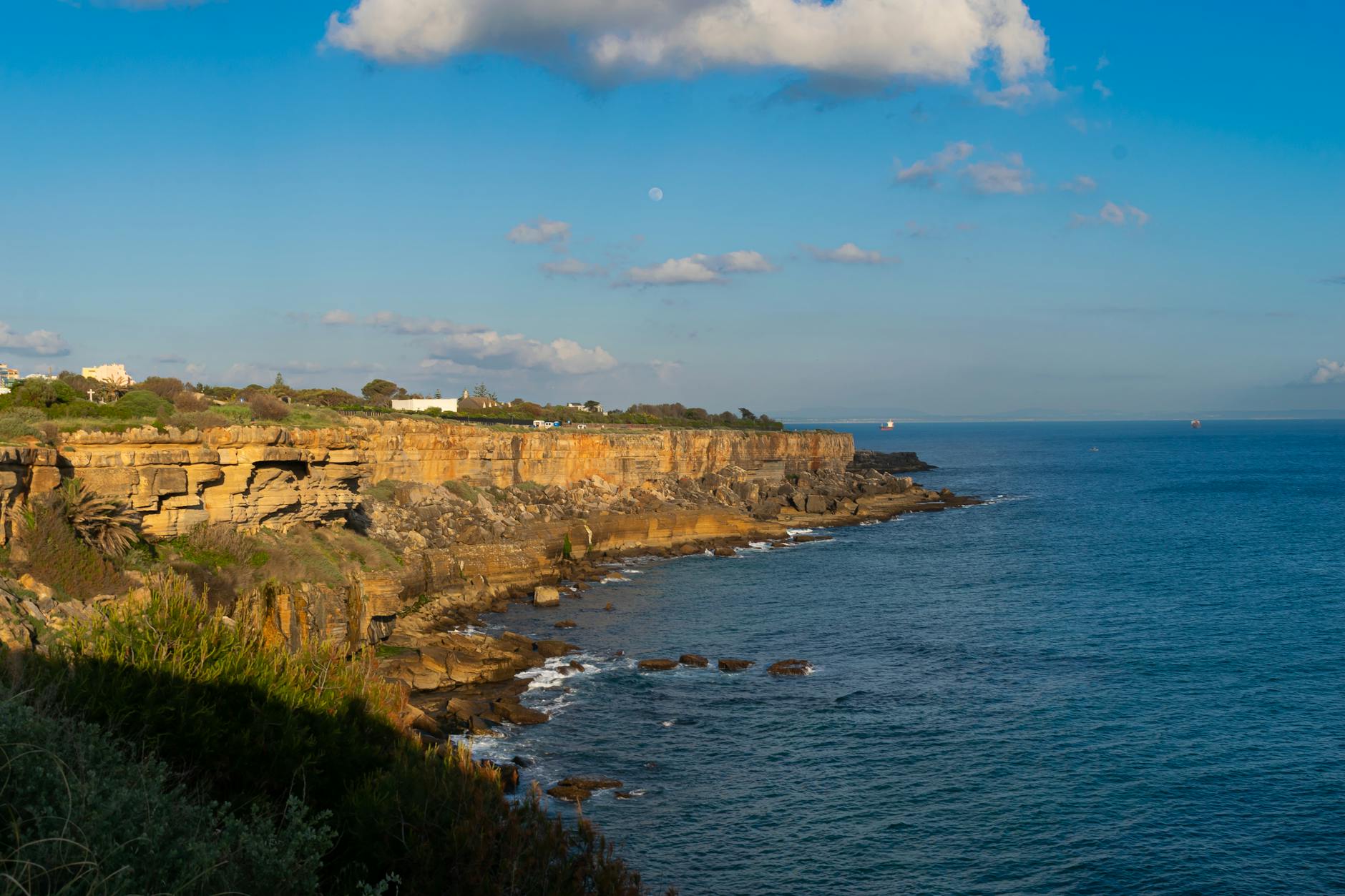
Tip: Boca do Inferno is flat and unspectacular on calm summer days when the waves are small. Come in October–April when Atlantic storms produce truly cinematic spray.
The Beaches
Cascais has several beaches within walking distance of the train station:
- Praia da Ribeira — small town beach, calm water, best for families with young kids
- Praia da Conceição — wider, popular with locals
- Praia da Rainha — small, very photogenic, “queen’s beach” set between rocks
- Praia do Tamariz (in adjacent Estoril) — larger, more developed, train stop “Estoril”
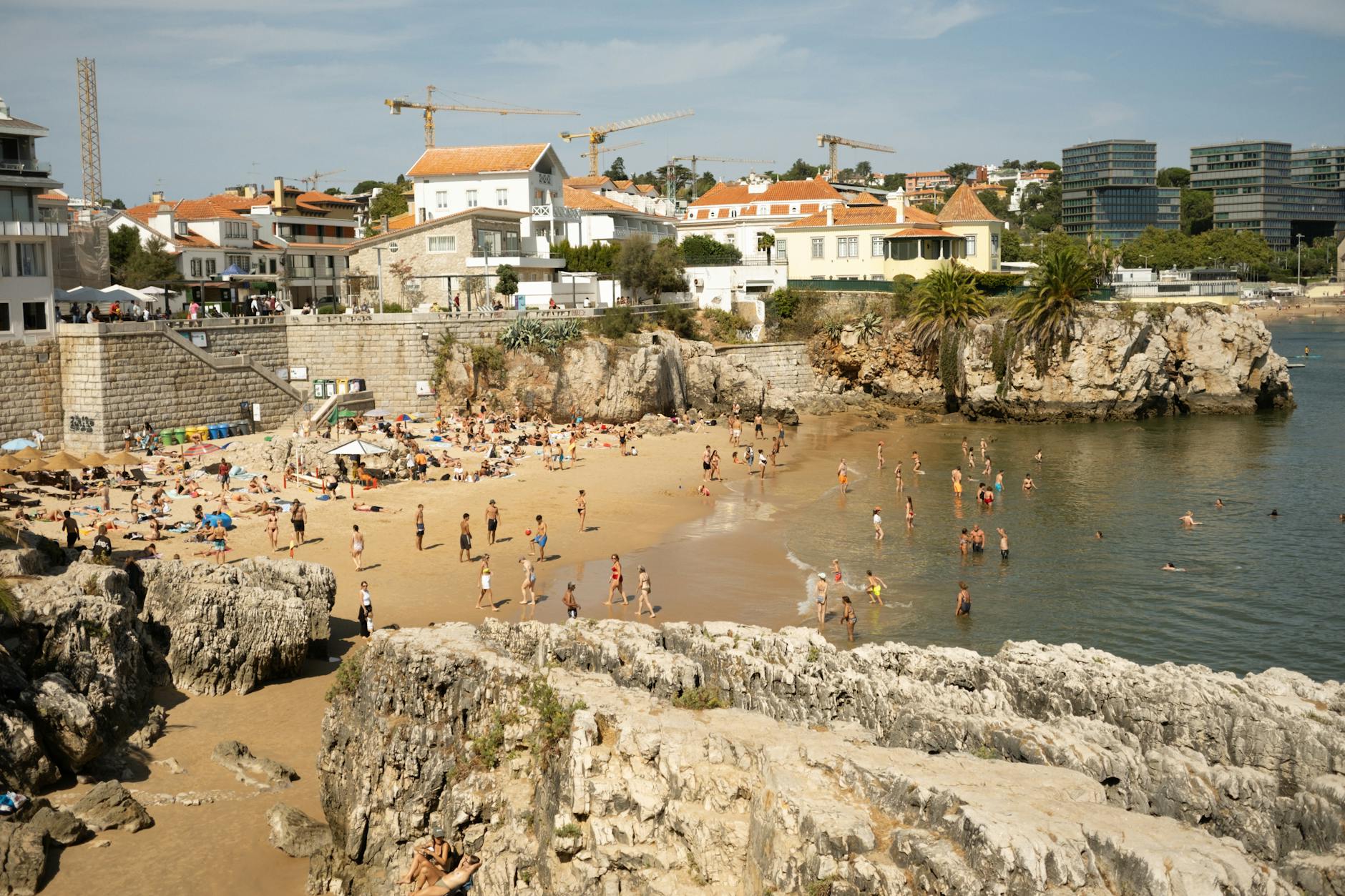
Sea temperatures: 16–18°C April–June, 18–21°C July–October. Atlantic always brisk. Respect lifeguard flags — currents can be deceptive.
Praia do Guincho
10 km west of Cascais center, the dramatic surf beach famous for windsurfing and kitesurfing. Wilder, more exposed Atlantic with strong waves. Reachable by:
- Bus 405 from Cascais bus station — €2.30, 25 minutes
- Bicycle — Cascais has a bike-share program (BiCas) with €5 day passes; the coastal cycle path runs all the way to Guincho
- Uber — €10–€15 from Cascais center
Worth combining with Cascais center if you want both the calmer town beaches and the dramatic surf coast.
Cabo da Roca
The westernmost point of mainland Europe, 18 km from Cascais. Free to visit — dramatic Atlantic cliffs, a lighthouse, a small visitor center where you can buy a “Westernmost Point” certificate (€5–€11).
Reach via: Bus 403 from Cascais bus station via Sintra. €4.05 each way, 40 minutes. The bus continues onward to Sintra for travelers wanting to combine destinations.
Coastal Walk to Estoril
The 3 km wooden boardwalk along the coast from Cascais to Estoril is one of the most pleasant short walks on this stretch of coast. Flat, fully paved, with the Atlantic on one side and small beach access points throughout. 45 minutes one-way, good for a slow afternoon.

Where to Eat in Cascais
Seafood Restaurants
Cascais’s reputation as a seafood destination is genuine — the fishing harbor still operates and many restaurants source daily catches.
- Marisqueira O Pereira — local favorite for grilled fish and shellfish, mains €18–€32
- Restaurante Mar do Inferno — coastal location near Boca do Inferno, fresh seafood with views, €25–€45
- Cervejaria Olas — modern seafood with terrace, €22–€38
- Hifen — boutique waterfront restaurant, mains €28–€50, good for special occasions
- Furnas do Guincho — at Guincho beach, simple grilled fish with cliff views, €22–€38
Casual Lunch
- Visconde da Luz — popular casual spot in town center, mains €14–€22
- Restaurante Apeadeiro — converted train station, mid-priced traditional Portuguese
- Tasca do Aleixo — small tasca, daily specials €11–€16
Cafés and Pastries
- Confeitaria Cidade Cascais — historic pastry shop with terrace, the local pastel de nata stop
- House of Wonders — vegan-friendly café, mid-priced lunches
- Santini — legendary gelato (since 1949), worth the queue on hot days
What to Eat
Cascais specialties:
- Sapateira recheada — stuffed crab, the regional signature
- Grilled dorada or robalo — fresh-caught local fish
- Arroz de marisco — Portuguese seafood rice
- Sardinhas assadas — grilled sardines (in season, June–September)
- Polvo à lagareiro — grilled octopus with potatoes
For more food context, see our traditional Portuguese food guide.
The History of Cascais
Cascais was a medieval fishing village until King Luís I made it the royal family’s summer residence in 1870. The aristocracy followed; grand villas appeared along the coast. The Casino Estoril (in adjacent Estoril, 1916) and the boardwalk to Cascais cemented the area as Portugal’s Riviera.
During World War II, Estoril and Cascais became a haven for European royalty fleeing Nazi-occupied countries — King Carol II of Romania, King Umberto II of Italy, and many others lived in exile here. The atmosphere of intrigue reportedly inspired Ian Fleming, who based parts of Casino Royale on Estoril Casino during a visit in 1941.
Post-war, Cascais grew as a beach resort town. Today it’s a comfortable upscale suburb of Lisbon (population doubles in summer), known for its cleanliness, safety, and seafood.
Cascais vs Sintra: Which Should You Visit?
| Cascais | Sintra | |
|---|---|---|
| Distance from Lisbon | 30 km | 25 km |
| Travel time | 35 min by train | 40 min by train |
| Main attraction | Beaches, seafood, coastal walks | Palaces, gardens, hilltop views |
| Crowds | Moderate, peaks summer | Heavy year-round |
| Effort level | Flat, easy walking | Steep, hilly, demanding |
| Daily ticket cost | €0–€20 typically | €50–€80 typical |
| Best for | Relaxed beach day | Architecture, gardens, history |
Most travelers do both as separate days. If choosing one, Sintra delivers more visual drama; Cascais delivers more relaxation. See our Sintra day trip guide for the alternative.
Combining Cascais with Other Plans
Cascais + Estoril (Half Day Each)
Train to Cascais, walk the boardwalk to Estoril (45 minutes), explore the casino and Tamariz beach, train back from Estoril. €4.60 round trip total.
Cascais + Cabo da Roca + Sintra (Long Day)
Train to Cascais → bus 403 to Cabo da Roca (40 min) → continue same bus to Sintra (40 min) → train back to Lisbon. Tight but possible if you start at 8 AM and finish by 8 PM.
Cascais + Coastal Cycling
Rent a bike (BiCas, €5/day) and ride the Cascais–Guincho coastal path. About 15 km round trip. Beach stop and lunch at Guincho. Return by bike or by bus 405.
Best Time to Visit Cascais
April–May: Mild weather, manageable crowds, sea cool but air warm enough for boardwalk walking. Excellent.
June–August: Peak season, crowded beaches, sea warm enough for swimming. Beach towels close together; restaurants book out on weekends.
September–October: Sea still warm (20°C), crowds thin from mid-September, weather still summer-like. The best window for most travelers.
November–March: Quiet but rainier and chilly. Boca do Inferno is most dramatic in storm season. Some restaurants close for winter renovation.
For broader Lisbon weather, see our best time to visit Lisbon guide.
Practical Tips
Train tickets: Buy a Viva Viagem card at Cais do Sodré station (€0.50 + €2.30 single, or €4.60 for round-trip).
Beach essentials: Towel, sunscreen, water, snacks. Cascais beaches don’t have many vendors; bring what you need.
Crowds in summer: Beaches fill by 11 AM weekends. Arrive early or visit weekdays.
Atlantic surf: Always respect lifeguard flags. Currents can be strong, especially at Guincho. Don’t swim outside green-flag zones.
Restaurants: Reserve dinner spots on weekends. Lunch is usually walk-in friendly.
Cash: Most places accept cards but small kiosks may be cash-only. Carry €30–€60.
Sunscreen: Atlantic exposure intensifies UV — apply more than you think you need.
What to Skip
The Cascais Casino. Not as famous as Estoril’s; tourist-priced; uninteresting.
Tour-bus stops at “Boca do Inferno” without leaving the bus. Walk the 25 minutes from town instead.
Tourist menus near the harbor. Better food and prices in restaurants 2–3 streets inland.
Cabo da Roca on a foggy day. Cliffs disappear in mist; the trip is wasted. Check weather first.
FAQ: Cascais Day Trip from Lisbon
Is Cascais worth visiting?
Yes. Cascais is one of Portugal’s most pleasant coastal towns and significantly easier to enjoy than Sintra — less hilly, less crowded, more relaxed. Most travelers rate it among their favorite day trips from Lisbon.
How do I get to Cascais from Lisbon?
Train from Cais do Sodré, every 20 minutes, 35–40 minutes, €2.30 each way. The easiest day trip from Lisbon.
How long should I spend in Cascais?
Half-day minimum (4 hours). Full day comfortable if you add Guincho beach, Boca do Inferno, and the Estoril boardwalk walk.
What are the best beaches in Cascais?
Praia da Rainha (most photogenic, small), Praia da Conceição (wider, popular), Praia do Tamariz (in adjacent Estoril, larger), and Praia do Guincho (10 km west, dramatic surf beach).
Can I swim in Cascais beaches?
Yes June–October. Sea is brisk year-round (Atlantic, never Mediterranean-warm). Always respect lifeguard flags.
Where is the best seafood in Cascais?
Marisqueira O Pereira (local favorite), Restaurante Mar do Inferno (coastal location), and Hifen (upscale). Cervejaria Olas for casual with a terrace.
Should I visit Cascais or Sintra?
Both — they’re different experiences. Cascais for beaches and seafood; Sintra for palaces and gardens. If choosing one, Sintra has more visual drama; Cascais has more relaxation.
Can I visit Cabo da Roca from Cascais?
Yes — bus 403 from Cascais bus station goes to Cabo da Roca (40 minutes, €4.05) and continues to Sintra. Cabo da Roca is the westernmost point of mainland Europe.
Is Cascais good for kids?
Yes — calm beaches (Praia da Ribeira, Praia da Conceição), flat walking, family-friendly restaurants, and easy train access make it one of the most straightforward Lisbon-area day trips with children.
What’s the best month to visit Cascais?
September–October — sea still warm, crowds thinning, weather still summer-like. Second best: April–May.
Bottom Line
Cascais is the easy, relaxed alternative to Sintra — sandy beaches, fresh seafood, cliff walks, and a dramatic Atlantic coastline, all 35 minutes from central Lisbon by train. Plan a half-day at minimum, take the train (skip the parking headaches), eat seafood for lunch, and consider extending the boardwalk walk to Estoril if weather permits. Pair with Sintra and Cabo da Roca for an ambitious coastal loop, or just slow down and enjoy a Portuguese beach town done right.
Continue planning day trips with our Day Trips from Lisbon pillar, our Sintra day trip guide, our Pena Palace guide, and our Óbidos day trip guide.