Day Trips from Lisbon
Costa da Caparica: Lisbon’s Best Beach Escape (How to Get There) 2026
Guide to Costa da Caparica—Lisbon's favorite beach getaway. Best beaches by vibe, how to get there by bus/ferry, beach bars, and surfing.
In this guide
- Quick Reference
- Why Caparica vs Cascais
- How to Get to Costa da Caparica from Lisbon
- Caparica Beaches: 30 km of Choice
- Surfing at Costa da Caparica
- Beach Bars (Chiringuitos)
- Where to Eat in Costa da Caparica
- Beach Day Itinerary
- Surf Lesson Day
- Best Times to Visit
- Best Time of Day
- Practical Beach Tips
- Costa da Caparica vs Other Lisbon Beaches
- What to Pack
- Beach Etiquette
- Weekend vs Day Trip: How Long to Spend
- Costa da Caparica for Families
- Getting Back: Return Transport
- FAQ: Costa da Caparica from Lisbon
- Bottom Line
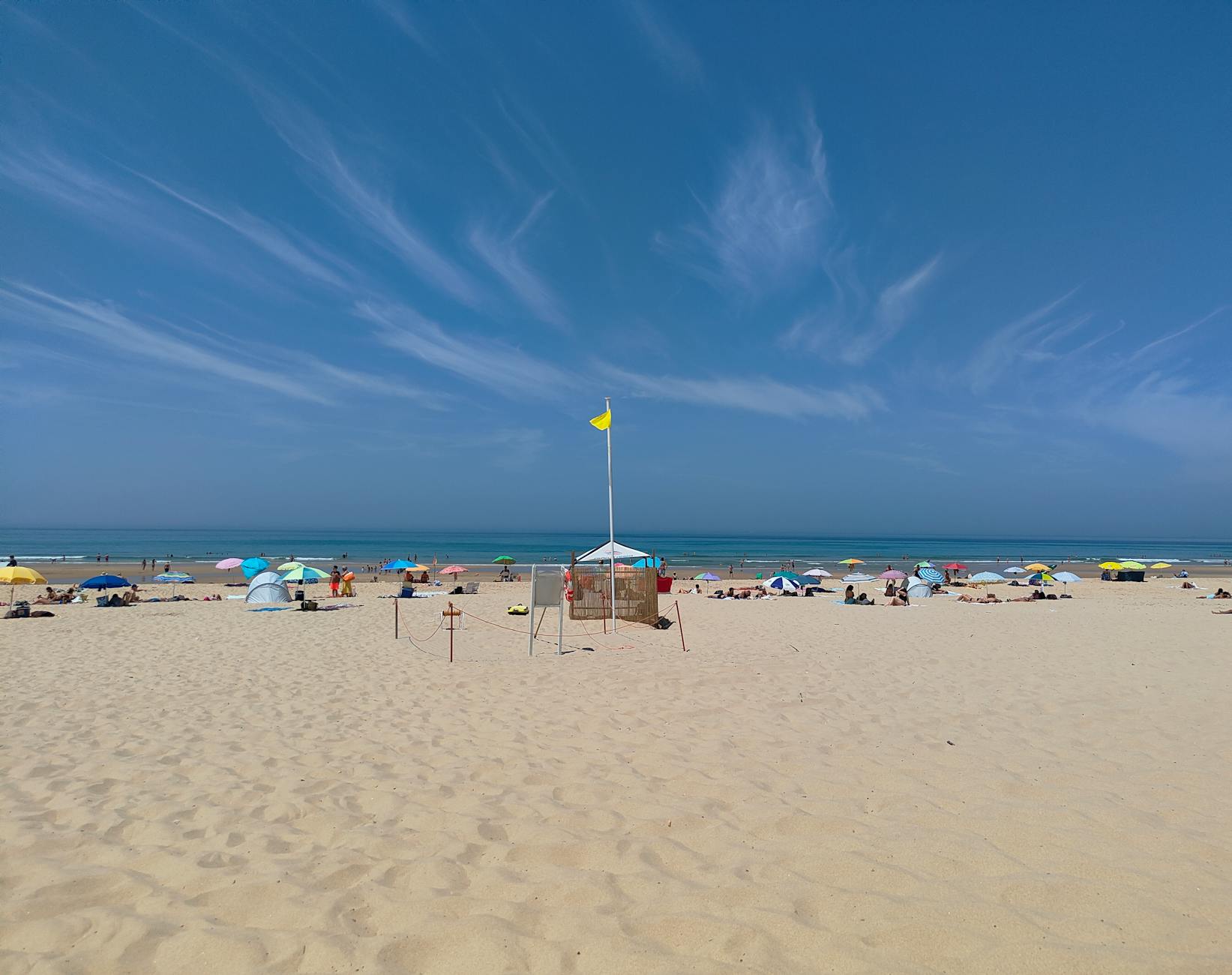
Costa da Caparica from Lisbon is the city’s favourite beach getaway — a 30-km stretch of Atlantic coast directly across the Tagus from Lisbon, accessible in 35–55 minutes by bus or ferry. Unlike polished Cascais, Caparica is a wilder, surfer-favourite beach culture with strong waves, beach bars, surf schools, and easy access from central Lisbon. Lisboners flock here every weekend for the wide sand and beach-bar atmosphere.
Keep driving south past Caparica and the crowds vanish: our Comporta and Melides guide has the ferry shortcut and the honest prices.
Thirty kilometres of sandy beach break is why the schools are all here: see our surfing near Lisbon guide for what a lesson costs and when to book it.
For how this stretch compares with the Cascais line and the Arrábida coves, see our guide to the beaches near Lisbon.
Praia 19 on this coast has been the Lisbon area’s gay and naturist beach for decades — the practicalities are in our gay Lisbon guide.
This guide covers everything: how to get there (including the 2026 operator update), beaches by vibe, surfing, restaurants, and best times to visit. Updated for 2026.
Quick Reference
- Distance from Lisbon: ~10 km across, 35–55 min by bus/ferry
- Best for: Beach lovers, surfers, beach-bar atmosphere
- Cost: €5–10 round-trip transit; €15–30 lunch
- Time needed: Half day minimum; full beach day
- Best season: May–October for swimming; year-round for walks and surfing
Why Caparica vs Cascais
| Costa da Caparica | Cascais |
|---|---|
| 30 km of beach | Smaller beaches |
| Surfer culture | Resort polish |
| Younger crowd | Mixed/older |
| Beach bars (chiringuitos) | Restaurant variety |
| Wilder Atlantic | Sheltered bays |
| Cheaper | More expensive |
| South of Lisbon (via bridge) | West of Lisbon (via train) |
See our Cascais guide for the full comparison. For Sintra as an alternative day trip, see our Sintra day trip guide.
How to Get to Costa da Caparica from Lisbon
A quick note on operators: buses south of Lisbon were rebranded from TST (Transportes Sul do Tejo) to Carris Metropolitana in 2022. You’ll still see TST mentioned in older guides and some printed timetables — it’s the same network, now under Carris Metropolitana.
Bus 3710 from Praça de Espanha (Most Direct)
- Departure: Praça de Espanha bus terminal (metro blue line, “Praça de Espanha” station)
- Frequency: Every 30 min off-peak; every 15 min peak hours
- Duration: 55 minutes (varies with 25 de Abril Bridge traffic)
- Cost: €2.60 single one-way
- Operator: Carris Metropolitana (formerly TST)
There is also route 3709, less frequent, departing from Marquês de Pombal plaza — useful if you’re staying near Avenida da Liberdade. Check Carris Metropolitana for current timetables.
Ferry + Bus (Most Scenic)
- Ferry from Cais do Sodré to Cacilhas — 10 minutes, €1.50 (departing from the ferry terminal adjacent to Cais do Sodré metro station)
- Bus 3011 from Cacilhas to Costa da Caparica — 35 minutes, €2.60, roughly hourly
Total: ~50 minutes, around €4.10 one-way. Avoids bridge traffic and provides panoramic Lisbon views from the ferry deck — the 25 de Abril Bridge looming overhead, the city’s white skyline behind you. Worth it even if the bus alternative saves you a few minutes.
By Car
30 minutes via 25 de Abril Bridge (€1.85 toll southbound). Beach parking is free or cheap. Best for big beach days with surfboards, children’s gear, or a large group.
By Uber/Bolt
€20–30 each way. Convenient with surf gear or when you can’t face the bus back after a long beach day.
Caparica Beaches: 30 km of Choice
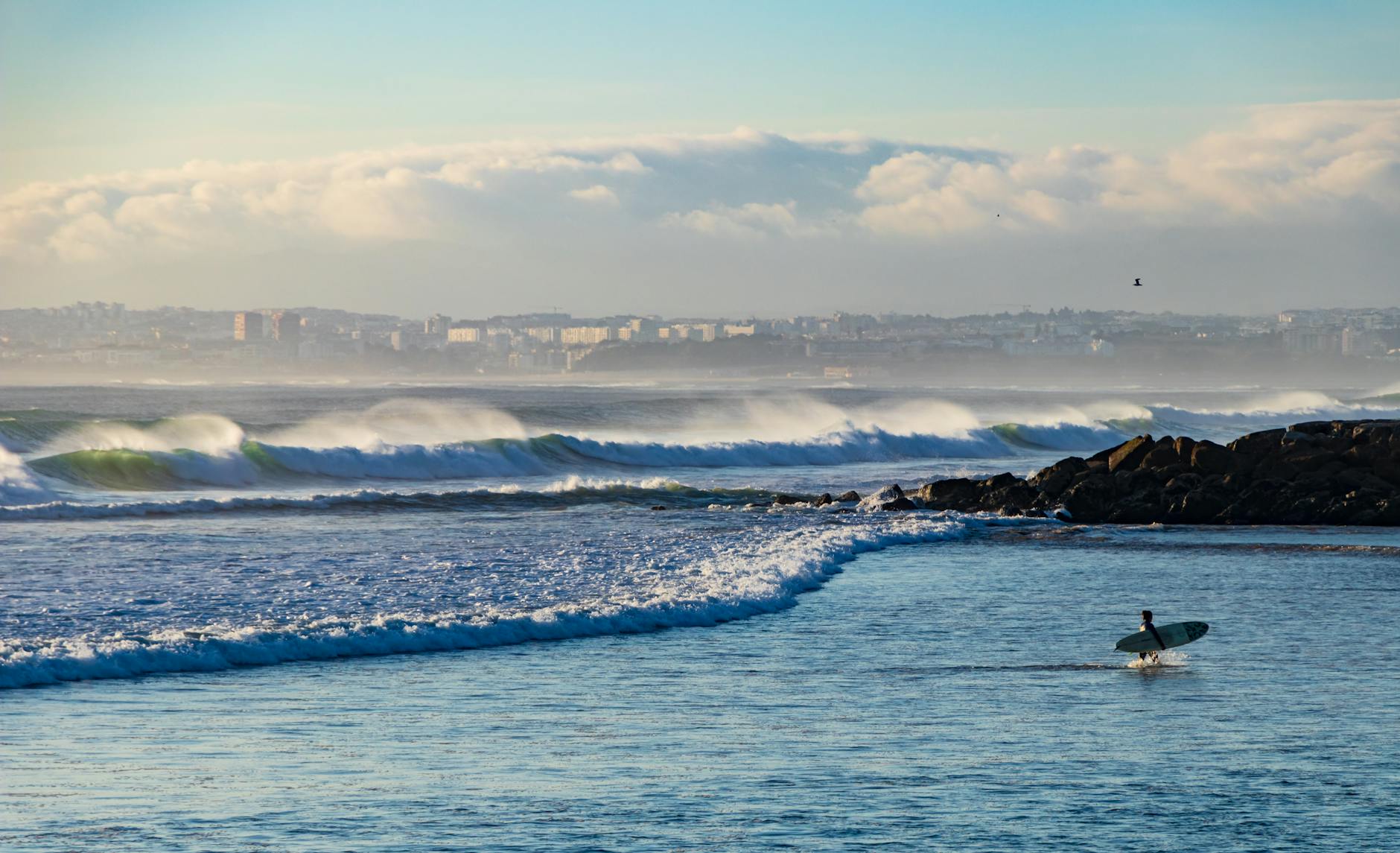
The “beaches of Costa da Caparica” stretch 30 km south from the town. The general rule: the closer to town, the busier; the further south, the more pristine. A mini-train called the Transpraia historically served the southern beaches — it was out of service from 2020, and as of mid-2026 there are plans to revive it (the line was sold to a French investor). Check transpraia.org for its current status before factoring it into your plans.
Town Beaches (Walkable from Bus)
- Praia da Costa Nova — Main town beach. Family-friendly, restaurants nearby, lifeguards in summer.
- Praia de São João — Popular surf beach, consistent waves year-round.
- Praia do CDS — Costa da Caparica Surf Center beach. Beginner-friendly waves, surf school right on the sand.
- Praia da Princesa — Slightly south of town, noticeably fewer crowds on summer weekends.
Mid-Beach Strip
- Praia do Castelo — Mid-strip, mixed crowd, solid intermediate surf
- Praia de São Sebastião — Quieter section, good for families
- Praia das Bicas — Surfer favourite, intermediate to advanced waves
Far South Beaches (Wilder)
- Praia do Rei — Far south, dramatic dune landscape
- Praia da Bela Vista — Has a designated naturist section
- Praia da Adiça — Wild, essentially undeveloped
- Praia da Mata — Wild, rarely crowded even in August
- Praia do Meco — Very far south, dramatic cliffs, worth the extra distance
Naturist Beach
Praia da Bela Vista has a designated naturist section. All other beaches are clothed. Topless sunbathing is generally accepted on most beaches.
Surfing at Costa da Caparica
Caparica is one of Portugal’s most accessible surf spots from a major city — 30 km of Atlantic-facing beach means there’s almost always a rideable wave somewhere, regardless of swell direction. Lisboners with boards come here the way Londoners head to Waterloo on a Friday: purposefully and in numbers.
Best Surf Beaches
- Praia de São João — Beginner to intermediate, consistent, close to town
- Praia do CDS — Beginner-friendly, surf school heaven, gentle breaks
- Praia das Bicas — Intermediate to advanced, stronger swells
- Praia do Castelo — Solid intermediate conditions
Surf Schools
- Costa da Caparica Surf Center — €40–60 per group lesson; €30 board rental. Well-regarded, multiple operators on site.
- Lisbon Surf Camp — Multi-day packages, good for longer stays
- Big Wave Surf School — All levels from beginner upwards
Surf Conditions
- Best for beginners: Summer (smaller waves, warmer water at 18–19°C)
- Best for advanced: Autumn–winter (bigger Atlantic swells)
- Water temperature: 16–19°C summer; wetsuit needed year-round
- Atlantic conditions: Wind direction matters as much as swell size. Check a surf forecast app rather than a standard weather app before making the trip.
Beach Bars (Chiringuitos)
Costa da Caparica is famous for its chiringuitos — beach bars serving food and drinks all day, then morphing into nightlife venues by sunset. This is not a Cascais-style promenade of upmarket restaurants. It’s plastic chairs, cold Sagres, grilled fish, and very loud music by 7 PM. That’s exactly what Lisboners love about it.
Notable Beach Bars
- Sereia Beach Club — Beach restaurant + lounge, slightly more polished than the average chiringuito
- Princesa Beach Restaurant — Mid-range, beachfront, reliable food
- Posto 9 — Surf-and-grill, popular with the younger surf crowd
- Borda d’Água — Casual, family-friendly
- Bar B — Sunset drinks, good music selection
Pricing
- Beer: €3–5
- Cocktails: €7–12
- Sandwich/snack: €6–10
- Lunch entrée: €12–22
- Beach umbrella + chair rental: €10–15/day
Where to Eat in Costa da Caparica
Town Restaurants
- O Barbas — Famous for fresh seafood, Caparica institution. Expect a queue on summer weekends.
- Cervejaria Casa do Adro — Traditional Portuguese, seafront position
- Tasca da Praia — Casual, locals’ favourite, honest prices
Speciality: Caparica Seafood
- Sardinhas grilhadas — Fresh grilled sardines (peak May–September; Lisbon’s sardine season and Caparica’s is essentially the same)
- Robalo grelhado — Grilled sea bass, usually priced by weight
- Choco frito — Fried baby cuttlefish, beach-food classic
- Arroz de marisco — Seafood rice, minimum two people, worth ordering ahead
Beach Day Itinerary
9:30 AM — Bus 3710 from Praça de Espanha or ferry from Cais do Sodré
10:30 AM — Arrive Caparica. Walk seafront to chosen beach
11:00 AM — Beach time (surf lesson if interested; book ahead for São João or CDS)
1:00 PM — Lunch at beach restaurant or chiringuito
2:30 PM — More beach
5:00 PM — Beach bar drinks; sunset viewing
7:00 PM — Dinner in Caparica town or return to Lisbon
Surf Lesson Day
9:00 AM — Bus to Caparica
10:30 AM — Surf school check-in (CDS or Praia de São João)
11:00 AM–1:30 PM — 2.5-hour surf lesson
1:30 PM — Lunch at beach restaurant
3:00–5:00 PM — Optional second session (waves permitting)
5:00 PM — Drinks at beach bar
6:30 PM — Return to Lisbon
Best Times to Visit
| Season | Verdict |
|---|---|
| April–May | Excellent — wildflowers, mild, less crowded, beaches largely to yourself |
| June–July | Excellent beach season, sea warming up |
| August | Peak crowds, hot; go early or head south |
| September–October | Excellent — warm sea, smaller crowds, better surf |
| November–March | Limited beach use; surf available year-round |
Best Time of Day
- Morning: Cooler, less crowded, calmer water — best for swimming
- Midday–2 PM: Peak crowds, hottest, busiest buses back
- Late afternoon–sunset: Best atmosphere, beach-bar transition, softer light
- Evening: Many chiringuitos become nightlife venues; Lisboners often arrive for this specifically
Practical Beach Tips
- Bring water — beach bar prices are roughly double convenience-store rates
- Sunscreen essential; the Atlantic latitude doesn’t make the sun gentler
- Towel and chair — rentals €10–15/day
- Cash for beach bars — some don’t accept cards, especially the smaller chiringuitos
- Avoid weekend July–August if you dislike crowds — or arrive before 10 AM
- Surf gear: Wetsuit recommended even in summer; Atlantic water averages 17°C in July
- Public bathrooms at most beach access points (paid, around €0.50)
Costa da Caparica vs Other Lisbon Beaches
| Beach | Distance | Vibe | Best For |
|---|---|---|---|
| Costa da Caparica | 30–55 min | Surfer beach culture | Surfers, sunset bars, wide sand |
| Cascais | 40 min train | Resort town | Family-friendly, dining variety |
| Carcavelos | 27 min train | Largest local beach | Lisboner crowd, surf-friendly |
| Praia do Guincho | 55 min | Wild, windy | Big waves, dramatic scenery |
| Sintra coast | 1+ hour | Hidden coves | Atmospheric, off-beat |
See our Cascais day trip guide and our Lisbon to Cascais train guide for how the beach towns compare in detail. Our day trips from Lisbon pillar covers all options including Sintra and Pena Palace.
What to Pack
- Swimwear and beach towel
- Sunscreen and hat (SPF 50 minimum)
- Light rashguard for Atlantic sun
- Beach bag
- Water shoes (optional but useful on pebbly access paths)
- Cash for beach bars
- Camera
- Light jacket (evenings cool down, especially with onshore wind)
Beach Etiquette
- Pick up your trash — Caparica’s dunes are environmentally protected; fines apply
- Stay between flag markers where lifeguards are posted
- Don’t feed the gulls — they will absolutely terrorise your lunch
- Music volume — reasonable on family beaches, anything goes at the chiringuito end
- Topless generally accepted on most beaches; nudity only at the designated naturist section of Praia da Bela Vista
Weekend vs Day Trip: How Long to Spend
Most visitors do Caparica as a day trip from Lisbon. A day trip is entirely sensible: arrive late morning, beach all afternoon, bus home by 8 PM. You get the full experience without the logistical overhead of finding accommodation in a beach town.
That said, there’s a real argument for staying overnight:
- Sunday evening atmosphere — After the day-trippers leave, Caparica has a specific low-key quality. The beach is quiet, the town restaurants fill with locals, and the chiringuitos that were heaving at 6 PM become genuinely pleasant by 9 PM.
- Surf trips — If you’re here for a surf course or multi-session surfing, a two-night stay gives you morning-to-evening access to the water without the commute eating your energy.
- Late summer weeks — September and early October are arguably Caparica’s best weeks: warm sea, smaller crowds, better surf. Worth a two-night stay rather than a rushed day.
Where to Stay in Costa da Caparica
Accommodation ranges from basic surf camps (€20–40/night in dorms) to mid-range hotels and self-catering apartments along the seafront. The town is compact; walking distance to the beach is possible from most places. Book well ahead for August weekends — this is where Lisbon goes on holiday and options fill fast.
Costa da Caparica for Families
The main town beaches (Praia da Costa Nova, Praia da Princesa) are well-suited to families with children. Wide flat sand, summer lifeguards, clean water, and restaurant options that don’t require a reservation. The waves are Atlantic — real enough to be exciting, manageable enough for older children to swim safely during summer mornings when conditions are calmer.
Avoid the dedicated surf beaches (São João, Praia das Bicas) with young children. The waves there are exactly what surfers want and exactly what parents of 6-year-olds don’t.
Getting Back: Return Transport
The bus runs until late evening — check the Carris Metropolitana app for last departures, as weekend schedules differ from weekday. The ferry back from Cacilhas runs until around midnight. Both options get you back to central Lisbon in under an hour. Uber/Bolt queues at the Caparica bus stop on summer Sunday evenings can be long — if you’re aiming for a specific restaurant booking back in Lisbon, leave a buffer.
FAQ: Costa da Caparica from Lisbon
How do I get to Costa da Caparica from Lisbon?
Bus 3710 from Praça de Espanha (€2.60, ~55 min, Carris Metropolitana). Or ferry to Cacilhas + bus 3011 (around €4.10 total, ~50 min, more scenic). Car via 25 de Abril Bridge is 30 min with €1.85 toll.
Is Costa da Caparica good for swimming?
Yes — wide sandy beaches, lifeguards in summer, Blue Flag status on several stretches. Atlantic water is cooler than the Mediterranean (16–19°C in summer), so a quick acclimatise is needed. The waves are real; don’t take children to the water’s edge without watching the sets first.
Can I surf at Costa da Caparica?
Yes — one of Portugal’s most accessible city surf spots. Multiple surf schools operate on the beach. Group lessons run €40–60; board rental around €30. Best learning conditions at Praia do CDS and Praia de São João.
What’s the best beach at Costa da Caparica?
Praia da Princesa for less crowded, Praia de São João for surf, far southern beaches (Bela Vista, Mata) for wildness, Praia do Meco for drama and distance. There’s no single answer — it depends entirely on what you’re there for.
Is Costa da Caparica family-friendly?
Yes — wide beaches, lifeguards, family-friendly restaurants, calm summer mornings. The main town beaches are very manageable. Stay away from the surf beaches further south if you have very young children.
How does Caparica compare to Cascais?
Caparica is wilder, surfer-friendly, beach-bar focused, cheaper, younger crowd. Cascais is a polished resort town with more upmarket restaurants, better train access, and a town worth exploring beyond the beach. Different trips, not a hierarchy.
Is there a beach train (Transpraia) running in 2026?
The Transpraia mini-train, which historically served the southern beaches from Costa da Caparica town, has been out of service since 2020. The line was sold to a French investor and there are plans to revive it. As of mid-2026, check transpraia.org for current status before building it into your plans. The far southern beaches are accessible by car or taxi regardless.
What’s the water temperature at Caparica?
Atlantic water averages 16–17°C in early June, rising to 18–19°C in August and September. Cold by Mediterranean standards; manageable with acclimatisation. A short-arm wetsuit makes a long surf session or sustained swimming significantly more comfortable, even in peak summer.
Is Costa da Caparica suitable for a solo trip?
Yes. The beach bars are social, the surf schools pair you with others at your level, and the town restaurants are the kind where sitting alone with a book and a plate of choco frito is entirely normal. No need to manufacture company — the atmosphere does the work.
Are there ATMs and shops at Caparica?
Yes — the town centre has ATMs, supermarkets, and pharmacies. Once you’re on the beach, cash is useful. The further south you go, the fewer services. For the wild southern beaches (Adiça, Mata, Meco), bring everything you need including water and food.
Bottom Line
Costa da Caparica is Lisbon’s go-to beach for surfers, sunset bar-hoppers, and anyone wanting wide Atlantic sand without resort polish. Take bus 3710 from Praça de Espanha or the ferry-bus combo via Cacilhas for €4–6 round trip. Surf at Praia de São João, lunch at O Barbas or a chiringuito, sunset drinks before the bus home. The 30-km beach strip means there’s always a quieter spot — you just have to walk further south to find it.
Caparica is the beach answer. For the other directions out of the city, the day trips pillar compares them side by side: Sintra and its Pena Palace trade sand for forest and palaces, while Cascais is the easier coastal day if you would rather take one train than a ferry and a bus.