Landmarks & Monuments
Panteao Nacional: Lisbon’s Pantheon and Its Dome View
The EUR10 ticket, the Monday closure, who is really buried here and who only has a cenotaph, and why the dome terrace is the best paid view in Lisbon.
In this guide
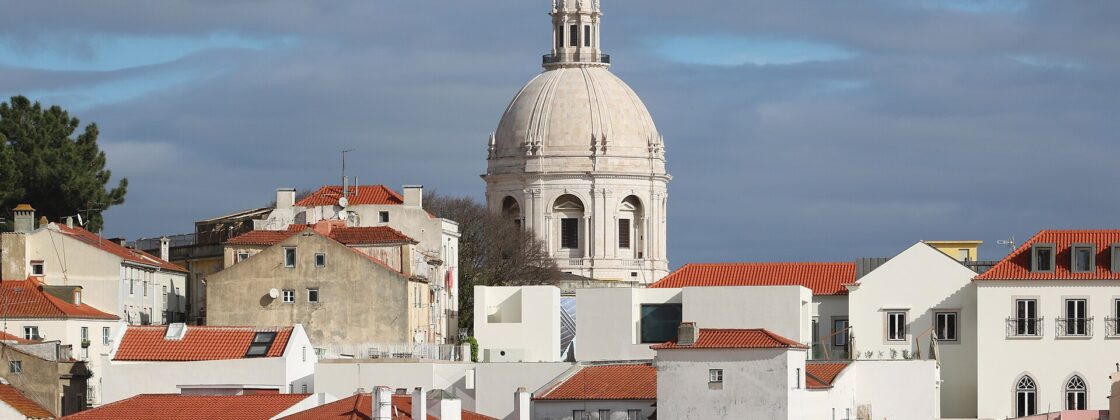
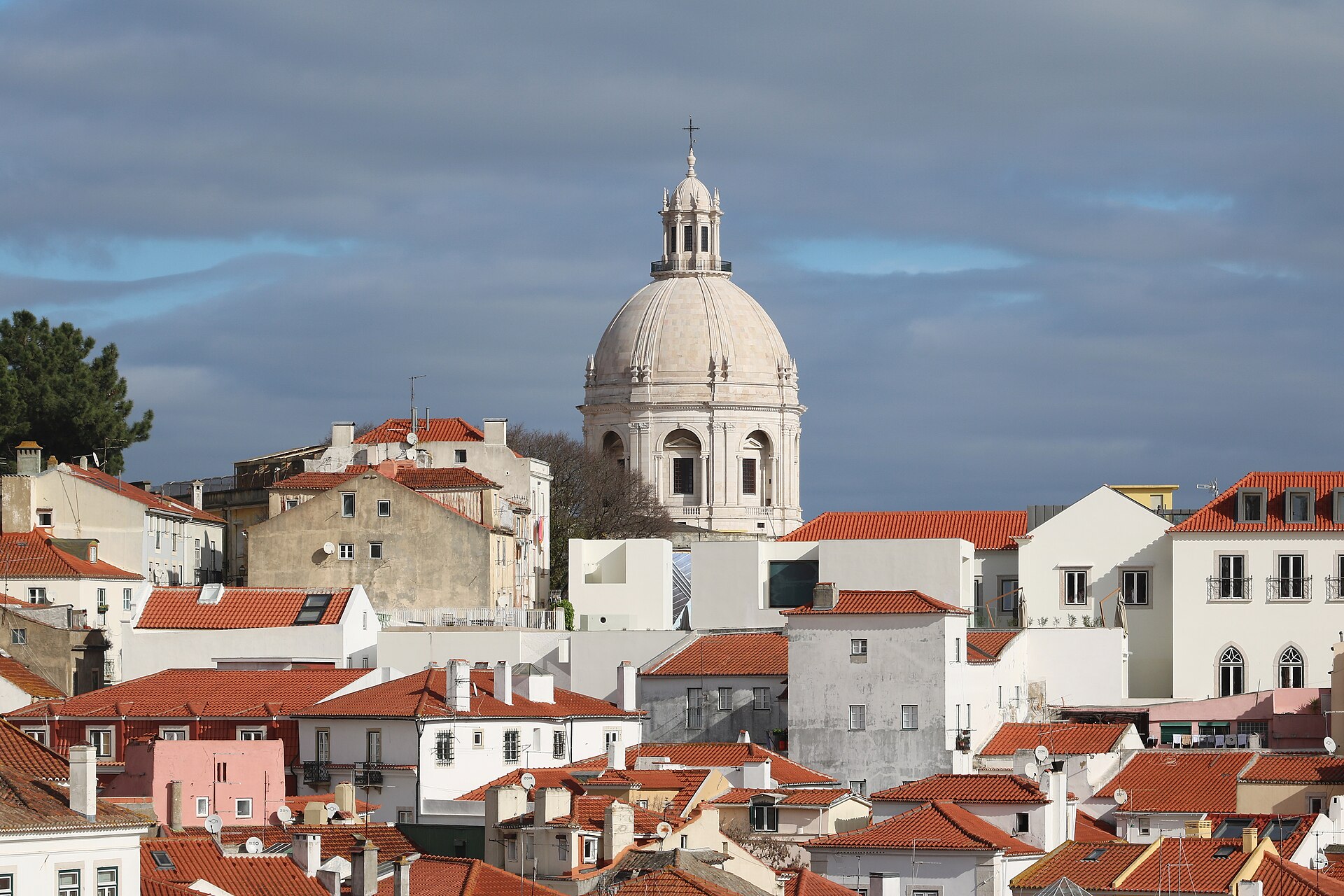
The Panteão Nacional is the white dome you keep seeing above Alfama’s red roofs and probably cannot name. It is the Church of Santa Engrácia, a Baroque building that took 284 years to finish, and it is now Portugal’s national pantheon — the resting place of Vasco da Gama, Amália Rodrigues, Eusébio and a dozen presidents. It also has a dome terrace with a 360° view over the river and the city that almost nobody queues for.
This guide covers the €10 ticket, the opening hours and the Monday closure, what is actually inside, and why we think this is the best-value paid view in Lisbon. It also says who should skip it.
Tickets, hours and the Monday problem
- Adult: €10
- Ages 13–24, over-65s and family tickets: 50% off
- Accompanied under-12s: free
- October to March: Tuesday to Sunday, 10:00–17:00, last admission 16:40
- April to September: Tuesday to Sunday, 10:00–18:00, last admission 17:40
- Closed: Mondays, 1 January, Easter Sunday, 1 May, 13 June and 25 December
Two of those dates catch people out. Monday closure is standard for Portuguese national monuments, but 13 June — Santo António, Lisbon’s biggest festival — is when a lot of visitors are in the city specifically for the celebrations and find the pantheon shut. Plan around both.
You cannot book ahead and you do not need to — this is one of the few Lisbon monuments that never has a queue. Buy at the door, and check whether the Lisboa Card discount applies at the time you go — card inclusions change.
284 years: the building that became a proverb
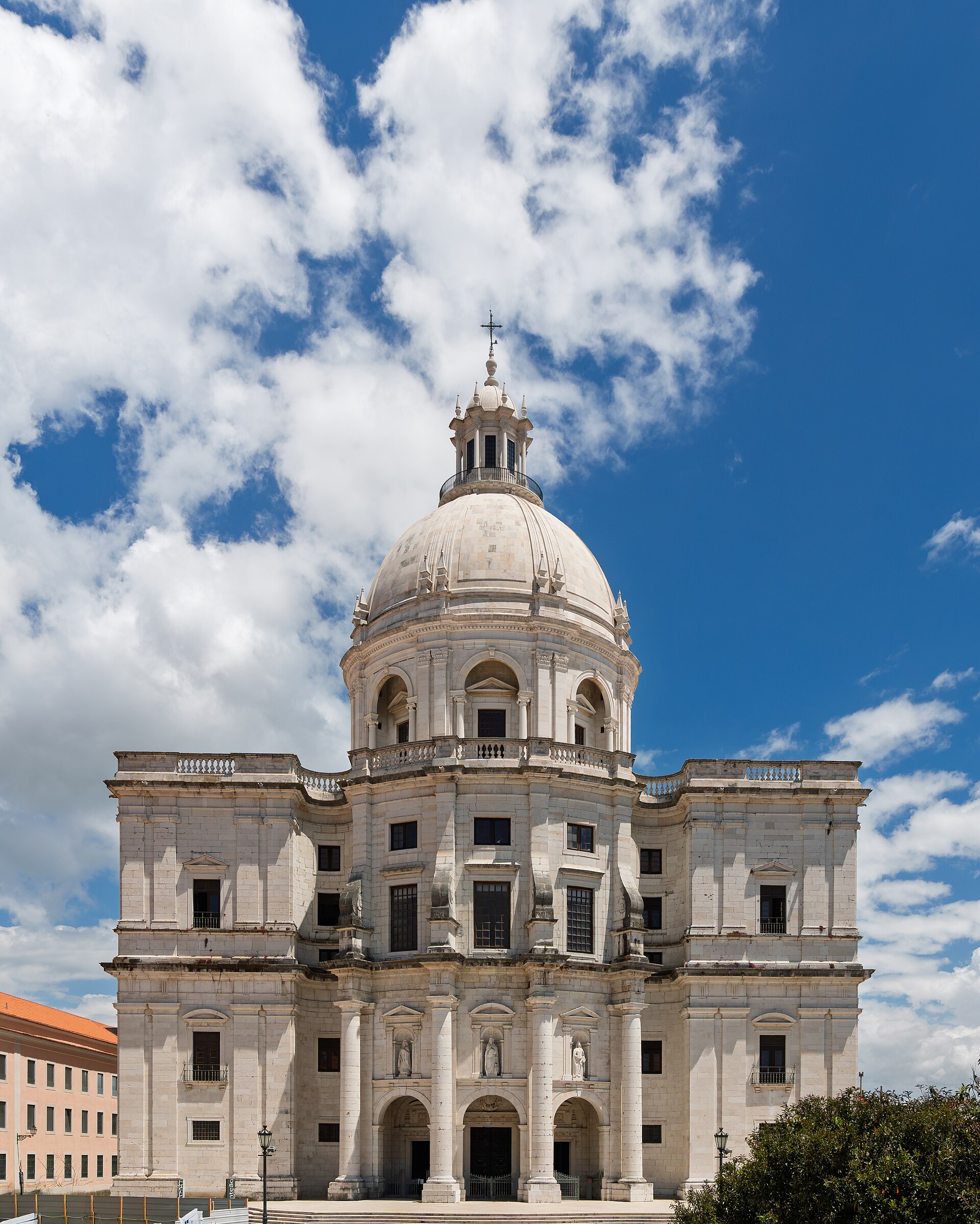
Construction began in 1682, on the site of an earlier church, to a design by João Antunes — a genuinely radical Baroque plan on a Greek cross with rounded corners, unlike anything else in Portugal at the time. Antunes died in 1712. The building stopped.
It stayed roofless for the better part of two and a half centuries. Rain fell into it. The 1755 earthquake did not help. It became such a byword for unfinished work that obras de Santa Engrácia entered the Portuguese language as the phrase for a job that will never end — the local equivalent of painting the Forth Bridge, except that the Forth Bridge got painted.
The dome was finally added between 1956 and 1966 under the Estado Novo, which converted the church into a national pantheon and moved in the tombs. The regime got a monument out of it, and Lisbon got its proverb closed after 284 years.
What is inside
The interior
Walk in and the first thing that registers is the scale and the emptiness. A vast Greek-cross space in white, pink and grey marble, with an inlaid floor in enormous geometric patterns, almost no furniture and the dome opening far above you. On a quiet weekday morning — which is most weekday mornings — you may have it more or less to yourself.
The acoustics are extraordinary. Speak quietly and the room takes your voice up into the dome and returns it several seconds later. It is used for state ceremonies and occasional concerts for exactly this reason.
The tombs and cenotaphs
An important distinction that the signage does not always make clear: some of the people commemorated here are buried in the building, and some are not.
Actually buried here: the fado singer Amália Rodrigues, moved here in 2001 in a decision that caused some argument at the time and now seems obviously right; the footballer Eusébio, brought in 2015; the writers Almeida Garrett, João de Deus and Guerra Junqueiro; several presidents of the Republic including Manuel de Arriaga and Óscar Carmona; and Sophia de Mello Breyner Andresen, the poet.
Cenotaphs only: Vasco da Gama, Henry the Navigator, Luís de Camões, Pedro Álvares Cabral and Afonso de Albuquerque. Their remains are elsewhere — Gama and Camões are in the church at Jerónimos — or, in several cases, lost entirely. The monuments here are memorials, not graves.
Amália’s tomb is the one that matters to Portuguese visitors. It is usually the only one with flowers on it. If you want to understand why, our fado guide explains what she meant to this city.
The pipe organ
Set into one of the arms of the cross, a large and handsome instrument that gets played for services and events. Worth looking up at even when silent.
The dome terrace
This is the reason to buy the ticket, and it is undersold everywhere.
A lift takes you most of the way up, and a final flight of steps brings you out onto the exterior terrace that runs around the base of the dome. From there you get a genuine 360° panorama: Alfama’s roofs falling away to the west with the castle above them, the Tagus wide and grey-blue to the south, the cruise terminal and Santa Apolónia station directly below, the 25 de Abril bridge in the distance, and the flat expanse of the eastern city towards Parque das Nações.
What makes it better than the alternatives is not the view itself — the castle ramparts see further — but the combination of a full circle, a solid parapet you can lean on, and almost nobody else up there. On the miradouros you are sharing a terrace with a hundred people and a tuk-tuk rank. Here you may be alone.
At €10, including the interior, it is the best paid view in Lisbon. The miradouros guide covers the free ones, and our landmarks guide ranks the paid ones against each other.
Best time for the view
Late afternoon in the last hour before closing. The light comes from the west across Alfama, the river turns silver, and the day’s small crowd has gone. Note that closing is 17:00 in winter and 18:00 in summer, so this is not a sunset viewpoint for most of the year — if sunset is what you want, our sunset guide lists places that stay open.
Getting there and what to combine it with
The pantheon sits in Campo de Santa Clara, east of Alfama and above Santa Apolónia. Tram 28 stops nearby at Voz do Operário, a five-minute walk. Bus 734 and 712 also serve it. From Santa Apolónia metro station on the blue line it is an uphill walk of about ten minutes.
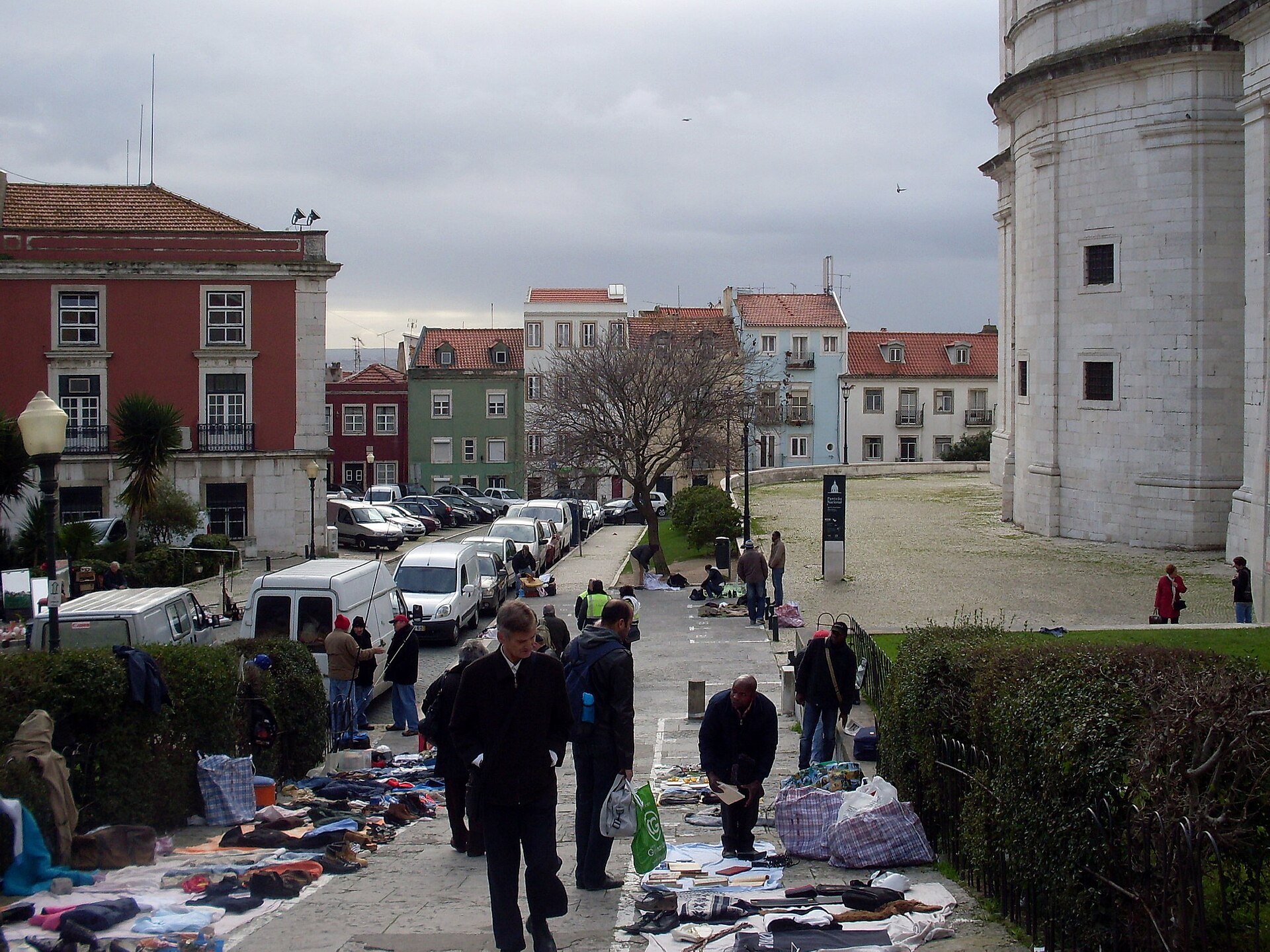
The obvious pairing is Feira da Ladra, the flea market that fills Campo de Santa Clara — the square directly outside — every Tuesday and Saturday. Doing both on one of those mornings is the best use of this corner of the city: market from about 09:00, pantheon when you have had enough of it, and then downhill into Alfama for lunch.
Also within ten minutes: the Igreja de São Vicente de Fora, with its Braganza royal pantheon and its azulejo cloister illustrating La Fontaine’s fables, and the Miradouro da Graça. Our Alfama guide strings the whole eastern hill together.
Three pantheons, and why that is confusing
Lisbon has more national resting places than one city needs, and visitors routinely conflate them. It is worth knowing which is which before you set out, because two of the three are within a ten-minute walk of each other.
The Panteão Nacional at Santa Engrácia
The one on this page. Writers, artists, sportspeople, presidents and the cenotaphs of the navigators. This is the pantheon of the Republic, established in the 1960s, and it commemorates national figures rather than a dynasty.
São Vicente de Fora
Ten minutes uphill, and the resting place of the House of Braganza — the royal family that ruled Portugal from 1640 until the monarchy fell in 1910. Almost every Portuguese king and queen of that period is in the old monastery refectory, including Carlos I and Luís Filipe, killed together in Praça do Comércio in 1908. It has a separate ticket and an azulejo cloister illustrating La Fontaine’s fables that is worth the entry on its own. Most visitors doing the pantheon should do this too; they are complementary rather than duplicative.
Jerónimos
Out in Belém, and where the tombs of Vasco da Gama and Camões actually are — the ones the Panteão only memorialises. Also the burial place of the first kings of the Avis dynasty. Covered in our Jerónimos guide.
So: the navigators are at Jerónimos, the monarchy is at São Vicente, and the modern republic is at Santa Engrácia. If someone tells you Vasco da Gama is buried at the Panteão Nacional, they have read the plaque and not the small print.
Is it worth €10?
For most visitors, yes, and the reason is the terrace rather than the tombs. An hour here buys you a remarkable interior, a piece of national history that explains a Portuguese idiom, and the least crowded panoramic view in the city.
Who should skip it: if you have one day in Lisbon, this is not on the list — Jerónimos and the castle come first. If you have already climbed the castle ramparts and are viewed out, the terrace will feel like a repeat. And if empty marble interiors leave you cold, be aware that there is not much else inside: no paintings, no furniture, no collection to speak of.
Who should absolutely go: anyone visiting on a Tuesday or Saturday who is already at Feira da Ladra, anyone with an interest in fado, and anyone who has been put off Lisbon’s viewpoints by the crowds.
Practical notes
Accessibility
Better than most Lisbon monuments. The central nave and the ground-floor burial chambers are accessible to visitors with reduced mobility, and a lift serves the upper levels. The final approach to the exterior dome terrace involves steps, so the terrace itself is not fully accessible — worth asking at the desk about the current arrangement before you buy if that is your main reason for coming. Our accessibility guide has the wider picture.
How long to allow
Forty-five minutes to an hour. Twenty minutes for the interior and the tombs, twenty on the terrace, and the rest getting up and down.
With children
Accompanied under-12s are free, the lift is a novelty, and the terrace is safely parapeted. The interior is echoey enough that children tend to enjoy testing it, which is tolerated up to a point. It is a short visit and an easy one — see our Lisbon with kids itinerary for what to pair it with.
Photography
Allowed throughout without flash. The interior is a difficult exposure — very bright floor, very dark upper walls — so meter for the marble. The terrace is straightforward, and the best frame is looking west over Alfama with the castle on the skyline.
When it is closed and what to do instead
If you arrive on a Monday, the walk is not wasted. Feira da Ladra does not run on Mondays either, but São Vicente de Fora is open, the Miradouro da Graça five minutes uphill is free and has a fine view west across the city, and the Museu Militar down by Santa Apolónia is one of Lisbon’s odder museums. Alternatively drop into Alfama and take the long way down through the lanes — our Alfama guide maps the good ones.
Weather
The dome terrace is fully exposed and the wind up there is considerably stronger than at street level, which is welcome in July and unpleasant in January. In rain the terrace can be closed at short notice; the interior stays open. Our month-by-month weather guide has the seasonal picture.
Frequently asked questions
How much does the Panteão Nacional cost?
€10 for adults. Visitors aged 13 to 24, over-65s and family tickets pay half, and accompanied children under 12 go free.
What are the opening hours?
Tuesday to Sunday, 10:00–17:00 from October to March and 10:00–18:00 from April to September, with last admission twenty minutes before closing. Closed Mondays, plus 1 January, Easter Sunday, 1 May, 13 June and 25 December.
Who is buried in the Panteão Nacional?
Among others, the fado singer Amália Rodrigues, the footballer Eusébio, the poet Sophia de Mello Breyner Andresen, the writer Almeida Garrett and several presidents. Vasco da Gama, Camões and Henry the Navigator have cenotaphs here but are not buried in the building.
Can you go up the dome?
Yes. A lift and a final short staircase bring you out onto an exterior terrace around the base of the dome, with a 360° view over Alfama, the Tagus and the eastern city. It is included in the ticket.
Is it the same thing as the Church of Santa Engrácia?
Yes. The building was begun as the Church of Santa Engrácia in 1682 and converted into the national pantheon in the 1960s. Both names are still used, and Portuguese speakers will often say Santa Engrácia.
Is the Panteão Nacional included in the Lisboa Card?
It has been listed on the card in the past, but card inclusions change from year to year. Check the current Lisboa Card listing rather than assuming — and see our Lisboa Card guide for whether the card makes sense for your trip at all.
How long does a visit take?
About an hour, including the dome terrace. It is one of the quicker paid monuments in Lisbon.
Bottom Line
The Panteão Nacional is Lisbon’s most underrated ticket. €10 buys you an extraordinary marble interior, Amália Rodrigues’s tomb, a 284-year construction story that entered the language, and a full-circle view over the city that you will very likely have to yourself.
Go on a Tuesday or Saturday morning and combine it with Feira da Ladra in the square outside, or go in the last hour before closing for the light on the terrace. Just do not turn up on a Monday, and do not plan it for 13 June.
Photo Credits
Feira da Ladra beside the National Pantheon: Feira da Ladra (2) by Plaats, CC BY-SA 3.0, via Wikimedia Commons.