Tours & Experiences
Lisbon Wine Tasting Experiences: Alentejo, Dão & Port Wine 2026
The best wine tasting experiences in and around Lisbon—tasting rooms, wine tours, Alentejo day trips, and where to discover Portuguese wines.
In this guide
- Quick Reference: Wine Tasting Options
- Portugal’s Major Wine Regions
- Best Wine Bars in Lisbon (No Trip Required)
- Port Wine Tasting in Lisbon
- Walking Wine + Food Tours
- Day Trip Wine Tours from Lisbon
- What to Expect at a Winery Visit
- Buying Wine to Take Home
- Best Portuguese Wines to Try
- Planning Your Wine Trip: Practical Timing
- Portuguese Wine Vocabulary Worth Knowing
- Wine and Food Pairing: The Portuguese Way
- Getting the Most From a Winery Visit
- FAQ: Lisbon Wine Tasting
- Bottom Line
Lisbon wine tasting means access to one of Europe’s most diverse and underrated wine cultures. Portugal has dozens of distinct wine regions — Alentejo’s full-bodied reds, Dão’s elegant blends, Setúbal’s sweet Moscatel, the famous Douro Valley Port, plus crisp Vinho Verde from the north — and Lisbon is the perfect base for tasting them all. Whether you want a 2-hour port tasting downtown or a full-day Alentejo winery tour, the options are excellent.
This guide covers the best wine tasting experiences in and around Lisbon — in-city wine bars, port tastings, day trip winery tours, and what to bring home. Updated for 2026.
Quick Answer: For a quick in-city tasting, Taylor’s Port Bar at Time Out Market does tasting flights from €10–18. For table wines, Garrafeira Nacional (Rua de Santa Justa 18) has been Portugal’s benchmark wine shop since 1927. For a full day out, the Alentejo (1–1.5 hrs from Lisbon) combines world-class red wines with lunch and multiple winery visits, typically €110–180. Douro Valley is possible as a very long day trip (13–14 hours) but works better as an overnight.
Quick Reference: Wine Tasting Options
| Experience | Cost | Time | Best For |
|---|---|---|---|
| In-Lisbon wine bar tasting | €15–30 per flight | 1–2 hrs | Casual, no planning |
| Port-focused tasting | €10–50 | 1–2 hrs | Port wine specifically |
| Walking food + wine tour | €85–110 | 3–4 hrs | City + wine combined |
| Setúbal/Azeitão day trip | €85–140 | 8 hrs | Moscatel + beach |
| Alentejo full-day winery tour | €110–180 | 10 hrs | Full vineyard immersion |
| Douro Valley day trip | €140–220 | 13–14 hrs | Port + spectacular scenery |
| Multi-day wine country tours | €500–1,500 | 2–5 days | Serious wine focus |
Portugal’s Major Wine Regions
Understanding the regions helps you choose tastings. Portugal packs remarkable diversity into a small country — climate, soil, and native grape varieties produce wines that don’t taste like anything else.
Alentejo
Covers roughly a third of Portugal’s land area. Hot, dry summers produce full-bodied reds from Aragonez (Portugal’s name for Tempranillo), Trincadeira, and Alicante Bouschet. Crisp aromatic whites from Antão Vaz and Roupeiro. The region’s best wineries — Herdade do Esporão, Adega da Cartuxa, Quinta do Mouro — are internationally acclaimed. Drive or tour about 1–1.5 hours from Lisbon.
Setúbal Peninsula (Including Azeitão)
Just south of Lisbon, 45 minutes away. Famous for sweet Moscatel de Setúbal fortified wine — one of Portugal’s most distinctive bottles — plus dry Castelão reds. Bacalhôa and José Maria da Fonseca are the key producers. Half-day or full-day from Lisbon, often combined with Arrábida beaches.
Douro Valley
Northern Portugal. UNESCO-listed terraced vineyards along the Douro River. The home of Port wine and increasingly respected table wines. Genuinely spectacular scenery. Long day from Lisbon (better as an overnight from Porto or a two-day trip).
Dão
Central Portugal mountain region. Elegant, refined reds built around Touriga Nacional — considered by many wine experts Portugal’s most complex red grape. Less famous internationally than Alentejo but frequently preferred by those who know both.
Vinho Verde (Minho)
Northwest Portugal. Light, crisp whites — slightly effervescent, low in alcohol, made for warm-weather drinking. The name means “green wine” (as in young, not the colour). Famous worldwide as the obvious choice for a summer lunch.
Bairrada
Central coast. Specialises in the Baga grape — tannic, acidic, age-worthy reds that the Portuguese drink at home but rarely export. Small production, high quality for those who seek it out.
Lisboa Region
Wine grown in the Lisbon area itself — less famous, several quality producers within easy day-trip range. Manzwine and Quinta de San Michel among the top-rated. Worth exploring if you want to say you tasted wine from within 30 kilometres of the city.
Best Wine Bars in Lisbon (No Trip Required)
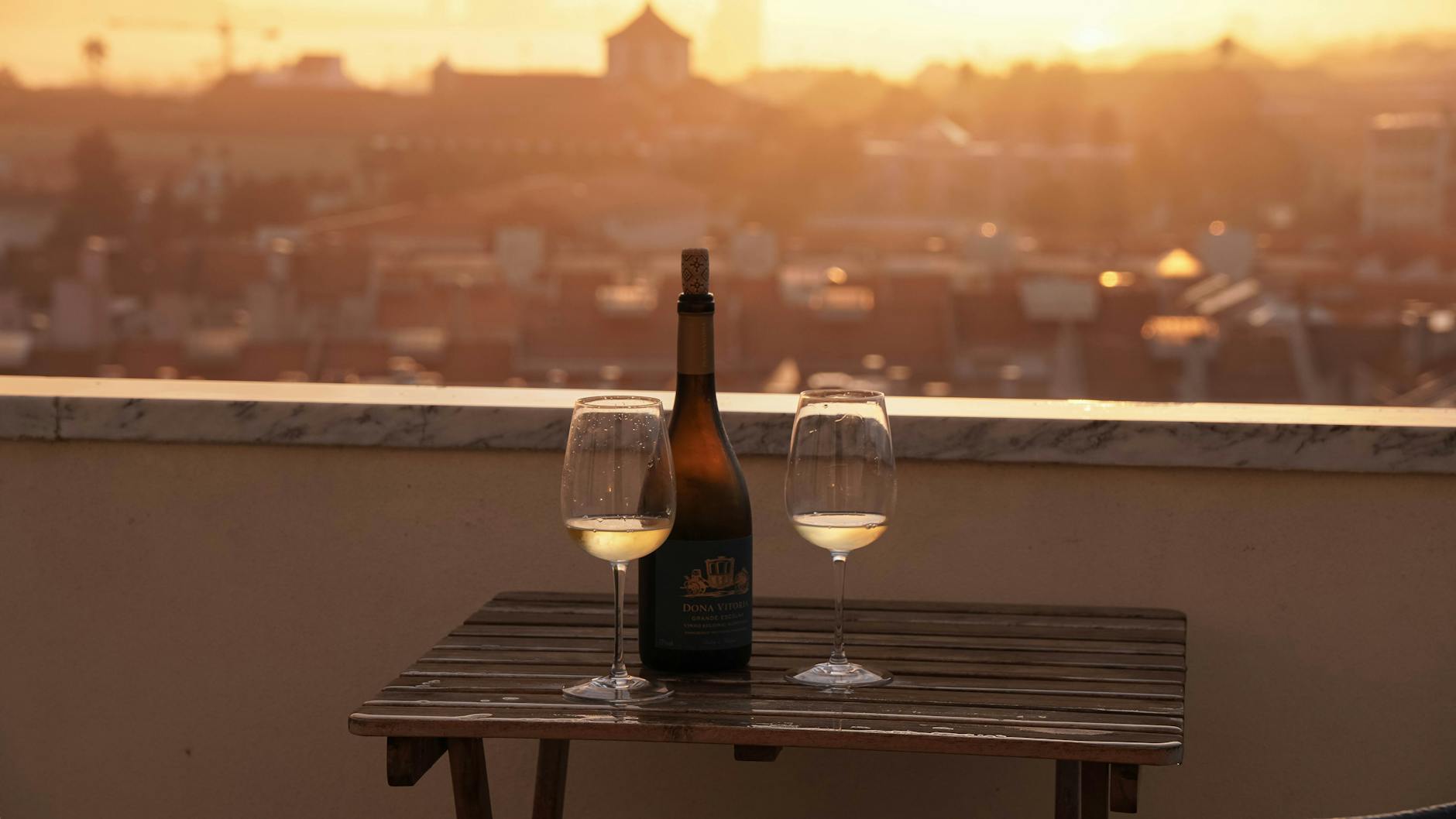
Garrafeira Nacional
Lisbon’s most respected wine shop since 1927. Focused exclusively on Portuguese wines — a narrow brief executed with considerable authority. Tastings available; staff knowledgeable enough to steer you based on actual preferences. Premium selection of port, Madeira, and table wines from every region.
Address: Rua de Santa Justa 18, Baixa
Wine Bar do Castelo
Near São Jorge Castle. Iberian wine focus with cheese and charcuterie pairings. Atmospheric setting, competent list, good for a leisurely afternoon tasting above the old town.
Foxtrot Wine Bar
Speakeasy-style bar in Príncipe Real. Strong Portuguese list alongside cocktails. The sort of place you go at 7 PM and leave at midnight.
Embaixada de Vinhos
Inside Embaixada concept mall in Príncipe Real. Tasting flights of Portuguese wines in an ornate 19th-century palace. Compact but well-curated selection.
Garrafeira Alfaia (LX Factory)
Modern wine shop with tastings in LX Factory’s converted industrial complex. Curated Portuguese selection; the surroundings add atmosphere.
Manzwine Tasting Room
Premio-winning Lisboa-region winery’s dedicated tasting room. One of the few places to taste wines actually grown in the Lisbon wine appellation.
Port Wine Tasting in Lisbon
Port is from the Douro Valley in northern Portugal — the vines, the lodges, the tradition. But several Lisbon venues do it justice:
Taylor’s Port Bar (Time Out Market)
The standout option for port tasting in central Lisbon. Tasting flights of three ports for €10–18. Knowledgeable staff who can explain the differences between white, ruby, tawny, LBV, and vintage. Try a 20-year tawny if you’ve never had one — nutty, dried-fruit, very different from the ruby you may already know.
Solar do Vinho do Porto
The official Port wine institute’s Lisbon tasting room — when open, the most comprehensive port tasting in the city with over 200 varieties available by the glass. Check current status before visiting, as it has undergone renovation periods.
Quinta de Carapinha Port Lounge
Refined tasting near Avenida da Liberdade. Small, premium, focused on older vintages.
Walking Wine + Food Tours
Combining wine with food in the context of Lisbon’s neighbourhoods is a better experience than either in isolation. Several operators do this well:
Eating Europe Wine-Focused Tours
“Undiscovered Lisbon Food & Wine” combines tastings with food stops in less-touristed areas. €95–110, roughly four hours.
The Tipsy Tours Lisbon Wine Walk
Drink-focused walking tour through historic Alfama. €85 per person, three hours. Good guide-to-participant ratios.
Self-Guided Option
Buy tasting flights at four or five wine bars in sequence: Garrafeira Nacional → Wine Bar do Castelo → Foxtrot → Taylor’s Port Bar at Time Out Market. Budget €60–80 total over four to five hours. No booking required, fully flexible.
Day Trip Wine Tours from Lisbon
Setúbal and Azeitão (Half-Day or Full Day)
Forty-five minutes south of Lisbon. Visit Bacalhôa or José Maria da Fonseca winery — two of Portugal’s oldest producers. Sweet Moscatel de Setúbal tastings plus dry Castelão reds. Often combined with Arrábida beaches and dolphin-watching. €85–140 per person including transport.
See our Setúbal/Arrábida guide for the full picture.
Alentejo Full-Day (The Best Option)
The Alentejo wine tour is Lisbon’s most satisfying full-day option. About 1.5 hours from the city, the region produces Portugal’s most internationally recognised wines. A standard tour visits two to three wineries — often including Herdade do Esporão (open to visitors, excellent), Adega da Cartuxa, or Quinta do Mouro — with lunch at one of them. €110–180 per person.
Many tours combine a winery visit with Évora, the Roman walled city. See our full guide to Évora for what to add to the day.
Douro Valley (Very Long Day)
Portugal’s most spectacular wine region. UNESCO-listed terraced vineyards rising from the river. Scenic train option from Porto. From Lisbon it’s 13–14 hours including travel — technically possible but punishing. Better done as an overnight or as a day trip from Porto. €140–220 per person from Lisbon.
Lisboa Region Wineries (Closest)
Less than an hour from the city. Manzwine, Quinta de San Michel, Caves Velhas. Half-day or full-day. Less famous than Alentejo or Douro but you’re tasting genuinely local wine, which has its own appeal.
What to Expect at a Winery Visit
Standard Tour Components
- Vineyard walk (15–30 minutes, skipped in high summer heat)
- Cellar and winemaking facility tour (30 minutes)
- Guided tasting of 4–8 wines (45–60 minutes)
- Optional lunch with food pairings
What to Bring
- Comfortable shoes (vineyard walking on uneven ground)
- Sun hat (Alentejo summer temperatures regularly exceed 35°C)
- A designated driver if you’re going independently
- Cash for purchases; most wineries take cards for wine but not always for tips
Etiquette
- Spit if you’re doing multiple tastings, especially before driving
- Tip the guide €5–15 for a private tour
- Buy a bottle if you enjoyed the experience — it supports small producers directly
Buying Wine to Take Home
At Wineries
Best prices direct from the producer. Many ship internationally (€15–30 per bottle depending on destination), which often negates the VAT you’d pay in-store.
At Lisbon Wine Shops
- Garrafeira Nacional — best premium selection in the city
- Loja dos Vinhos (Bairro Alto) — regular tastings, knowledgeable staff
- Pingo Doce / Continente supermarkets for everyday wines (€3–15)
VAT Refund
Non-EU residents can claim VAT refund on purchases over €50. Ask for the form at the point of sale; validate at the airport before departure.
Customs Allowances
- USA: 1 litre duty-free; more allowed with declaration and duty payment
- UK: 4 litres of still wine (plus 1 litre of spirits) duty-free
- EU travellers: no restrictions within the EU
Best Portuguese Wines to Try
Reds Worth Knowing
- Alentejo Reserva — Bold, full-bodied. €15–40. The benchmark for first-time Portuguese red tasters.
- Touriga Nacional from Dão or Douro — Portugal’s greatest red grape. Complex, structured, age-worthy. €15–50.
- Castelão (Setúbal) — Approachable, fruity Portuguese red. €8–20.
- Aragonez (Tempranillo) — Smooth, familiar style. €8–25.
Whites Worth Knowing
- Vinho Verde — Crisp, refreshing, slightly effervescent. €5–15. Perfect with seafood.
- Antão Vaz (Alentejo) — Rich, mineral, full-bodied white. €10–30. A revelation for those who think Portuguese whites stop at Vinho Verde.
- Encruzado (Dão) — Elegant, Burgundy-adjacent in structure. €12–40.
- Arinto — Versatile, acidic, food-friendly. €8–20.
Fortified Wines
- Moscatel de Setúbal — Lusciously sweet dessert wine. €10–30. Often overlooked, always worth trying.
- Tawny Port (10, 20, 30, 40-year) — Aged port, nutty and dried-fruit. €20–100+.
- LBV Port — Late Bottled Vintage; great value, ready to drink now. €15–35.
- White Port with tonic — Portugal’s standard aperitif; refreshing and underappreciated internationally.
- Madeira — From Madeira island; ranges from dry to very sweet; almost indestructible once opened. €15–80.
Planning Your Wine Trip: Practical Timing
When you go matters more than most wine tour descriptions let on.
Harvest Season (September–October)
The most atmospheric time to visit Portuguese wineries. Grapes are being picked, fermentation tanks are active, the winemaker is busy but will often make time for visitors. Alentejo harvest typically runs mid-September to early October. Book well in advance — tours fill up during harvest. Prices don’t change but availability does.
Spring (April–May)
The vineyards are green, the weather is mild, and the Alentejo wildflowers are still out. Good time for outdoor vineyard walks. Less dramatic than harvest but more pleasant for walking.
Summer (June–August)
Alentejo temperatures routinely exceed 40°C. Vineyard walks are replaced with cellar tours (15°C inside). In-city wine bars are consistently a better option than outdoor winery visits in peak summer. If you’re doing a day trip, go early and finish by 2 PM.
Winter (November–February)
Fewer tour groups, more personal attention from winemakers, and cellar conditions are unchanged. Some smaller wineries close between harvest and spring. Confirm in advance.
Portuguese Wine Vocabulary Worth Knowing
A little vocabulary goes a long way in wine shops and at tastings:
| Portuguese | Meaning |
|---|---|
| Vinho tinto | Red wine |
| Vinho branco | White wine |
| Vinho rosé / rosado | Rosé wine |
| Vinho verde | Young wine (green wine region) |
| Reserva | Higher quality designation (specific rules per region) |
| Grande reserva | Top quality tier |
| Colheita | Harvest / vintage year |
| Quinta | Wine estate / farm |
| Herdade | Estate (Alentejo term) |
| Adega | Winery / wine cellar |
| Garrafeira | Private reserve; also a wine shop |
| Porto / Port | Port wine |
| Aguardente | Brandy / grape spirit |
Wine and Food Pairing: The Portuguese Way
Portuguese wine was designed to sit alongside Portuguese food. The pairings aren’t complicated:
- Vinho Verde with grilled fish (bacalhau, sardines, dourada) — the slight effervescence cuts through oily fish
- Alentejo red with slow-cooked lamb, pork black (porco preto), or aged sheep cheese — bold wine with bold food
- Moscatel de Setúbal with pastéis de nata or any custard-based Portuguese dessert — sweetness matched to sweetness
- White Port with tonic as an aperitif before any meal — this is what Portuguese people actually drink before dinner
- 20-year tawny Port with dry hard cheese or walnuts — a classic dessert pairing that works every time
- Dão red with roast chicken or partridge — the elegant structure suits lighter meats
The general rule: if it grows together, it goes together. Alentejo wine with Alentejo food (lamb, pork, the region’s cheeses and olive oil) is almost always correct.
Getting the Most From a Winery Visit
A few specifics that improve the experience over just showing up:
Book in advance. Most Alentejo wineries require reservations for guided tours — walk-ins are often turned away, especially at well-known estates like Herdade do Esporão. Email or call a week ahead.
Arrive sober. If you’re doing multiple winery visits in a day, pace yourself from the first tasting. Spitting is entirely normal and accepted at professional tastings — it’s not rude, it’s practical.
Ask the guide which wine they’d drink themselves. Guides who live near the winery have honest opinions that don’t always match the premium tier. The answer is sometimes surprising and always worth knowing.
Buy at least one bottle. Small and mid-sized Portuguese wineries operate on thin margins. If you’ve taken up two hours of a guide’s time, buying a bottle is basic consideration — and the winery price is always the best you’ll find for that wine.
FAQ: Lisbon Wine Tasting
Where to do wine tasting in Lisbon city?
Taylor’s Port Bar at Time Out Market for port flights. Garrafeira Nacional for Portuguese table wines. Wine Bar do Castelo for atmosphere. Foxtrot for a proper evening. All are in central Lisbon with no booking required.
How much does a wine tasting tour from Lisbon cost?
€15–30 per person for a tasting flight at a city wine bar. €85–140 for half-day Setúbal. €110–180 for a full-day Alentejo tour with transport and lunch. €140–220 for Douro Valley (very long day).
What’s the best Portuguese wine region to visit from Lisbon?
Alentejo for the best combination of wine quality, scenery, and practical distance (1.5 hours). Setúbal for a shorter, easier half-day. Douro for the spectacular scenery, if you’re willing to commit to the long day or overnight.
Is Douro Valley worth doing as a day trip from Lisbon?
Technically yes; practically it’s very long (13–14 hours including travel). Better as an overnight from Porto, or as two days if you’re specifically there for wine. Don’t combine it with a Lisbon day trip unless you’re genuinely comfortable with very early starts and late returns.
Can I bring Portuguese wine home?
Yes. Most countries allow at least one litre duty-free in carry-on (if under 100ml) or as checked luggage with standard quantity limits. Wineries and the Garrafeira Nacional can organise international shipping for larger purchases.
What’s the best port to try for a first-time taster?
A 20-year tawny port — nutty, smooth, and different enough from most people’s expectations to make an impression. Taylor’s Port Bar at Time Out Market stocks it and serves it by the glass.
Bottom Line
Lisbon is the best base for Portuguese wine tasting in Europe — diverse regions all within day-trip range, plus excellent in-city wine bars for those who’d rather not leave town. Start with a port tasting at Taylor’s Port Bar for a quick introduction. Walk to Garrafeira Nacional for table wines. Then take an Alentejo day tour for the full vineyard experience. Portuguese wine delivers quality well above what most people expect at prices significantly below comparable French or Italian — noticing that gap is one of the better discoveries Lisbon offers.
A tasting is one way to spend an afternoon; there are others. The tours pillar compares them on price and effort, walking tours cover the same city on foot and sober, boat trips put the Tagus rather than the Alentejo in front of you, and cooking classes are the natural follow-on once you know what you like drinking.