Museums & Culture
Lisbon Museums & Culture Guide: Every Museum Worth Visiting in 2026
In this guide
- Calouste Gulbenkian Museum — Lisbon’s Greatest Art Collection
- National Tile Museum (Museu Nacional do Azulejo)
- Belém Cultural District — Museums and Monuments
- Alfama and Downtown Lisbon Museums
- Major Art Museums in Lisbon
- Specialized and Unique Lisbon Museums
- Street Art and Contemporary Culture in Lisbon
- Planning Your Lisbon Museum Visits
- Suggested Museum Itineraries
- Azulejo Culture — Lisbon’s Living Art Gallery
- Hidden Museums and Galleries Worth Discovering
- Performing Arts and Live Cultural Experiences
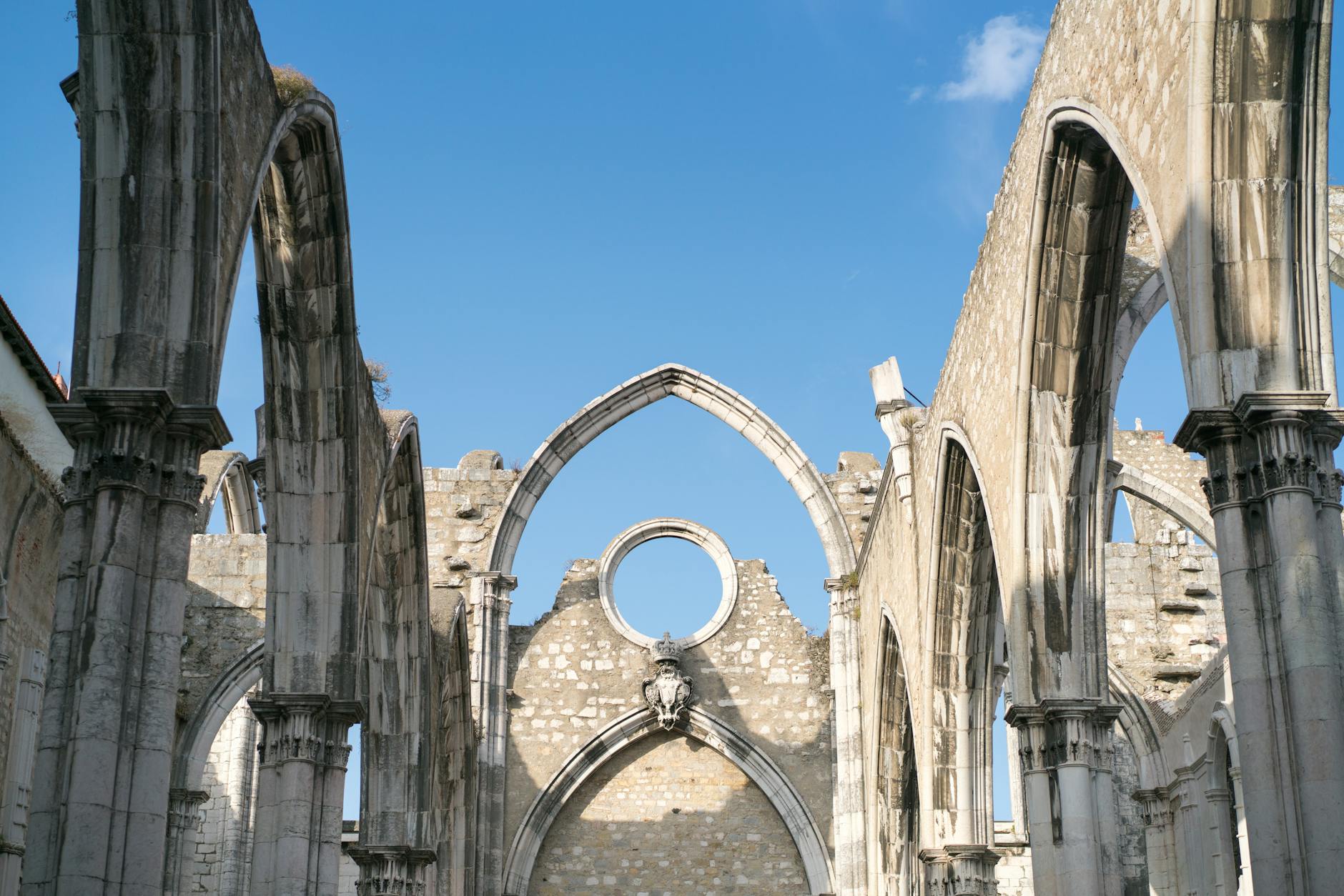
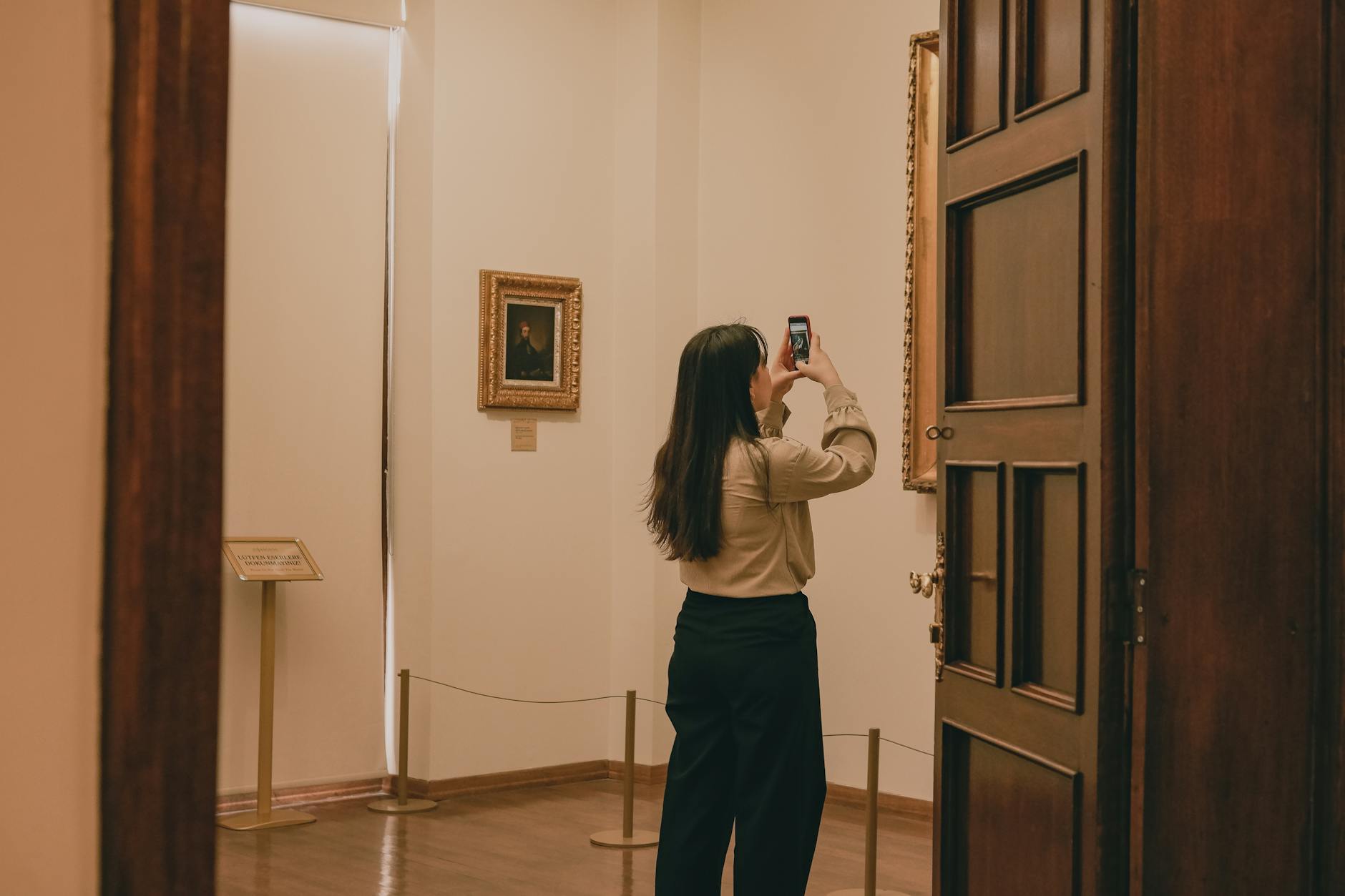
Lisbon’s museums punch above what a city this size should manage. The Calouste Gulbenkian Museum holds one of Europe’s greatest private art collections. The National Tile Museum is the only institution in the world dedicated entirely to azulejo art. MAAT sits on the Tagus waterfront in a building people photograph before buying a ticket. This guide covers every major Lisbon museum and cultural attraction — tickets, opening hours, free days, and how to build an itinerary that doesn’t zigzag across town.
One caveat on the immersive end of the museum scene: Quake in Belém is an experience rather than a collection, and our guide explains who that suits.
EPAL’s Museu da Água is spread across four sites, from a steam pumping station in the east to a vaulted reservoir at Amoreiras. Our aqueduct and Water Museum guide says which are worth the trip.
Winter is when these collections are worth a full afternoon rather than a rushed hour. Our Lisbon in January guide covers the month when the Gulbenkian and the Tile Museum are close to empty midweek.
For pre-earthquake decorative art, one interior survives more or less intact. Our Igreja de Sao Roque guide covers the church, the treasury museum and whether the EUR8 ticket is worth it.
Lisbon’s museum scene has shifted significantly in recent years. Renovation cycles at the Gulbenkian and MNAA have reshuffled what’s accessible, and new institutions like MAAT have raised the bar. Tickets remain well below Madrid or Paris prices. Many museums offer free entry on the first Sunday of each month, and the Lisboa Card covers discounted or free access to over 30 museums and monuments.
Calouste Gulbenkian Museum — Lisbon’s Greatest Art Collection
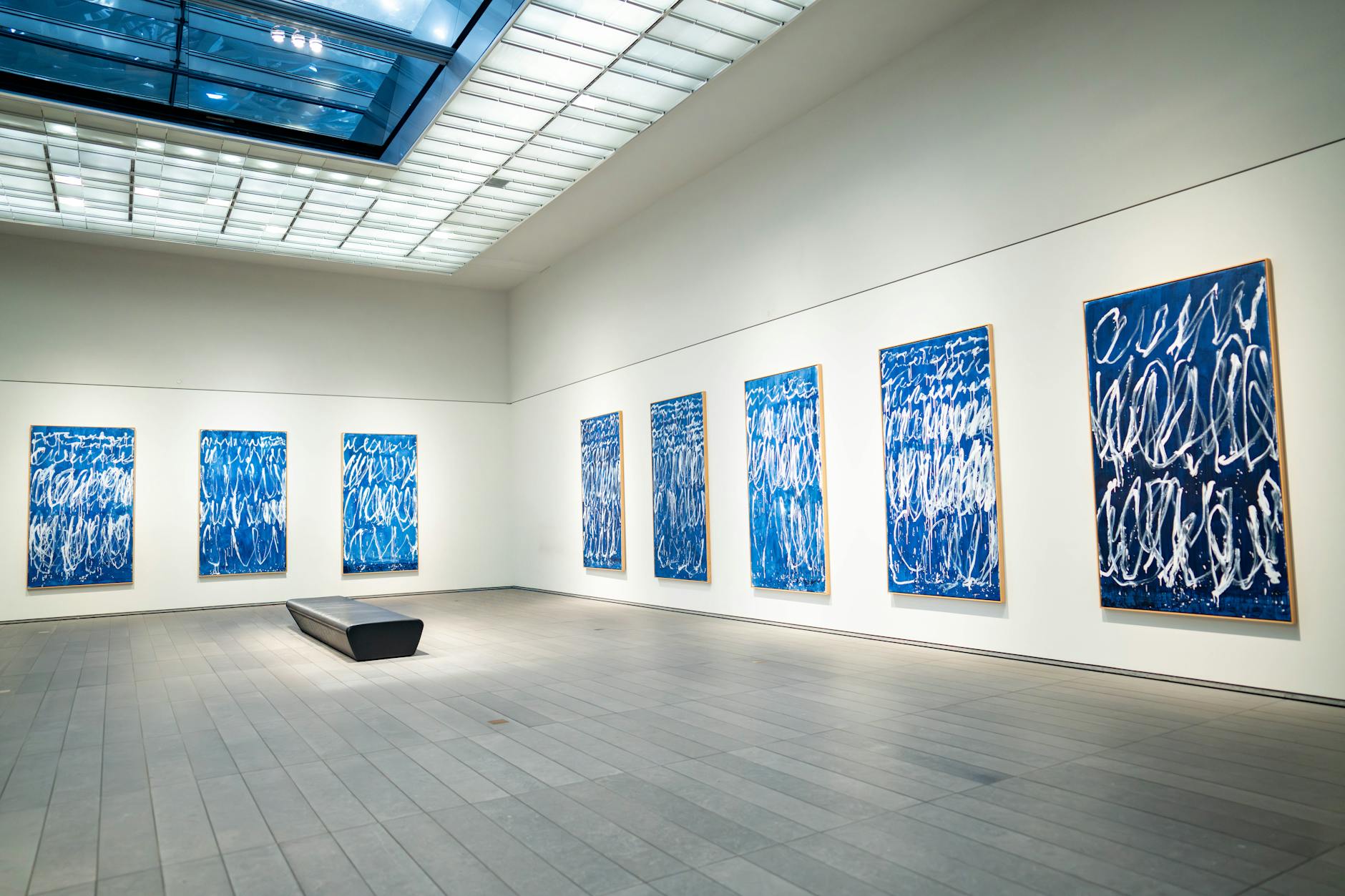
The Calouste Gulbenkian Museum is Lisbon’s finest museum and one of the best private art collections in Europe. Located in a purpose-built complex surrounded by gardens in the Avenidas Novas district, the museum houses the personal collection of Calouste Sarkis Gulbenkian — an Armenian-born oil magnate who settled in Lisbon in 1942 and left his extraordinary collection to Portugal upon his death in 1955. Visit the official Gulbenkian website for current tickets and exhibition schedules, especially relevant during the 2026 renovation period. Our room-by-room Gulbenkian walkthrough covers what to prioritise if you only have two hours.
The Founder’s Collection spans 6,000 years of art history across approximately 1,000 carefully curated pieces. The Egyptian and Greco-Roman antiquities section includes gold jewelry, funerary masks, and sculpture dating back to 2700 BC. The Islamic Art galleries hold one of Europe’s finest collections of Persian carpets, mosque lamps, Iznik tiles, and illuminated manuscripts. The European section includes Rembrandt’s haunting Portrait of an Old Man, Rubens, Van Dyck, Monet, Renoir, Degas, and Turner. The decorative arts collection features an unrivaled assembly of René Lalique jewelry and glasswork — Gulbenkian was Lalique’s most important patron, and 169 pieces here represent the world’s finest Art Nouveau jewelry collection.
The Modern Collection, housed in a separate building across the gardens, focuses on 20th-century and contemporary Portuguese and international art. Key works include pieces by Amadeo de Souza-Cardoso (Portugal’s most important modernist painter), Paula Rego, Vieira da Silva, and international artists like David Hockney and Antony Gormley. The building, redesigned by architect Kengo Kuma, uses flowing concrete forms and light-filled galleries.
Practical: Open Wednesday to Monday, 10am–6pm (closed Tuesdays). Admission €10 Founder’s Collection, €5 Modern Collection, €12 combined. Free Sundays after 2pm. Gardens free. Allow 2–3 hours for Founder’s Collection alone, 4 hours for both. Metro: São Sebastião (Blue line) or Praça de Espanha.
National Tile Museum (Museu Nacional do Azulejo)
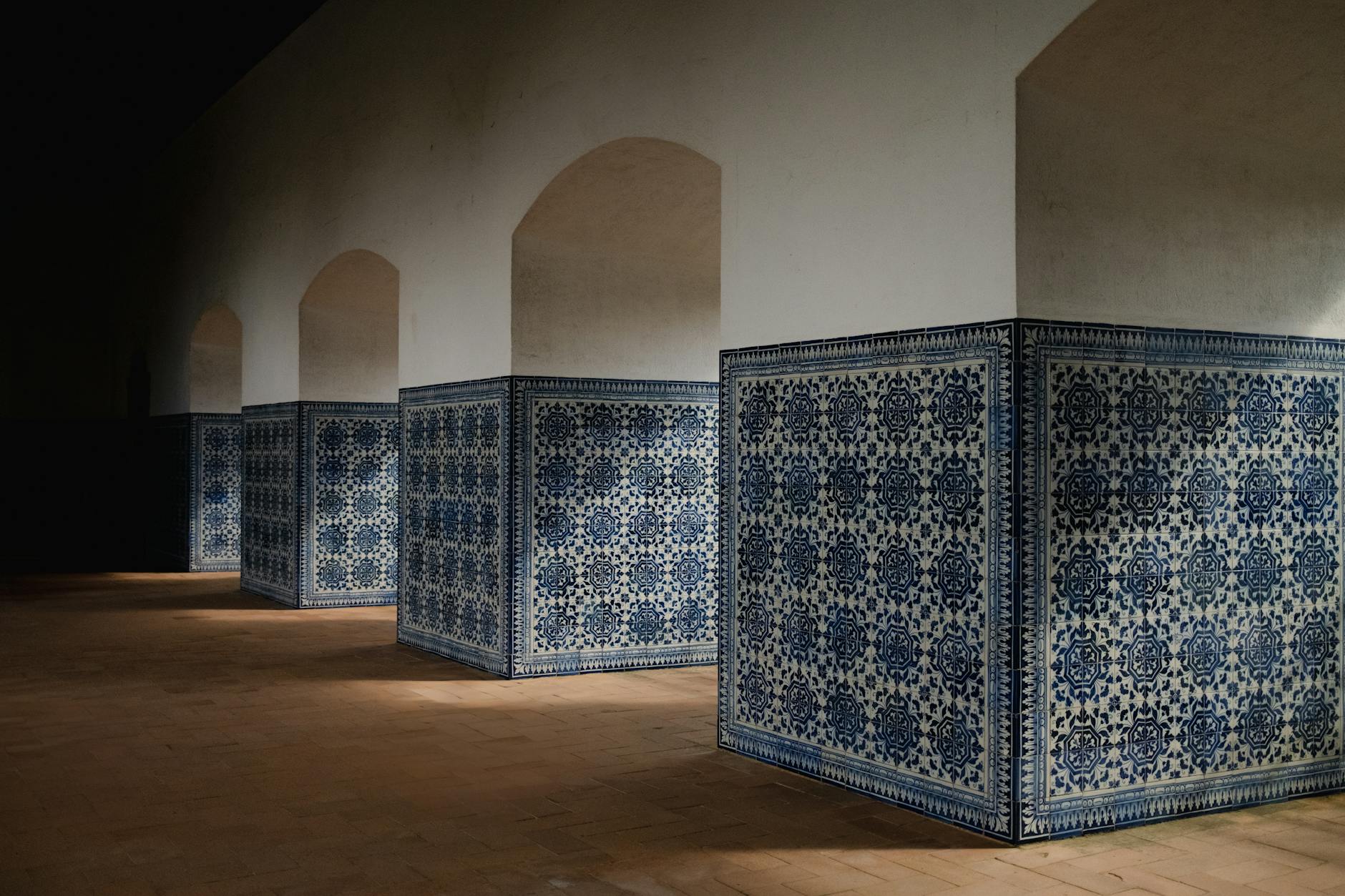
The National Tile Museum is the only museum in the world dedicated entirely to the art of ceramic tiles. Housed in the 16th-century Madre de Deus Convent in the Xabregas neighborhood, the museum traces the evolution of the Portuguese azulejo tradition from its Moorish origins through five centuries of artistic development to contemporary tile art. The National Tile Museum visitor guide has tickets, timings, and the panels worth lingering over.
The collection runs the full history of decorative tilework in Portugal. The earliest pieces show geometric patterns inherited from Moorish craftsmen, followed by Italian Renaissance maiolica techniques in the 16th century. The 17th and 18th centuries were the peak of the Portuguese azulejo tradition, when monumental blue-and-white tile panels transformed churches, palaces, and public spaces. The museum’s centerpiece is a 23-meter-long panoramic tile panel depicting Lisbon’s waterfront before the 1755 earthquake — an invaluable historical document showing the city’s lost skyline with extraordinary precision. That vanished city, and what replaced it, is the subject of our history of Lisbon.
Beyond the tiles, the convent building earns its own attention. The Igreja da Madre de Deus is one of Lisbon’s most ornate interiors, with gilded Baroque woodwork, 17th-century Dutch tile panels, and Rococo painted ceilings. The cloisters layer tilework from different periods around a quiet courtyard.
Important note: The National Tile Museum has been undergoing renovation and may have sections closed. Check the museum’s official website before visiting for the latest information on which galleries are accessible. When fully open, admission is €5 (free on the first Sunday of each month). Open Tuesday to Sunday, 10am–6pm (last entry 5:30pm). Outside the historic center — take bus 718, 742, or 794 from Praça do Comércio, or walk 20 minutes from Santa Apolónia station. Allow 1.5–2 hours.
Belém Cultural District — Museums and Monuments
The Belém neighborhood, 6 kilometers west of the city center along the Tagus, is Lisbon’s most concentrated cultural district. Vasco da Gama departed from these shores in 1497, and the area holds a full day’s worth of museums and UNESCO World Heritage monuments. Plan a full day combining museums with the iconic Pastéis de Belém bakery and waterfront walks.
Jerónimos Monastery (Mosteiro dos Jerónimos)
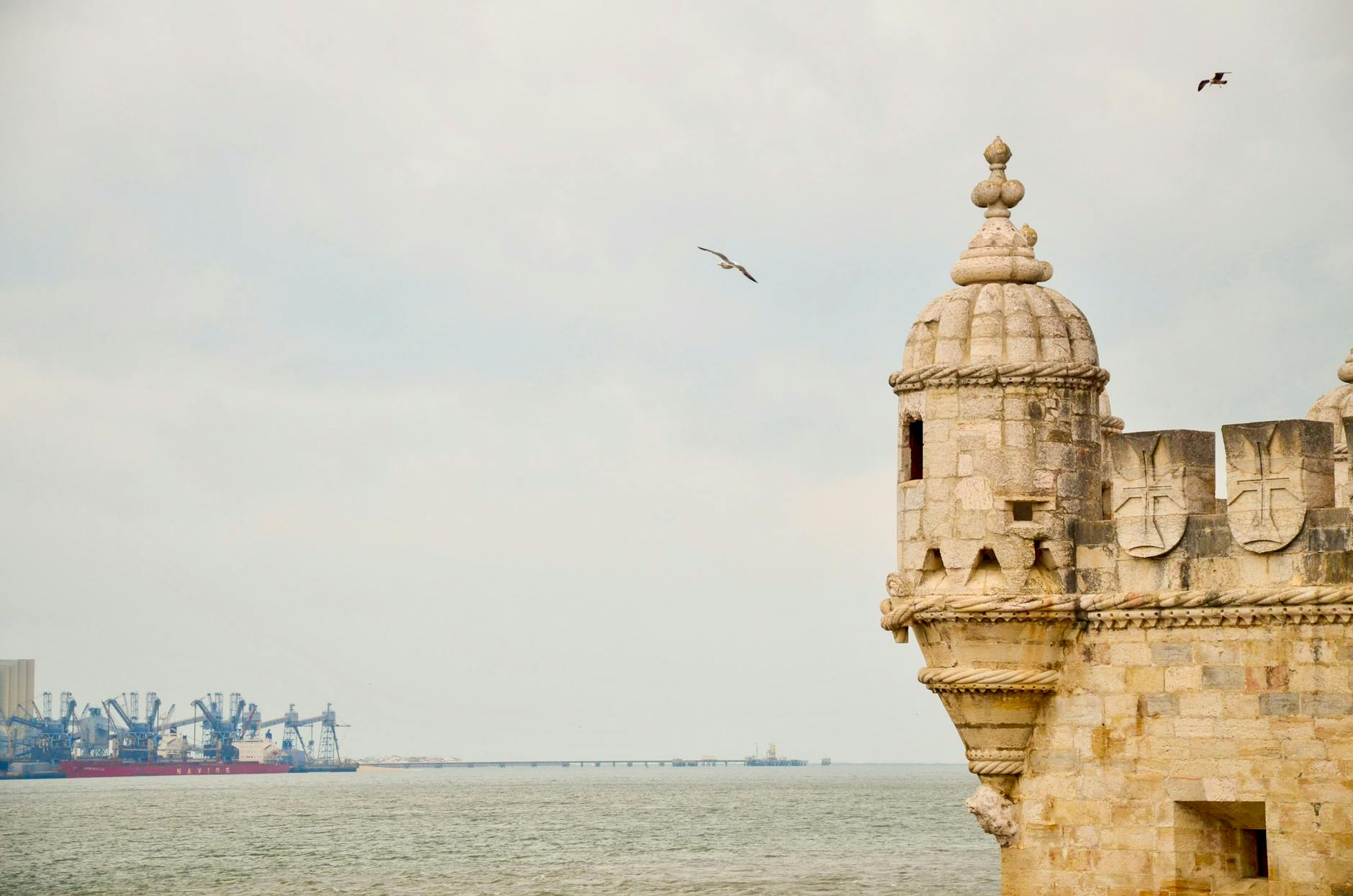
The Jerónimos Monastery is Lisbon’s most magnificent architectural work and a UNESCO World Heritage Site. Built between 1501 and 1601 in the ornate Manueline style — a uniquely Portuguese late-Gothic form — the monastery was funded by spice-trade profits. The church contains the tombs of Vasco da Gama and the poet Luís de Camões, Portugal’s greatest literary figure.
The double-story cloisters are the real draw — Manueline carving featuring maritime motifs, twisted columns, and intricate stonework representing some of the finest decorative sculpture in Europe. Every surface carries ropes, anchors, armillary spheres, and exotic plants from newly discovered lands. The refectory features 18th-century tile panels depicting biblical scenes.
Practical: Open Tuesday to Sunday, 10am–5:30pm (October–April) or 10am–6:30pm (May–September). Admission €10. Free on the first Sunday of each month. Church nave is free to enter. Lines run long in summer — arrive before 10am or book online. Allow 1–1.5 hours. Tram 15E from Praça da Figueira or Praça do Comércio stops directly outside.
MAAT — Museum of Art, Architecture and Technology
The MAAT is Lisbon’s most architecturally striking contemporary museum, housed in a sweeping white building designed by Amanda Levete that appears to rise from the waterfront. Opened in 2016, MAAT focuses on the intersections of art, architecture, and technology through rotating exhibitions by international and Portuguese artists. The building — glazed tile facade, walkable rooftop with panoramic river views — draws as many visitors as the exhibitions inside. See the official MAAT website for current programming. More on the architecture, the walkable roof, and pairing it with Belém in our MAAT visitor guide.
The museum complex also includes the converted Central Tejo power station, a red-brick industrial building that once powered Lisbon’s tram network. The power station’s cavernous interior hosts large-scale installations, and the original generators and machinery have been preserved as industrial heritage. The pairing of the new building and the historic power station creates a cultural experience found nowhere else in the city.
Practical: Open Wednesday to Monday, 11am–7pm (closed Tuesdays). Admission €9, or €15 combined with the power station. Free on the first Sunday of each month. Rooftop walkway is free. Allow 1.5–2 hours for both buildings. On the Belém waterfront, a short walk from the Jerónimos Monastery.
National Coach Museum (Museu Nacional dos Coches)
The National Coach Museum holds the world’s most important collection of historic royal carriages and ceremonial vehicles, spanning the 16th to 19th centuries. The standout is the trio of Baroque coaches built for the Portuguese ambassador to the Vatican in 1716 — covered in gold leaf and mythological sculpture, among the most elaborate vehicles ever made. We cover it alongside its Belém neighbour in the Coach and Maritime Museums guide.
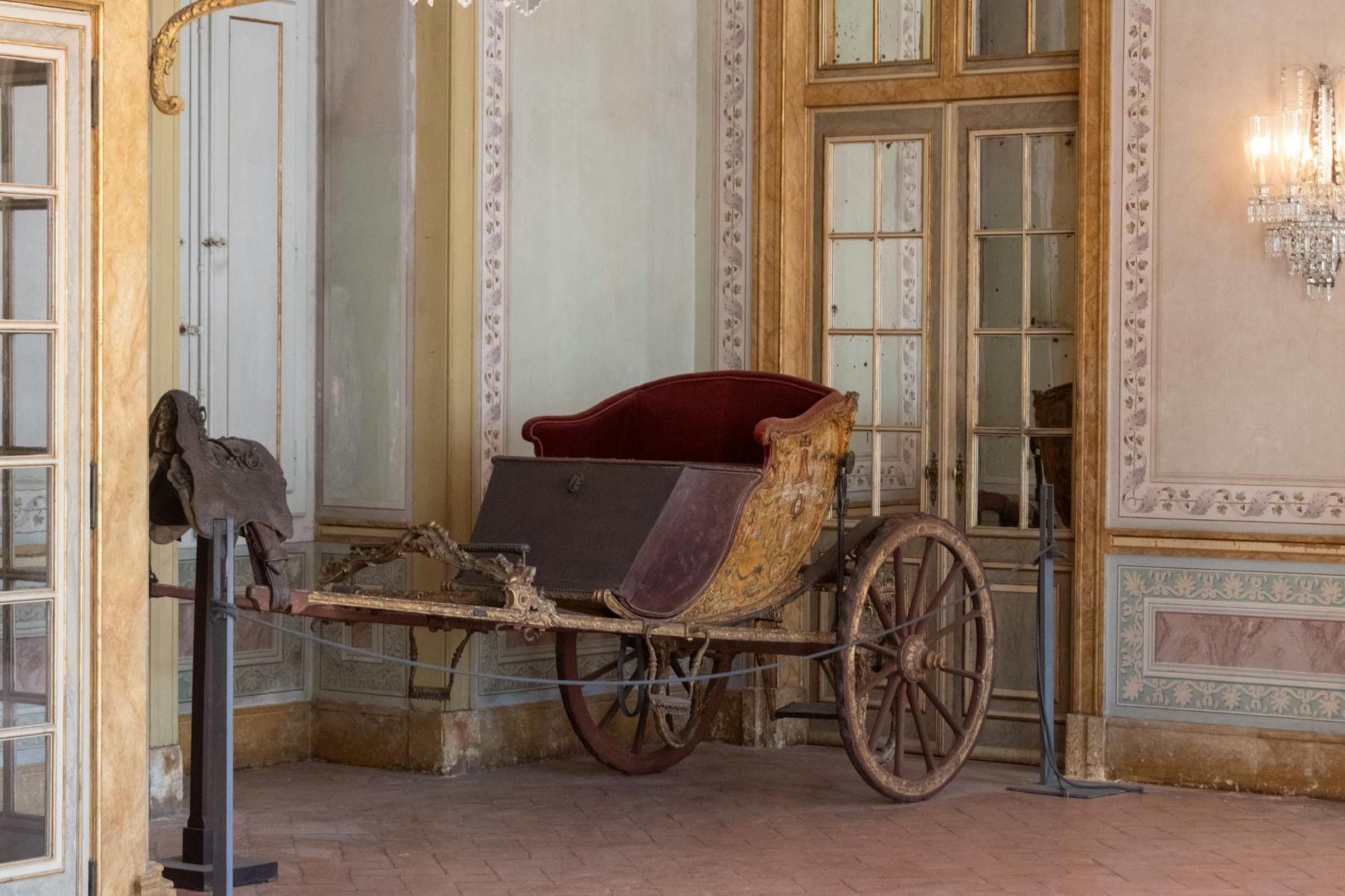
The museum moved to a purpose-built modernist building designed by Paulo Mendes da Rocha in 2015, with vast open galleries that let visitors see the carriages from multiple angles. The old Royal Riding School across the street, the museum’s original home, is also worth visiting for its 18th-century interior.
Practical: Open Tuesday to Sunday, 10am–6pm. Admission €8. Free on the first Sunday of each month. Allow 1–1.5 hours. Next to the Belém Cultural Center, short walk from MAAT.
Berardo Collection Museum
The Berardo Collection Museum, in the Belém Cultural Center, is one of Lisbon’s most important modern and contemporary art museums. The permanent collection spans major 20th-century movements — Surrealism, Pop Art, Minimalism, Conceptual Art — with works by Picasso, Dalí, Warhol, Bacon, Pollock, Duchamp, Magritte, and Jeff Koons. Admission to the permanent collection is free. Open daily 10am–7pm. Allow 1–2 hours.
Alfama and Downtown Lisbon Museums
Lisbon Cathedral (Sé de Lisboa) and Treasury
The Lisbon Cathedral (Sé) is the city’s oldest church, built in 1147 on the site of a mosque after the Christian reconquest. Its austere Romanesque facade has survived earthquakes, renovations, and centuries of change. The Gothic cloister features ongoing archaeological excavations that have exposed Roman, Visigothic, and Moorish structures beneath the cathedral. The Treasury holds silver, vestments, manuscripts, and relics associated with St. Vincent, Lisbon’s patron saint.
Practical: Cathedral nave is free. Cloister €4, Treasury €2.50. Open Monday to Saturday, 9am–7pm (cloister closes 6pm). Heart of Alfama, short walk uphill from Praça do Comércio. Tram 28 stops directly outside.
Castelo de São Jorge — Castle and Archaeological Museum
The Castelo de São Jorge is more than a castle with good views. The archaeological site reveals layers of Lisbon’s history, from Iron Age settlements through Moorish fortifications to the medieval royal palace. The Núcleo Arqueológico museum displays Moorish ceramics, coins, and household objects. The periscope in the Torre de Ulisses uses a camera obscura to project real-time 360-degree views of the city — one of Lisbon’s genuinely unusual experiences.
Practical: Open daily 9am–9pm (March–October) or 9am–6pm (November–February). Admission €15 (the views alone justify it). Free for Lisbon residents. Allow 1.5–2 hours. Accessible via Tram 28 or a steep walk from Rossio/Baixa.
Museu do Fado (Fado Museum)
Located in Alfama — the birthplace of fado — the Fado Museum traces Portugal’s most iconic musical tradition through interactive displays, original recordings, instruments, costumes, and archival material. It covers fado’s evolution from its working-class roots in 19th-century Lisbon to its recognition as a UNESCO Intangible Cultural Heritage in 2011. The audio guide includes recordings by legendary fadistas including Amália Rodrigues, Carlos do Carmo, and Mariza. The museum also hosts regular live fado concerts.
Practical: Open Tuesday to Sunday, 10am–6pm. Admission €5 (audio guide included). Allow 1–1.5 hours. Near the Alfama waterfront. For a deeper fado experience, check the museum’s schedule for evening concerts.
Major Art Museums in Lisbon
National Museum of Ancient Art (Museu Nacional de Arte Antiga — MNAA)
The MNAA is Portugal’s national gallery and one of the most important art museums in Southern Europe. Housed in a 17th-century palace in the Santos neighborhood overlooking the Tagus, the collection spans European painting from the 14th to 19th centuries with particular strengths in Portuguese, Flemish, and Asian art. The museum’s signature work is the Panels of Saint Vincent (c. 1470) by Nuno Gonçalves — a monumental six-panel polyptych depicting Lisbon’s patron saint surrounded by figures representing Portuguese society, the most important work of Portuguese painting.
Other highlights include Hieronymus Bosch’s Temptation of Saint Anthony, Albrecht Dürer’s Saint Jerome, and an extraordinary collection of Japanese Namban screens depicting the arrival of Portuguese traders in 16th-century Japan. The Asian art collection, reflecting Portugal’s trading connections with China, Japan, India, and Southeast Asia, is among the finest in Europe.
Important note: The MNAA has been closed for renovation since September 2025. Check the museum’s official website for the latest reopening information. When open, admission is €6 (free on first Sunday of each month). Tram 15E and several bus lines serve the museum. Allow 2–3 hours.
Museum of the Orient (Museu do Oriente)
The Museum of the Orient in the Alcântara dock area documents the historical connections between Portugal and Asia. Housed in a converted 1940s industrial building, the museum features two permanent collections: the Portuguese Presence in Asia collection tracing 500 years of trade, religion, and cultural exchange from Goa to Macau to Nagasaki; and the Kwok On Collection of Asian performing arts, one of the most important collections of Asian theatrical masks, puppets, costumes, and instruments outside Asia.
Practical: Open Tuesday to Sunday, 10am–6pm (Fridays until 10pm, free entry after 6pm). Admission €6. Rooftop restaurant has river views. Allow 1.5–2 hours. Near the Santos-o-Velho tram stop (15E) or 10-minute walk from Alcântara-Mar station.
Specialized and Unique Lisbon Museums
Museu da Marinha (Maritime Museum)
Given Portugal’s seafaring history, the Maritime Museum in Belém rewards visitors with serious interest in the Age of Discoveries. The collection includes original navigational instruments, detailed ship models spanning six centuries, royal barges, and maps that reshaped the world’s understanding of geography. The highlight is the ornate 18th-century ceremonial barge used by the Portuguese royal family, displayed in the adjacent pavilion.
Practical: Open Tuesday to Sunday, 10am–6pm (May–September) or 10am–5pm (October–April). Admission €6.50. Located in the west wing of the Jerónimos Monastery. Allow 1–2 hours.
Museu Nacional de Arte Contemporânea do Chiado (MNAC)
The Chiado Museum of Contemporary Art focuses on Portuguese art from the mid-19th century to the present, filling the gap between the MNAA’s older collections and the Berardo’s international contemporary art. The collection covers Romanticism, Naturalism, Modernism (particularly the brilliant Amadeo de Souza-Cardoso), and contemporary Portuguese artists. The museum occupies a beautifully converted 13th-century monastery in the heart of Chiado.
Practical: Open Tuesday to Sunday, 10am–6pm. Admission €4.50. Free on first Sunday of each month. On Rua Serpa Pinto in Chiado. Allow 1 hour.
Aljube Resistance and Freedom Museum
One of Lisbon’s most affecting museums, the Aljube Museum occupies a former political prison used by the Estado Novo dictatorship (1926–1974) to hold opponents of the regime. The museum documents the history of Portuguese fascism, political repression, censorship, colonial wars, and the Carnation Revolution of April 25, 1974 that restored democracy. Prison cells have been preserved, and the exhibits include personal testimonies, secret police files, and propaganda material. It’s an essential counterpoint to Lisbon’s grander museums.
Practical: Open Tuesday to Sunday, 10am–6pm. Admission €3. Free on the first Sunday of each month. Near the Lisbon Cathedral in Alfama. Allow 1.5–2 hours.
Street Art and Contemporary Culture in Lisbon
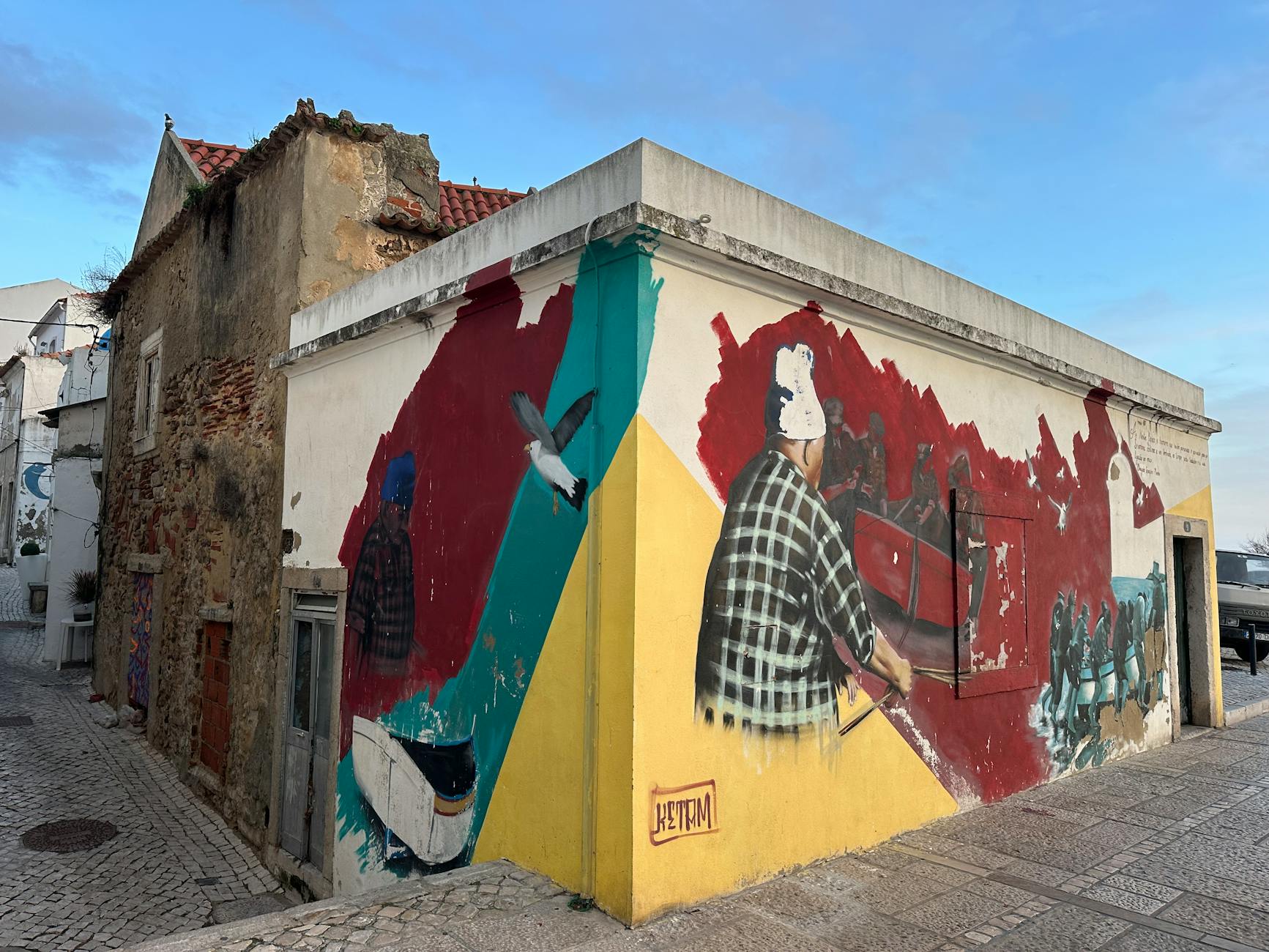
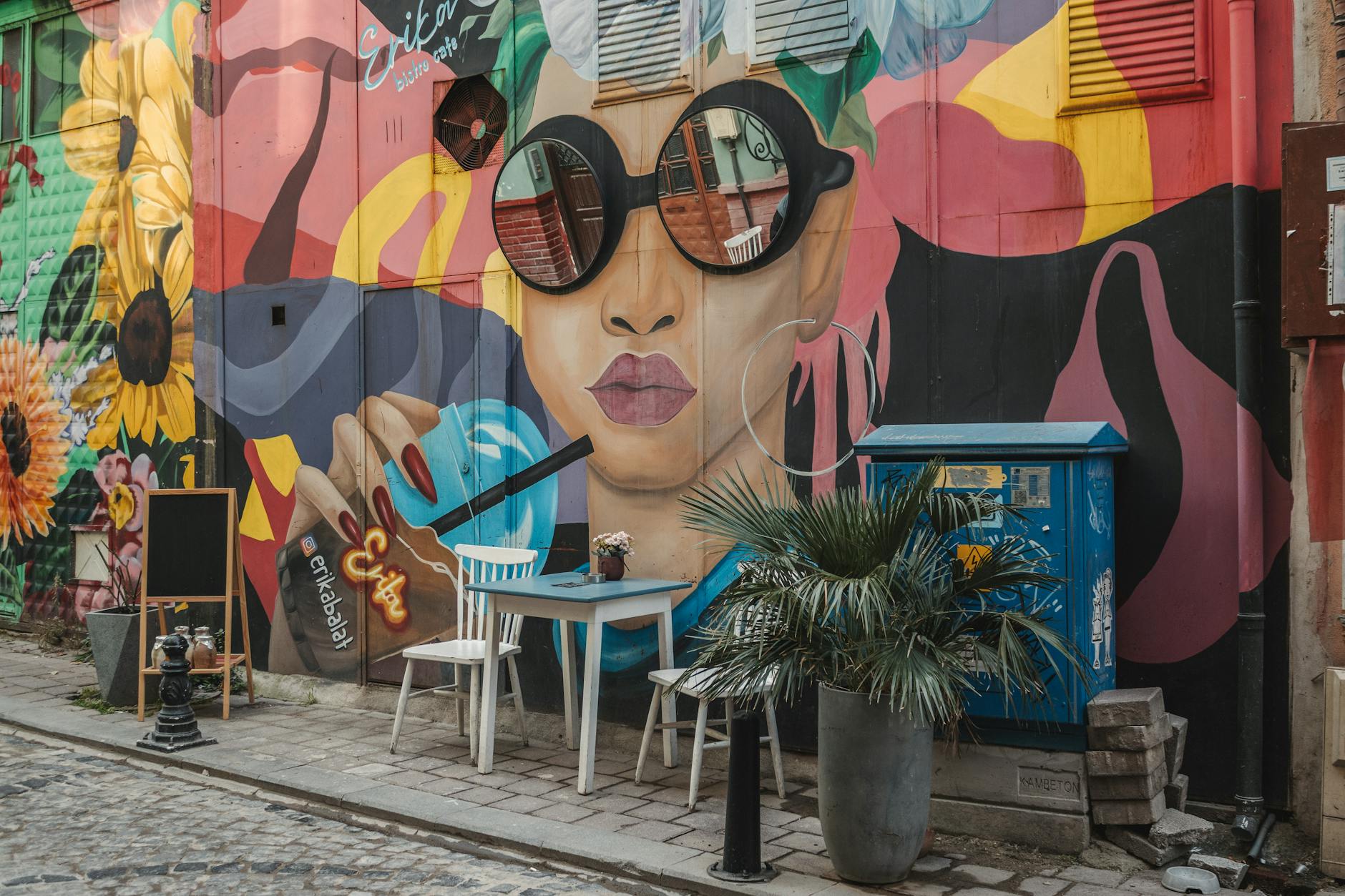
Beyond its traditional museums, Lisbon has built a serious street art reputation. The city supports urban art through the Galeria de Arte Urbana (GAU), which commissions large-scale murals citywide. Neighborhoods like Mouraria, Graça, and the LX Factory complex in Alcântara carry work by artists including Vhils (Alexandre Farto), who creates dramatic portraits by chiseling directly into building facades; Bordalo II, who builds enormous animal sculptures from recycled waste; and Pantónio, known for his dynamic blue murals of birds and fish.
Several companies offer dedicated street art walking tours. Self-guided routes through Mouraria (start at Martim Moniz square), the Avenida Fontes Pereira de Melo corridor, and the Quinta do Mocho housing estate in Loures (a 20-minute drive, with over 100 murals) are also worthwhile. The Underdogs Gallery in Marvila and the Montana Gallery in Intendente show street art in gallery settings.
Lisbon’s cultural calendar includes events worth planning around: Open House Lisboa (October) opens architecturally significant buildings normally closed to the public; Lisbon Architecture Triennale transforms spaces across the city; Festival Todos (September) celebrates intercultural exchange through performance, music, and art in Mouraria; and ARCOlisboa (May) is an international contemporary art fair. For the full picture of what’s on throughout the year — festivals, seasonal events, public holidays, and local celebrations — the Lisbon festivals and events calendar is the most complete reference.
Planning Your Lisbon Museum Visits
The Lisboa Card — Is It Worth It?
The Lisboa Card includes free or discounted entry to over 30 museums and monuments, plus unlimited public transport (metro, trams, buses, funiculars, and the train to Sintra and Cascais). Available for 24 hours (€22), 48 hours (€37), or 72 hours (€46). The 72-hour card typically covers its cost if you visit the Jerónimos Monastery (€10), Castelo de São Jorge (€15), Belém Tower (€10), Gulbenkian (€10), and one or two more museums, plus regular transport. It also lets you skip ticket queues — a real benefit in summer. One gap worth knowing: the Oceanário de Lisboa gives cardholders a 15 percent discount rather than free entry.
Purchase online and collect at the airport, Praça do Comércio tourist office, or Foz Palace tourism center. Tip: Activate it on a day when your priority museums are open. Avoid Mondays (many municipal museums closed) and Tuesdays (national museums closed).
Free Museum Days
Many of Lisbon’s national and municipal museums offer free admission on the first Sunday of each month. This includes the Gulbenkian (free after 2pm on all Sundays), the National Tile Museum, MAAT, the Coach Museum, the MNAA, the Maritime Museum, and the Fado Museum. The Museum of the Orient is free on Friday evenings (6–10pm), and the Berardo Collection permanent exhibition is always free. Plan correctly and you can cover Lisbon’s best museums without spending anything on admission.
Practical Tips for Lisbon Museums
Opening hours: Most Lisbon museums open 10am–6pm, last entry 30 minutes before closing. Standard closures: Mondays (municipal museums), Tuesdays (national museums including the Coach Museum, Tile Museum, Maritime Museum, MNAA). The Gulbenkian is closed Tuesdays. Always check individual museum websites before visiting.
Best times to visit: Early morning (10–11am) or late afternoon (4–5pm) for the fewest crowds. Summer weekends at Jerónimos and Belém Tower can mean hour-long queues — weekday mornings are significantly better. The Gulbenkian, despite holding one of Europe’s finest art collections, rarely feels crowded and is one of the most pleasant museum visits in the city at any time of day.
Accessibility: Most major museums have wheelchair access, though some historic buildings (the Lisbon Cathedral cloister, Castelo de São Jorge) have limited accessibility due to their construction. MAAT, the Coach Museum, the Gulbenkian, and the Berardo Collection are fully accessible.
Photography: Most Lisbon museums allow photography without flash for personal use. Temporary exhibitions may have restrictions. Always check signage at the entrance.
Suggested Museum Itineraries
Half-day Belém culture tour: Start at Jerónimos Monastery (arrive at 10am to beat the queues), walk to the Coach Museum, then continue along the waterfront to MAAT. Finish with pastéis de nata at Pastéis de Belém. Total: 4–5 hours. Half-day Alfama and downtown tour: Castelo de São Jorge in the morning for the best light, walk down through Alfama to the Fado Museum, then to the Lisbon Cathedral. Total: 3–4 hours.
Full-day art lover’s itinerary: Morning at the Gulbenkian (Founder’s Collection and gardens), lunch at the museum restaurant, afternoon at the MNAA or Berardo Collection, evening at a fado house in Alfama. Full-day with kids: Morning at the Coach Museum (children engage well with the carriages), Belém Tower, and Jerónimos Monastery, then take the train to Parque das Nações for the Oceanarium in the afternoon.
For day trips combining culture with excursions, the National Palace of Sintra and the Pena Palace offer extraordinary architectural and cultural experiences outside the city. The Lisbon itinerary guide provides detailed day-by-day plans that incorporate the city’s best museums into broader sightseeing routes.
Azulejo Culture — Lisbon’s Living Art Gallery
While the National Tile Museum holds the most important collection, Lisbon’s real azulejo gallery is the city itself. No other European capital uses decorative ceramic tiles as extensively as Lisbon — walking through the neighborhoods reveals centuries of artistic expression on building facades, church interiors, metro stations, and public spaces.
The tradition arrived with the Moors in the 13th century. In the 16th century, Portuguese craftsmen began producing their own tiles, initially inspired by Spanish and Italian designs. By the 17th century, they had developed their distinctive blue-and-white style influenced by Chinese porcelain imported through maritime trade routes. The 1755 earthquake destroyed much of Lisbon’s historic tilework, but the reconstruction effort produced a new wave of azulejo art that covered the rebuilt city.
Where to see remarkable azulejos outside museums: The Igreja de São Roque in Bairro Alto has extraordinary 16th-century tiles in the Chapel of São Roque. The Fronteira Palace in Benfica has some of the most spectacular tile gardens in Portugal — battle scenes and mythological figures covering every surface. São Vicente de Fora Monastery in Alfama features 18th-century tile panels illustrating the fables of La Fontaine. Several Lisbon metro stations carry contemporary tile art: Oriente station by Hundertwasser, Parque station by Françoise Schein, and Olaias station by Tomás Taveira.
If you want to bring azulejo culture home, the shopping guide covers where to buy authentic handpainted tiles and ceramics. Fábrica de Sant’Anna in Chiado has been producing hand-painted tiles since 1741 and offers workshop tours. Viúva Lamego in Intendente, established in 1849, is another historic tile workshop with a striking tiled facade on its factory building. For a deeper dive into azulejo history, techniques, and where to find the best examples across the city, the Lisbon azulejo tiles guide covers all of it.
Hidden Museums and Galleries Worth Discovering
Beyond the major institutions, Lisbon has dozens of smaller museums offering intimate, uncrowded experiences and specialized collections — the places that reveal aspects of Portuguese culture and history the big museums don’t have room for.
Museu da Farmácia (Pharmacy Museum) in Santa Catarina traces 5,000 years of pharmaceutical history from ancient Egyptian medicine jars to ornate 18th-century Portuguese pharmacy interiors. The recreated historic pharmacies are exquisite. Admission €4. Museu da Marioneta (Puppet Museum) in Madragoa occupies a former convent and holds an extraordinary collection of puppets, marionettes, and shadow figures from Portugal and around the world, dating from the 17th century to contemporary works. Admission €5.
Casa Fernando Pessoa in Campo de Ourique is a museum dedicated to Portugal’s most famous poet, housed in the building where he spent the last 15 years of his life. It recreates his living space and explores his multiple literary personas (heteronyms) through interactive exhibits. Free admission. Casa-Museu Medeiros e Almeida near Marquês de Pombal is a sumptuously decorated mansion housing decorative arts including watches, clocks, Chinese porcelain, European paintings, and one of the finest collections of antique timepieces in Europe. Admission €5.
MUDE — Museum of Design and Fashion in Baixa focuses on 20th-century design and fashion, with collections spanning furniture, product design, and haute couture. The museum has been undergoing renovation — check current status before visiting. Museu de Lisboa at the Palácio Pimenta in Campo Grande tells the full story of Lisbon’s history from prehistoric times through the 1755 earthquake to the present. Admission €3.
Performing Arts and Live Cultural Experiences
Lisbon’s cultural life extends well beyond its museums. The city has a serious performing arts tradition and several major venues worth your attention alongside the museum visits.
The Centro Cultural de Belém (CCB) is Lisbon’s premier performing arts complex, hosting the Portuguese National Ballet, opera productions, contemporary dance, jazz concerts, and theatrical performances. The brutalist concrete building also houses the Berardo Collection and has an excellent bookshop and restaurant. Tickets for many performances run €10–30. The Teatro Nacional de São Carlos, Lisbon’s opera house in Chiado, is an 18th-century theater modeled after La Scala in Milan and presents opera, ballet, and symphonic concerts from September through June.
For fado, Alfama and Mouraria are the traditional heartlands. Beyond the Fado Museum’s concerts, venues like Clube de Fado, Mesa de Frades, and Tasca do Chico offer authentic performances. The nightlife guide covers fado houses in detail, including how to distinguish tourist traps from genuine venues. For contemporary music, Musicbox on Pink Street and Lux Frágil host local and international acts across electronic, jazz, hip-hop, and indie genres.
The Fundação Champalimaud in Belém has a building by Charles Correa with a public amphitheater overlooking the Tagus and hosts free cultural events. The LX Factory in Alcântara, a converted industrial complex, regularly hosts exhibitions, markets, film screenings, and live performances in its atmospheric warehouse spaces.