Shopping
Shopping in Lisbon: Best Shops, Markets, and Souvenirs Guide 2026
In this guide
- Best Shopping Neighborhoods in Lisbon
- What to Buy in Lisbon — The Best Portuguese Souvenirs
- Lisbon’s Best Markets
- Luxury and High-Street Shopping
- Portuguese Fashion and Craftsmanship
- Practical Shopping Tips for Lisbon
- Portuguese Ceramics and Pottery — A Buyer’s Guide
- Bookshops and Literary Lisbon
- Gourmet Food Shopping in Lisbon
- Vintage and Second-Hand Shopping
Shopping in Lisbon rewards patience and curiosity in equal measure. The city has centuries-old artisan workshops still operating on the same street corners, markets running since the 13th century, and a newer generation of Portuguese designers making things worth carrying home — cork bags, contemporary azulejo-inspired homeware, gourmet tinned fish with beautiful packaging. This guide covers the best neighborhoods, the specific shops worth your time, what to buy, where to find genuine quality, and what to skip.
The Portuguese saldos run hard through January, from Chiado to Campo de Ourique. Our Lisbon in January guide explains when the discounts deepen and what else the month is good for.
What sets shopping in Lisbon apart is the survival of traditional craftsmanship alongside a real contemporary design scene. Many of the city’s most interesting shops are family businesses that have operated for generations, making goods by hand using techniques passed down over centuries. The two worlds coexist without awkwardness — on the same Chiado street you’ll find a 1930s sardine shop next to a cork accessories boutique and a shoe designer who ships to Tokyo. Shopping in Lisbon is as much about the experience of the place as the things you take home.
Best Shopping Neighborhoods in Lisbon
Chiado — Designer Boutiques and Flagship Stores
Chiado is Lisbon’s most polished shopping neighborhood, centered on Rua Garrett and the surrounding streets between Praça do Comércio and Bairro Alto. You’ll find international brands (Zara, H&M, Massimo Dutti) alongside Portuguese designers, independent bookshops, and some of the most beautiful historic shops in the city. Armazéns do Chiado, a shopping center inside a restored 19th-century department store, has several floors of retail plus food court dining with views over the Baixa.
Key shops in Chiado: A Vida Portuguesa on Rua Anchieta is the definitive Lisbon souvenir shop, curating beautifully packaged traditional Portuguese products — Claus Porto soaps, Bordallo Pinheiro ceramics, Viarco pencils, vintage-style sardine tins, and household goods that have been made in Portugal for generations. Everything is genuine and carefully presented. Luvaria Ulisses on Rua do Carmo is one of Europe’s last traditional glove shops — a tiny counter where you’re fitted by hand with exquisitely soft Portuguese leather gloves from €55. Bertrand Livraria on Rua Garrett holds the Guinness record as the world’s oldest bookshop (founded 1732) and has an excellent English-language section.
Príncipe Real — Independent Design and Concept Stores
Príncipe Real, the leafy neighborhood above Bairro Alto centered on its garden square, is Lisbon’s hub for independent design, fashion, and lifestyle shopping. The streets around the garden are packed with concept stores, galleries, and boutiques showcasing Portuguese creativity. Embaixada, housed in a 19th-century Moorish-revival palace on Praça do Príncipe Real, is a concept shopping gallery where each room of the former aristocratic residence hosts a different Portuguese designer or brand — fashion, jewelry, homeware, gourmet food, and art across multiple floors. The building alone is worth the detour.
Other highlights: Cortiço & Netos on Calçada do Sacramento (between Chiado and Príncipe Real) is the best shop in Lisbon for authentic antique azulejo tiles — they rescue original tiles from demolition sites and restoration projects, clean and catalog them, and sell them individually or in sets. Prices range from €5 for a simple tile to hundreds for rare historical pieces. This is where serious collectors and interior designers shop. The Feeting Room showcases Portuguese shoe brands (Portugal is one of Europe’s top shoe-manufacturing countries), while Stória curates Portuguese fashion designers.
Baixa — Traditional Commerce and Specialty Shops
The grid-like streets of Baixa, rebuilt after the 1755 earthquake, hold some of Lisbon’s most traditional shops alongside the usual high-street chains. The streets were historically organized by trade — Rua do Ouro (goldsmiths), Rua da Prata (silversmiths), Rua dos Sapateiros (shoemakers) — and while most of the original trades have moved on, a handful of specialty shops survive and are still worth finding. We map them out in our guide to Lisbon’s shopping streets.
Conserveira de Lisboa on Rua dos Bacalhoeiros is legendary — a tiny, perfectly preserved 1930s shop selling canned fish from three in-house brands (Tricana, Prata do Mar, and Minor). The tins feature beautiful retro designs and the sardines, tuna, mackerel, and other fish are genuinely excellent. Prices start from €3 per tin. Staff will help you choose from dozens of varieties and vintages. Manuel Tavares on Rua da Betesga, open since 1860, is a gourmet delicatessen selling port wine, cheese, presunto (cured ham), olive oil, and other Portuguese food specialties. Santos Oficios on Rua da Madalena sells high-quality Portuguese crafts from across the country — embroidered linens, carved wooden figures, woven baskets, and ceramics. For the full shortlist of what’s actually worth packing, see our guide to the best souvenirs from Lisbon.
LX Factory — Creative Market and Artisan Studios
LX Factory in Alcântara, a converted industrial complex under the 25 de Abril bridge, is one of Lisbon’s most enjoyable shopping destinations. The former fabric factory now holds independent shops, designer studios, art galleries, restaurants, and the extraordinary Ler Devagar bookshop — one of the most beautiful bookstores in the world, set in a vast former printing press with books stacked to the ceiling and a flying bicycle sculpture overhead.
On Sundays, LX Factory runs the LX Market, a curated market with stalls selling handmade jewelry, vintage clothing, artisan food, design objects, and art. The market runs from 10am to 7pm and is excellent for finding unique gifts. Even on weekdays, the complex is worth visiting for its shops, street art, and restaurant scene. Access: Tram 15E to Calvário stop, or a short walk from Alcântara-Mar station. Full breakdown of the complex, shop by shop, in our LX Factory guide.
What to Buy in Lisbon — The Best Portuguese Souvenirs
Azulejo Tiles
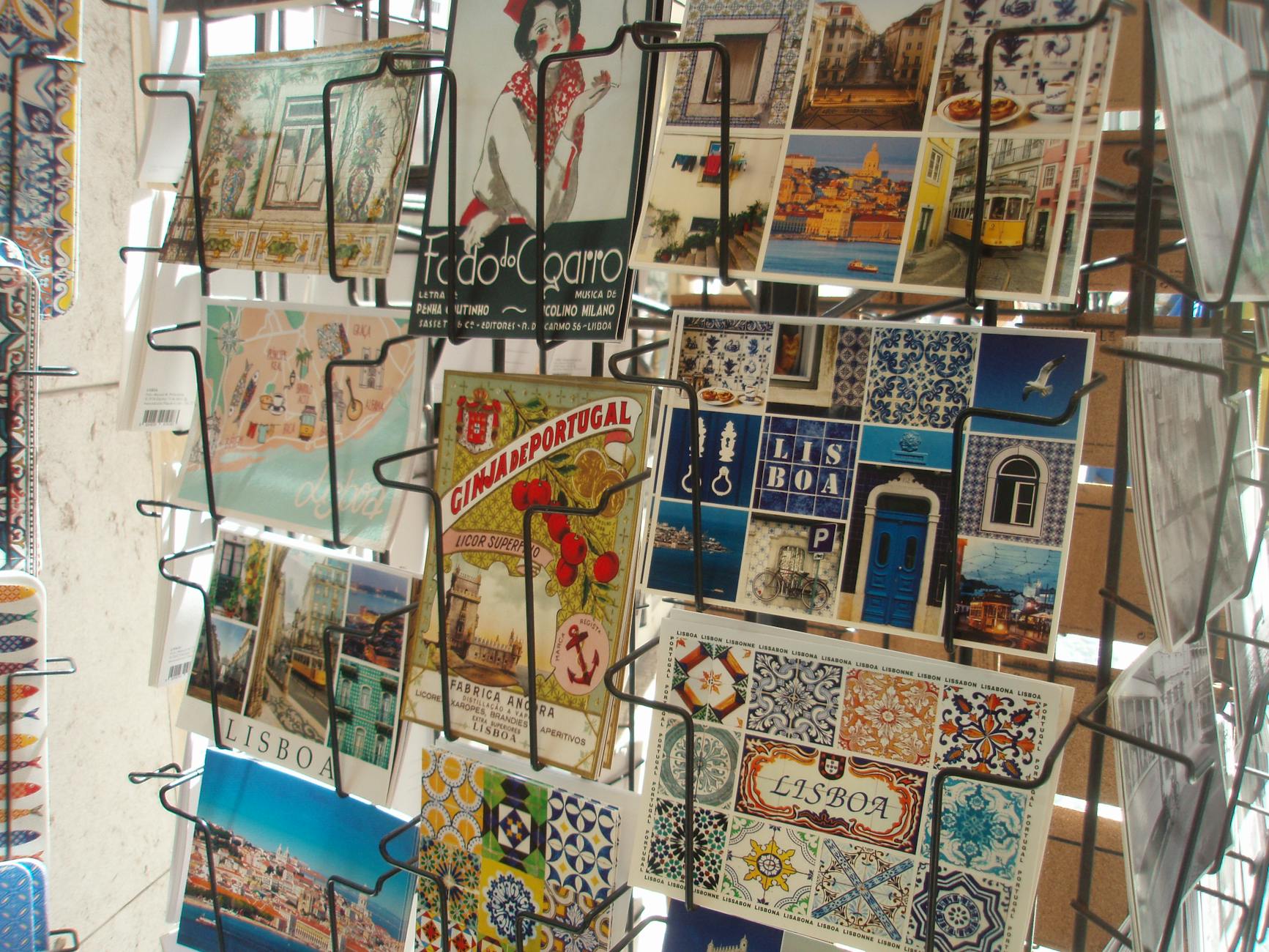
Portuguese azulejo tiles are among the most distinctive souvenirs you can bring home from Lisbon. Important warning: Never buy antique tiles from street vendors or flea markets — many are stolen from historic buildings, and purchasing them encourages the ongoing destruction of Portugal’s architectural heritage. Removing tiles from buildings is illegal, and exporting antique tiles without documentation can result in customs seizure. Instead, buy from reputable shops that source ethically: Cortiço & Netos (rescued tiles with provenance), Fábrica de Sant’Anna (new hand-painted tiles made using traditional techniques since 1741), or Viúva Lamego (established 1849). Reproduction tiles and tile-inspired products (coasters, trivets, notebooks) are widely available and make excellent, lightweight souvenirs. Budget: €5–15 for individual decorative tiles, €20–50 for tile-inspired homeware. Our guide to buying azulejo tiles in Lisbon names the ethical sellers and explains the export rules.
Cork Products
Portugal produces over 50 percent of the world’s cork, harvested from the bark of cork oak trees in the Alentejo region. Portuguese designers have transformed this sustainable material into a wide range of products: handbags, wallets, belts, shoes, hats, umbrellas, jewelry, phone cases, and even clothing. Cork is waterproof, durable, lightweight, and eco-friendly — and Portuguese cork goods are well-crafted across most price points.
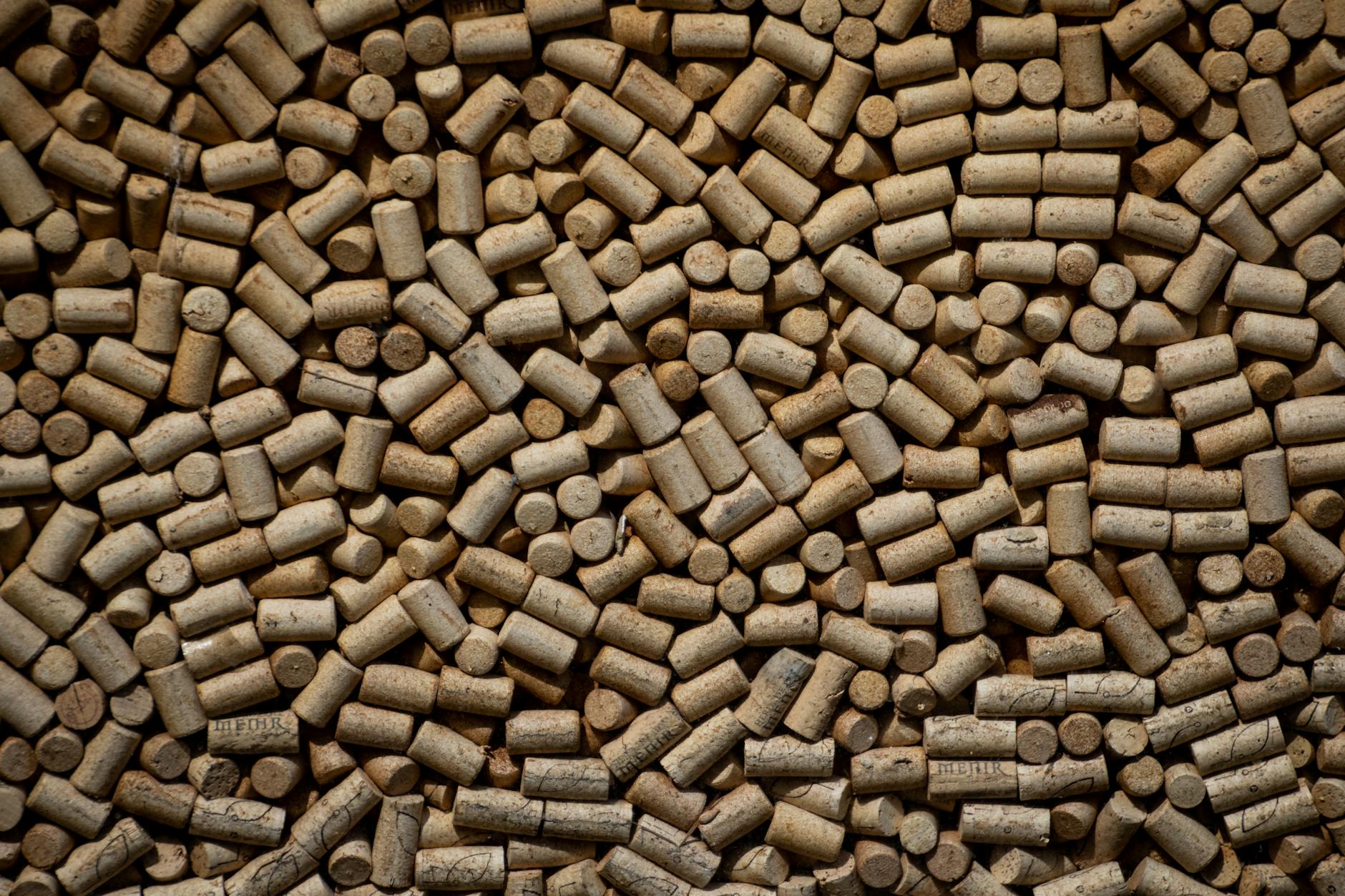
Best cork shops: Cork & Company on Rua das Salgadeiras (near Rossio) has one of the widest selections, from small accessories to full cork handbags. Pelcor produces premium cork leather goods with clean, minimalist designs. Rutz in Príncipe Real combines cork with other sustainable materials for contemporary fashion. Most souvenir shops sell cork products too, but quality varies — look for smooth, evenly colored cork without rough patches or visible glue. Budget: €5–15 for small accessories, €40–120 for bags and larger items. More on brands, quality markers, and what a fair price looks like in our Lisbon cork products guide.
Canned Fish (Conservas)
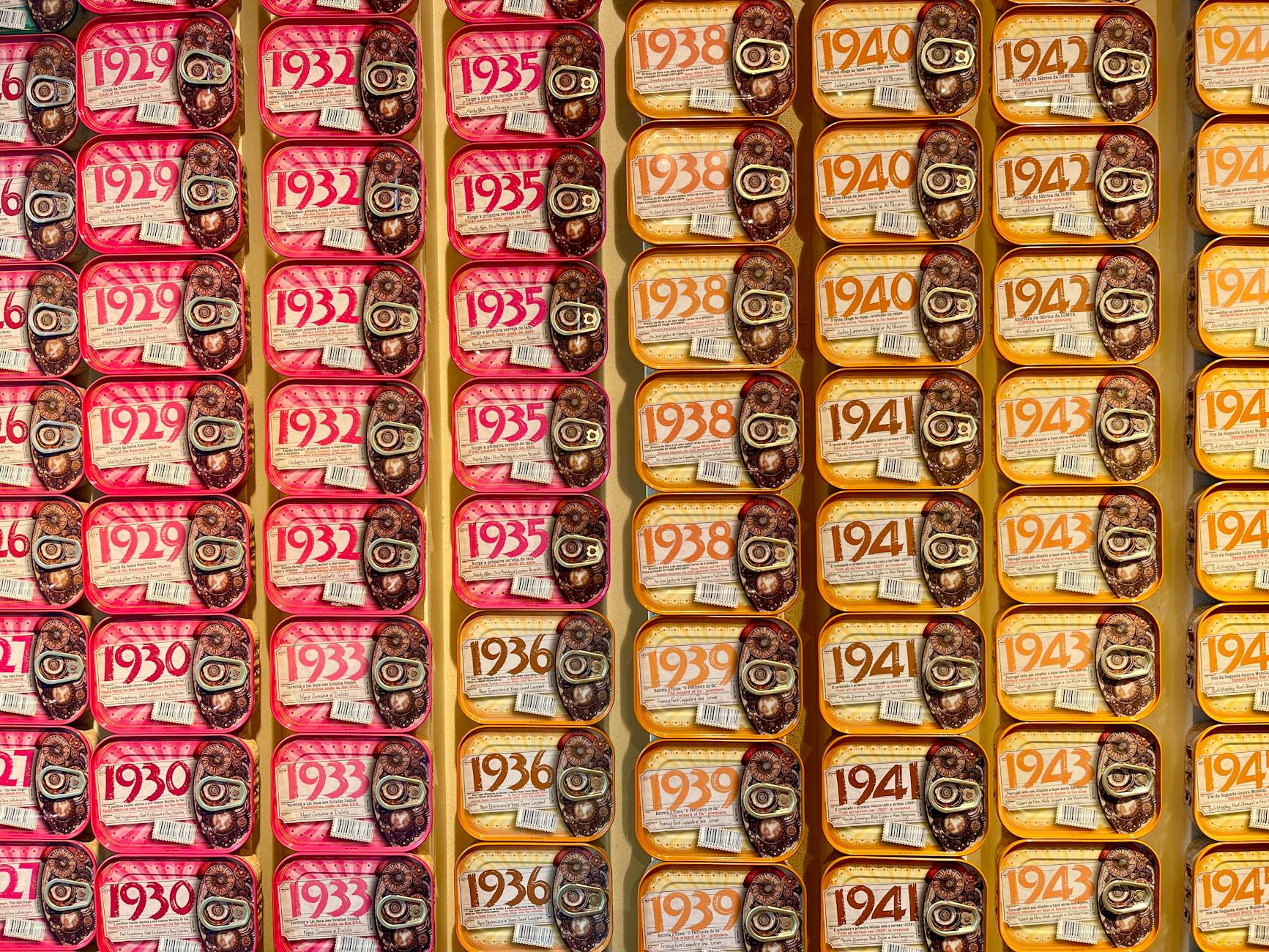
Canned fish is one of Portugal’s great culinary exports and one of Lisbon’s most popular — and affordable — souvenirs. The Portuguese canning industry dates to the early 19th century, and the tradition of preserving sardines, tuna, mackerel, octopus, and other seafood in olive oil has been refined to an art form. The tins themselves are often beautifully designed with retro artwork, making them as decorative as they are delicious.
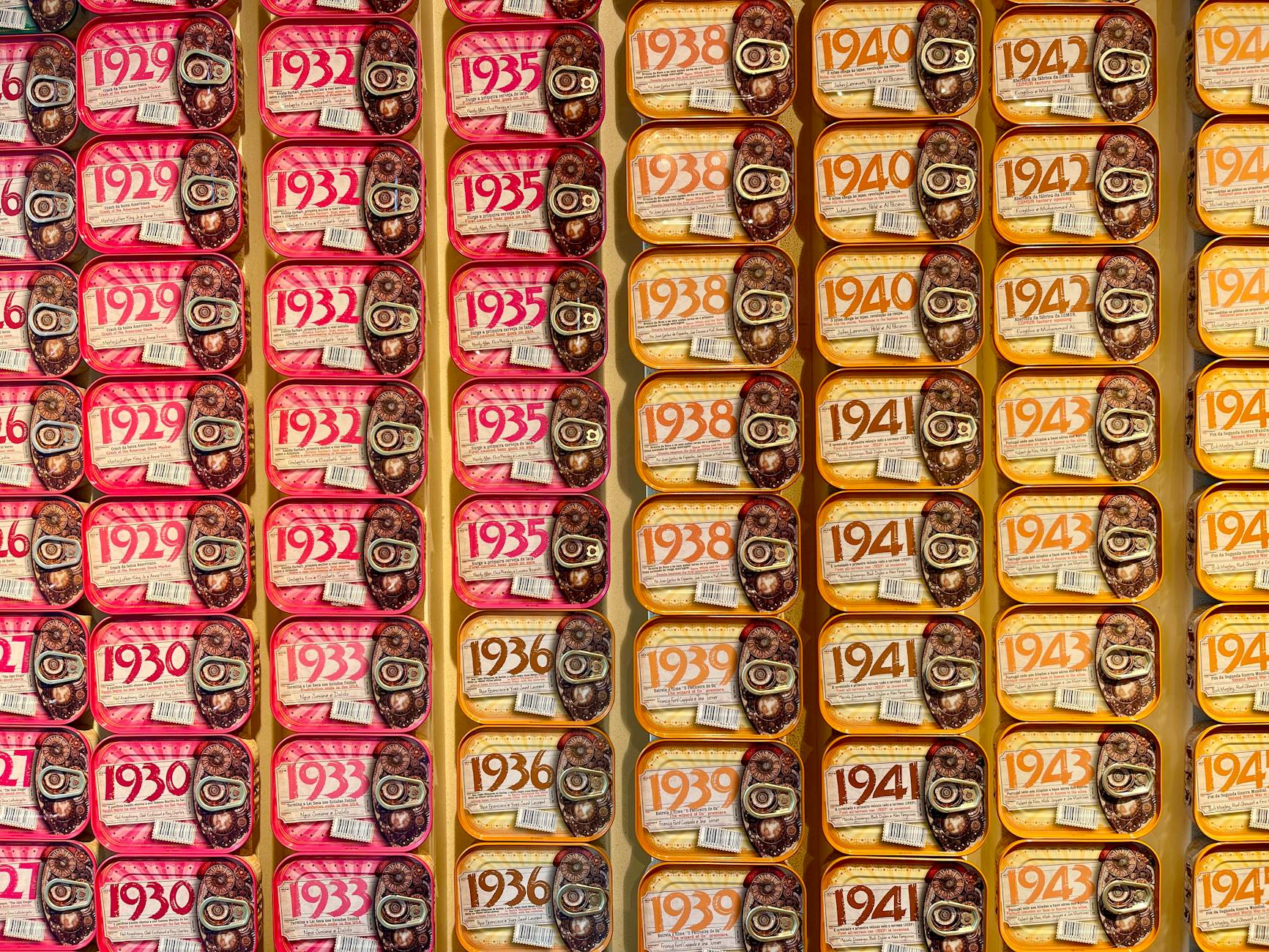
Where to buy: Conserveira de Lisboa (Baixa) is the classic choice — three generations of the same family, impeccable quality, beautiful tins. Loja das Conservas on Rua do Arsenal showcases products from over 70 Portuguese canning producers in a stylishly designed shop — excellent for comparing brands and discovering small producers. Comur in Chiado sells conservas in vintage-dated tins (pick the year of a birthday or anniversary). Prices: €3–8 per tin at specialist shops. Tip: Try sardines in different preparations — olive oil, tomato sauce, lemon, spicy piri-piri — and look for horse mackerel (carapau), a delicious and less common option. The complete guide to Portuguese canned sardines as souvenirs covers the best brands, what to look for on the label, and how to pack tins safely for the journey home.
Portuguese Wine and Port
Portugal is one of the world’s great wine countries — remarkable diversity, genuine value, and significant price differences versus export markets. Key wines worth bringing home: Port wine (from the Douro Valley — tawny, vintage, and vintage-dated bottles make excellent gifts), Douro reds (rich, complex wines that rival top Bordeaux at a fraction of the price), Vinho Verde (refreshing, slightly sparkling white or rosé), Alentejo reds (full-bodied, fruit-forward wines), and Moscatel de Setúbal (sweet dessert wine unique to the region south of Lisbon).
Best wine shops: Garrafeira Nacional on Rua de Santa Justa (Baixa) is Lisbon’s most historic wine shop, with an extraordinary selection and knowledgeable staff. Napoleon in Chiado is another long-established wine merchant. Both ship internationally. At the wine bars covered in our nightlife guide, you can taste before buying. Budget: €5–15 for excellent everyday wines, €20–50 for premium bottles, €10–40 for good port.
Pastéis de Nata Ingredients and Portuguese Food
For food lovers, Lisbon offers edible souvenirs that capture the flavors of Portugal: Olive oil from small producers (look for single-estate bottles at Mercado da Ribeira or specialty shops — €8–15), flor de sal (hand-harvested sea salt from the Algarve, beautifully packaged), piri-piri sauce (the Portuguese hot sauce made from African bird’s eye chilis), Portuguese honey (particularly from the Serra da Estrela), and queijo da Serra (Portugal’s most celebrated cheese — a creamy, strong-flavored sheep’s milk cheese from the Serra da Estrela mountains, available at any good delicatessen). Manuel Tavares in Baixa and the gourmet section of El Corte Inglés department store are solid one-stop shops for food souvenirs.
Lisbon’s Best Markets
Feira da Ladra (Thieves’ Market)
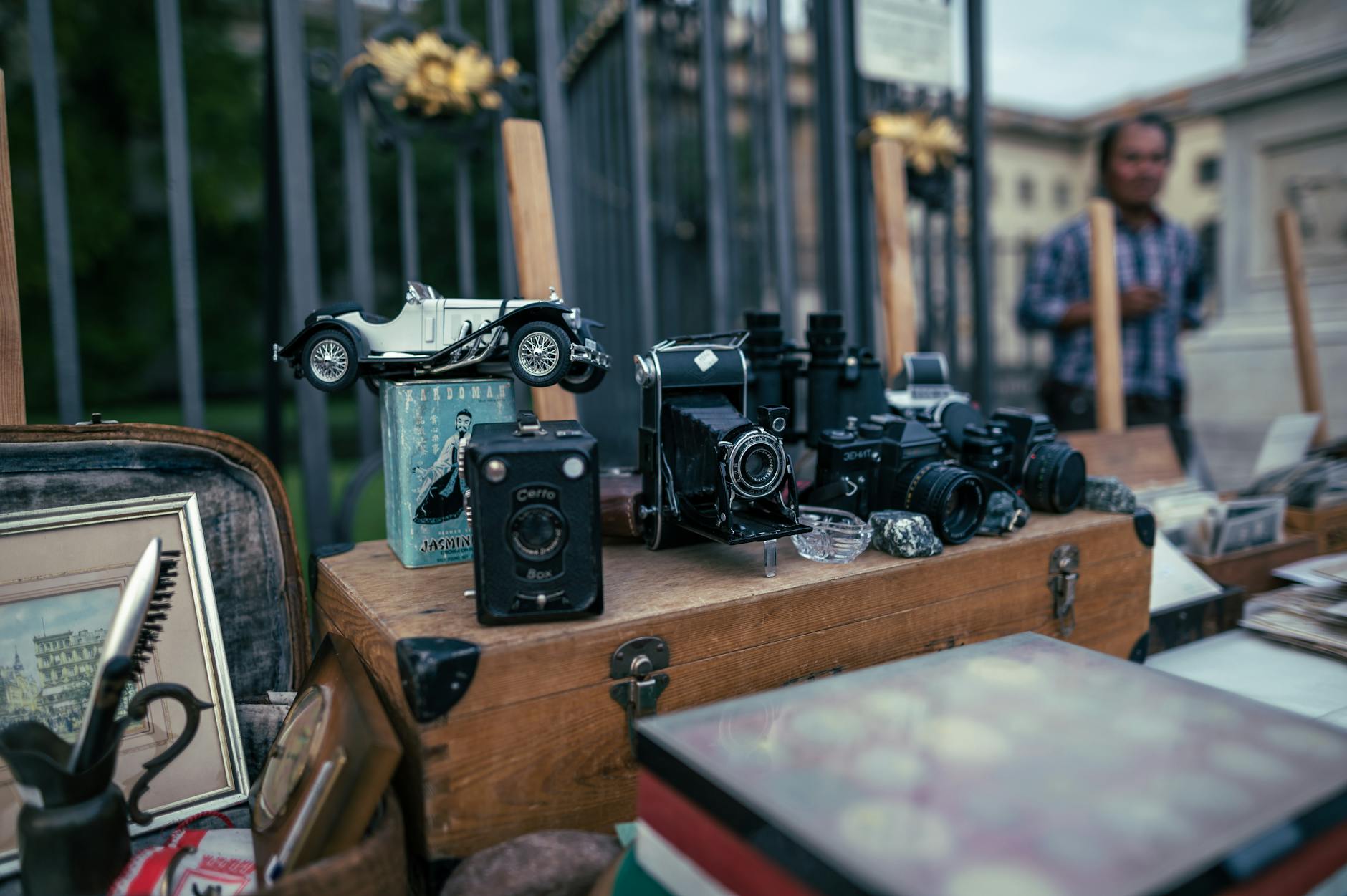
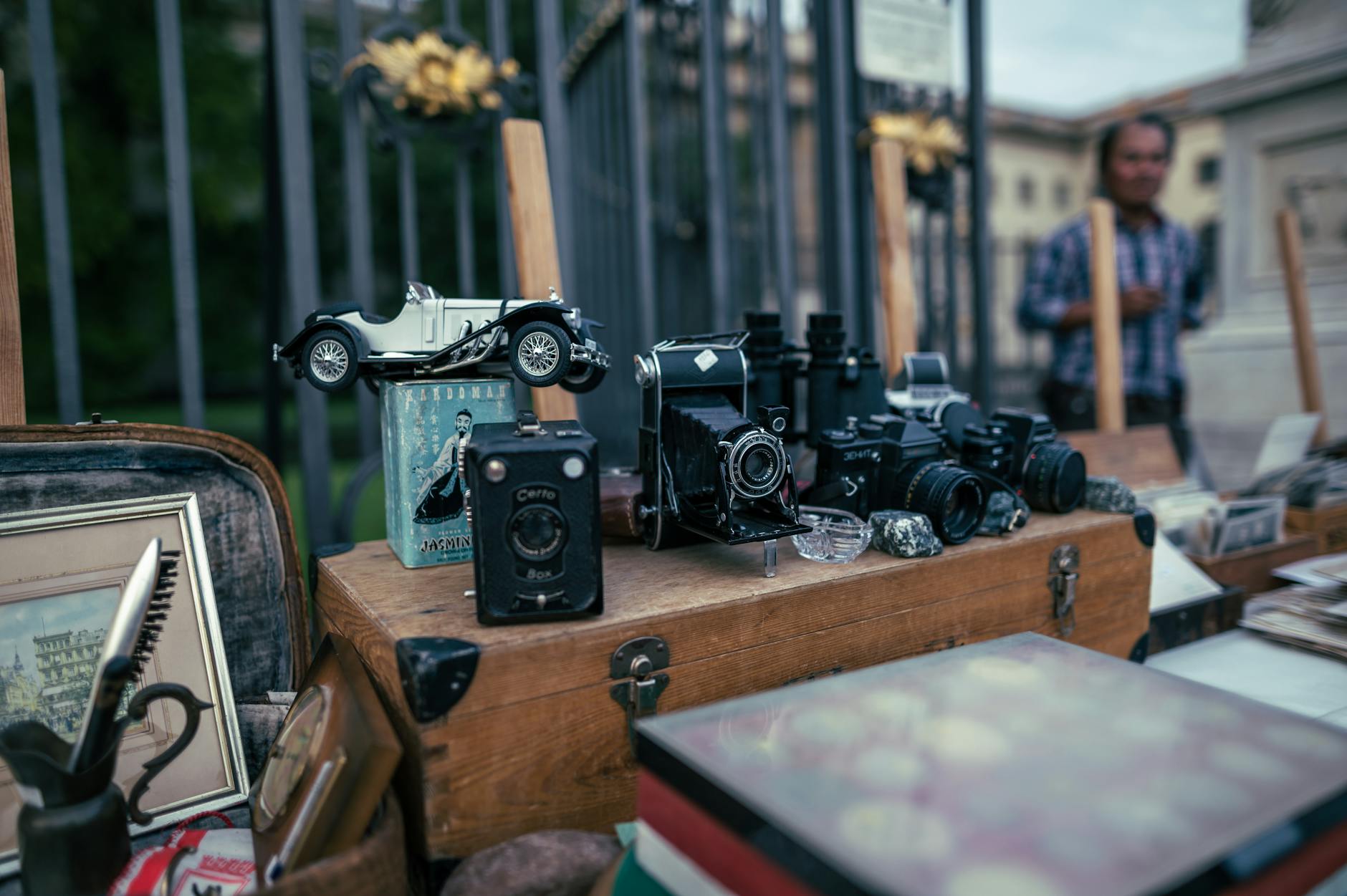
Lisbon’s Feira da Ladra flea market has been running since at least the 13th century — one of the oldest markets in Europe. Held every Tuesday and Saturday on the Campo de Santa Clara next to the National Pantheon in Alfama, it’s a chaotic, genuinely good treasure hunt. Stalls and blankets spread across the square sell everything from antiques, vintage Portuguese ceramics, and old azulejo tiles to second-hand clothes, books, vinyl records, and plain junk. Selection is better on Saturdays, when more vendors attend. Read our Feira da Ladra guide before you go — knowing what’s genuinely old saves money and trouble.
Tips for the Feira da Ladra: Arrive early (before 9am on Saturdays) for the best selection. Bargaining is expected but keep it reasonable — most vendors are not wealthy. Be cautious about buying antique tiles without provenance documentation. The surrounding streets have several good cafés for a break. Entry is free. Combine with a visit to the nearby National Pantheon and the Alfama viewpoints.
Time Out Market (Mercado da Ribeira)
Primarily a food hall, the Time Out Market at Cais do Sodré also has a solid selection of Portuguese design, craft, and souvenir shops on its upper level and mezzanine. The advantage is convenience — eat, browse, and shop under one roof. The traditional market section (mornings until 2pm, Monday to Saturday) sells fresh produce, flowers, fish, and meat, and is worth visiting for the atmosphere alone.
Mercado de Campo de Ourique
A more local alternative to Time Out Market, the Mercado de Campo de Ourique in the residential Campo de Ourique neighborhood combines a traditional fresh market with a curated food hall and a small selection of artisan shops. Less touristy, better priced, and with strong quality. Open daily. Take Tram 28 and combine with a visit to the nearby Estrela Basilica and garden. Our roundup of Lisbon’s best markets covers the food halls, flea markets, and neighbourhood mercados worth the detour.
Luxury and High-Street Shopping
Avenida da Liberdade is Lisbon’s grand boulevard and luxury shopping destination, lined with designer flagships including Louis Vuitton, Gucci, Prada, Burberry, and Cartier, alongside high-end Portuguese brands. The avenue’s 19th-century buildings and wide, tree-lined promenades make window shopping pleasant even without a luxury budget. For mainstream high-street shopping, Rua Augusta in Baixa is a pedestrianized street with familiar international chains, while the El Corte Inglés department store near São Sebastião metro has everything under one roof, including a superb food hall.
For shopping centers, Centro Colombo near Benfica (Blue metro line to Colégio Militar/Luz) is one of the largest in the Iberian Peninsula with over 340 stores and a cinema complex. Centro Vasco da Gama in Parque das Nações is a modern mall with river views and good dining options. Both are useful for rainy-day shopping or specific brand needs.
Portuguese Fashion and Craftsmanship
Portugal has a strong tradition of leather goods, textiles, and shoemaking that has been gaining international recognition. The country is one of Europe’s leading shoe manufacturers, and Portuguese-made footwear is known for its quality and construction. Fly London (contemporary casual shoes with distinctive designs) and Josefinas (handcrafted ballet flats, each pair made to order in Porto) are Portuguese brands that have achieved international success. In Lisbon, The Feeting Room in Príncipe Real curates a selection of Portuguese shoe brands in one location.
For clothing, Portuguese designers worth seeking out include Storytailors (dramatic, fairy-tale-inspired fashion), Alexandra Moura (contemporary womenswear), and Nuno Gama (menswear with traditional Portuguese influences). A Fábrica dos Chapéus in Baixa handmakes hats in traditional Portuguese styles and can custom-fit a hat in under an hour. Claus Porto, which produces luxurious soaps and fragrances in Art Deco-inspired packaging, has a beautiful flagship store in Príncipe Real — the products make excellent gifts and the packaging speaks for itself.
Practical Shopping Tips for Lisbon
Opening hours: Most shops open Monday to Saturday, 10am–7pm. Shopping centers are open daily 10am–midnight. Many smaller shops in the historic center close for lunch (1–2pm or 1–3pm), though this is becoming less common. Sunday openings are limited to shopping centers, tourist-area souvenir shops, and markets. Sales: Portugal’s main sale seasons are January–February and July–August, with discounts of 30–70 percent on fashion and household goods.
Tax-free shopping: Non-EU residents can claim a VAT refund (23 percent standard rate) on purchases over €50 at participating shops. Ask for a tax-free form at the point of sale, get it stamped at customs when leaving the EU, and claim your refund at the airport. Global Blue and Planet are the main tax-free operators in Portugal. The process is straightforward at Lisbon airport.
Bargaining: Fixed prices are standard in shops and boutiques. Bargaining is only appropriate at flea markets (Feira da Ladra) and antique dealers. Even at markets, keep it respectful — aggressive haggling is not part of Portuguese culture. A 10–20 percent discount on the asking price is a reasonable target. Shipping: For larger purchases (tiles, ceramics, wine cases), many specialist shops offer international shipping. Portuguese postal service (CTT) is reliable and affordable for smaller packages.
For a complete Lisbon itinerary that includes shopping time, or to plan guided shopping tours with local experts, check our related guides. The best souvenirs from Lisbon are the ones you’ll actually use at home. A bottle of Portuguese olive oil, a set of hand-painted tiles for your kitchen wall, or a cork bag you carry daily will remind you of Lisbon every time you reach for them.
Portuguese Ceramics and Pottery — A Buyer’s Guide
Beyond azulejo tiles, Portugal has a rich ceramic tradition that varies dramatically by region, and Lisbon’s shops offer the best selection from across the country. Understanding the different styles helps you choose meaningful pieces rather than generic tourist ware.
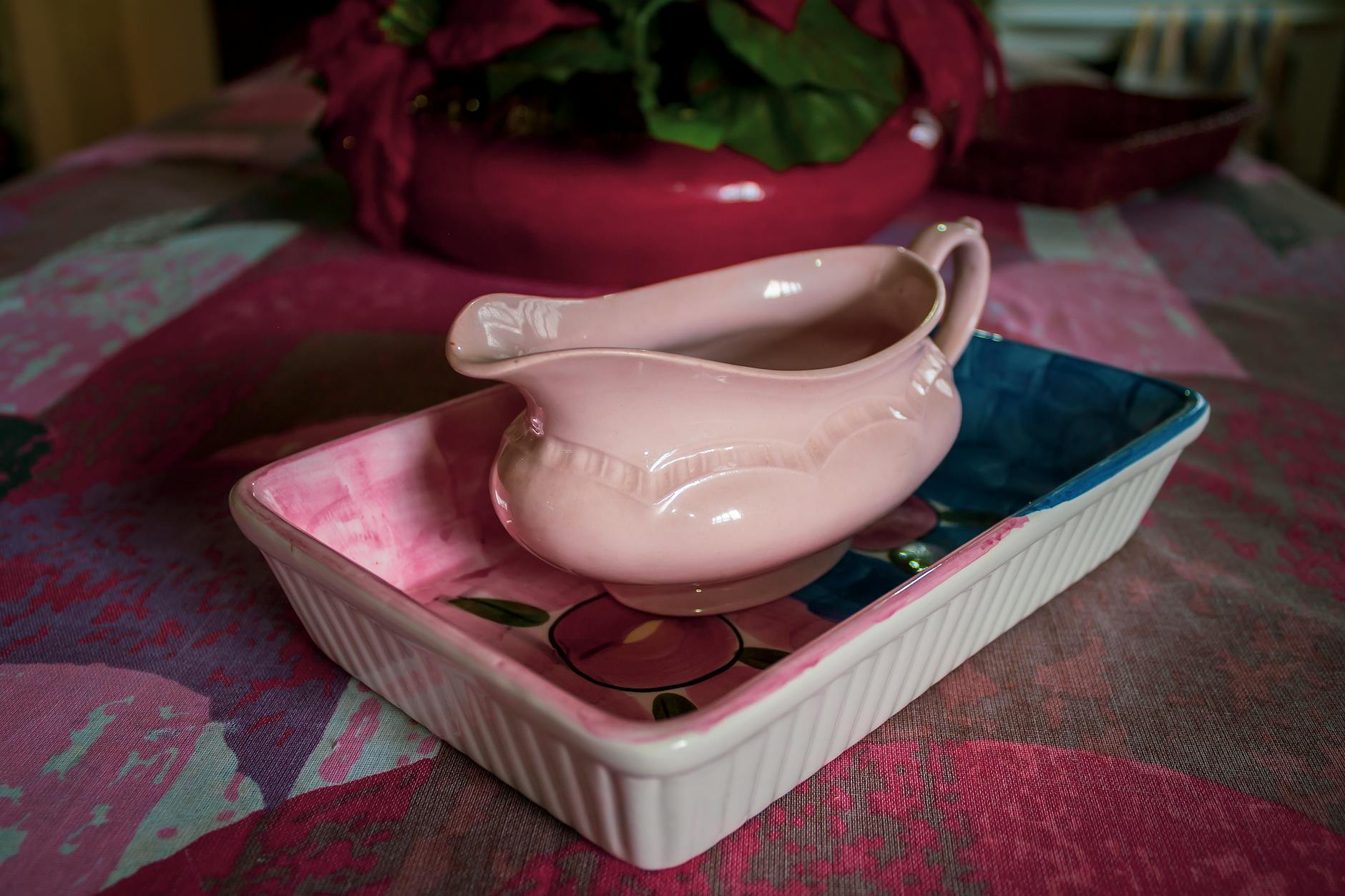
Bordallo Pinheiro ceramics are perhaps the most recognizably Portuguese pottery, featuring naturalistic designs of fruits, vegetables, leaves, and animals in vivid colors. Founded in Caldas da Rainha in 1884 by the artist and caricaturist Rafael Bordallo Pinheiro, the factory’s signature piece is the cabbage leaf tableware — plates, bowls, and tureens shaped and colored like actual cabbage leaves. These have become icons of Portuguese design, functional and decorative in equal measure. Available at A Vida Portuguesa and the Bordallo Pinheiro flagship store on Rua da Escola Politécnica in Príncipe Real. A large cabbage leaf platter runs €25–45.
Vista Alegre is Portugal’s premier porcelain brand, founded in 1824 and producing fine tableware, decorative pieces, and limited editions that are collected worldwide. Their Lisbon flagship on Chiado’s Largo do Chiado showcases the full range from affordable everyday pieces to museum-quality art porcelain. Their outlet store in the Alcântara area offers previous season designs at significant discounts. Fábrica de Sant’Anna on Rua do Alecrim in Chiado has been producing hand-painted tiles and ceramics since 1741 — you can visit their workshop, watch artisans painting tiles by hand using traditional techniques, and purchase everything from individual tiles (€10–20) to custom tile panels made to your specification.
Regional ceramics worth seeking out: Olaria de São Pedro do Corval pottery from the Alentejo (earthy, rustic terracotta with traditional patterns), Barcelos roosters (the colorful ceramic rooster is Portugal’s unofficial symbol — original ones from Barcelos in northern Portugal are hand-painted and significantly better than mass-produced souvenir versions, €15–40), and black pottery from Bisalhães in Trás-os-Montes (UNESCO-recognized craft using an ancient smoke-firing technique that turns the clay jet black). Santos Oficios in Baixa carries a curated selection of regional ceramics.
Bookshops and Literary Lisbon
Lisbon has a strong bookshop culture that reflects Portugal’s literary heritage — the country of Fernando Pessoa, José Saramago, and António Lobo Antunes. Several of Lisbon’s bookshops are destinations in their own right, worth visiting for the space as much as the stock.
Livraria Bertrand on Rua Garrett holds the Guinness World Record as the world’s oldest operating bookshop, founded in 1732. The labyrinthine rooms include an excellent English-language section and a cozy reading area. Ler Devagar (which translates to ‘Read Slowly’) in the LX Factory is consistently named among the world’s most beautiful bookshops — a vast former printing warehouse with books stacked in towering shelves, a suspended bicycle art installation, and a café where you can read your purchases. Livraria da Travessa in Príncipe Real, a Brazilian-Portuguese chain, occupies a handsome space with good fiction sections in Portuguese and English plus a café.
For used and rare books, Livraria São Carlos near the opera house specializes in antiquarian books and prints. The Feira da Ladra flea market has vendors selling second-hand Portuguese books, vintage postcards, and prints. Alfarrabistas (used bookshops) cluster around Rua do Alecrim and Rua de São Bento — browsing them is a pleasure even if you don’t read Portuguese, as you can find beautiful vintage editions, old maps, and antique prints of Lisbon.
Gourmet Food Shopping in Lisbon
Lisbon’s food scene extends to some outstanding specialty food shops. Portuguese gastronomy products are among the most underrated in Europe — bringing food souvenirs home lets you extend the Lisbon experience long after the trip.
Olive oil: Portugal is the world’s fourth-largest olive oil producer, and Portuguese extra virgin olive oil is excellent. Look for single-estate (monovarietal) oils from the Alentejo or Trás-os-Montes regions, typically in beautiful bottles for €8–18. Mercearia do Beco in Alfama is a tiny specialty shop with an excellent curated selection of Portuguese olive oils, honey, and preserves. The food sections of El Corte Inglés and Time Out Market also stock premium olive oils.
Chocolate: Bettina & Niccolò Corallo on Rua da Escola Politécnica sells extraordinary chocolate made from cacao grown on the family’s plantations in São Tomé e Príncipe (a former Portuguese colony off the coast of Africa). The chocolate is bean-to-bar and the flavors are intense and complex. Arcádia, based in Porto, has a Lisbon presence with classic Portuguese chocolate confections. Cheese and charcuterie: Manteigaria Silva on Rua Dom Antão de Almada in Baixa (not to be confused with the pastel de nata shop Manteigaria) has been selling Portuguese cheeses, cured meats, and deli products since 1890. Ask to try queijo de Azeitão (small, creamy sheep’s cheese from the Setúbal peninsula) or presunto from the Alentejo.
Pastries to take home: While pastéis de nata are best eaten fresh and warm, several Lisbon shops sell packaged Portuguese sweets that travel well: ovos moles from Aveiro (sweet egg yolk paste in thin rice paper shells shaped like barrels and fish), marmelada (quince paste — the original marmalade, a Portuguese invention), and ginjinha (sour cherry liqueur, sold in small bottles at any ginjinha bar). Casa da Ginja near Rossio sells bottled ginjinha in decorative bottles perfect for gifts (from €8).
Vintage and Second-Hand Shopping
Lisbon has a growing vintage and second-hand scene. The combination of Portugal’s textile heritage and the current vintage market means you can find exceptional quality at reasonable prices.
A Outra Face da Lua on Rua da Assunção in Baixa is one of Lisbon’s best vintage shops, with a carefully curated selection of clothing, accessories, and homewares spanning the 1920s to the 1990s. The owners have a strong eye and the shop’s Art Deco interior adds to the experience. Humana Vintage in Príncipe Real (part of the charity chain but with a curated vintage selection) offers well-priced second-hand designer and vintage pieces. El Dorado in Bairro Alto and Retrospectiva in Intendente are popular with younger shoppers for 1970s–1990s fashion.
For vintage homeware, antique tiles, old Portuguese ceramics, and decorative objects, the Feira da Ladra remains the best option, supplemented by antique shops along Rua de São Bento (Lisbon’s antiques street, with dozens of dealers in a short stretch) and Rua do Alecrim. The Mercado de Santa Clara (Saturday mornings, adjacent to the Feira da Ladra) has a more curated selection of antiques and vintage items than the flea market itself.