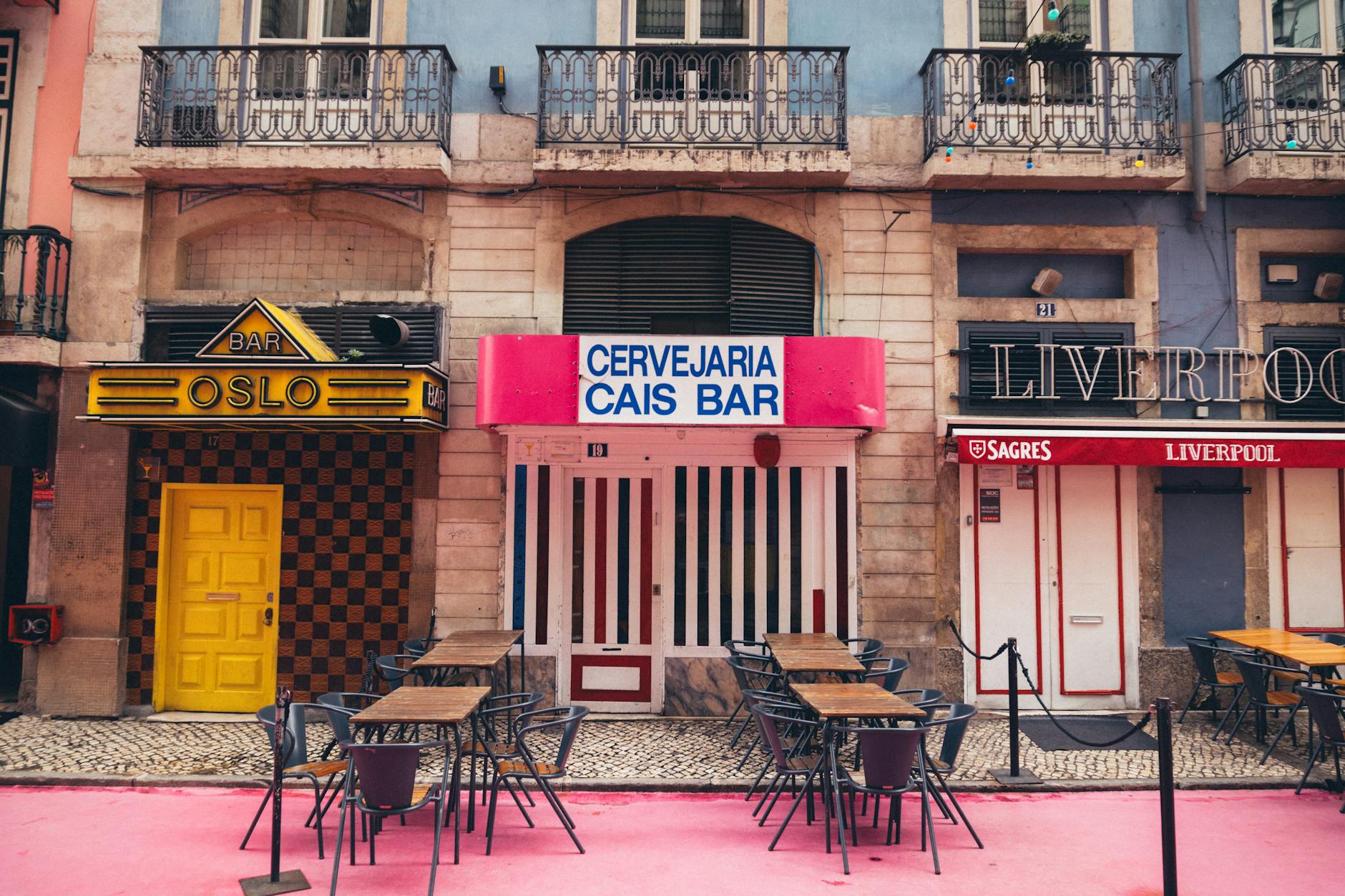
Lisbon Nightlife
Ginjinha in Lisbon: Where to Drink Portugal’s Cherry Liqueur 2026
Everything about ginjinha—Lisbon's beloved cherry liqueur. The best bars, the history, with or without the cherry, and the iconic A Ginjinha bar.
In this guide
- What Is Ginjinha?
- Ginjinha at a Glance
- The Origin Story
- How to Order Ginjinha
- The Best Ginjinha Bars in Lisbon
- Ginjinha Bars Compared
- Brands of Ginjinha
- Ginja in a Chocolate Cup (Óbidos Style)
- When to Drink Ginjinha
- Ginjinha and Lisbon’s Nightlife
- How to Buy Ginjinha to Take Home
- Ginjinha Cocktails (Modern Twist)
- Ginjinha Pro Tips
- Ginjinha Crawl Itinerary
- Ginjinha vs Other Portuguese Liqueurs
- Ginjinha in Portuguese Culture: The Bigger Picture
- Ginjinha and Fado: The Emotional Pairing
- How Ginjinha Is Made: The Production Process
- Ginjinha Outside Lisbon: Portugal’s Other Hotspots
- Rooftop Bars and the Evening After Ginjinha
- FAQ: Ginjinha Lisbon
- Bottom Line
Ginjinha Lisbon is the city’s traditional sour-cherry liqueur — sweet, dark red, surprisingly strong (18–24% ABV), served in tiny glass shots from hole-in-the-wall bars that have been pouring it the same way since 1840. A €1.50 ginjinha at the bar at A Ginjinha on Rossio is one of Lisbon’s most authentic cultural rituals.
This guide covers everything: where to drink ginjinha, the history, how to order, and the iconic bars worth visiting. Updated for 2026.
What Is Ginjinha?
Ginjinha (sometimes shortened to “ginja”) is a Portuguese liqueur made by infusing sour cherries (Prunus cerasus) in aguardente (a Portuguese grape brandy or fortified wine), then sweetening with sugar and adding a touch of cinnamon. The result: a deep red, sweet liqueur with a strong alcohol kick.
ABV: 18–24%
Color: Dark ruby red
Flavor: Sweet, slightly tart cherry, warming alcohol, hint of cinnamon
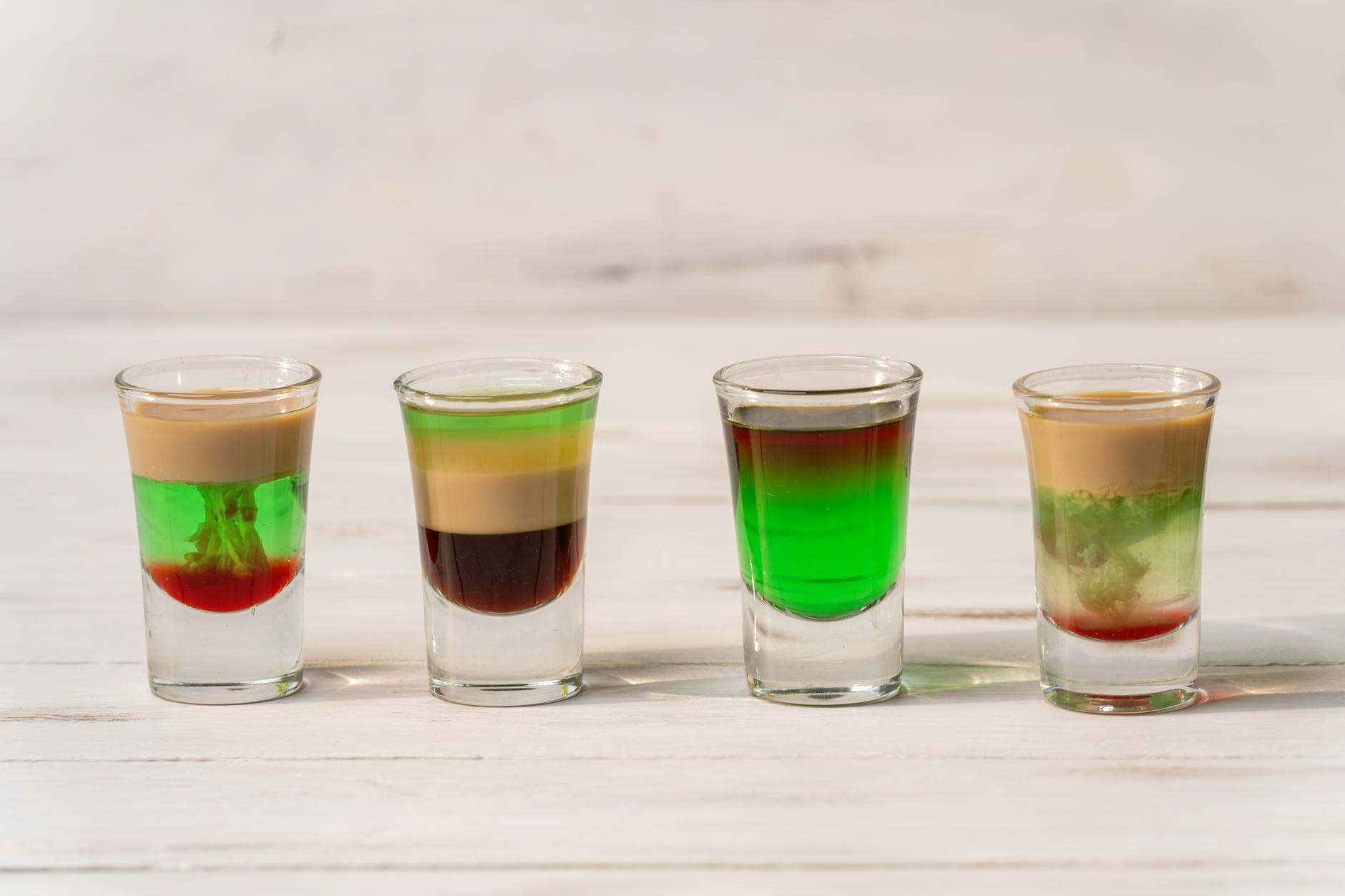
Serving: Tiny glass shot, room temperature, often with a whole cherry at the bottom
Ginjinha at a Glance
| What | Detail |
|---|---|
| What it is | Sour-cherry liqueur in aguardente (grape brandy) with sugar + cinnamon |
| ABV | 18–24% |
| Best bar | A Ginjinha, Largo de São Domingos 8 (original, since 1840) |
| Price | €1.20–€2 per shot at traditional bars |
| How to order | “Uma ginjinha, com elas, por favor” |
| The question you’ll be asked | “Com elas ou sem elas?” (with or without cherries) — always say com elas |
| Chocolate cup version | €2–€3; popular in Óbidos, available in Lisbon |
| Bottle to take home | €5–€20 at supermarkets, airport duty-free, or the bars |
The Origin Story
The traditional story: in 1840, a Galician immigrant named Francisco Espinheira owned a small grocery in Lisbon’s Largo de São Domingos. A friar from the nearby Igreja de Santo António, knowing the high cost of imported cherry liqueurs, suggested Espinheira make his own — by infusing local sour cherries (ginjas) with cheap aguardente and masking the harshness with sugar and cinnamon.
The result was an immediate hit. Espinheira opened a tiny bar dedicated solely to selling the new liqueur — he called it “A Ginjinha.” The bar still operates in the same spot today, run by the fifth generation of the same family.
What makes this story unusual is how little has changed. The bar is still about 10 square metres. It still serves exactly one thing. It still costs less than a coffee at a tourist café. In a city that’s seen significant gentrification pressure over the past decade, A Ginjinha is one of the few places that genuinely looks and functions exactly as it did 50 years ago.
How to Order Ginjinha
The ritual is simple but specific:
- Walk up to the bar (no tables — most ginjinha bars are standing-room only)
- Make eye contact with the bartender; say “Uma ginjinha, por favor”
- You’ll be asked: “Com elas ou sem elas?” (With cherries or without?)
- Say “com elas” for the full experience — a few cherries at the bottom of the shot
- Pay €1.20–€2 in cash. Drink the shot, then eat the cherries at the bottom
- Optional: ask for “Ginja com chocolate” to be served in a tiny chocolate cup (€2–€3)
The Cherries: Why They Matter
The cherries at the bottom of a ginjinha shot are soaked in the liqueur — intensely flavoured, a little boozy, and soft enough to eat whole. They’re not garnish; they’re part of the drink. Eating them after the shot is the correct way. Locals who order “sem elas” (without) are usually regulars who know exactly what they want; as a first-timer, always order com elas.
The cherries also tell you something about the quality: properly macerated cherries are dark, soft, and intensely flavoured. If they’re bright red and firm, the batch hasn’t had enough time.
The Best Ginjinha Bars in Lisbon
A Ginjinha (Espinheira)
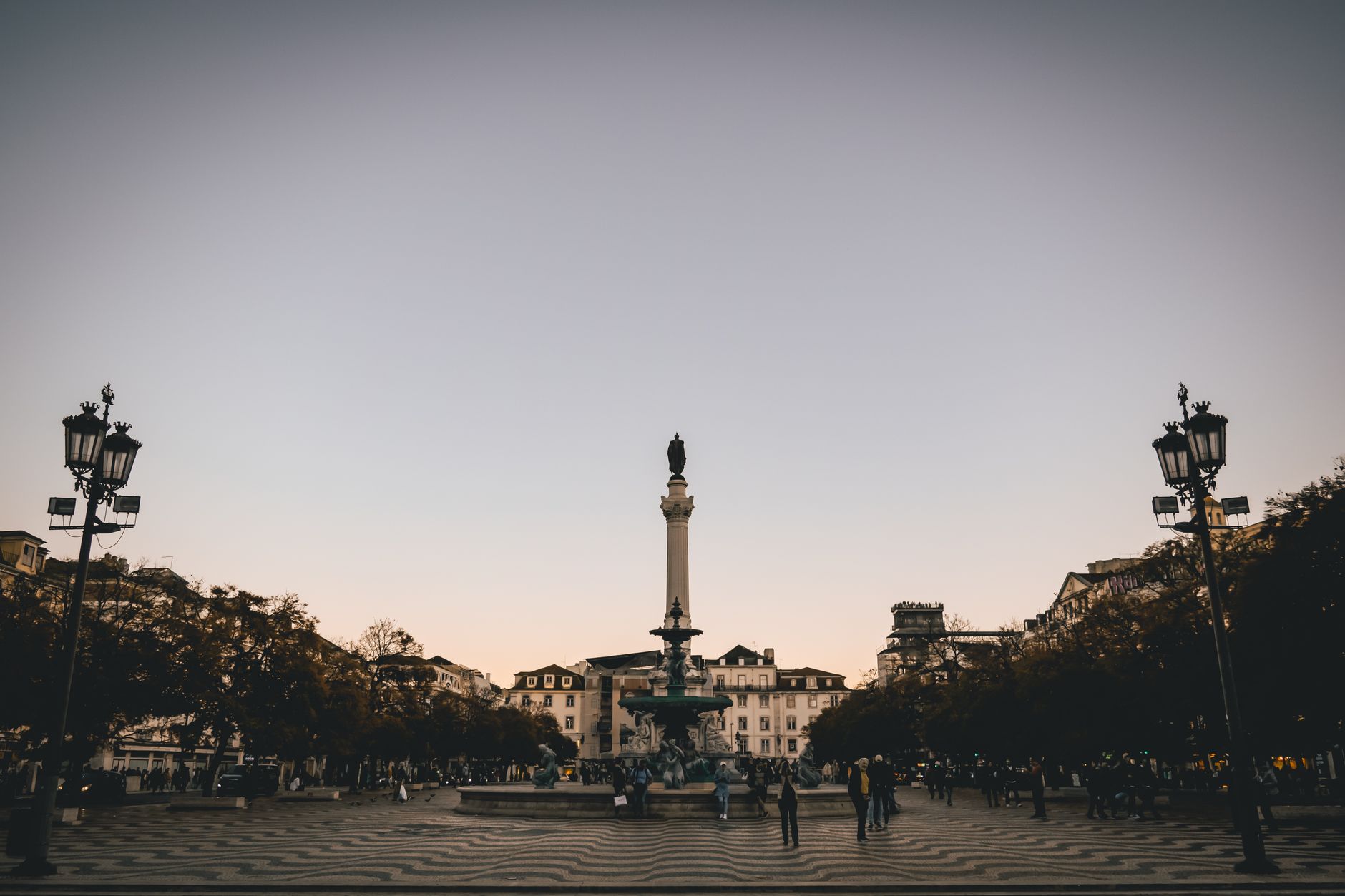
The original. Largo de São Domingos 8, just off Rossio Square. Open since 1840, same family for five generations. Tiny — fits maybe 8 people standing. The single most authentic ginjinha experience in Lisbon.
Hours: 9 AM – 10 PM daily. Often a queue spilling onto the square in the evening, but it moves fast (drinks served in 30 seconds).
Ginjinha Sem Rival
The runner-up. Rua das Portas de Santo Antão 7, near Rossio. Operating for 130+ years. The name means “Ginjinha Without Rival” — a confident counter-claim to the older A Ginjinha. Recognised as a “Loja com História” (historic shop) by the Lisbon municipality. Slightly more space than A Ginjinha; slightly more relaxed atmosphere.
Ginjinha Rubi
The local favourite. Rua Barros Queirós, just off Praça Martim Moniz. Operating since 1931. Less touristy than the Rossio bars, often a local-only crowd. Equally good ginjinha at slightly lower prices. Worth the 10-minute walk from Rossio if you want the experience without the tourist density.
Other Ginjinha Spots
- A Ginjinha do Carmo — Atmospheric, near Carmo Convent; good for a stop on the way up from Chiado
- Ginjinha do Castelo — Inside São Jorge Castle area; convenient if you’re already up there
- Most tascas serve ginjinha as an after-dinner shot — ask for “uma ginjinha” and you’ll usually get it
- Many supermarkets sell bottled ginjinha for €5–€15 to take home
Ginjinha Bars Compared
| Bar | Location | Since | Character | Price |
|---|---|---|---|---|
| A Ginjinha (Espinheira) | Largo de São Domingos 8 | 1840 | The original; tourist + local; very small | ~€1.40–€1.60 |
| Ginjinha Sem Rival | Rua das Portas de Santo Antão 7 | ~1890s | Historic; slightly more space; good atmosphere | ~€1.40–€1.60 |
| Ginjinha Rubi | Rua Barros Queirós (Martim Moniz) | 1931 | Locals-first; least touristy; authentic | ~€1.20–€1.40 |
| A Ginjinha do Carmo | Near Carmo Convent, Chiado | N/A | Good location; touristy but honest product | ~€1.50–€2 |
Brands of Ginjinha
Different bars use different recipes. Major brands:
- Espinheira — house brand of A Ginjinha bar; the “original”
- Sem Rival — house brand of the rival bar
- Ginja de Óbidos — from the medieval town of Óbidos; comes in chocolate cups (signature local thing)
- Ginja d’Alcobaça — from Alcobaça monastery region; some say more refined
- Mariquinhas — popular bottled brand widely available in supermarkets
Each brand has subtle differences in cherry-to-sugar-to-cinnamon ratio. The local rule: the bar’s house brand is always the “best” ginjinha there.
Ginja in a Chocolate Cup (Óbidos Style)
The medieval town of Óbidos (~1 hour north of Lisbon) is famous for serving ginja in tiny edible dark-chocolate cups. The ritual: you drink the shot, then eat the chocolate cup — the residual ginja inside the chocolate makes it intensely flavoured.
- Now widely available in Lisbon at gift shops and at Óbidos-themed bars (Ginjinha do Óbidos in Restauradores)
- €2–€3 per shot
- Touristy but genuinely delicious; the chocolate-cherry combination works
- Makes an excellent souvenir — boxes of mini chocolate cups filled with ginja are available at Lisbon Airport and souvenir shops
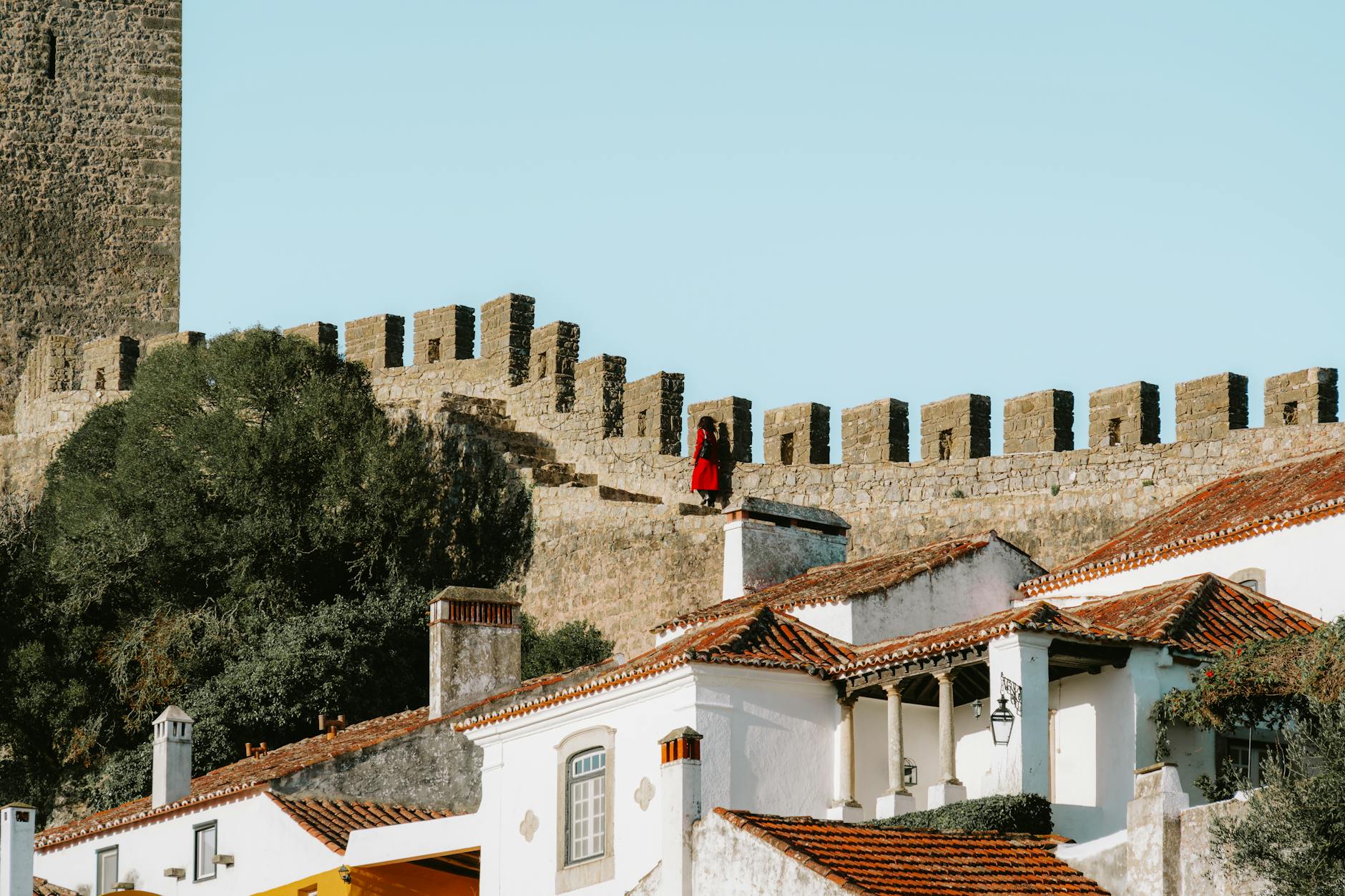
See our Óbidos day trip guide — the town is worth a half-day regardless of the ginja.
When to Drink Ginjinha
Traditional Times
- After meals — as a digestif; the standard use in restaurants
- Before going out — Lisboners often drink one at A Ginjinha as a pre-game shot before heading to Bairro Alto
- Mid-morning — Don’t be surprised to see locals having one with coffee; entirely normal
Practical Tourist Timing
- Late afternoon walking around Rossio — perfect quick-stop; A Ginjinha is a 2-minute detour
- After dinner before heading to Bairro Alto — the transition drink between dinner and nightlife
- Before a fado show — the shot and the song go together thematically
There’s no wrong time, but the most local moment is a mid-afternoon shot at A Ginjinha with one foot on the pavement and the sun on your back, watching the Rossio pigeons while elderly men argue nearby. That’s the real experience.
Ginjinha and Lisbon’s Nightlife
Ginjinha exists in its own lane — separate from cocktail bars, separate from wine, separate from the club scene. But it connects to all of them. The typical Lisbon evening goes: ginjinha shot at Rossio → dinner at a tasca → fado at a small house in Alfama → drinks at Bairro Alto or Cais do Sodré.
See our fado guide for the best intimate fado shows, our rooftop bars guide for pre-dinner drinks, and our best bars guide for the full Lisbon nightlife picture.
How to Buy Ginjinha to Take Home
Bottles sold at:
- A Ginjinha bar — €15–€20 for a 500 ml bottle of Espinheira recipe
- Pingo Doce / Continente supermarkets — €5–€12 for various brands
- Garrafeira shops — €10–€25 for premium versions
- Lisbon Airport duty-free — Convenient if travelling outside the EU
Customs: 1 liter allowance for travellers entering the US without declaring; check your home country’s rules. The 500 ml bottles from A Ginjinha bar are the best souvenir — the label is unchanged from the 1950s.
Ginjinha Cocktails (Modern Twist)
Some Lisbon cocktail bars use ginjinha in modern drinks:
- Pensão Amor (Pink Street) — Ginjinha sour cocktail; great atmosphere in a former brothel
- Park Bar — Ginjinha-based cocktails on rotating menu; rooftop setting
- Red Frog (Príncipe Real) — speakeasy with ginjinha-based creations; book ahead
Traditionalists prefer it straight; modernists love the cocktail twist. Both are valid — ginjinha’s sweetness and acidity make it a natural cocktail base.
Ginjinha Pro Tips
- Cash preferred at A Ginjinha and Ginjinha Sem Rival (cards work but slow them down)
- Stand outside if it’s full — drink in the square; no one minds
- Don’t sip — shoot the liquid; eat the cherries after
- 2–3 shots is plenty — at 22% ABV they sneak up on you
- Pair with a pastel de nata for the local cliché that actually works
- Photograph quickly — bars are small and busy; don’t hold up the line
- Ask which brand they use — regulars always know and have opinions
Ginjinha Crawl Itinerary
The ultimate Lisbon ginjinha experience in one afternoon:
4:00 PM — A Ginjinha (Rossio) — start at the original; com elas
4:30 PM — Ginjinha Sem Rival (5 min walk) — compare the two house brands
5:00 PM — Ginjinha Rubi (Martim Moniz) — the local’s version
5:30 PM — Walk to Carmo Convent and try Ginjinha do Carmo
6:00 PM — Done — about 4 shots, you’ve experienced ginjinha completely
Total cost: €6–€10. Total time: 2 hours. Total ABV consumed: treat yourself to dinner.
Ginjinha vs Other Portuguese Liqueurs
Worth knowing what else is out there if you’re building a tasting:
| Liqueur | Base | Flavour | ABV | Where from |
|---|---|---|---|---|
| Ginjinha | Aguardente + sour cherries | Sweet, tart cherry, cinnamon | 18–24% | Lisbon / Óbidos |
| Licor Beirão | Aguardente + herbs and seeds | Herbal, slightly sweet | 22% | Leiria region |
| Medronho | Arbutus berry (strawberry tree) | Earthy, strong, fruit-forward | 40–50% | Algarve / Alentejo |
| Port (Ruby) | Fortified wine + aguardente | Rich red fruit, sweet | 19–22% | Douro Valley |
| Moscatel de Setúbal | Fortified Muscat wine | Orange blossom, honey, dessert fruit | 17–18% | Setúbal Peninsula |
Ginjinha is the most Lisbon-specific of these; if you’re building a souvenir selection, a bottle of ginjinha + a bottle of medronho (from an Algarve producer) makes a good pair.
Ginjinha in Portuguese Culture: The Bigger Picture
Ginjinha occupies a specific cultural niche that is worth understanding before you visit. It is not a cocktail-bar drink. It is not associated with nightlife in the way that gin or whisky might be. It sits closer to the ritual category — alongside fado and the pastel de nata — as one of those things Lisboetas do because it’s what you do in Lisbon, full stop.
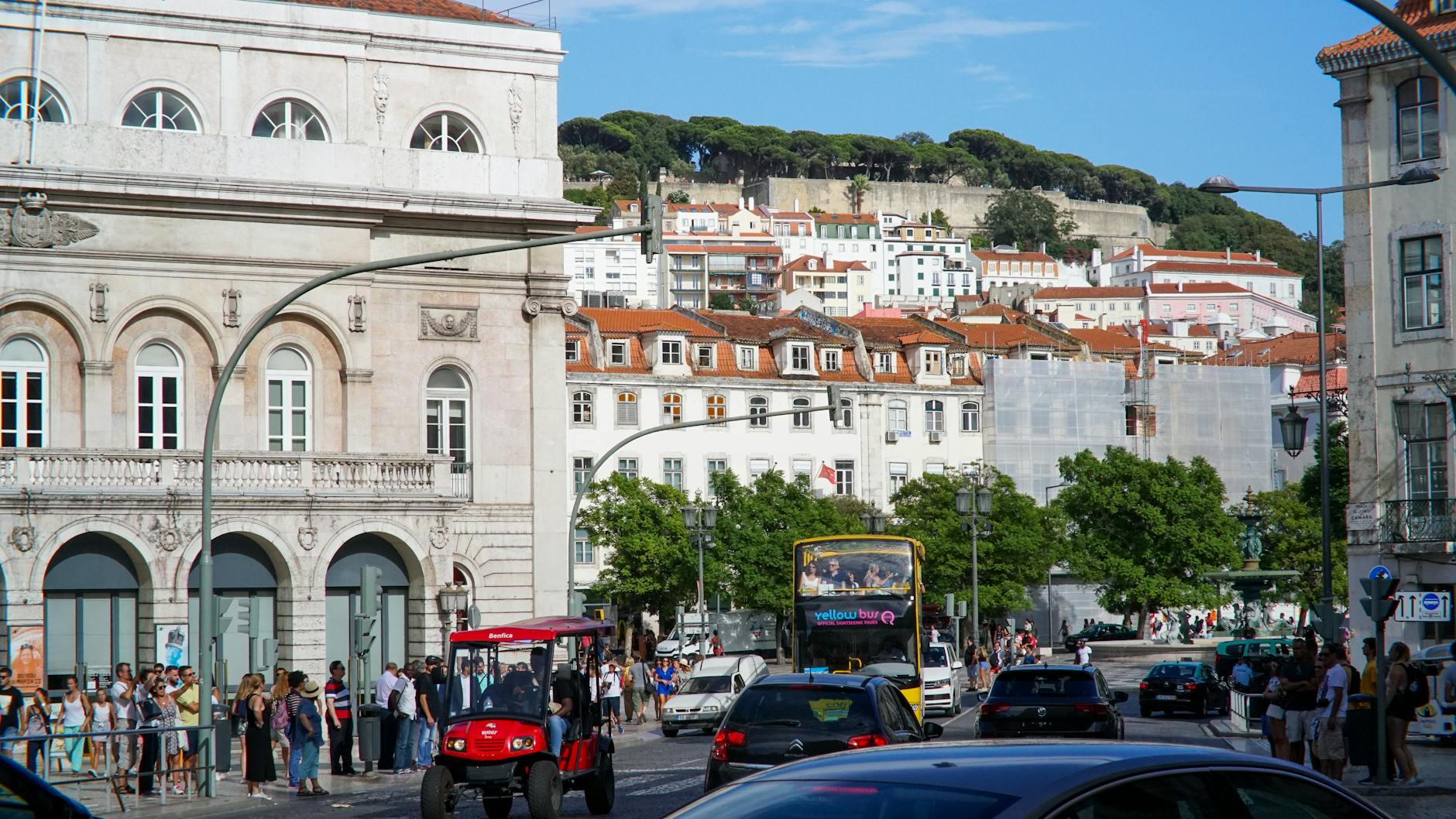
The bar at Largo de Sao Domingos is a few metres from some of the oldest churches in the city. The square outside has been a gathering point since the medieval period. The fact that a tiny liqueur bar has operated there continuously since 1840 without updating its decor, its menu, or its pricing model is not an accident. It’s a deliberate statement about what the city values.
For tourists, the practical implication is simple: do this once properly and it will be one of the most genuinely Lisbon moments of your trip. Do it at a gimmicky tourist bar that serves ginja in branded cups with a selfie backdrop and it will be just another transaction.
Ginjinha and Fado: The Emotional Pairing
Ginjinha and fado are Lisbon’s two most distinctively local cultural exports, and they share something thematically. Fado is built around saudade — that Portuguese notion of longing and melancholy for something absent. Ginjinha, consumed at a centuries-old bar by the same ritual every visitor from every generation has followed, has its own version of that feeling. You’re participating in something that hasn’t changed.
If you’re going to a fado show — and you should — a ginjinha shot at A Ginjinha beforehand is the correct warm-up. Not because the alcohol helps (though a little does), but because both experiences are about slowing down and letting something old and Lisbon-specific wash over you.
See our guide to hearing fado in Lisbon for the best intimate fado houses in Alfama, and our guide to the best bars in Lisbon for where to continue the evening.
How Ginjinha Is Made: The Production Process
Understanding what’s in the bottle makes you a better taster. Ginjinha production follows a consistent process across all brands:
- Base spirit — aguardente, a Portuguese grape brandy typically 40 to 60% ABV. This is the backbone; quality matters. Cheaper brands use industrial spirit.
- Maceration — whole sour cherries (ginja variety, Prunus cerasus) are soaked in the aguardente for weeks or months. The longer the maceration, the more flavour transfers and the softer the cherries become.
- Sweetening — sugar is added to reduce the sharp alcohol edge and enhance the cherry flavour. The ratio varies by brand and is closely guarded.
- Spicing — cinnamon is the standard addition; some producers add cloves or vanilla in tiny quantities.
- Dilution to serving strength — the final blend is adjusted to 18 to 24% ABV for bottling. The cherries are strained out for the bottle but kept separately for serving com elas.
What distinguishes A Ginjinha Espinheira’s recipe from the competitors is primarily the maceration time and the cherry-to-spirit ratio. Locals claim they can taste the difference between brands immediately. Try two side-by-side on the crawl and see if you can.
Ginjinha Outside Lisbon: Portugal’s Other Hotspots
Ginja is made and drunk throughout central Portugal, not just in Lisbon. The other major centres:
Obidos
The medieval walled town (~55 km north of Lisbon) is the most famous non-Lisbon ginja destination. Obidos produces its own distinct version — slightly less sweet, with a more pronounced cherry flavour — and serves it almost exclusively in the chocolate-cup format. Every shop, bar, and restaurant in the town sells ginja; the best is at the independent producers rather than the tourist-market stalls near the main gate. See our Obidos day trip guide for planning the visit.
Alcobaca
The town of Alcobaca, known for its UNESCO monastery, also produces a regional ginja — Ginja d’Alcobaca — associated with the monastery tradition. Slightly drier and more refined than the Lisbon version.
Alcobaça and Setubal Regions
Several small producers across central Portugal make artisanal ginja from locally grown sour cherries. These don’t have wide distribution but occasionally appear at farmers markets and Lisbon’s specialty food shops (Mercado de Campo de Ourique is a good place to look).
Rooftop Bars and the Evening After Ginjinha
The ginjinha crawl typically finishes by 6 PM — early enough to catch the sunset from a rooftop. From the Rossio area, the most accessible options are Park Bar (about 15 minutes on foot through Bairro Alto) and the rooftop at Hotel Santiago de Alfama (5 minutes to Alfama). See our full rooftop bars guide for the complete list with hours and prices.
FAQ: Ginjinha Lisbon
What is ginjinha?
A Portuguese sour-cherry liqueur made from aguardente (grape brandy), sour cherries, sugar, and cinnamon. 18–24% ABV. Invented in Lisbon in 1840 and still served at the original bar.
Where’s the best ginjinha bar in Lisbon?
A Ginjinha (Espinheira) on Largo de São Domingos near Rossio. The original since 1840. For a more local feel, Ginjinha Rubi near Martim Moniz.
How much does ginjinha cost?
€1.20–€2 per shot at traditional bars; €2–€3 in chocolate cups; €5–€20 for bottles to take home.
What does “com elas” mean?
“With them” — meaning with whole cherries in the shot. The opposite is “sem elas” (without cherries). Always order com elas on your first visit.
Is ginjinha strong?
Yes — 18–24% ABV, similar to a fortified wine. Sweet so it tastes mild, but it adds up quickly. Two or three shots is the sensible limit before dinner.
Can I take ginjinha home?
Yes — bottles available at airport duty-free, supermarkets, and the bars themselves. Standard customs allowances apply (1 liter to US without declaring; EU rules vary by country).
Is ginjinha different from ginja?
Same thing — “ginja” is the informal shortening, used interchangeably. “Ginjinha” is the full name. You’ll hear both.
What’s the chocolate cup version?
Ginja served in a tiny edible dark-chocolate cup instead of a glass — popularised in Óbidos but available throughout Lisbon. You drink the shot then eat the cup. €2–€3. Excellent.
Bottom Line
Ginjinha is one of Lisbon’s most distinctive cultural experiences — a €1.50 cherry liqueur shot at a 185-year-old bar. Visit A Ginjinha at Rossio for the original ritual; Ginjinha Rubi for the local feel; the chocolate-cup version for the Óbidos signature touch. Drink it standing at the bar, eat the cherries at the bottom, and you’ve participated in a tradition older than most countries.
A ginjinha is a two-minute stop, not an evening. For the rest of it, the nightlife pillar covers the districts, the bars guide gets specific, rooftops are where to be an hour before sunset, and a fado house is the traditional way to end a night that started at a liqueur counter.