Lisbon Travel Guide
Lisbon Travel Tips: 25 Things to Know Before You Go (2026)
Essential Lisbon travel tips from locals covering etiquette, money, language, safety, transport, and common mistakes tourists make.
In this guide
These Lisbon travel tips are the things experienced travelers wish they’d known before their first visit — practical, money-saving, and culture-respecting advice that turns a good Lisbon trip into a great one. From understanding the bread-and-olives “couvert” trick to packing the right shoes for Lisbon’s brutal hills, this is what locals and seasoned visitors will tell you.
Timing a trip around a festival is easier than it looks — our Lisbon events calendar lists what happens when, and which weeks to avoid if you want a quiet city.
Money is the tip most people want first. Our guide to whether Lisbon is expensive has the current prices for everything from a counter bica to a Sintra palace ticket, with three daily budgets that actually hold up.
The single most useful thing to know on a departure day: your hotel will hold your bags after check-out for nothing. Our Lisbon luggage storage guide covers that and every paid alternative.
This guide covers 30+ essential tips across money, food, transport, etiquette, safety, and the common mistakes that cost tourists time and cash. Updated for 2026.
Quick Cheat Sheet
| Topic | Key fact |
|---|---|
| Currency | Euro (€) — small shops often cash-only |
| Tipping | 5–10% at restaurants if no service charge included |
| Language | Portuguese; English widely spoken in tourist areas |
| Tap water | Safe to drink throughout the country |
| Plug type | Type F (220V); standard EU plug |
| Time zone | WET (UTC+0); WEST (UTC+1) in summer DST |
| Emergency | 112 — police, ambulance, fire |
| Transit card | Viva Viagem (€0.50) — saves ~50% on every metro/tram/bus ride |
| Best months | April–June and September–October |
| Biggest mistake | Mixing Belém, Alfama, and Sintra in one day |
Money Tips
1. Bring Some Cash, But Cards Work Almost Everywhere
Most restaurants, hotels, and shops accept Visa and Mastercard without a second thought. Smaller tascas, market kiosks, and souvenir stalls are cash-only. Carry €40–€60 in small bills at all times — a €50 note at a corner café at 8 AM will cause problems.
2. Always Decline the Currency Conversion at ATMs
When the ATM asks “Convert to your home currency?”, always decline. The bank exchange rate is significantly better than the ATM’s “convenience” rate. Select the EUR amount and let your home bank handle the conversion.
3. Use Multibanco ATMs, Not Standalone Machines
“Multibanco” is the official Portuguese banking network — ATMs are inside or attached to banks and are found on virtually every main street. Standalone machines operated by Euronet and similar operators charge 5–15% conversion markups. Stick to Multibanco and you’ll pay standard bank fees only.
4. Tipping Is Modest
Round up the bill or leave 5–10% at sit-down restaurants. €1–€2 per drink at bars is generous. Hotel housekeeping: €1–€2 per day is appreciated. Taxi drivers expect rounding up to the nearest euro. Nobody will chase you down if you leave nothing at a café counter. See our full tipping guide for more detail.
5. The Lisboa Card: Worth It or Not?
The Lisboa Card gives unlimited Carris/Metro transport plus free or discounted entry to 52+ museums and monuments. It pays off if you’re doing Jerónimos Monastery (€21), the National Tile Museum, São Jorge Castle, and Belém on the same trip. For a single focused day in one neighborhood, skip it and pay singles. Check current pricing at visitlisboa.com.
Food & Restaurant Tips
6. The Couvert (Bread & Olives) Isn’t Free
Bread, butter, cheese, olives, or small appetizers placed on your table after you sit down are not complimentary. They appear on the bill at €2–€5 per person. To decline, say “Não, obrigado” (no, thank you) and they’ll be removed without any fuss. Keeping them and then disputing the charge is both futile and rude.
7. Lunch Is Cheaper Than Dinner
The “prato do dia” (daily lunch special) at a tasca runs €8–€14 and usually includes a starter, main, and sometimes a drink. The same kitchen may charge €18–€25 for similar food at dinner. Lisbon lunch hours are 12:30–3:00 PM. This is not a tourist trick — it’s how locals eat.
8. Portuguese Eat Late
Dinner in Lisbon starts at 8 PM and peaks around 9:30–10 PM. If you arrive at 6 PM, you may find restaurants literally closed for the gap between lunch and dinner service, or empty and giving you the “we open at 7:30” look. Build this into your schedule — it’s actually useful, because crowds thin out early.
9. Service Is Slower — On Purpose
Portuguese restaurants don’t rush you. The bill comes only when you ask — “a conta, por favor.” Catching a waiter’s eye is how you signal you want service; waving impatiently won’t help and will irritate the room. Settle into it. You’re not being ignored.
10. Avoid Restaurants on Rua Augusta and the Waterfront Terraces
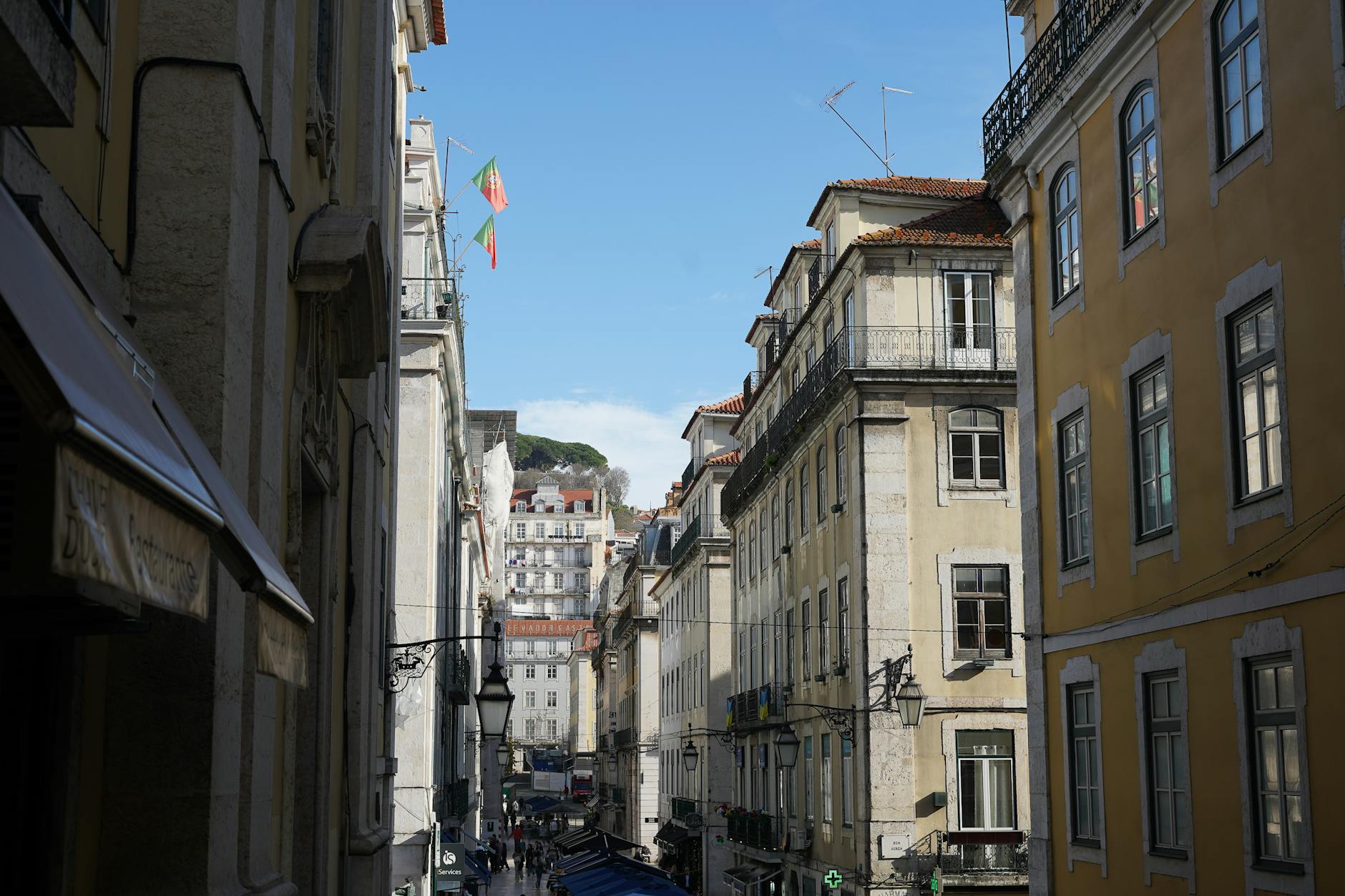
Restaurants with hosts standing outside holding photo menus are tourist traps without exception. Real Portuguese food is on side streets, in working-class neighborhoods like Mouraria and Intendente, in tascas with handwritten menus, and in any place that doesn’t have a glossy A-frame with photos of every dish.
11. Pastéis de Nata: The Debate Is Real
Pastéis de Belém (Belém, since 1837) vs. Manteigaria (Chiado, modern, perpetual queue). Both are worth trying. Both factions are right. Don’t let anyone tell you there’s only one answer. Eat them warm with cinnamon and powdered sugar within five minutes of purchase. See our guide to Lisbon’s best pastéis de nata.
12. Ginjinha: One Shot Before Leaving
The sour cherry liqueur served in tiny chocolate cups at kiosks around Rossio costs €1.50–€2 and is deeply Lisbon. You don’t need to like it. You need to try it once. A Ginjinha at Largo de São Domingos, standing outside, is more local than 90% of what travel guides recommend.
Transit Tips
13. Get a Viva Viagem Card on Arrival
The €0.50 reusable card lets you load “zapping” credit for pay-per-ride at €1.61 per trip vs. €3.10 for single-use paper tickets. Available from machines at any metro station. Load it at the airport before you leave the station — you’ll use it immediately. See our full metro guide.
14. Don’t Rent a Car in Lisbon City
Hills, one-way medieval streets, paid parking that costs as much as a hotel room, and Uber/Bolt available everywhere in under three minutes. There is no logical reason to rent a car for Lisbon itself. Rent one for day trips to Sintra, Setúbal, or the Alentejo if you prefer. See our car rental guide.
15. Tram 28 Is a Tourist Tram
It’s historically iconic and the route is genuinely beautiful. It’s also jam-packed and one of Europe’s most active pickpocket routes. If you want the experience, ride early morning (before 9 AM) or after 7 PM. Avoid it between 10 AM and 5 PM in summer entirely. See our dedicated trams guide.
16. The Airport Metro Is the Right Call
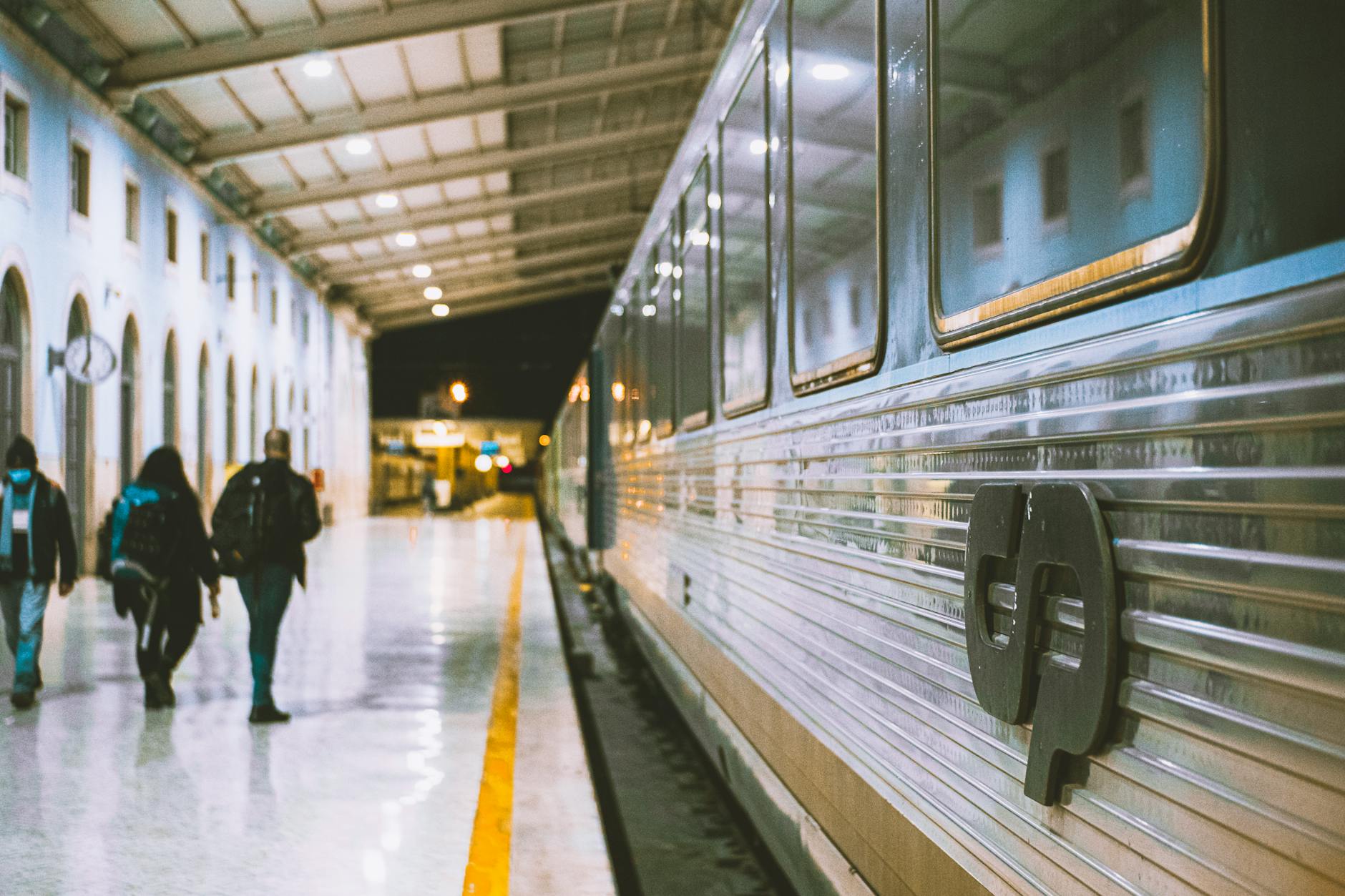
€1.90 to central Lisbon (Alameda, Marquês de Pombal, Baixa-Chiado), 25 minutes. Skip airport taxis (€10–€18) and transfer vans unless you have serious luggage, are arriving after midnight, or are traveling with young children. The metro goes directly from the arrivals hall. See our airport transfer guide.
17. Uber and Bolt Are Cheap and Reliable
€5–€12 for most central Lisbon trips. Significantly cheaper than taxis. Faster than waiting for a bus uphill. Particularly useful for getting back to your hotel late at night when metro service has thinned out. Both apps work without a Portuguese SIM — just pre-load a data eSIM before you travel.
18. Funiculars and Elevators Count as Public Transit
The three historic funiculars (Glória, Bica, Lavra) and the Santa Justa Elevator are part of the Carris network. You pay with your Viva Viagem card — about €1.61 vs. the tourist single fare. They’re not theme park rides. They’re how Lisbon residents get up steep hills. See our funiculars guide.
Walking & Practical Tips
19. Wear Real Shoes. Seriously.
Lisbon is built on seven hills with cobblestone calçada portuguesa on most streets. The stones are polished by centuries of foot traffic and become slippery when wet. Sneakers, hiking shoes, or sturdy walking shoes are non-negotiable. Sandals and flip-flops will destroy your feet by day two and may cause a genuine slip injury. This is the single most repeated piece of advice on every Lisbon forum and it’s repeated because people keep ignoring it.
20. Plan by Neighborhood, Not by Sight
Group everything geographically. Don’t bounce between Belém, Alfama, Sintra, and Chiado in one day — you’ll spend half the day in transit. A good framework: Day 1 Alfama + Baixa + Chiado; Day 2 Belém; Day 3 Sintra or Cascais day trip. For a structured plan, see our Lisbon itinerary guide.
21. First Sunday Museums Are Free
The first Sunday of each month, most municipal museums open free of charge from 10 AM to 2 PM. This includes the National Tile Museum, the City Museum, the Fado Museum, and others. Nota bene: the Lisboa Card may not save you money on those particular mornings — check before buying.
22. Sundays and Holidays Change Everything
Many smaller shops and tascas close on Sundays. Jerónimos Monastery is closed Monday. Some museums close Tuesday. Plan ahead and check hours for anything you consider essential — particularly if visiting on a Monday or in a school holiday period.
23. Lisbon in Summer Is Genuinely Hot
July and August regularly hit 35°C+ (95°F+). Midday activities — long walks, Sintra hiking trails, castle visits — become unpleasant. Book the monuments for early morning, retreat indoors during 1–4 PM, and do your evening activities from 6 PM onwards. May–June and September are when the city makes more sense for active sightseeing. See our best time to visit guide.
Cultural Etiquette
24. Learn Five Portuguese Phrases
Olá (hello), Obrigado/a (thank you, male/female), Por favor (please), Bom dia (good morning), Desculpe (excuse me / sorry). That’s it. You don’t need to be fluent. Locals genuinely appreciate any attempt. One important note: speaking Spanish to Portuguese people reads as either ignorant or condescending — they’re not the same language, and Portuguese is the one spoken here. When in doubt, try English.
25. Cover Up at Churches
Jerónimos Monastery, the Sé Cathedral, and all working churches require covered shoulders and knees. Shorts above the knee and tank tops will get you turned away at the door. A light scarf or a small sarong takes up almost no luggage space and solves the problem permanently.
26. Respect Fado Performances
At fado tascas in Alfama, the entire room goes silent when a performer begins. No talking, no ordering drinks, no getting up, no phone screens, no flash photography. Eat between songs. The musicians are professionals; the audience knows the protocol. You’re not at a concert — you’re in someone’s living room. See our fado guide.
27. “Saudade” Is Real
Lisbon has a particular emotional tone — melancholic, nostalgic, quietly proud. Fado gives it a name. Locals don’t gush or perform enthusiasm at strangers. Don’t mistake the reserve for unfriendliness. Ask for directions, ask about the food, ask about the neighborhood — the warmth is there, just not performed.
Safety & Common Mistakes
28. Pickpockets Are the Real Safety Issue
Lisbon is among Europe’s safest capitals for violent crime. Pickpockets, however, are active and professional on Tram 28, the metro during rush hour, restaurant terraces, and queues at popular monuments. A money belt, a front-pocket wallet, and keeping your phone face-down on café tables eliminates 95% of the risk. See our full is Lisbon safe guide.
29. Drug Dealers in Bairro Alto Are Annoying, Not Dangerous
Late-night Bairro Alto involves people offering hashish or “cocaine” (often it’s not). Politely say no and keep walking. They don’t escalate. Don’t engage, don’t explain yourself, don’t feel obligated to negotiate. Two words and move on.
30. Belém Tower Interior: Restoration in Progress, Reopening Expected Around Mid-2026
Torre de Belém’s interior has been closed for restoration under Portugal’s Recovery and Resilience Plan, with reopening expected around mid-2026 — check current status before your trip at visitportugal.com. The exterior is fully accessible and photogenic from the riverside path regardless of the interior status.
31. Book Summer Accommodation Far Ahead
Lisbon fills up for July and August months in advance. If you’re visiting in peak season, book hotels as early as possible. Pena Palace in Sintra sells out its timed-entry slots 1–2 weeks ahead in summer — reserve online before you arrive. For Lisbon accommodation options see our best hotels guide and our Lisbon on a budget guide.
Bonus: Things Locals Want You to Know
- Don’t say “everything is cheap” — locals are dealing with rapid gentrification and rising costs
- Skip Bairro Alto on Tuesdays — the nightlife neighbourhood really only operates Wednesday–Saturday
- The pastéis de nata debate is real — Manteigaria (Chiado) vs Pastéis de Belém (Belém); try both
- Lisbon is openly gay-friendly — Príncipe Real is the main LGBTQ+ neighbourhood
- July and August are genuinely too hot for long outdoor days — May–June and September are the sweet spots
- The Lisbon Lion Santos jersey isn’t Portugal — Benfica and Sporting are the Lisbon clubs; friendly rivalry is intense
- Neighbourhood bakeries (padarias) open at 7 AM and serve better coffee and pastries at half the price of tourist cafés
Best Time to Visit Recap
| Season | Verdict | Notes |
|---|---|---|
| April–May | Best overall | Wildflowers, mild temps, manageable crowds |
| June | Excellent | Festas de Lisboa (Santos Populares) in June |
| July–August | Hot and crowded | 35°C+; peak prices; book everything well ahead |
| September–October | Excellent | Warm sea, harvest season, smaller crowds |
| November–February | Good value | Cool, some rainy days, lowest hotel prices, atmospheric |
See our full best time to visit guide.
Lisbon Travel Tips: Neighbourhood by Neighbourhood
Alfama
Lisbon’s oldest neighbourhood, Moorish in origin, built on the hill below the castle. Best in early morning before tour groups arrive. Evening is fado territory. Bring comfortable shoes — every street is a hill. See our Alfama guide.
Baixa and Rossio
The Pombaline downtown, rebuilt in a grid after the 1755 earthquake. The pedestrian shopping streets (Rua Augusta, Rua do Ouro) are busy but mostly tourist retail. More interesting are the arcaded plazas — Rossio, Praça do Comércio — and the Santa Justa Elevator for elevation. See our Baixa guide.
Bairro Alto and Chiado
Chiado has the best independent bookshops, design stores, and café culture. Bairro Alto starts dead in the day and transforms into bar territory after 10 PM Thursday–Saturday. The two bleed into each other — easy to spend a half-day exploring both. See our Bairro Alto and Chiado guide.
Belém
6 km west of centre. Home to Jerónimos Monastery, the Monument to the Discoveries, and the original pastéis de nata. Easily half a day. Reach it by train from Cais do Sodré (15 minutes) or Tram 15E (30 minutes). See our Belém neighbourhood guide.
LX Factory and Alcântara
Repurposed 19th-century industrial complex under the 25 de Abril Bridge. Best on Sundays when the market is running. Good food, independent design shops, and a wine bar in a former church nave. See our full guide to LX Factory.
Packing List Summary
- Comfortable walking shoes (essential)
- Layers — cool mornings even in summer, AC indoors
- Light rain jacket (October–April; occasional summer storms)
- Sunscreen (stronger than you think you need)
- EU plug adapter (Type F, 220V)
- Portable battery for your phone
- Small day bag — not a huge backpack on Tram 28
For the full list, see our Lisbon packing list.
FAQ: Lisbon Travel Tips
Is Lisbon a tourist-friendly city?
Yes — extremely. English is widely spoken throughout the tourist areas, the transit system is accessible and cheap, food is affordable compared to most Western European capitals, and walking distances between major sights are manageable. Lisbon is widely considered one of Europe’s most welcoming destinations.
What’s the biggest mistake first-time visitors make in Lisbon?
Treating Lisbon as a checklist of distant sights and trying to combine Belém, Alfama, Sintra, and Chiado in one day. Group activities by neighbourhood — Belém one day, Alfama another — to save 30–40% of your time and energy.
Do I need to tip in Lisbon?
5–10% at restaurants is appreciated but not mandatory. Round up at cafés and bars. Service charges are not usually included in the bill. Nobody will be offended if you leave nothing after a coffee at a counter.
Should I learn Portuguese before visiting Lisbon?
A few phrases (hello, thank you, please, excuse me) earn genuine goodwill. English works in virtually all tourist areas. Avoid speaking Spanish — it’s a different language and registers as dismissive.
Is tap water safe in Lisbon?
Yes — completely safe and clean throughout Portugal. Some people prefer bottled for taste preference, but there’s no health reason to avoid the tap.
What’s the best neighbourhood to stay in Lisbon?
Chiado and Príncipe Real for character and central access. Baixa for budget options and metro convenience. Belém for quieter, monument-adjacent atmosphere. See our where to stay guide for a full breakdown.
Bottom Line
Lisbon is forgiving — even unprepared travelers have a good time. But these tips help you skip the worst traps (the couvert charge, the Tram 28 pickpockets, the wrong shoes), spend less (Viva Viagem card, lunch specials, Multibanco ATMs), and respect a city that’s still figuring out how to absorb millions of visitors without losing itself. Plan by neighbourhood, eat where locals eat, ride the tram before 9 AM, and you’ll come home wanting to come back.
Most of these tips come down to timing and money. The best time to visit covers the first properly, the budget guide the second, the safety guide answers the question that generates the most bad advice online, and the travel guide pulls the planning together.