Lisbon Nightlife
Bairro Alto at Night: Your Guide to Lisbon’s Party District 2026
What it's really like going out in Bairro Alto—bar-hopping routes, the best streets, when to arrive, safety tips, and where locals actually go.
In this guide
- What Makes Bairro Alto Different
- Quick Reference: Bairro Alto Nightlife
- The Key Streets
- Best Bars in Bairro Alto
- Where to Eat Before Bairro Alto
- Bar Crawl Strategy: How to Do It
- What to Drink
- Bairro Alto vs Other Lisbon Nightlife Districts
- Safety in Bairro Alto
- Practical Notes
- Where to Stay for Bairro Alto Nightlife
- Seasonal Differences and Special Events
- First-Timer vs Repeat Visitor Approach
- FAQ: Bairro Alto Nightlife
- Bottom Line
Bairro Alto nightlife is Lisbon’s iconic outdoor party — hundreds of tiny bars packed into a medieval grid of narrow streets, drinks served in plastic cups taken outside, and a flowing crowd that wanders door to door from 10 PM until the city ordinance ends outdoor drinking at 2 AM. There’s no other nightlife district in Europe quite like it.
Several of Bairro Alto’s bars are part of the city’s LGBTQ+ scene, and the walk uphill afterwards is half the night — our gay Lisbon guide maps out where it goes.
It’s not a club scene. Bairro Alto is a neighborhood where the streets become the venue — conversations happen on cobblestones, every bar is someone’s regular, and the evening flows naturally from cocktail bar to fado tasca to Pink Street club without anyone planning it. This guide covers the best streets, which bars to seek out, what to drink, where to eat first, and how the night actually works. Updated for 2026.
What Makes Bairro Alto Different
Most nightlife districts centre on a few large clubs or a strip of big bars. Bairro Alto inverts this. The bars are tiny — most hold 15–30 people — and there are hundreds of them in a grid covering roughly 400 by 400 metres. You cannot spend an entire night in one venue; there isn’t room. The party is in the streets.
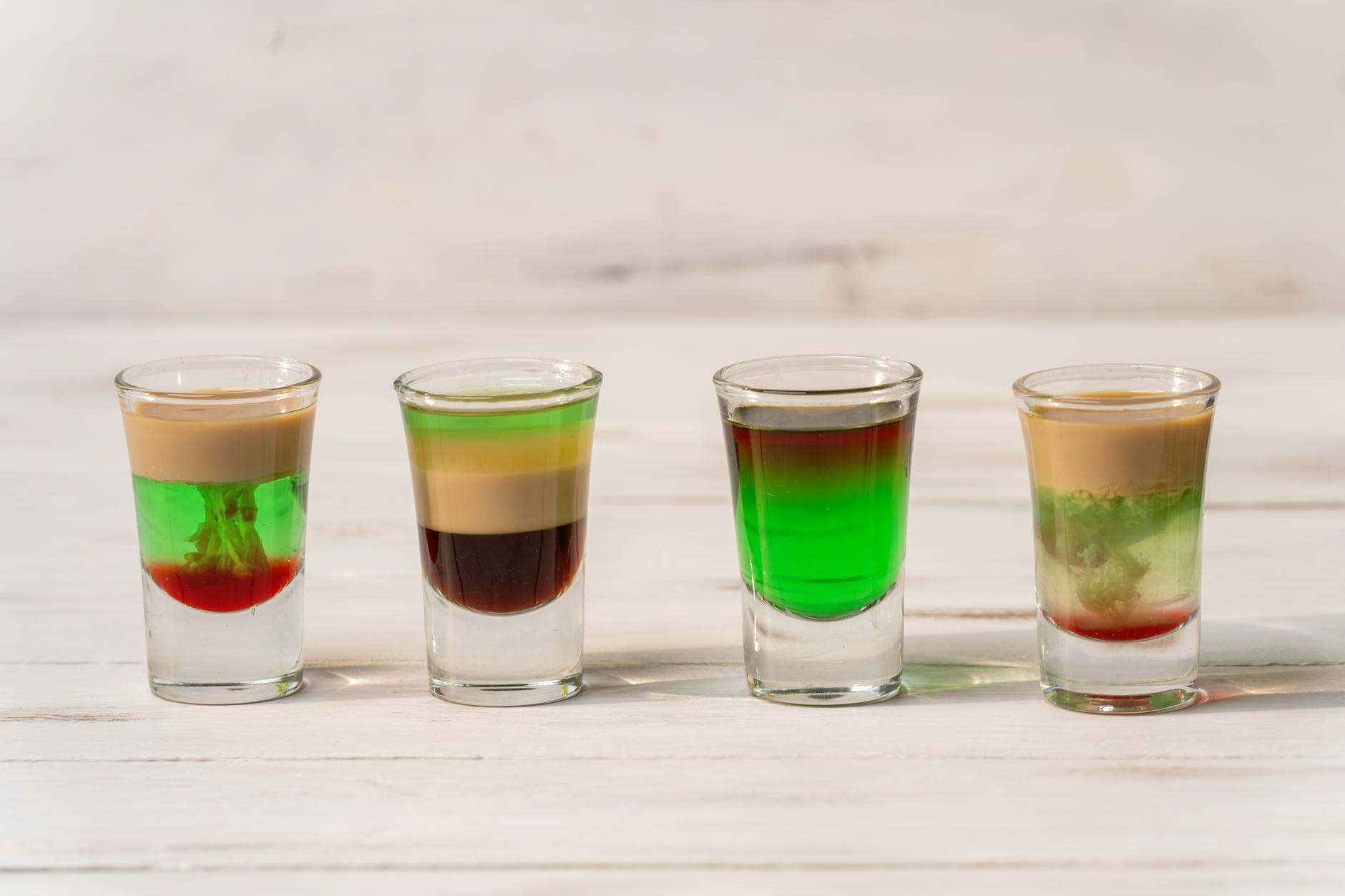
Drinks are cheap (€3–€4 for beer, €5–€8 for cocktails), service is fast because the bars are small, and the format encourages movement. You order, step outside with your cup, talk to whoever’s next to you on the cobblestones, finish the drink, go somewhere else. The crowd is genuinely mixed: Lisbon locals who’ve been coming for twenty years, Portuguese students, international visitors. No door policy, no dress code, no reservations. The barrier to entry is zero.
Quick Reference: Bairro Alto Nightlife
- Area: Roughly bounded by Rua do Diário de Notícias, Rua da Atalaia, Rua da Rosa, and Rua das Salgadeiras
- Best nights: Thursday–Saturday; Friday is peak
- When it kicks off: Streets fill from 10 PM; peak crowd 11 PM – 1 AM
- When it ends: Outdoor drinking ends 2 AM by city ordinance; indoor bars until 2:30–3 AM weekends
- After 2 AM: Crowd walks downhill to Cais do Sodré (Pink Street) for clubs open until 4–6 AM
- Drink prices: Beer €3–€4, cocktails €5–€8, ginginha shots €1.50–€2.50
- Cover charges: Free entry almost everywhere; live music venues €5–€10
- Getting there: Walk from Chiado (5 min) or Cais do Sodré (15 min uphill); Uber to Praça Camões
The Key Streets
The district is small enough to walk end-to-end in five minutes, but dense enough that you’ll find a different bar every few steps.
Rua do Diário de Notícias
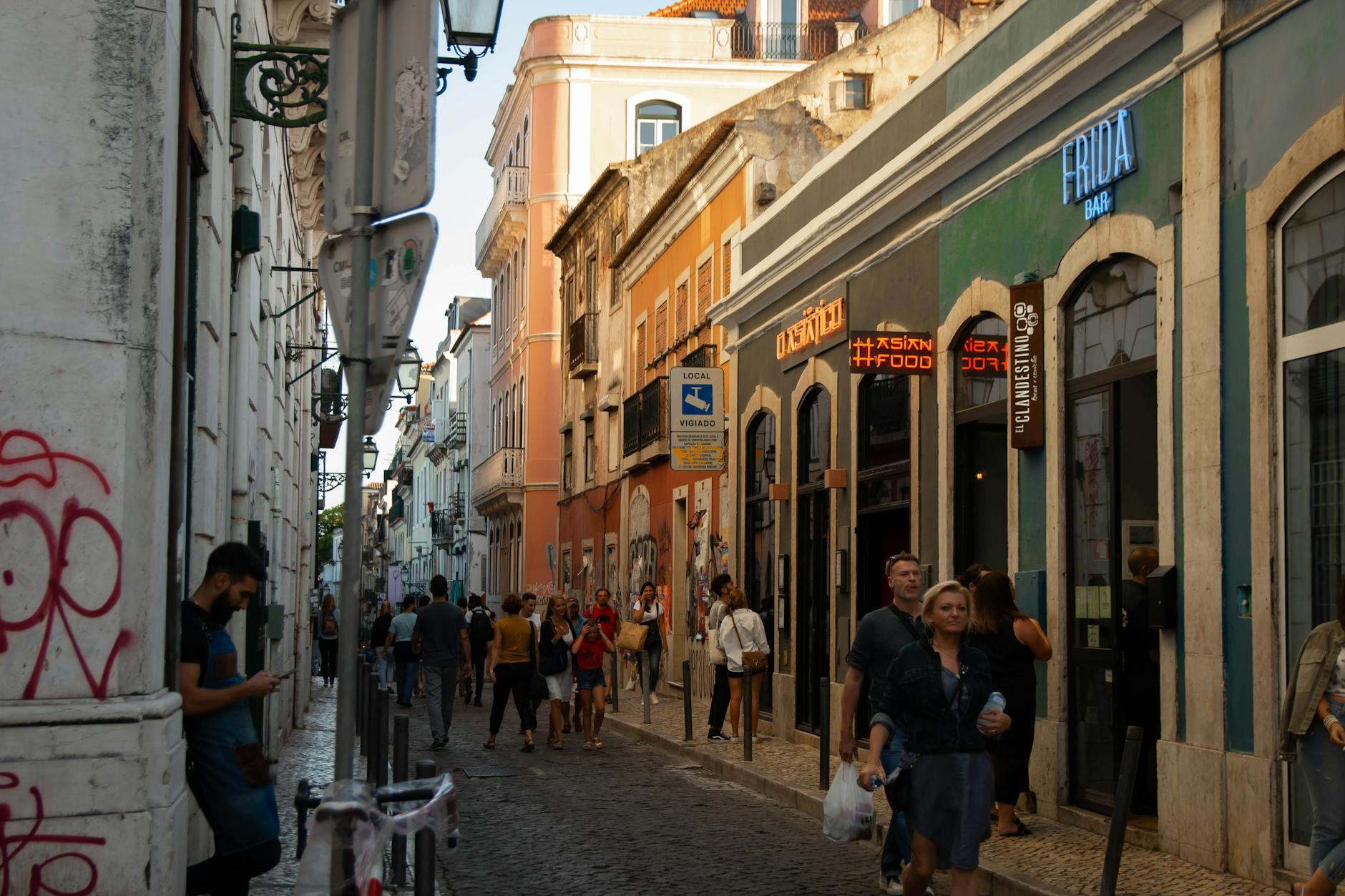
The neighborhood’s main spine. Highest density of bars — walk it end to end and you pass 30+ venues in 400 metres. This is where the outdoor crowd is thickest and where the classic Bairro Alto atmosphere peaks. Includes Páginas Tantas (jazz), Nova Tertúlia, and most of the classic bars.
Rua da Atalaia
Parallel to Diário de Notícias, one block east. Similar density, slightly calmer energy. Catacumbas Jazz Bar (underground vault, live jazz on Sundays), Maria Caxuxa (cocktails, local favourite), and The Old Pharmacy are here. Good street to start on before Diário de Notícias gets packed out.
Rua da Rosa
The northern boundary. Bars open earlier here, more cocktail-focused, slightly older crowd. The Old Pharmacy and Pub Português operate on this street. Good for a first drink at 9:30 PM before the main grid fills up.
Rua das Salgadeiras
Southern edge. A mix of upscale cocktail bars and traditional spots, slightly less chaotic than the central streets. Good for settling into one place at 1:30 AM when Diário de Notícias is at peak density.
Travessa da Queimada
One of the best cross-streets — connects Diário de Notícias and Atalaia. Several intimate bars crammed into narrow doorways. The kind of place you stumble into, realize it’s perfect, and spend an hour.
Best Bars in Bairro Alto
Iconic and Essential
Páginas Tantas (Rua do Diário de Notícias 85) — Jazz bar, one of the oldest on the street. Live music nights worth planning around. Intimate, always crowded, a place that’s been exactly the same for decades and is better for it. Cover charge for live shows (€5–€10).
A Capela (Rua da Atalaia 45) — In a deconsecrated chapel. Stained glass, organ pipes still mounted above the bar, low lighting, cocktails that match the atmosphere. If you only seek out one distinctive venue in Bairro Alto, make it this one.
Pavilhão Chinês (Rua Dom Pedro V 89) — Seven rooms packed with antique collections: tin toys, military helmets, glass cases of miniatures, a pool table. Quiet, conversation-focused, excellent pre-dinner or early evening stop. One of the oldest bars in Lisbon.
Maria Caxuxa — Local-favourite cocktail bar on Rua da Atalaia. Sophisticated drinks, informed bartenders, mid-range pricing. Popular with locals who want quality over volume.
The Old Pharmacy (Rua da Atalaia 40) — Vintage pharmacy decor, “elixirs” in apothecary bottles. Very touristy. Still fun if you’re in the right mood.
Pub Português — Portuguese craft beer focus. More sit-down than most Bairro Alto bars. Good if you want to actually taste something rather than just drink quickly.
Live Music
Tasca do Chico — Famous fado tasca. Spontaneous late-night fado from 9 PM, €5–€10 cover. One of Lisbon’s most respected small fado venues. Tiny — book ahead. See our Lisbon fado guide.
Catacumbas Jazz Bar (Rua da Atalaia 45) — Live jazz in an underground vault. Sundays are consistently the best nights.
Bar Mascote da Atalaia — Live Brazilian music nights, loud and unpretentious.
Rooftops Near Bairro Alto
Park Bar (Calçada do Combro 58) — On top of a multi-storey car park. 180-degree views of Lisbon and the Tagus, drinks €6–€12. Sunset on a Friday is one of the best experiences in Lisbon nightlife. Arrive before 7 PM on weekends or book ahead.
Topo Chiado (Largo do Picadeiro 10) — Hotel rooftop bar with Tagus and castle views, cocktails €10–€15. Good for early evening.
See our Lisbon rooftop bars guide for more options.
Where to Eat Before Bairro Alto
Most Bairro Alto bars serve drinks, not food. A few do bar snacks but no proper meal. Eat at 8 PM — restaurants in the surrounding streets are better before Bairro Alto hits full noise levels.
In and around Bairro Alto:
- Tasca da Esquina (Rua Domingos Sequeira 41) — Modern Portuguese, seasonal, good wine list, €25–€40 per head. Book ahead.
- O Trevo (Praça de Camões) — Classic bifana sandwiches and simple Portuguese food. Cheap and quick on Bairro Alto’s main square.
- Cervejaria Trindade (Rua Nova da Trindade 20, Chiado, 3 min walk) — 13th-century monastery converted to beer hall in 1836. Azulejo walls, solid Portuguese food, good for groups.
- Cantinho do Avilhez — Chef José Avilhez’s casual bistro, well-priced for the quality, near Praça do Príncipe Real.
Late-night after bars close: All-night gallego bars on Rua da Atalaia do sandwiches and beers until 3 AM. O Bom O Mau e O Vilão is open until 3 AM with cooked food.
Bar Crawl Strategy: How to Do It
9:00 – 10:30 PM: Pre-Drinks and Dinner
Don’t rush. The streets don’t fill properly until 10:30 PM at the earliest. Arriving before 10 PM expecting peak atmosphere means drinking alone in a quiet bar. This window is for dinner, or a quiet aperitif at Pavilhão Chinês or sunset drinks at Park Bar.
10:30 PM – 1:30 AM: The Crawl
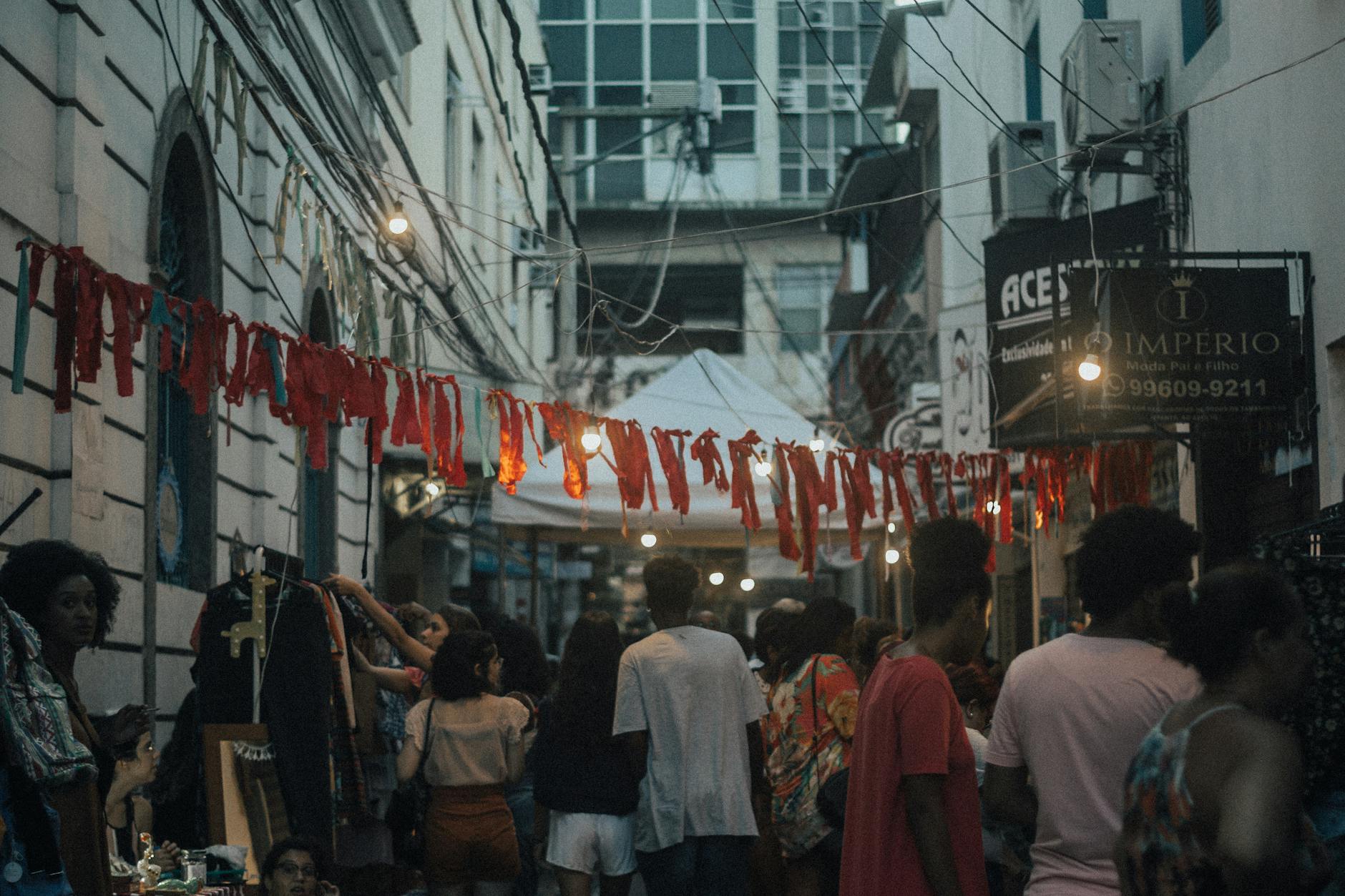
Walk into whatever bar looks busy. Step outside with your drink. Talk to whoever’s standing next to you. When the cup’s empty, walk on. The entire neighborhood is 500 metres across so you’ll naturally loop back to streets you’ve already been on. Walk Diário de Notícias end to end at least once; pop into Atalaia; find the cross-streets. Don’t plan a route. Let the crowd direct you.
The rhythm is: walk in → order → step outside → drink → conversation → move on. Each bar takes 20–40 minutes. Four hours covers 6–8 bars without effort.
1:30 – 2:00 AM: The Last Round
Outdoor drinking ends at 2 AM by city ordinance. Pick a venue you liked and settle in for final drinks. Indoor bars on Friday and Saturday stay open until 2:30–3 AM.
2:30 AM Onward: Pink Street
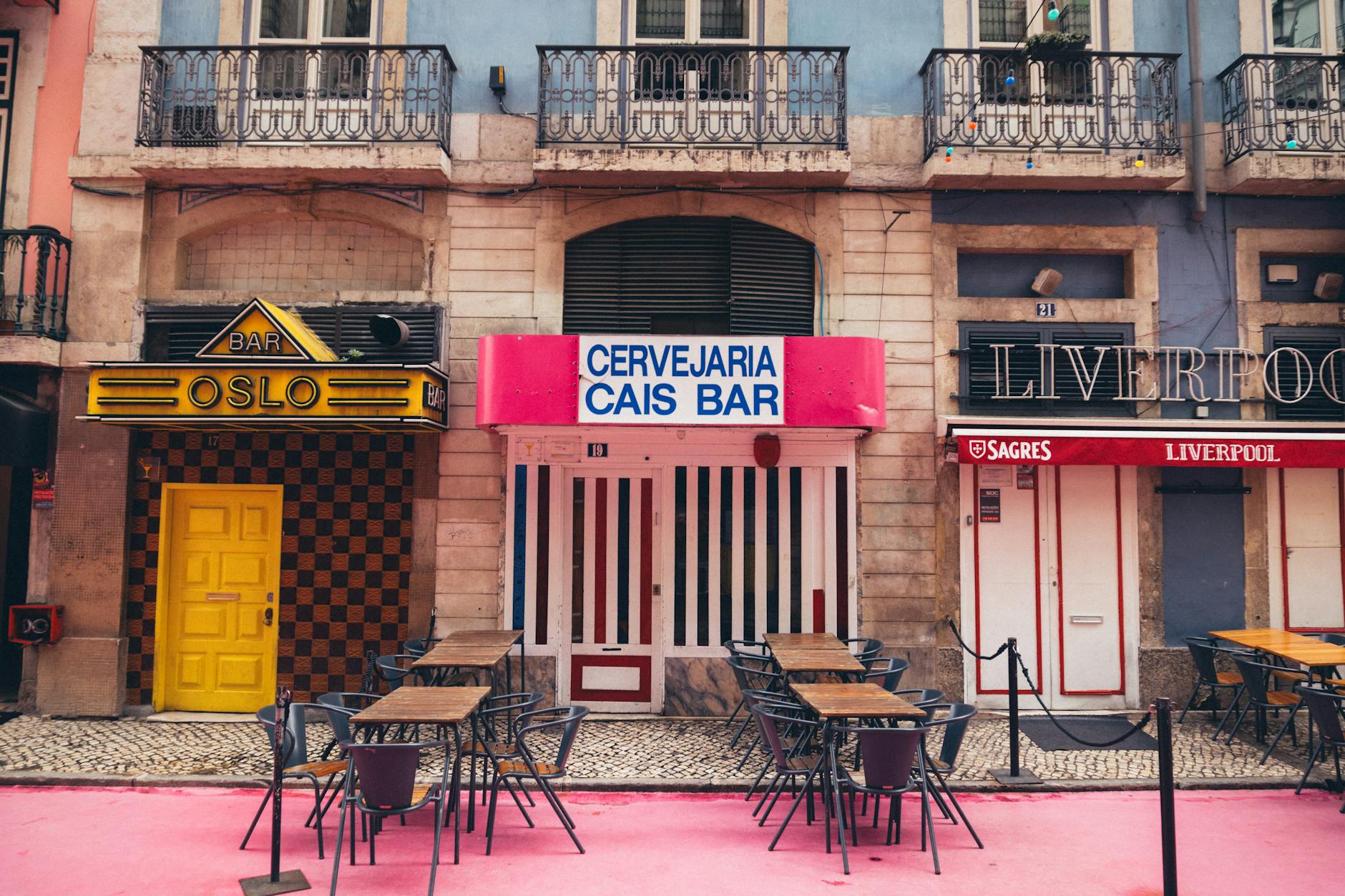
Walk 10 minutes downhill to Rua Nova do Carvalho in Cais do Sodré — the Pink Street, named for its painted asphalt. The clubs here (Pensão Amor, Music Box, Lust in Rio) open until 4–6 AM. Electronic music, dancing, higher energy. The transition from Bairro Alto bar-hopping to Pink Street clubs is the standard Lisbon night arc.
What to Drink
| Drink | What it is | Price range | Notes |
|---|---|---|---|
| Sagres / Super Bock | Portuguese lager | €3–€4 | Universal; the default order |
| Ginginha | Cherry liqueur shot | €1.50–€2.50 | The Lisbon shot — order it at least once |
| Caipirinha | Brazilian lime-cachaça cocktail | €5–€7 | Ubiquitous across Lisbon bars |
| Vinho verde | Light Portuguese white wine | €3–€5/glass | Good lighter option than beer |
| Mojito | Classic mojito | €5–€8 | Common at most bars |
| Craft cocktails | Quality mixology | €8–€12 | A Capela, Maria Caxuxa only |
Ginginha street sellers also roam Bairro Alto selling shots from trays — same price as inside, perfectly fine to buy from.
Bairro Alto vs Other Lisbon Nightlife Districts
| District | Vibe | Peak Hours | Best For |
|---|---|---|---|
| Bairro Alto | Small bars, outdoor street drinking | 10 PM – 2 AM | Bar-hopping, mixed crowd, low cost |
| Pink Street / Cais do Sodré | Clubs, DJs, dancing | 1 AM – 5 AM | Late-night, dancing, electronic music |
| Alfama fado tascas | Intimate, acoustic, traditional | 9 PM – 1 AM | Fado, small groups, cultural experience |
| LX Factory | Live events, pop-ups | Variable | Specific music nights, creative events |
| Príncipe Real bars | Cocktail bars, quieter | 8 PM – 1 AM | Conversation, quality drinks, LGBTQ+ scene |
See our full best bars in Lisbon guide for a complete breakdown by neighborhood.
Safety in Bairro Alto
Bairro Alto is generally very safe — busy, well-lit streets, high foot traffic until 2 AM. Standard precautions:
- Pickpockets target crowded outdoor areas. Keep wallet in front pocket, bag zipped and worn at front.
- Drug offers — hash and cocaine are regularly offered on the main streets. Politely decline and walk on. Drugs are decriminalized in Portugal but possession can result in a fine.
- “Free shot” flyers sometimes come with drink minimums. Decline them.
- After 2 AM: Uber and Bolt work well from Bairro Alto. Walking alone through central Lisbon at 3 AM is generally safe; use common sense on quieter back streets.
Practical Notes
Noise if you’re staying nearby: If staying in Bairro Alto, request a back-facing room for Friday and Saturday nights. Peak outdoor noise runs 11 PM – 2 AM. Sunday to Wednesday: genuinely quiet.
Dress code: None at most bars. Jeans and a clean shirt is the ceiling. Park Bar on summer weekends occasionally applies a soft dress code at the entrance.
Language: English is spoken everywhere. No preparation needed.
Cash vs card: Most bars accept cards but the outdoor cups are cash-only. Bring €30–€50 in cash.
Where to Stay for Bairro Alto Nightlife
- Bairro Alto itself: Maximum convenience, loud on Friday and Saturday until 2 AM
- Chiado: 5-minute walk, significantly quieter, still central — best overall for this area
- Cais do Sodré: 10-minute walk uphill, ideal for combining Bairro Alto and Pink Street
- Baixa: 15-minute walk, quiet evenings, fine transit connections
See our best hotels in Lisbon guide for specific recommendations by neighborhood.
Seasonal Differences and Special Events
Bairro Alto shifts character noticeably through the year. Knowing which version you’re walking into helps calibrate expectations.
June (Santos Populares): Lisbon’s biggest annual festival runs through June, with the peak on the night of June 12–13 (Santo António). Bairro Alto becomes even more packed than usual — the streets fill with sardine grills, paper decorations, and music from early evening. The district’s compact grid makes it one of the best places in Lisbon to experience the festival. Book accommodation well ahead; the whole city fills up.
Summer (July–September): Peak tourist season. Higher crowd density on weekends, more English spoken, some bars raise prices marginally. The energy is high but the local-to-tourist ratio shifts. Weeknight visits are more local-feeling than Friday or Saturday nights.
Autumn and winter: The most “authentic” version of Bairro Alto — regulars outnumber tourists, the narrow streets are quieter (but still lively on Fridays), and the whole experience is easier. Slightly shorter nights as bars close a little earlier on cold weeknights.
Thursdays year-round: Locally called “little Friday” — the best balance of crowd (busy but not crushed) and locals (more than on weekends). A good choice if you want atmosphere without the peak-Friday density.
First-Timer vs Repeat Visitor Approach
For a first visit to Bairro Alto, the classic route works: arrive around 10:30 PM, walk Rua do Diário de Notícias in full, visit A Capela and one or two other bars, transition to Pink Street around 2 AM. This covers the essential experience in one night.
For a second or third visit, go deeper into the side streets — Travessa da Queimada, the quieter end of Rua das Salgadeiras, the cross-streets between Atalaia and Rosa. Start earlier at Pavilhão Chinês for a proper first drink in a less-frantic setting. Find the bars that aren’t on any list and walk in anyway. Bairro Alto rewards familiarity.
For longer stays, Tasca do Chico for fado on one night and Park Bar at sunset on another gives you two completely different Bairro Alto experiences that happen to share a postal code.
FAQ: Bairro Alto Nightlife
What time does Bairro Alto get busy?
Bars start filling around 10 PM. Streets hit peak density 11 PM – 1 AM. Most bars lose energy after 2 AM when outdoor drinking ends by city ordinance.
Is there a cover charge in Bairro Alto?
Almost all bars are free entry. Live-music venues (Páginas Tantas, Catacumbas) charge €5–€10 for live nights. Tasca do Chico fado is €5–€10.
How much does a night in Bairro Alto cost?
€20–€50 per person for drinks. Stick to beer and ginginha shots and a full night costs €20. Cocktails at quality bars push toward €50.
Is Bairro Alto safe at night?
Yes — generally very safe. High foot traffic, good lighting, low serious crime. Standard pickpocket precautions apply.
What’s the difference between Bairro Alto and Pink Street?
Bairro Alto = small bars, outdoor drinking, conversational, peaks 10 PM – 2 AM. Pink Street (Cais do Sodré) = clubs, dancing, electronic music, peaks 1 AM – 5 AM. Most Lisbon nights transition from one to the other around 2–3 AM.
Is Bairro Alto good for an older crowd?
Yes — the age range is genuinely broad. Pavilhão Chinês, Park Bar, and the cocktail bars suit a different crowd to the main street party. Choose your venues and the experience adjusts.
When is the best night to go?
Friday for maximum energy. Thursday for busy without the Friday crush. Summer weekends skew more tourist; autumn/winter weeknights are the most local experience.
Can I combine Bairro Alto and fado in one night?
Yes — start at Tasca do Chico for late-night fado from 9 PM (book ahead), then walk the Bairro Alto streets from 11 PM. See our fado guide for venue details.
Bottom Line
Bairro Alto is one of Europe’s best outdoor nightlife experiences and one of the simplest: small bars, packed streets, cheap drinks, mixed crowd, no dress code, no cover. An evening that flows from cocktail bar to fado tasca to Pink Street club at 3 AM without anyone planning it. Eat first, arrive at 10:30 PM, walk into whatever looks busy, and let the streets do the rest.
Bairro Alto is one stage of a Lisbon night, usually the middle one. Rooftop bars are where the evening starts, a fado house is the alternative to the street entirely and needs booking, the bars guide names the places worth pushing into, and the nightlife pillar maps how the districts hand off to each other as the night goes on.