Shopping
Portuguese Cork Products: What to Buy & Best Shops in Lisbon (2026)
Portuguese cork shopping in Lisbon—wallets, bags, hats, and home goods. Best stores, what to buy, and how to identify quality cork.
In this guide
- Quick Answer: Best Cork Shops in Lisbon
- Why Cork from Portugal?
- The Cork-Oak Forest: Where It Comes From
- Best Cork Shops in Lisbon
- What to Buy: Category by Category
- Pricing Guide
- How to Identify Quality Cork
- Shopping Strategy: How to Spend Your Time
- Cork vs. Leather: Why Bother?
- Travelling With Cork Products
- FAQ: Portuguese Cork Products
- Caring for Cork Products
- Cork as a Gift: What Works and What Doesn’t
- The History of Portuguese Cork
- Bottom Line
Portuguese cork products in Lisbon are the city’s most distinctive contemporary souvenir — Portugal produces about half of the world’s cork from massive Alentejo cork-oak forests, and a creative renaissance since 2010 has turned cork into wallets, bags, hats, umbrellas, shoes, and home goods that look nothing like wine-bottle stoppers.
This guide covers what to buy, where to shop, how to spot quality, and why cork from Portugal is in a different league to anything sold elsewhere. Updated for 2026.
Quick Answer: Best Cork Shops in Lisbon
| Shop | Location | Best for | Price level |
|---|---|---|---|
| Cork & Co | Rua das Salgadeiras, Bairro Alto | Premium bags, wallets, jackets | €€€ |
| House of Cork | Rua Garrett, Chiado | Widest variety | €€–€€€ |
| Pelcor | Bairro Alto | Design-forward accessories | €€ |
| A Vida Portuguesa | Chiado / Intendente | Curated mix, authentic context | €€ |
| Cork Boom | Avenida area | Modern designs, tourist-friendly | €–€€ |
Why Cork from Portugal?
Portugal produces 49.5% of the world’s cork — by far the global leader. The cork oak (Quercus suber) thrives in the country’s Alentejo region, where some trees are over 300 years old. Cork harvesting is sustainable: the bark regrows every 9 years and the trees aren’t damaged in any way. The harvest is entirely manual — the same technique used for centuries — and the cork-oak ecosystem supports significant biodiversity, from griffon vultures to rare orchids. Portugal’s cork industry employs over 9,000 workers.
What changed after 2010 was design. Younger Portuguese designers started treating cork as a genuine material — comparable to leather in structure and feel, far lighter in weight, and with a grain you can’t fake. The result is a product category that has no real equivalent elsewhere.
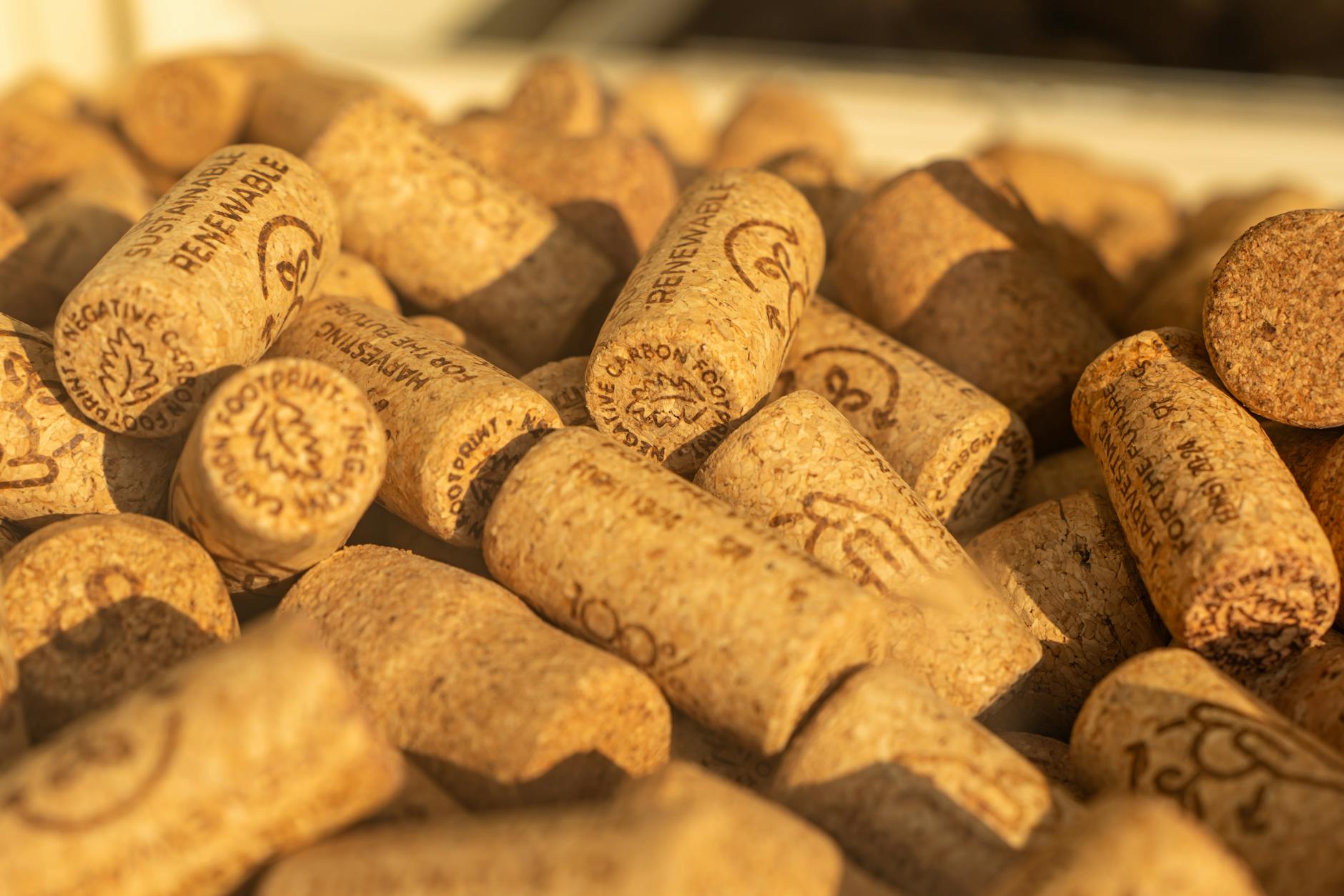
Modern cork products use agglomerated cork — recycled cork scraps fused with cork-compatible binders — for non-stopper applications. The result is flexible, warm to the touch, water-resistant, and genuinely hard-wearing.
The Cork-Oak Forest: Where It Comes From
The Alentejo’s montado landscape — a mosaic of cork oaks, grazing land, and scrub — is one of Europe’s most distinctive ecosystems. Trees are only harvested once they’re at least 25–30 years old, and the bark regenerates completely in nine years. A healthy cork oak can be harvested more than a dozen times over its 200-year lifespan. Each harvest is done by hand: skilled workers use curved axes to peel the outer bark in large sections without touching the inner layer beneath.
The bark sections are stacked, dried, and shipped to processing facilities, mostly in the Alentejo town of Ponte de Sor and around Setúbal. Portugal doesn’t just harvest cork — it processes and manufactures most of it domestically, which means the product you buy in a Lisbon shop is genuinely made in Portugal.
Cork forests sequester around 6 tonnes of CO₂ per hectare annually. Buying cork products from Portugal is about as sustainable a souvenir purchase as you can make.
Best Cork Shops in Lisbon
Cork & Co (Bairro Alto)
The go-to address for premium cork goods. Located on Rua das Salgadeiras in Bairro Alto, the shop hand-crafts wallets, bags, jackets, and accessories to a standard that genuinely matches Italian leather work. The materials feel supple and structured, not stiff or novelty-ish. €30–€200+. Open Monday–Thursday 11:00–22:00, Friday–Saturday 11:00–midnight, Sunday 15:00–21:00.
House of Cork (Chiado)
The larger showroom on Rua Garrett carries the widest product range in the city — bags, jewelry, hats, umbrellas, household items, and things you wouldn’t expect cork to become (phone cases, notebook covers, travel accessories). Mid-to-high pricing, good for comparative shopping before you commit to a bag elsewhere.
Pelcor (Bairro Alto)
More affordable and arguably more interesting from a design standpoint. Pelcor’s accessories have a cleaner, contemporary direction — less traditional Portuguese craft, more Lisbon design studio. Cork cardholders start around €18, bags from €55. Solid quality for the price.
A Vida Portuguesa (Multiple locations)
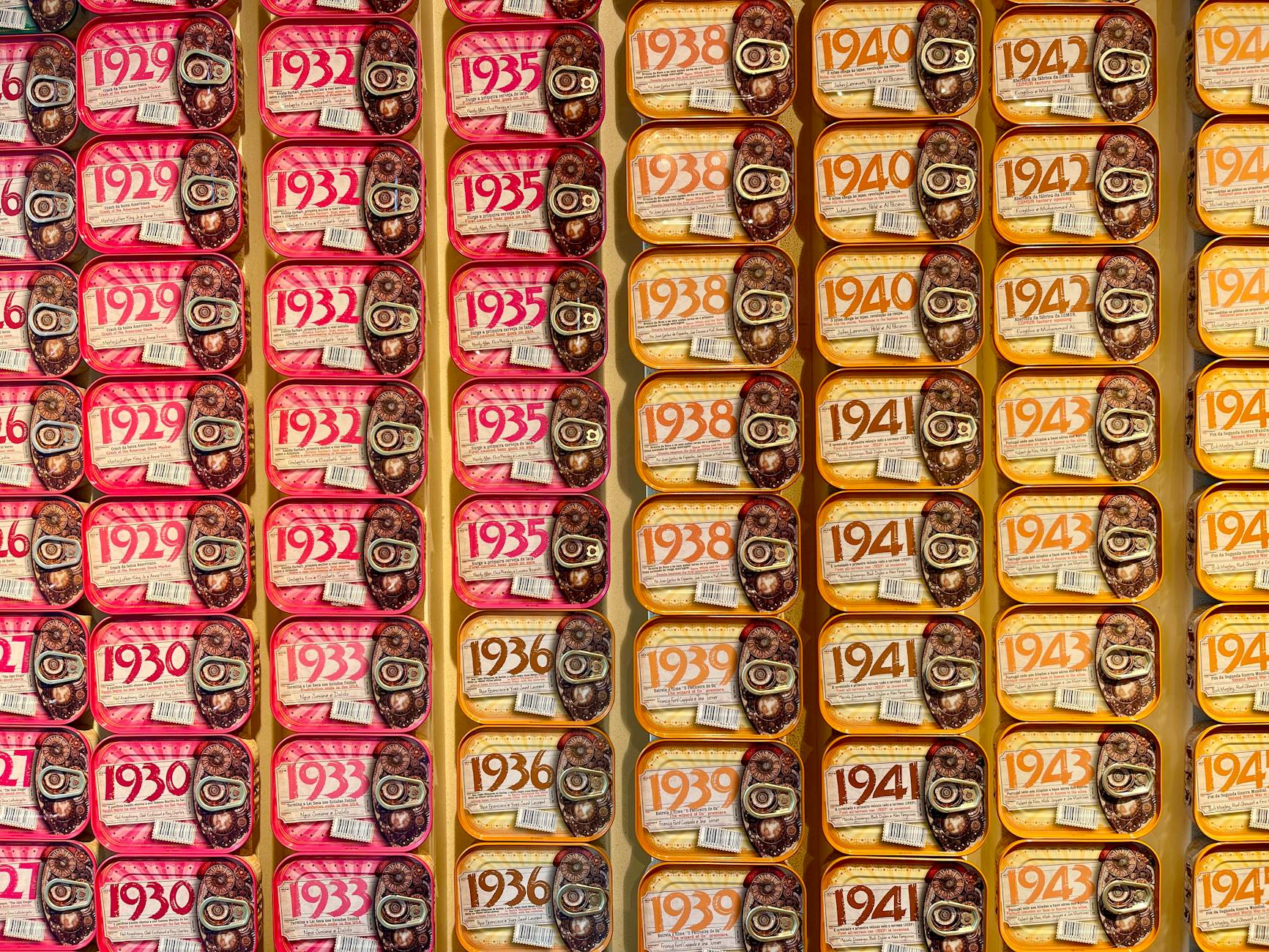
Not exclusively cork, but one of the best curated selections in the city. A Vida Portuguesa stocks cork products alongside traditional Portuguese goods — sardine tins, soaps, ceramics — in beautiful tiled shops in Chiado and the Intendente neighborhood. Good for gifts and for understanding what you’re buying in context.
Cork Boom (Avenida area)
A newer entrant with bright, modern designs aimed at tourists. Prices are friendlier, designs are bolder. Fine for a small accessory; not where you’d buy a bag you expect to last a decade.
What to Buy: Category by Category
Wallets and Small Goods (€20–€80)
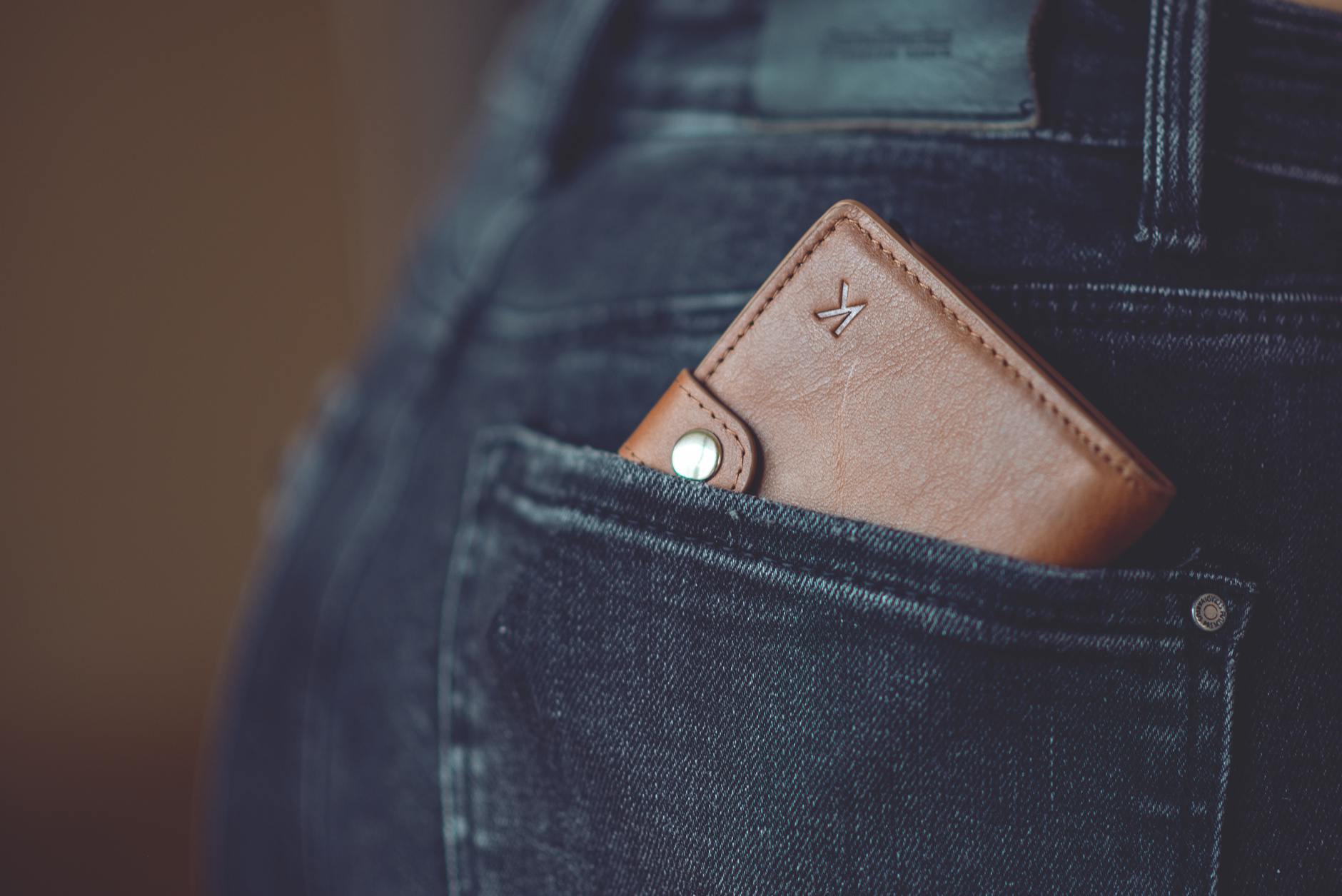
The classic entry point. Cork wallets are thin — slimmer than most leather wallets — lightweight, and genuinely water-resistant. A good bifold from Cork & Co or Pelcor will outlast most cheap leather wallets. Cardholders start at €18–€25. If you’re not sure about cork, start here before committing to a bag.
The range runs from minimalist cardholder (€18–€30) to a full bifold with coin pocket (€40–€70) to a structured document wallet (€60–€80). Texture and finish vary between makers — some have a visible grain, others are pressed smooth. Both look good; it’s personal preference.
Bags (€60–€220)
Where cork products get genuinely impressive. Crossbody bags, totes, and backpacks made from cork have real structure and hold their shape well. Cork & Co makes the highest-quality versions — the material on their bags is thick and supple in a way that cheaper cork goods aren’t. House of Cork has more variety at slightly lower price points.
Budget for €80–€120 for a solid crossbody bag, €100–€180 for a good tote. Backpacks run €120–€220. If a bag feels papery or crinkles too easily in your hands, it’s thin-gauge cork; the good stuff has a leathery flex to it.
Hats and Umbrellas (€20–€60)
Cork hats are genuinely odd until you pick one up — startlingly light and reasonably water-resistant. Cork umbrellas are more practical: the handle and canopy use cork-faced fabric that’s waterproof and more interesting than standard nylon.
Shoes (€60–€150)
Cork sneakers, sandals, and espadrilles with cork uppers exist, and they’re not uncomfortable. The material breathes reasonably well. Always try before you buy — fit varies more than in leather shoes. Cork Boom and House of Cork both stock shoes.
Home Goods (€10–€100)
Place mats, coasters, lamp shades, picture frames, trivets, and wine racks. Mid-range gifts that pack flat. Cork coasters (€10–€20 for a set) are a practical and useful gift that almost everyone appreciates.
Jewelry (€15–€80)
Cork earrings and necklaces are light enough to wear all day. The natural texture of cork makes each piece slightly different. Not haute jewelry, but genuinely wearable and unique. House of Cork has the widest jewelry selection.
Pricing Guide
| Item | Range |
|---|---|
| Wallet (small) | €20–€40 |
| Wallet (premium) | €50–€80 |
| Crossbody bag | €60–€120 |
| Tote bag | €80–€180 |
| Backpack | €120–€220 |
| Umbrella | €25–€45 |
| Shoes | €60–€150 |
How to Identify Quality Cork
Real cork:
- Slightly soft to touch but not spongy
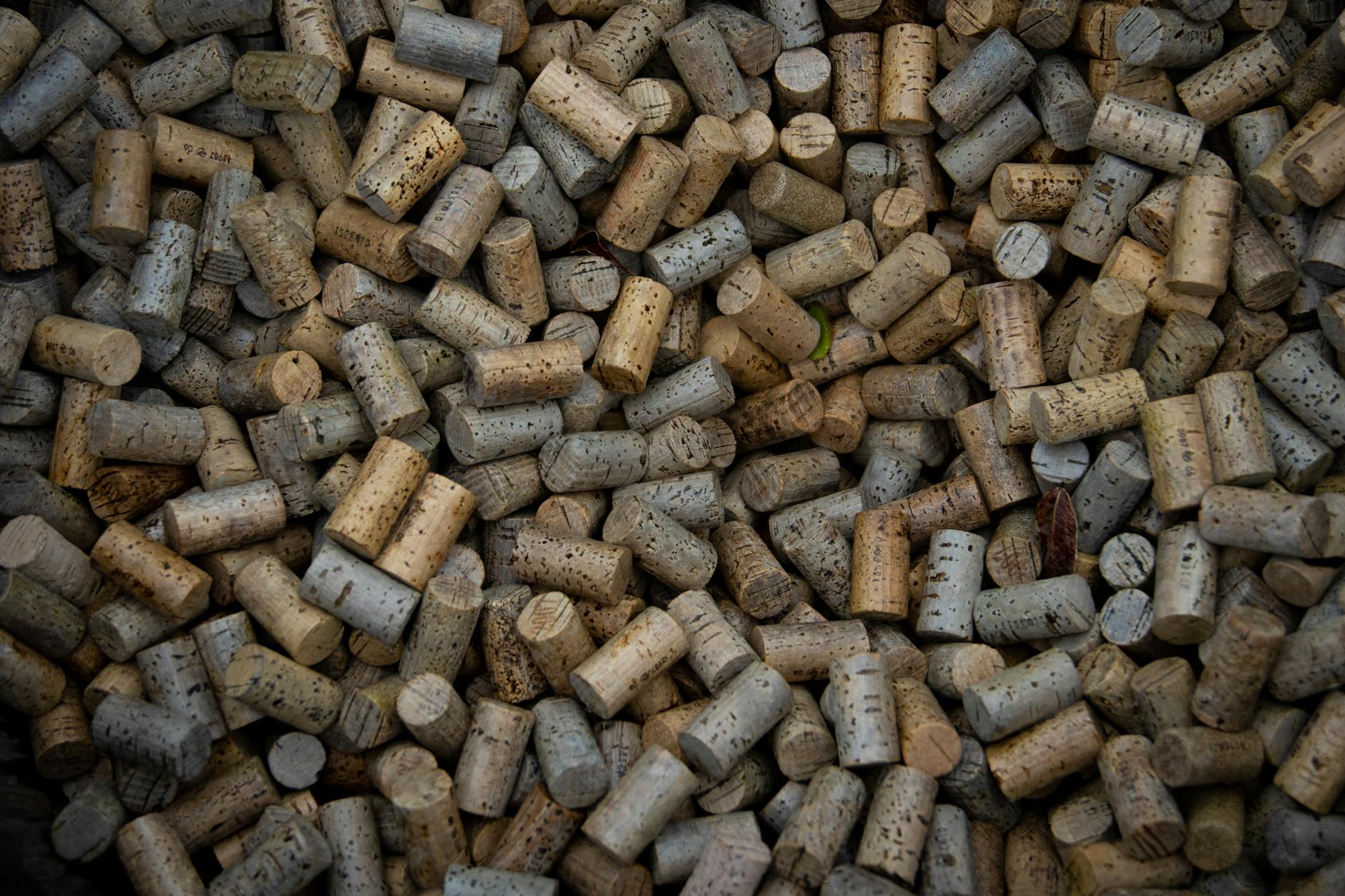
- Visible natural texture and grain
- Lightweight
- Subtle natural smell
- Stitched seams, not just glued
- Flexes without cracking, springs back
Avoid:
- “Cork-printed” synthetic materials at tourist shops
- Anything claimed as cork that feels plastic or crinkles sharply
- Mass-produced items from beach-promenade vendors
- Airport shops — markups are high, quality inconsistent
The test: bend a corner of the material gently. Real cork flexes without cracking and springs back. Synthetic cork-print fabric buckles or holds the fold. The difference is obvious once you know what you’re feeling for.
Shopping Strategy: How to Spend Your Time
Bairro Alto and Chiado are essential Lisbon neighborhoods — you’ll pass through them regardless. The cork shops cluster conveniently: Cork & Co on Rua das Salgadeiras is a five-minute walk from House of Cork on Rua Garrett. Pelcor is also in Bairro Alto. A Vida Portuguesa has a branch in Chiado. You can cover all four in under an hour, compare quality, and buy from whichever shop matches your taste and budget.
Start at Cork & Co to calibrate quality: handle their bags and wallets so you understand what premium cork feels like. Use that as your reference when you look at other shops. Anything that feels noticeably thinner or more papery is a lower grade of product.
The Feira da Ladra flea market occasionally has vintage cork items, though the pickings are inconsistent. The Visit Lisboa website lists verified craft shops and markets if you want to explore beyond the boutique cluster. For the full context of Lisbon souvenirs — what else is worth buying and what’s tourist-trap fodder — see our souvenirs guide.
Cork vs. Leather: Why Bother?
Cork is lighter than leather — meaningfully so in a bag you carry all day. It’s naturally water-resistant without treatment, and the surface doesn’t scratch or scuff the way leather does. The environmental case is genuine: cork harvesting supports biodiversity and sequesters carbon; conventional leather has a large footprint.
The trade-off: quality cork goods cost roughly what mid-range leather goods cost. A €120 cork bag from Cork & Co competes with a €200–€300 leather bag on durability and everyday practicality. You’re paying for the sustainability story, the Portuguese provenance, and material properties that are genuinely different — not a budget alternative to leather.
Travelling With Cork Products
Cork is one of the easier souvenirs to travel with. Lightweight, durable, and with no customs restrictions for personal-use items in any major destination. A cork bag packed in a suitcase arrives in the same condition it left Lisbon. Carry boutique bags as hand luggage if you can — not because the product is fragile, but because the packaging from Cork & Co or House of Cork is part of the purchase and doesn’t survive being crushed in a checked bag.
FAQ: Portuguese Cork Products
Are Portuguese cork products durable?
Yes — quality cork wallets and bags last 5–10 years with normal use. They’re surprisingly water-resistant.
Where’s the best cork shop in Lisbon?
Cork & Co for premium quality. House of Cork for variety. A Vida Portuguesa for curated selection.
How can I tell if cork is real?
Real cork has visible natural texture, slight softness, and a subtle organic smell. Bend a corner gently — it flexes without cracking and springs back. Synthetic alternatives feel plastic and hold the fold.
Is cork waterproof?
Water-resistant rather than fully waterproof. Light rain and spills wipe off easily. Don’t submerge a cork bag.
Can I bring cork products home in luggage?
Yes — cork is lightweight and durable. No customs restrictions for personal-use items.
How much should I budget?
€30–€50 for a quality wallet. €80–€130 for a solid crossbody bag. €150–€220 for a premium bag. Anything under €20 from a tourist stall is unlikely to be quality cork.
Caring for Cork Products
Cork is low-maintenance but not zero-maintenance. For wallets and small accessories, the material needs almost no care — wipe down with a damp cloth if it gets dirty, leave to air dry. Don’t use alcohol-based cleaners or solvents; they can dry out the cork and cause surface cracking over time.
For cork bags, occasional treatment with a cork conditioner (sold at Cork & Co and House of Cork) keeps the material supple. Apply a small amount with a soft cloth every few months if the bag is in regular use. If the bag gets wet in heavy rain, dry it naturally away from direct heat — don’t use a hairdryer or leave it in direct sunlight for extended periods. The colour may fade slightly in intense sun over years, the same as leather.
Cork products don’t like sharp prolonged pressure at one point — a pen pressed into a cork wallet for months will leave a mark, just as it would in leather. Otherwise the material is genuinely resilient: scratches buff out, minor scuffs disappear, and the natural texture hides everyday wear well. Most users find cork bags look better after a year of use than they did on day one.
Cork as a Gift: What Works and What Doesn’t
Cork products make good gifts precisely because they’re specific to Portugal and unavailable at home. A cork wallet at €35 from Cork & Co is more thoughtful and distinctive than a box of pastéis de nata at the airport, and it will last years rather than days.
The best cork gifts by recipient:
- Practical travellers: Cork wallet or cardholder. Lightweight, water-resistant, and genuinely functional.
- Fashion-conscious: A Pelcor crossbody bag or one of the design-forward pieces from Cork & Co. There’s genuine style here, not just novelty.
- Home cooks or hosts: Cork coasters, place mats, or a wine rack. Useful, and the Portugal story gives them a narrative.
- Jewelry wearers: Cork earrings from House of Cork. Light enough to wear all day, distinctive enough to prompt questions.
- Wine lovers: A cork-handled corkscrew or a branded bottle stopper set — available at most cork shops and some wine stores in Chiado.
Things that make less reliable gifts: cork shoes (sizing and fit need to be tried in person) and large bags (personal taste varies too widely). For those, a gift receipt or a suggested budget for a self-purchased item works better.
The History of Portuguese Cork
Portugal’s relationship with cork goes back centuries — the cork oak has grown in the Alentejo since at least Roman times, and systematic harvesting began in the 13th century. The modern industry took shape in the 18th century when glass wine bottles became standard and demand for natural cork stoppers exploded. By the 19th century, Portugal was the global centre of cork processing, and the Setúbal and Alentejo regions were the industry’s heartland.
The contemporary design renaissance has roots in a practical crisis. Synthetic wine stoppers and screw caps took significant market share from cork stoppers in the 1990s and 2000s, threatening the industry. The response was diversification: Portuguese manufacturers and designers began exploring cork as a material for fashion and interiors. The material’s properties — lightweight, flexible, water-resistant, warm to the touch — suited accessories well. By the mid-2010s, cork bags and wallets had become a recognized design category rather than a novelty souvenir, with Portuguese brands selling internationally through design stores in Tokyo, New York, and London.
The ecology reinforced the design story. Cork oak forests (montados) are recognized as one of Europe’s most biodiverse habitats. The traditional harvesting system has continued largely unchanged for centuries because it works — both economically and ecologically. The trees live 150–200 years, each bark harvest produces more usable cork than the last, and the montado ecosystem supports thousands of plant and animal species. Buying cork products isn’t just buying a souvenir; it’s participating in a supply chain that actually benefits a habitat rather than extracting from it.
Bottom Line
Portuguese cork is one of Lisbon’s best contemporary souvenirs. Buy at Cork & Co, House of Cork, or A Vida Portuguesa for genuine quality. Avoid airport shops and beach vendors. €30–€80 gets a meaningful gift; €100+ gets a high-quality bag you’ll use for years.
Cork is the souvenir that survives the flight and stays useful afterwards, which is more than most manage. The souvenirs guide is candid about the rest, azulejo tiles are the other Portuguese classic worth buying properly, Feira da Ladra is where the second-hand versions turn up, and the shopping pillar covers the districts.