Lisbon Food Guide
Best Tascas in Lisbon: A Guide to Traditional Portuguese Taverns (2026)
Find the best tascas in Lisbon—authentic Portuguese taverns serving home-cooked meals at honest prices. A local's guide organized by neighborhood.
In this guide
- What Is a Tasca?
- Quick Reference: Best Tascas by Goal
- Best Tascas by Neighborhood
- What to Order at a Tasca
- How to Identify a Real Tasca (Not a Tourist Trap)
- Tasca Etiquette
- Tipping and the Bill
- Best Tasca for Specific Goals
- What to Drink
- Seasonal Dishes Worth Timing Your Visit Around
- FAQ: Best Tascas in Lisbon
- Bottom Line
The best tascas in Lisbon are the city’s beating culinary heart — small, family-run neighborhood restaurants where the daily catch goes from market to plate, the chef is the owner, and the prato do dia (daily special) feeds locals at honest prices. While the Michelin scene gets the headlines, tascas are where Portuguese cuisine actually happens.
Sit at a table covered with paper, order the chalkboard special, pour from the clay jug of house red, and you’ll eat better than anywhere with a starred ceiling — for a fraction of the cost. This guide covers the best tascas in Lisbon by neighborhood, with what to order, how to spot a genuine one, and the etiquette that matters. Updated for 2026.
What Is a Tasca?
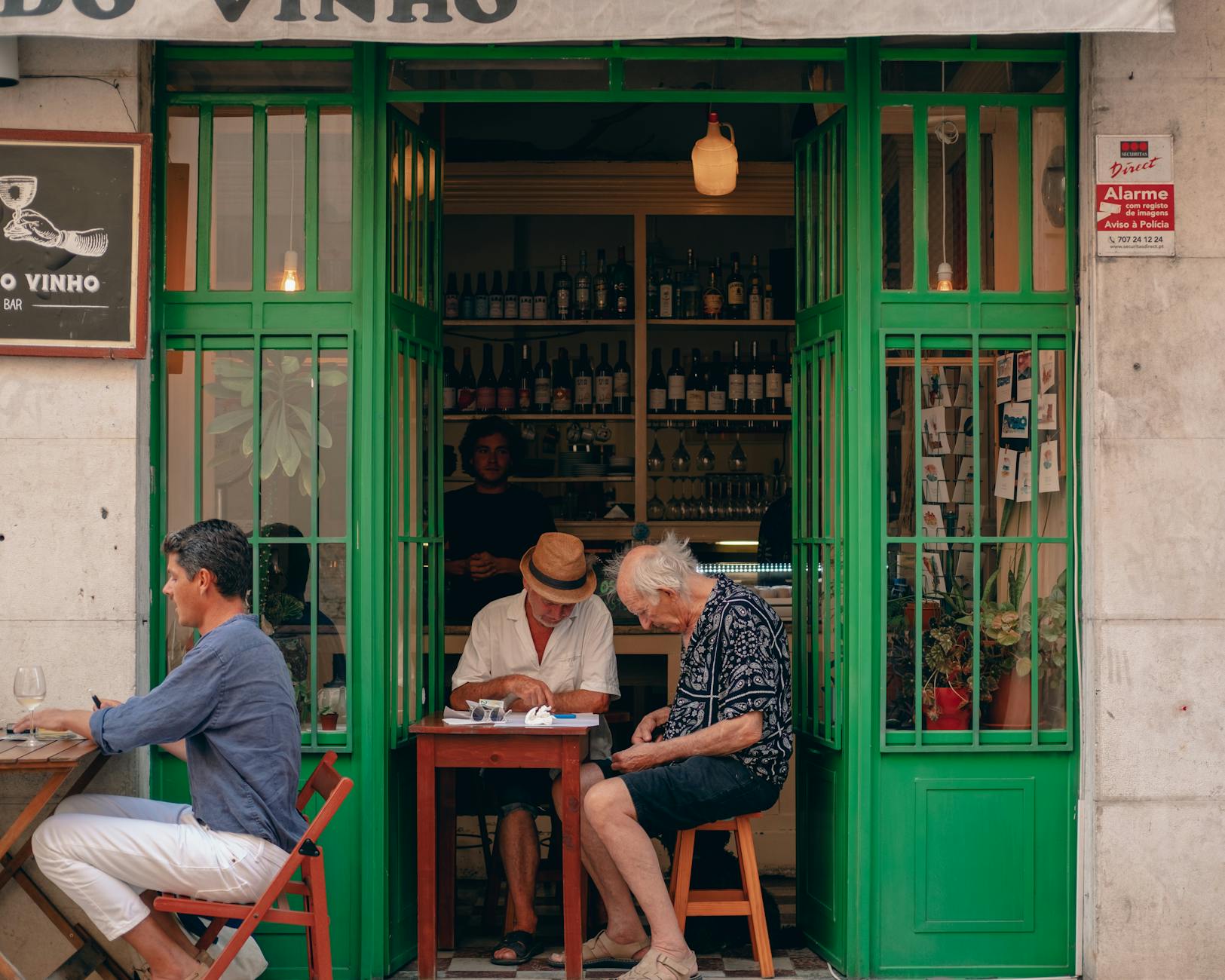
A tasca (TAS-kah) is a small, family-run Portuguese restaurant — typically the kind of place where:
- The owner cooks; the family serves
- The menu is hand-written on a chalkboard, changing daily
- Bills are written by hand on small slips
- House wine pours from giant earthen jugs
- The prato do dia (daily special) is €8–€14 with soup, main, drink, dessert
- Cash is preferred (though many now take cards)
- Conversation is loud, communal, and Portuguese
The word comes from the same root as “tavern” — a place to eat and drink without ceremony. The institution goes back centuries; what keeps it alive is that it still makes economic sense for both owner and customer. The owner runs a tight operation with low waste; the customer gets a full meal for €10. Every Lisbon neighborhood has at least one. The good ones have been feeding the same regulars for thirty years.
For broader context, see our Lisbon Food Guide pillar.
Quick Reference: Best Tascas by Goal
| Goal | Pick | Neighborhood |
|---|---|---|
| Most authentic experience | Zé da Mouraria | Mouraria |
| Best modern reinvention | O Velho Eurico | Mouraria |
| Cheapest daily special | Any Mouraria tasca, €8–€11 | Mouraria |
| Best with fado vadio | Tasca do Chico | Bairro Alto |
| Best for a celebration | Solar dos Presuntos | Avenida |
| Best modern Lisbon | Taberna da Rua das Flores | Chiado |
| Best lunch spot | Tasca do Abel | Mouraria |
| Best grilled fish | O Pitéu da Graça | Graça |
Best Tascas by Neighborhood
Mouraria — the Highest Concentration
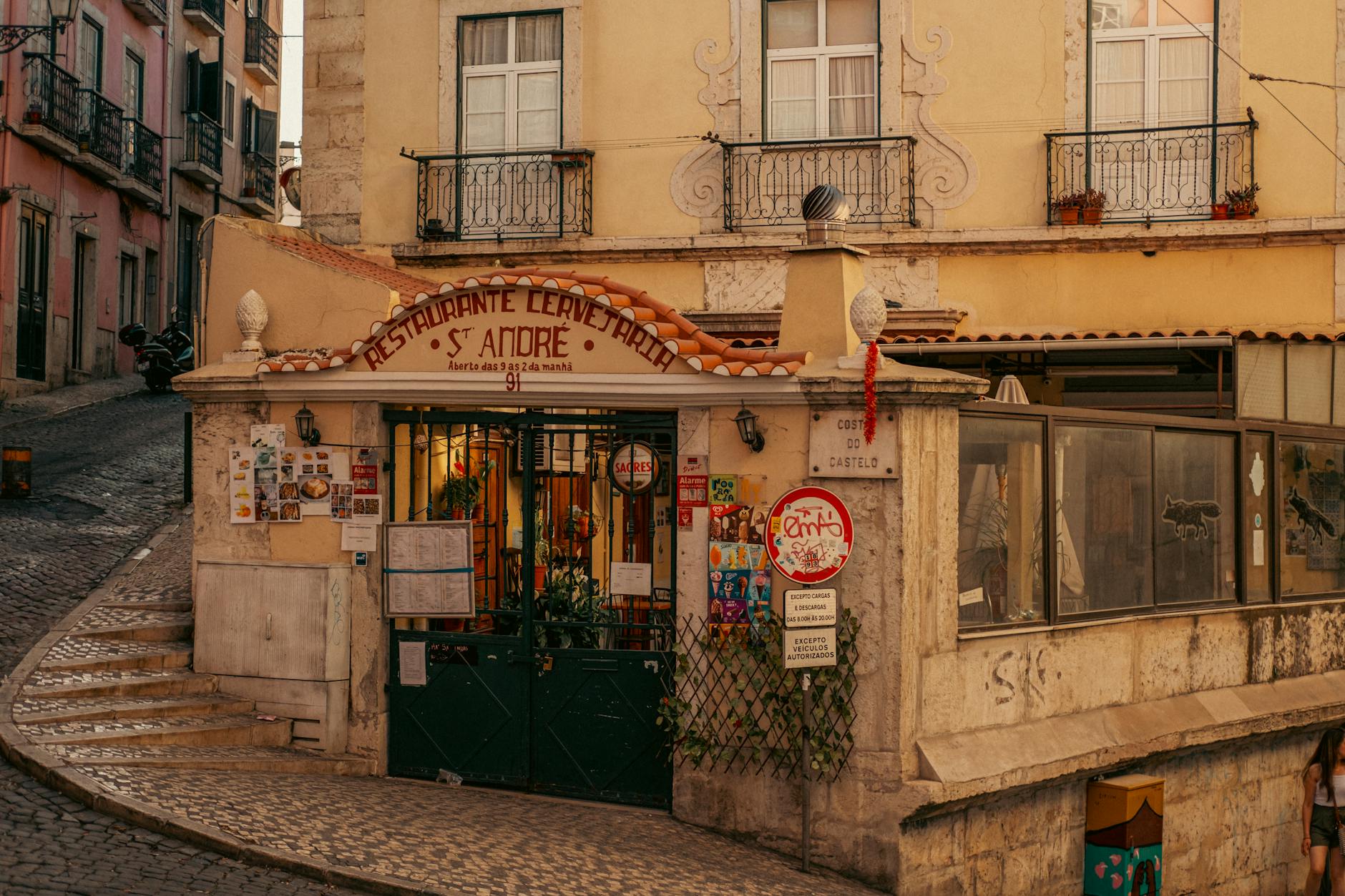
Mouraria is the spiritual home of the authentic Lisbon tasca. The neighborhood was the city’s Moorish quarter after the Christian reconquest and has always been working-class, densely populated, and resistant to the kind of gentrification that swept through Alfama and Bairro Alto. You still find local pensioners eating lunch at noon, families at Sunday dinner, and construction workers on a quick €10 prato do dia. The tascas here aren’t performing tradition — they’re just running the same way they always have.
- Zé da Mouraria — the old-school institution. Cozido à portuguesa for €11–€14. Family-run for decades. No English menu, queue forms from 12:45 PM, cash strongly preferred. The single best address for understanding what a tasca actually is.
- Tasca do Abel — beloved 30-year-old tasca on Calçada de Santo André. Daily specials €8–€13. Owner greets regulars by name; tourists welcome but not pandered to.
- O Velho Eurico — once a rough old-school tasca, now reinvented by young chef Zé Paulo Rocha into a modern Portuguese tavern. Mains up to €22. The cooking is serious. Reserve 7+ days ahead — it fills up fast and Rocha’s reputation has grown considerably since opening.
Bairro Alto
Bairro Alto has lost most of its traditional tascas to bars, tourist-facing restaurants, and upscale cocktail spots. Two hold on well.
- Tasca do Chico — fado vadio (amateur fado, not staged shows) plus bifanas plus cheap beer. Daily specials €10–€13. Loud, fun, jam-packed most nights. The fado is the real draw — spontaneous, raw, nothing like the formal houses in Alfama.
- Cervejaria Trindade — borderline tasca/cervejaria in a 13th-century converted convent. Traditional dishes in spectacular tiled surroundings. More tourist-facing than the others here, but the food is solid and the setting is unlike anywhere else in Lisbon.
Chiado
Chiado is expensive by Lisbon standards, but the two standouts here earn their prices.
- Taberna da Rua das Flores — modern-rustic Portuguese; cult-favorite among serious food people. Mains €14–€22. No reservations — arrive at 12:15 PM for lunch or exactly 7 PM for dinner if you want a table. Wines are excellent. Possibly the single best meal in this category in Lisbon right now.
- Cantinho do Avillez — chef José Avillez’s casual flagship, modern Portuguese
Cais do Sodré
- Taberna Sal Grosso — tin-counter restaurant focused on excellent ingredients treated simply. Mains €16–€24. The kind of place where the fish is impeccably fresh because they don’t pretend otherwise. No tablecloths, no ceremony.
- Pensão Amor (kitchen) — late-night option until 4 AM. More bar with food than tasca proper, but worth knowing for late arrivals when everything else has closed.
Restauradores and Avenida
- Solar dos Presuntos — wood-paneled grand tasca, family-run since 1974. Mains €18–€32. The presunto (cured ham) is the star — hang-dried in the window and sliced to order. Good for a celebration meal without losing the tasca soul entirely.
- Bonjardim — frango assado piri-piri institution around the corner from Rossio. €9–€14 per half-chicken. Queues form; the chicken earns them.
Campo de Ourique
Campo de Ourique is one of Lisbon’s most genuinely local residential neighborhoods — the kind where grandmothers still do the shopping at the daily market. The tasca density reflects that.
- Tasca da Esquina — chef Vítor Sobral’s modern take on tasca cuisine. Mains €18–€26. Sobral is serious about sourcing; the cooking is technically clean without feeling fussy. Good vegetable dishes, which is rarer at this price point than it should be.
- Mercado de Campo de Ourique — small daily market with a ring of food stalls including modern tascas
Graça and Penha de França
These eastern hilltop neighborhoods are where you come if you want local without the tourism premium. Graça has been colonized by the young crowd that moved here when Alfama got too expensive; Penha de França is still largely under the radar.
- O Pitéu da Graça — exceptional grilled fish, family-run, €17–€24. The owner sources directly; whatever’s best that morning is what gets grilled that afternoon. Regulars trust the owner’s recommendation over the menu.
- Taberna do Pão — bread-focused modern tasca. The sourdough and cornbread are serious; they make a good base for whatever smoked or cured thing is on offer.
Alfama
- Pateo 13 — modern Portuguese in a candlelit courtyard
- Cantinho do Bobby — tiny bar/tasca with friendly owner. The kind of place that doesn’t advertise because the regulars keep it full.
- Restaurante Largo do Castelo — old-school tasca near São Jorge Castle
Príncipe Real
- A Cevicheria — Peruvian-Portuguese fusion, mains €16–€24. Chef Kiko Martins has been doing this for years and it still works. The ceviche with leche de tigre is the move.
- Tapisco — tapas + petisco fusion in a narrow room. Good for groups who want to share plates.
- Boubou’s — bistro-leaning small plates. Friendly, well-sourced, reliably good.
What to Order at a Tasca
The Sacred prato do dia
The daily special — typically €8–€14 — is the smartest tasca order every time. It includes soup, main, drink, and dessert (often coffee too). The same dishes à la carte at dinner can cost double. The prato do dia exists because the cook bought ingredients fresh that morning; you benefit from both the freshness and the volume pricing.
Never overthink it. If the chalkboard says bacalhau, order the bacalhau. It’s what the cook is proud of today.
Classic Tasca Dishes
- Bacalhau à brás — shredded salt cod with eggs and matchstick potatoes. The binding dish of Portuguese comfort food; every cook has a version.
- Cozido à portuguesa — Portugal’s national stew of boiled meats (pork belly, chorizo, chouriço, blood sausage) and vegetables. Typically a Thursday or Saturday special.
- Sardinhas assadas — grilled sardines, June through September. The fat, freshly caught sardines of high summer on a cast-iron grill are one of the great seasonal eating experiences in Europe. Outside the season, skip them.
- Carne de porco à alentejana — pork with clams in white wine and garlic. Sounds odd; tastes inevitable once you’ve had it.
- Arroz de pato — slow-cooked duck rice, baked in the oven with chouriço on top until the rice crisps. One of the best things on a Portuguese table.
- Bifana — pork sandwich. The Lisbon version is pork loin marinated in white wine and spices, served on a roll.
- Pataniscas — cod fritters
- Caldo verde — kale and potato soup
For a full guide to each dish, see our guide to traditional Portuguese dishes.
How to Identify a Real Tasca (Not a Tourist Trap)
Lisbon has plenty of restaurants dressing up as tascas — rustic decor, hand-painted signs, “traditional” menus that haven’t changed in five years and charge €20 for bacalhau. The tells are consistent.
Real tasca signals:
- Hand-written chalkboard menu that changes daily
- Bills written by hand on small slips of paper
- Mostly Portuguese-speaking customers at lunch
- Daily specials prominently posted (not buried in a laminated menu)
- Located in residential neighborhoods (Mouraria, Campo de Ourique, Penha de França)
- Cash preferred
- Open lunch (12:30–3 PM) and dinner (7:30–10 PM); often closed in between
- Owner visible, often cooking or serving
Tourist trap signals:
- Photo menus on the door
- Menus in 6+ languages
- Hosts soliciting walk-up customers from the street
- Located on Rua Augusta or in heavily-touristed plazas
- “Authentic Portuguese cuisine” advertising signs
- Large dining rooms (40+ seats) with big bus tours
Tasca Etiquette
- Decline the couvert if you don’t want bread, olives, butter — say “não, obrigado/a”
- Order the daily special if available — best value
- House wine is fine — €1.50–€3 per glass, surprisingly drinkable
- Tip 5–10% for sit-down meals; round up for casual
- Dinner reservations recommended for popular spots
- Cash is appreciated even where cards are accepted
- Greet with “Bom dia / Boa tarde” — basic Portuguese is welcomed
Tipping and the Bill
At a proper tasca, the bill arrives as a handwritten slip. Check it — errors are common at busy lunch services, always in the tasca’s favor, and almost never deliberate. Point out any discrepancy calmly; it gets corrected without drama.
A 5–10% tip is appropriate for good service. Some locals round up to the nearest euro. Leaving nothing after a full sit-down dinner at a neighborhood tasca is noticed. For full tipping norms in Lisbon, see our guide to tipping in Portugal.
Best Tasca for Specific Goals
| Goal | Pick |
|---|---|
| Most authentic experience | Zé da Mouraria |
| Best modern reinvention | O Velho Eurico |
| Cheapest daily special | Any Mouraria tasca, €8–€11 |
| Best with fado vadio | Tasca do Chico |
| Best for a celebration | Solar dos Presuntos |
| Best modern Lisbon | Taberna da Rua das Flores |
| Best lunch spot | Tasca do Abel (Mouraria) |
What to Drink
- House red — €1.50–€3 per glass, decent quality
- Vinho Verde — light, fizzy, low-alcohol white. Perfect with fish.
- Sagres or Super Bock — Portuguese pilsners, €1.50–€2.50
- Aguardente after meals — grape brandy, €1–€2 shot
- Bica (espresso) — €0.80–€1.20. End every meal with one.
Seasonal Dishes Worth Timing Your Visit Around
The tasca menu follows the Portuguese calendar more than most restaurant categories.
- June–August: Sardinhas assadas everywhere. The Festas de Lisboa in June are the sardine peak — every tasca grills them outside on the street. Don’t miss this if you’re here in summer.
- October–February: Cozido à portuguesa, caldeirada (fish stew), and game dishes (wild boar, partridge) appear on chalkboards. Winter tasca cooking is deeply satisfying.
- Year-round: Bacalhau in dozens of forms, arroz de pato, bifanas, caldo verde.
FAQ: Best Tascas in Lisbon
What is a tasca?
A small, family-run Portuguese restaurant serving daily specials of traditional cooking at honest prices. The cultural backbone of everyday Portuguese eating.
How much does a tasca meal cost?
€8–€14 for the daily special (soup, main, drink, dessert, coffee). À la carte mains €11–€22. Beer €1.50–€3, house wine €1.50–€3 per glass.
Where are the best tascas in Lisbon?
Mouraria (Zé da Mouraria, Tasca do Abel, O Velho Eurico) and Campo de Ourique are the highest-density neighborhoods for authentic tascas.
Do I need reservations at tascas?
For popular spots (Taberna da Rua das Flores, O Velho Eurico) yes, especially weekends. Most casual neighborhood tascas are walk-in friendly.
Can I just speak English at a tasca?
Yes mostly, though smaller Mouraria tascas have limited English. A few Portuguese phrases (greetings, “menu please”, “the bill please”) are appreciated. See our Portuguese phrases guide.
Are tascas vegetarian-friendly?
Increasingly yes. Soup of the day is usually vegetable-based; vegetable-stuffed pataniscas, salads, and bean stews are common. Modern tascas (O Velho Eurico, Tasca da Esquina) cater explicitly.
What’s the difference between a tasca and a restaurant?
Tasca = small, family-run, traditional, daily-specials-focused. Restaurant = larger, professional, broader menu, longer hours. Significant overlap; many tascas have evolved into “modern tascas” that retain the family character with elevated cooking.
What’s a bifana and should I order one?
Yes. A bifana is a pork loin sandwich — pork marinated in white wine, garlic, and paprika, served on a soft roll with a cold beer alongside. It’s the working-class Lisbon lunch. Order it at Bonjardim or any old-school Baixa snack bar.
Bottom Line
Lisbon’s best tascas are in Mouraria, Campo de Ourique, and Graça — Zé da Mouraria for the classic, O Velho Eurico for the modern reinvention, Taberna da Rua das Flores for the Chiado standout, Tasca do Chico for the fado-and-cheap-beer experience. Order the daily special at lunch, drink the house wine, decline the couvert if you don’t want it, tip 5–10%, and you’ll eat better than at any of the city’s three-Michelin-star options for a fraction of the price.
Continue planning meals with our Lisbon Food Guide pillar, our best restaurants guide, our 25 must-try dishes, and our pastéis de nata guide.