Practical Information
Money in Lisbon: Currency, ATMs, Cards & Exchange Tips (2026)
Everything about money in Lisbon—Euro basics, best ATMs, credit card acceptance, dynamic currency conversion scams, and how much cash to carry.
In this guide
- The Quick Rules
- Currency Basics: The Euro
- ATMs in Lisbon: What to Use, What to Avoid
- Cards: What Works in Lisbon
- Currency Exchange in Lisbon
- Prepaid Travel Cards and Apps
- How Much Cash Should I Carry?
- Card Safety in Lisbon
- Tipping (Cash Always Helps)
- Common Money Mistakes Tourists Make
- Money for Specific Situations
- FAQ: Money in Lisbon
- Bottom Line
- Photo Credits
Knowing how money in Lisbon actually works — the right ATM to use, when to take cash vs card, how to avoid the dynamic-currency-conversion trap, what to do at the airport currency desk (don’t) — saves you 5–15 percent on a typical trip. This guide is the no-nonsense answer to “how do I handle money in Lisbon?”
Keep a little cash back for the tourist tax — smaller guesthouses still prefer notes for it. Our Lisbon tourist tax guide covers how much to expect and when it is collected.
Includes the Euro basics, the best ATMs, card-acceptance reality, exchange-rate traps, prepaid travel-card recommendations, and how much cash to carry day-to-day. Updated for 2026.
The Quick Rules
- Currency is the Euro (€). Lisbon is in the Eurozone.
- Use Multibanco ATMs at banks — most don’t charge foreign-card fees. Avoid Euronet ATMs (the bright yellow ones).
- Always decline Dynamic Currency Conversion (DCC). Pay in Euros, never your home currency. Saves 3–7 percent every transaction.
- Cards work nearly everywhere, but bring €30–€60 cash daily for tascas, markets, kiosks, and tips.
- Skip airport currency exchange. Rates are 5–10 percent worse than city ATMs.
- Tap-to-pay is universal. Apple Pay, Google Pay, contactless cards all work.
Currency Basics: The Euro
Portugal joined the Eurozone in 1999 and adopted Euro banknotes and coins on January 1, 2002. The Portuguese escudo no longer exists.
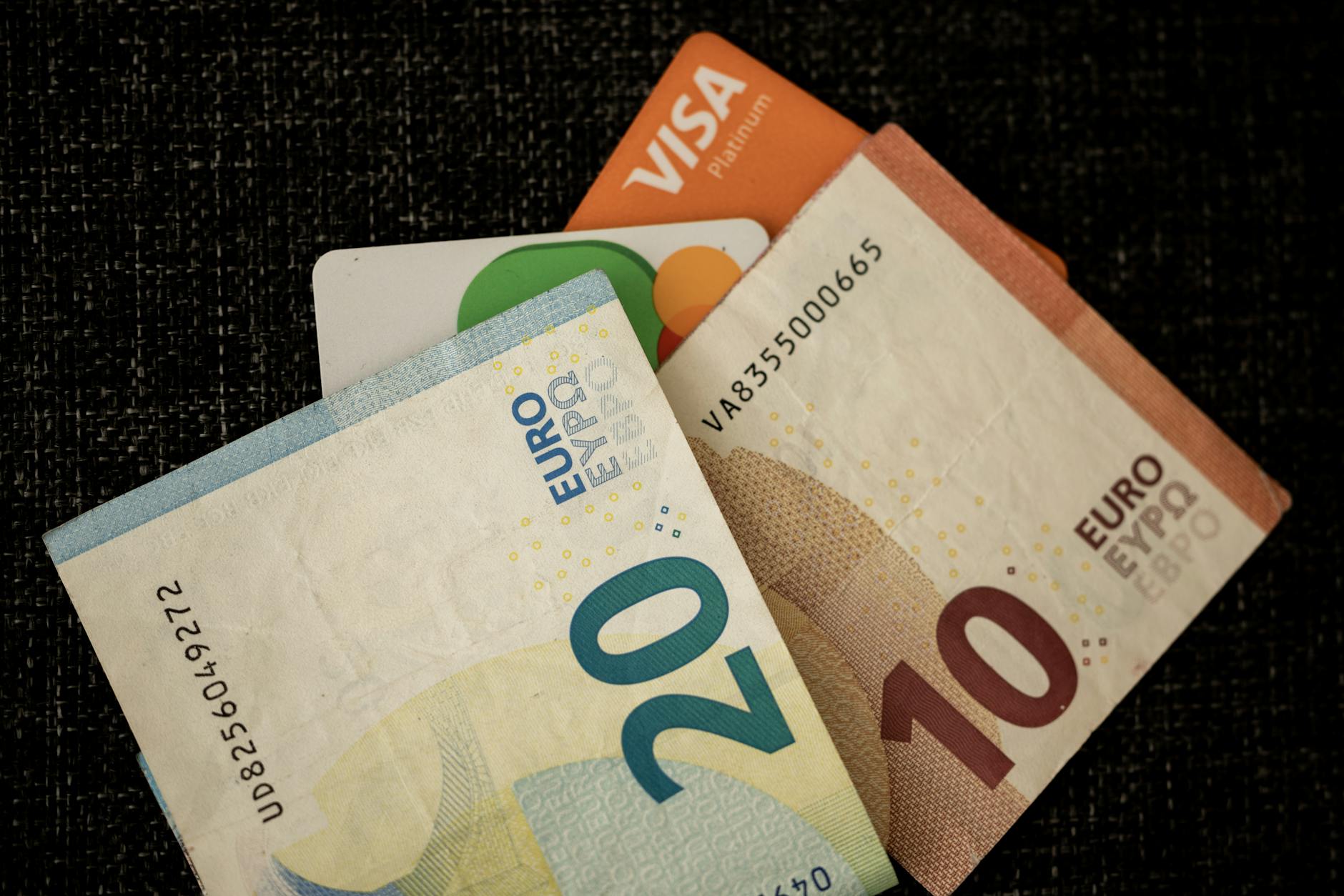
Coins: 1, 2, 5, 10, 20, 50 cents and €1, €2.
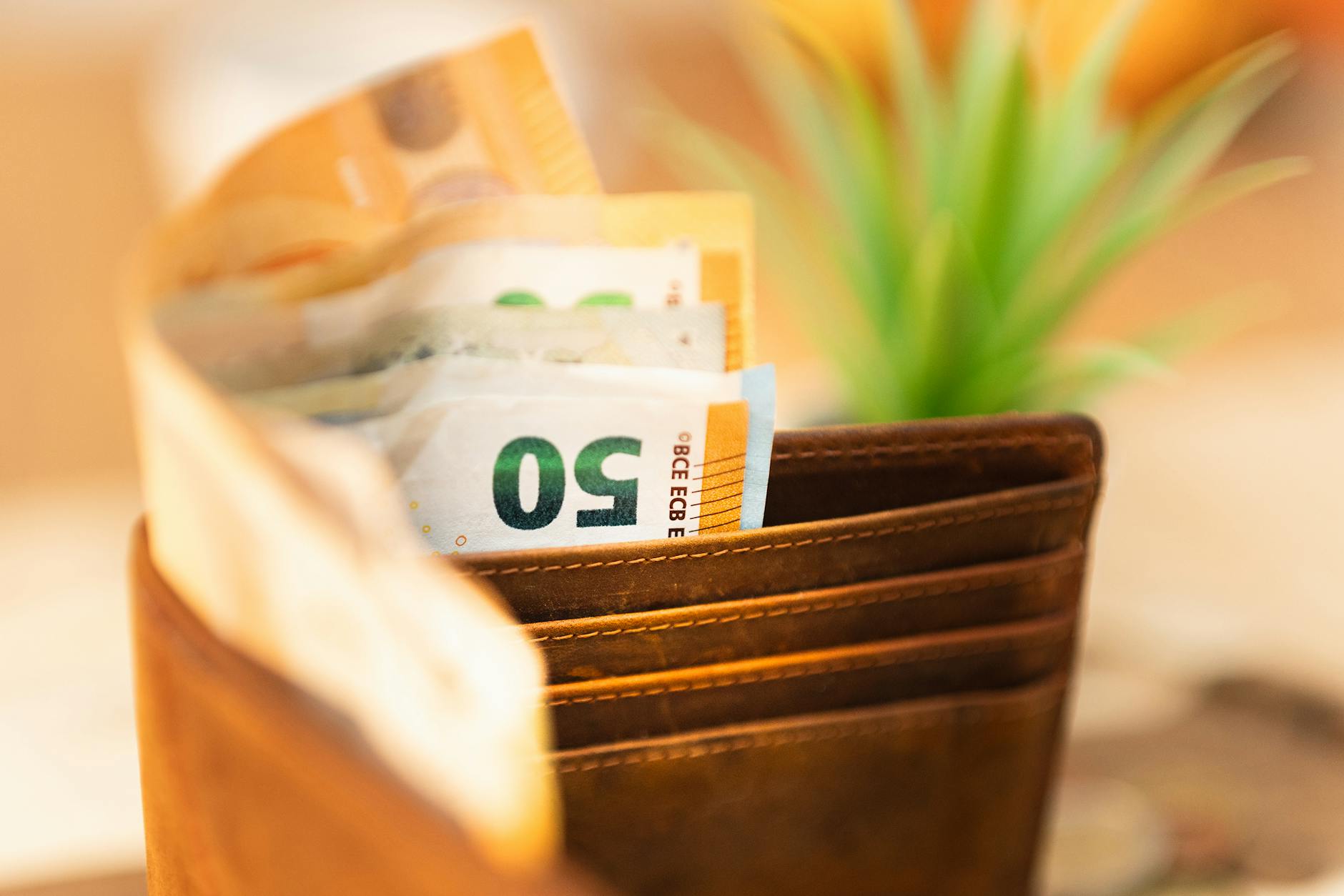
Banknotes: €5, €10, €20, €50, €100, €200, €500 (€500 notes are rarely accepted; many vendors won’t take them due to counterfeiting concerns).
Most everyday transactions in Lisbon use €5, €10, €20, and €50 notes. €100 notes are accepted but cause friction at small tascas and kiosks. €200 and €500 are functionally unused for everyday spending.
Exchange Rate Awareness
The Euro typically trades around:
- 1 USD ≈ €0.92–€0.95
- 1 GBP ≈ €1.15–€1.18
- 1 CAD ≈ €0.66–€0.69
- 1 AUD ≈ €0.60–€0.62
Rates fluctuate daily. Use Wise or Google for current real rates before you travel.
ATMs in Lisbon: What to Use, What to Avoid
Multibanco (the Good ATMs)
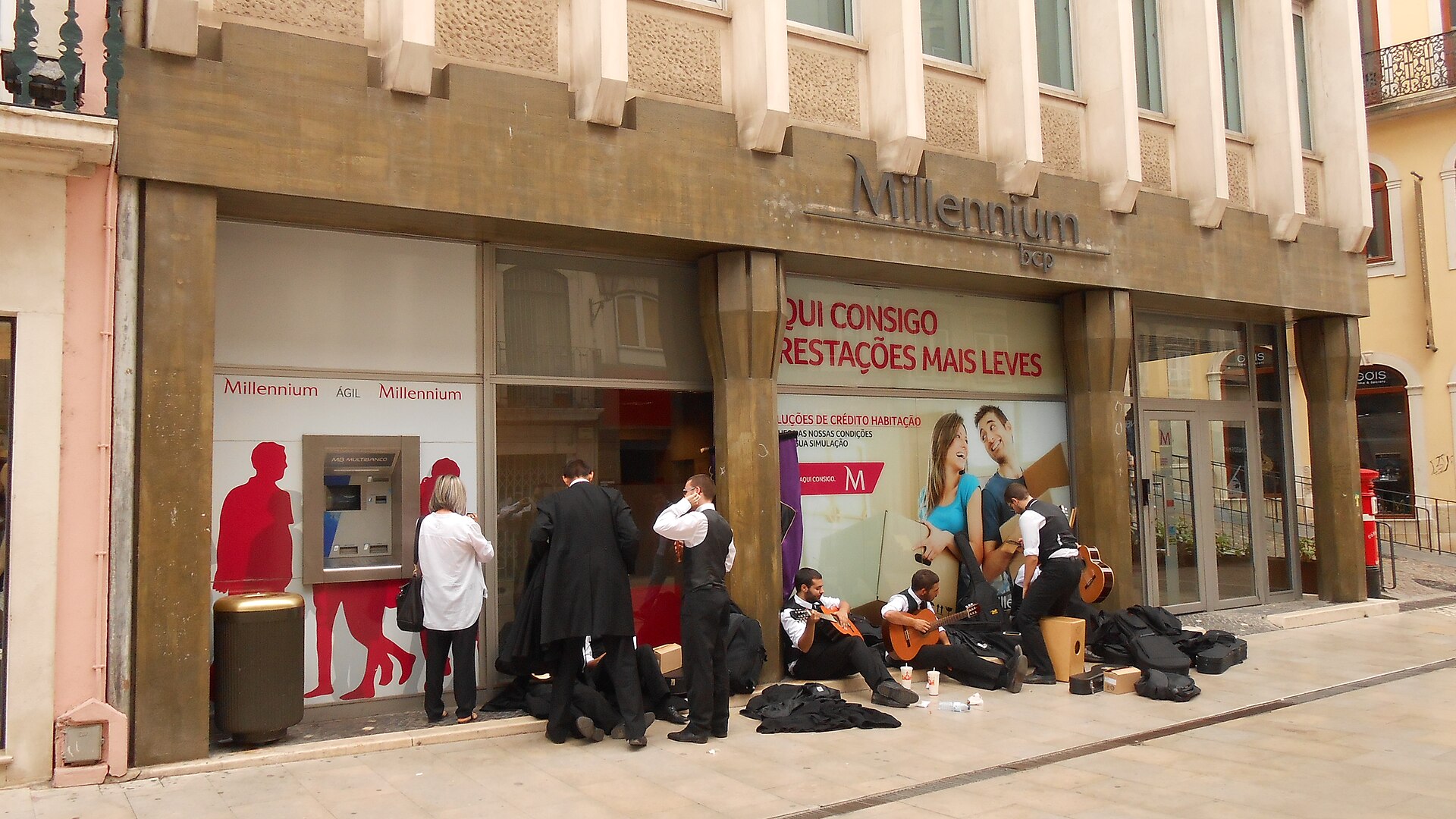
Portugal’s national ATM network is called Multibanco. These are the bank-affiliated ATMs found at branches of:
- Caixa Geral de Depósitos (CGD)
- Millennium BCP
- Santander
- Novo Banco
- BPI
- Crédito Agrícola
These accept Visa, Mastercard, Maestro, Cirrus, and Plus, dispense Euros, and typically charge no fees to foreign cardholders. Your home bank may charge its own foreign withdrawal fee — check with them.
Withdrawal limits typically €200–€400 per transaction at most ATMs. Daily limits depend on your home bank.
Euronet (the Bad ATMs)
The bright yellow Euronet machines are tourist-targeted independent ATMs found in shopping streets, hotel lobbies, and tourist plazas. They charge €5–€8 per withdrawal AND aggressively push Dynamic Currency Conversion (which costs another 3–7 percent on top). Avoid completely.
Easy to identify: yellow box, often standalone (not attached to a bank), big “Multilingual!” advertising, often at airports and major tourist hubs.
How to Use a Multibanco ATM
- Insert card
- Choose language (English available)
- Enter PIN
- Choose “Withdrawal” → “Foreign card” / “Tarjeta extranjera” if prompted
- Choose amount (€100, €200, €400 typical options)
- If asked “Continue with EUR or your home currency?” — ALWAYS choose EUR
- Take cash + receipt + card
Best ATM Locations in Lisbon
- Branches of CGD on Praça do Comércio, Praça do Rossio, and Avenida da Liberdade
- Millennium BCP on Rua Augusta, Chiado, and most metro stations
- Santander on Avenida da Liberdade and Avenida da República
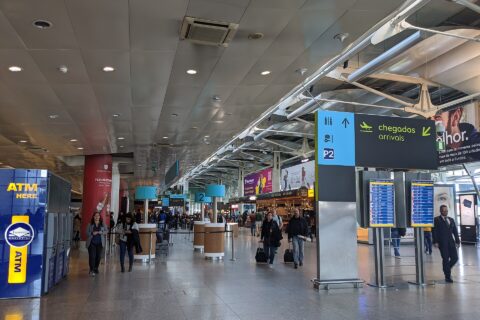
- The airport — yes, but use the bank-branded ATMs not the Euronet ones
Cards: What Works in Lisbon
Acceptance
Visa and Mastercard are universally accepted. Even small tascas and bakeries take them now. American Express has limited acceptance — about 60 percent of mid-range and upmarket establishments, fewer at small tascas. Discover and JCB have very limited acceptance.
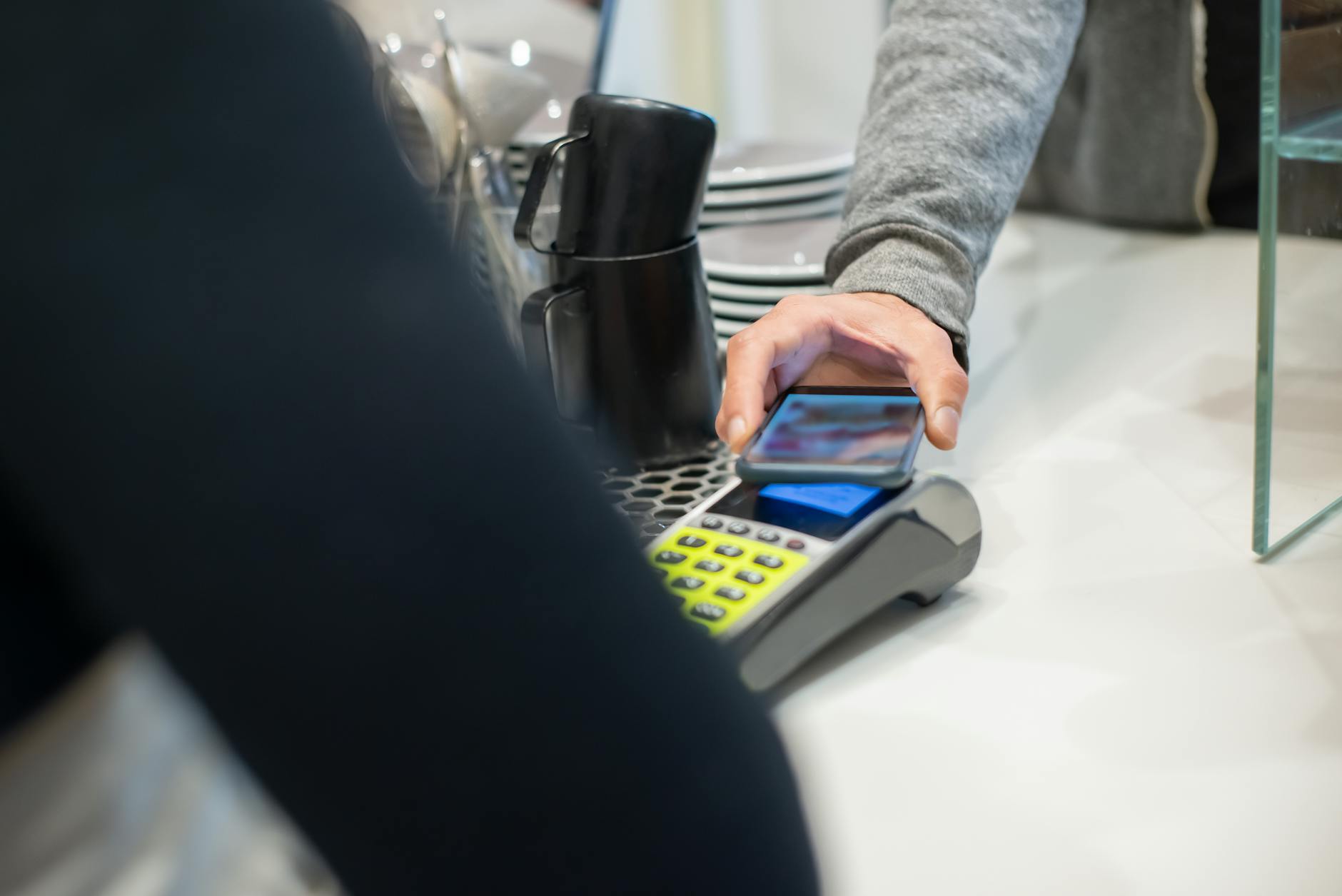
Apple Pay, Google Pay, and contactless cards work nearly everywhere. Many vendors prefer them — faster than chip-and-PIN, no signature required.
Card-only restaurants exist — increasingly common in Chiado, Príncipe Real, and modern restaurants. Don’t assume cash is always accepted.
Where Cards DON’T Work
- Some small tascas, especially in Mouraria and outer neighborhoods
- Most kiosks (Quiosque) in plazas
- Feira da Ladra flea market (mostly cash)
- Some fado vadio venues (Tasca do Chico, A Baiuca)
- Tipping (always cash)
- Smaller market vendors
- Some bus and tram conductors (use Viva Viagem card instead)
For these, carry €30–€60 in cash daily.
The Dynamic Currency Conversion (DCC) Scam
The single most expensive money-handling mistake tourists make in Portugal:
When you pay by card at a restaurant, ATM, or shop, the terminal will sometimes ask: “Pay in EUR or your home currency?” The “home currency” option uses the merchant’s exchange rate, which is typically 3–7 percent worse than the official rate.
Always choose EUR. Your card issuer will convert at the real rate. Never pay in your home currency at a Portuguese terminal.
Some terminals frame this aggressively: “Pay in USD: $54.32 (recommended)” vs “Pay in EUR: €49.00.” The €49 in EUR is always the better deal — your bank will charge you ~$52, not $54.32.
Currency Exchange in Lisbon
If you must exchange physical cash:
Banks (Best Rates)
Major Portuguese banks (CGD, Millennium BCP, Santander) exchange currency at competitive rates. The highest density is in Baixa around Praça do Comércio and Rossio.
Hours: Typically 8:30 AM – 3:00 PM Monday–Friday. Closed weekends.
Documentation: Bring your passport.
Limits: Some banks have a €1,000 daily limit for non-account-holders.
Cota4 / Nova Câmbios (Decent Rates)
Currency exchange offices in central Lisbon (Praça do Comércio, Rossio, Chiado, Belém) — generally better rates than airports and hotels but worse than ATM withdrawals.
Hotel Currency Exchange (Avoid)
Hotel rates are typically 8–15 percent worse than banks and ATMs. Use only as a last resort.
Airport Currency Exchange (Avoid)
Lisbon airport rates are 5–10 percent worse than city banks and ATMs. Withdraw cash from a Multibanco ATM at the airport instead, or wait until you reach the city.
Prepaid Travel Cards and Apps
Wise (Recommended)
Multi-currency debit card with low fees and real exchange rates. Excellent for European travel — you can hold and spend Euros directly. ATM withdrawal fees: free up to €200/month, then ~1.75 percent.
Revolut
Similar to Wise — multi-currency card with good Euro rates. Free ATM withdrawals up to a monthly cap (varies by tier). Popular with European travelers.
Monzo / N26 (UK and EU)
Free European withdrawals, no foreign transaction fees. Especially useful for UK travelers post-Brexit.
Travel Cards from Major Banks
Many US banks now offer “no foreign transaction fee” credit cards (Chase Sapphire, Capital One Venture, etc.). Excellent for everyday spending. Pair with Wise for ATM withdrawals.
How Much Cash Should I Carry?
Daily allowance: €30–€60 covers tipping, small markets, kiosks, and the occasional tasca.
Withdrawal strategy: Take €200 from a Multibanco ATM on day 1. Top up to €100–€150 mid-trip if needed. Don’t withdraw small amounts repeatedly — your home bank may charge a fee per transaction.
Carry on day: €40–€80 in mixed bills (€5, €10, €20). Leave the rest in a hotel safe.
Daily total trip budget reference:
- Ultra-budget travel: €40–€60/day
- Mid-range comfortable: €100–€160/day
- Comfortable couple: €200–€350/day combined
- Luxury: €400+/day per person
For deeper budget context, see our Lisbon on a budget guide.
Card Safety in Lisbon
Lisbon is generally safe for card use, but standard precautions apply:
- Cover your PIN when entering at ATMs and POS terminals
- Use ATMs at bank branches rather than standalone street machines (less risk of skimmers)
- Check ATM card slot for skimmer attachments before inserting your card
- Set up transaction alerts with your home bank before traveling
- Notify your bank of travel dates so they don’t freeze your card
- Keep a backup card in your hotel safe in case your primary is lost or compromised
- Avoid handing your card to the waiter in restaurants — they should bring the terminal to your table (Portugal-wide standard)
Card fraud is uncommon in Lisbon, but pickpockets do steal wallets. See our is Lisbon safe guide.
Tipping (Cash Always Helps)
Even though Portugal accepts cards everywhere, tipping is almost always cash. Most card terminals don’t have a tip-add screen.
- Restaurants: 5–10% in cash on the table
- Cafés: Round up the small change
- Taxis: Round up to nearest euro
- Hotels: €1 per bag, €1–€2/night for housekeeping
- Tour guides: €5–€15 per person for free walking tours
For full tipping breakdown, see our tipping in Lisbon guide.
Common Money Mistakes Tourists Make
1. Using Euronet ATMs. The bright yellow standalone machines charge €5–€8 plus DCC. Use bank Multibanco ATMs instead.
2. Choosing “home currency” at card terminals. Always choose EUR — saves 3–7 percent every transaction.
3. Exchanging cash at the airport. Rates are 5–10 percent worse than city ATMs. Use an ATM in arrivals instead.
4. Withdrawing small amounts repeatedly. Each withdrawal can cost a flat fee from your home bank. Better to withdraw €200–€400 once and use it across days.
5. Not telling your bank you’re traveling. Some banks freeze cards used overseas without warning. Modern apps make this less common but it still happens.
6. Forgetting cash for tipping and tascas. Cards work in 95 percent of places but you’ll inevitably hit cash-only situations.
7. Carrying too much cash. €200+ in your wallet is a target. Keep most cash in a hotel safe.
8. Using credit card for cash advances. Treated as a loan with high interest from day one. Use a debit card instead.
Money for Specific Situations
Arriving at the Airport
Use a Multibanco ATM in arrivals (not Euronet). Withdraw €200 to cover the first 2–3 days. Skip the airport currency exchange.
Riding the Metro/Bus
Buy a Viva Viagem card at metro vending machines. €0.50 for the card + €1.90 single or €7.25 24-hour pass. Cards accepted; cash works too.
Eating Out
Cards work at virtually every restaurant. Bring €5–€20 in cash for the tip. Round up at cafés.
At Markets (Feira da Ladra, Time Out Market)
Feira da Ladra is mostly cash. Time Out Market accepts cards everywhere.
Day Trips (Sintra, Cascais)
Train tickets accepted by card or Viva Viagem. Sintra bus 434 has a €13.50 ticket valid for 24 hours on routes 434 and 435 — buy at Sintra station kiosk (cash preferred). Bring €40–€80 cash for tuk-tuks, lunch, and palace tickets.
FAQ: Money in Lisbon
What currency does Lisbon use?
The Euro (€). Portugal is part of the Eurozone.
Are credit cards accepted in Lisbon?
Yes — Visa and Mastercard are accepted nearly everywhere, including small tascas. American Express less so. Apple Pay and Google Pay work universally.
What’s the best ATM to use in Lisbon?
Multibanco ATMs at major bank branches (CGD, Millennium BCP, Santander). Avoid the bright yellow Euronet machines.
Should I exchange money before going to Lisbon?
Generally no — exchange rates abroad and at airports are worse than withdrawing from a Multibanco ATM in Lisbon. Bring a small amount of Euros (€50–€100) for emergencies if it makes you comfortable.
How much cash should I carry in Lisbon?
€30–€60 daily for tipping, small markets, kiosks, and the occasional cash-only tasca. The rest can be on a card.
Can I use US dollars in Lisbon?
No — only Euros are accepted. Some hotels and tourist shops will exchange USD at poor rates, but you can’t pay in dollars at restaurants or shops.
What is Dynamic Currency Conversion?
A scam where merchants offer to charge you in your home currency at their (very bad) exchange rate. Always decline and pay in EUR. Saves 3–7 percent per transaction.
Is Lisbon expensive?
Mid-priced for Western Europe — cheaper than London, Paris, or Amsterdam, comparable to Madrid or Athens. See our Lisbon on a budget guide.
Should I use Wise or Revolut in Lisbon?
Both work well. Wise generally has the cleanest exchange rates; Revolut has more bank-like features. Either pairs nicely with a no-foreign-transaction-fee credit card.
Are there bank holidays affecting ATMs in Lisbon?
ATMs run 24/7 even on holidays, but bank branches close on Portuguese national holidays (January 1, Easter, April 25, May 1, June 13, June 10, August 15, October 5, November 1, December 1, December 8, December 25). Time exchange visits accordingly.
Bottom Line
Lisbon’s money rules are simple: use Multibanco ATMs at banks (not yellow Euronet machines), always pay in EUR (never your home currency), keep €30–€60 cash for tipping and cash-only spots, and use Wise or a no-foreign-transaction-fee card for everyday spending. Skip airport currency exchange entirely. Following these rules saves 5–15 percent across a typical Lisbon trip — meaningful money for very little effort.
Continue planning practical details with our Lisbon Practical Information pillar, our tipping in Lisbon guide, our essential Portuguese phrases, and our SIM card and Wi-Fi guide.
Photo Credits
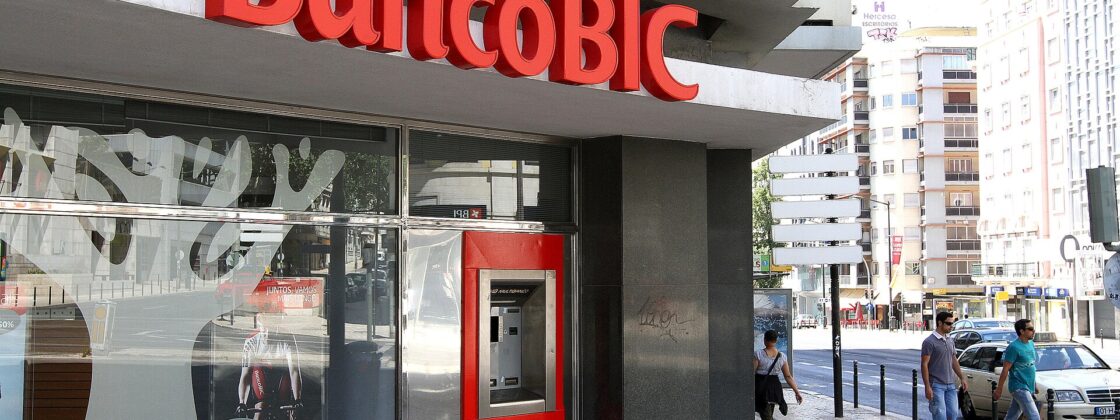
A Multibanco machine in Saldanha: BancoBIC by Cruks, CC BY-SA 3.0 de, via Wikimedia Commons.
A bank-branch Multibanco in Coimbra: Estudantes na Rua Ferreira Borges junto ao Arco de Almedina by Joehawkins, CC BY-SA 4.0, via Wikimedia Commons.