Lisbon Food Guide
Traditional Portuguese Food: 25 Dishes You Must Try in Lisbon (2026)
A food lover's guide to 25 must-try Portuguese dishes in Lisbon—from bacalhau and bifanas to pastéis de nata, with where to find the best versions.
In this guide
Traditional Portuguese food is one of Western Europe’s last genuinely under-the-radar cuisines — built on Atlantic seafood, Mediterranean produce, African spices brought back from the Age of Discoveries, and a peasant culture that turned the cheapest cuts and humblest ingredients into some of the continent’s deepest comfort foods. Lisbon, as the capital and largest city, offers the most accessible introduction.
Forty minutes up the line, Sintra has two pastries of its own — one much older than the other. Our guide to eating in Sintra sorts the travesseiro from the queijada.
This guide covers 25 dishes you should genuinely try in Lisbon, with what to expect from each, where to find the best versions, and what to order if you’ve never had any of them before. Updated for 2026.
Quick Categories
Cod and salt-fish: Bacalhau à brás, bacalhau à lagareiro, bolinhos de bacalhau, bacalhau com natas, bacalhau à Gomes de Sá
Other seafood: Sardinhas assadas, polvo à lagareiro, ameijoas à Bulhão Pato, arroz de marisco, cataplana
Meat: Cozido à Portuguesa, leitão, bifana, prego, francesinha (more Porto), arroz de pato
Light bites and starters: Pataniscas, peixinhos da horta, tremoços, chouriço assado, queijo da serra
Sweets: Pastel de nata, queijada de Sintra, ovos moles, travesseiro, pão de Deus
Drinks: Ginjinha, vinho verde, port, Madeira
The Cod Dishes (Bacalhau)
1. Bacalhau à Brás
The most-recommended introduction to bacalhau. Shredded salt cod sautéed with onions, scrambled with eggs, and folded with tiny matchstick fried potatoes, finished with parsley and black olives. Soft, savory, slightly creamy, deeply comforting. Pairs with vinho verde or a young red.
Where: Taberna da Rua das Flores (Chiado), Cantinho do Avillez (Chiado), most neighborhood tascas. Mains €14–€22.
2. Bacalhau à Lagareiro
Whole baked salt cod with smashed roasted potatoes (batatas a murro) drowned in olive oil and garlic. Less subtle than à brás but more dramatic — meant for sharing.
Where: Solar dos Presuntos (Restauradores), Cervejaria Trindade. Mains €22–€32.
3. Bolinhos / Pastéis de Bacalhau
Small egg-shaped fried cod cakes made from salt cod, potato, parsley, and onion. Served as appetizers or street food. The version filled with Serra cheese (a sheep’s-milk cheese from the Serra da Estrela mountains) is a Casa Portuguesa do Pastel de Bacalhau signature.
Where: Casa Portuguesa do Pastel de Bacalhau (Praça da Figueira), Time Out Market, most cervejarias. €1.20–€5 each.
4. Bacalhau com Natas
Salt cod baked with cream, mashed potatoes, and onions. Casserole-style, very rich, very Portuguese-grandmother. The dish that converts skeptics to bacalhau.
Where: Most traditional tascas. Mains €14–€20.
5. Bacalhau à Gomes de Sá
Layers of salt cod, sliced potatoes, onions, hard-boiled eggs, and black olives baked together with olive oil. Originally from Porto but ubiquitous in Lisbon.
Where: Tasca do Chico, neighborhood tascas. Mains €14–€18.
Other Seafood
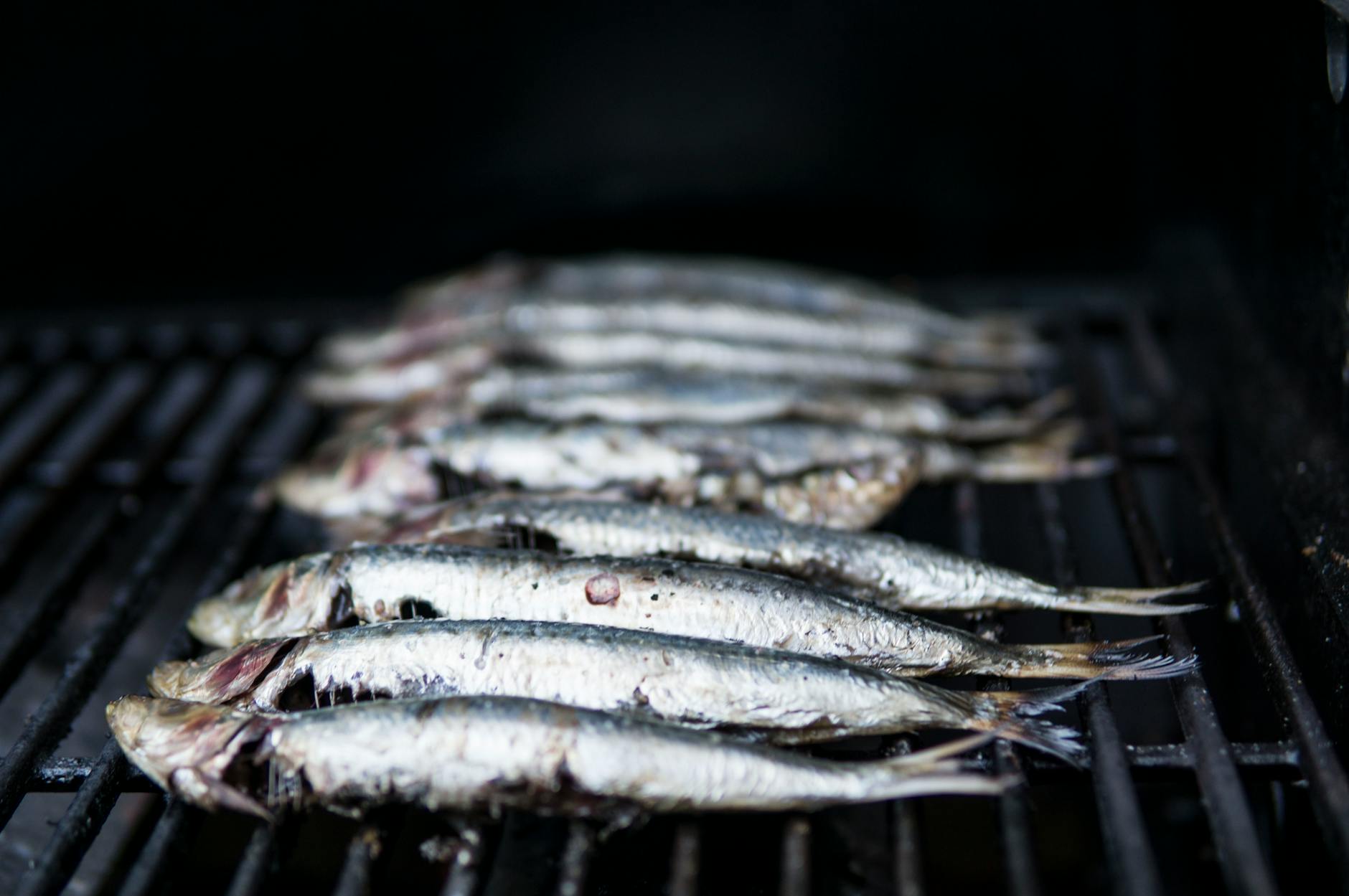
6. Sardinhas Assadas (Grilled Sardines)
Whole grilled sardines on charcoal, served with bread and a tomato salad. The peak season is June (during the Festas de Santo António, when grilled sardines are the official street food of Lisbon’s biggest party). Outside June, frozen sardines are common — quality varies.
Where: Cervejaria Ramiro, neighborhood charcoal grills, every Mouraria street during Santo António. €8–€15 per portion.
7. Polvo à Lagareiro
Whole grilled octopus with olive oil and roasted smashed potatoes. The Portuguese love octopus and prepare it brilliantly — a single tentacle can be the size of a small fish.
Where: Sea Me (Chiado), Cervejaria Ramiro, Pinóquio. Mains €22–€38.
8. Ameijoas à Bulhão Pato
Fresh clams steamed with white wine, olive oil, garlic, and cilantro (named after a 19th-century gourmand poet). One of Portugal’s signature dishes, perfectly executed.
Where: Cervejaria Ramiro is the gold standard. Most cervejarias do this well. €18–€24 per kilo.
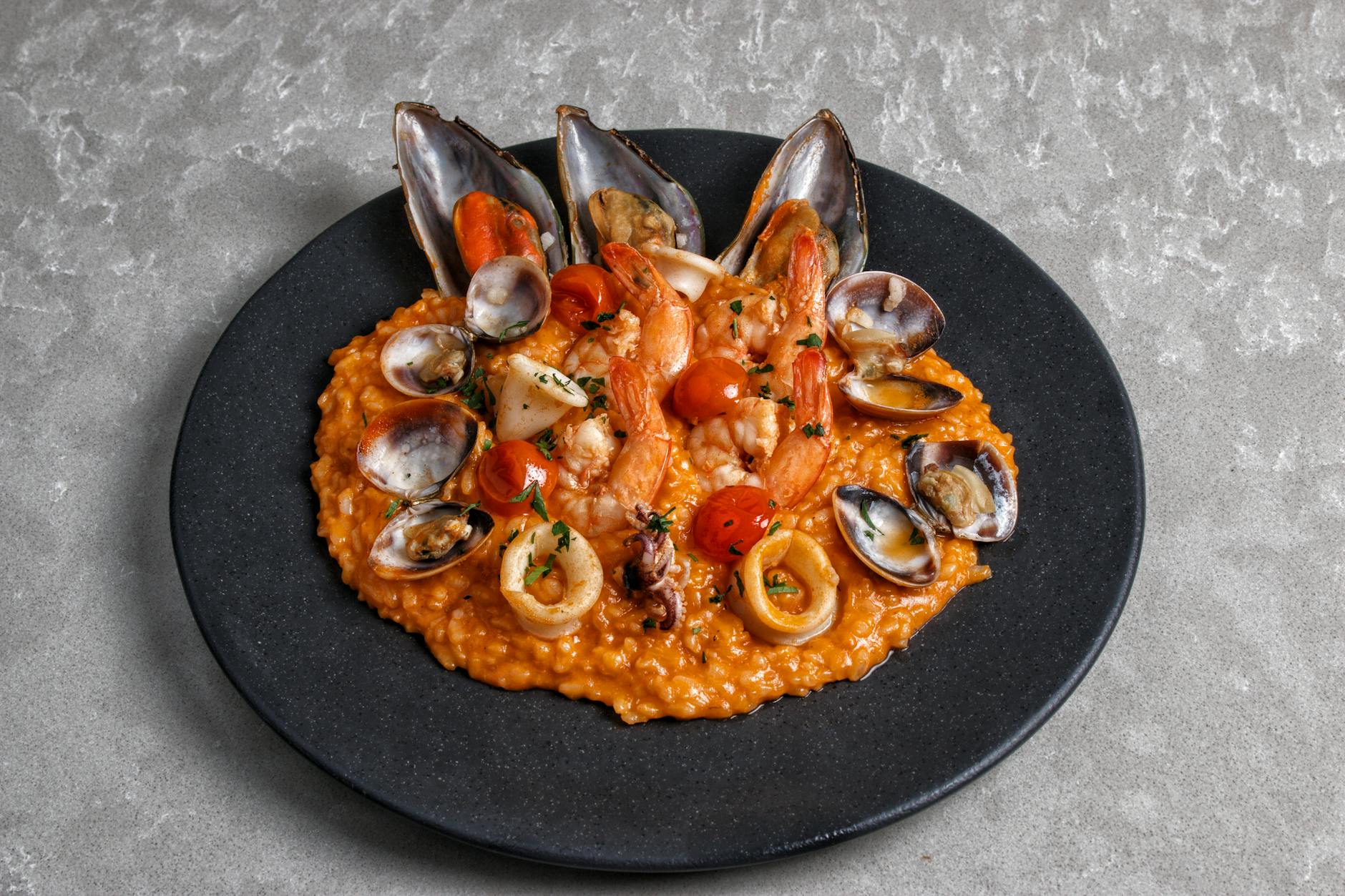
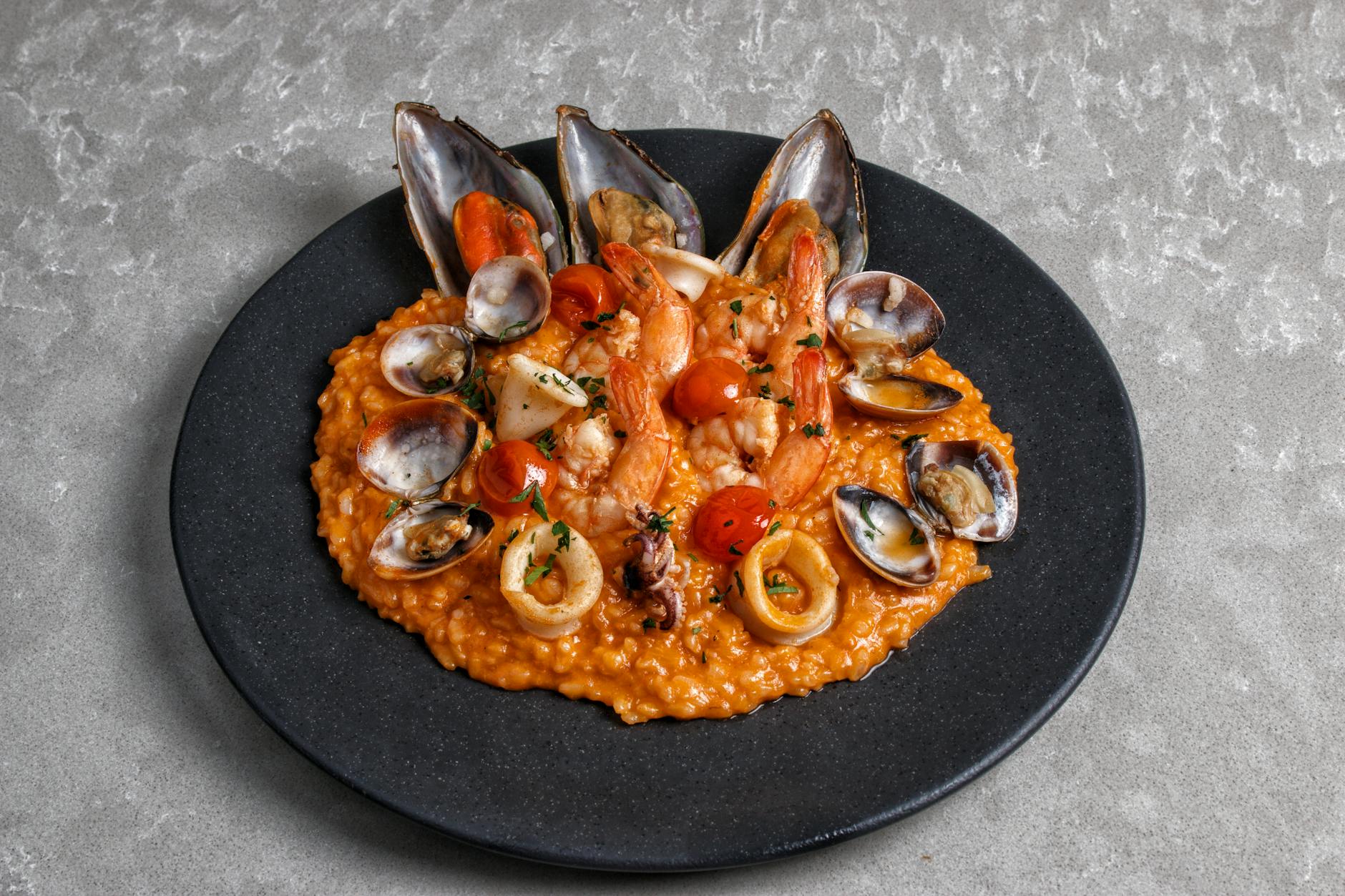
9. Arroz de Marisco (Seafood Rice)
The Portuguese answer to paella, but soupier and richer. A clay pot bubbling with rice, prawns, clams, mussels, fish, sometimes lobster, in tomato-rich broth. Always for two or more.
Where: Pinóquio, Cervejaria Ramiro, Sea Me. €22–€44 per person.
10. Cataplana
Algarvean by origin but found across Lisbon. A copper clamshell pan stewing seafood (clams, prawns, fish), pork, vegetables, white wine, and garlic. Theatrical service — opened tableside.
Where: Pinóquio, Cervejaria Ramiro. €22–€40 per person, for two.
11. Açorda de Marisco
Bread-and-egg seafood stew thickened with bread soaked in seafood broth, mixed with olive oil and herbs. Distinctively Portuguese — looks unusual but tastes deeply satisfying.
Where: Pap’Açorda (Bairro Alto). €18–€24.
Meat Dishes
12. Cozido à Portuguesa
Portugal’s national stew. A massive plate of boiled meats (beef, pork, sausage including chouriço and morcela, pig’s ear, sometimes chicken) served with cabbage, carrots, potatoes, beans, and rice. Meant for cold winter days; takes hours to prepare. The locals’ Sunday lunch.
Where: Zé da Mouraria (Mouraria), Solar dos Presuntos. Mains €14–€22.
13. Leitão (Suckling Pig)
Whole roast suckling pig with crackling skin and tender flesh, traditionally seasoned with garlic, salt, and pepper. The Bairrada region (between Coimbra and Aveiro) is the spiritual home, but Lisbon does it well. Special occasion food.
Where: Mira-Mar (Avenida Almirante Reis), specialized leitão restaurants. €18–€28.
14. Bifana
The Portuguese workingman’s sandwich. Thin pork escalopes marinated in white wine, garlic, and paprika, served on a crusty roll with mustard. €3–€5 from any tasca, a religion at O Trevo (Praça Luís de Camões).
Where: O Trevo (the gold standard), any tasca, Casa das Bifanas (Praça da Figueira).
15. Prego
The bifana’s beef cousin: thin steak in a roll with garlic and mustard. Often served as the dessert course at Cervejaria Ramiro after a seafood feast — yes, “dessert” in this case is a steak sandwich.
Where: Cervejaria Ramiro, every cervejaria, O Talho. €5–€10.
16. Arroz de Pato (Duck Rice)
Slow-cooked duck baked into a rich savory rice with chouriço, onions, and saffron. Comfort food at its peak.
Where: Most traditional tascas. €14–€22.
17. Frango Assado / Piri-Piri
Roast chicken with secret-recipe piri-piri sauce. Bonjardim (Restauradores) has the city’s best version — an institution for over 60 years. €9–€14 per half-chicken.
18. Carne de Porco à Alentejana
An unlikely-sounding combination — diced marinated pork with clams in white wine sauce — that turns out to be one of Portugal’s signature dishes. Originally from the Alentejo region, served everywhere in Lisbon.
Where: Most traditional restaurants. €14–€20.
Starters and Petiscos
19. Pataniscas
Cod fritters — battered and fried squares of salt cod, potato, parsley, and egg. Crisp outside, soft inside, served with bean salad. The classic Lisbon petisco.
Where: Most tascas. €4–€8 per portion.
20. Peixinhos da Horta
Battered and fried green beans, served like fish fingers. Look like little fish (“little fish from the garden”). Cult dish at Cantinho do Avillez and several other modern Portuguese restaurants.
Where: Cantinho do Avillez, Sea Me, Time Out Market. €5–€8.
21. Tremoços
Salted lupin beans, served free with beer at most tascas and bars. Salty, dense, addictive — peel the outer skin with your teeth and eat the yellow bean inside. Free.
22. Chouriço Assado
Spicy Portuguese sausage flame-grilled at the table over alcohol. Theatrical and delicious. €5–€9 per chouriço.
23. Queijo da Serra (Serra Cheese)
Soft, runny sheep’s-milk cheese from the Serra da Estrela mountains. Cut off the top and spoon out the interior. Eaten with bread and a glass of port.
Where: Most cheese-focused restaurants, Mercado da Ribeira (Time Out Market). €8–€18.
Sweets and Pastries
24. Pastel de Nata
The world-famous Portuguese custard tart. Crisp puff-pastry shell filled with rich egg-yolk custard, finished with a darker caramelized top, sprinkled with cinnamon and powdered sugar. €1.30 each. Best from Pastéis de Belém (the original recipe since 1837) or Manteigaria (multiple Lisbon locations).
See our where to find the best pastel de nata in Lisbon guide.
25. Queijada de Sintra
Small cheese tart from Sintra — soft sheep’s-milk cheese, sugar, and cinnamon in a thin pastry shell. Different from pastel de nata; lighter and tangier.
Where: Sintra (the original from Piriquita) and Lisbon’s better pastelarias.
Bonus Sweets
Travesseiro — flaky rectangular pastry filled with almond and egg-yolk cream. The Sintra signature dessert, available in Lisbon at Aloma and several other pastelarias.
Ovos Moles — small almond-and-egg-yolk sweets traditionally from Aveiro, often shaped like sea creatures or shells.
Pão de Deus — sweet bread topped with shredded coconut and egg-yolk glaze. Excellent breakfast item.
Bolo-rei — Portuguese king cake with crystallized fruit, traditionally December–January.
Toucinho do céu — almond-and-egg dessert, intensely sweet, found in many traditional bakeries.
Drinks to Pair
Vinho Verde
Light, slightly fizzy white wine from Portugal’s far north. Crisp, low alcohol (10–11.5 percent), perfect with seafood. €3–€5 per glass at most tascas.
Port (Vinho do Porto)
Fortified wine from the Douro Valley. Tawny ports (10-, 20-, 30-year aged) are excellent value compared to vintage. Drunk after dinner with cheese or sweets.
Madeira Wine
Fortified wine from the Madeira islands. Less famous than port but historically more important — the wine of choice for the American founding fathers in Philadelphia. Sweet, complex, ageable.
Ginjinha
Lisbon’s signature cherry liqueur. Sweet, fragrant, served in tiny shot glasses at small standing-room bars. Try at A Ginjinha (Largo de São Domingos, since 1840). €1.50 per shot, €15–€18 per bottle to take home.
Aguardente / Bagaço
Strong grape brandy traditionally served with coffee. €1–€3 per shot.
Beer
Sagres and Super Bock are the two main Portuguese pilsners. Both are decent and ubiquitous. Craft beer scene growing in Lisbon — try LX Brewery or Dois Corvos for local craft.
Where to Eat Each Dish
| Dish | Best place in Lisbon |
|---|---|
| Bacalhau à brás | Taberna da Rua das Flores |
| Bacalhau à lagareiro | Solar dos Presuntos |
| Bolinhos de bacalhau | Casa Portuguesa do Pastel de Bacalhau |
| Sardinhas assadas (in season) | Cervejaria Ramiro or Mouraria street grills |
| Polvo à lagareiro | Sea Me |
| Ameijoas à Bulhão Pato | Cervejaria Ramiro |
| Arroz de marisco | Pinóquio |
| Cozido à Portuguesa | Zé da Mouraria |
| Bifana | O Trevo |
| Prego | Cervejaria Ramiro |
| Frango assado piri-piri | Bonjardim |
| Pastel de nata | Pastéis de Belém / Manteigaria |
| Travesseiro | Piriquita (Sintra) or Aloma |
| Pataniscas | Most neighborhood tascas |
| Açorda de marisco | Pap’Açorda |
For deeper restaurant recommendations, see our best restaurants in Lisbon guide and our best tascas in Lisbon guide.
Eating Etiquette and Practical Tips
The couvert — bread, olives, butter, cheese, sometimes pâté brought to your table without ordering — is charged separately, typically €1.50–€5 per item. Decline anything you don’t want with “não, obrigado/a.”
Lunch is the best deal — most traditional restaurants offer a “prato do dia” (dish of the day) menu at 12:30–3 PM for €9–€14, including soup, main, drink, dessert/coffee. The same dishes a la carte at dinner can cost double.
Reserve — even casual tascas now take reservations. The famous spots (Cervejaria Ramiro, Taberna da Rua das Flores) book 7–14 days ahead in season.
Dinner runs late — Portuguese dine at 8:30–10 PM. Walking into a tasca at 6:30 PM means an empty room and a confused waiter.
Tipping — 5–10 percent at sit-down restaurants, round up at casual tascas. See our tipping in Lisbon guide.
Vegetarian and Vegan Options
Traditional Portuguese cuisine is meat- and seafood-heavy, but vegetarian options exist:
- Sopa do dia (vegetable soup, usually based on potato and greens)
- Caldo verde (kale soup with potato and olive oil)
- Peixinhos da horta (battered fried green beans)
- Açorda alentejana (sometimes made vegetarian with bread, garlic, cilantro, egg)
- Migas (bread-and-vegetable side dish)
- Modern Portuguese restaurants like Encanto (Michelin-starred plant-based) and Ao 26 (casual vegan, Cais do Sodré) cater explicitly to vegetarians and vegans
Seasonal Considerations
Summer (June–September) — sardine season peaks (especially June for Santo António). Cold soups (gazpacho-influenced açordas), grilled fish, and watermelon-and-cheese desserts are at their best.
Autumn (October–November) — chestnut roasters appear on every corner from St Martin’s Day (November 11). New-vintage Madeira and Vinho Verde release. Game and pork dishes return.
Winter (December–February) — cozido season. Bolo-rei in December. Bacalhau dishes peak around Christmas (Portuguese Christmas Eve dinner is traditionally salt cod). Ginjinha is popular as a winter warmer.
Spring (March–May) — light spring greens, fava beans, the start of fresh fish season, and the year’s first fresh sardines. Ideal for outdoor terrace eating.
FAQ: Traditional Portuguese Food
What is the most famous Portuguese food?
Pastel de nata (the custard tart) is the most internationally famous. Bacalhau (salt cod) is the most culturally important. Sardinhas assadas, bifana, and cozido à portuguesa round out the most-known Portuguese dishes.
What is bacalhau?
Salted, dried cod — Portugal’s national fish dish, prepared in a famously claimed 365 different ways (one for every day of the year). The cod is rehydrated in water for 24–48 hours before cooking, which removes the salt while preserving the flavor.
What’s a typical Portuguese meal?
Couvert (bread, olives) → soup → main course (fish, meat, or seafood) → cheese course (sometimes) → dessert → coffee + digestif (port, ginja, or aguardente). The full meal can easily run 2–3 hours.
Is Portuguese food spicy?
Generally no — Portuguese cuisine emphasizes herbs (parsley, cilantro), garlic, olive oil, and citrus over chili heat. The exception is piri-piri sauce (named after the Mozambican African bird’s-eye chili), which can be very spicy.
What’s the difference between Portuguese and Spanish food?
Both are Iberian and share many ingredients, but Portuguese cuisine emphasizes salt cod (vs Spanish fresh fish), uses more cilantro, less paprika, more olive oil, and fewer rice-based dishes. Portuguese desserts use more egg yolk; Spanish desserts use more almonds.
What is a Portuguese tasca?
A small, family-run neighborhood restaurant with daily specials, simple Portuguese cooking, and prices kept low for local customers. The cultural backbone of everyday Portuguese eating.
Where is the best traditional Portuguese food in Lisbon?
Mouraria, Campo de Ourique, Graça, and Penha de França are the residential neighborhoods with the highest concentration of locals-only tascas. For more polished traditional Portuguese, Solar dos Presuntos (Restauradores), Cervejaria Trindade (Bairro Alto), and Cervejaria Ramiro (Intendente).
Is Portuguese food healthy?
Generally yes — emphasizes olive oil, fish, vegetables, and fresh seasonal produce. The Mediterranean diet template applies. Some traditional dishes (cozido, leitão) are heavier, but everyday tasca cooking tends toward light fish and grilled meats.
Bottom Line
The 25 dishes above are the heart of traditional Portuguese food in Lisbon. Start with bacalhau à brás, a half-portion of grilled sardines (in season), a single bifana, and a pastel de nata to warm-up your palate. Then work outward — into clams, octopus, cozido, and the desserts. Eat lunch like a local at neighborhood tascas, dine late at the famous spots, and pair everything with vinho verde, port, or ginjinha. You’ll leave Lisbon with a deeper appreciation for one of Western Europe’s quietest great cuisines.
Continue planning meals with our Lisbon Food Guide pillar, our best restaurants in Lisbon guide, our pastel de nata taste-test, and our best tascas in Lisbon shortlist.